Wednesday, my day off, I visited Sacramento and did two things I hadn’t done in 10 years.
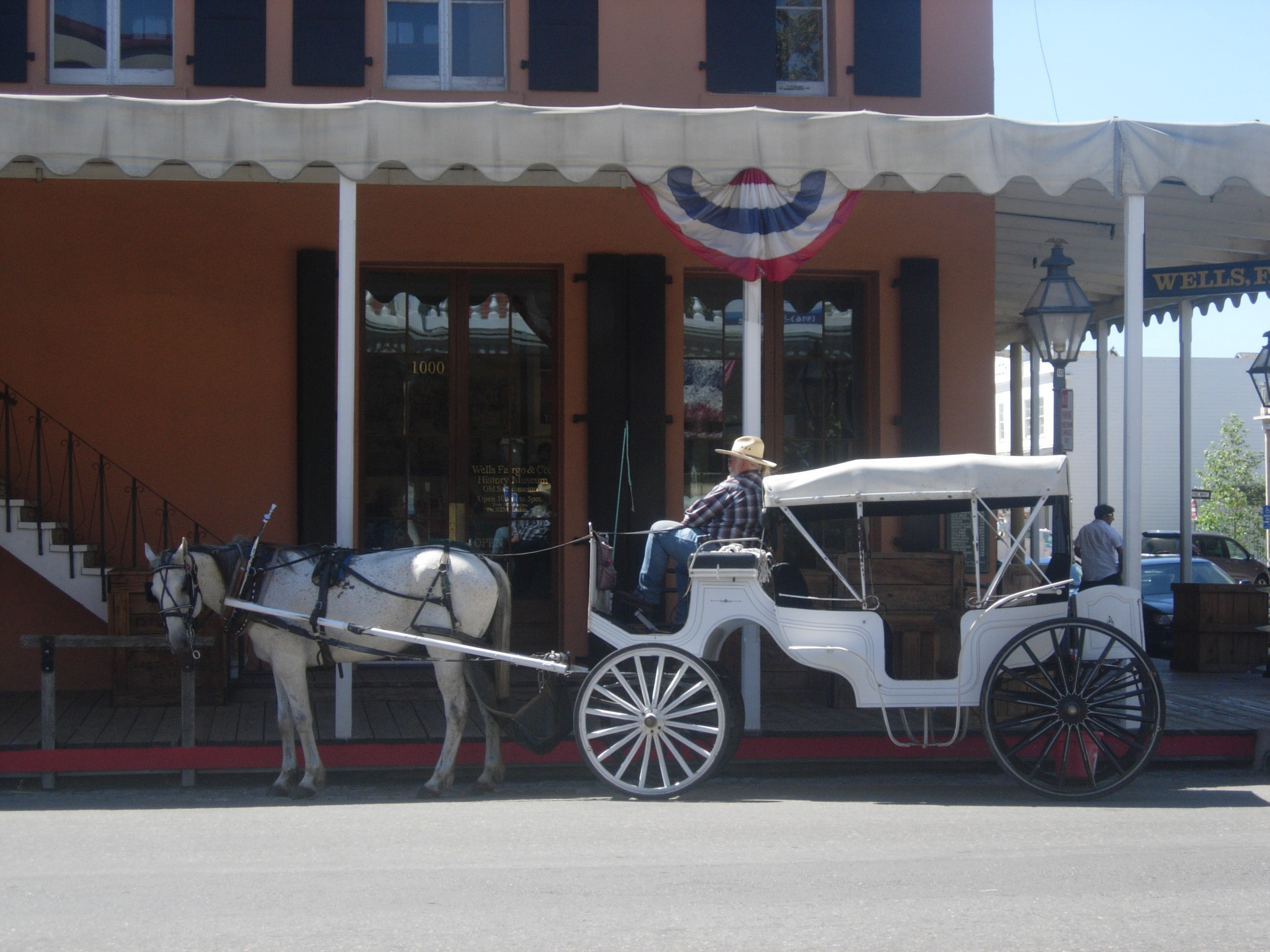
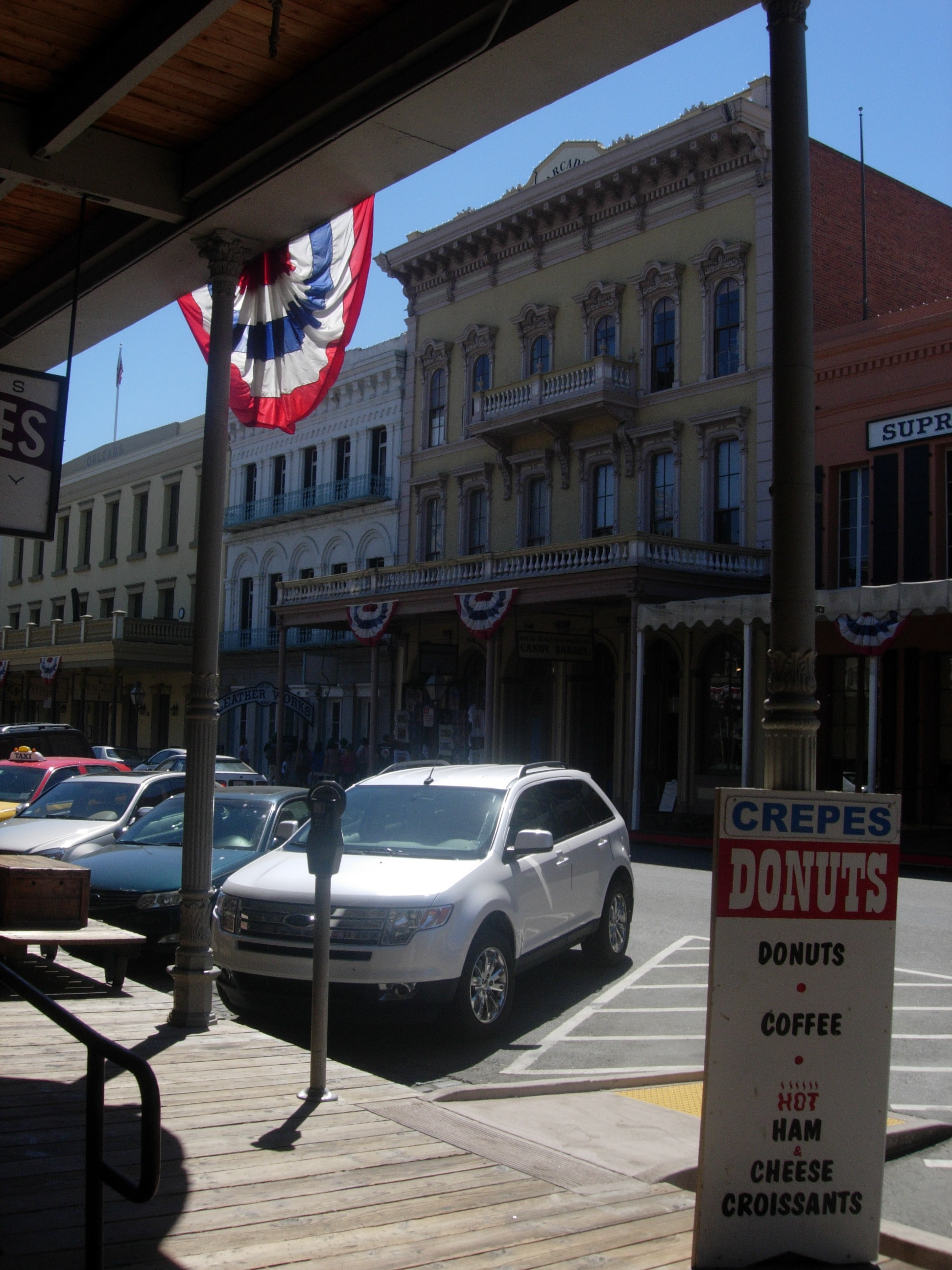
1) Hung out in historically preserved/decorated/re-imagined Old Sacramento.
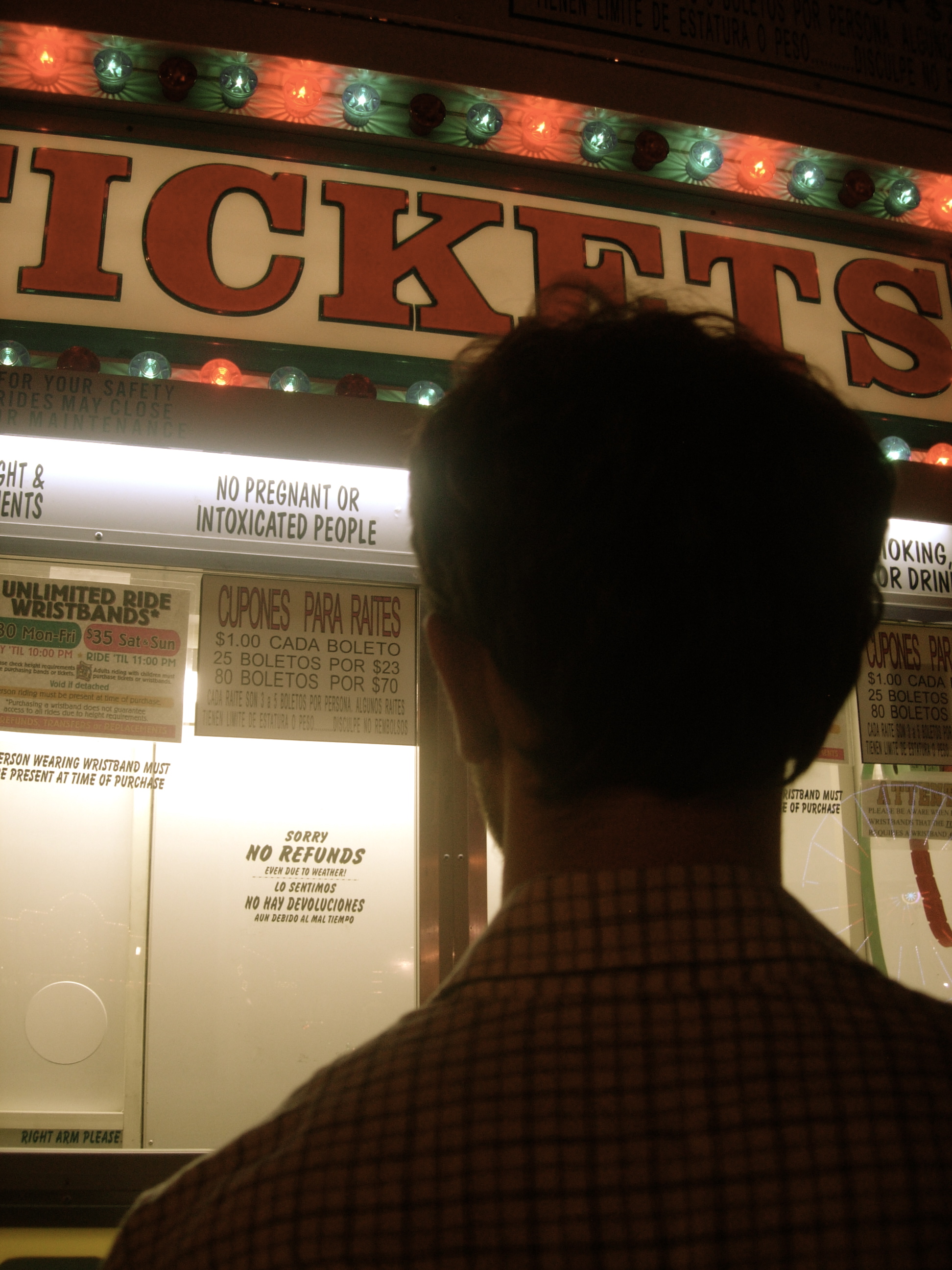
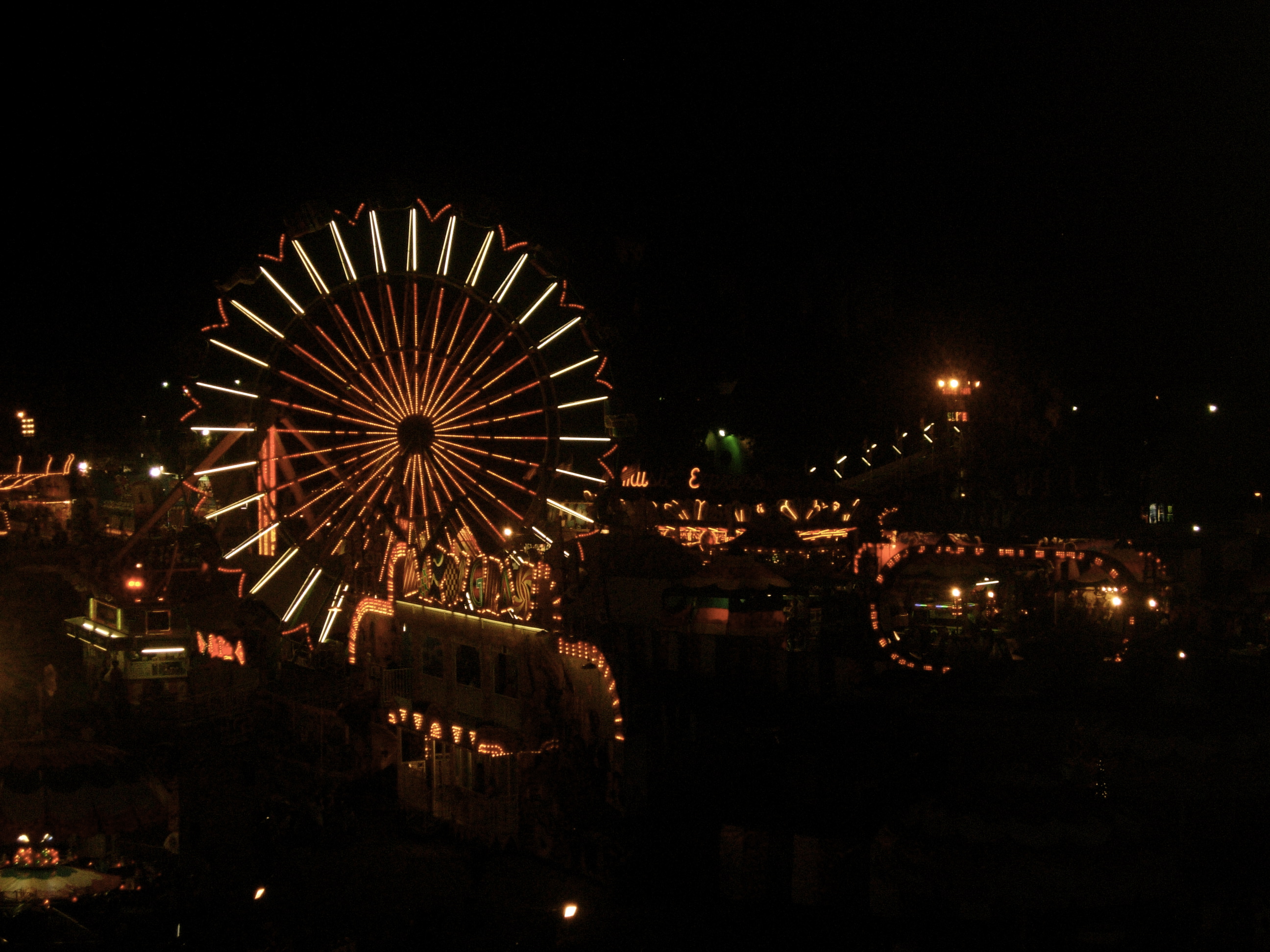
2) Went to the California State Fair.
I swear, the more time I spend in this city, the more I feel like a foreigner who just magically happens to know the streets and freeways well.
To slightly fictionalize an experience: a friend (and Buddhist) once told me about a conversation she had with a buddy of hers. Her buddy said, “I could never spend the majority of my life with one partner. I’d just get bored.”
To which my friend replied, “When you look very closely, you see that a person is always changing. So staying with one person is like being with a thousand people — a new one every morning.”
Despite having spent my entire childhood living in the same place, I don’t have one hometown. I have dozens.
It’s worth reading the entire A/S thread, but I thought I’d copy my piece here since it speaks to my 9-month experience at the Faithful Fools. (Damn, that long already?) A truly wonderful, radically humanist group, rare among non-profits in terms of the depth of its sustained connection to individuals in a community.
Ever since I started living and working here, I’ve wondered what kind of political organizing might take shape in the TL. In San Francisco lately there’s been some solid direct action around occupying empty buildings on behalf of eviction victims and homeless folks. At the same time, most people I see here are basically just struggling to survive and heal. Which, as I say in the comment below, deserves respect and recognition.
Thanks for posting this here — and thanks to Deluche for writing it.
I’m appreciating all the analysis from Icarus and a comrade. Much to think about.
Apart from the political-economic analysis, another current I was seeing in the original post is some attention to the lived experience of tremendous suffering that is happening in “surplus populations” within US urban ghettos, and their overlap with the working class.
Like Deluche says, without blaming or taking out anger on individuals within surplus populations, we can see the ways that being forced to live outside of a formal, legal economy — chronically unemployed, corralled, imprisoned — would (a) foster desperation and (b) support self-medicating addictions, both of which extend a chain of violence.
I don’t know enough about proper definitions of “lumpenproletariat” or surplus populations to comment on Icarus’ objection to an overly narrow focus on drug dealers and sex workers. But to speak just on my own experience living and working in the Tenderloin neighborhood of SF with a homeless community: criminalized addiction, exploitative sex work (amplified by transphobia), and stigmatized mental illness are definitely major factors dominating the scene around here.
At the same time, along with this enormous suffering and harm is the potential for astonishing healing. I haven’t even been working here that long (9 months), and already I’ve seen some incredible, long-time-coming shifts. Folks choosing to move forward in addiction recovery, dealing with depression and PTSD, making beautiful art, showing great generosity to others, and getting their feet on the ground — largely because a group of people stood by them and for years showed committed care, love, and faith in the face of an entire society that tells them they’re worthless and, yes, “parasitic.”
This kind of healing, even on an individual or small community level, is quite inspiring. Can we allow it to inform revolutionary organizing? Can we allow it to illuminate the healing work already taking place (often un-compensated and un-heralded) within the working-class itself, buttressing its power for economic and social transformation?
Seems to me that it’s easier for folks to dis those with no labor-power leverage when we take revolution of capitalism as the sole redemptive struggle in life. In truth, revolutionaries interested in building a better society for humans, animals, and the earth might benefit from learning about the inter-related struggles and healing among the ‘lumpen.’
One weekend highlight: Saturday night, when clubbing plans fell through, Ryan and I did a little online digging and came up with a one-hour, five-dollar, group bachata lesson near Lake Merritt. In a senior activity center, as we discovered on arrival. Talk about a score.
Let me just say: a lot of these elders can dance. I find it so inspiring. And many of the most optimistic, vivacious old folks I know are deeply musical people who actively dance, sing, or play instruments. So when Ryan and I learn bachata, I really feel like we’re investing in a long and happy life.
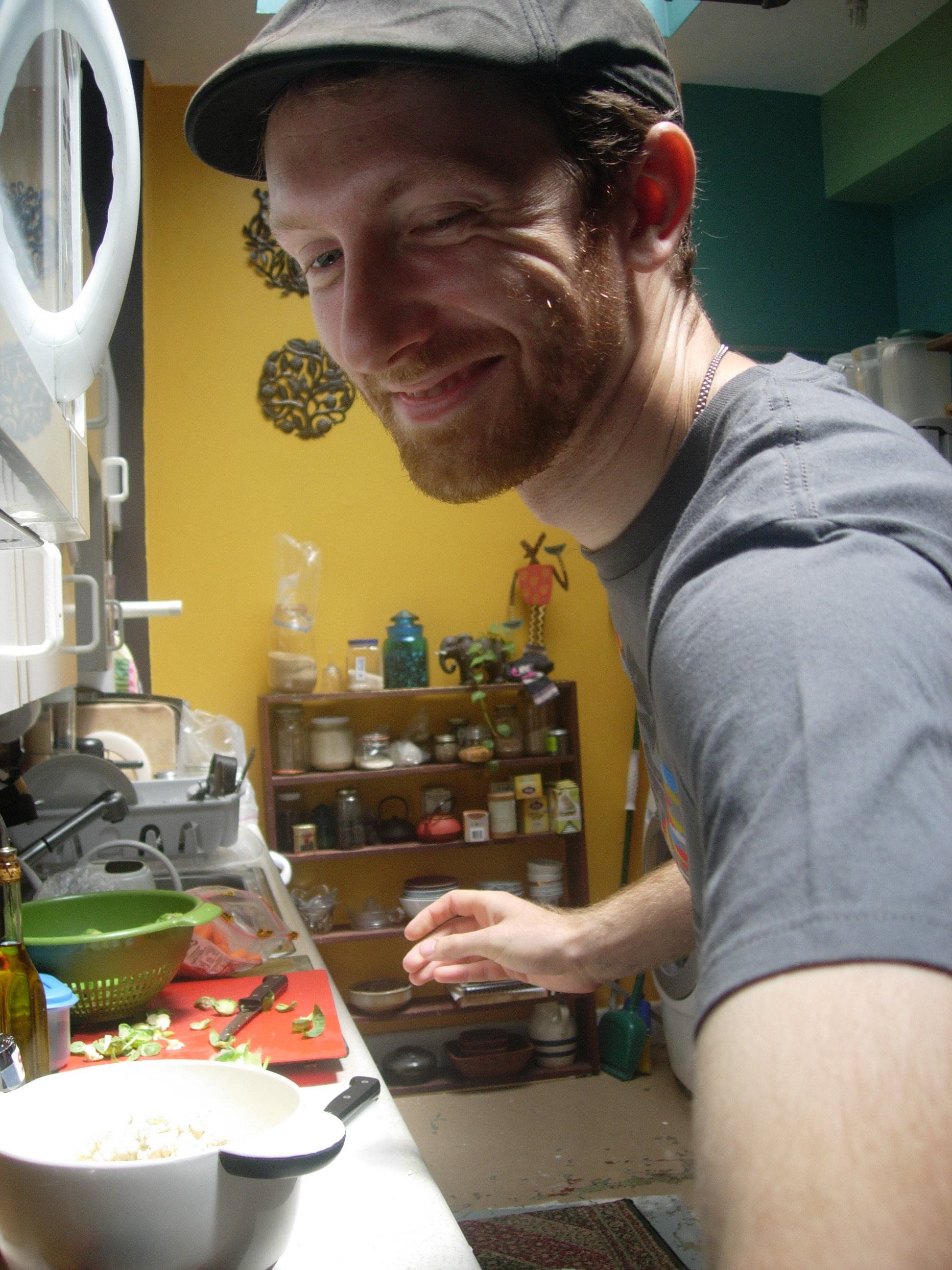
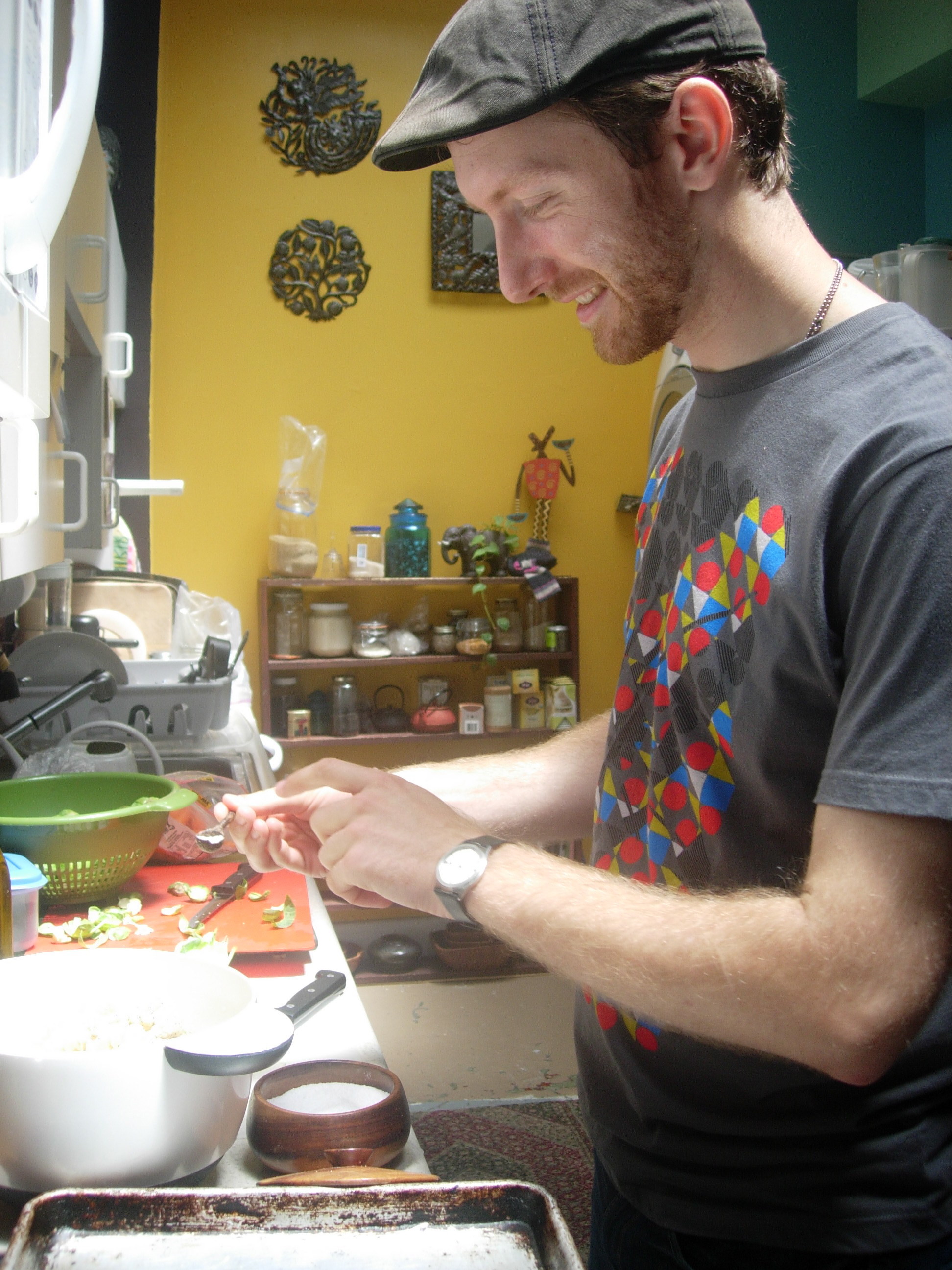
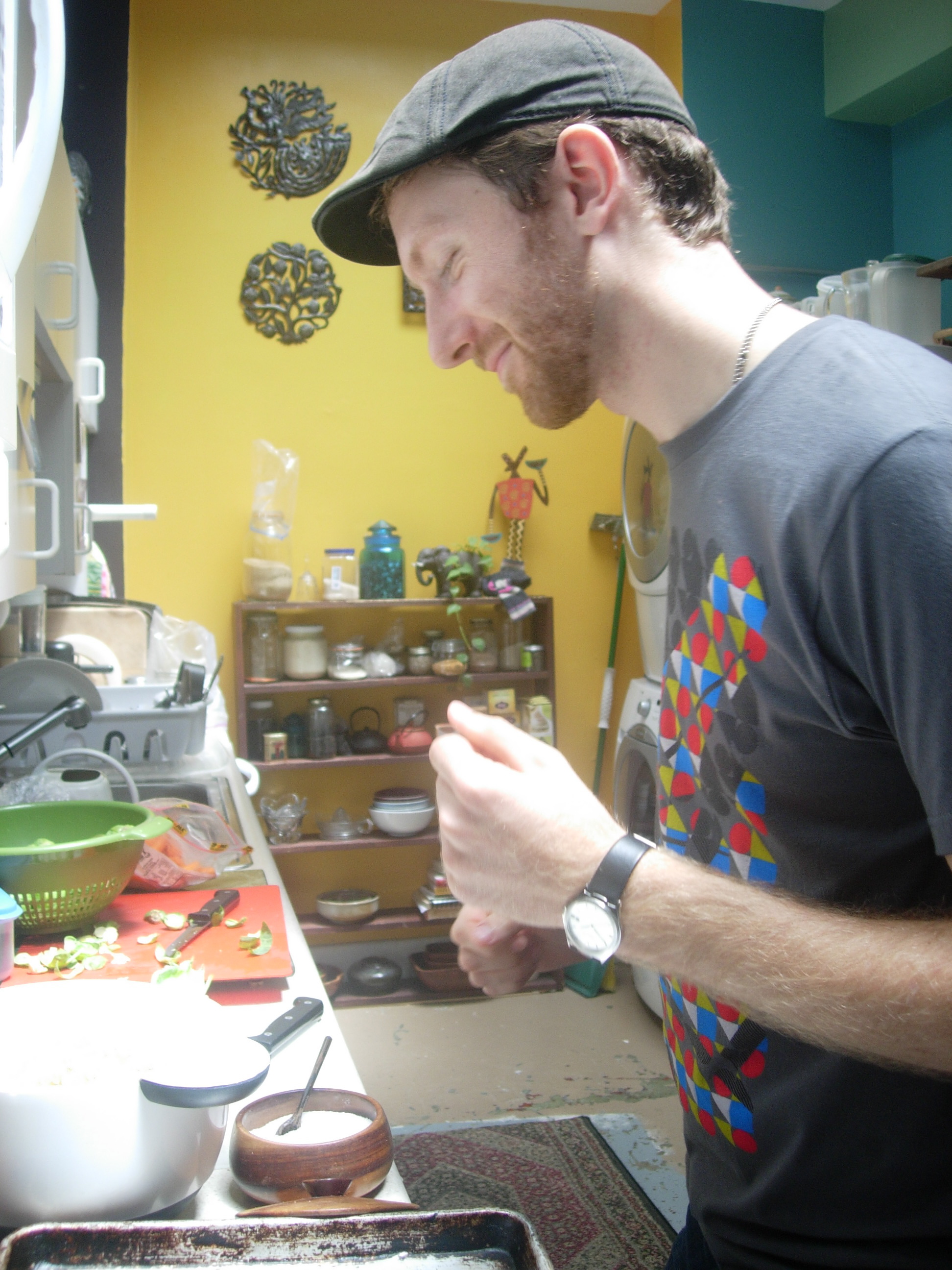
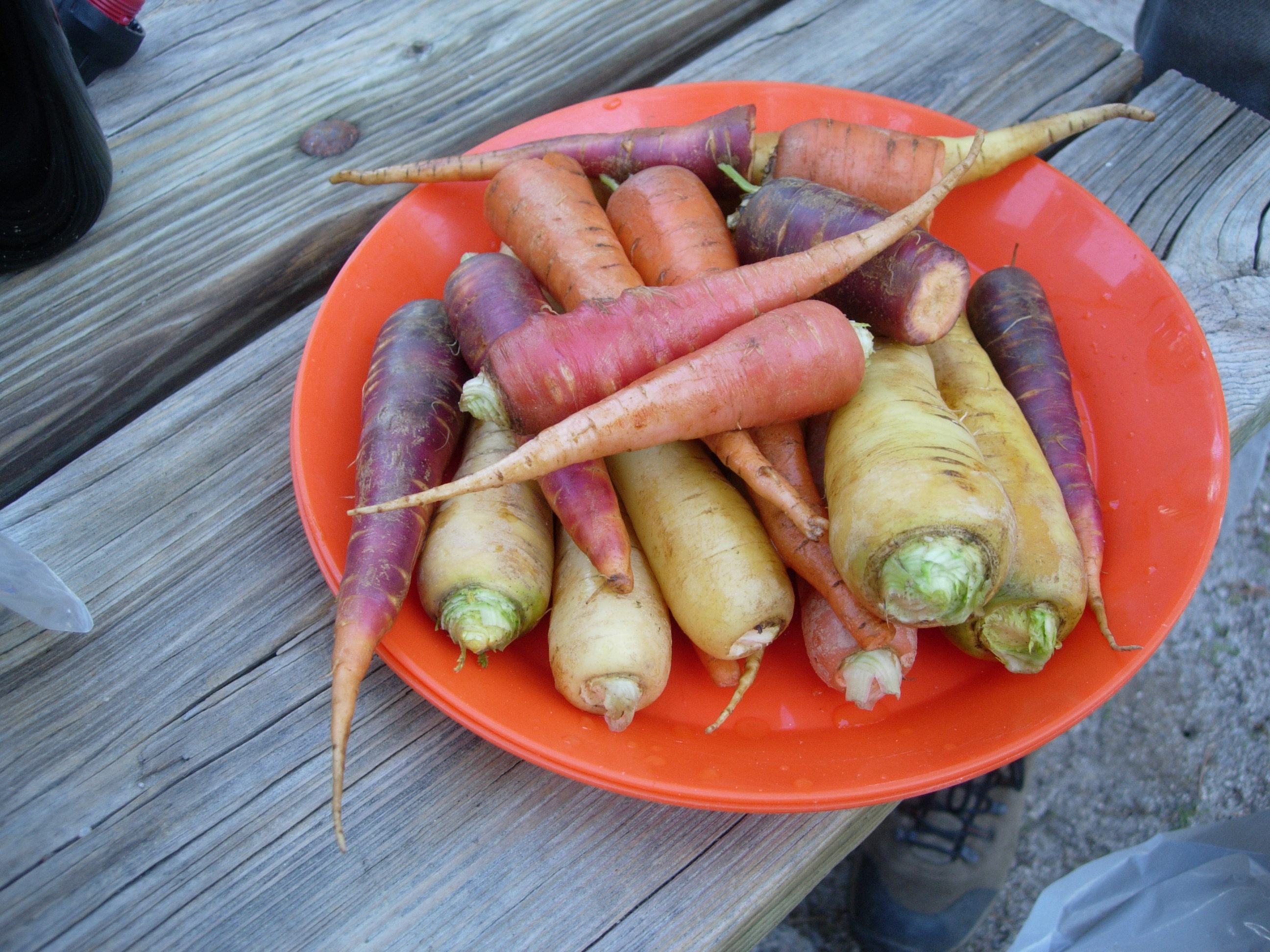
Bonus: practicing our moves while we roast a big pan of carrots, cauliflower, and b-sprouts.
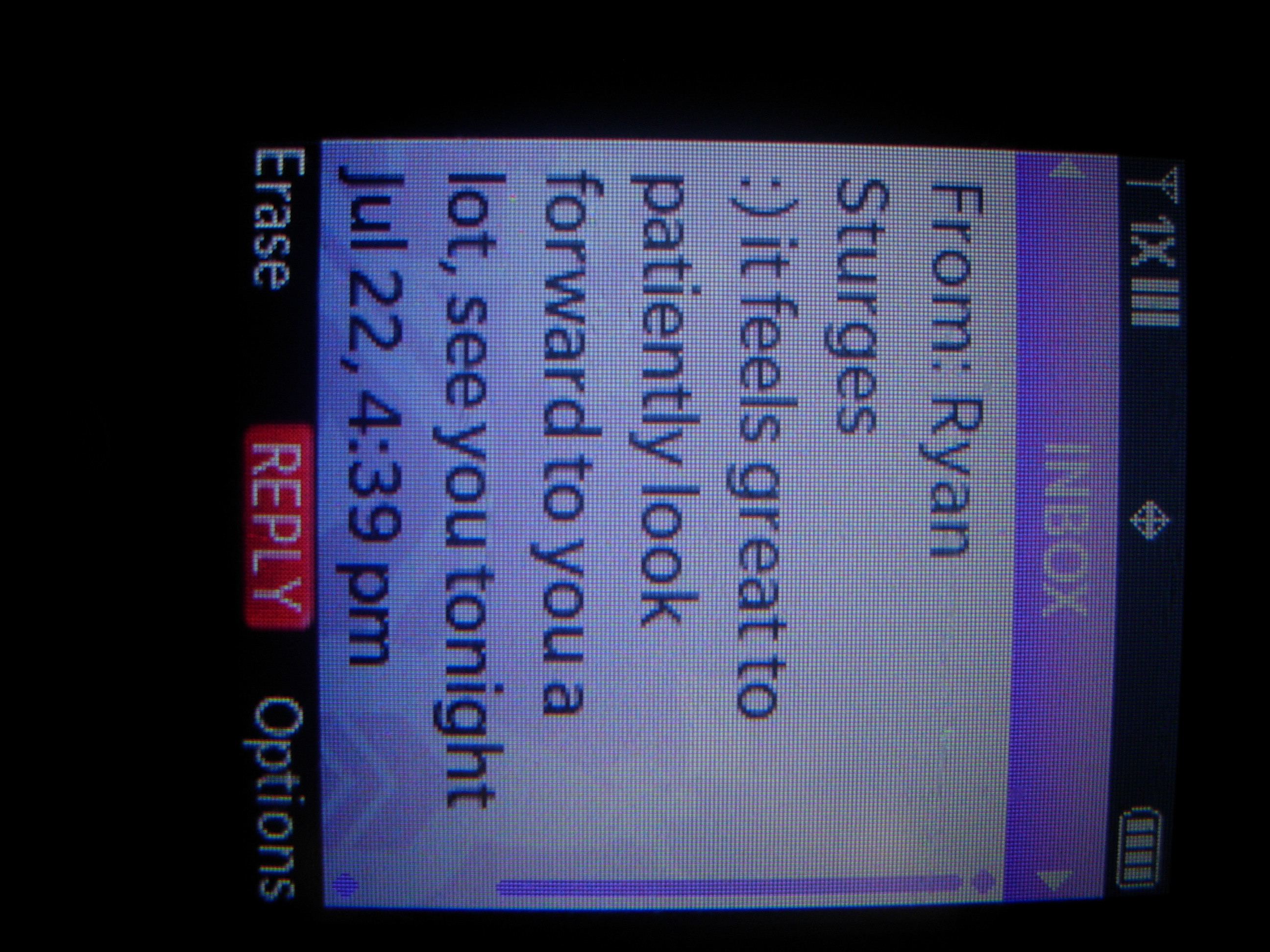
From my partner, after a week-and-a-half without seeing each other
For a variety of reasons, I often feel shy about celebrating this relationship. Given all the bullshit, grief, and even trauma that most of us young people endure in our love lives (and I’ve had my share, with more to come in the future, no doubt), it feels weirdly rude or dissonant when somebody speaks in detail about a marvelous partnership. Cute couple-y photos, fine; wedding or baby announcements, ok. But in general, no news is good news. Conversations are for commiserating over heartache, analyzing a transgression, or dishing about a new lover.
Besides, it’s a little difficult to even define what I mean by a “marvelous partnership.” I don’t mean pleasurable, necessarily, though it certainly is that. But for me, the relationship’s best attributes aren’t your typical high highs — the dizzy, heady, mind-blowing, earth-shaking, dare I say passionate feelings.
Instead, there’s deep comfort. Profound mutual respect and care. Trust. Confidence. Generosity. Wonder. Humor. Steadiness. Openness — which means both closeness and spaciousness. And the kind of love that radiates outward, illuminating not only the partnership itself but our engagement with others, too.
Culturally, many of us young people are quite savvy and adept at analyzing relationship dysfunction. (Avoiding the dysfunction is another story.) But when it comes to flourishing romance, the best we can do, it seems, is chalk it up to luck, destiny, or maybe hard work. (“Relationships take work,” I’ve often heard — with little elaboration on what that work entails, save for some intimations about compromise, gift-giving, ‘communication,’ and remembering anniversaries.)
Another reason I’m loathe to laud my situation is that I don’t want to reinforce pernicious myths about the supremacy of monogamy. We’re taught that qualities like trust and love come from monogamous relationships (and monogamous relationships only), rather than being brought to them.
I’m no relationship expert, but I do have eyes. And from what I’ve seen, very few people in our culture can develop healthy monogamous partnerships. Especially not without the benefit of some ethical, non-grasping, non-monogamous loving experience, or at least openness to that framework for intimacy. Not to mention some genuine comfort with being alone. Personally, I probably strengthened my relationship skills the most during the year when I was single and celibate, traveling solo and studying dhamma (including Thich Nhat Hanh’s Teachings On Love, on loan from my friend Erin).
See? There I go again, gettin’ all squirrelly writing this post about ‘my relationship WIN.’ Well it’s not a win, it’s just what’s happening, and there’s patience and enthusiasm and true love involved, and those are pretty great things.
Have a wonderful weekend, friends! See you Monday.
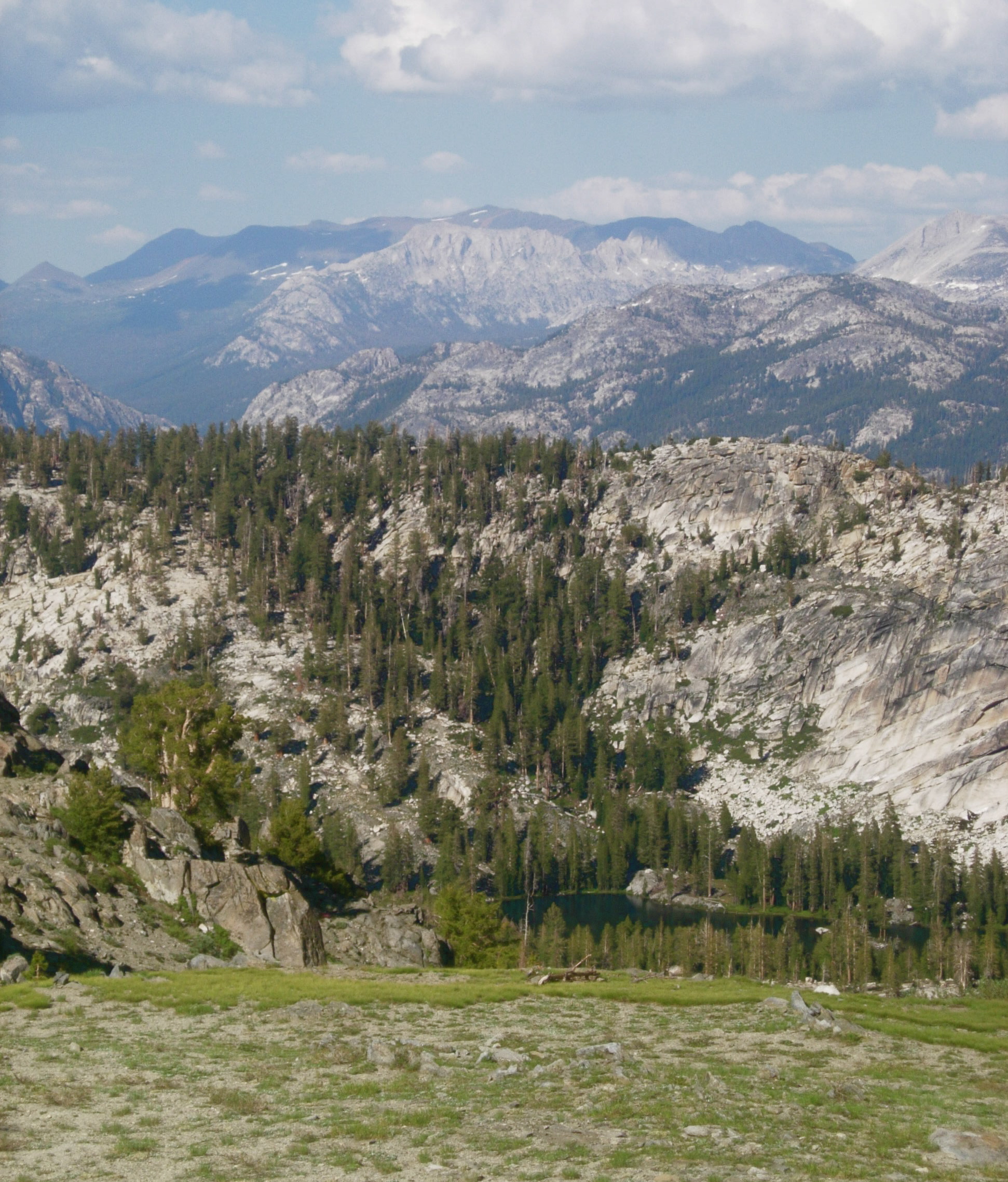
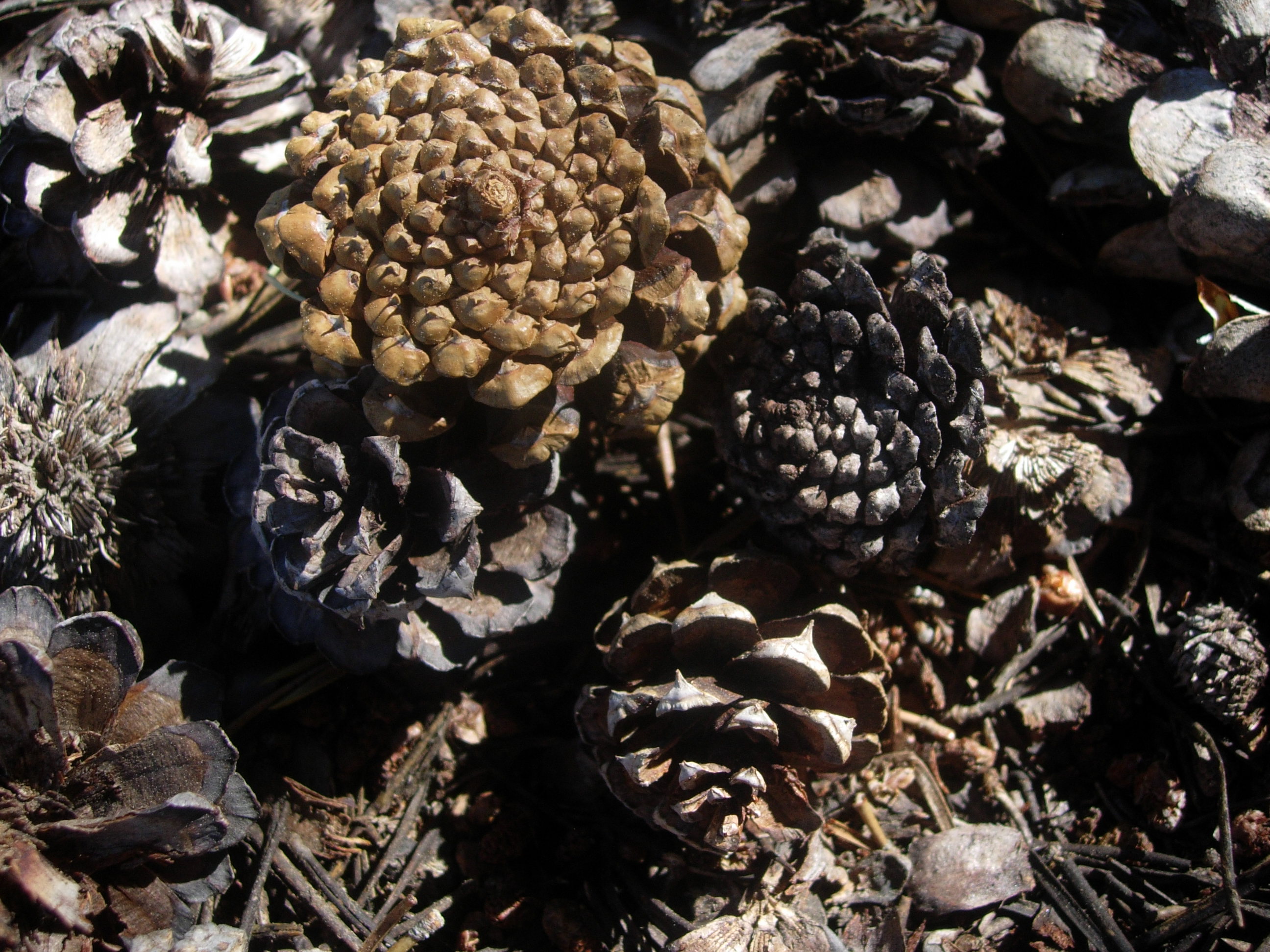
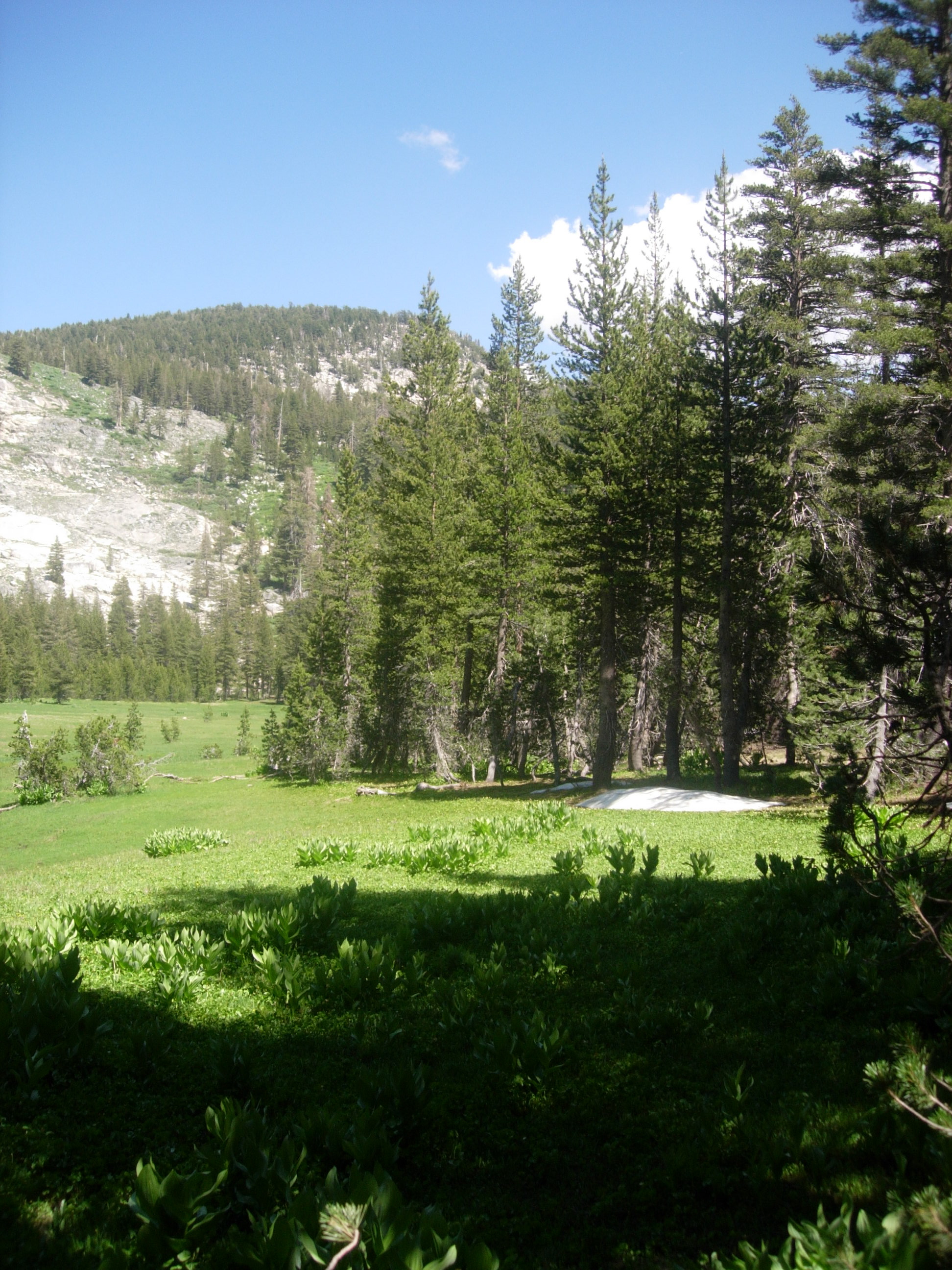
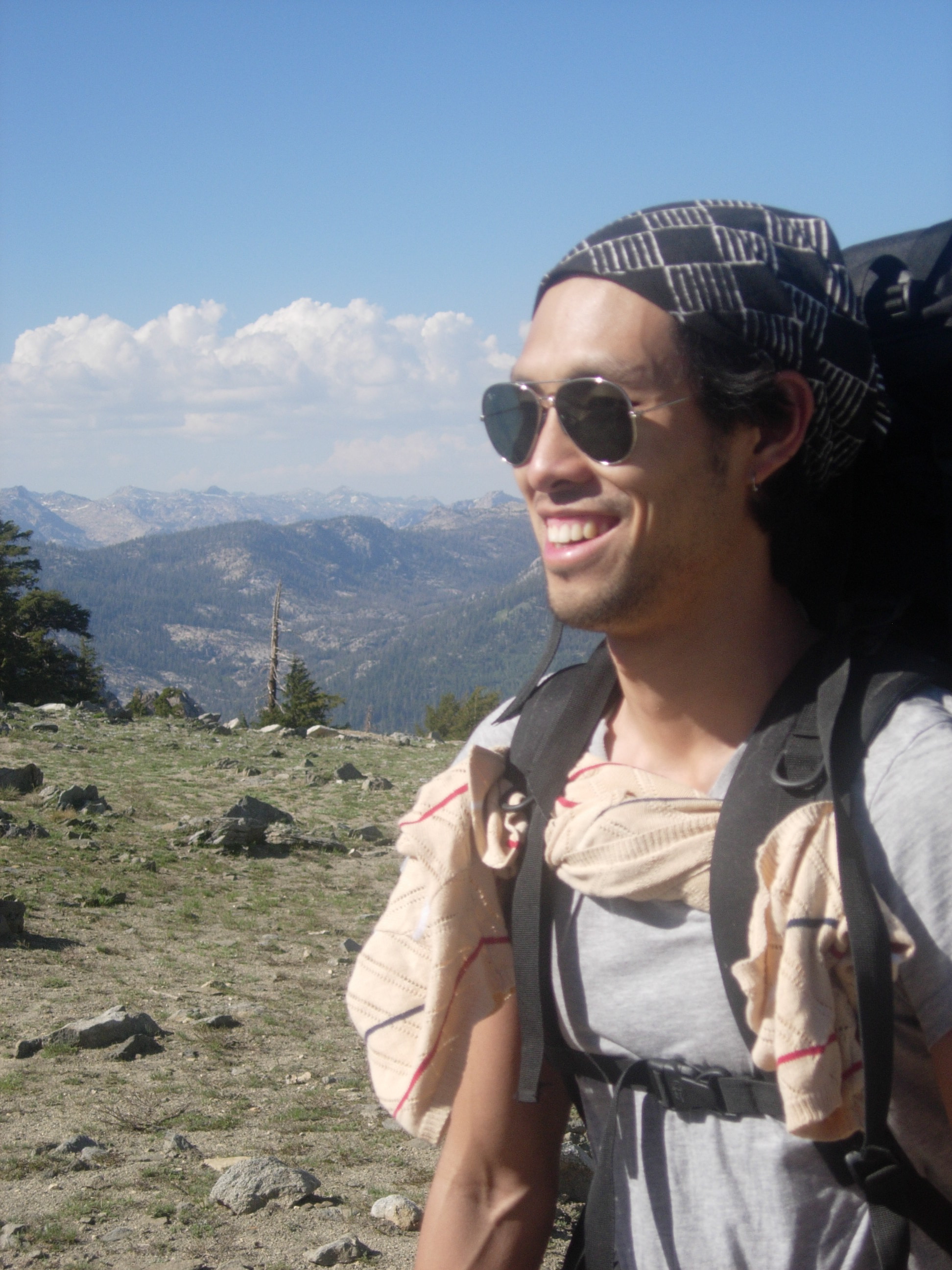
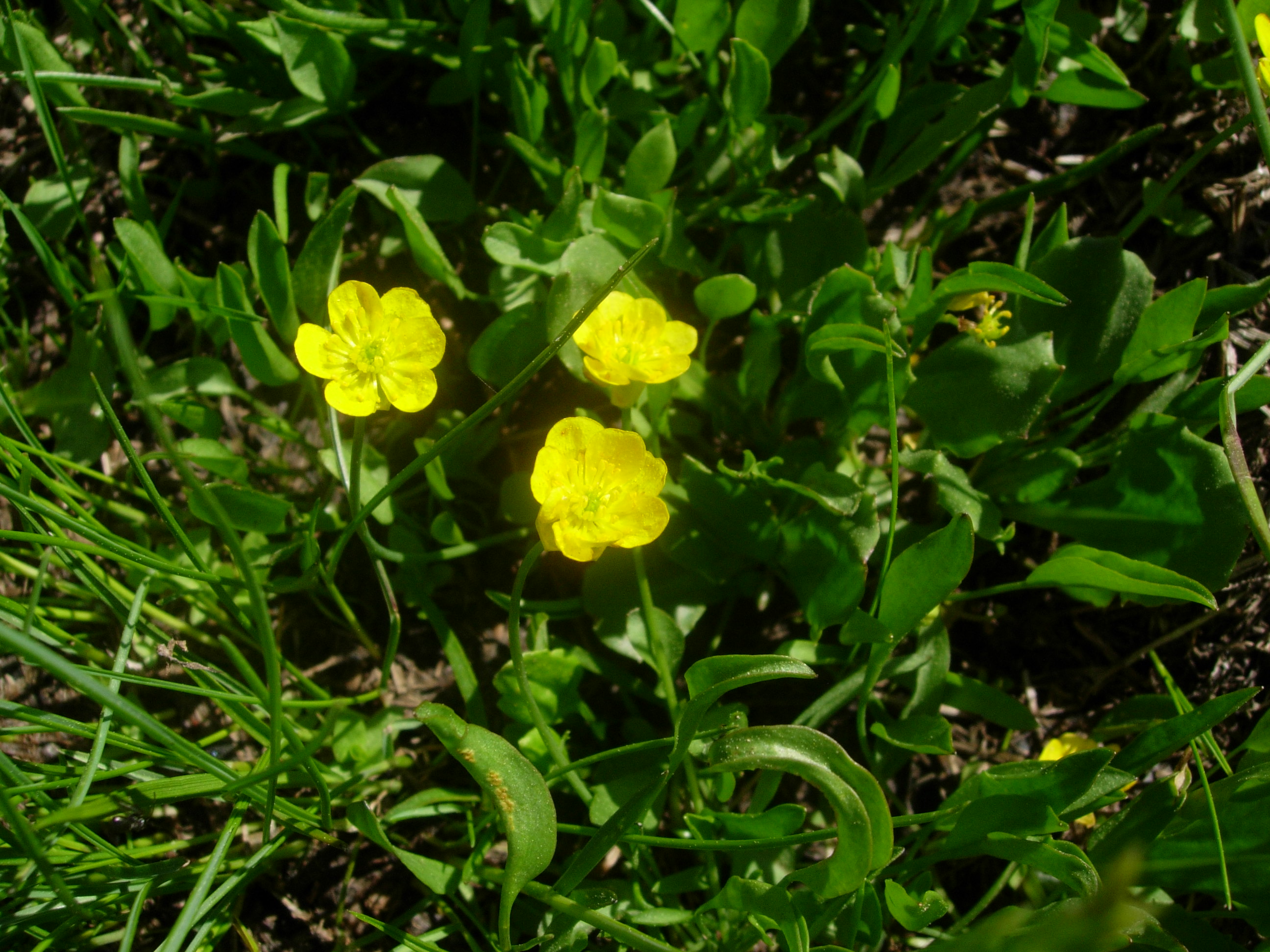
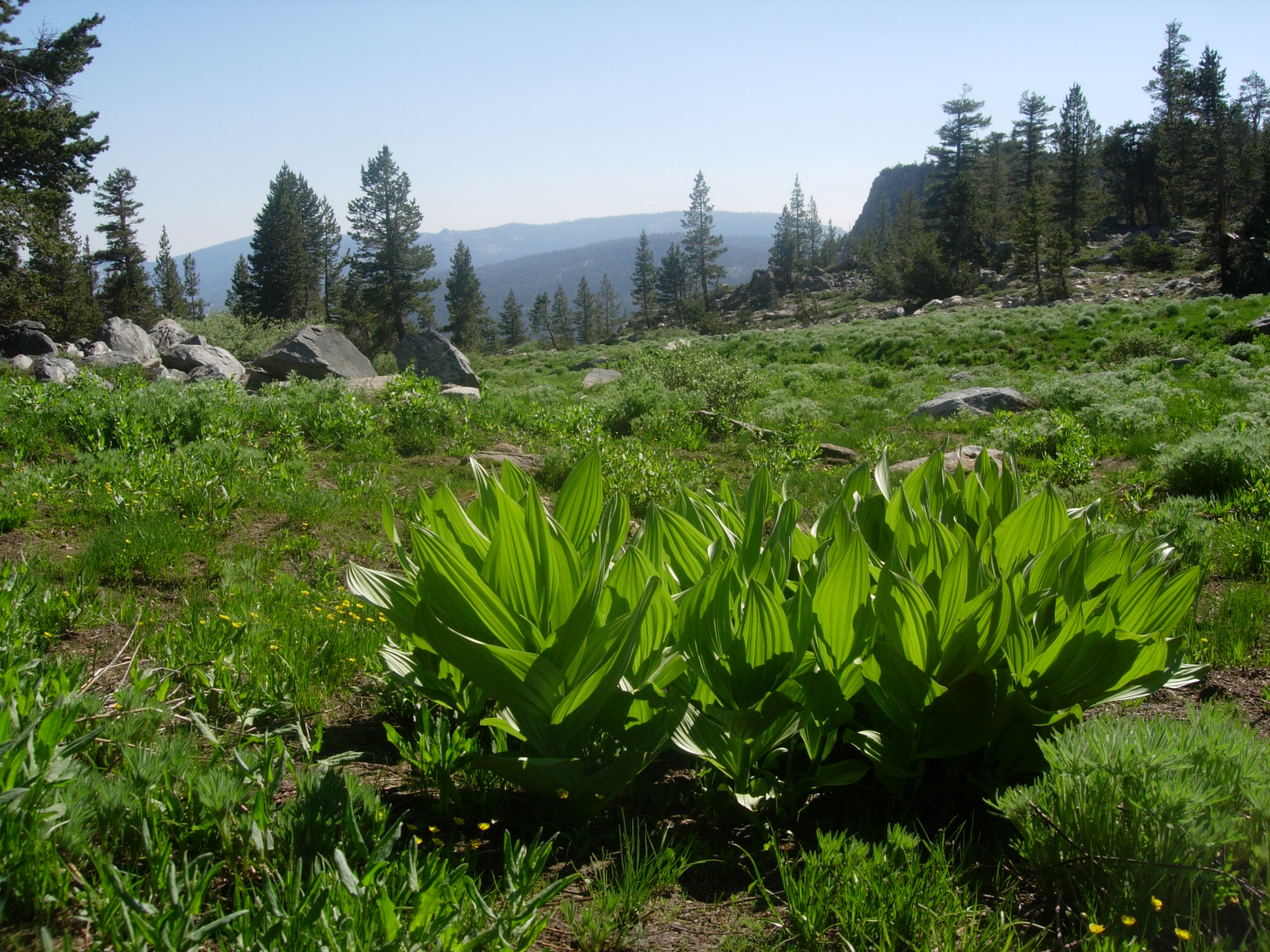
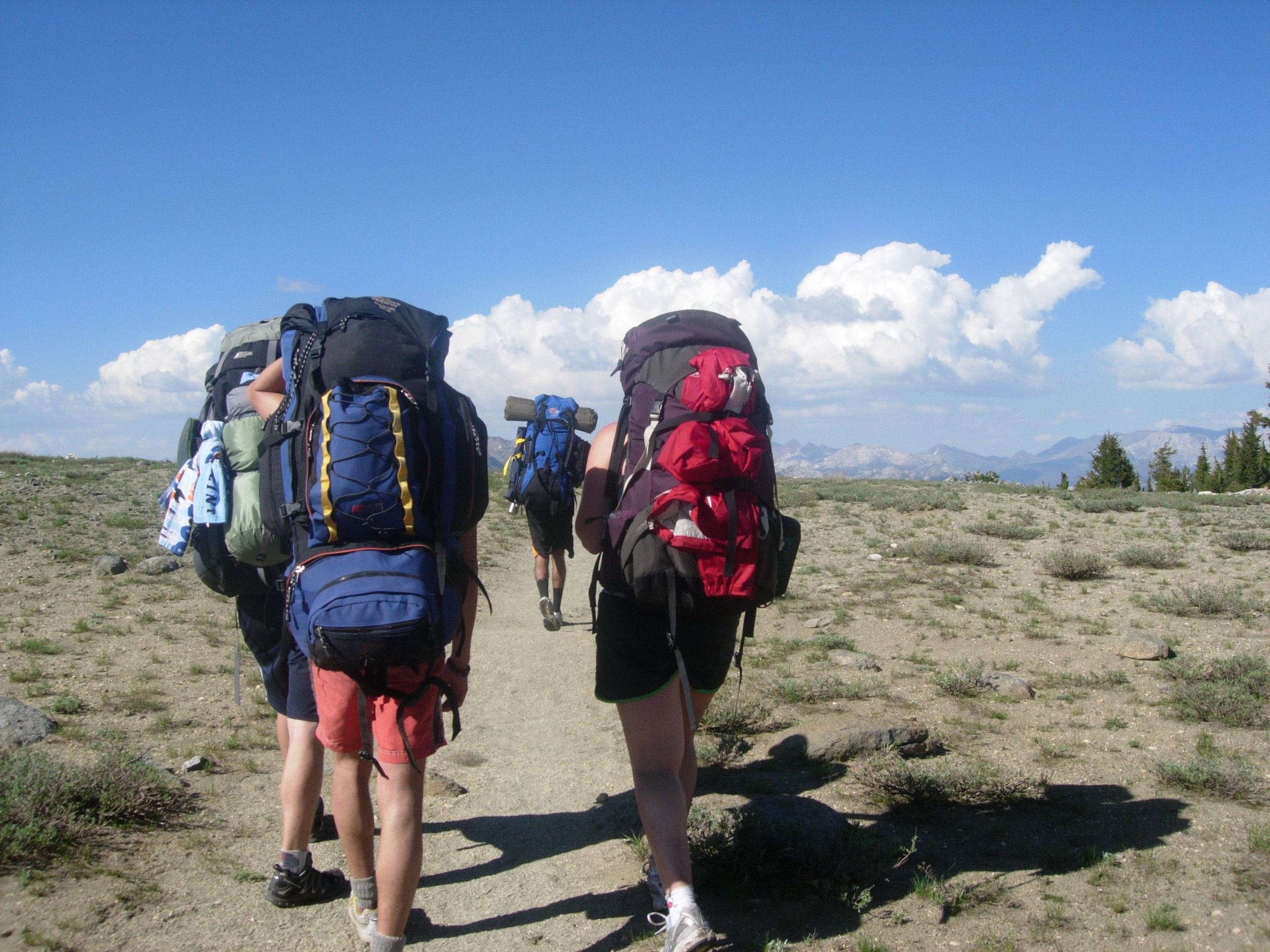
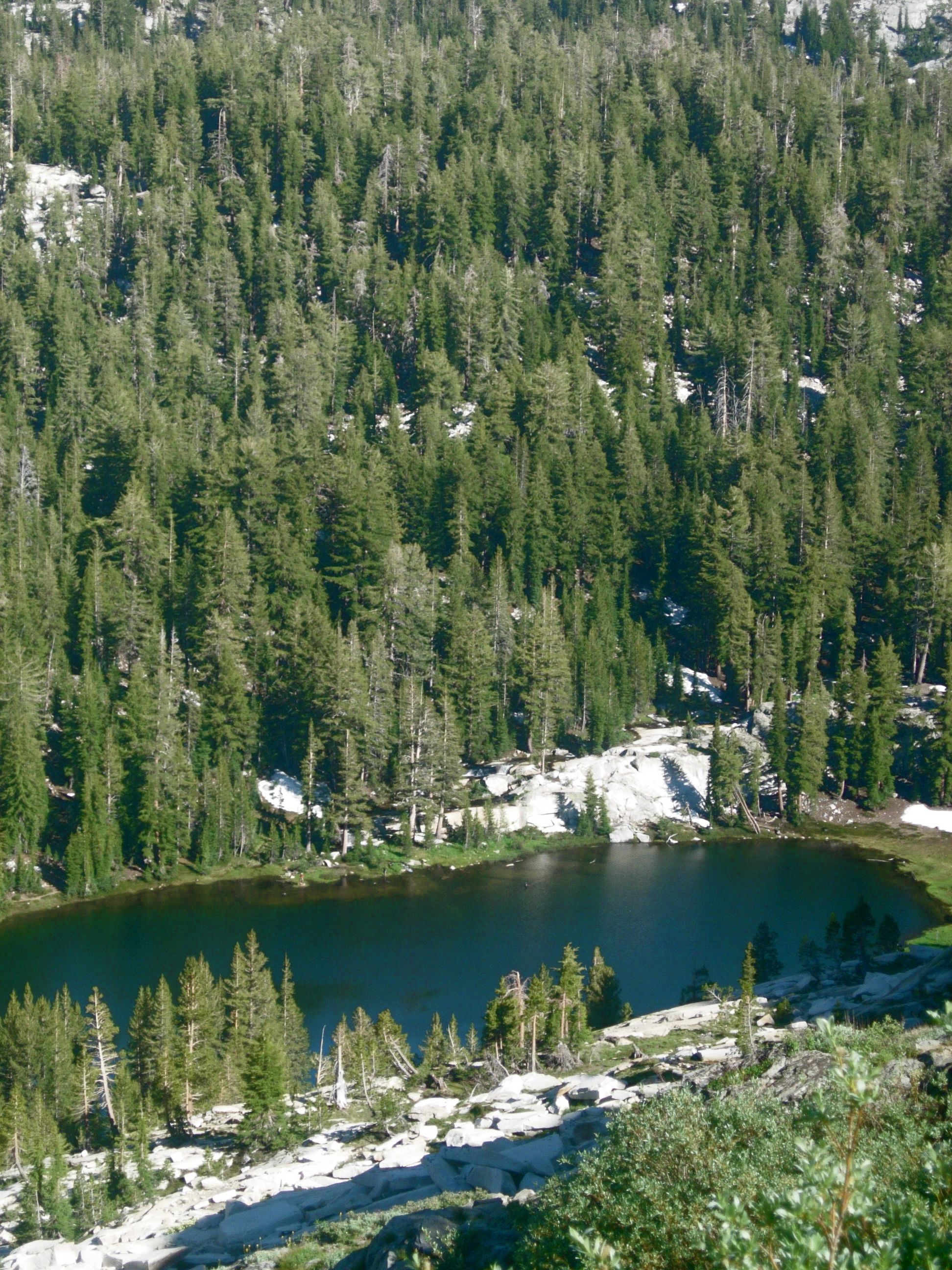
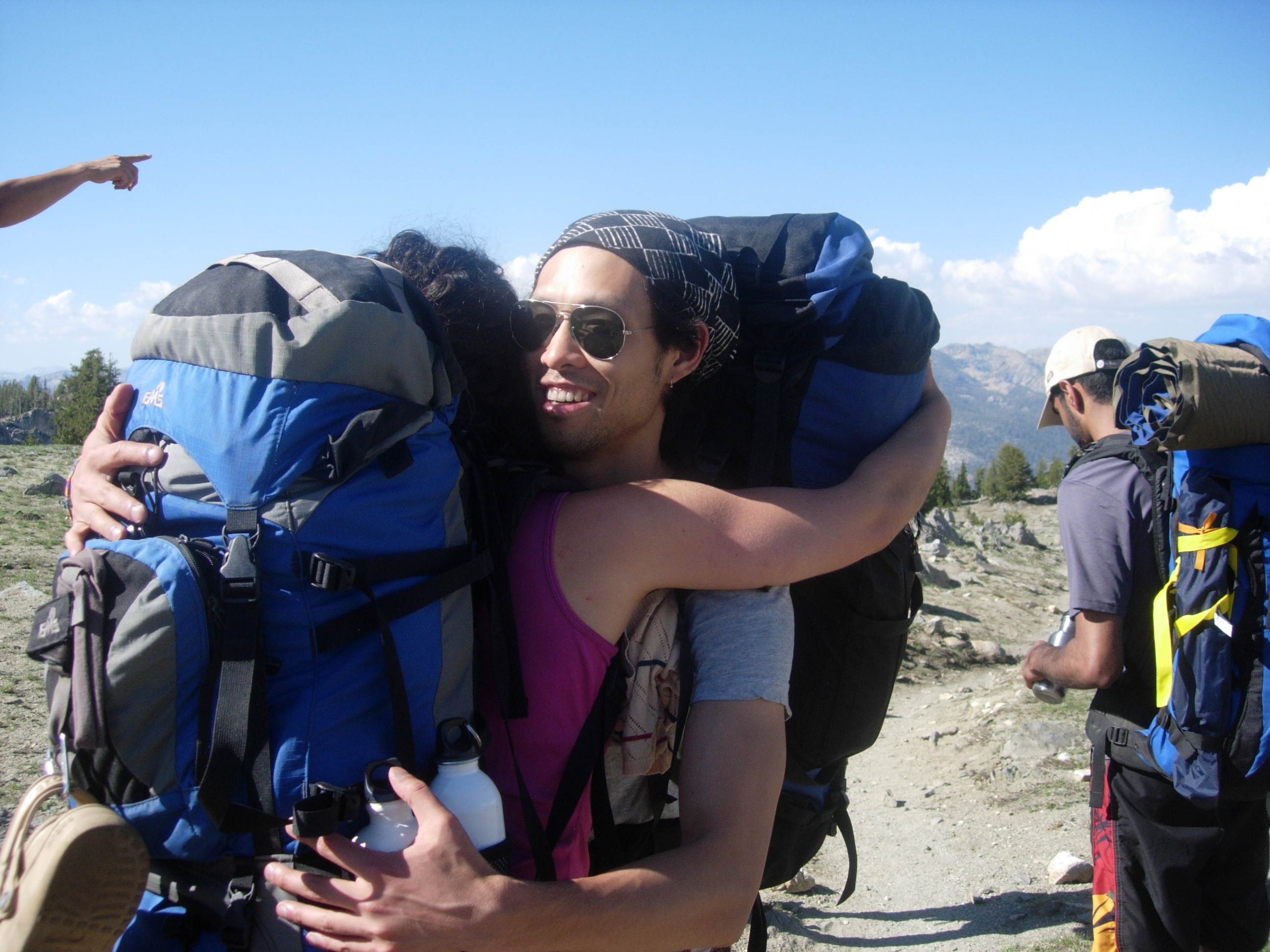
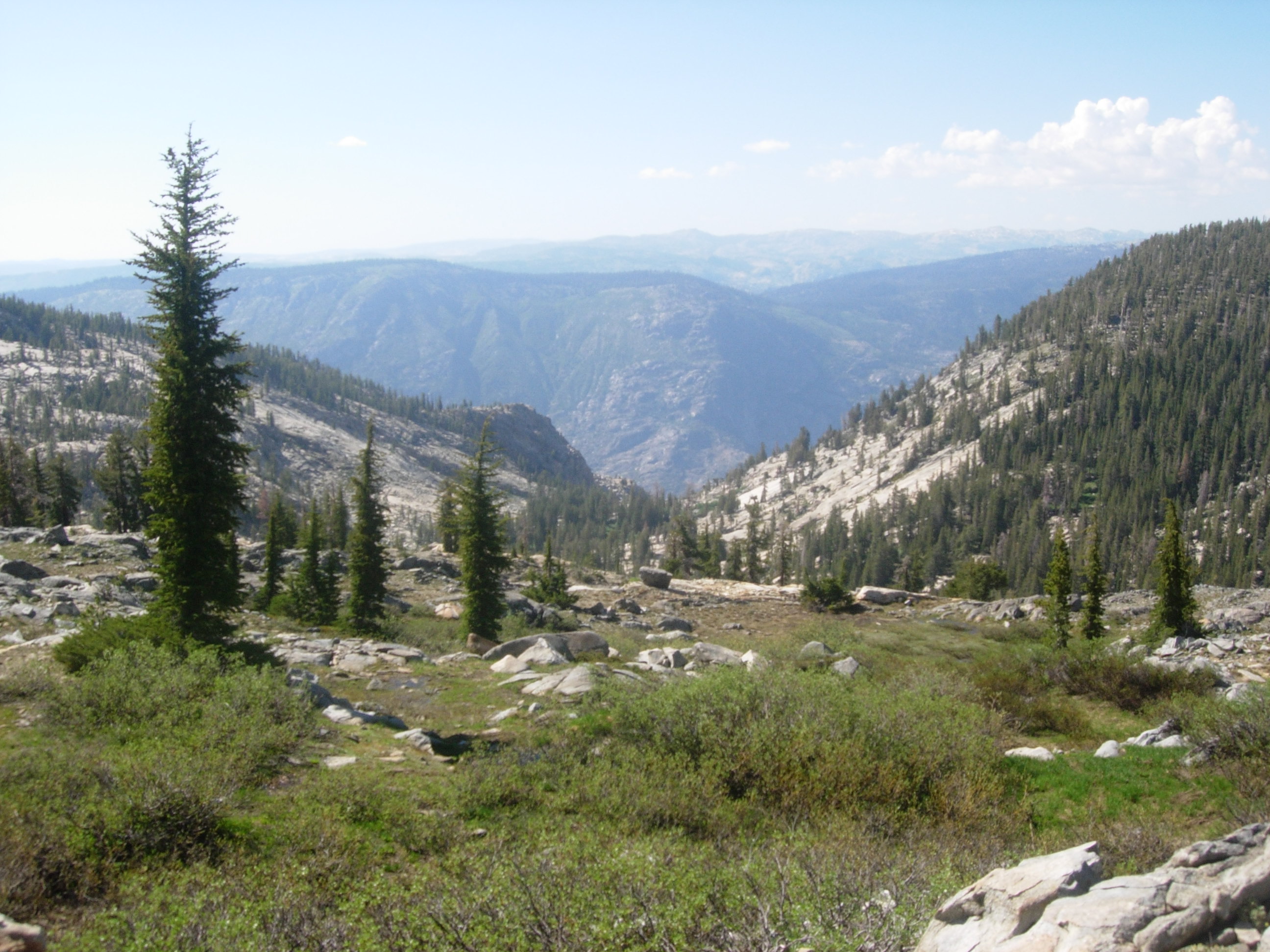
Blue lake swimming, mighty pines, tenacious wildflowers, climbing til it hurts, cloud-level vistas, gourmet chili cooking, 10 lovely friends in the High Sierras. Count me bug-bitten and grateful.
I grew up in Northern California, but I’ve never before visited Yosemite. What can I say? – my parents are not the camping type. Like, at all. The one time we went camping as a family (I must have been 11 or 12) it was because my dad was officiating this couple’s wedding, which was a camping wedding in the Santa Monica mountains. A medieval-themed camping wedding. I remember they made my dad wear this purple velvet robe costume and one of those huge white starched frilly collars, even though it was like 90 degrees out. People and their weddings, I tell you.
Anyway, everybody slept in tents overnight, and by morning two things had happened pertaining to the Loncke-Spitz crew. One, my dad’s deafening snoring earned him the nickname “Judge Dredd” among all the wedding guests. Two, at about 5 a.m. my mom freaked out because she heard ‘coyotes,’ which turned out to be roosters.
Like I said, I do not come from outdoorsy stock.
However, through some genetic mutation of preferences, which continues to baffle my folks, I actually enjoy sleeping out in Nature. I’m not, like, super-skilled at it, but when the opportunity arises, like an invitation to a Yosemite weekend with an experienced and fun-loving SF crowd, I’m into it.
So wish me luck, and pray that no coyote devours me.
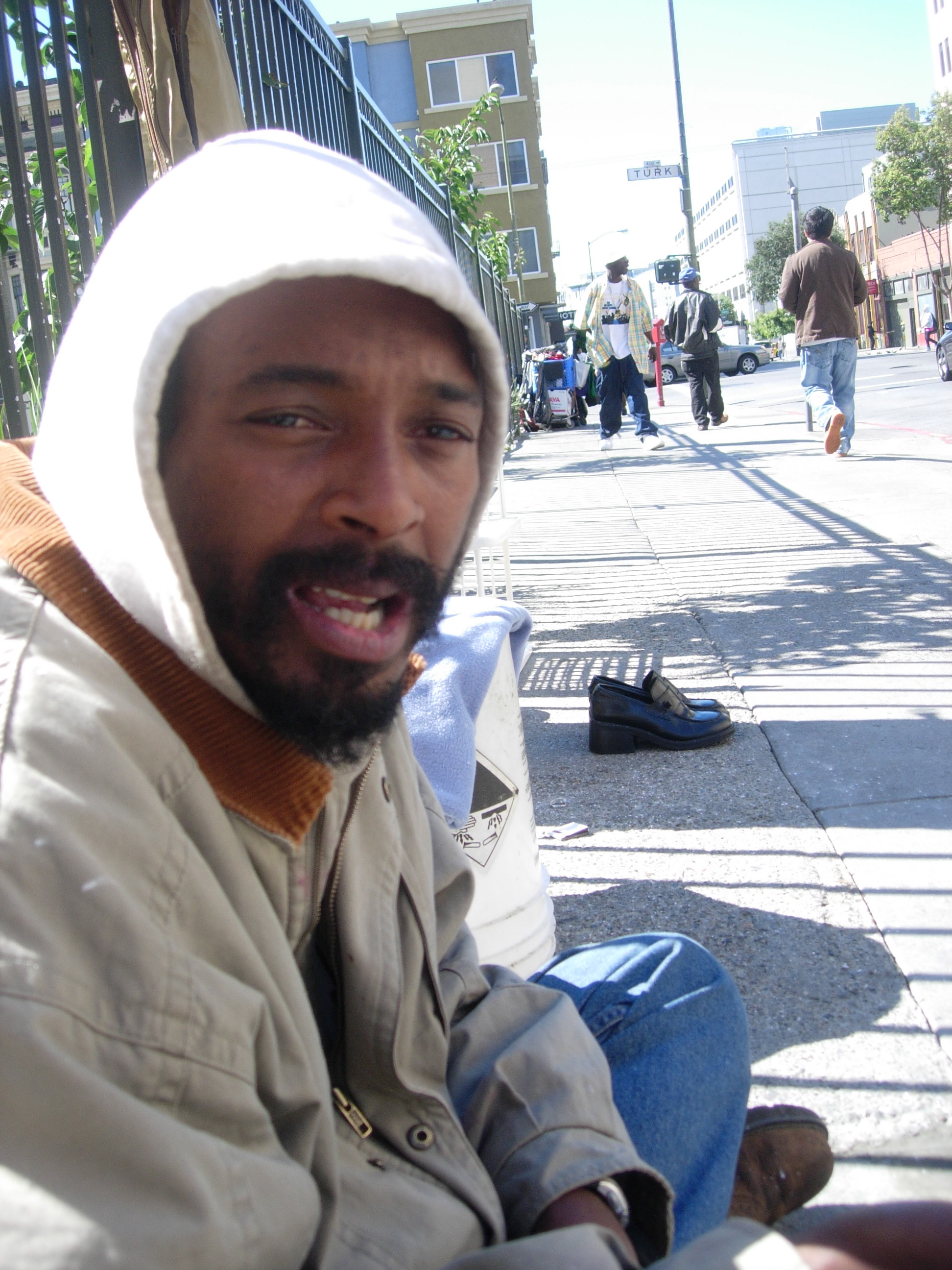
A little before 10 this morning I’m headed down the block to the donut shop to pick up our weekly Thursday dozen-and-a-half for interfaith Bible Study. And on my way back, just a few doors down from home, I see a man sitting on the sidewalk, spreading pennies on the ground and dusting them with baby powder.
“Fresh, clean pennies! One for a nickel!”
I couldn’t help but laugh. Now who could pass up a deal like that? So I ran inside, grabbed a nickel and my camera, and was treated to a long conversation with the salesman, a sweet guy and born storyteller who calls himself Hobo Joe.
Turns out we'd met on the block before and warmly recognized each other. Love when that happens.
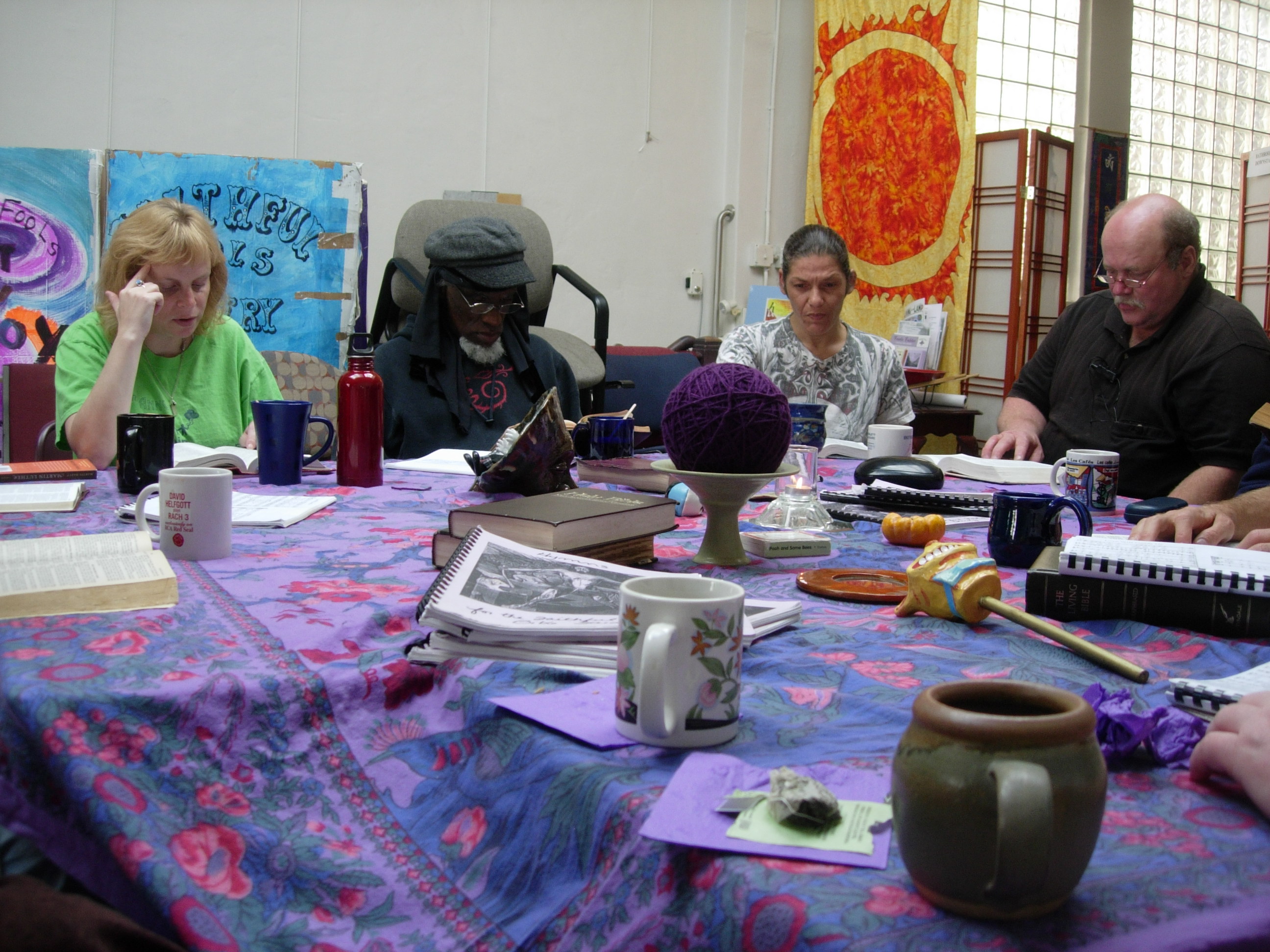
And Bible Study was beautiful, too: all the familiar faces, laughing and singing and sharing from our various Christian, Jewish, Buddhist, pagan, and Unitarian Universalist perspectives.
For those who’ve recently tuned into Kloncke, I should explain that I both live and work at this community center/homeless outreach nonprofit/street ministry called Faithful Fools. So Thursday morning Interfaith Bible Study (which follows the morning meditation in our downstairs Street Zendo) is both work and home for me.
From left: Abby, Ra Mu, Gina, and Bobby
Don’t know what brought it on, but I felt especially lucky and honored to be here this morning.
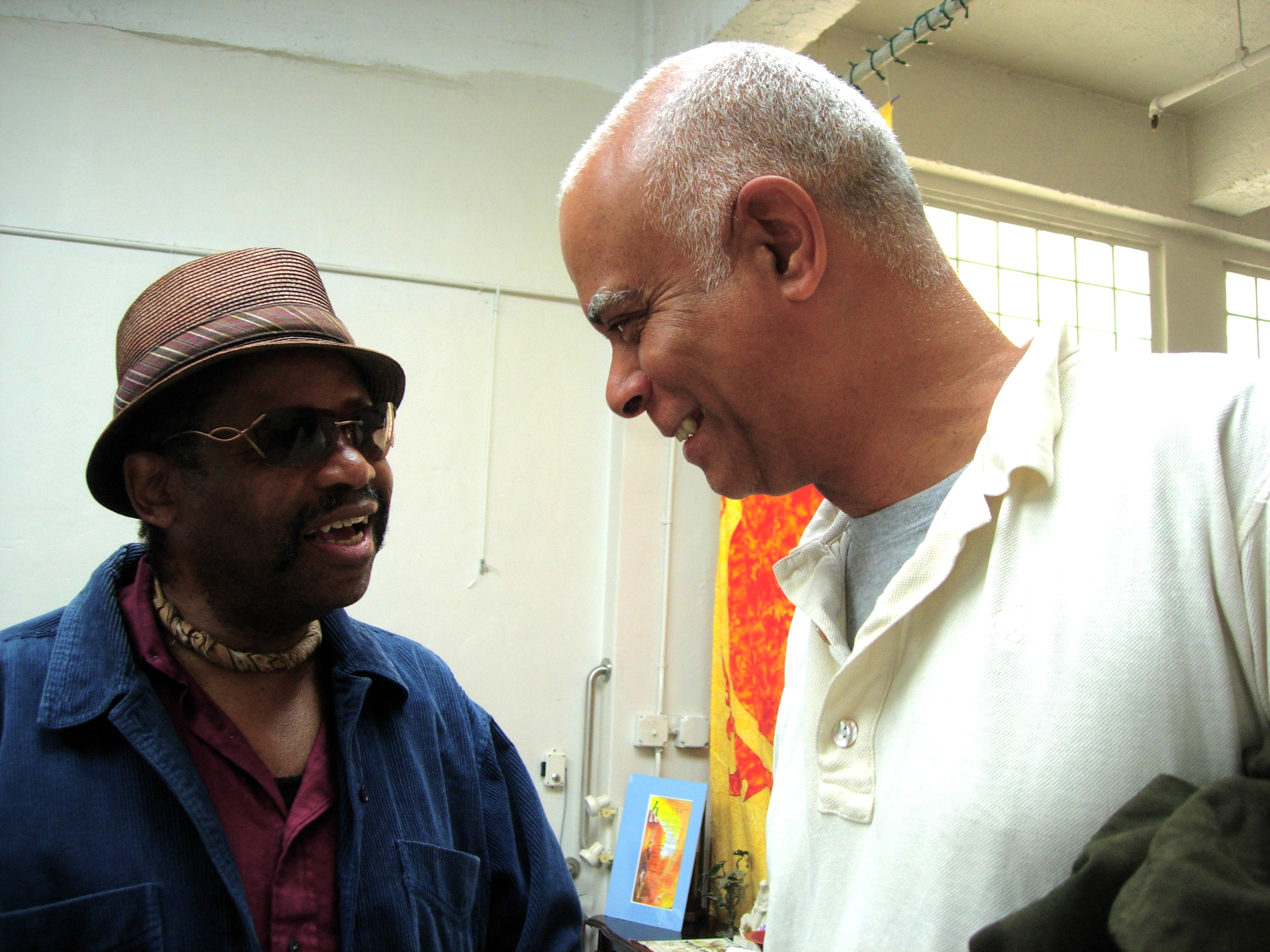
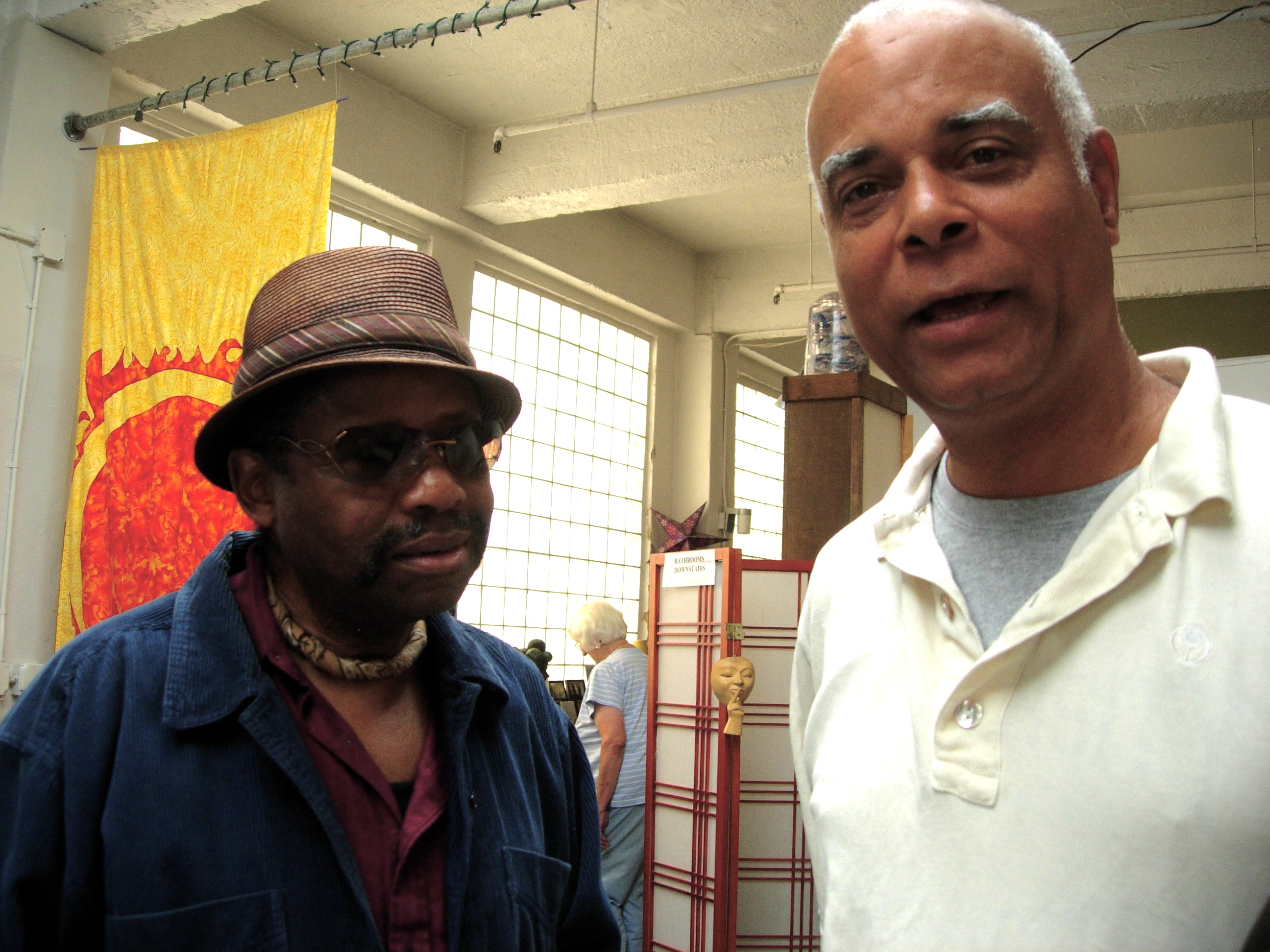
JR and Charles causin trouble as usualTwo great artists, philosophers, theologians, and very cool cats.
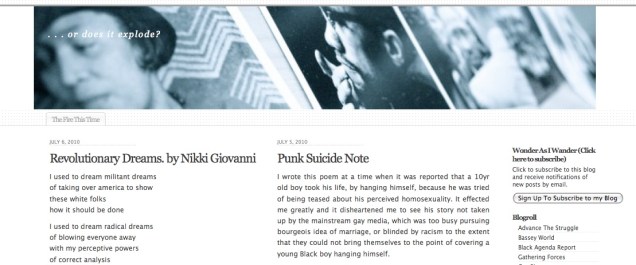
Cross-posted at Feministe. As the verdict approaches, I find myself thinking more and more about the relationships between state violence and intimate violence. In what ways our focus on state violence, and mechanisms for resisting it, jive and don’t jive with methods for dealing with intimate violence. Aaron Tanaka made a wonderful comment on the original post — as always, Aaron, I’m truly grateful for your insights and questions, and their organic connection to the great work you do.
Just yesterday, only 20 minutes after a conversation about police alternatives, as my friend Noa was dropping me off at home, we found ourselves in an impromptu cop watch. Four officers were arresting three men on my block — two of whom I recognized as regulars on the corner, and one with whom I’ve tossed a football across Hyde Street traffic. When I saw the cops lining the men up against the fence, I just stepped out of Noa’s car onto the sidewalk and inserted myself. After one of the officers attempted to intimidate Noa by calling in her plate number (we’d been stopped and talking in the car inside a red parking zone), she drove around the block, parked, came back and joined me for the next half hour as we watched these three men get yelled at, cuffed, and loaded into a police van.
I’ll maybe write up a full summary tomorrow, because the effect of our intervention on the cops’ behavior was pretty interesting, as well as the conversation we struck up with two male officers. For now, here’s my Feministe piece from Sunday.













 Kloncke