“To the lumpen mass…” From Deluche

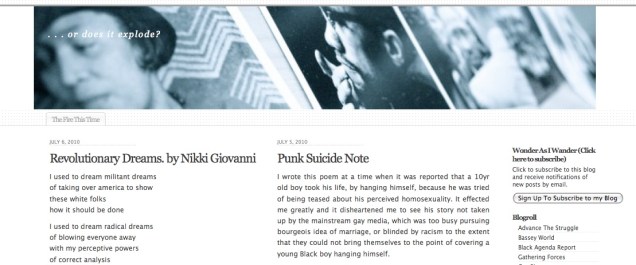
Just a comment I wrote on a cross-post thread over on Advance The Struggle.  Original post at …or does it explode?

It’s worth reading the entire A/S thread, but I thought I’d copy my piece here since it speaks to my 9-month experience at the Faithful Fools.  (Damn, that long already?)  A truly wonderful, radically humanist group, rare among non-profits in terms of the depth of its sustained connection to individuals in a community.

Ever since I started living and working here, I’ve wondered what kind of political organizing might take shape in the TL.  In San Francisco lately there’s been some solid direct action around occupying empty buildings on behalf of eviction victims and homeless folks.  At the same time, most people I see here are basically just struggling to survive and heal.  Which, as I say in the comment below, deserves respect and recognition.

Thanks for posting this here — and thanks to Deluche for writing it.

I’m appreciating all the analysis from Icarus and a comrade. Much to think about.

Apart from the political-economic analysis, another current I was seeing in the original post is some attention to the lived experience of tremendous suffering that is happening in “surplus populations” within US urban ghettos, and their overlap with the working class.

Like Deluche says, without blaming or taking out anger on individuals within surplus populations, we can see the ways that being forced to live outside of a formal, legal economy — chronically unemployed, corralled, imprisoned — would (a) foster desperation and (b) support self-medicating addictions, both of which extend a chain of violence.

I don’t know enough about proper definitions of “lumpenproletariat” or surplus populations to comment on Icarus’ objection to an overly narrow focus on drug dealers and sex workers. But to speak just on my own experience living and working in the Tenderloin neighborhood of SF with a homeless community: criminalized addiction, exploitative sex work (amplified by transphobia), and stigmatized mental illness are definitely major factors dominating the scene around here.

At the same time, along with this enormous suffering and harm is the potential for astonishing healing. I haven’t even been working here that long (9 months), and already I’ve seen some incredible, long-time-coming shifts. Folks choosing to move forward in addiction recovery, dealing with depression and PTSD, making beautiful art, showing great generosity to others, and getting their feet on the ground — largely because a group of people stood by them and for years showed committed care, love, and faith in the face of an entire society that tells them they’re worthless and, yes, “parasitic.”

This kind of healing, even on an individual or small community level, is quite inspiring. Can we allow it to inform revolutionary organizing? Can we allow it to illuminate the healing work already taking place (often un-compensated and un-heralded) within the working-class itself, buttressing its power for economic and social transformation?

Seems to me that it’s easier for folks to dis those with no labor-power leverage when we take revolution of capitalism as the sole redemptive struggle in life. In truth, revolutionaries interested in building a better society for humans, animals, and the earth might benefit from learning about the inter-related struggles and healing among the ‘lumpen.’

Fresh Pennies For Sale, or: A Perfectly Foolish Morning

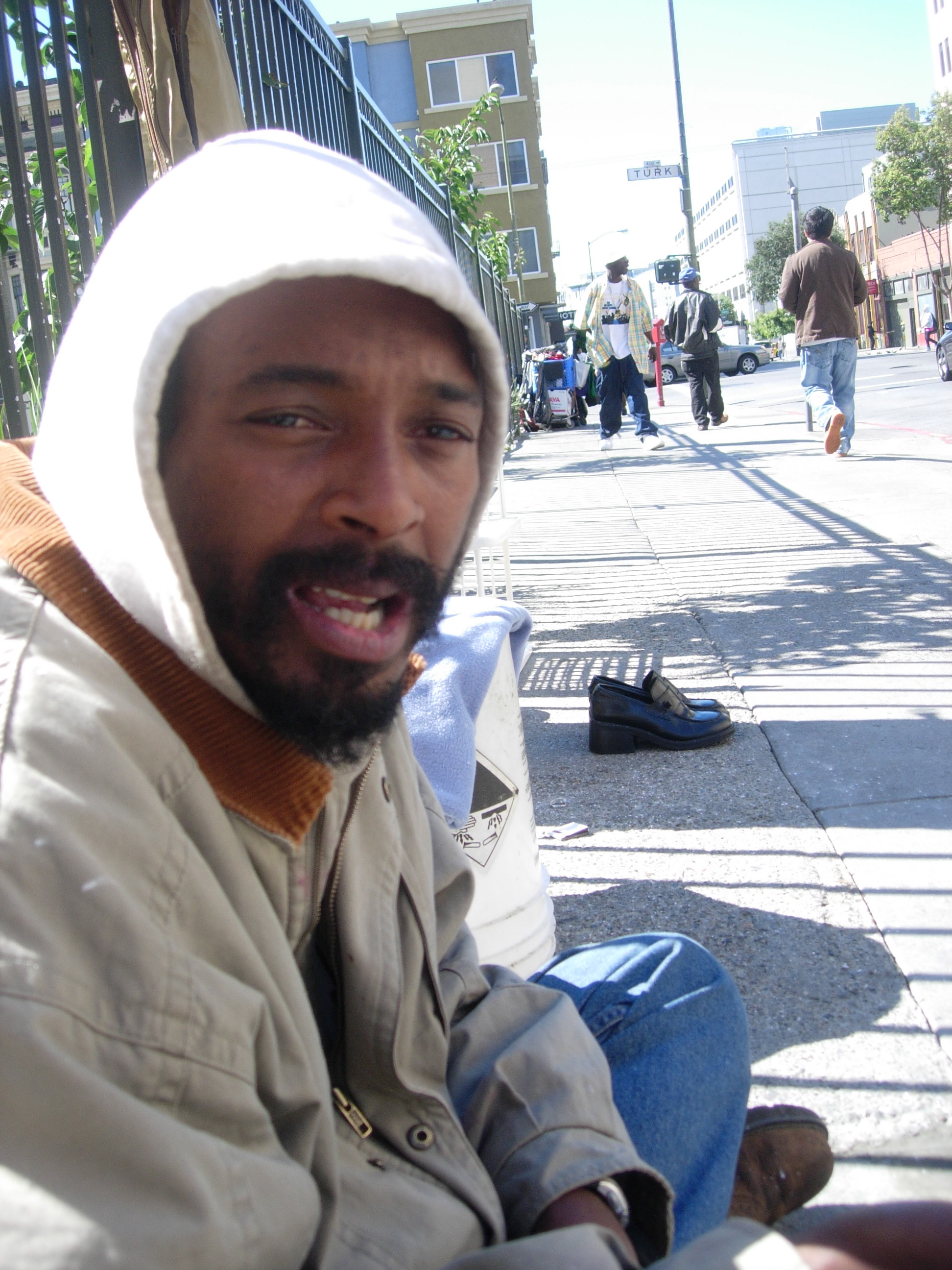
A little before 10 this morning I’m headed down the block to the donut shop to pick up our weekly Thursday dozen-and-a-half for interfaith Bible Study.  And on my way back, just a few doors down from home, I see a man sitting on the sidewalk, spreading pennies on the ground and dusting them with baby powder.

“Fresh, clean pennies!  One for a nickel!”

I couldn’t help but laugh.  Now who could pass up a deal like that?  So I ran inside, grabbed a nickel and my camera, and was treated to a long conversation with the salesman, a sweet guy and born storyteller who calls himself Hobo Joe.

Turns out we'd met on the block before and warmly recognized each other. Love when that happens.

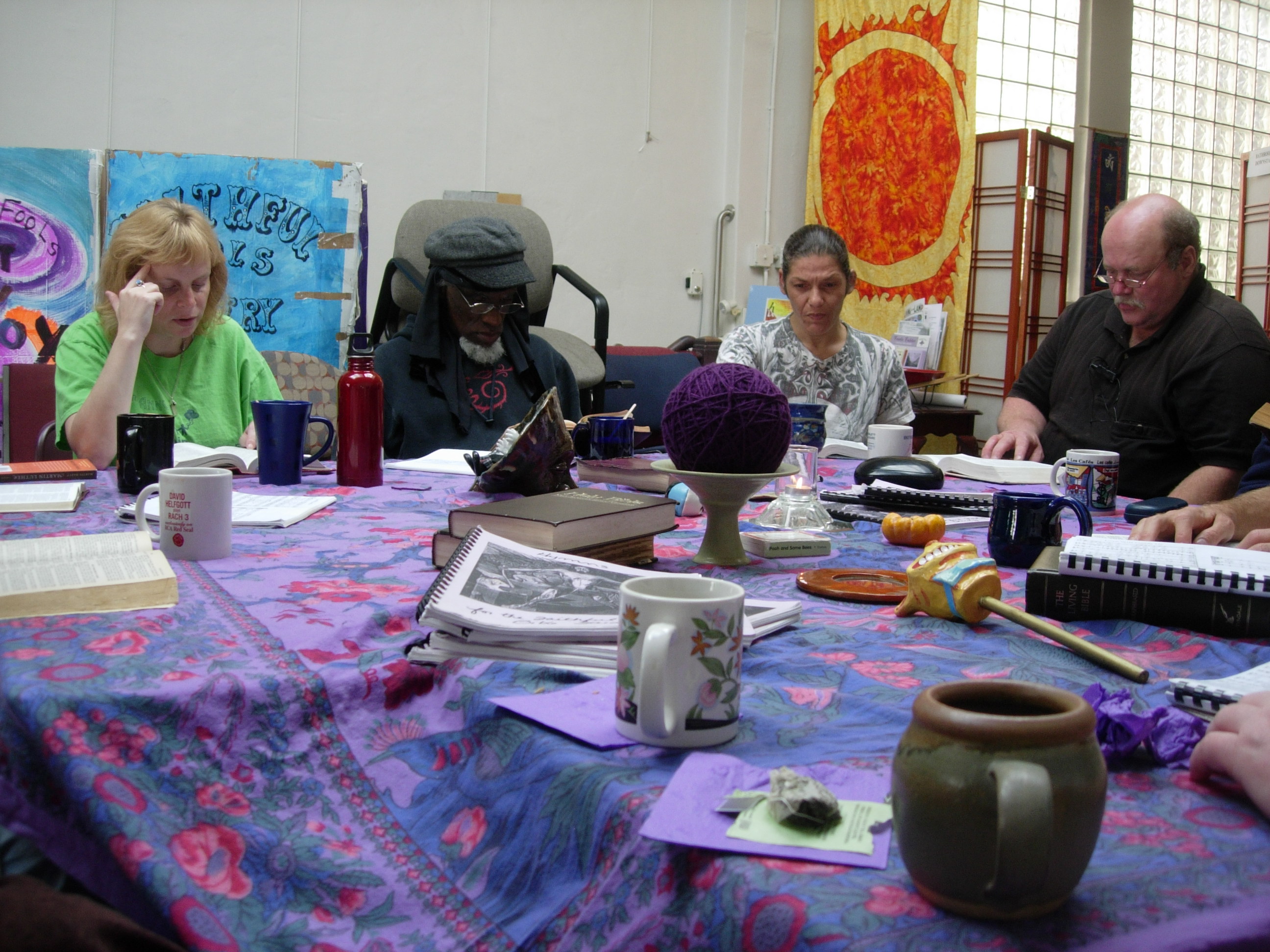
And Bible Study was beautiful, too: all the familiar faces, laughing and singing and sharing from our various Christian, Jewish, Buddhist, pagan, and Unitarian Universalist perspectives.

For those who’ve recently tuned into Kloncke, I should explain that I both live and work at this community center/homeless outreach nonprofit/street ministry called Faithful Fools. So Thursday morning Interfaith Bible Study (which follows the morning meditation in our downstairs Street Zendo) is both work and home for me.

From left: Abby, Ra Mu, Gina, and Bobby

Don’t know what brought it on, but I felt especially lucky and honored to be here this morning.

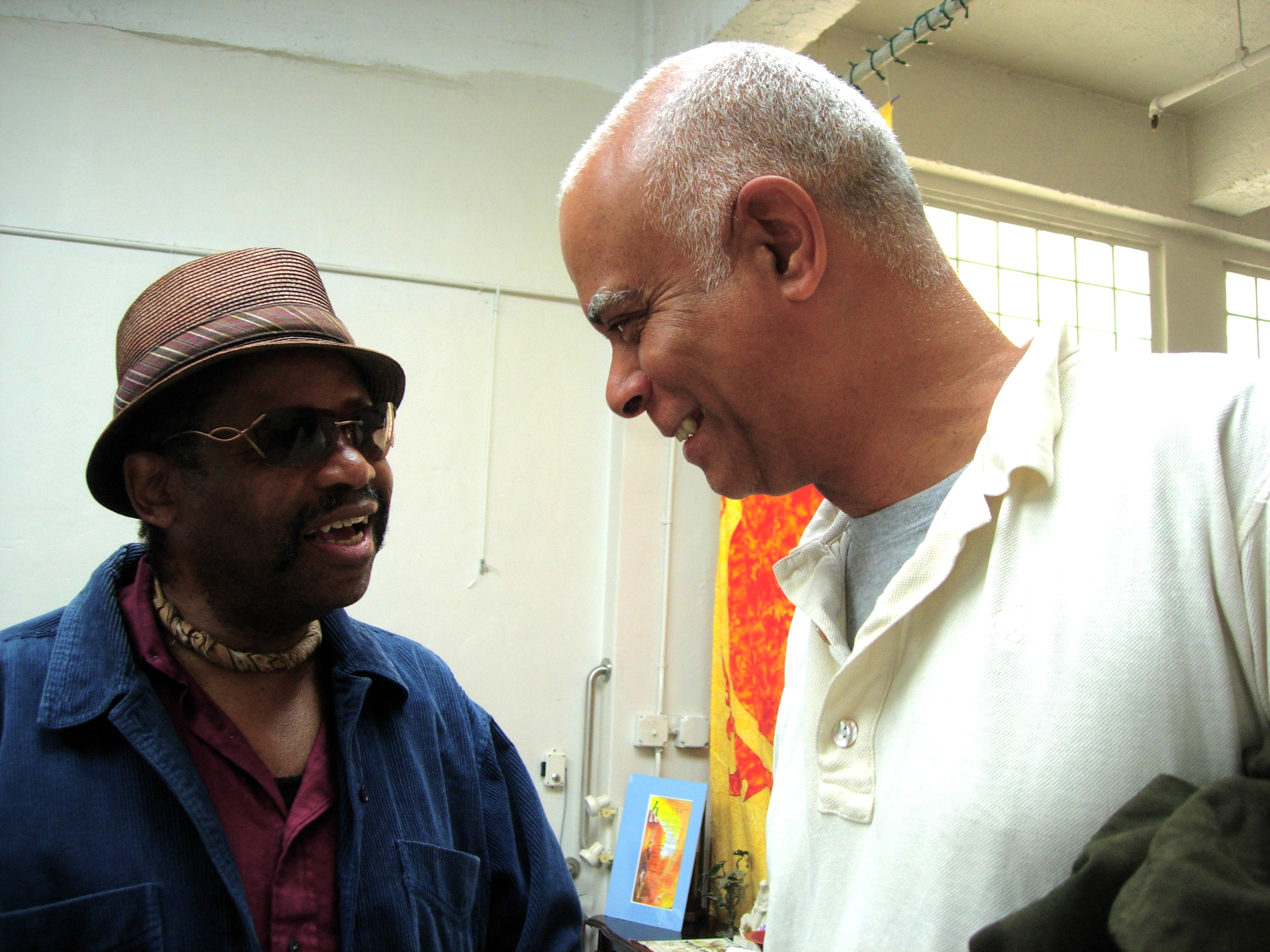
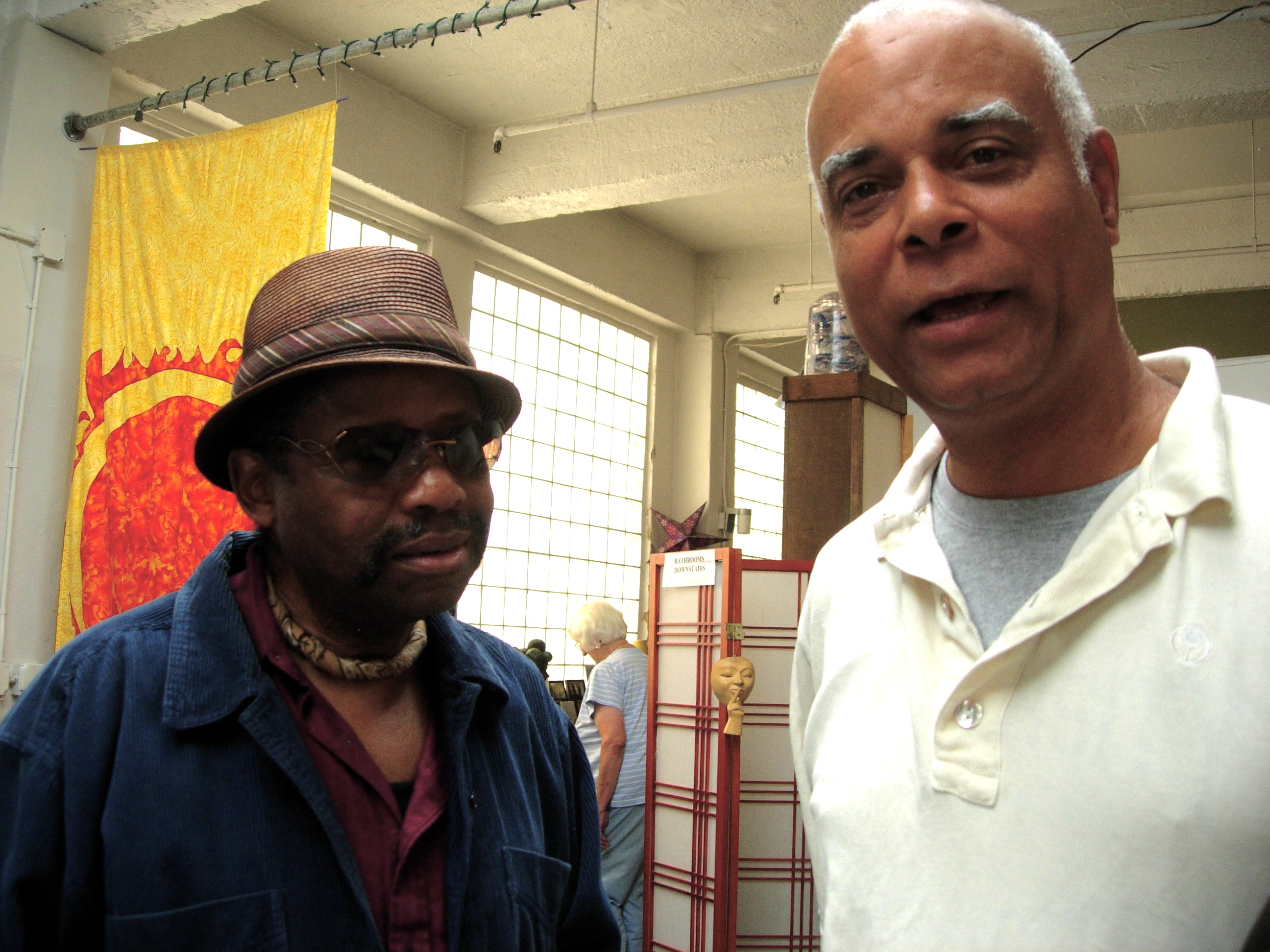
JR and Charles causin trouble as usual
Two great artists, philosophers, theologians, and very cool cats.

Mission Pie with Ryan

Yes, uh huh, yep.

Mission Pie is the best kind of pie shop.  A bright, airy café at 25th and Mission, filled with sweets and savories, operating on all kinds of good-for-the-community-and-environment bases.  Ryan and I met there yesterday to do some work: I was editing a video blog, and 18 hours later it’s still not finished but we got a sweet little photo story out of the deal.  I didn’t notice until uploading the pictures that they’re all in primary colors.  A fine, bright afternoon.  And who can resist that smile, huh?

Continue reading

Faithful Fools Street Retreat, Gender Identity Disorder, and Disability As Class

I heard this radio piece on Tuesday morning because Sharon* wanted to listen to the voice of her late husband.  She was a bit of a nervous wreck (understandably) because later that day she and Carmen would be appearing before a judge who would decide whether or not Sharon qualifies for disability benefits.  With all the tumult of the past year — losing her husband, quitting a rehab program prematurely, entering a better program only to have her housing number come up in the lottery, which meant choosing between completing rehabilitation and having a place to stay when she got out (I know, right?) — this decision felt particularly momentous.  She’d been trying for over a year to secure this income in addition to government assistance, since she can’t hold a job because of her psychological disabilities.

Witnessing our welfare system firsthand through accompanying folks in the Tenderloin is a tremendous eye-opener for me, for sure.  I knew the system was fucked in a thousand ways, including bureaucracy and stigma, but it’s another thing entirely to stand beside someone as they endure the process.  In justifying her need for support by proving her incapacity to work, Sharon had to prove that she was off drugs (because people with disabilities and addictions don’t deserve support?) and recount all the traumas she has suffered in her life, from being born to a mother addicted to heroin, to being molested by her foster family, to being raped while working as a prostitute.  Rather than a celebration of her incredible resilience and survival, the testimony had to be crafted to emphasize inability, incapacity, pathology.

“Break a leg” I said as I dropped her and Carmen off at a downtown Starbucks, where they would meet with her lawyer to review before the hearing.  “Yeah,” she cracked, “maybe that would help my case.”

Continue reading

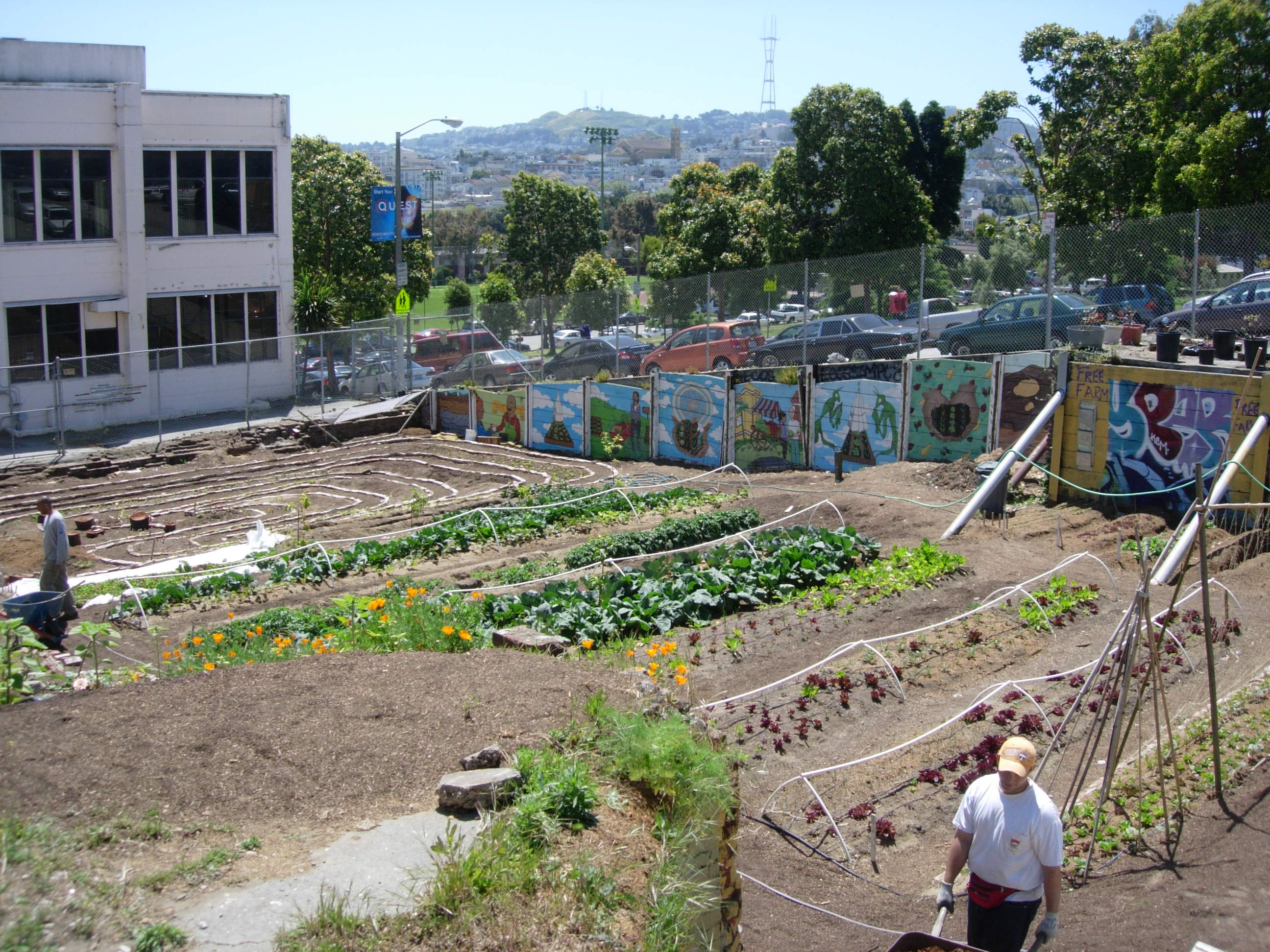
Free Farm Down The Street

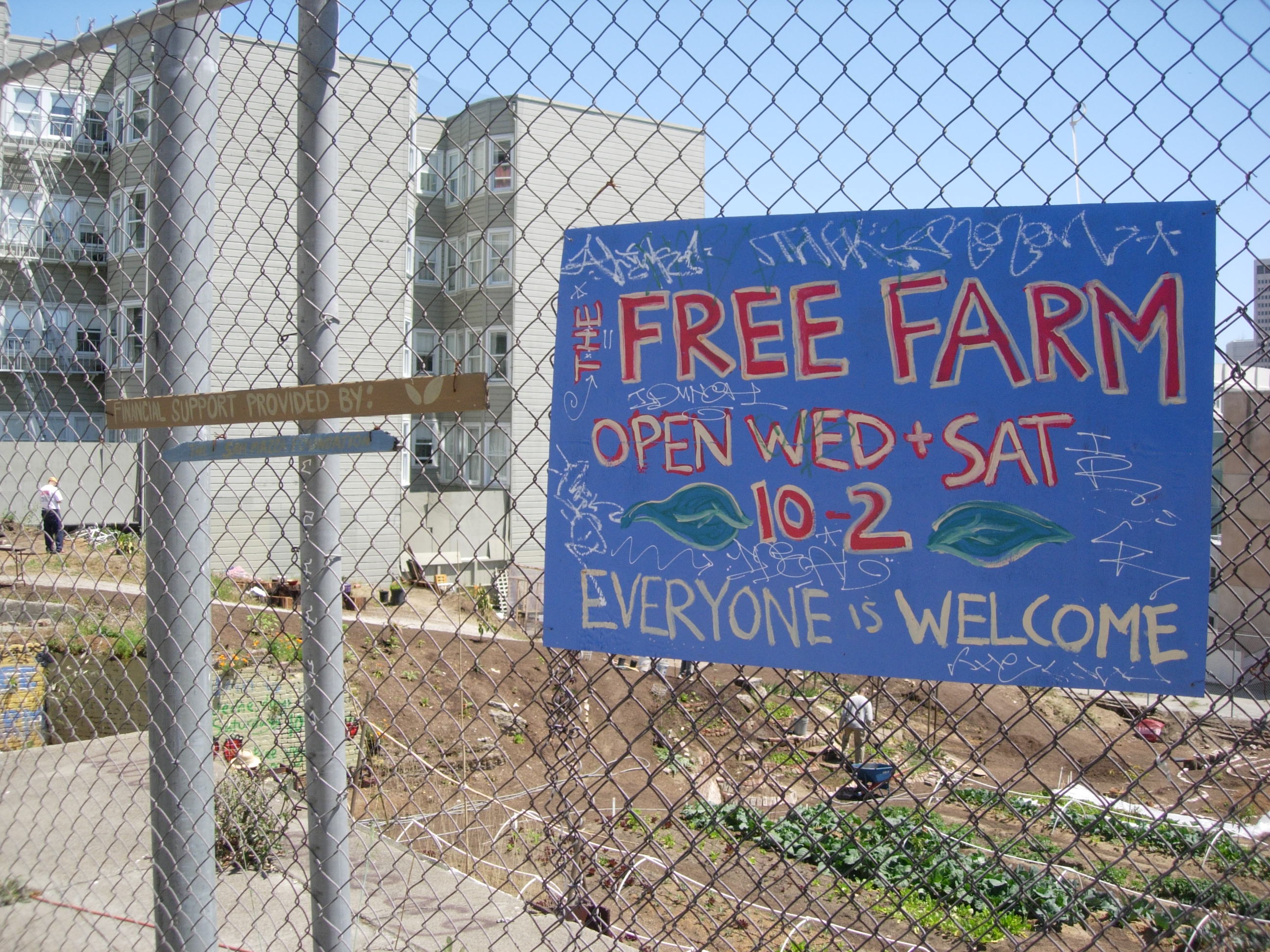
The Free Farm lives on Gough and Eddy, five blocks down from our home at Faithful Fools. It’s being built on a vacant lot where a big church burned down fifteen years ago. The first plantings happened only a few months after I arrived at the Fools, if I remember right. Welcome ministry, an anti-poverty group up on Sacramento Street, has spearheaded the community project, and borrowed our Fools van on a few occasions to haul manure and mural installations. In short, I feel a heart connection to this effort and its facilitators, who are close friends of the Fools and deeply Foolish themselves, in many respects. Reverend Megan Roher, head of Welcome, has made a number of FF street retreats. She is legendary for her ability to rake in the busking dough, singing and performing in the subway stations.

Last Wednesday, a brief visit to the Free Farm — with its beautiful volunteer growers, homed and homeless, some inebriated, all open-hearted — proved just what I needed to kick-start a wondrous afternoon.

Continue reading

Avoid Stealing. But How?

Traditionally, the dharma outlines 5 precepts for laypeople to follow.  They’re not commandments so much as helpful signposts to happiness and mental purity.  The idea being that performing any of these actions requires generating mental negativities in one’s own mind, in addition to harming others.  It’s an interesting non-dualistic take on morality, and in general I find the precepts useful to keep in mind.  They are:

1.  Avoid killing.

2. Avoid stealing.

3. Avoid speaking lies.

4. Avoid using sexuality in ways that harm others.

5. Avoid abusing intoxicants (mainly because it diminishes our ability to observe the other four.)

Ok, so far so good, the Buddhists have whittled it down from 10 to 5, or something.  But I’ve got a few questions about number 2: the whole thieving thing.

See, it’s pretty obvious how to avoid the vulgar kinds of stealing: bank robbery, purse-snatching, embezzlement, etc.

But what do we do when we live on stolen land?  In a country where, as Thea Lim of Racialicious points out, “if you live on native land, you benefit from native genocide”?  And where “many First Nations people in Canada, [where Thea’s from], live under third world conditions in a first world country“?

“Surely,” she observes, “there is a political option to remedy this beyond shameful situation, between ignoring it and moving back to England.”

Are we discussing and exploring those options in dharma communities?

And furthermore, how do we relate to stealing when we live in an economic system that operates on the basis of unpaid labor?  (Which is the origin of profit under capitalism.)  Does that count as stealing?  Are we then morally obligated to oppose it?  Justified in occupying university buildings and factories? How do we see our dharma practice reflected in these systems and struggles?

These are my questions.  I would love to hear your thoughts.

Now off to Wisdom 2.0!

Later, y’all.