Hella Marxist Buddhism

Loving the first reading from a new Socially Engaged Buddhist study group that’s getting started this month: chapter 11 of Nalin Swaris’ book The Buddha’s Way To Human Liberation: A socio-historical approach. Swaris argues that karma is not properly understood (either in terms of actual functioning, or in terms of how the historical Buddha explained it) as an individual inheritance of bad or good deeds committed in past lives that determines one’s social station in this birth. Such commonplace/hegemonic conservative interpretations are basically ruling-class ideology, serving to legitimize the group(s) in power. “You were born a brahmin/king/rich light-skinned dude? You must’ve accumulated lots of merit in past lives. You were born ugly/a woman/poor/Black? You must’ve done some bad shit in a past life.”

Instead, Swaris defines karma as the inherited social and material conditions fashioned by previous generations of humans as a group, which then delimit but do not determine individual and collective actions in the present. Essentially, he locates Marxist historical materialism and dialectics within the original teachings of the Buddha. Dope! And kind of hilarious, in a makes-me-giddy-but-I-take-it-seriously sort of way.

Human Agency – A Species Potential

To understand what is meant by the ‘species nature’ of humans, one must turn to Karl Marx who introduced the concept. This recourse to Marx may seem like an attempt to read into the Buddha’s teaching on interpretation of kamma which has no basis in the canonical scriptures. I ask the reader to bear with me, follow the theoretical clarification and see its relevance to understand the Buddha’s extraordinary elucidations of human nature and human agency.


Continue reading

Kih’ens

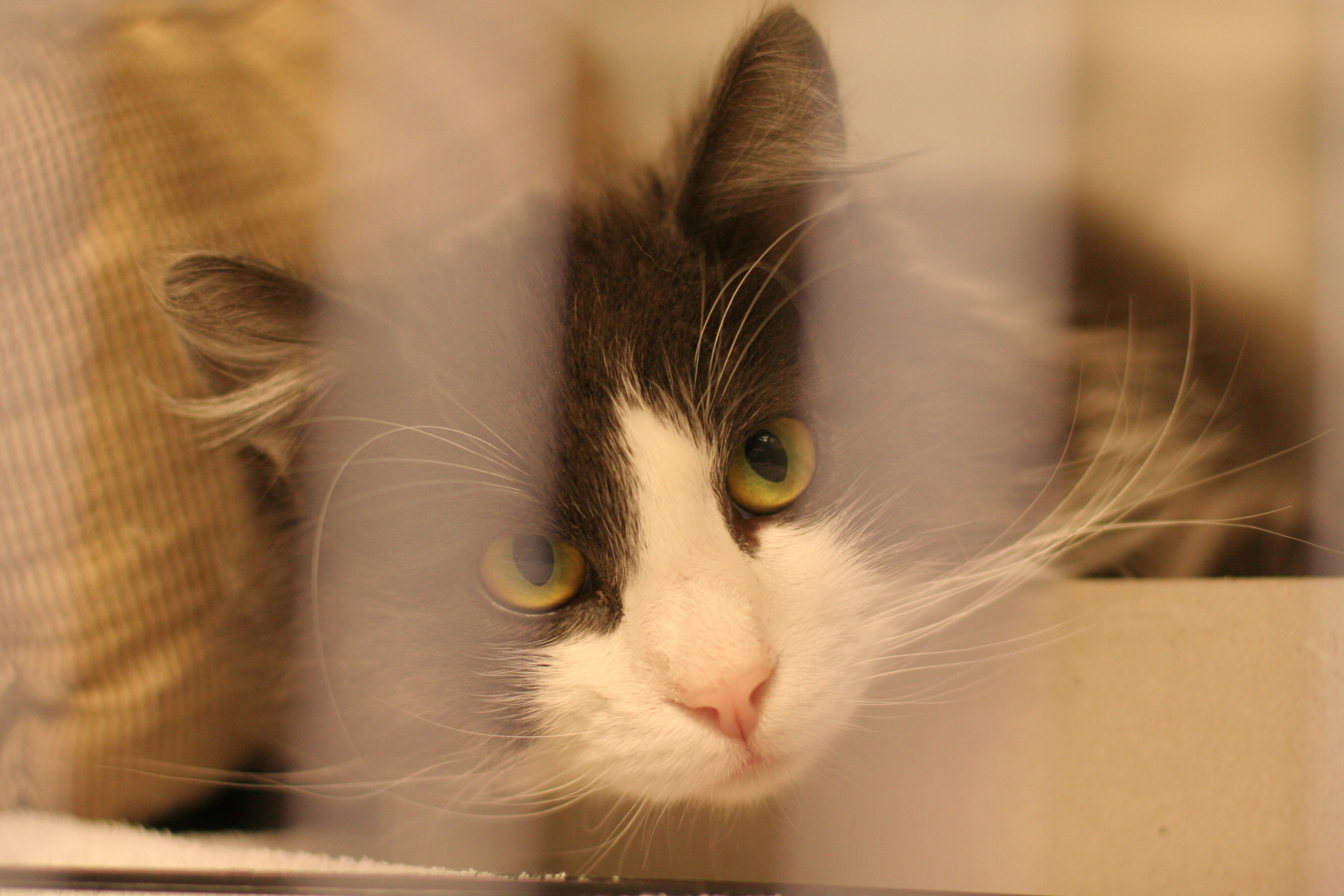
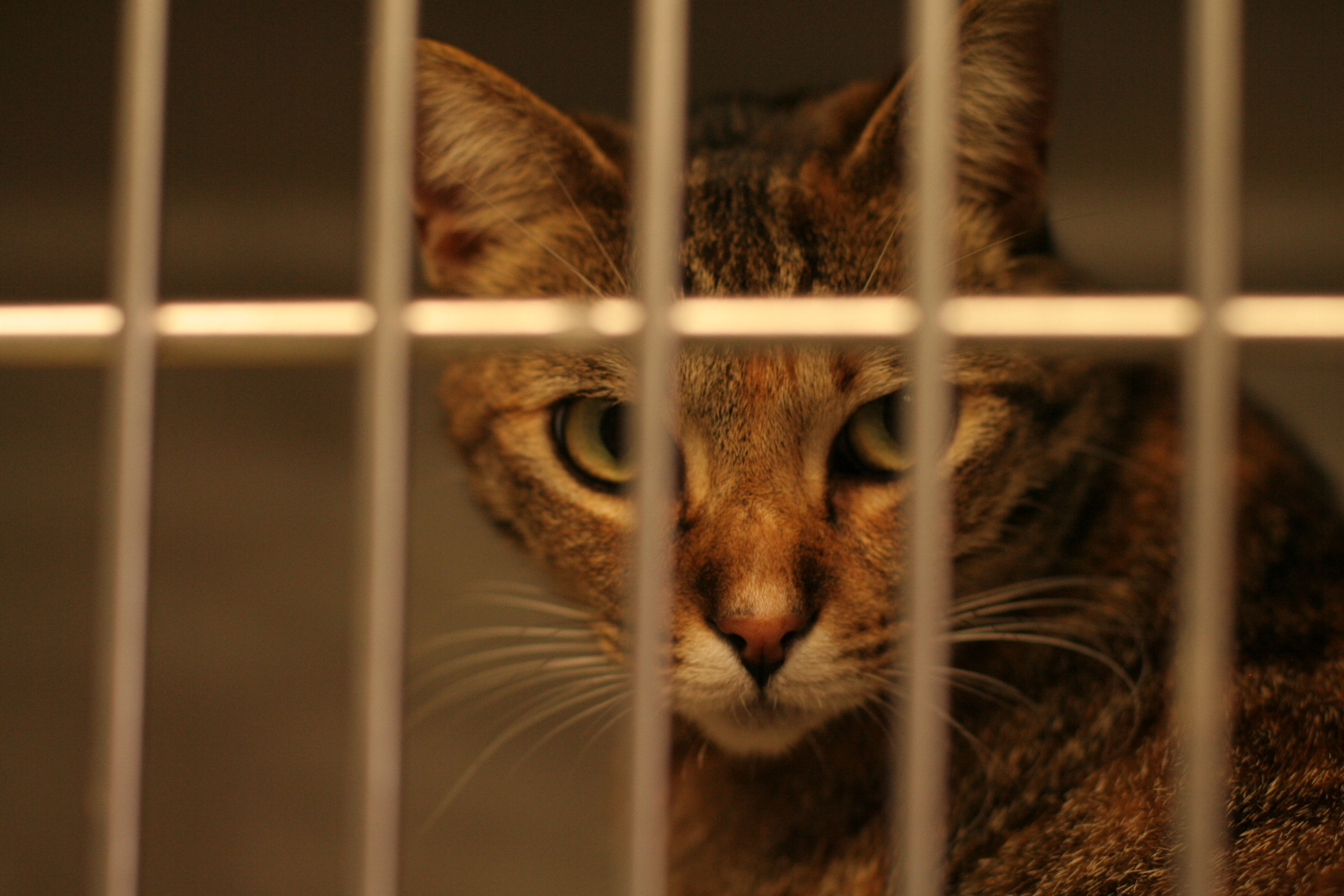
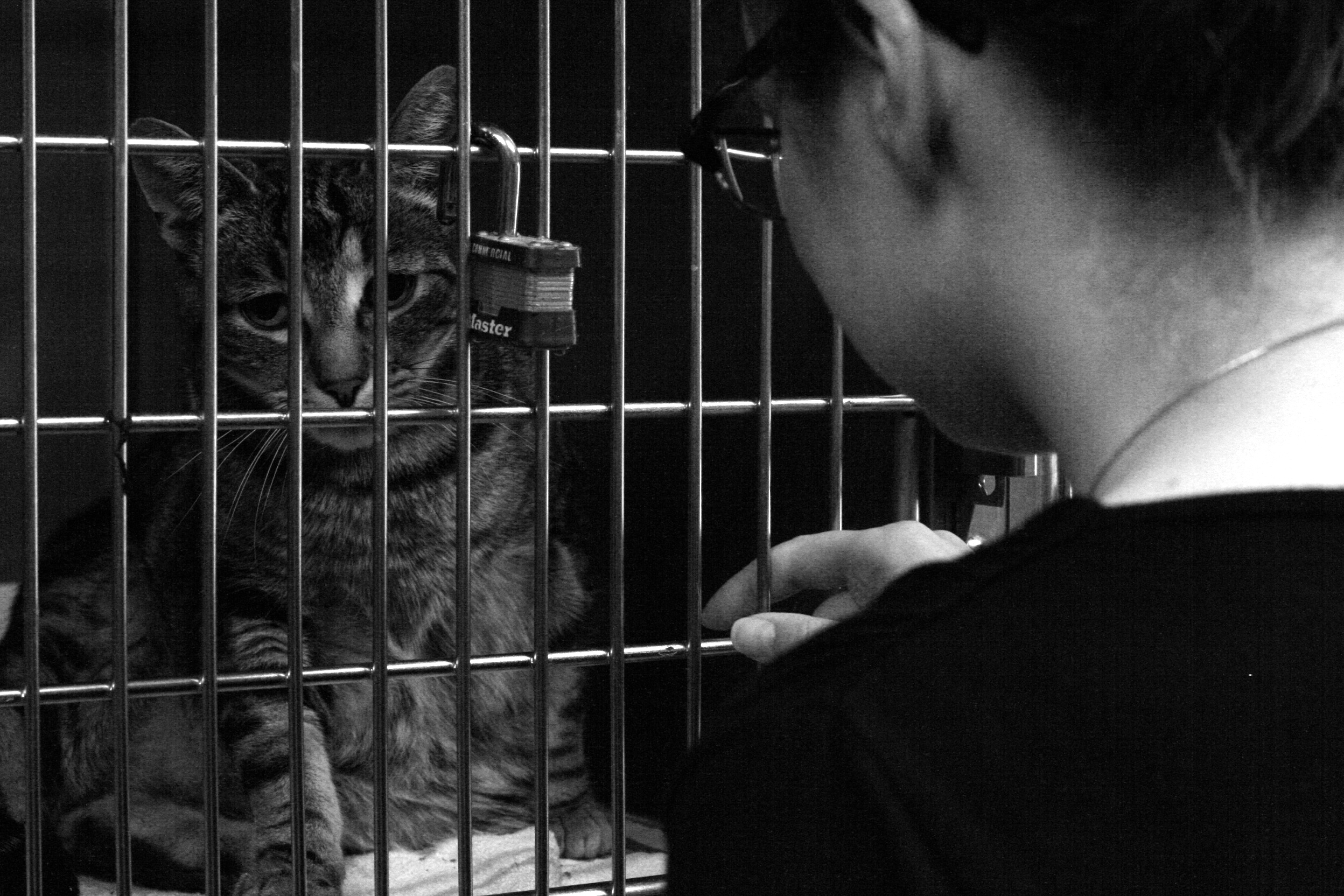
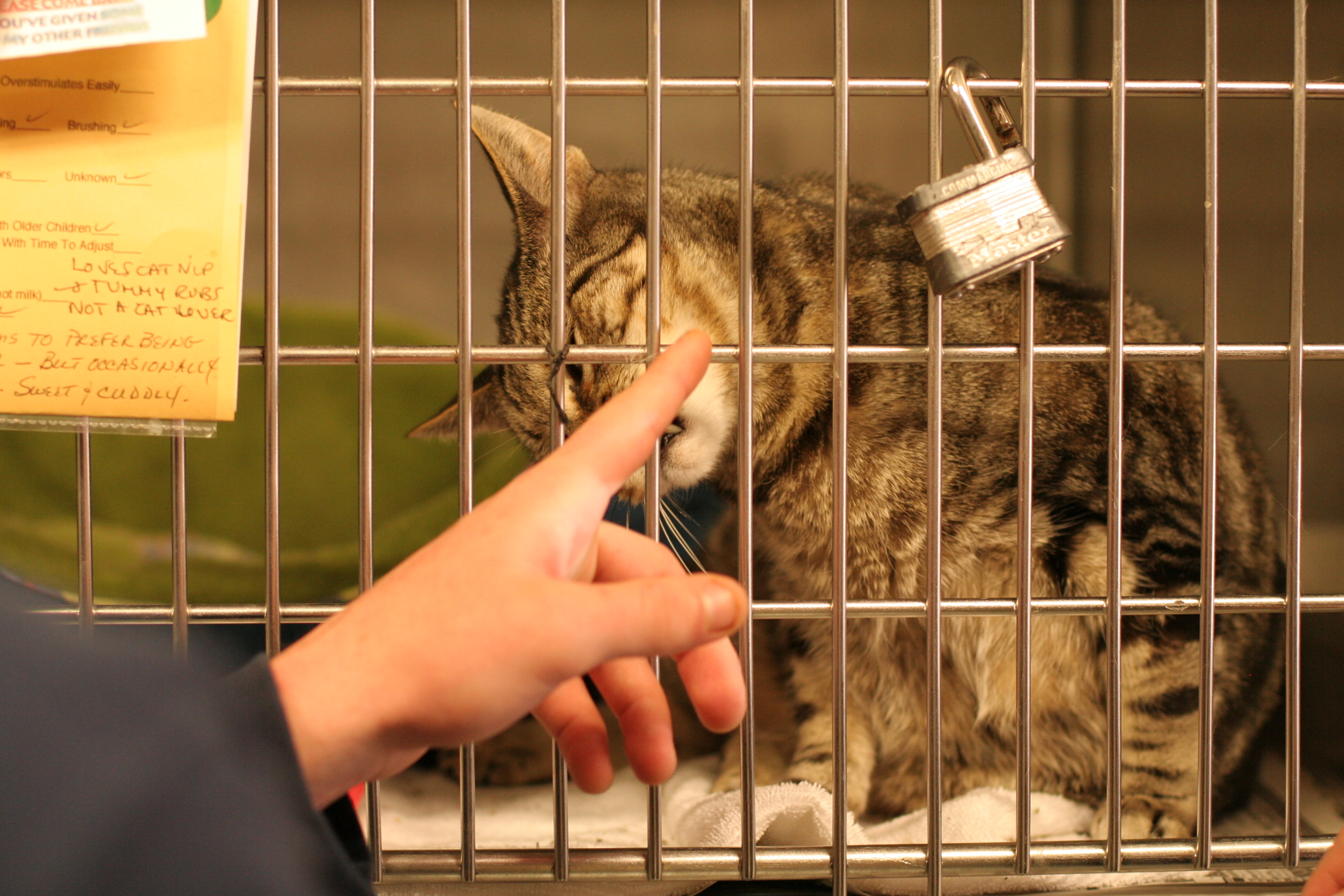
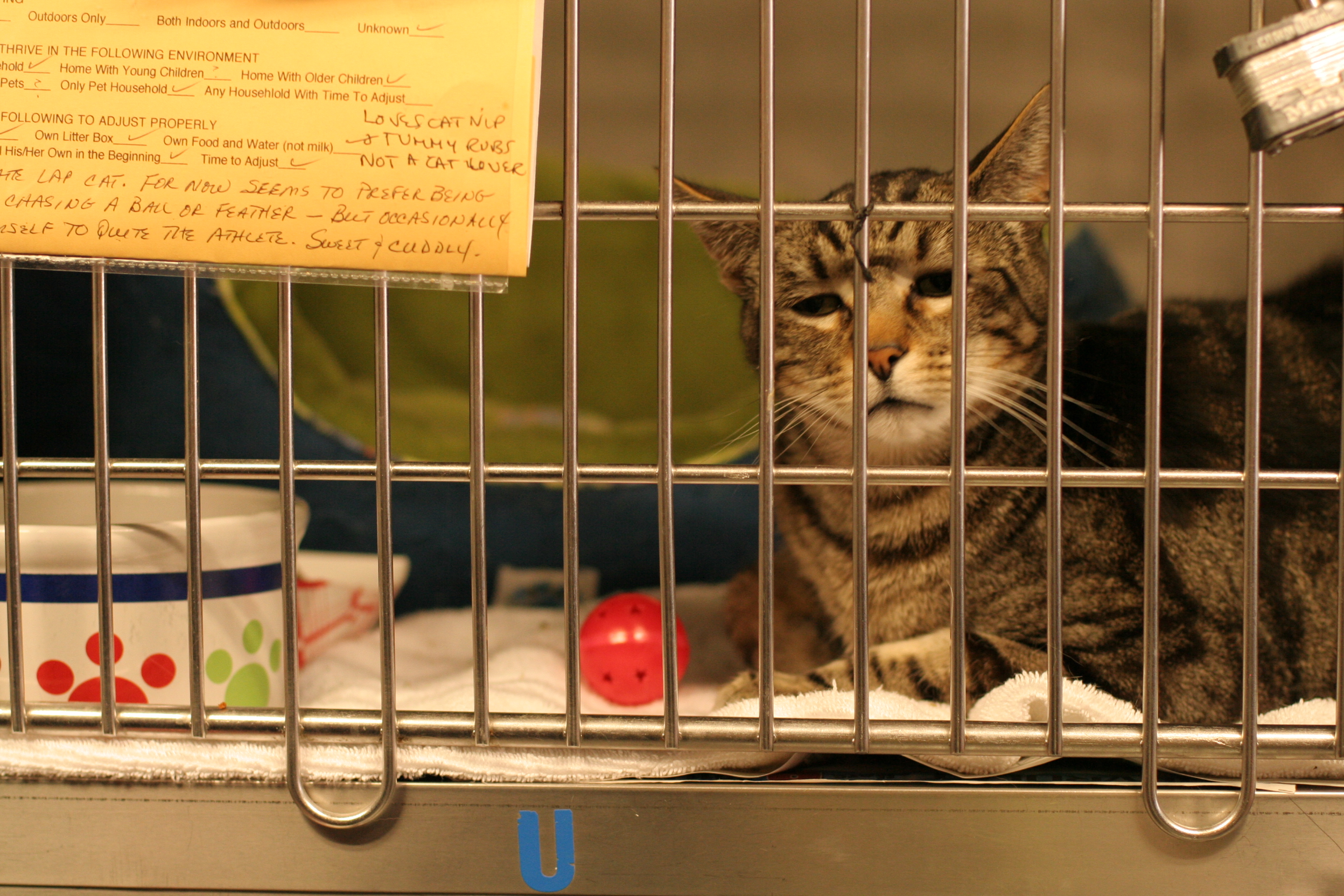
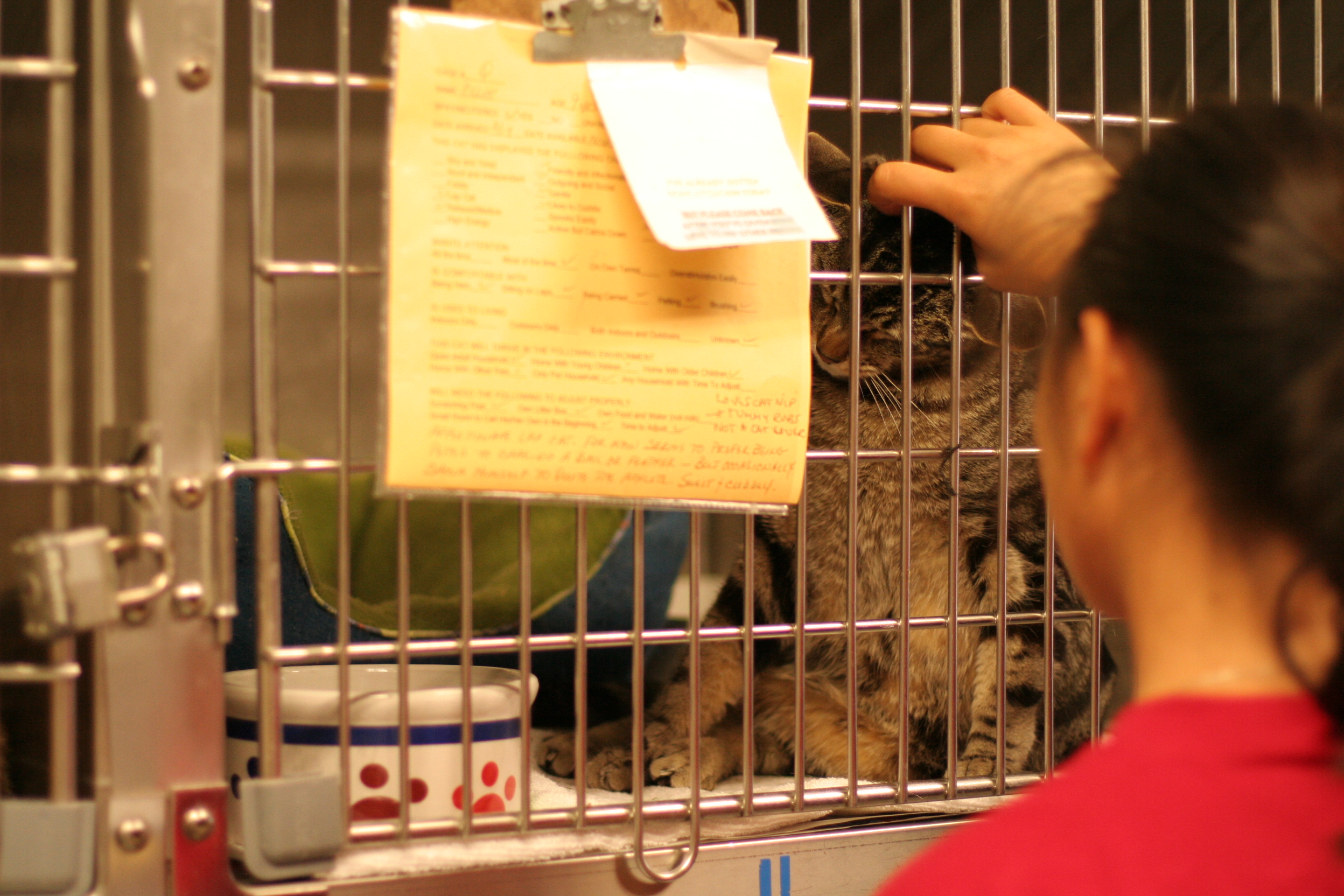
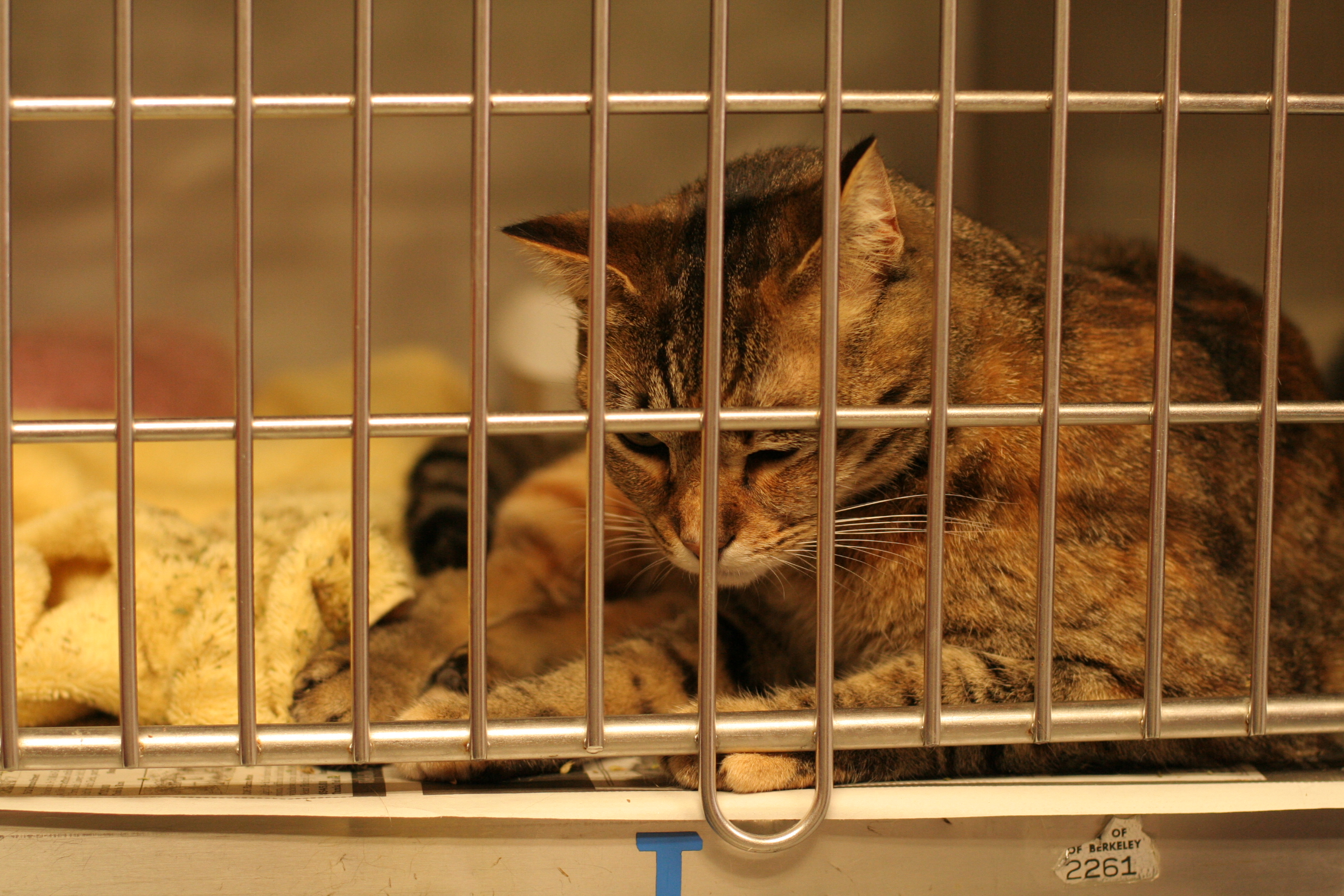
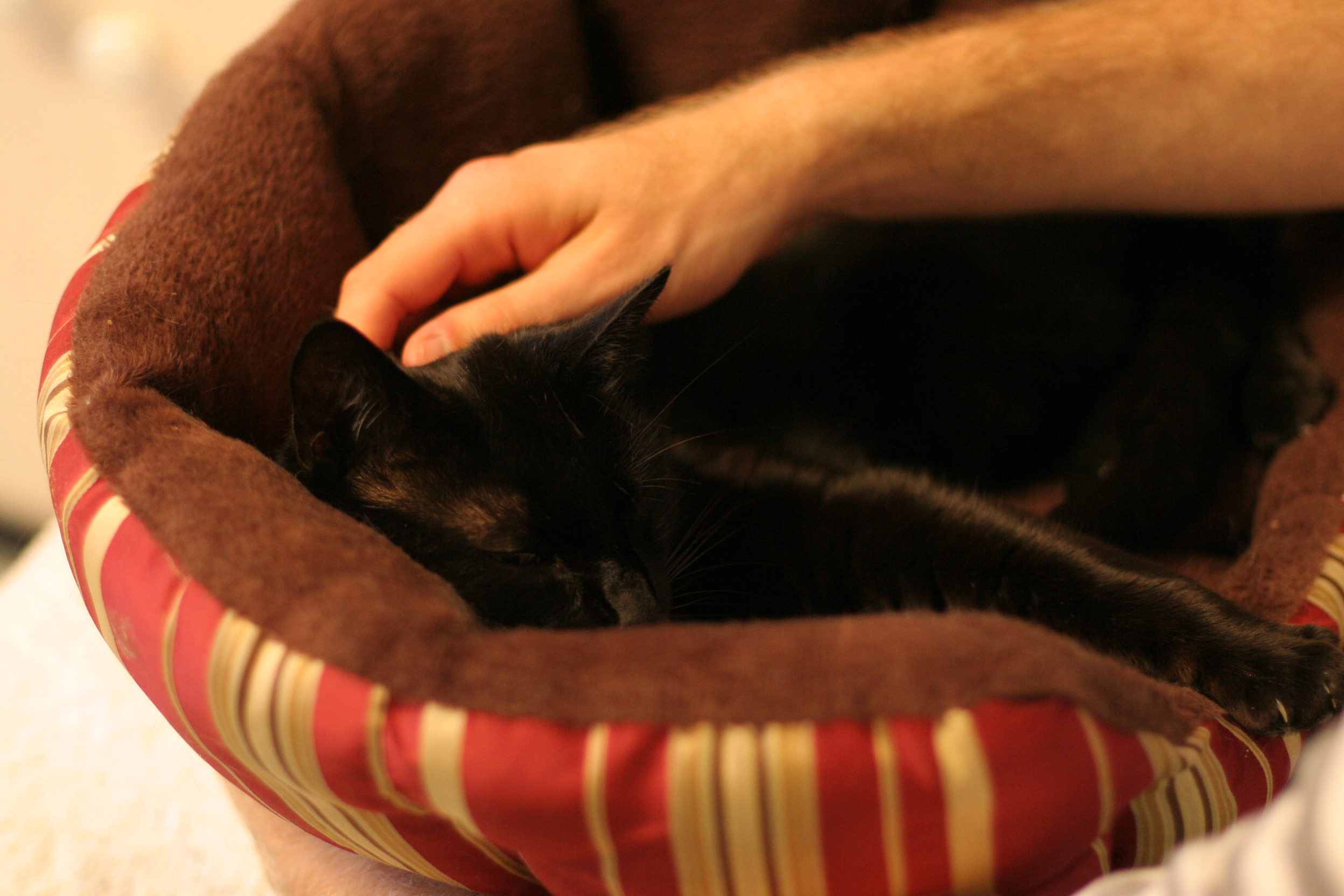
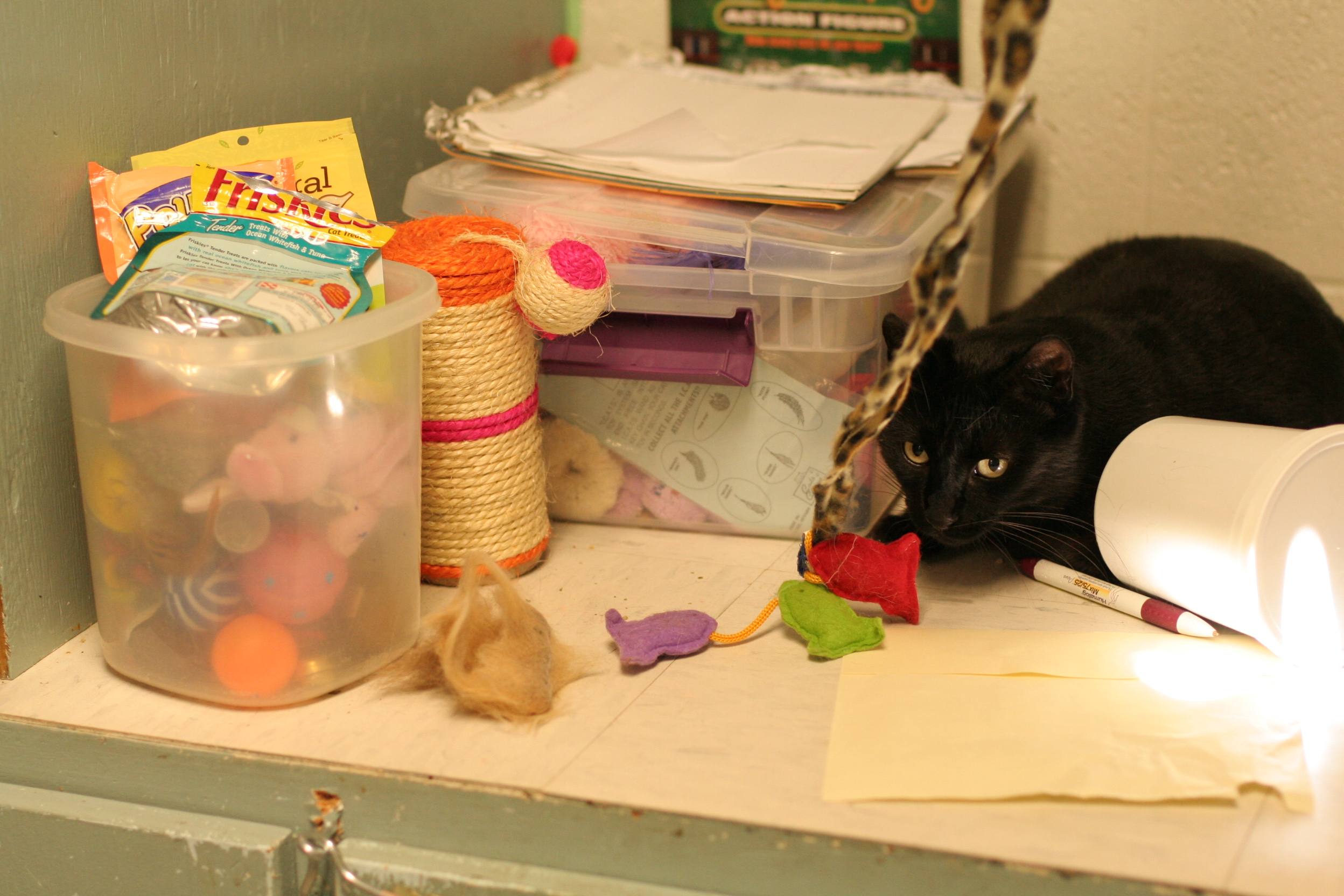
This weekend Ryan and I went to Berkeley Animal Care Services to visit with the cats. (“Kih’ens,” a variation on “kittens,” is mainly how I refer to domestic felines. My cat lady ways speak for themselves.) Based on our schedules and accommodations (carpet in the apartment), we probably won’t be able to adopt a kitty ourselves, but a little lap-purring therapy never hurts. I got a good vibe from this “no-kill” shelter — meaning that animals can stay for years, and are only euthanized if they are ill beyond treatment or too aggressive to be adopted. While the kih’ens we encountered didn’t seem thrilled to live in cages, they were definitely getting a lot of love and attention, and all the ones we spent time with were sweet as could be.

Political Choreography

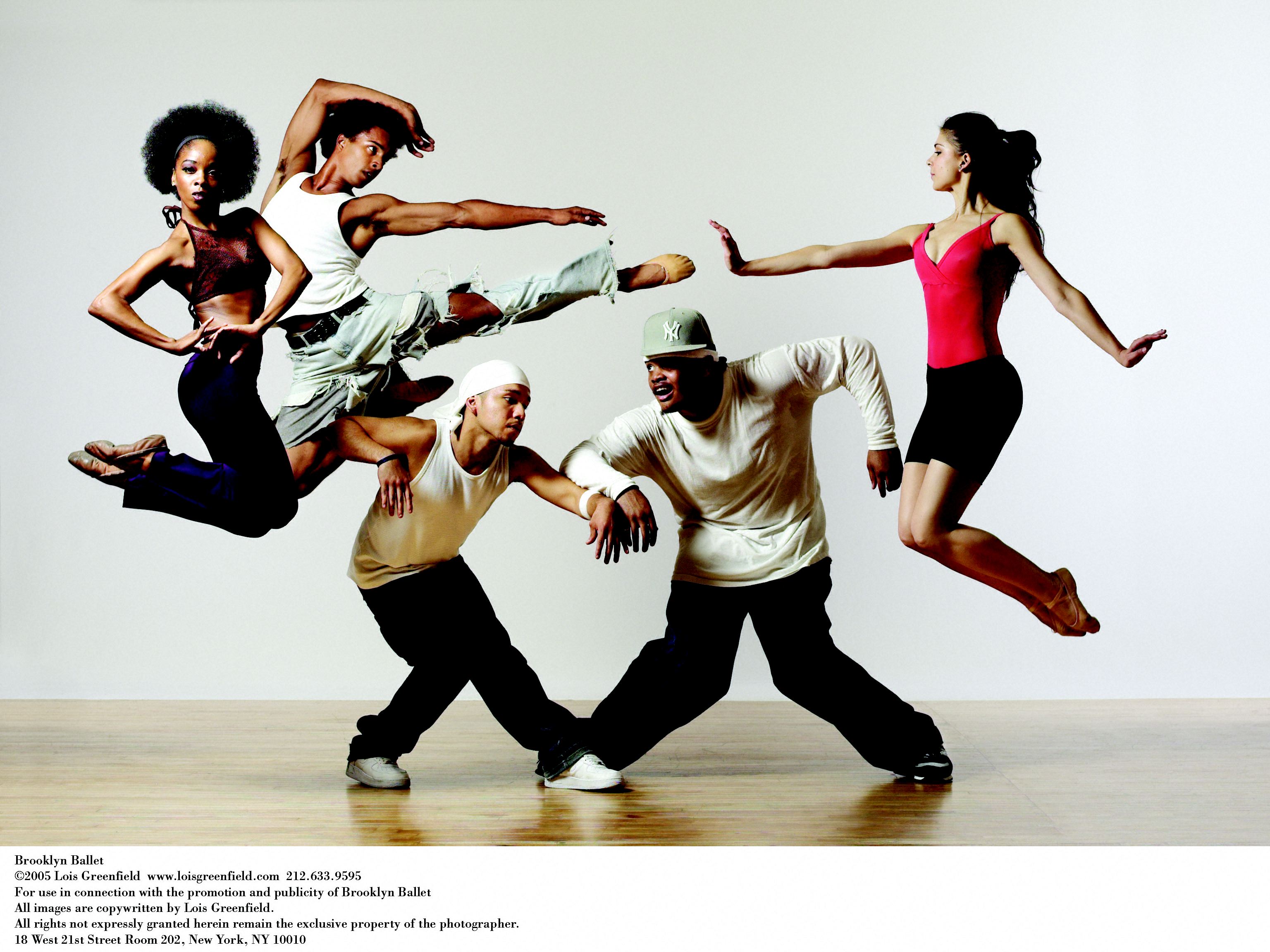
Incredible image of Brooklyn Ballet, (c)2005 by Lois Greenfield
bikes on the landing

Being sick for over a week means I’m way behind on work, so today’s post is just a tiny glimmer of an idea.  Lately I’ve been thinking about choreography as it relates to political action.  Now that EBSol is underway, I’ll be participating in the planning of collective direct actions — hopefully for the next year or two.  Thinking about this planning as choreography is helping to uplift and inspire me to think creatively.
How can we employ different sounds, smells, textures, and movements into our actions?  How can we use space creatively?  How can we create productive tension among multiple people in a space?

Not all actions will involve explicit audiences to choreograph for: we’ll be doing our share of postering, flyering, and letter delivery.  But even in these simpler actions, are there ways we can bring color and intentional physical movement?

I’m reminded of Chögyam Trungpa Rinpoche’s advice about the garb of a warrior:

For the warrior, clothing actually provides an armor of discipline, which wards off attacks from the setting-sun world. It is not that you hide behind your clothes because you are afraid to manifest yourself as a good warrior, but rather that when you wear good, well-fit clothes, your clothing can both ward off casualness and invite tremendous dignity.

Sometimes if your clothes fit you well, you feel that they are too tight. If you dress up, you may feel constricted by wearing a necktie or a suit or a tight fitting skirt or dress. The idea of invoking internal drala [energy beyond aggression inside oneself] is not to give in to the allure of casualness. The occasional irritation coming from your neck, the crotch of your pants, or your waist is usually a good sign. It means that your clothes fit you well, but your neurosis doesn’t fit your clothes. The modern approach is often free and casual. That is the attraction of polyester leisure suits. You feel stiff if you are dressed up. You are tempted to take off your tie or your jacket or your shoes. Then you can hang out and put your feet up on the table and act freely, hoping that your mind will act freely at the same time. But at that point your mind begins to dribble. It begins to leak, and garbage of all kinds comes out of your mind. That version of relaxation does not provide real freedom at all. Therefore, for the warrior, wearing well-fit clothing is regarded as wearing a suit of armor. How you dress can actually invoke upliftedness and grace.

I also remember reading, somewhere, from someone, an invitation to move through the world as though we were exploring a spectacular golden palace. This sense of awe and decorum, of self-awareness that helps us relate to the external world, rather than getting caught up in our own worries. Golden palaces may not exactly be my thing, but I know what they’re getting at. Bringing some air of ceremony, some sense of choreography, can help us engage more deeply with our everyday actions — with people, places, beings, and inanimate objects.

Just thoughts.  I’m a believer that political action should be fun and mindful, you know?  So we’ll see.

Meanwhile, the weather outside is blowing my mind.  Didn’t think they made days like this anymore.  Happy Wednesday, everyone!

cars in the yard
ryan makes asparagus
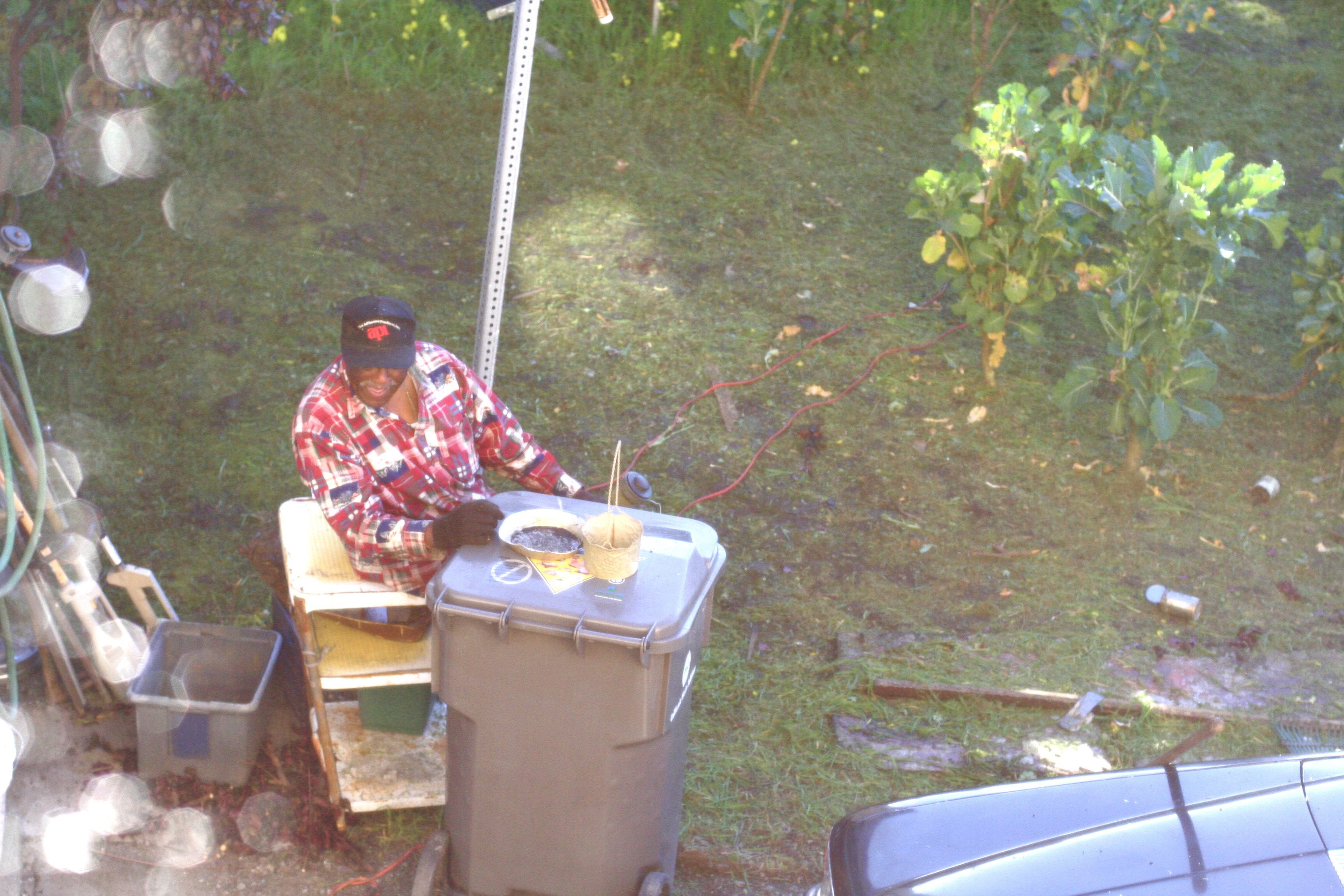
Mr. Posie takes a rest from weed-whacking near his collard greens

Revolutionary and Pre-Figurative Politics

How do the two fit together?

This question’s been yelling itself in my face for the past couple of days. (Weeks?) Not only in theoretical terms, but in practical ways. Touched on by elders, peers, friends, strangers.

Roughly (and this is my own attempt, for which I’ll accept blame but not credit):

Some groups are great at building and exemplifying models of anti-oppressive ways of being. (Pre-figurative politics, as I understand it, means practicing now the kind of society you want to build in the future.) Enacting horizontal group dynamics, confronting white supremacist and racist behavior, challenging and transforming sexism, homophobia, transphobia, fatphobia, ableism, etc. in myriad ways, and continually developing sophisticated, intersectional analyses of these lived oppressions. Honoring and valuing healing; promoting literacy around dealing with trauma and mental wellness. Developing healthy sex-positive cultures grounded in consent. Practicing conscientious methods for dealing with intimate violence and abuse. Giving and receiving criticism with humility, generosity, bravery, and kindness. Doing very practical things like organizing childcare collectives, artmaking groups, and food distribution programs; infusing them with liberatory values. Transforming estranged relationship with our bodies, the earth, and nature. Theorizing these and more practices, and sharing them.

At the same time, some groups are great at developing people’s revolutionary class consciousness. Examining the material processes of history with an eye toward figuring out the best ways to intervene in those historical processes, and change things for the better. Get rid of classes altogether. Put an end to imperialism. Employ practice and theory, in current conditions, to avoid the pitfall of reformism and move militantly and decisively toward a world of “freely associating producers” — a world where violent compulsion is no longer ambient, as it is under capitalism and has been under all forms of class society (to stake a claim against what I learned about Foucault, in college). I’m impressed and inspired by groups that maintain a keen focus on this goal, and whose work reflects the urgency of building the class power necessary for exploited people to liberate themselves/ourselves from the yoke (and rod) of capital.

Now. Is there overlap between these ‘types’ of groups?

Yes.

A lot?

In the Bay Area? In the US?

IIIIIIII dunno. What do you think? What are you finding?

That’s all for now; more questions than answers.

g’night, friends.

“God Bless Practical People”

A quote from Ryan, hailing the makers of this primer on how to build a solidarity network, or “direct action casework” group, along the lines of the dope and seriously successful Seattle Solidarity Network (SeaSol).  :)

Tonight, a small group of us are getting together to talk about how we can build one in the East Bay.  So I’ma get to readin.  I’ll keep you updated on the work as it progresses!

And today: prayers for people in Japan; strength for fighters in Wisconsin (General Strike?!?!); and nothing but love and respect for Slow Loris.

Interdependence, Colonialism, and Commodity Fetishism

In Buddhist parlance, we often encounter the word “interdependence.”  It comes up in many contexts.  One way I often hear it invoked (in dhammic as well as New-Agey spaces) is as a kind of feel-good spiritual brainteaser.  Isn’t it amazing and beautiful how we are all connected?

Here’s a good example, from my own life.  I was attending a conference about spirituality and technology: the Wisdom 2.0 Summit.  One of the keynote speakers, Tony Hseih, CEO of the online retailer Zappos, gave a talk about the culture of happiness at his company, and how attention to the human connections between merchant and consumer fosters better, more lucrative business.  The title of his book sums it up nicely: Delivering Happiness: A Path To Profits, Passion, and Purpose.

When it came time for Q&A, I raised my hand and got the mic (standing up, semi-terrified, before this large crowd of very successful techno-seekers). I thanked Tony for his work, and then asked what he thought — and what all of us present thought — about the happiness of the people who produce the technology we use.  The people working in the factories that make our phones, our laptops, our desktops.  The people mining the minerals for all of these.  What about their happiness?

It’s all well and good to look at interdependence as a network for human kindness and beneficence.  But the fact is, it is just as much (if not more) a network for exploitation: of humans, animals, and the earth.

In his newest book, The Boddhisattva’s Embrace: Dispatches from Engaged Buddhism’s Front Lines, Hozan Alan Senauke of the Clear View Project cuts to the core of exploitative interdependence in the conclusion of a beautiful essay on the shipbreaking industry in Bangladesh.
Continue reading

Good Goddard

Hey friends,

I don’t know if you remember, but I started going to art school.  Yeah, like a year ago.  I haven’t talked much about it, partly because I took a semester off in order to stay on at the Fools.  Now I’m back for my second residency in Vermont.  Residency is sort of a week-long, intensive, participatory, interdisciplinary art festival -slash- collaborative curriculum planning workshop.  It’s wonderful in all kinds of ways, for all kinds of reasons: including the absurdly beautiful setting.

I say “absurdly beautiful,” and I guess there really is this in-credible dimension, for me, being on campus — almost like being in a lucid dream. Running late for a secret book-making meeting earlier today, I decided to leave the plowed path and take a shortcut over a hill, to the front entrance of one of the little dorm buildings. Somehow I assumed that I would simply walk over the snow. Like it would mostly compress under my boots or something.

Instead, of course, I end up thigh high in powder (not saying much since my legs are short — but still). Do I stop and go back? No. Just kept sloshing through, like, Oh well, guess this is just part of walking in snowy places: stumble-hop-crashing around and getting all soaked in the legs.

My “snow-pas” (oh god, i know) happened to occur just outside the picture-window of the room where my friends were making books. I loved the jolly way they laughed.

January Full Moon Walk

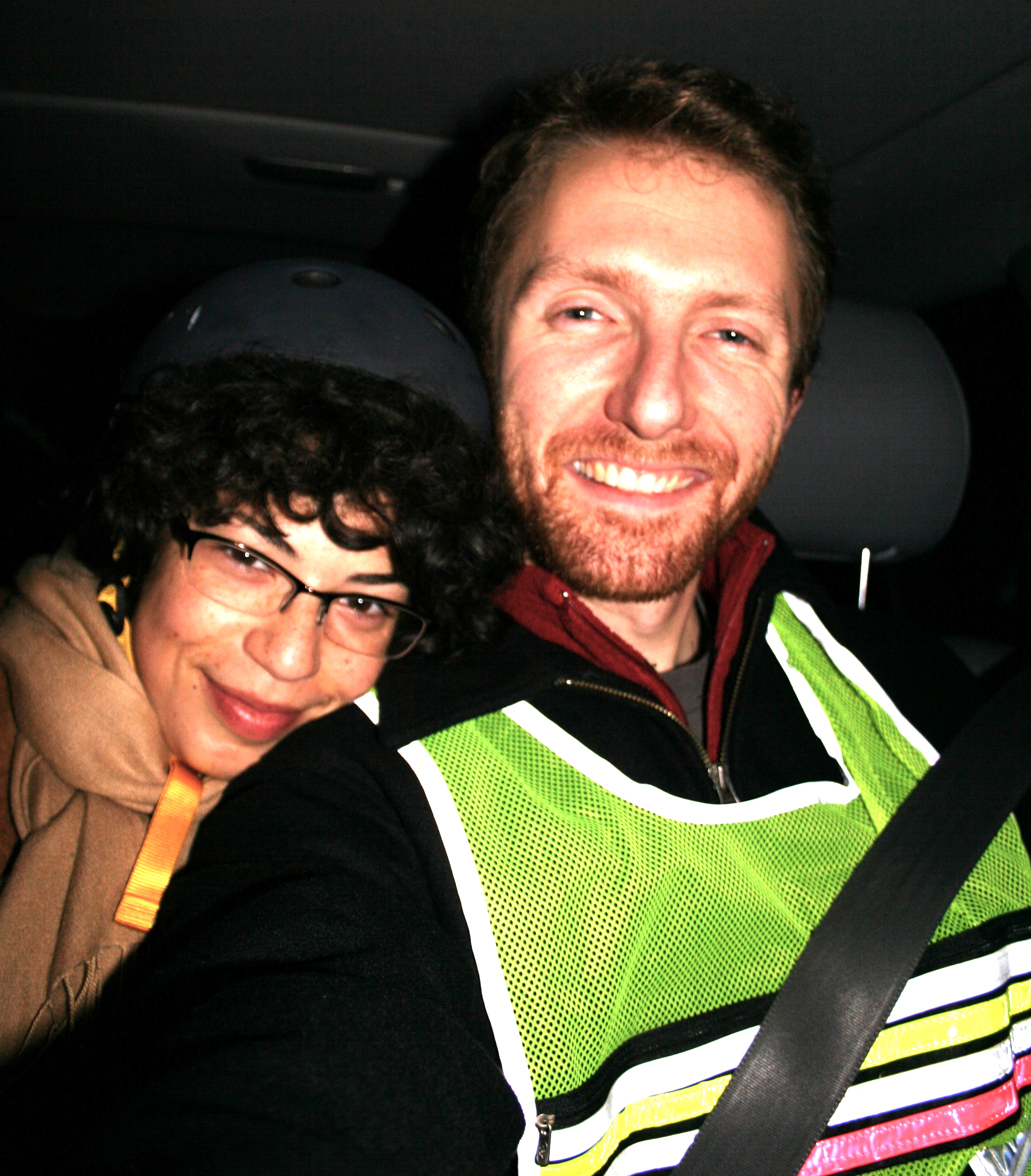
Ryan and I both happened to be in Sacramento again for this month’s Full Moon Walk, which turned into a full moon bike ride (hence his stylin’ reflector vest, and my hard-to-detect helmet) along the short stretch of levee that isn’t privatized.

The camera even began to see in the dark, thanks to a cloudless sky and a tripod on loan from my dear sweet mama.

Next month we’ll be in the Bay for sure. I hope you’ll join us if you’re around!

Makin’ good on our new traditions. Hell yes.