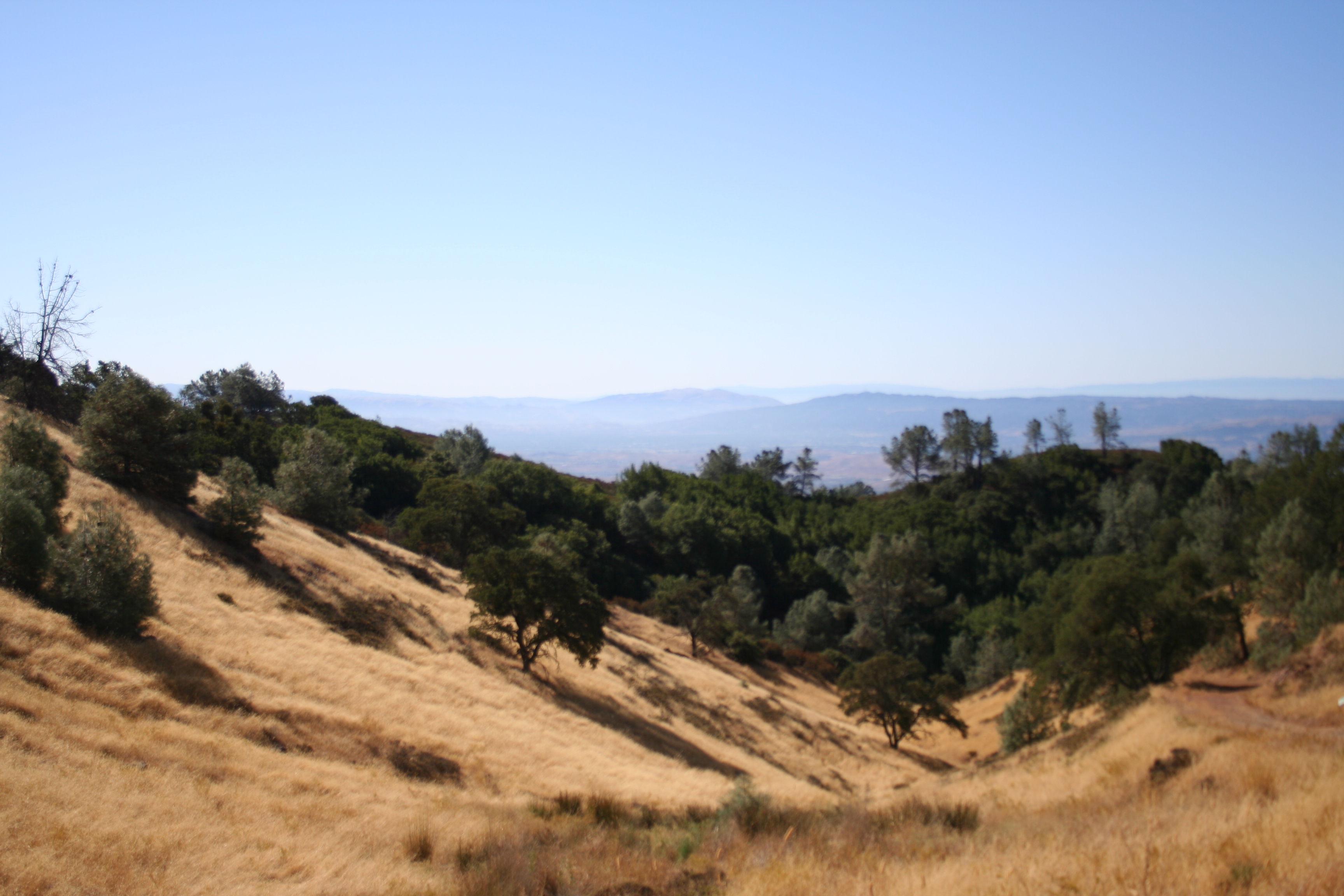
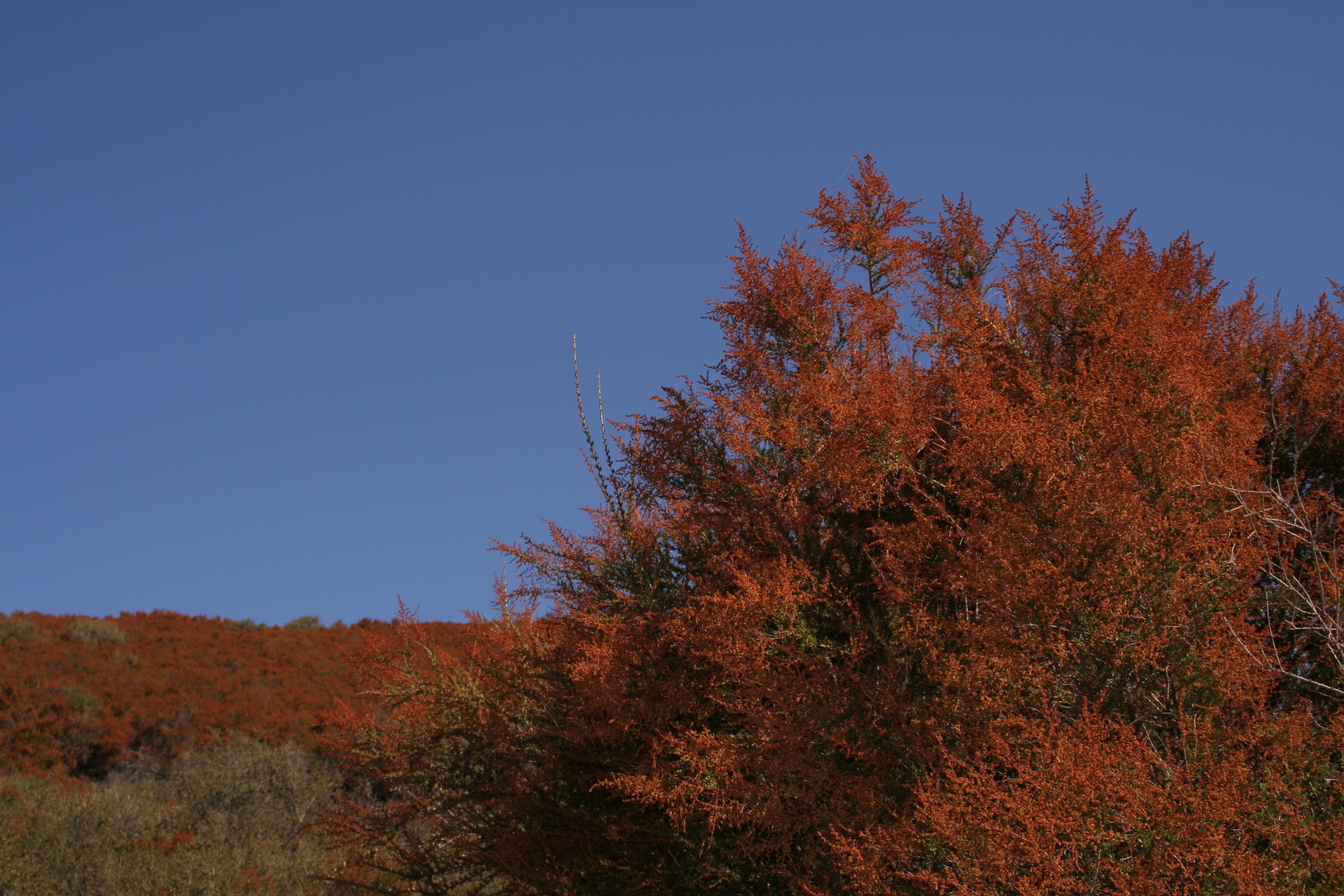
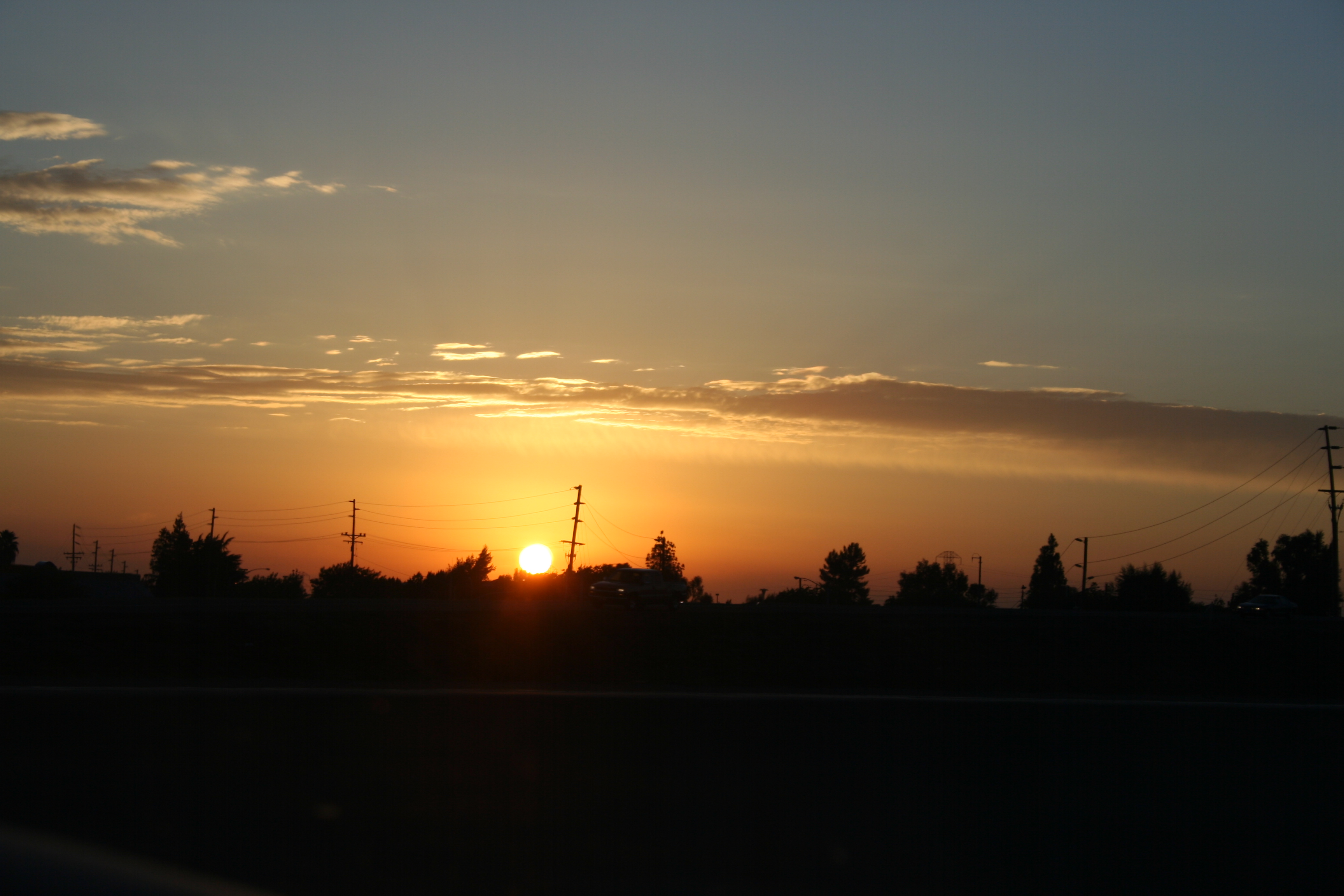
Hopefully by November I’ll have a little time to actually learn how to use this new camera. So far I’ve just fiddled chaotically with it, and since I got it used I don’t have a manual or anything. (Nor even basic knowledge about photography.)
So until I can study up on my own or take a free class, I’ll stick with appreciating the colors. Mmm, colors.
Friends, I am running around all day today, but wanted to share a half-formed thought that’s been germinating for the last few days.
What the hell is “classism” supposed to mean?
Seriously though. I know it’s a fixture in the litany of “isms”: sexism, racism, ableism, heterosexism, colorism, etc.
But isn’t the notion of “discrimination on the basis of social class” a little . . . redundant?
Don’t the existence of social classes already imply discrimination?
Like, oh, it’s okay that you remain lower-class, as long as I don’t make fun of you for being lower-class, or exclude you entirely from my middle- or upper-class institutions.
. . . ?
Does classism boil down to cultural chauvinism, and not much more? That’s the impression one might get from the “Classism” section (nestled between the “Racism” section and the “Homophobia/Heterosexism” sections — there’s that familiar chorus, again) in famous U.S. feminist Jessica Valenti’s book, Full Frontal Feminism. I’ll quote it in its entirety.
Classism
I’ll tell you a little story about something that made me acutely aware of classism—it was the craziest wake-up call ever. I went to a public high school in New York that tested students for entry (it was kind of a dorky math and science school). The majority of my friends in high school were Jewish gals from the Upper West Side of Manhattan. They had awesome apartments and college-educated parents who were professors, artists, judges, and so on. I grew up in Long Island City, Queens, which at the time was not considered the best neighborhood in the world. My parents grew up in Queens and Brooklyn, got married when they were still teenagers, and never went to college.
But hey, it was all good to me. My friends were my friends, and we were all the same. Then one day, after a couple of my girlfriends spent some time at my house after school, one of them remarked, “Your mom is so cute! Her accent sounds so . . . uneducated!” They all laughed. I don’t think she meant it to be cruel, or even realized what she was saying. But after that moment, it was difficult to be around my high school friends. I had this overwhelming feeling of not belonging. I didn’t know if they were laughing at my potty-mouthed jokes because I was funny, or because I was playing up the Italian Queens girl stereotype. I wondered, when they told me they didn’t like something I was wearing, whether it was because of a difference in taste, or because they thought I looked “trashy.”
Later, in college (at a private Southern university—I lasted a year before transferring back to New York), I would try to tone down the behavior I thought marked me as “lower class.” I tried to drop cursing so much, the Queens accent slowly disappeared, and I continued to hang out with kids who went to boarding schools and to pretend I knew what the hell “summering” was. But you can’t pass for long. I would later realize that a lot of the hellishly sexist experiences I went through in college were completely tied up with classism. I was called a slut not only because I had the gall to sleep with a guy I was dating, but because I dressed differently, talked differently (no matter how I tried to hide it), and was seen as the trashy Queens girl on scholarship.
So I know this is a little more personal than academic, but hey—the personal is political, right?
I understand that the experience of class stratification manifests partly in moralized judgments, ridicule, vitriol, and warped denial of other people’s humanity. This is the flavor of class ideology. But what about the structure?
Perhaps classism is not the real problem.
Perhaps CLASSES are the problem.
From Wikipedia:
The most basic class distinction is between the powerful and the powerless.[1][2] Social classes with a great deal of power are usually viewed as “the elites” within their own societies. Various social and political theories propose that social classes with greater power attempt to cement their own ranking above the lower classes in the hierarchy to the detriment of the society overall. By contrast, conservatives and structural functionalists have presented class difference as intrinsic to the structure of any society and to that extent ineradicable.
What do you think? Classes, ineradicable? So we should swell the middle class as much as possible, knowing there will always be people systematically and categorically deprived of equal power because of their economic and social standing?
Reality is weird, people. Very weird.
Meantime, happy Friday! And here is a lovely song for you. See y’all on Monday.
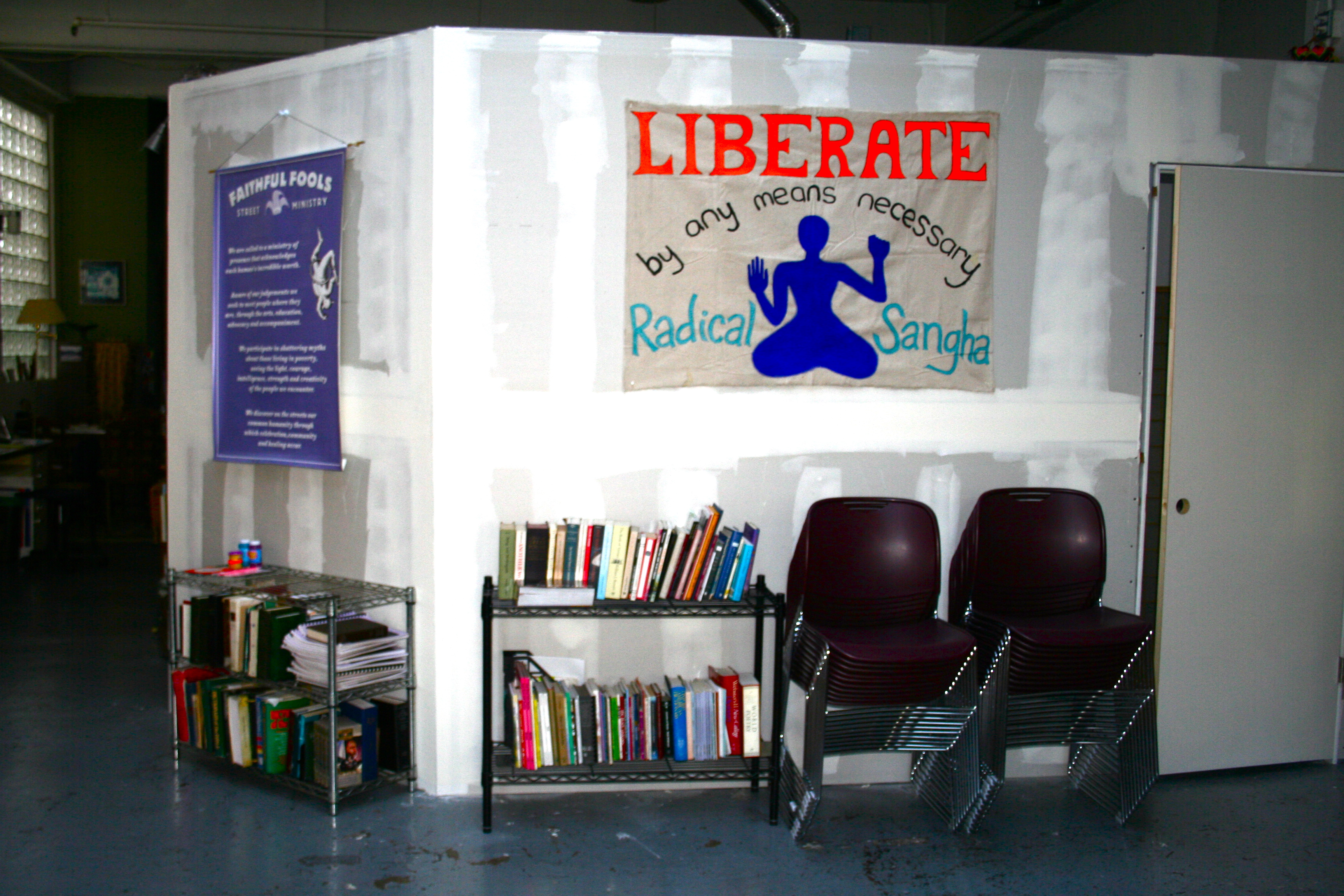
The Radical Sangha banner (also pictured in Monday’s post) has raised a few questions. This might be a good space to engage with some of them.
1. What’s a sangha?
I’ve heard a couple different translations for sangha, which is a Pali word. Loosely, it means something like “community.” In a Buddhist context, it’s one part of the Triple Gem in which practitioners take refuge. Triple Gem includes “buddha” (the historical Siddhatha Gotama from around 500 BC, as well as other buddhas or enlightened folks); “dhamma” (the teachings of the buddha; truth; or practices that lead to understanding truth through direct experience); and “sangha” (sometimes explained as an advanced practitioner to whom we might look for inspiration; other times explained more as a supportive community or assembly of practitioners). So sangha is a group of two or more people practicing dhamma, and helping one another to discover deeper and deeper truths about reality.
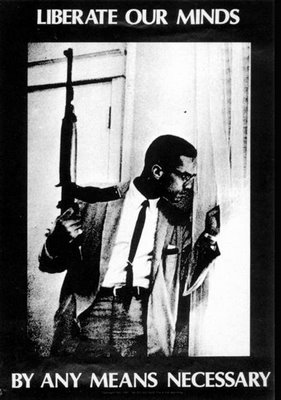
2. What’s your understanding of the phrase, ‘by any means necessary?’
Good question. I associate the phrase with Malcolm X and Black liberation movements that bucked norms by insisting that they had a right to use violence, among other tactics, to win their social freedom.
Put in a dhammic context for the banner, I love the apparent tension between the imperative to “Liberate,” and the famous militant phrase. The way I think about it, the Buddha himself did not rule out violence as a means to liberation. He didn’t rule out any means, and indeed gave a good honest try to many of the highest spiritual trainings available to him in his youth. He explored for himself (and encouraged all of his students to explore) the ways that mental negativity (almost always concomitant with doing acts of violence) undermines the quest for liberation from suffering.
What I would love to see among politically active dhamma practitioners in the Bay is a greater spirit of bold experimentation, in the tradition of the Buddha and other awakened folks. Too often we get stuck with a closed-case of nonviolence, or even pacifism. Too often this justifies and hides our fear of confrontation. Fear of conflict. Fear of pain.
And even among the dhammic people who exhibit extraordinary courage and commitment in the face of violent oppression — submitting to arrest and imprisonment for months or years at a stretch, over and over again — I still think we could use a little more of the “any means necessary” mentality. After all, the “necessary” part means what is necessary to win. Not just what feels good to us. Not just what mimics established forms. What works! Right?
3. I recognize the fist, but what’s with the other hand?
Excusing, if you will, my mediocre drawing skills, the right hand of the figure is supposed to be an abhaya mudra: a gesture of friendly greeting, peace, benevolence, and the dispelling of fear.
For us to liberate (ourselves and each other) requires fortitude and oppositional stances; but it also calls for the special kind of fearlessness that comes from compassion. With compassion, free from delusion, we recognize the good in the opponent. We also see and tend lovingly to the hatred, fear, and greed within ourselves. This compassion inspires and guides our action just as much as strategy; just as much as the urgent wish to “smash” harmful systems.
——————————————
So there’s a little explanation of where I was coming from. Thoughts? More questions?
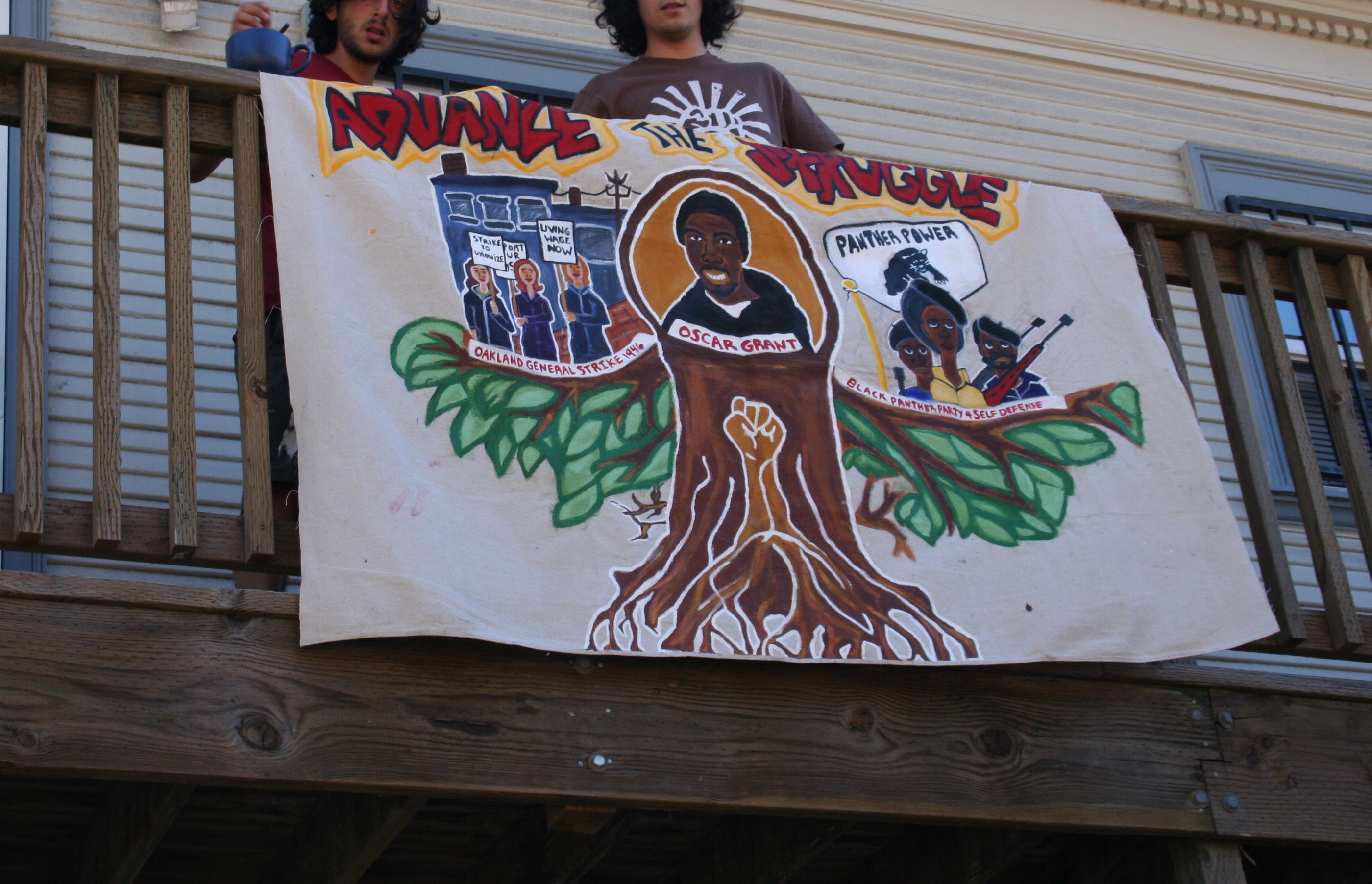
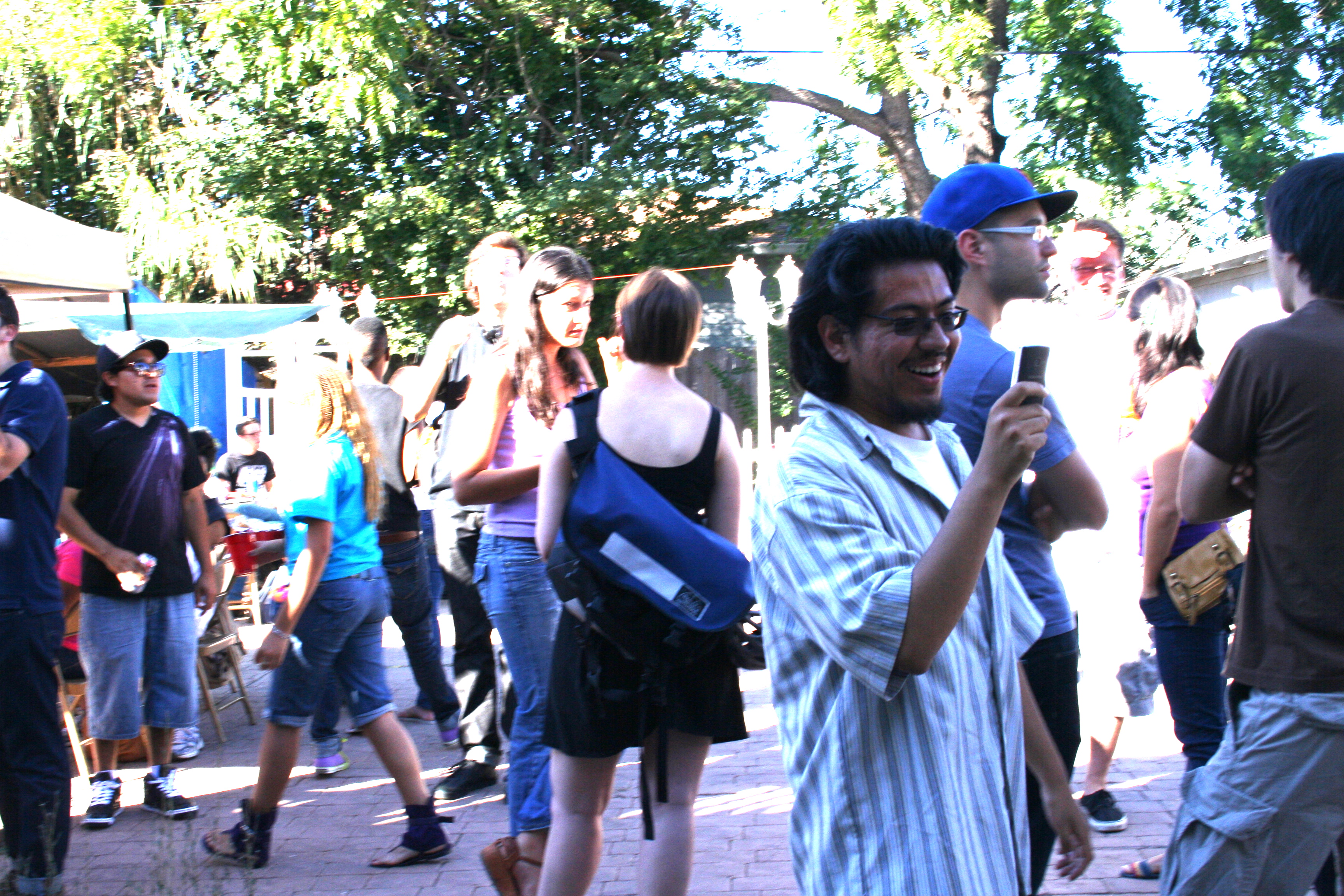
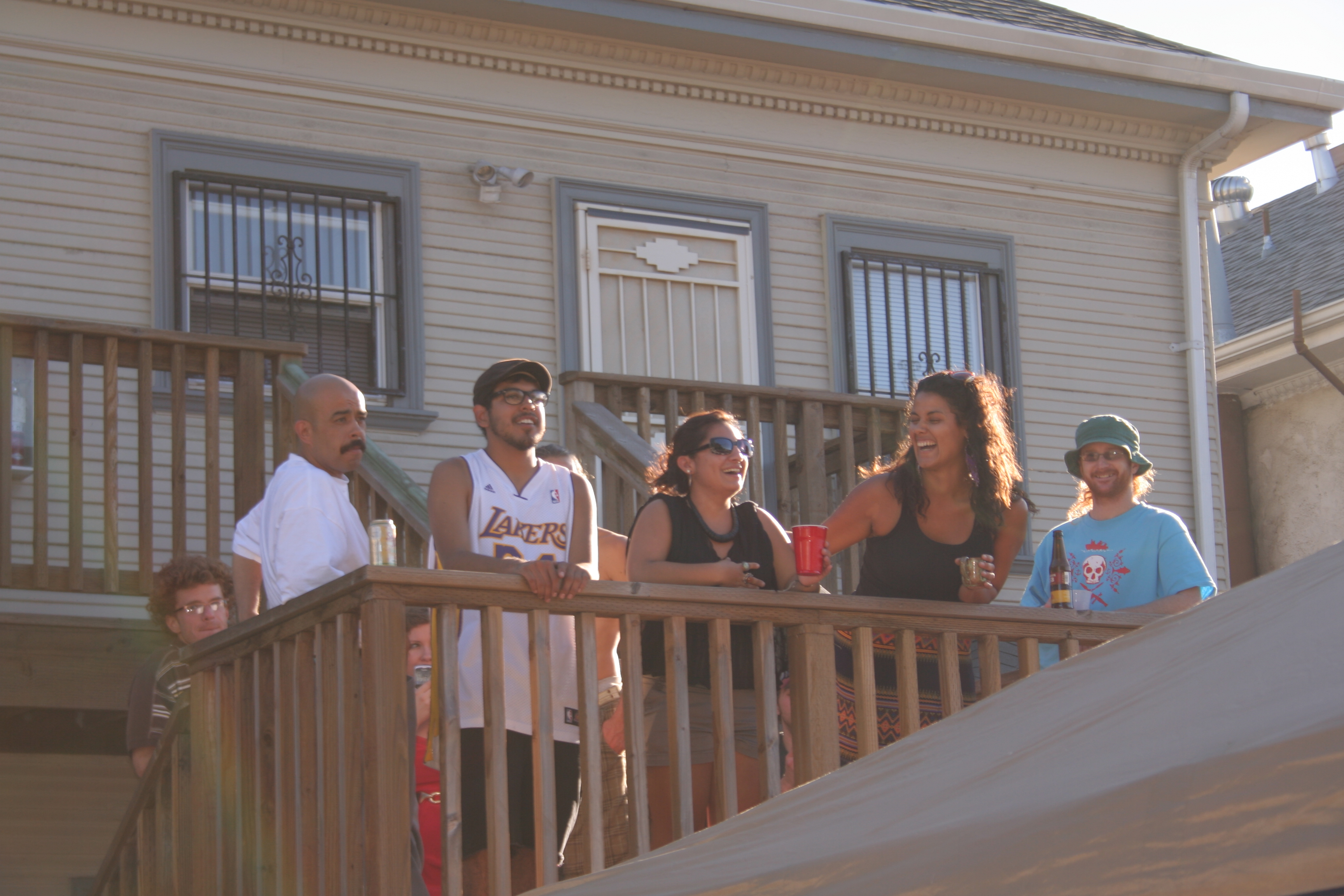
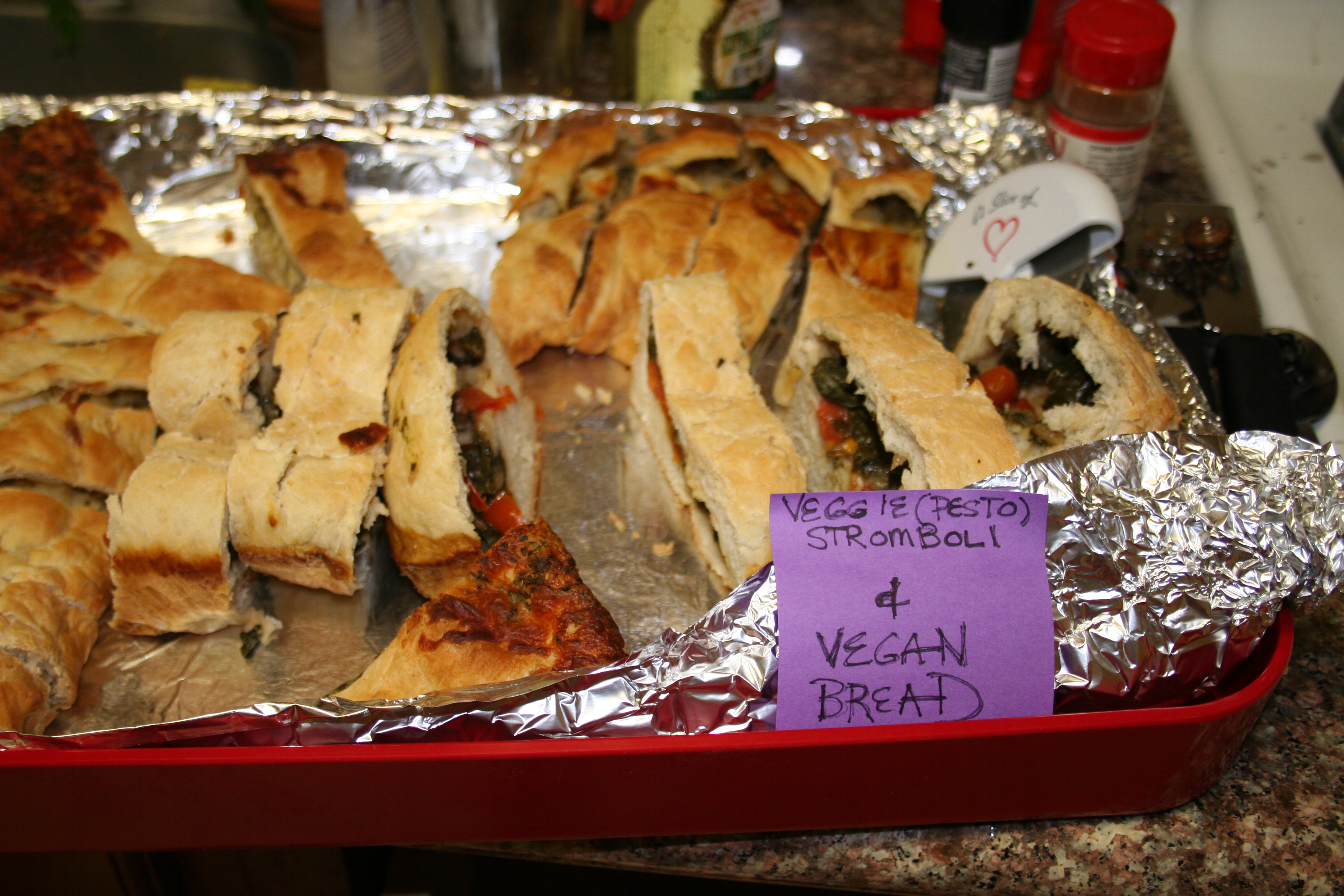
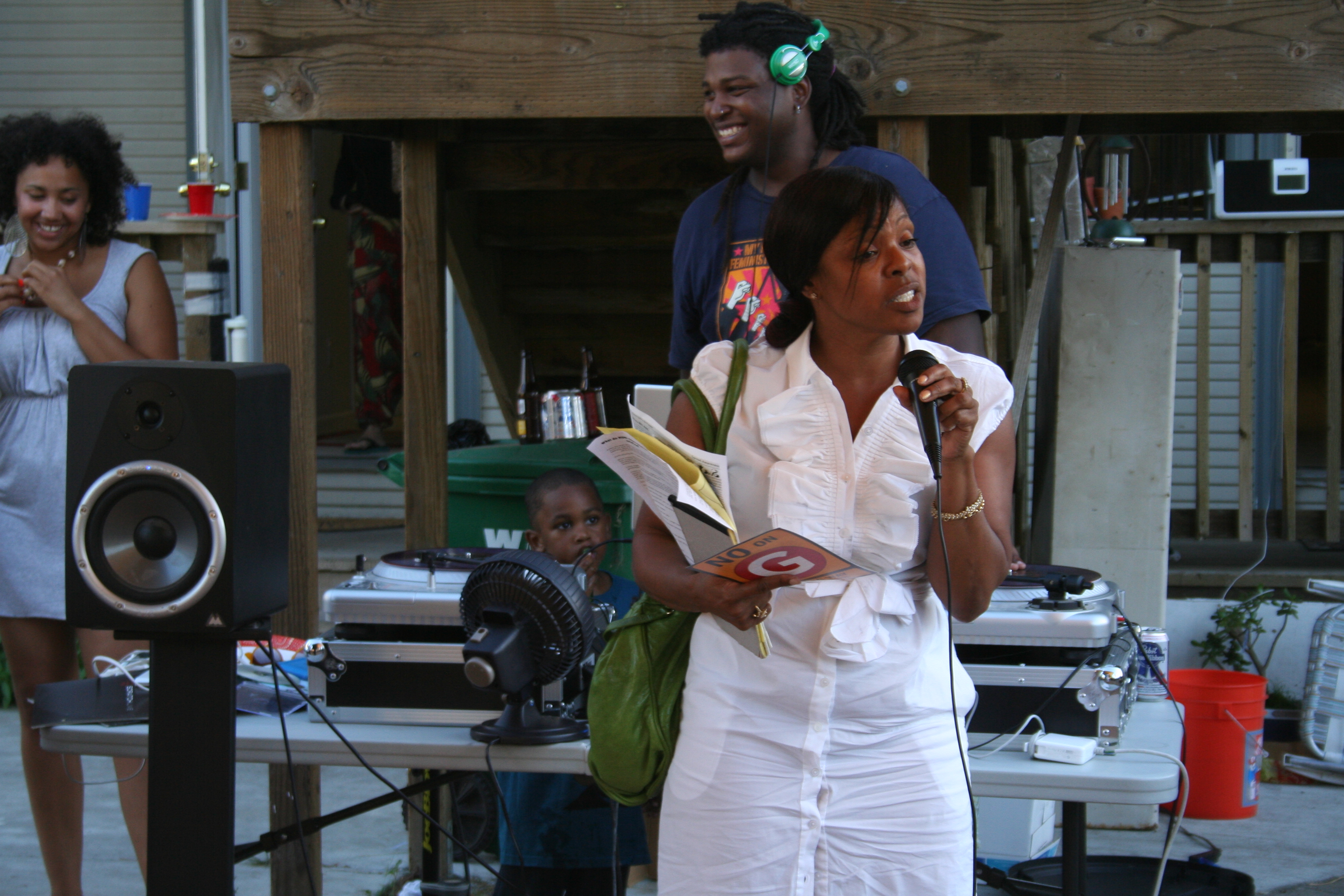
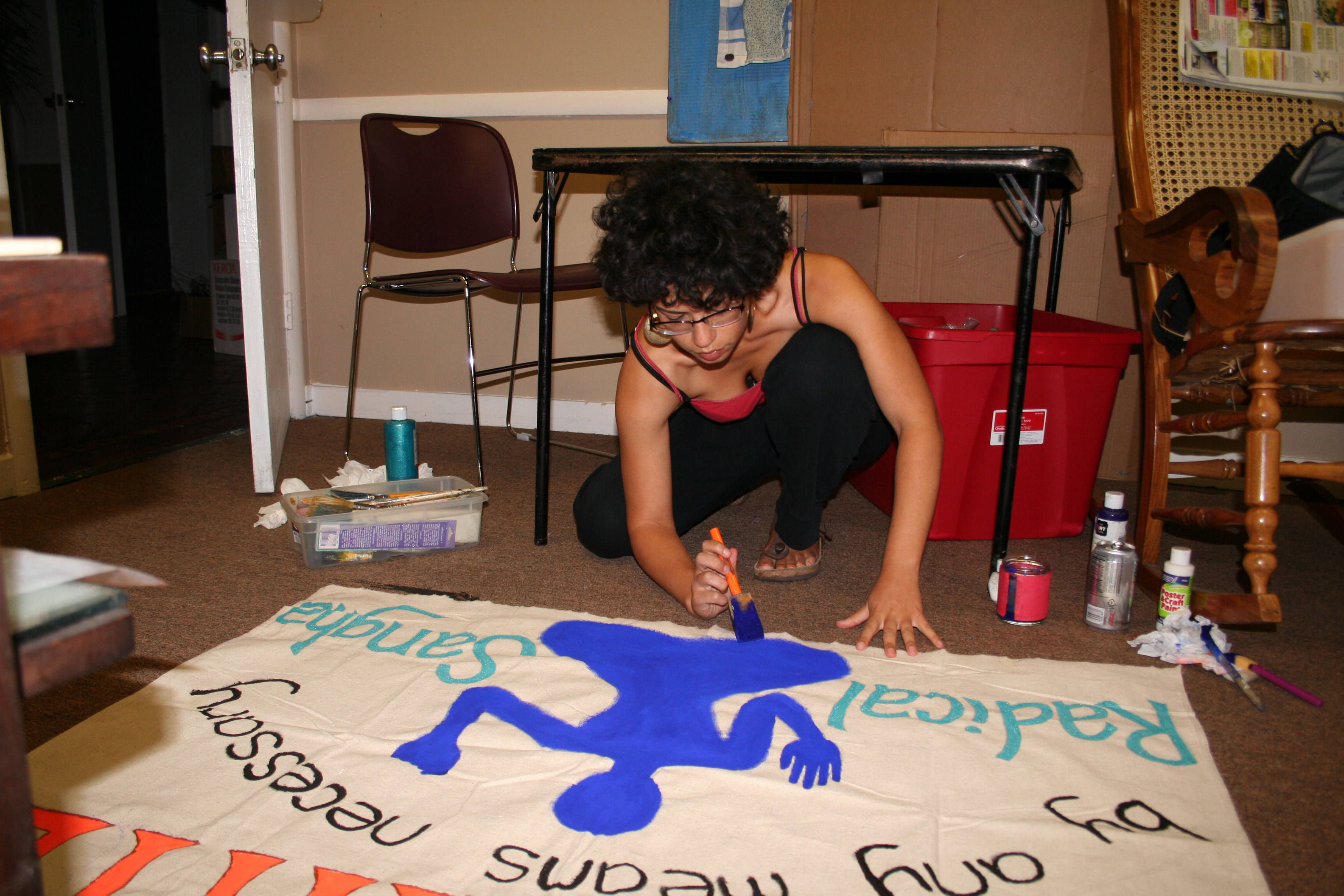
Some friends threw an utterly beautiful “Radical BBQ” yesterday in Oakland. Young and old, different races, different genders and presentations, fun, kind, relaxed, co-operative, joyful, political. Food (good heavens — Dani made these amazing stuffed stromboli and vegan bread from scratch); music and dancing; a speech from a MUNI driver (SF public transit) on the struggles they’re facing among the rank-and-file; wonderful art (check the Advance the Struggle banner: gorgeous). And they even provided art supplies for people to do their own thing. I took advantage and sketched out a small banner to use for Radical Sangha. Took it home and spent the night painting and finishing it up.
The banner may come in handy tomorrow evening, as the scheduled Radical Sangha will be meeting and then carpooling to San Quentin prison to join the protest of the first death-penalty execution in California in four years. Albert Greenwood Brown is scheduled to be killed by the state on Wednesday. The decision to resume executions (backed by Jerry Brown) was sudden, and has shocked a lot of folks who’ve been doing anti-death-penalty work for years. I only heard about it last Thursday, through folks in Oscar Grant organizing.
I’ll be writing up some thoughts and questions soon on tactics and strategy for radical organizing (sparked in part by an event the Faithful Fools catered yesterday: a talk by lifelong activist and frequent prisoner Father Louis Vitale, a Franciscan priest who works around anti-nuclear intervention and the School of the Americas Watch). Part of me feels ambivalent about attending a protest of the death penalty, with no clear mechanism for affecting this structural, state violence. But I also feel that with the proper perspective, and in tandem with different types of tactics and organizing, it can be a fruitful part of a holistic, loving, politicized life.
What really bugs me is that I won’t be able to make it to another dope event featuring my friend’s mom: An Evening of Solidarity with Women of Haiti. If you’re in the Bay area and not coming to the execution protest, think about hitting this up instead.
I’m running around today with errands and work, following a long night of community dialogue/police brutality meetings yesterday. But quickly wanted to share this Huffington Post article: a summary of a weekend dialogue “exploring both the personal and the transpersonal challenges and possibilities of this question: How Can We Bring About a Compassionate Society?”
It’s another example, I think, of the specific problems I talked about in Dangers of Compassion.
Mystified mechanism:
As the hard inner work of contemplative practice transforms an individual, the ethical and altruistic qualities developed in such practices spill out into life with each and every action and interaction.
Root vs. Radical:
The path to a compassionate society arises from the intentions and actions of individuals within that society.
Social Change Relativism:
One small act of kindness and generosity … one act of tenderness … one act of selflessness … each of these moments makes a difference. No act is too small. Strung together, each kind gesture becomes a pearl that makes a beautiful strand of loving kindness with which to encircle self and other, close family, friends, coworkers, community, strangers and world.
Again, I sympathize with the idea that a lot of this compassion stuff is subtle, and can’t be ‘legislated.’ In a way, it really does depend on individual commitment and work. No one can cultivate compassion for us; we need to do it for ourselves.
But as I’ve emphasized, individuals do not exist in material and political vacuums. Pumping up our compassion while neglecting to develop our analysis and political program leaves us lopsided and spinning in circles. Like pushing a cart with one giant wheel and one tiny one.
Also want to note that I think that the Upaya Zen Center, where this “compassionate society” program took place, does beautiful work and includes wonderful people who clearly ‘get it,’ like Maia Duerr of Jizo Chronicles. So it’s not to say that the work of building a compassionate society is useless. (The two times I’ve seen Roshi Joan Halifax speak in person it made me want to run off and meditate 12 hours a day for three years or something — she’s that inspiring.)
Y’all know where I stand. Awakening takes devotion, and I respect that enormously. Bridging awakening with the desire to build a better society is where it’s at. And in order to do that, we have to step up our game on articulating precisely what kind of material society we want, and how we plan to get there.
Anyway, something to chew on for the weekend. Take care, everybody — see you Monday.
Sometimes I really have fun subverting the “reality drama” genre, you know? Because the drama of reality isn’t always about sex, vices, arguments, competition, smack-talking, appraising, or unraveling. (In other words: getting what we want, and disparaging what we hate.) The drama of reality can also refer to explorations of the utterly mundane. Making ordinariness an occasion for attention. In this case, that might mean cooing like an idiot over a cat, and giving a sloppy, unnecessary video tour of the house you grew up in.
Arguably, the boring stuff does not qualify as “drama.” (After all, what’s the purpose of the word if it just encompasses everything?) But my point is that drama is not an objective category. It depends less on the particular content and more on the mind we bring to it.
We think of drama as being juicy, compelling, and maybe a little dirty. That’s what we expect, and in a way, that’s what we want. At the heart of drama is conflict. Non-drama is non-conflictual.
But fortunately for us everyday drama queens, there is a fundamental, inescapable basis for conflict underlying every single experience of our lives.
[6:15pm Edit: Now with photos, continued below the jump]
It’s 5am in Sacramento, and I’m about to drive Ryan down to North Fork, California (about a 3 hour trip) to begin his first formal meditation instruction: a 10-day Goenkaji Vipassana course. Yup, that’s the same one I dove headlong into, totally unprepared, a year and a half ago in Barcelona. The wake-up-at-4-am, sit-10-hours-a-day, work-through-some-of-the-toughest-physical-and-psychological-pain-of-my-life-and-come-out-smiling retreat.
Shortly after that first course of mine, I got some sobering love-life advice from a wise (okay—somewhat creepy, and definitely trying to get in my pants, but nevertheless wise) 40something German meditator dude. Dude said: In a two-person relationship, if one person is progressing spiritually and the other is not, it will cause a painful imbalance that is exceptionally difficult to handle. Naturally, individuals have different strengths and interests in life, but when it comes down to it, a big gap in insight progression will probably spell incompatibility.
This makes sense to me. And also scares me. (And not because I presume that I’d be the one advancing.)
Fortunately, though, in the first partnership I enter after this combination-come-on-and-counsel, the partner not only has an intuitive grasp of a lot of dhammic principles (as I see it), but more importantly has a strong and genuine interest in deeply exploring reality, reducing needless suffering, and being guided by compassion.
Interesting cartography project by Eric Fischer: racial breakdowns of 40 U.S. cities, inspired by a similar Chicago map by Bill Rankin. Here’s the Bay Area (based on 2000 Census data). Pink means white people; blue is Black; orange is Latin@; and green is Asian. (Invisible is Native? And Middle-Eastern? Does “Asian” include South Asian? Racial breakdowns are so strange.)
Correct me if I’m off, but I think the TL (where I live, at the Faithful Fools) is the little blue dot north-west of the Mission.
Lately the 1990’s have been coming back to haunt me. In a good way. A friend is throwing a 90’s-themed party tonight, and while I was visiting my parents’ house this week, my mom pulled out my Young Author Book from 5th or 6th grade. I wish I had it now so that I could quote the author bio page precisely, but I do remember that it included a sentence like, “Her favorite colors are silver, turquoise, purple, black, fuchsia, blue, and white.”
And also: “Her favorite song is ‘Truly Madly Deeply’ by Savage Garden.”
Hey friends, sorry this post is so late. As I mentioned, my dad’s in the hospital, so I’ve been running between SF and Sacramento, juggling work and family and friends and politics — so what else is new? — but right now with more emphasis on the family.
Unsurprisingly, as tough as it’s been to see my dad sick, it’s also offered many opportunities for grounding, reflection, and appreciation. That’s how this clear-sightedness stuff works, sometimes, in the midst of difficulty.
And it’s reminding me of a less-serious incident, a couple weeks back, when Ryan and I arrived, stomachs bellowing with hunger, at a highly recommended Thai restaurant tucked away in a corner of Oakland, only to discover that it didn’t open for another half hour. (I say this event was less serious, and it was, but I think we can all agree that when crap like this happens to us it can feel pretty damn grave.)
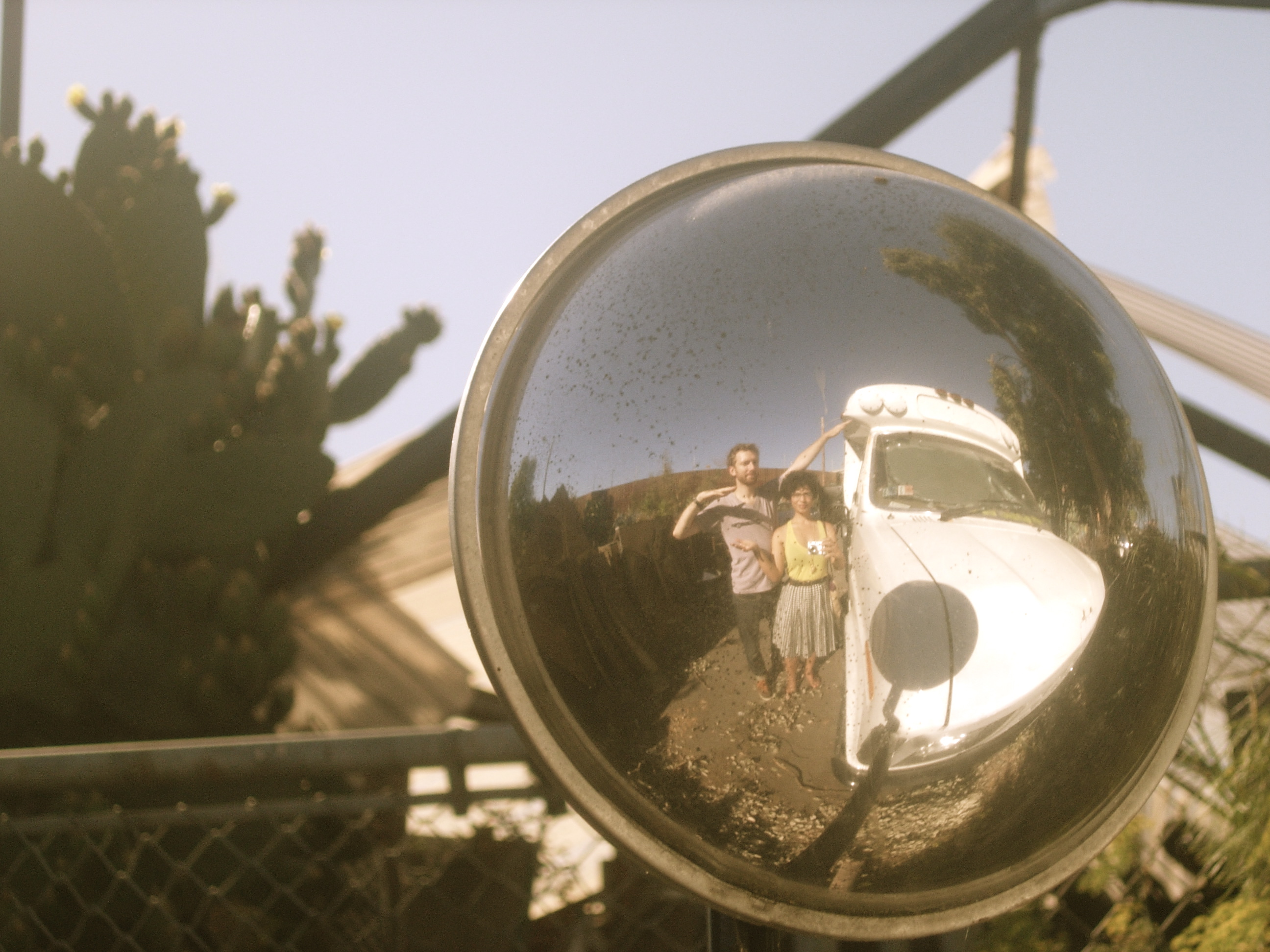
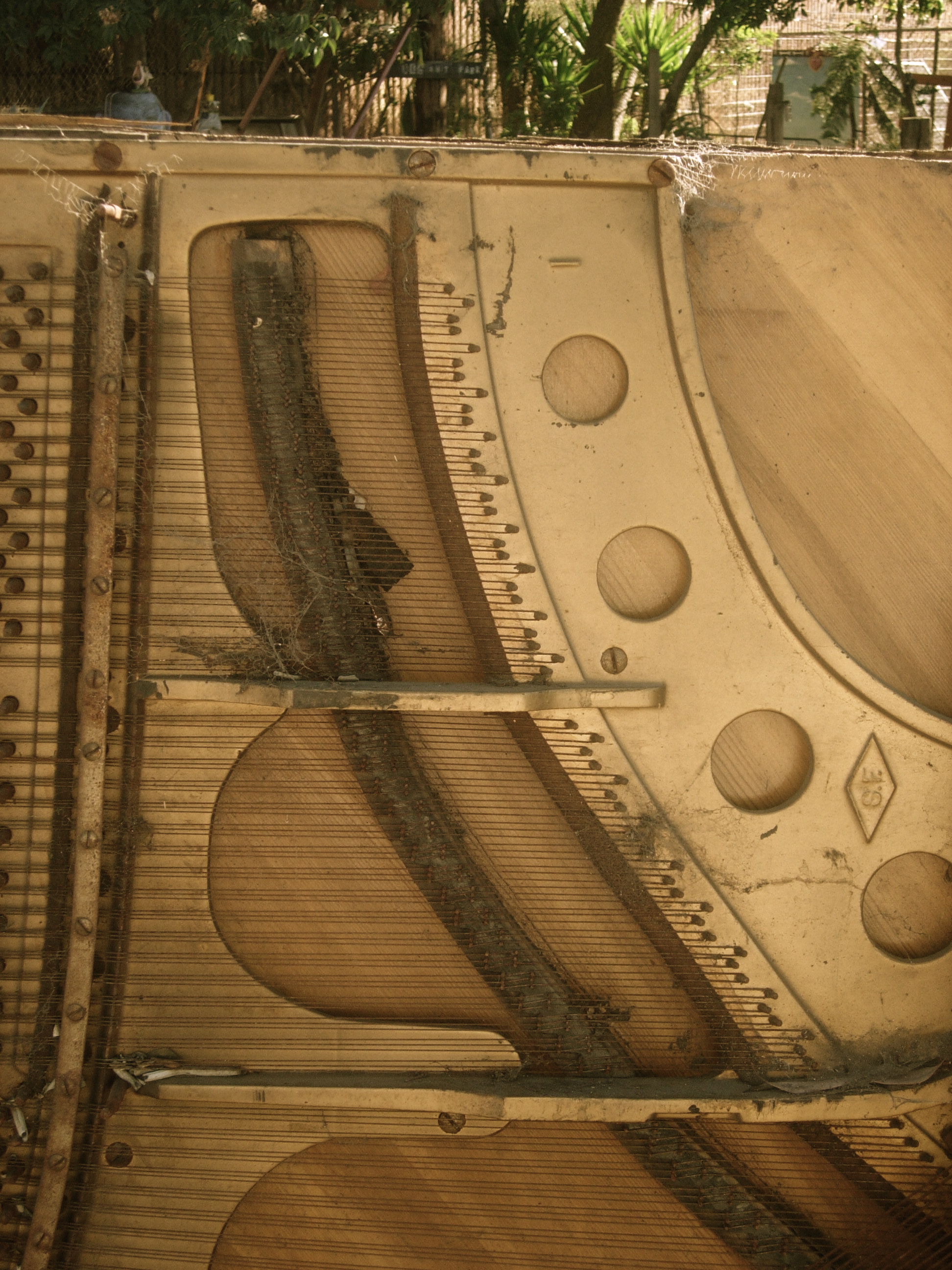
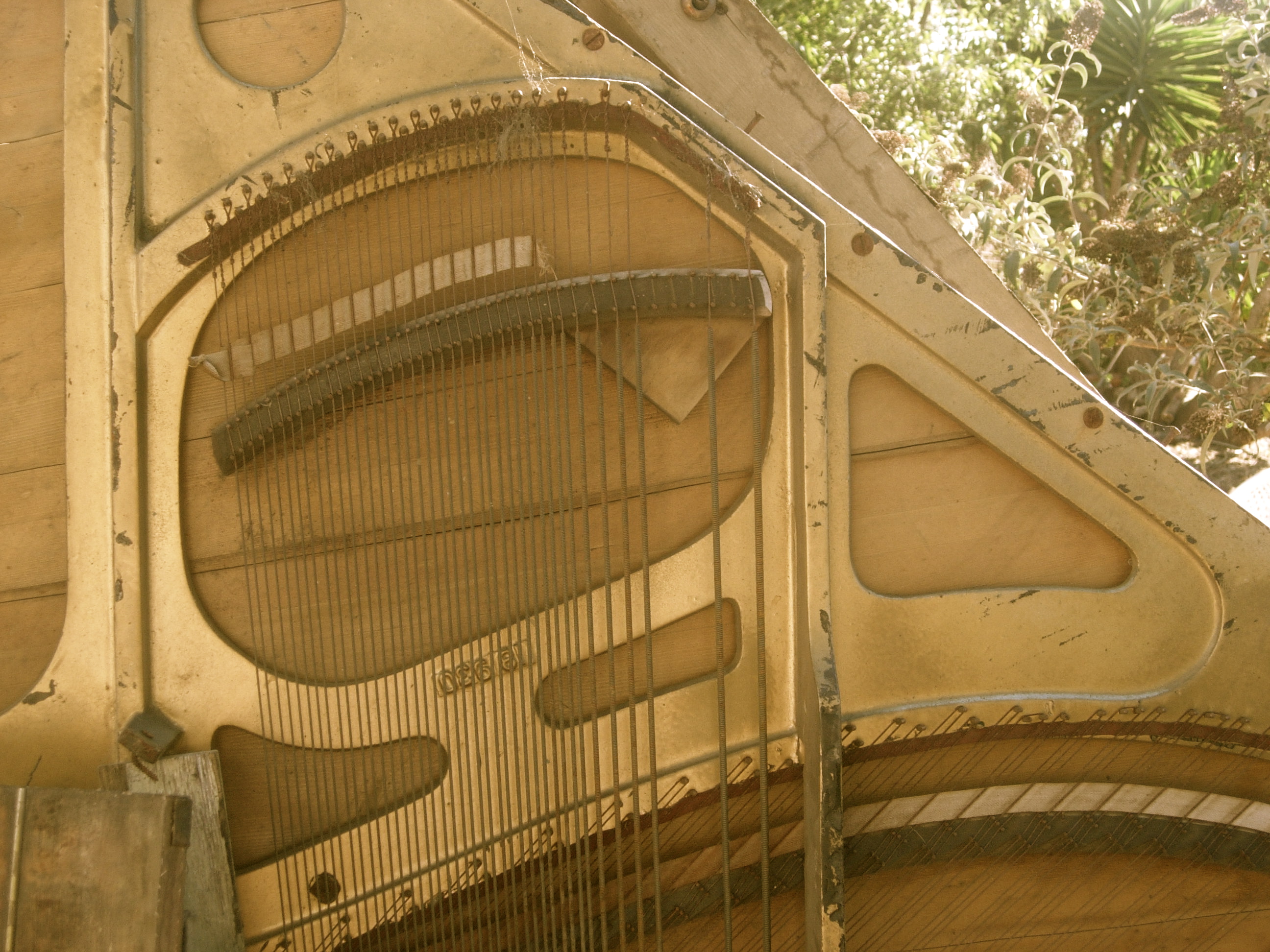
So there we were, ravenous and cranky. But as luck would have it, the same alley that housed the restaurant also contained a tiny, art-filled park. “Dog Shit Park,” as a wooden sign proclaimed. (Or warned.)
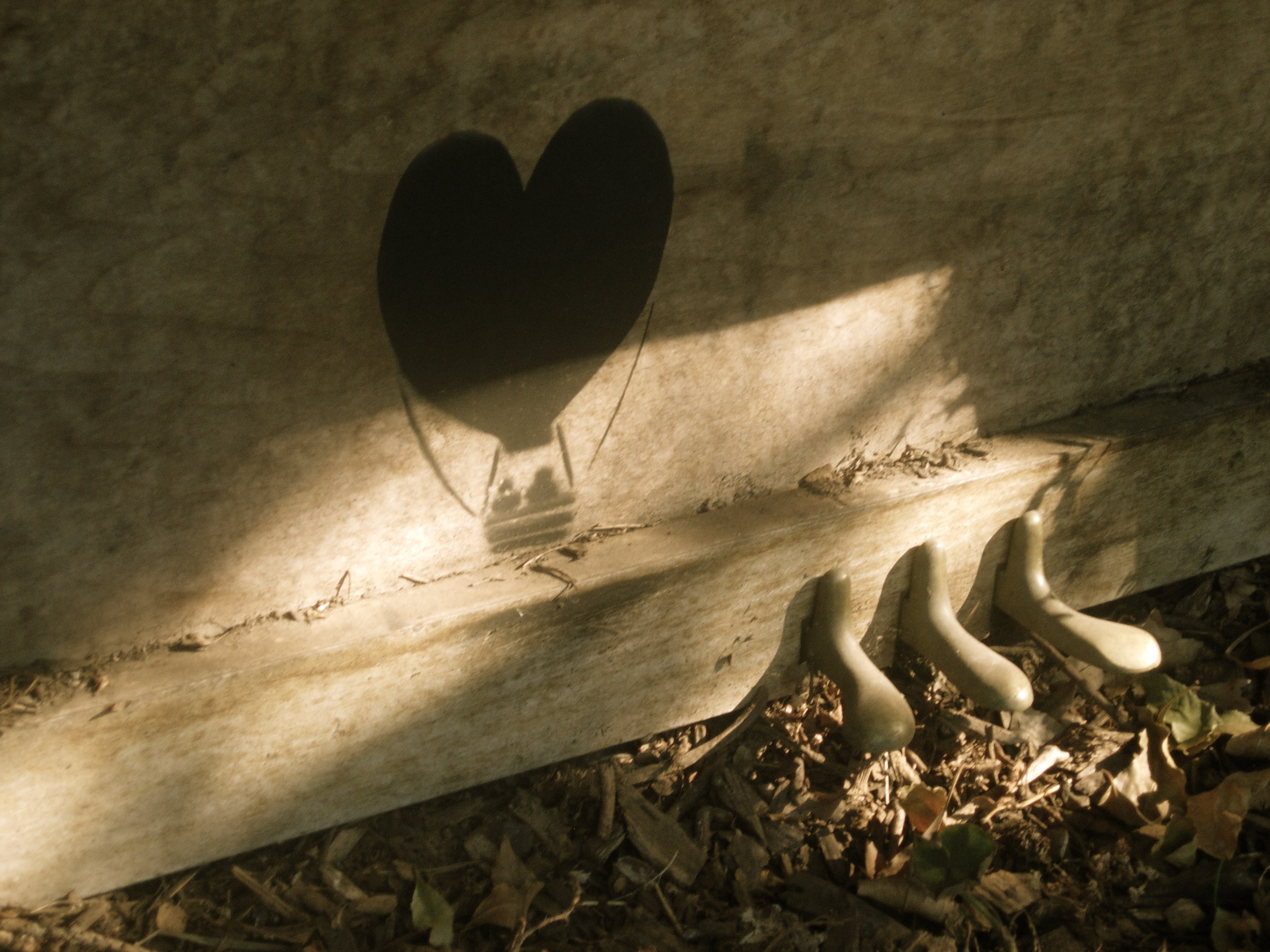
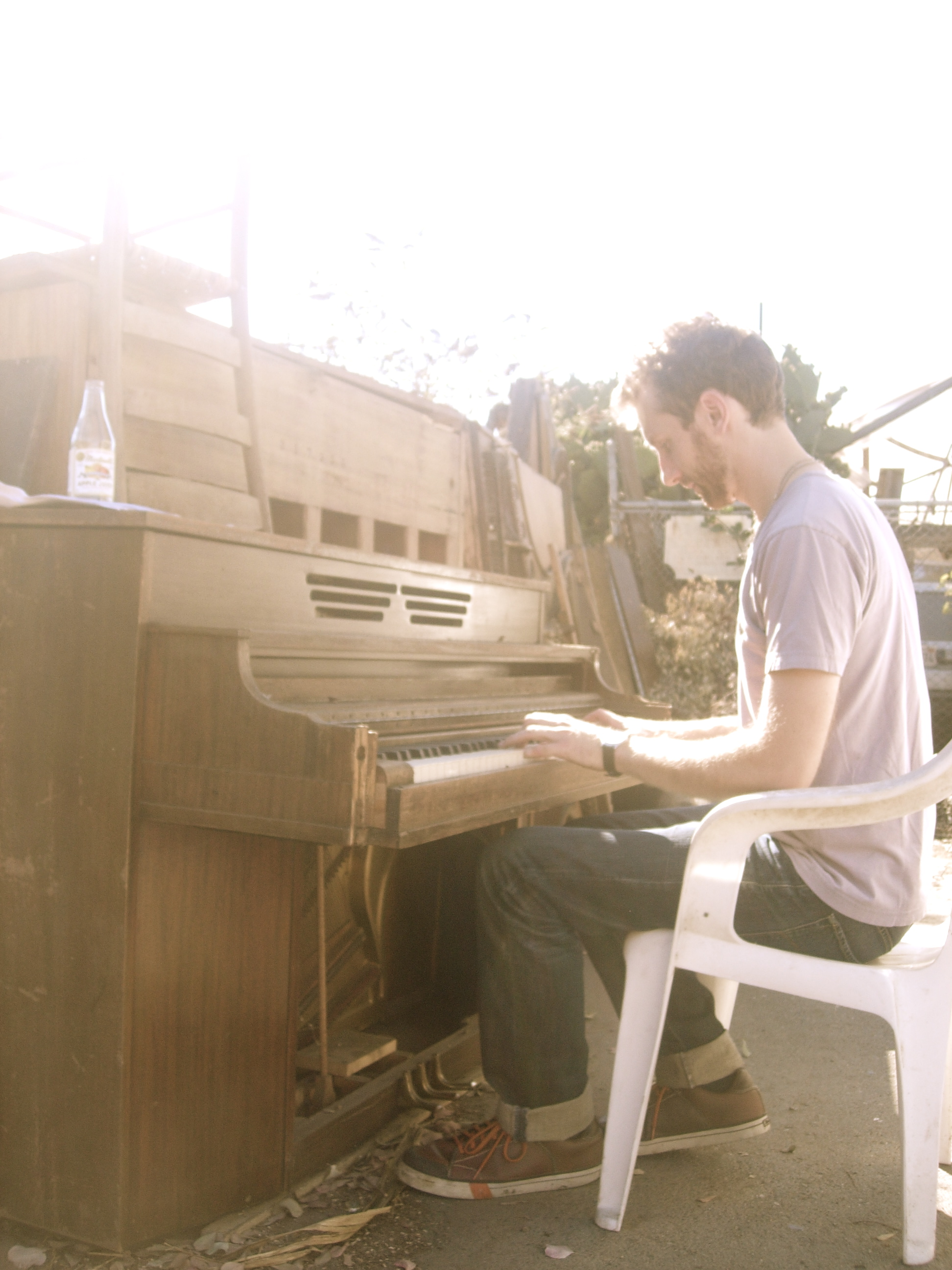
Busted pianos, colorful sculpture, plants and trees and chairs for sitting. And so, as we’ve seen before here on Kloncke, an inconvenience turned into a lovely opportunity.

 Excusing, if you will, my mediocre drawing skills, the right hand of the figure is supposed to be an abhaya mudra: a gesture of friendly greeting, peace, benevolence, and the dispelling of fear.




 Kloncke