When I was about ten, my very favorite outdoor colorscape was a kind of calm, rich, horizontal trio of soft gray, dark brown, and brilliant green. You know how we associate scent with memories? Color works the same way for me (and probably for many of you, too). One or two shades can evoke a whole time and place and mode of being. Clay red and robin’s-egg blue bring me back to a wet walk through a southern Indian suburb. Rusty orange is the color of Barcelona. And yellow is the color of my bedroom: for nearly a decade, whenever and wherever I’ve been able to paint my walls, they’ve always turned out some kind of buttercup or saffron.
Yesterday I reconnected with color thanks to some more helpful tips from Soren Gordhamer’s book Wisdom 2.0. He says that in order to take a real break from computer work, we should try to (a) reduce information intake, (b) breathe deeply, (c) go outside (important one for me to remember!), (d) move around, and (e) keep communication to a minimum (147-148). So we should not, for example, read an article or catch up on a webcomic or play a computer game or text a lover or watch a TV show, even for fun. The most effective resting happens when we relax our discursive mind altogether, and anchor ourselves in experiences beyond screens and words.
With that in mind, I decided that instead of rushing to take the bus home and return to my reading, I would take my camera and meander around the Western Addition on my way back to the Tenderloin.
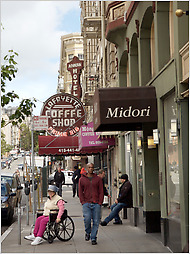
I honestly don’t have much to say about this article from the NYT (lead photo taken directly in front of our home at Fools’ Court) on a potential new tourism trade in San Francisco’s Tenderloin (TL) district. The backward priorities, exploitation, and opportunism seem pretty obvious to me.
Encouraging adventure-seeking San Franciscans to visit may be easier than selling the Tenderloin to tourists, city tourism officials say. Laurie Armstrong, a spokeswoman for the San Francisco Convention and Visitors Bureau, called the recent efforts “a step in the right direction,” but added that it was a “very, very long road” to make the neighborhood appealing.
Appealing to whom? Not the people who live here, but outsiders — with money to spend. The bright side here, I suppose, is exposing the persistence of the trickle-down mentality that drives city planning. Promoting tourism will supposedly help businesses, which will supposedly help…homeless folks? Not likely. Most stores around here won’t even let you in to use the bathroom if you look like you’ve spent the night on the streets. Which might appear to be the case even if you do sleep inside, in a shelter or SRO: single-resident occupancy.
Just a couple days ago, at the feminist Marxist study group at the Faithful Fools, we talked with Diane, a longtime visitor to the Fools, about her experiences living in an SRO. It’s sort of like a jail, she said with a chuckle. You’re permitted a limited number of visits every month. (8 per month is the max at her place, she thinks.) Since you can’t have more than 3 people per room, a single mother with three children is out of luck. There are no kitchen facilities, turn-of-the-century wiring (making personal cooking devices surefire circuit overloaders), and one communal microwave for all 150 tenants. You’re supposed to get 24 hour’s notice before anyone comes to inspect your room, but managers rarely honor rules like that.
Diane teaching Ryan some dance moves.
Not to say that SROs are no better than sleeping in doorways. But investing in them as tourist attractions? How exactly is this helping to create, as Gavin Newsom claims, “a positive identity for the Tenderloin”? Why not tax rich people (a.k.a. wealthy tourists and corporations) and put funding directly into improving and expanding housing? Making it a human right in practice, not just in theory? Of course, the city instead assists landlords who evict low-income tenants in order to turn rental units into condominiums (through legislation like the Ellis Act, which Diane was explaining to us). Meanwhile, the thousands of housing units currently vacant could easily eliminate homelessness altogether.
Forget appealing to tourists. Personally, I’d rather the folks of the TL follow the lead of Homes Not Jails, who just a week ago occupied a vacant building, resisting eviction and declaring the duplex public property. Organizing in opposition to state-supported capitalist institutional violence would give the Tenderloin a much more “positive identity,” in my mind, than million-dollar slum museums and “hundreds of [fucking] plaques on buildings throughout the neighborhood.”
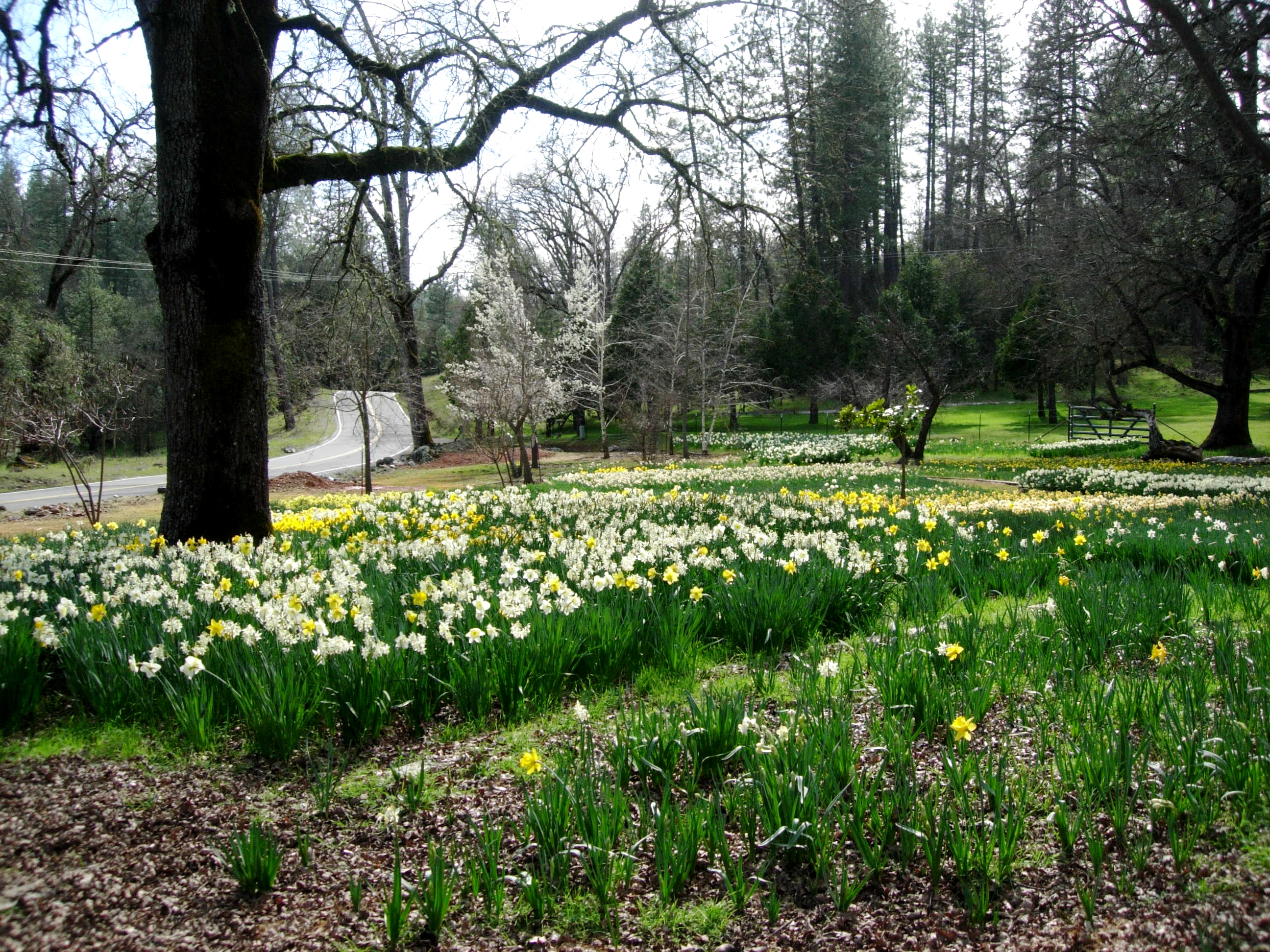
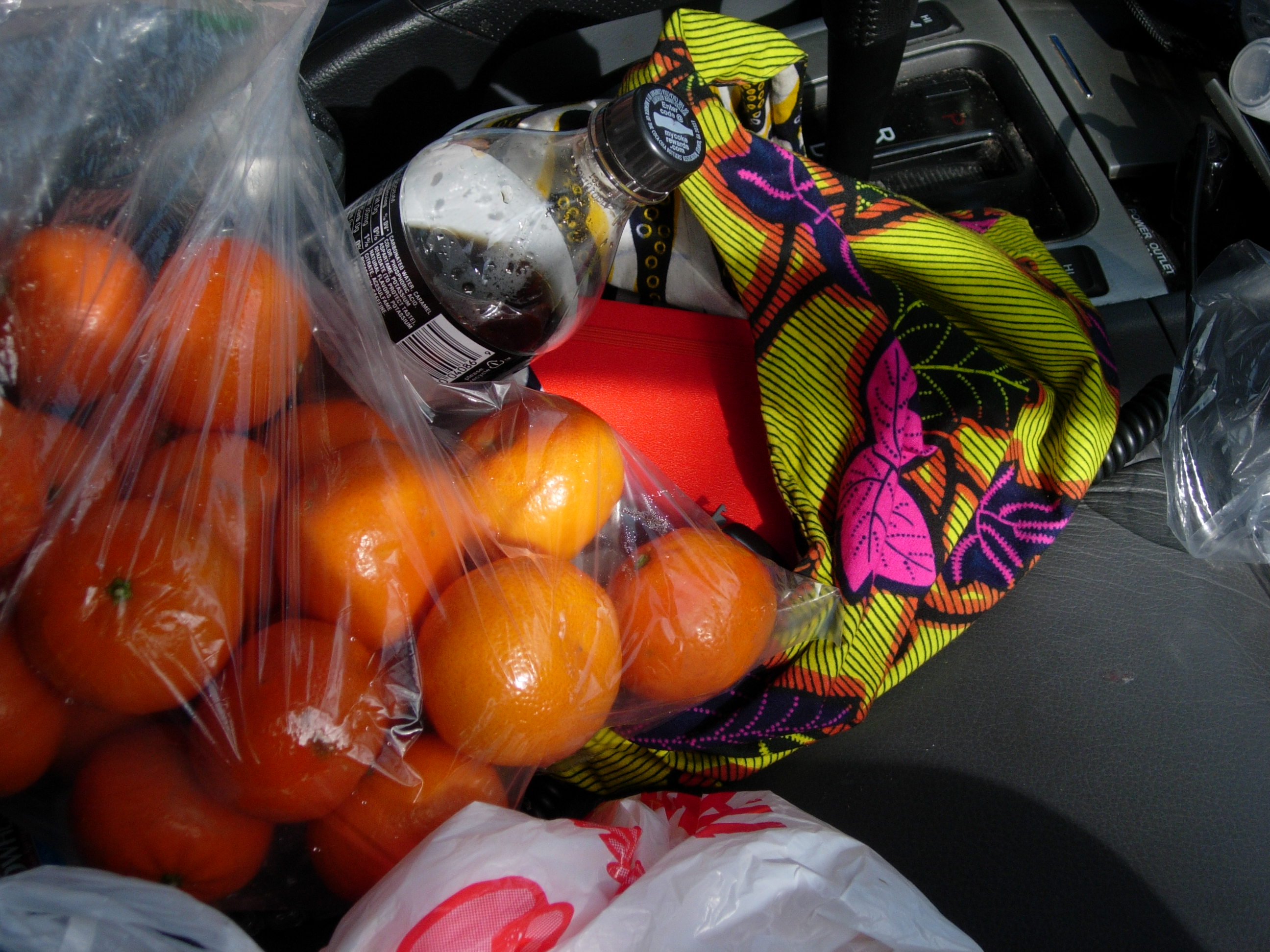
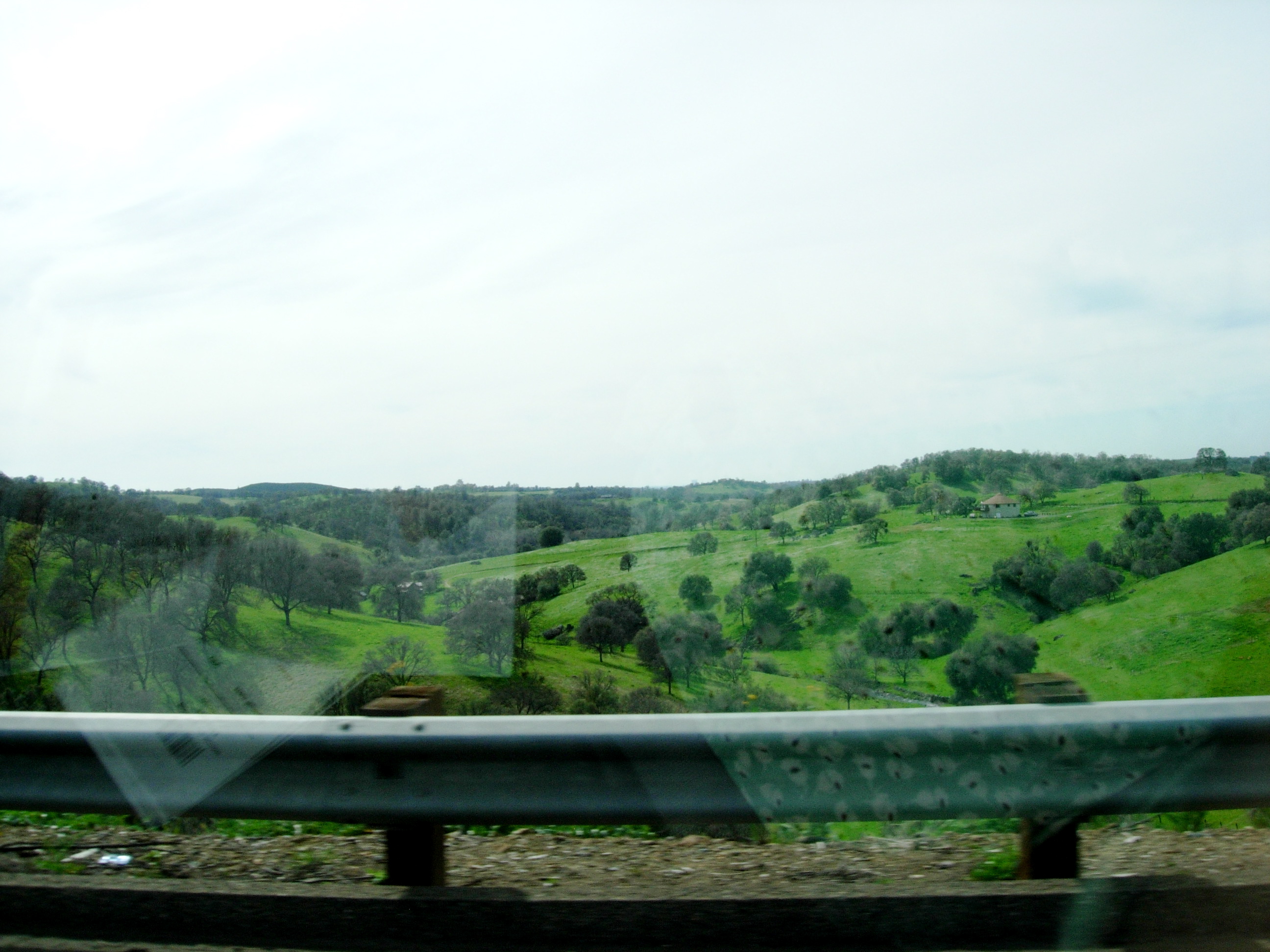
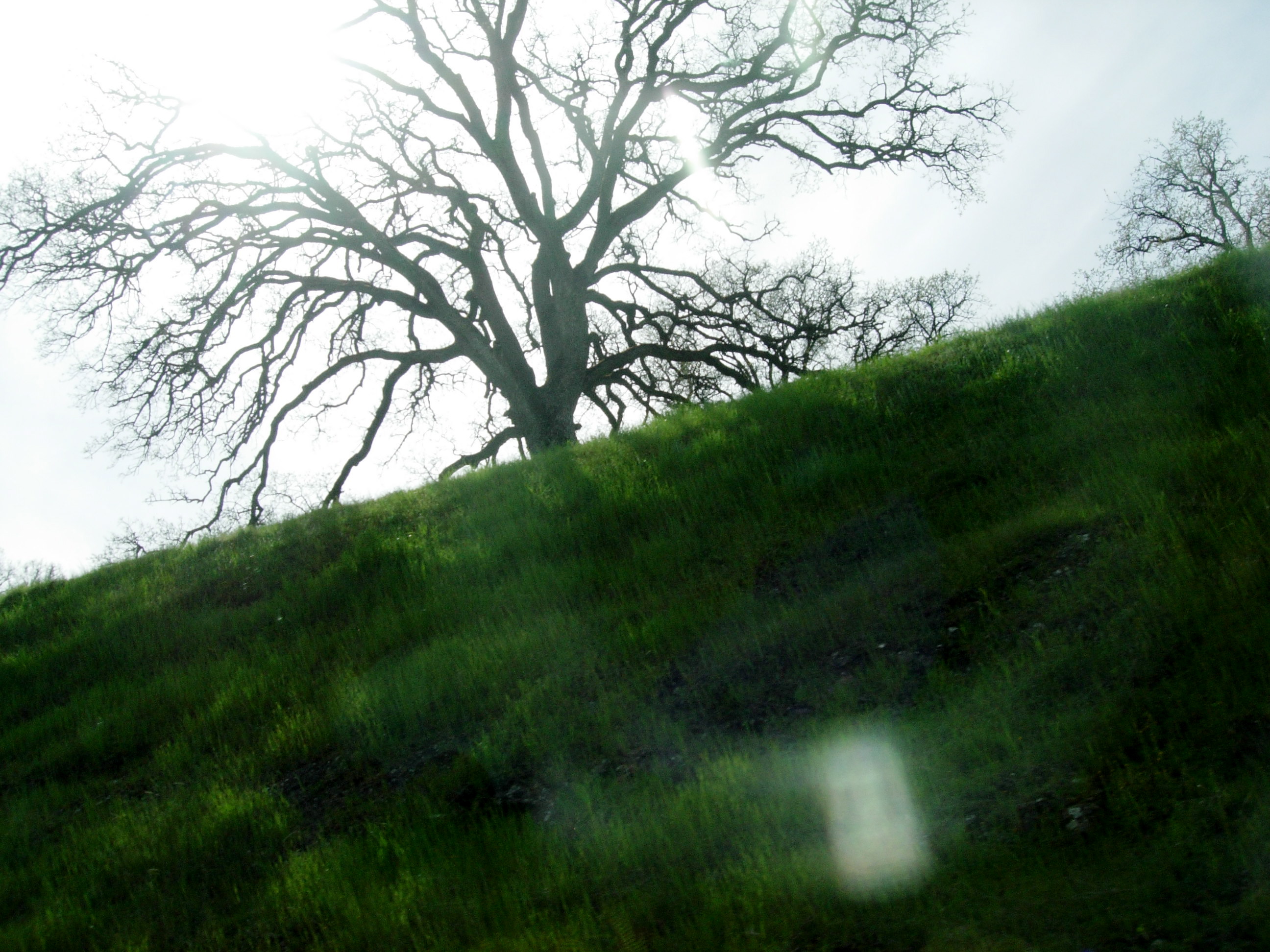
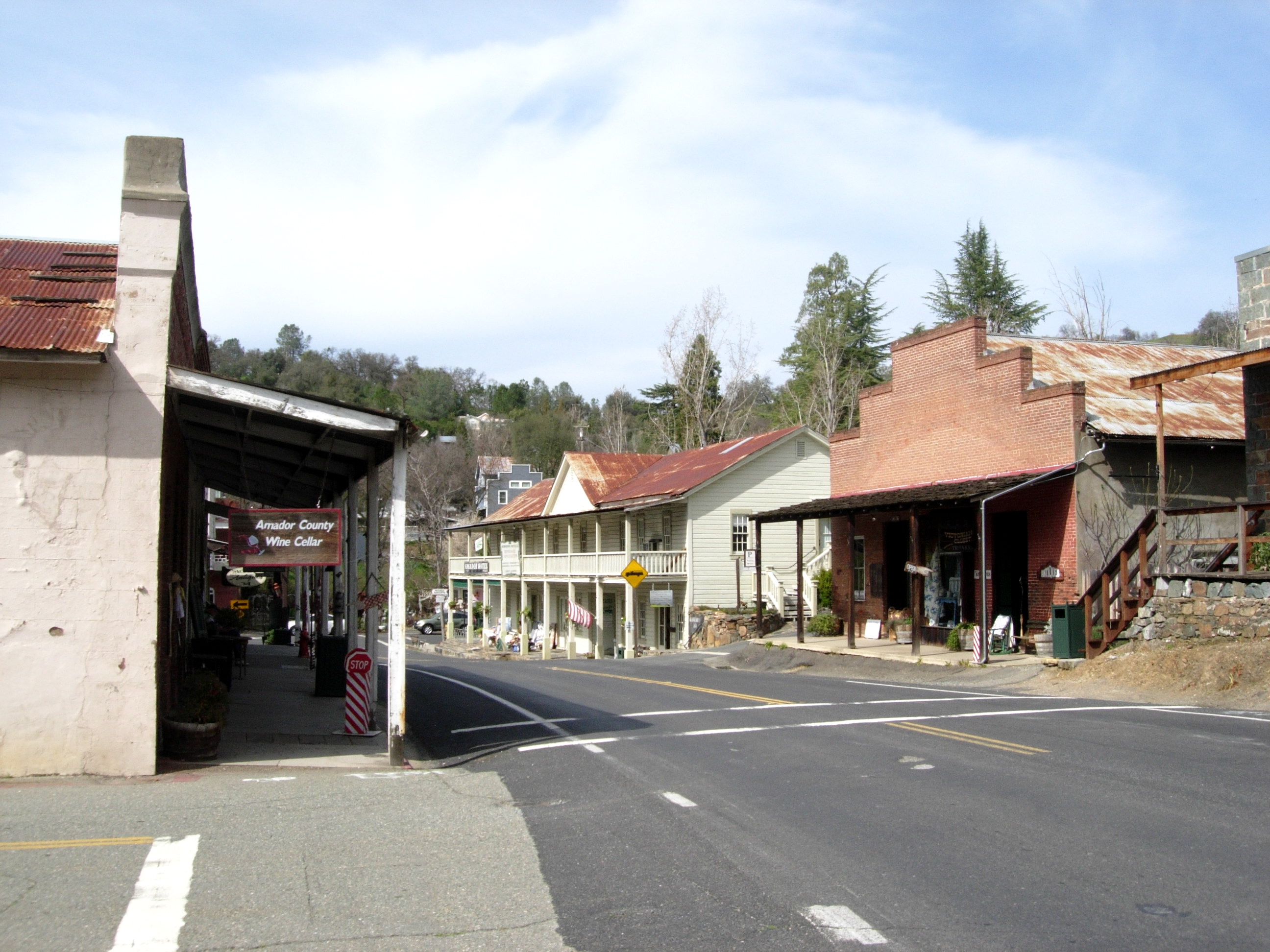
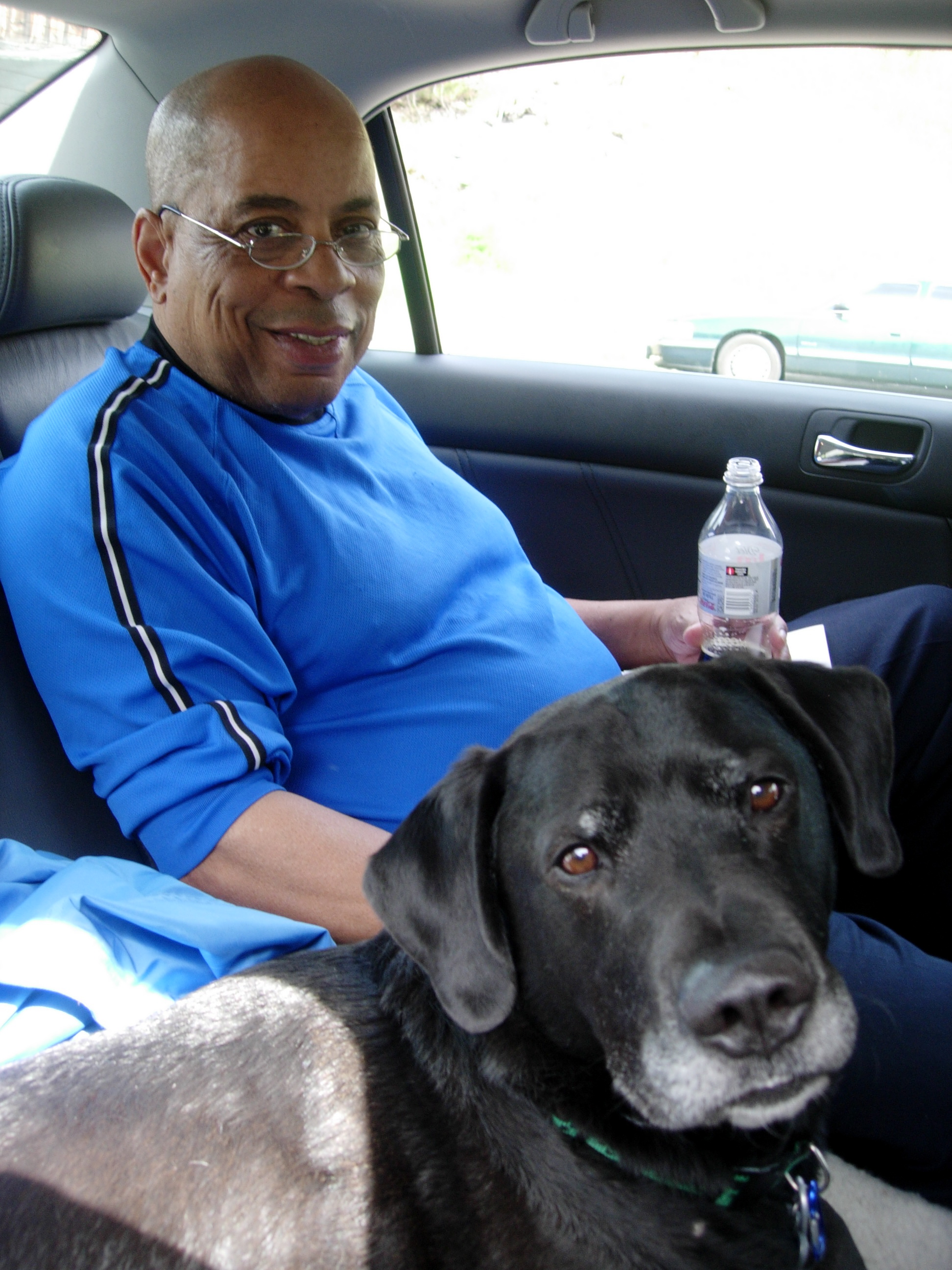
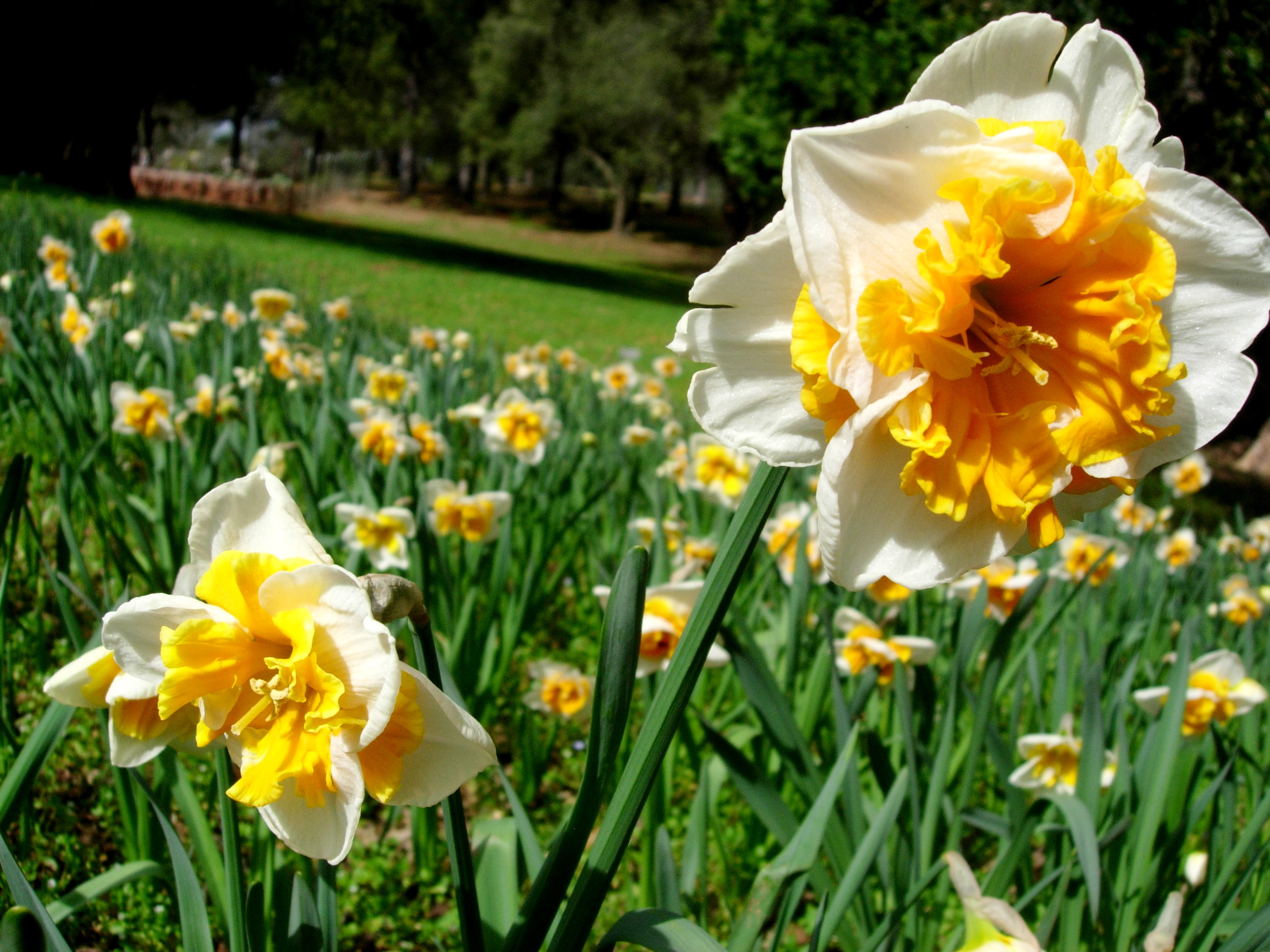
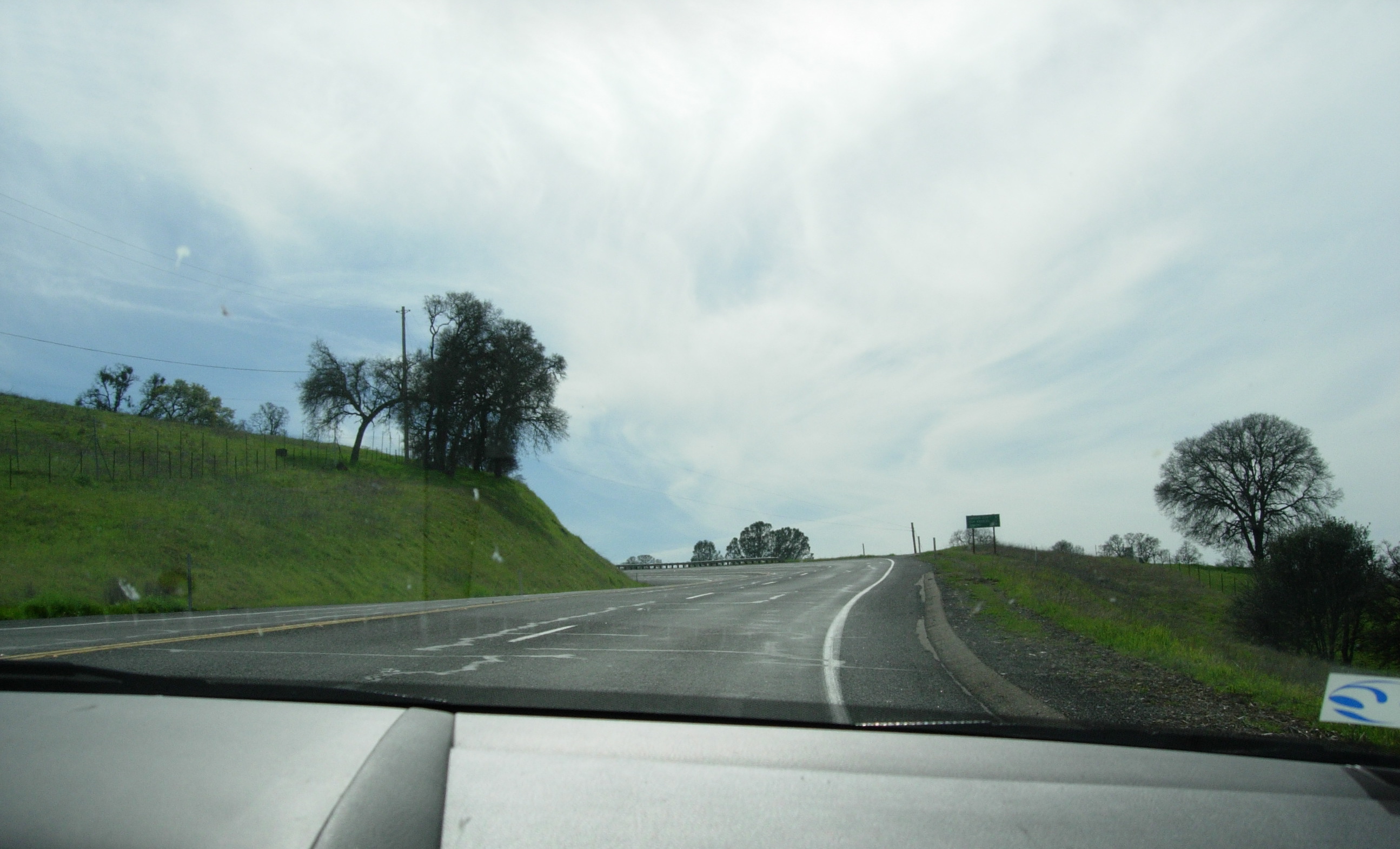
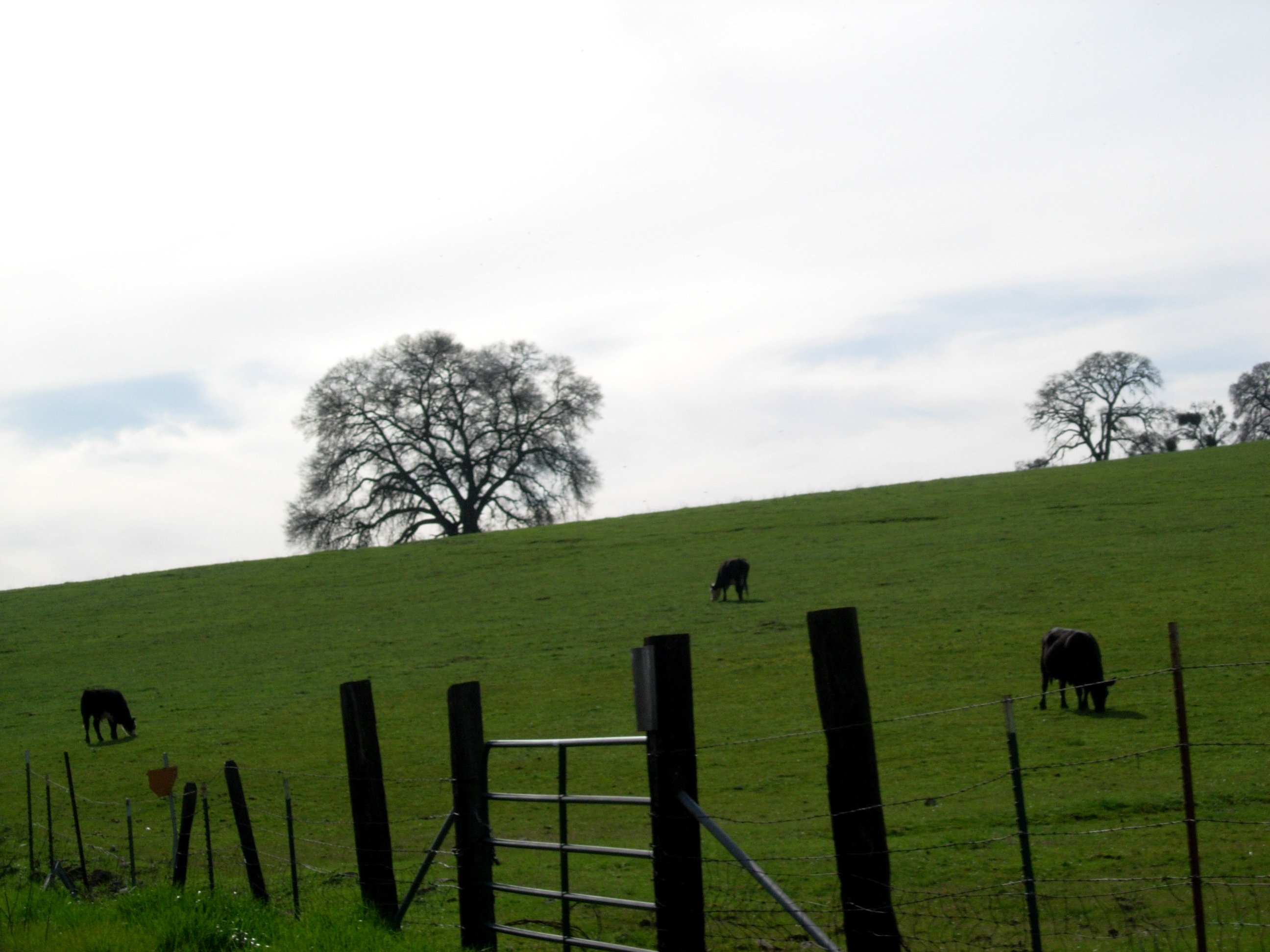
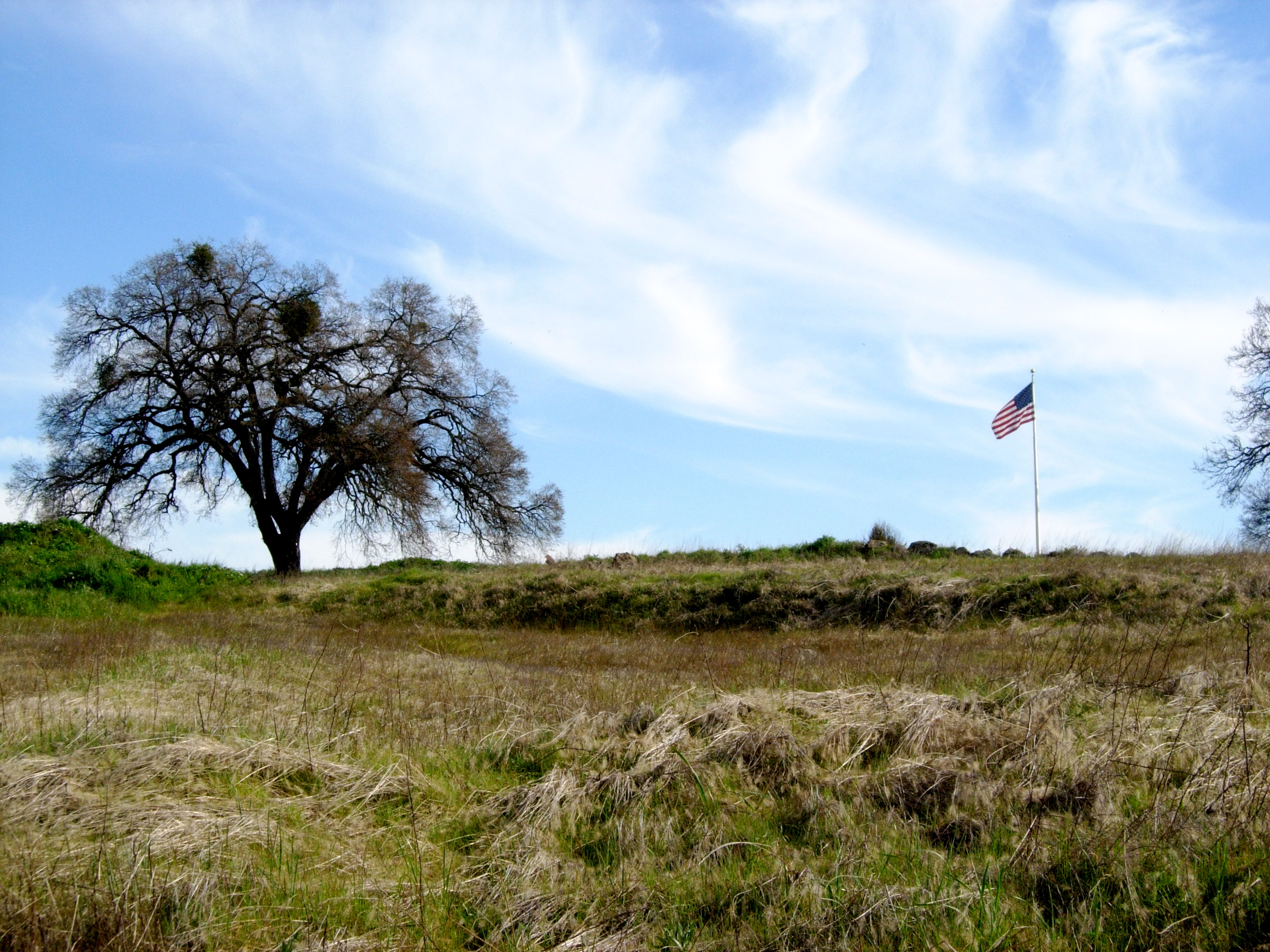
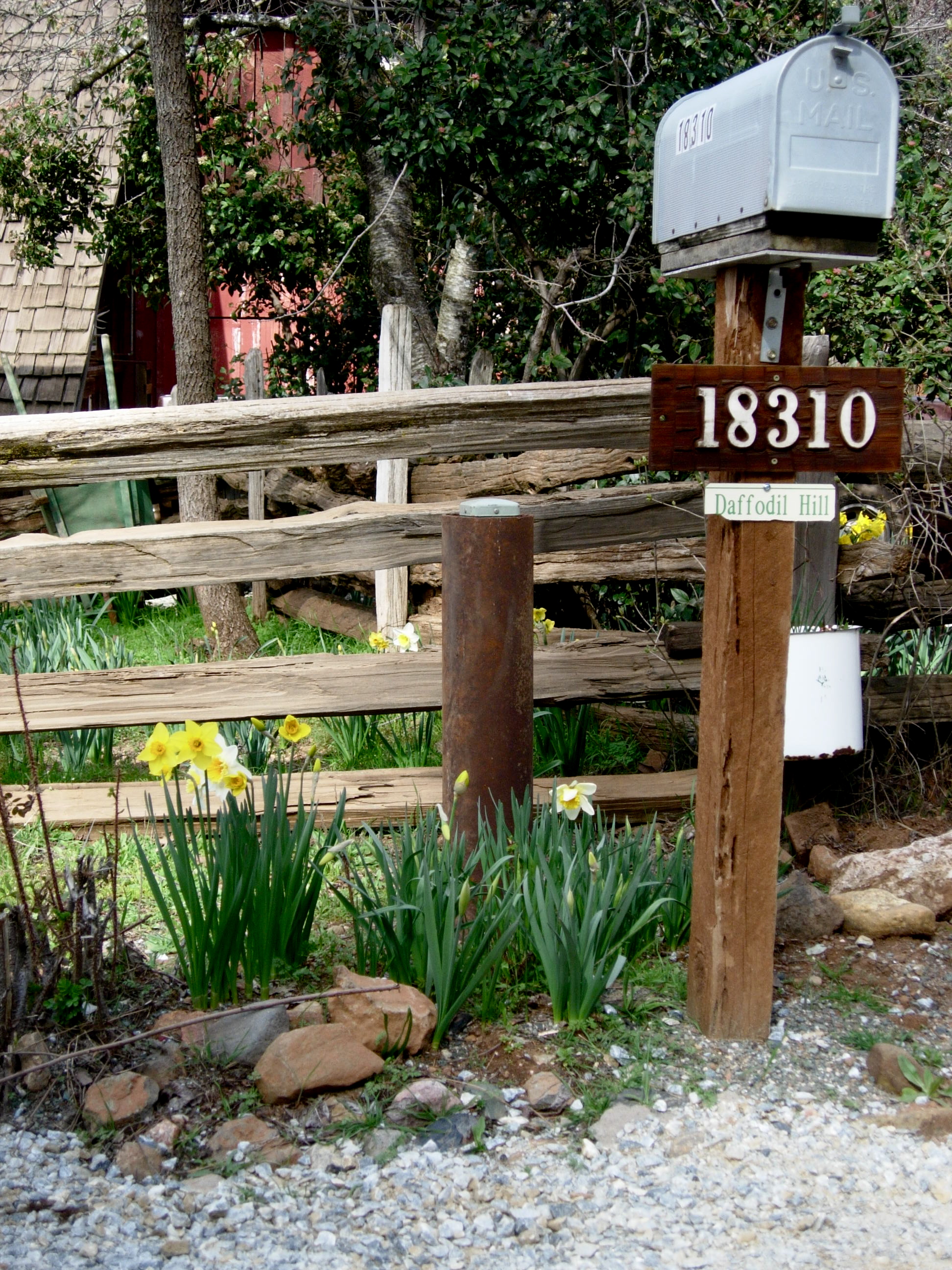
Driving with my parents and pooch through Amador County yesterday, surrounded by snowy mountain horizons and idyllic “Gold Country” scenes, I breathed the deep sigh of the escaped innercitydweller. At the same time, I found myself thinking of the difficulties of rural living.
Dusting all the “quaint” knickknacks on display in your one-street-town storefront. Chopping firewood with a bad back. The lack of “cultura,” as a new mexicana friend describes her life at the University of Wyoming — which, in its more insidious aspects, may relate to the faint queasiness in my gut whenever we had to stop the car and ask a sinewy old white man for directions. (They were all perfectly sweet, incidentally.) Absent indigenous people; invisible immigrant laborers.
Not knocking the Sutter Creek set, of course — simply checking my own tendency to romanticize the gorgeous, sweet-breezed setting. And rather than spoiling the enjoyment, my negative observations ballasted and strengthened my experience. Free from craving and projection of fantasies, the day felt even more poignant, more precious, more vivid. A truly beautiful afternoon.
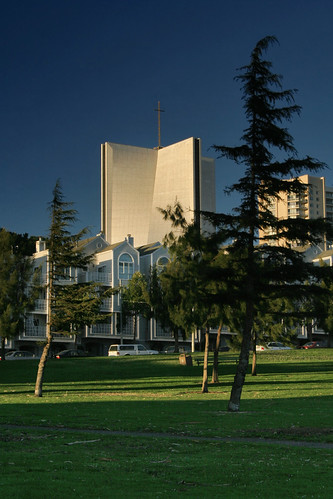
View of St. Mary's Cathedral, known among Fools as "Our Lady of the Maytag," from Jefferson Park (found on flickr)
A making-breakfast conversation with Noa this morning, discussing the health benefits of ghee (she clarified — no pun intended — some of my misconceptions), somehow Back-To-The-Futured me smack-dab into 2005, the summer I turned 19 on the way to McLeod Ganj. (As opposed to the summer I turned 19 on the way to Buenos Aires…)
As a result, my walk to work at the First Unitarian Universalist was entirely double-visioned. The church, nestled in the brood of huge Christian hubs up on Cathedral Hill, became a Tibetan monastery, perched on the face of a Himalayan foothill. The southward view from Jefferson Park, a steeply sloped dogwalking destination between Turk and Eddy, flickered between a beautiful vista of San Francisco’s Mission District and the famous exile village of Dharamsala. Even the fragrance of city cherry blossoms, soft and cleansing in the warming minutes before 9am, somehow evoked the fresh air after a monsoon rain.
How clean the sidewalks are here, I realized. How wide and empty the streets! No crowds!
McLeod Ganj, not my photo: I didn't have a camera in India
That is, until we descended from the Hill back into the Tenderloin, sending off a dozen Wyoming University students on a daylong Faithful Fools street retreat. Then, my memory’s eye moved southward along the subcontinent, to the areas in Kerala where I spent most of my 10 weeks. The hustle, the stagnancy, the dirt and color. All these contrasts. Saints and thieves, or more often, a little of both playing out in one body. Drunken yogis. Warrior monks. Our many, many aspects. I wanted to greet all of them, welcome them, let them know how thankful I am for this messy, chaotic, uncomfortable, precious life.
It’s been a lovely Wednesday. Bánh mì sandwiches and reading in Golden Gate Park with Ryan; trees and sun and tea and vegan coffee-whiskey-fudge gelato. Plus, I finished Jan Willis’ memoir, Dreaming Me (wisely re-subtitled, I think, in a later version: Black, Baptist And Buddhist — One Woman’s Spiritual Journey).
It’s well past my grandmotherly bedtime and I’m too tired to get into the autobio too much, but I will say it spoke to me, and I enjoyed it. Raised in the 1950’s in a Klan-rife Alabama town, Willis attended Cornell as one of the first waves of black Ivy League students. (She and my dad, apparently, likely rubbed shoulders during the Straight Takeover — in which an armed Black Students Association occupied the student union in the spring of ’69, protesting a local cross burning and demanding an Africana Studies department.) After graduating, she faced a soul-rattling decision between joining the Black Panther Party (the obligation, she believed, of “any thinking black person” in the U.S. at the time) or traveling to Nepal to study Buddhism. Gotta love choices like that.
One of my favorite passages:
Of course, the next day things would return to normal and I’d find myself again in a divided camp, with whites on one side and blacks on the other. This spiritual connection with all things did not erase the racism of the everyday world I inhabited.
Yup. And:
Talking with the Dalai Lama brought this truth home again. Buddhism was a process; one did not need to delude oneself or pretend to be other than oneself, and one did not have to become completely passive in order to embrace the notion of peace. Choosing peace did not mean rolling over and becoming a doormat. Pacifism did not mean passivism. Still, patience and clarity were essential.
And finally:
[Baptists] knew that misery and joy can stand side by side. Indeed, it is this very knowledge that black people call “the blues.”
…
The teachings, at least as interpreted by these African-Americans, were about overcoming suffering, about patience, strength, and the cultivation of true love. And they were delivered with compassion.
According to the NYT, a recent study measuring correlations between living conditions and happiness in America found that they’re very strongly linked. More thoughts on that in a minute. But an informational byproduct of the study was a ranking of states from most to least happy.
At the bottom of that list?
Let’s just say that Jay-Z and Alicia Keys might not be pleased.
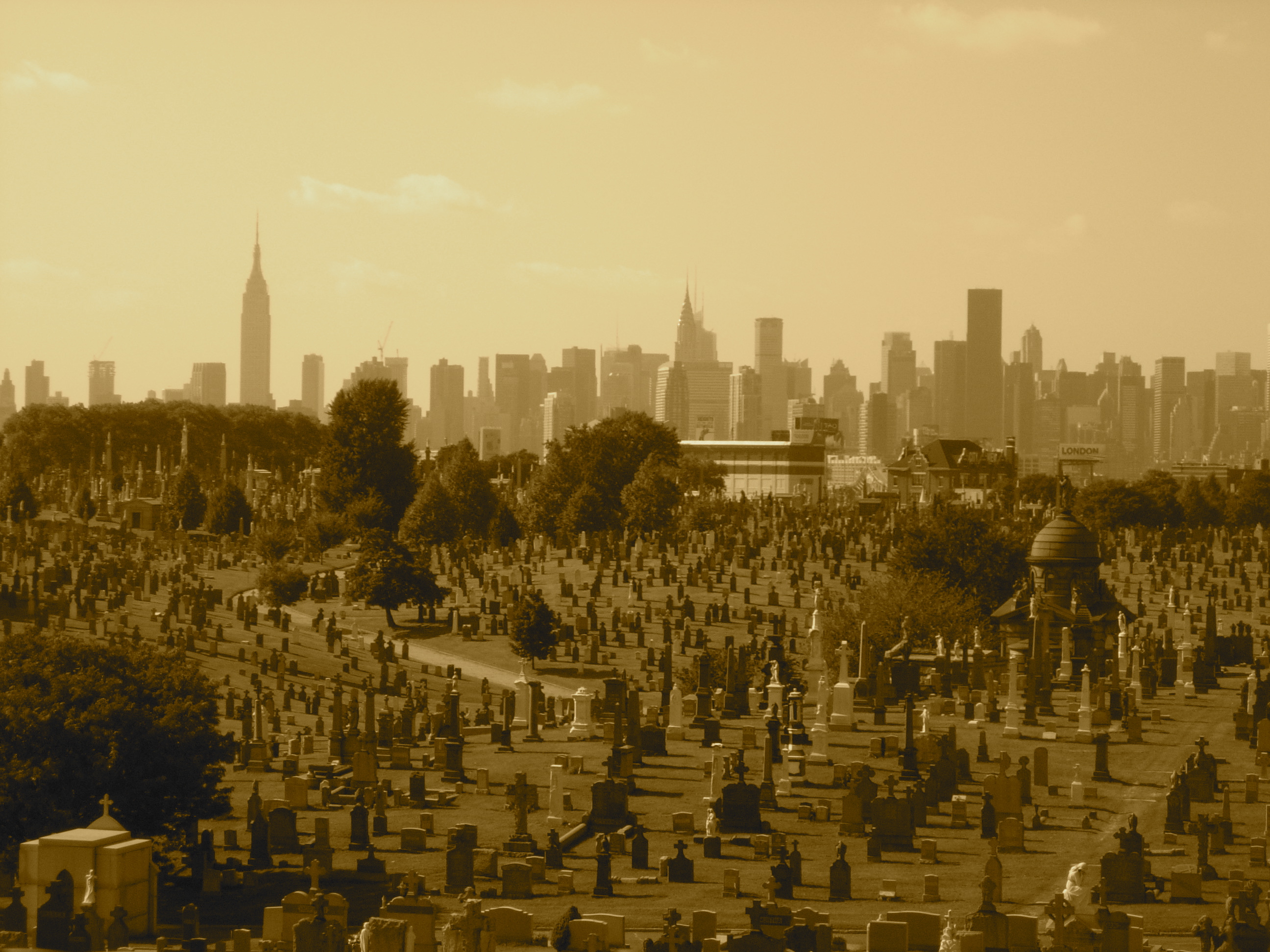
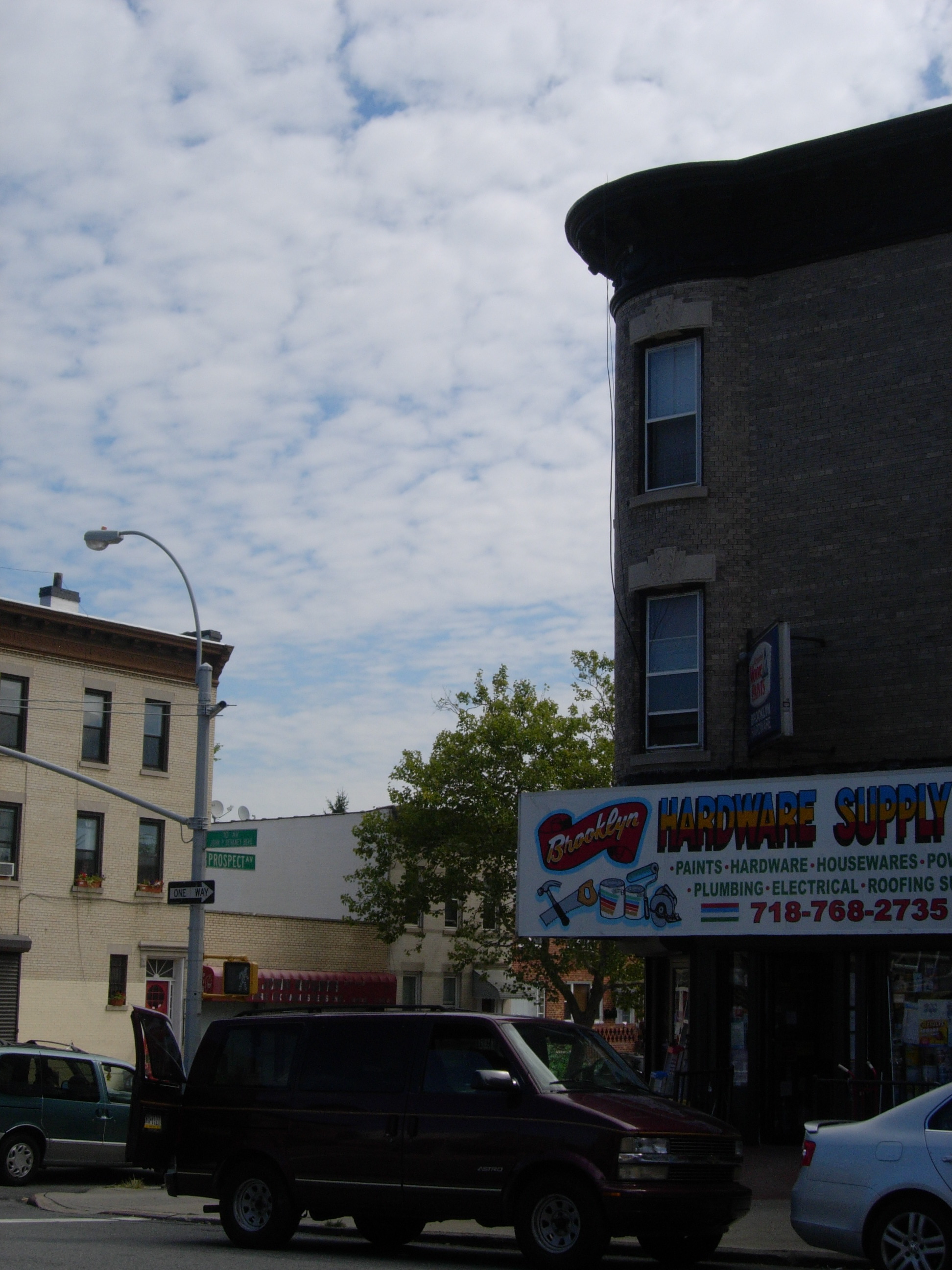
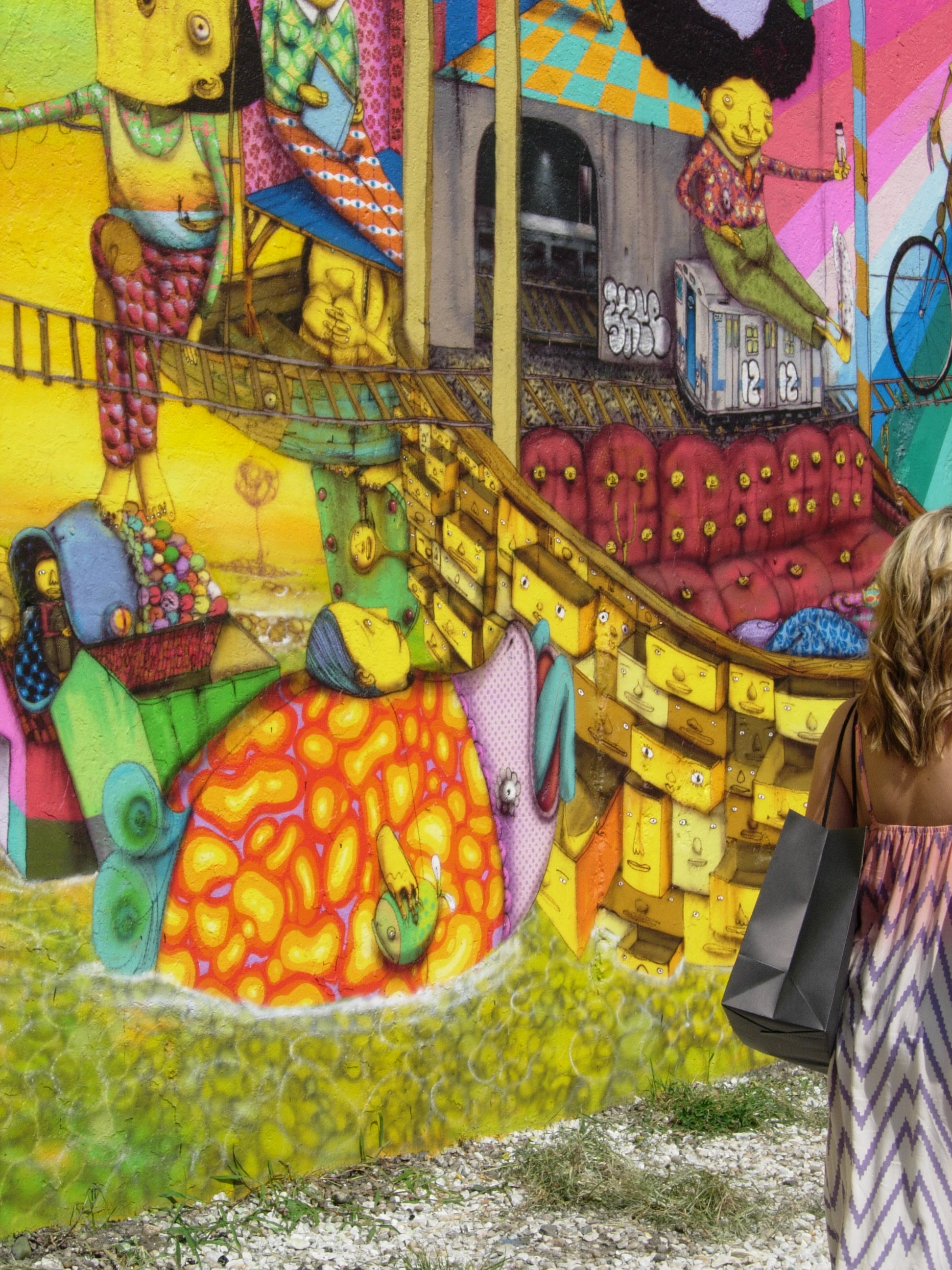
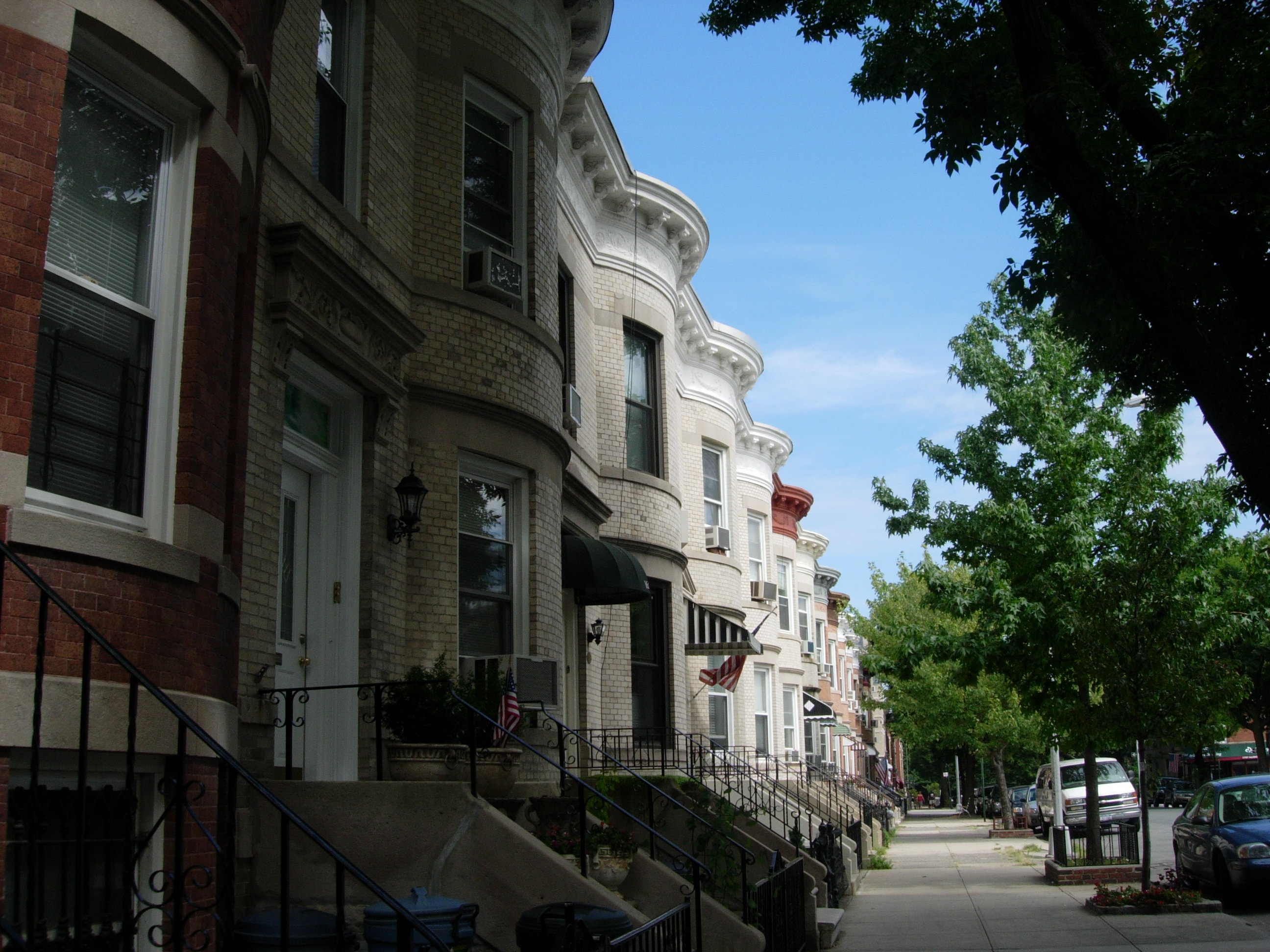
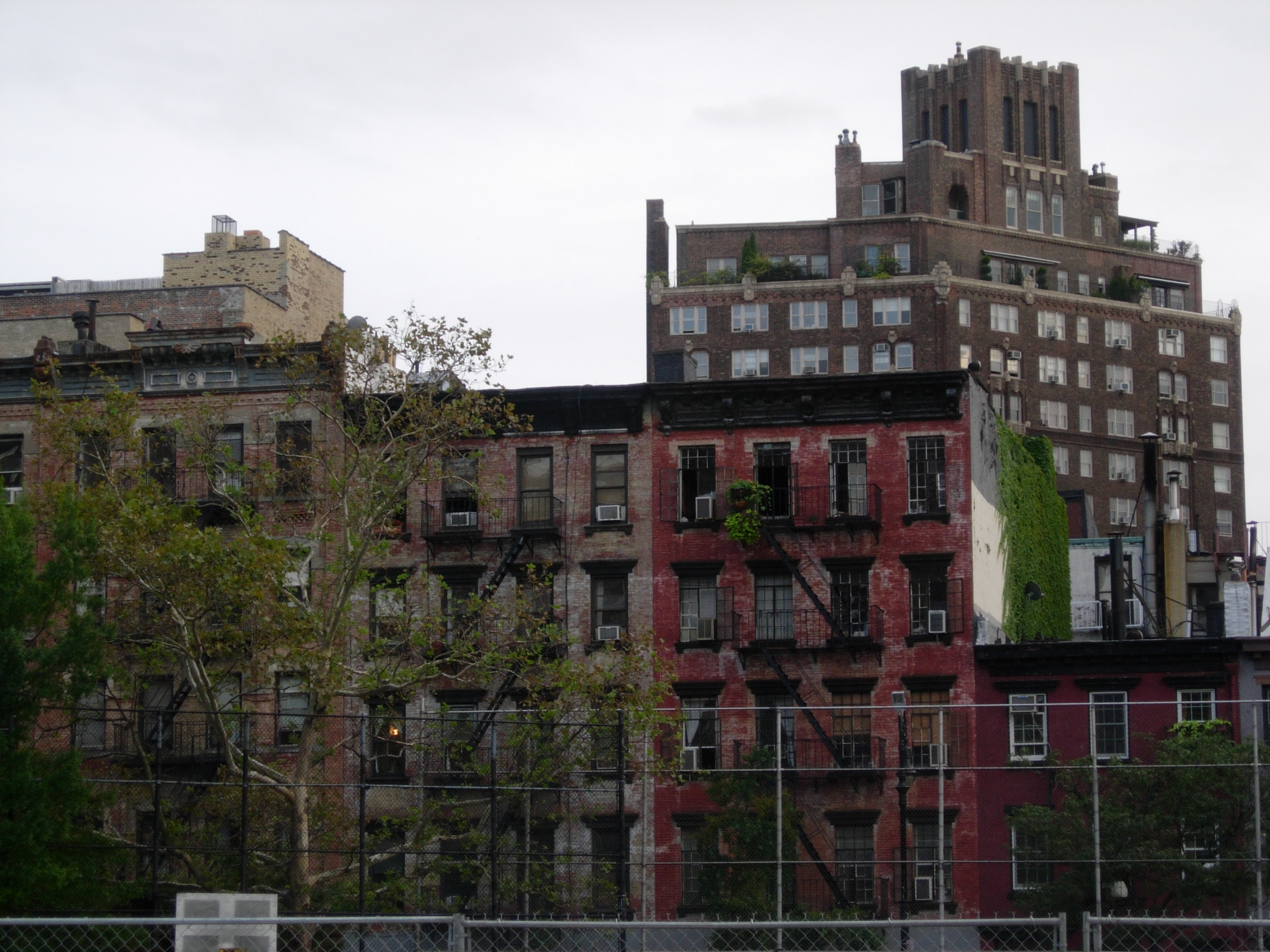
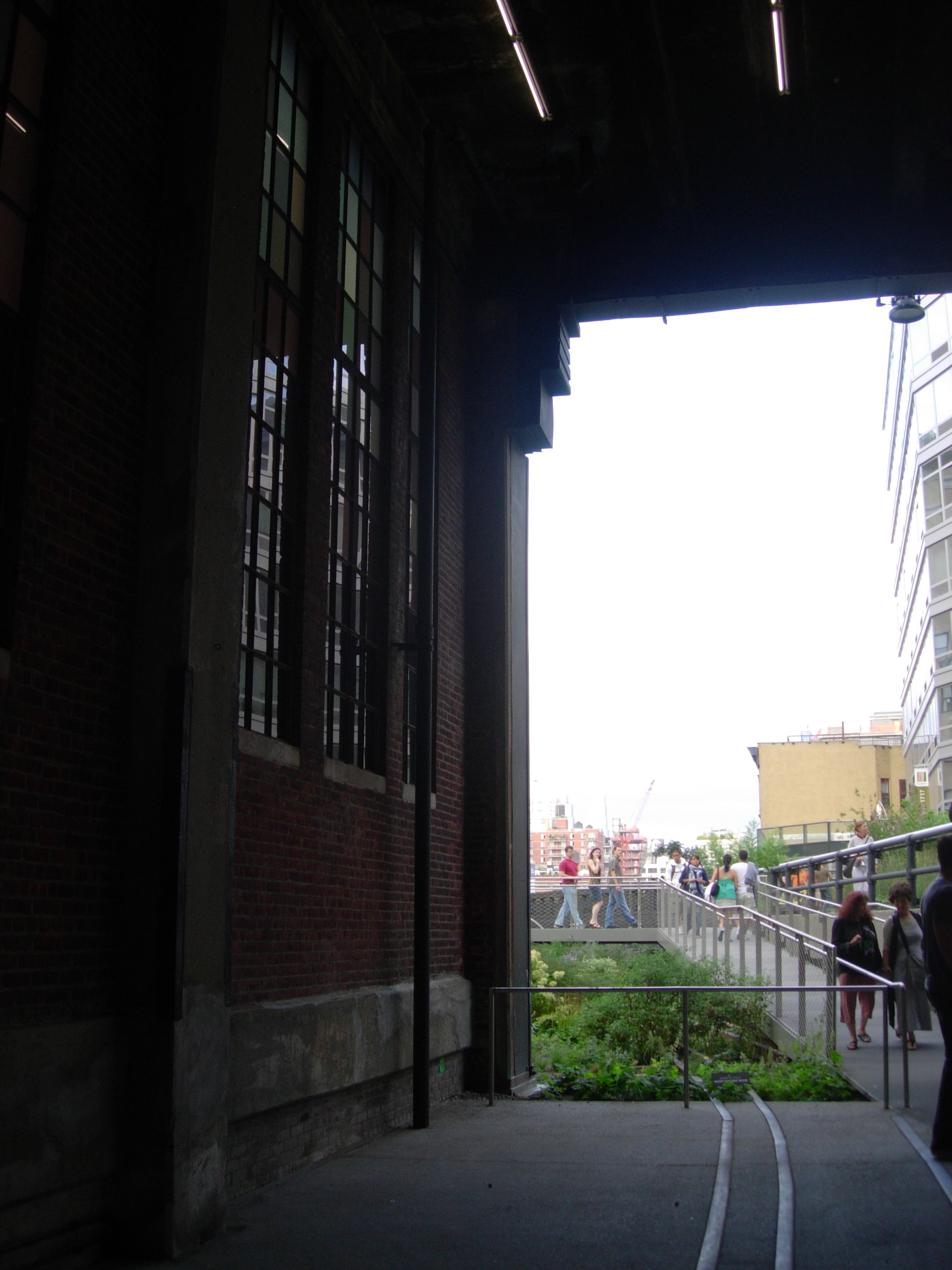
Sure, it’s important to avoid conflating New York City with the state as a whole. But it does give me an excuse to finally share my photos from September’s week-long visit.
To return to the main point of the study, though, and the article covering it: this journalist dude takes on a strange, pseudo-sarcastic tone in defending New York, and in so doing seems to be talking out of two sides of his mouth: (a) objecting that Poor people in those higher-ranked places can’t really be happy — they must be faking! and (b) defending unhappiness as a catalyst for great artistic achievement.
Let’s take the second point first. This is actually a pretty common attitude, right? Haven’t you ever known someone who seems to derive great satisfaction from their misery and solemnity, from complaining about it, or from constantly striving for bigger and better achievements, never satisfied with what they have?
Such attitudes or habits of mind aren’t limited to artists by any means — in fact, all of us fall into similar patterns from time to time. Even if we don’t particularly like feeling unhappy, we cling to an identity of unhappiness because it seems solid and somehow justifiable. Or maybe we’re terrified of what might happen if we let go of it. So we want to analyze it just so, and relate it back to our whole life history, beginning with childhood, etc.
With art, though, or “creativity” more broadly, this normal fascination with unhappiness is particularly easy to rationalize, since part of artistry involves representing human misery faithfully, accurately, and poignantly.
But all I’m saying is, if Michelangelo were a close friend of mine, and he had a choice between finding happiness and creating the Sistine Chapel, I’d encourage him to put away his brushes.
I mean, would we really wish unhappiness on another person — or on ourselves — just so that we could enjoy some good art?
It’s the same flawed logic I laughed about in another study, which implied that being a hostile and unhappy person might be worth it if it increased your longevity.
Mm.
As for Haberman’s first point, being dubious about the poor yet satisfied, here’s how I see it. His attitude reflects the common American notion that greater material wealth — and its attendant perks — grants us more happiness. But the quality-of-life measurements used in the study included a wide variety of factors, including “climate, taxes, cost of living, commuting times, crime rates and schools.”
Now, having a lot of money does expand one’s options, meaning that you, an individual, could choose to move to a place like Louisiana (the state ranked highest in happiness) and enjoy its sunshine and other non-monetary advantages. But simply having a load of money and living in a cold, dismal, rat-race, no-one-knows-their-neighbors and people-spend-half-their-day-in-traffic suburb ain’t gonna cut it.
Similarly, just because a state has a lot of financial wealth doesn’t mean it’s allocating it in ways that boost people’s well-being. More likely, it’s using it to further enrich the ruling class and imprison huge numbers of people of color. (Side note: I wonder if prisoners were surveyed for this study?)
The issue that interests me more, though, is why Americans’ happiness is so closely tied to predictable environmental factors of any kind — financial, structural, social, or otherwise.
I wonder whether a Buddhist country, for example, where dominant cultural wisdom might encourage disaggregating happiness from material conditions, would show similarly strong correlations.
Anyhow, The City was my first stop back in the States, and even though I find it stressful and would never want to live there myself, it sure was pretty to look at for a week in early autumn.
Goodness gracious, people. A lot has happened for me since September. In college towns, big cities, and on tropical islands. With old friends, new friends, mentors, lovers, family, and the lifelong “domestic partner.” Painting bedrooms, taking walks, cooking soup, learning stick-shift, finding a twin spirit in my high school crush, getting (a) into art school and (b) certified in scuba diving. Another 10-day Vipassana course (this one in North Fork, California). Sleeping on the streets of San Francisco. Living and working in a street ministry. And all the while, continuing to open, open, open up.
Part of me feels like apologizing, and trying to atone for the extended absence by crafting some sort of meaningful, powerful narrative about the last three or four months. (Autumn. Wow. All of autumn.) The most insightful insights, the most surprising surprises, the most splendid splendors. But instead, in classic Kloncking fashion, I think it’s best to begin with the tangible. And colorful. And close to home. Less talk, more action.
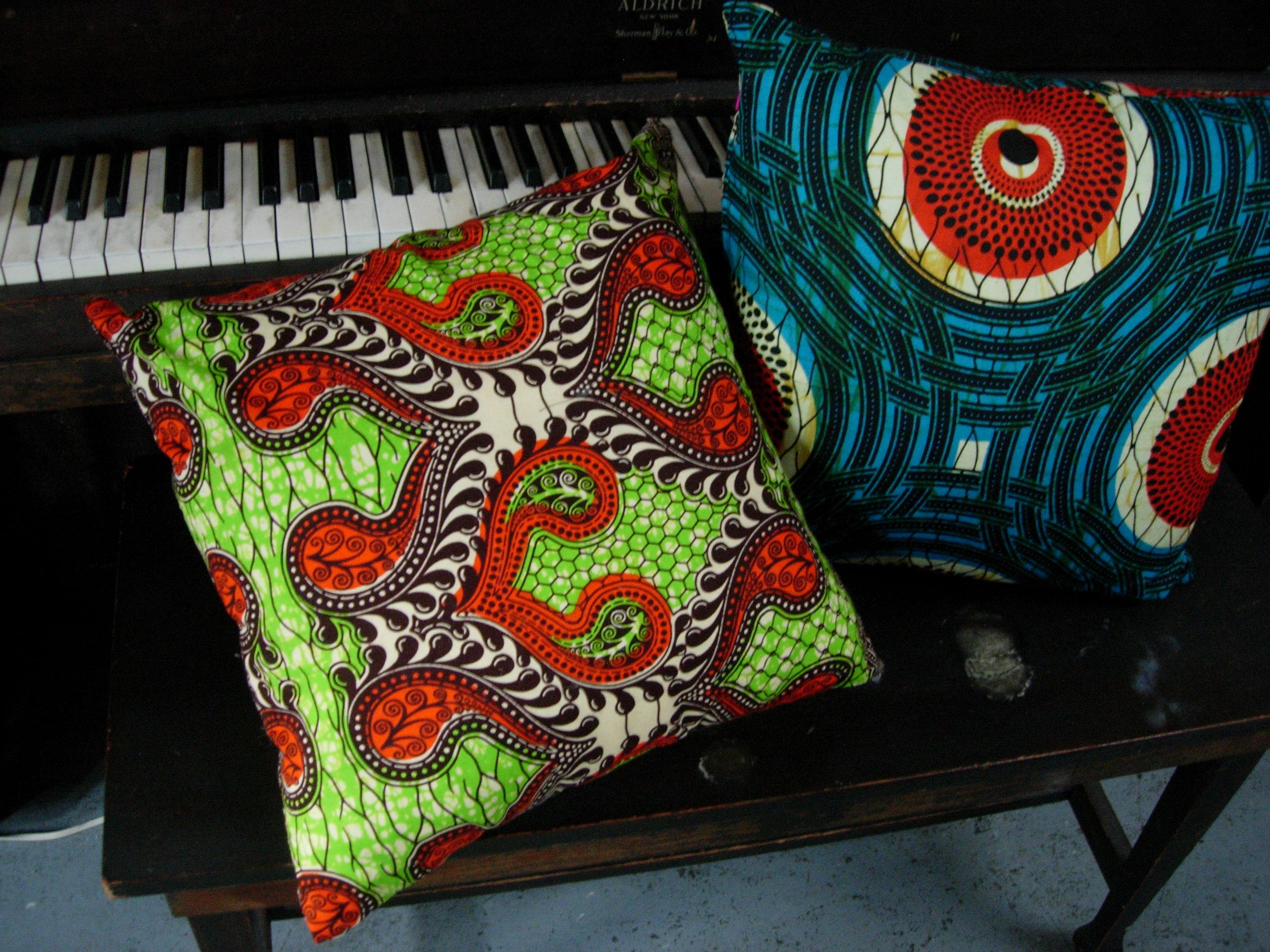
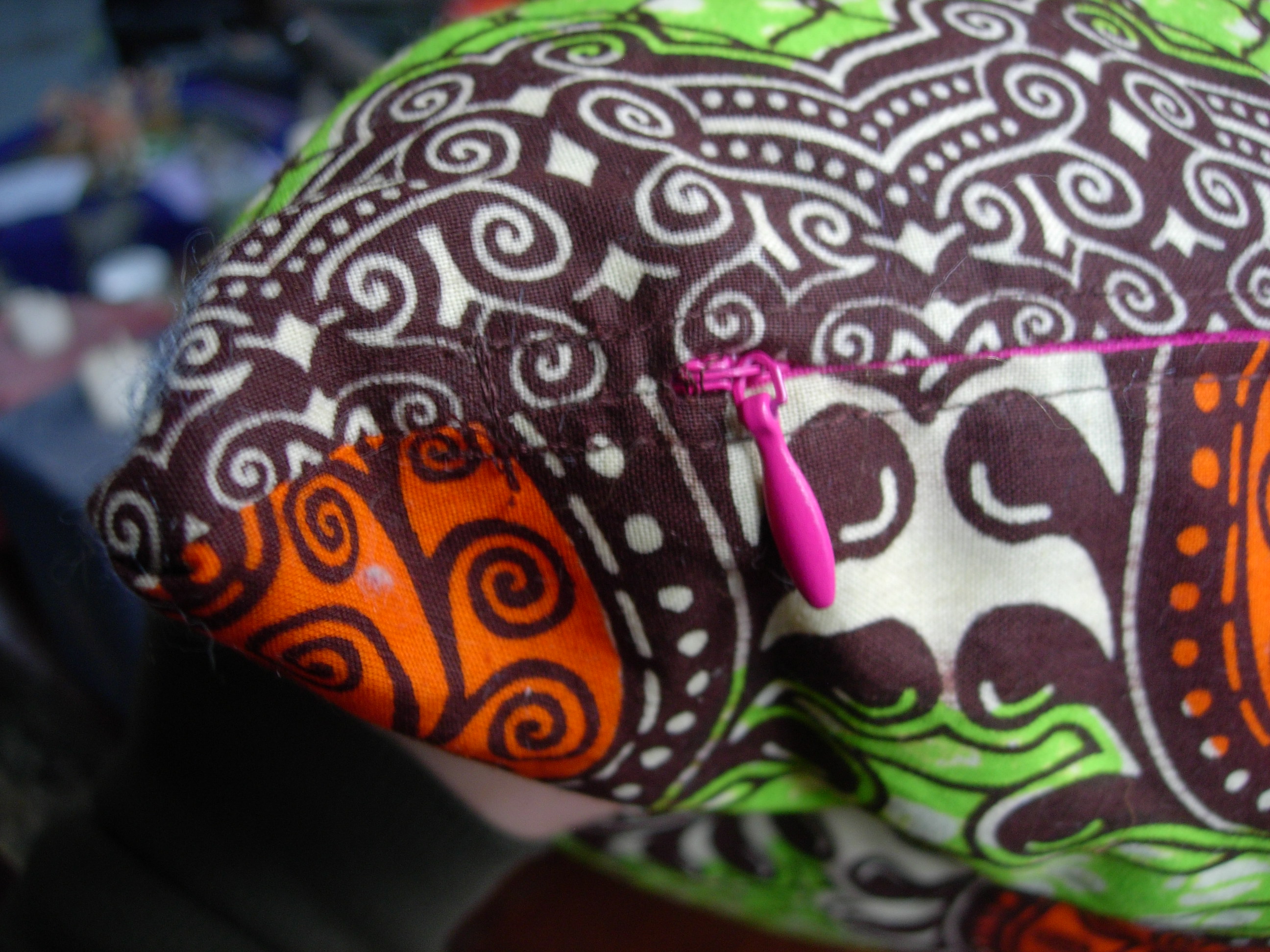
I bought these gorgeous fabrics this summer, from a very kind, friendly shopkeeper near my flat in Barcelona. When my folks came out to visit me, my mom and I decided we’d use them for a pillowcase project. She taught me how to do it while I was home for Thanksgiving. Specifically, how to add on the invisible zippers. (Invisible yet pink! Ha!)
I wish I had thought to take some pictures during the sewing process because the best part of all was watching my mother as she modeled the stitching for me, guiding the fabric through the electric machine with such rhythm and confidence and obvious pleasure. Sewing was one of her main hobbies for most of her life — she made, mended and/or altered much of her own clothing. Her mother (my Oma) was a factory seamstress, too. So mama certainly knows her way around a Singer, even though hers mostly lies dormant these days.
It was beautiful to witness her work — like watching a cheery old former minor-league shortstop play catch with his grandkids. Graceful muscle memory. Alacrity. Plus, she’s an excellent teacher for a novice like me. I’m quite proud of our results.
It’s good to be back, friends! Hope you’re well. More to come. Ps: many thanks to Kyle, who unknowingly gave me the push I needed to get this thing going again. De-lurking in person is even more fabulous.
Note: My friend Eugeni told me it’s bad luck to say it’s my “último día” ( “last day” ) in Barcelona, and instead I should say “penúltimo” ( “penultimate” ) in case I come back again someday. Pues: adios, adéu, ciao, check ya later. New York, Boston, DC, Hawaii, Sacramento, San Francisco, Oakland…here I come. :)














 Kloncke