Lovely Inconvenience

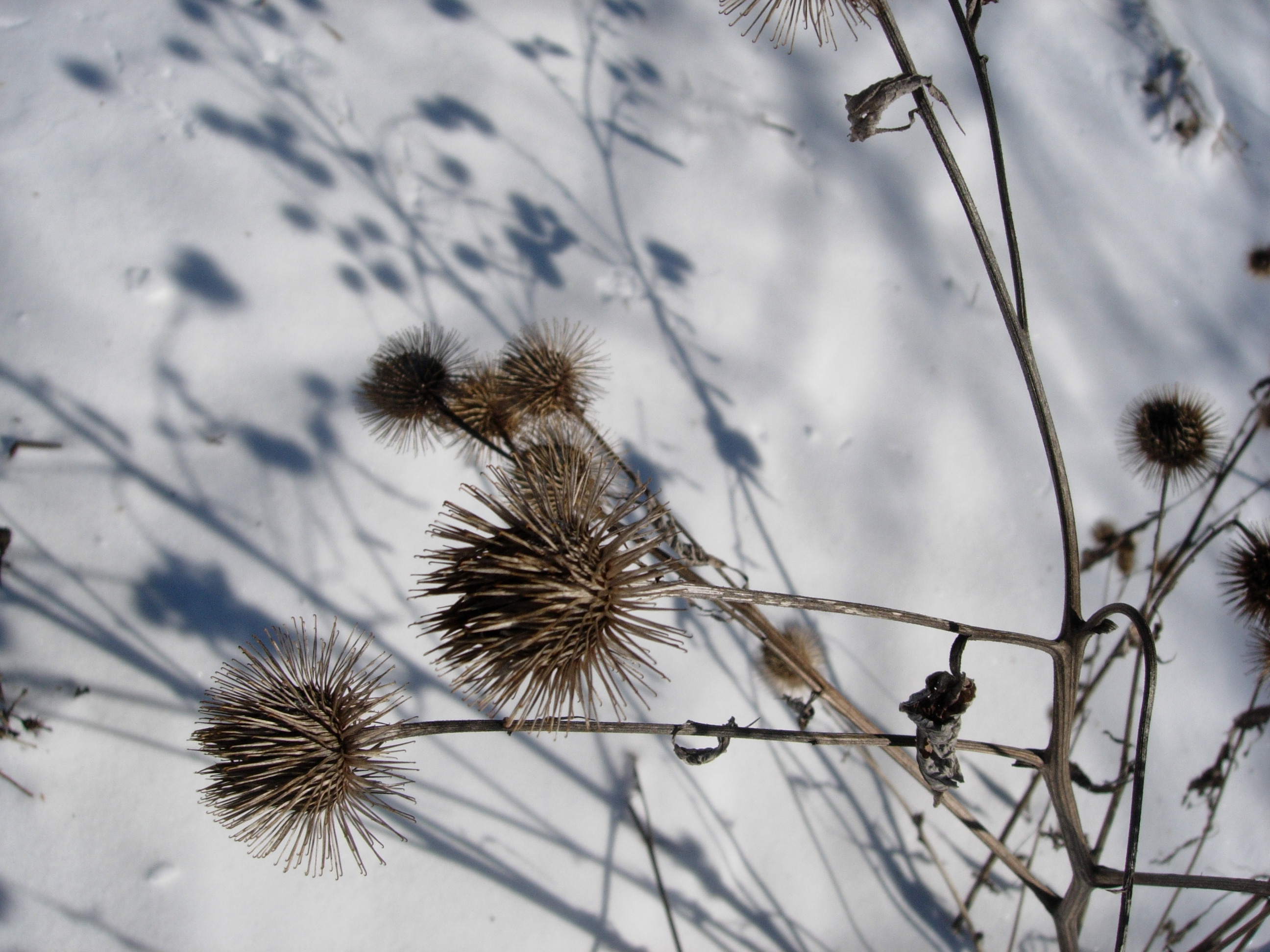
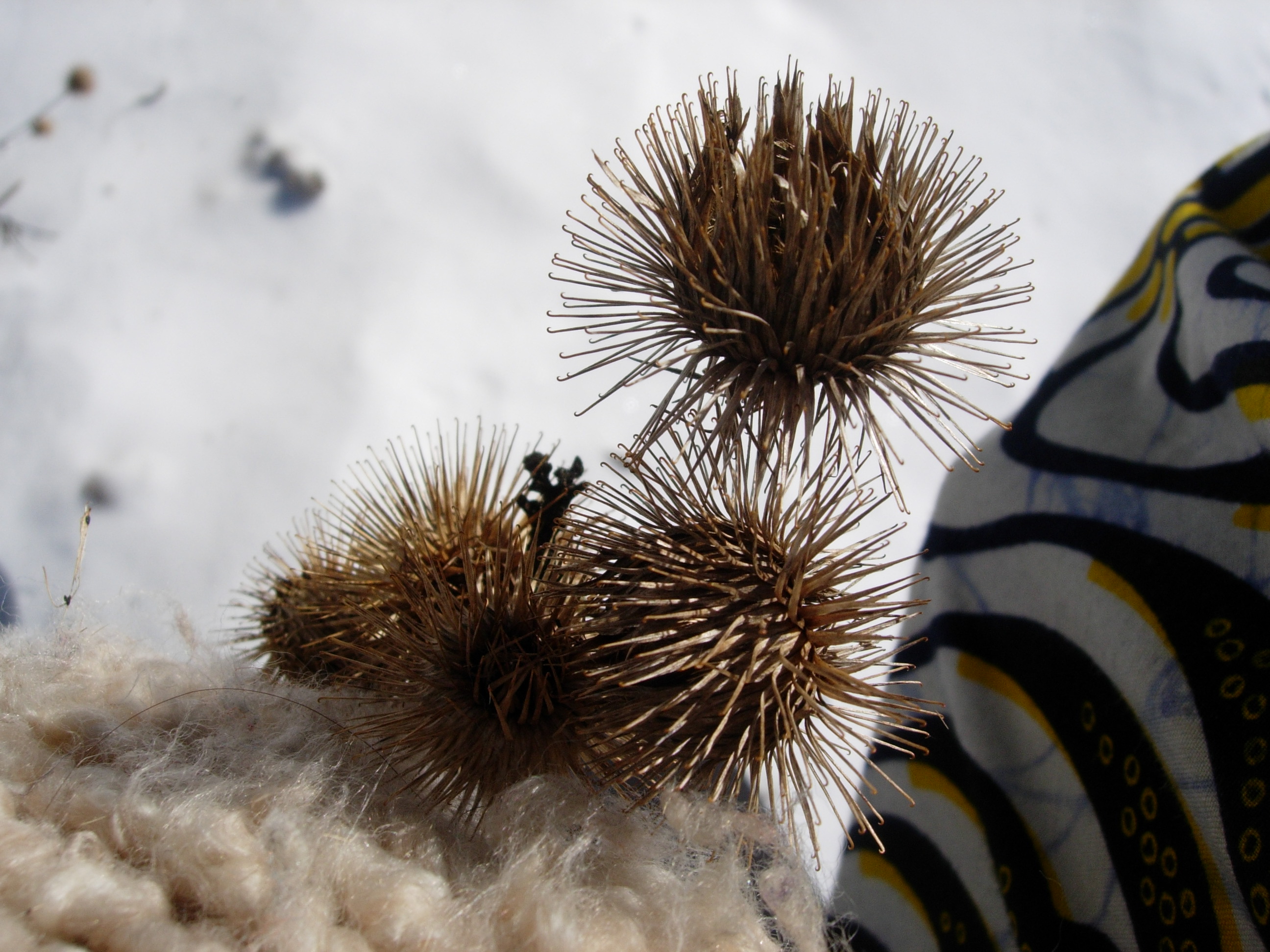
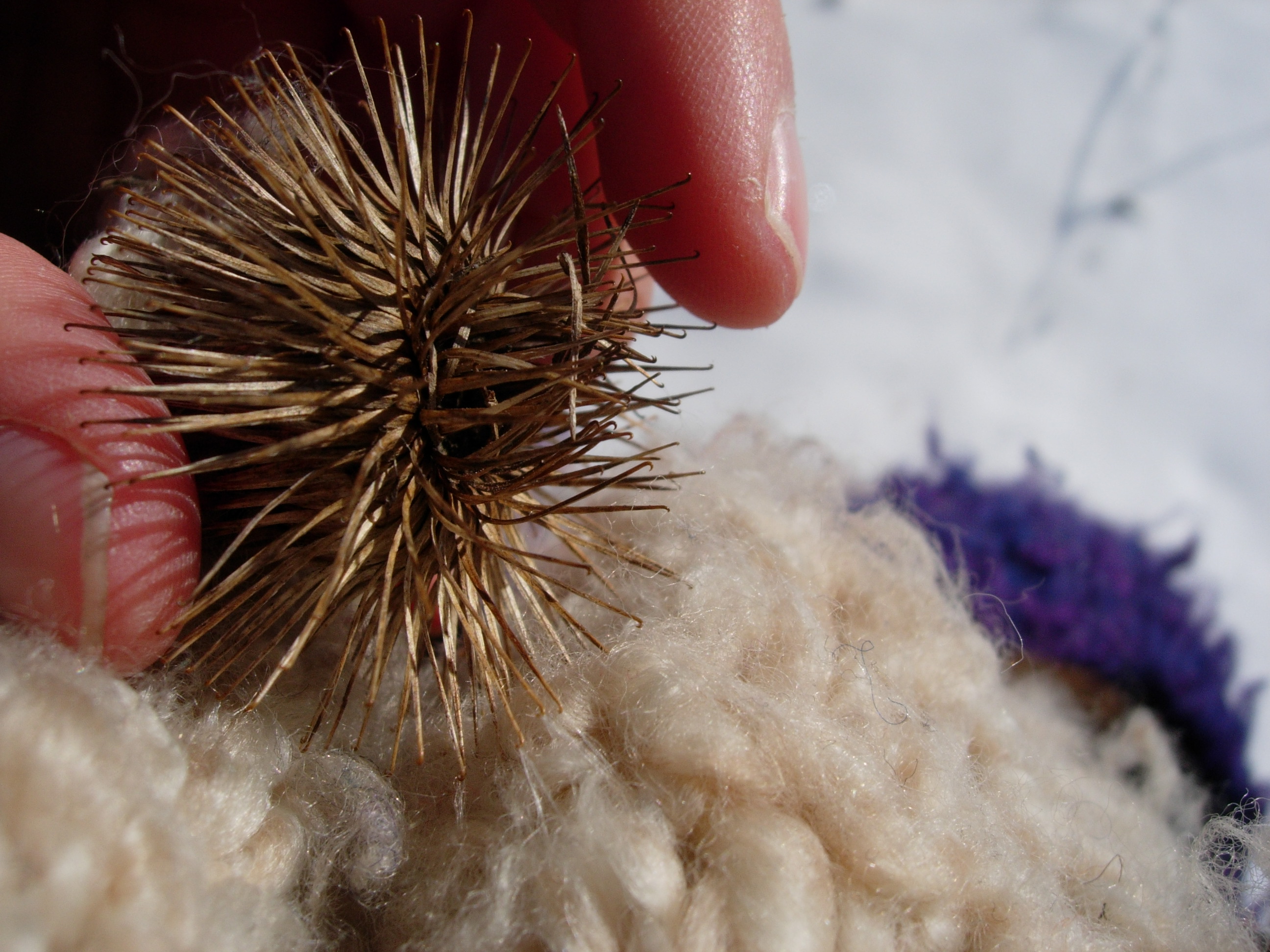
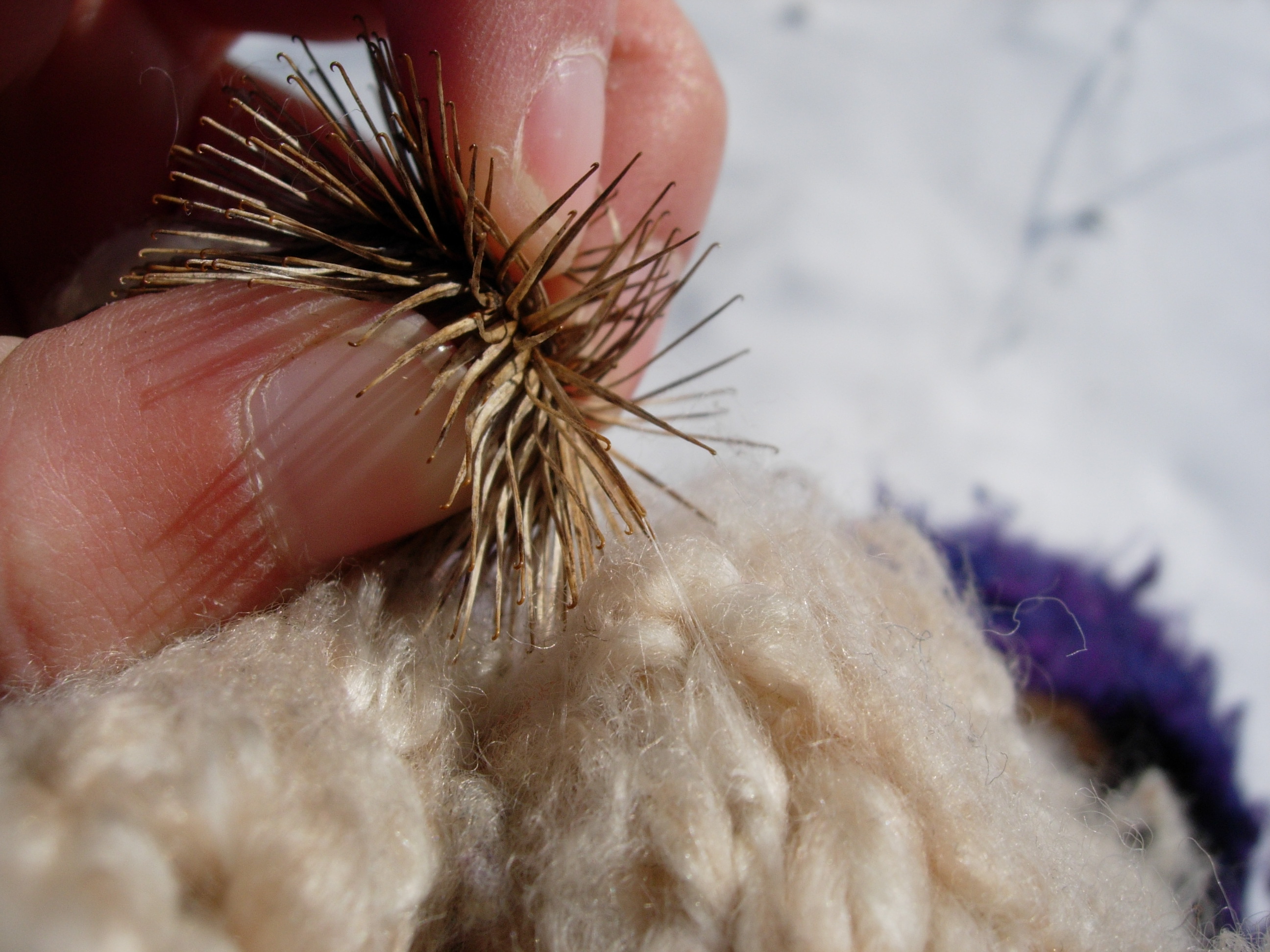
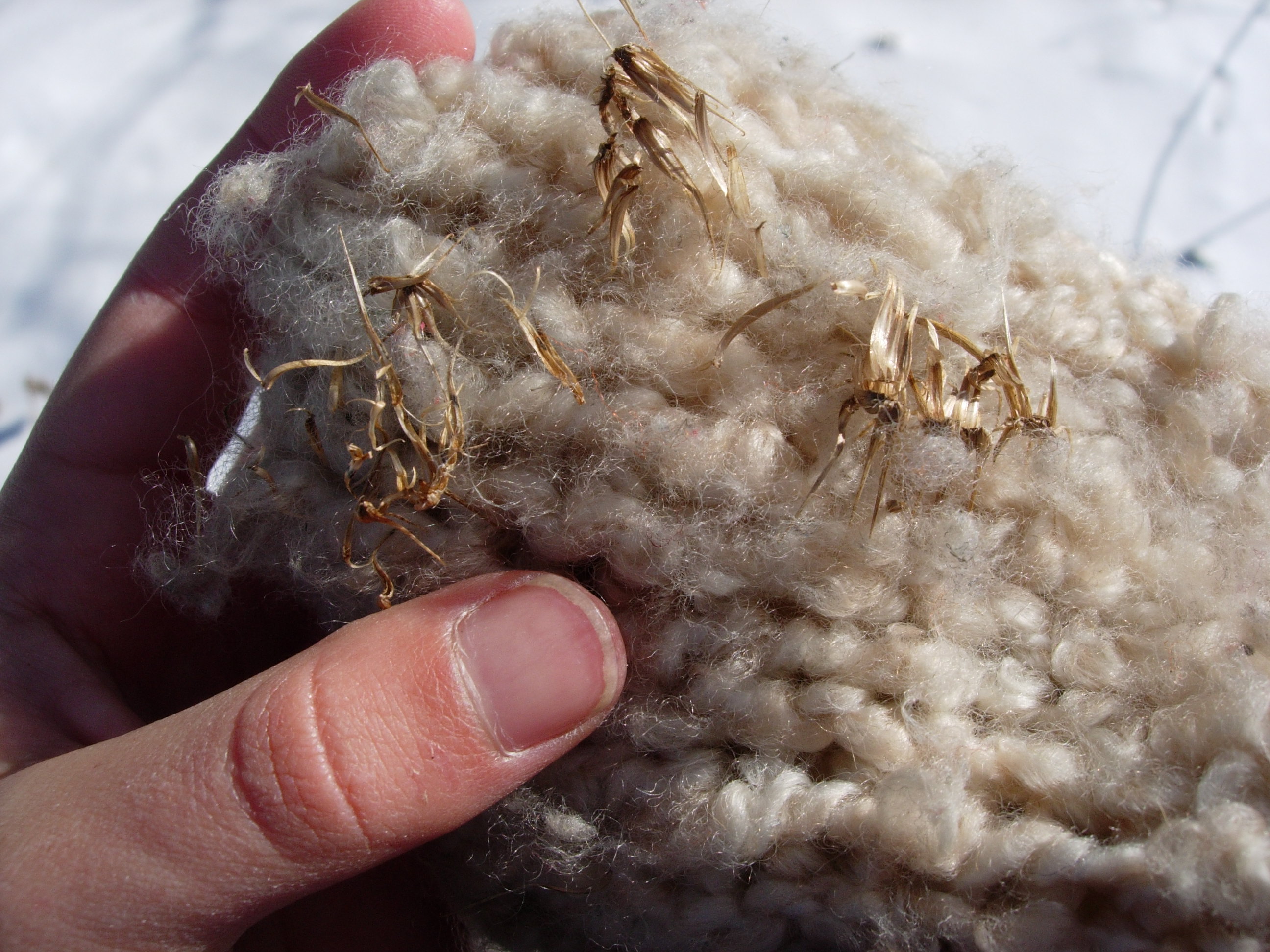
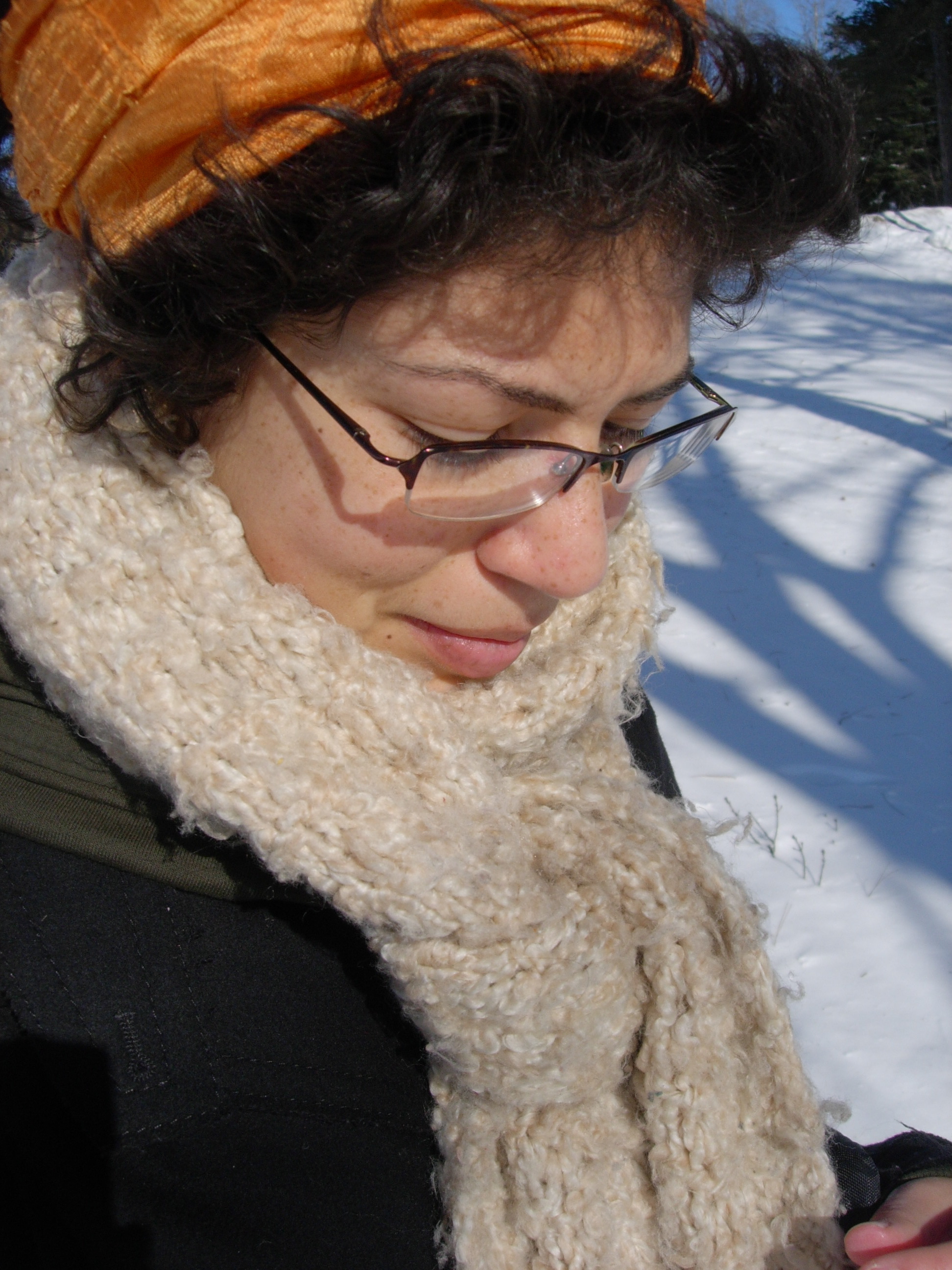
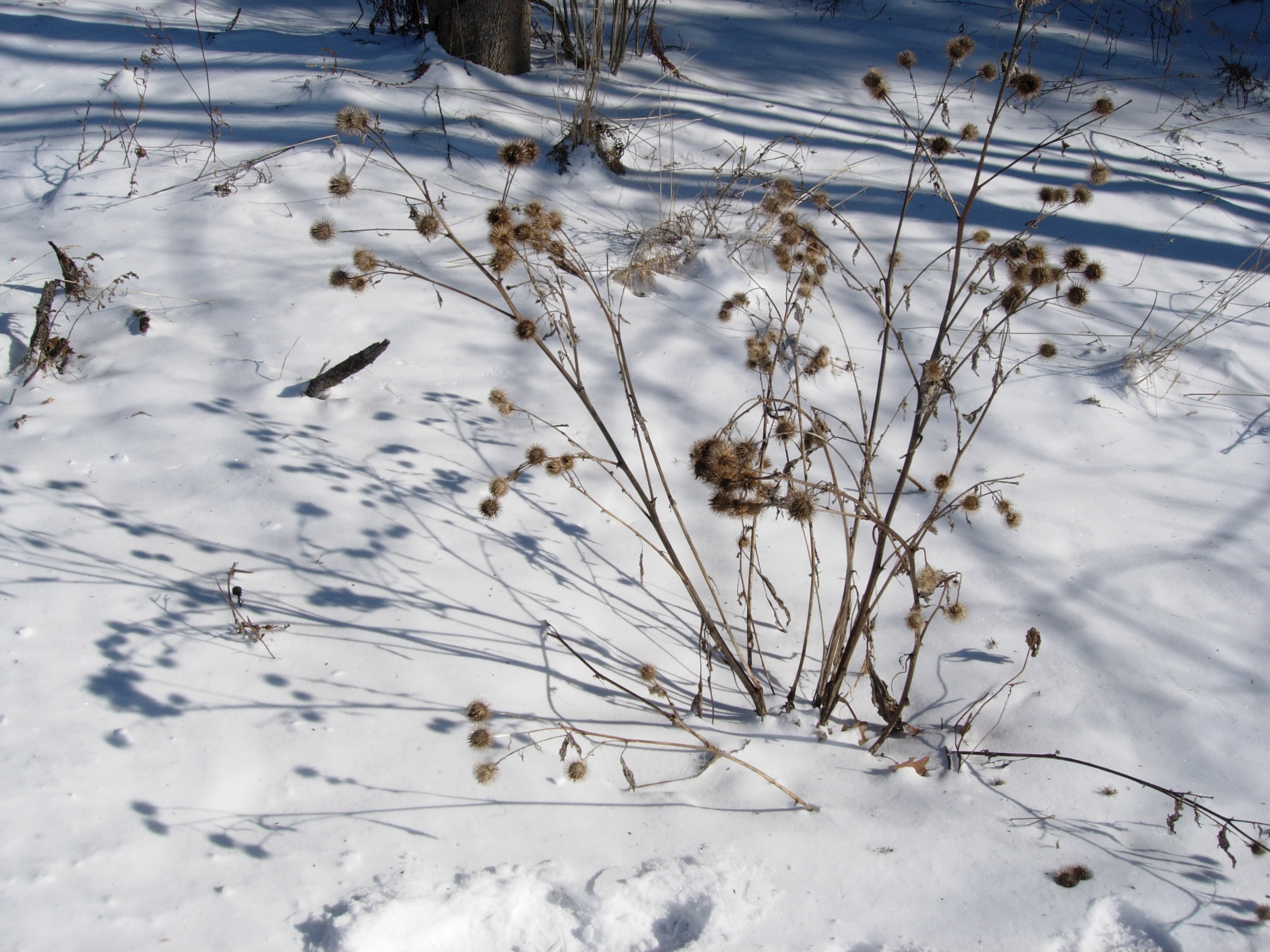
If you’ll bear with me, I’d like to experiment a little bit.  Rather than write out the whole story that accompanies these photos (which is my habit), I’d like to try to let the images tell it on their own.

The barest background: this morning, I approached a bush (echinacea, I’m told?) because I found it beautiful and wanted to photograph it.  (As quickly as possible.  Mind you, it’s FREEZING here, and I have no gloves.)  Next thing I know, I look down and . . .

The Need Of The Moment: Insight and Solidarity

There’s a famous haiku by Matsuo Basho that I’ve seen quoted a few times recently.

The old pond.
A frog jumps in:
Plop!

The point of the poem, as Joseph Goldstein explains in The Experience Of Insight, is to illustrate the quality of mind called “bare attention,” which he describes as “the basis and foundation of spiritual discovery”:

Bare attention means observing things as they are, without choosing, without comparing, without evaluating, without laying our projections and expectations on to what is happening; cultivating instead a choiceless and non-interfering awareness . . . No dramatic description of the sunset and the peaceful evening sky over the pond and how beautiful it was.  Just a crystal clear perception of what it was that happened . . . Bare attention: learning to see and observe, with simplicity and directness.  Nothing extraneous.  It is a powerfully penetrating quality of mind.

But even though insight is a practice in choicelessness, it still helps us to make better choices as needs arise.  Kind of like training on a treadmill, going nowhere, in order to run longer distances outdoors.

The power of insight developed through meditation helps us to take action that is informed and intelligent, yet not overthought.  It strengthens the basic clarity of perception that gives rise to truly creative processes.  So when the need of the moment reveals itself, we see it for what it is, rather than immediately forcing it into our own familiar frameworks, categories, and concepts.

Not a bad faculty for allies in political struggle.

Insight, or bare attention, proves useful in many respects when we’re dealing with reality.  (Different from memory, fantasy, imagination, theory, projection, etc.)  One of its handy effects is paring down superfluous names, theorizations, and concepts for actually existing phenomena.

A recent post over on Advance The Struggle illustrates this well.  (Read the whole thing — it’s worth it, I promise.)

Continue reading

Thank You, Aaron.

This poem gave me strength today.

—–

—–

—–

Ame ni mo Makezu

by Kenji Miyazawa

Japanese

—–

雨ニモマケズ
風ニモマケズ
雪ニモ夏ノ暑サニモマケヌ
丈夫ナカラダヲモチ
慾ハナク
決シテ瞋ラズ
イツモシヅカニワラッテイル
一日ニ玄米四合ト
味噌ト少シノ野菜ヲタベ
アラユルコトヲ
ジブンヲカンジョウニ入レズニ
ヨクミキキシワカリ
ソシテワスレズ
野原ノ松ノ林ノ蔭ノ
小サナ萱ブキノ小屋ニイテ
東ニ病気ノ子供アレバ
行ツテ看病シテヤリ
西ニツカレタ母アレバ
行ツテソノ稲ノ束ヲ負ヒ
南ニ死ニソウナ人アレバ
行ツテコワガラナクテモイイトイイ
北ニケンカヤソショウガアレバ
ツマラナイカラヤメロトイイ
ヒデリノトキハナミダヲナガシ
サムサノナツハオロオロアルキ
ミンナニデクノボウトヨバレ
ホメラレモセズ
クニモサレズ
ソウイウモノニ
ワタシハナリタイ

——-

——-

Transliteration

——-

ame ni mo makezu
kaze ni mo makezu
yuki ni mo natsu no atsusa ni mo makenu
jōbu na karada wo mochi
yoku wa naku
kesshite ikarazu
itsu mo shizuka ni waratte iru
ichi nichi ni genmai yon gō to
miso to sukoshi no yasai wo tabe
arayuru koto wo
jibun wo kanjō ni irezu ni
yoku mikiki shi wakari
soshite wasurezu
nohara no matsu no hayashi no kage no
chiisa na kayabuki no koya ni ite
higashi ni byōki no kodomo areba
itte kanbyō shite yari
nishi ni tsukareta haha areba
itte sono ine no taba wo oi
minami ni shinisō na hito areba
itte kowagaranakute mo ii to ii
kita ni kenka ya soshō ga areba
tsumaranai kara yamero to ii
hideri no toki wa namida wo nagashi
samusa no natsu wa oro-oro aruki
minna ni deku-no-bō to yobare
homerare mo sezu
ku ni mo sarezu
sō iu mono ni
watashi wa naritai

—–

—–

Translation

—–

not losing to the rain
not losing to the wind
not losing to the snow or to the heat of the summer
with a strong body
unfettered by desire
never losing temper
cultivating a quiet joy
every day four bowls of brown rice
miso and some vegetables to eat
in everything
count yourself last and put others before you
watching and listening, and understanding
and never forgetting
in the shade of the woods of the pines of the fields
being in a little thatched hut
if there is a sick child to the east
going and nursing over them
if there is a tired mother to the west
going and shouldering her sheaf of rice
if there is someone near death to the south
going and saying there’s no need to be afraid
if there is a quarrel or a suit to the north
telling them to leave off with such waste
when there’s drought, shedding tears of sympathy
when the summer’s cold, walk in concern and empathy
called a blockhead by everyone
without being praised
without being blamed
such a person
I want to become

—–

—–

—–

(ps: I’m not tryin to front — I can’t read Japanese characters or transliterations.  Just including them for those of you who can. :) )

Bee Stings And Gratitude

Best Google Images find ever.

Today at the beach, I got stung on the right foot by a bee.

I won’t lie: the shit hurt.

It was also marvelous.

I used to get this feeling as a kid, enthroned in a big blue plastic armchair in a small white plastic office guarded by tepid watercolor cows wearing dainty yellow ribbons around their throats. Blood test time. (I had half a lifetime’s worth of bloodwork done before the age of 10.)  Despite the creepy environs and foreboding application of the tourniquet, when the moment arrived for the big jab I would watch in fascination as they stuck in the needle and sucked out the sample, thick and luxurious, like red chocolate milk.  It was something close to magic.

It’s amazing how often we allow the sensation of pain to dominate our interpretation of rich, multi-faceted experiences.  But if we can make a little room around our discomfort, we start to notice all the wondrous or lucky aspects of uneasy incidents.

Here’s a short list from this afternoon’s hymenopteran encounter.

1. The bugger stung me and not my friend beside me, who is severely allergic and would have had to rush to the emergency room.

2. Watching your own foot turn purple is totally engrossing.

3. Opportunity to test that theory about scraping the stinger out with a credit card. (More or less successful)

4. Watching your own foot swell is totally engrossing.

5. Ideal placement of the sting on the foot (i.e. not on the sole, and free from flip-flop irritation).

6. Watching the swelling subside is totally engrossing.

7. Great conversation starter: gender and pain tolerance; the species evolution of defense mechanisms and “protective reputations;” and that time at circus camp when a counselor got stung in the mouth by yellowjackets — twice in two weeks.

8. Did I mention that observing a bee sting can be totally engrossing?

9. Impetus to learn about bee sting therapy: “A folk remedy for treating arthritis, back pain and rheumatism for 3,000 years in China.”

10. At least one of us is still living. RIP, little guy.

Happy adventures, y’all — here’s to the magic of misfortunes.

If you could keep your heart in wonder

At the daily miracles of your life,

Your pain would seem no less wondrous than your joy…

–Khalil Gibran, The Prophet

Malalai Joya and a Gandhian Paradox

My dear friend Adaner posted this article on Facebook: an interview with Afghan women’s rights activist Malalai Joya.  Barely out of her twenties, Joya continues to courageously oppose Taliban and warlord oppression, expose U.S. propaganda, and inspire thousands of people  — at the cost of her own personal safety.  Though her efforts have been completely non-violent (illegally educating girls and speaking her mind as an elected representative) the resulting death threats have forced her to live under constant armed guard, sleeping in a different house every night and adopting a pseudonym to protect the identity of her family.

It’s a powerful interview.  One point in particular stuck with me, in conversation with my recent reading on the life of Gandhi, to whom these words are attributed:

“Whatever you do will be insignificant, but it is very important that you do it.”

Joya is expressing the same idea, I think, when she says,

“I am young and I want to live. But I say to those who would eliminate my voice: ‘I am ready, wherever and whenever you might strike. You can cut down the flower, but nothing can stop the coming of the spring.'”

Just as a flower is not a season, but an expression of it, a good activist is not a hero, but an expression of a greater heroic impulse.  At some point or another, almost everyone I know who has worked for social justice in some way has confronted this paradox.  We want to contribute; we want to do our duty; we want to give.  But how do we do this, knowing that though we may work ourselves literally to death, ultimately our contribution will be insignificant?

What we give may be minuscule, but that we give, and give purely, is what matters.  To give purely means to be guided by something greater than ourselves, our clever ideas, our generosity, our solidarity, our unflagging commitment.  To give purely means simply surrendering ourselves to the heroic impulse.  After that, the gift will express itself in whatever form it wants to.

But of course, self-surrender is one of life’s most difficult goals.  Requires an enormous amount of faith.

In Joya’s case, much of her faith seems to rest in other people.  She trusts them to continue, even if she cannot.

“If I should die, and you should choose to carry on my work, you are welcome to visit my grave. Pour some water on it and shout three times. I want to hear your voice.”

Love And Happiness

Today’s 5th-most-emailed NYT article (copied in full below the fold) is a truly profound “Modern Love” column by Laura Munson: a woman who saved her own marriage using insight into happiness.  Her summary: “I don’t love you anymore,” my husband said, but I survived the sucker punch.

It’s a perfect illustration of the ideas I used recently, during my own troubles with love.  (Thanks again, by the way, to everyone who wrote with well-wishes and comfort after my weepy post from Paris.)

When Munson’s husband, demoralized by a mid-life crisis and a tanking job, came to her talkin’ bout rescinding his affections and wanting out of the deal, her response was, “I don’t buy it.”  Which basically means, she recognized that this was his issue, not hers.  So she didn’t take it personally.  Instead, she tried to think of structures and solutions to help give him what he needed.  (Space.)  And she waited until the crisis passed.  She refused to make herself responsible for his happiness, and at the same time took responsibility for maintaining her own — not blaming or resenting him for threatening to destroy their family.

Despite what most of the R&B songs tell us, love isn’t about being somebody’s “rock” and assuming the weight of their burdens.  Ultimately, love is about giving them the space, time, and tools to stand on their own.

So when my friend in China confessed that he’d been concealing a new relationship from me, even though it stung, I was also able to recognize that it was not my problem to solve.  It really had nothing to do with me.  He was the one who felt confused and scared enough to hide the truth about something so natural and innocent: loving more than one person at once.  Given the cultural shame around this kind of situation, keeping quiet about it for so long may have been ignoble or short-sighted on his part, but it’s also very understandable — not to mention totally commonplace.

And you know, it’s funny.  Once we let go of our blaming and victimhood, a situation like mine or Munson’s can reveal itself as an extraordinary opportunity to learn.  We can learn how to rebuild something broken, and even do it in a gentle, playful way.  Her: planning middle-class summer vacations with the kids; me: proposing long-distance trust-rebuilding games.

And even more importantly, we can learn how to give love without expecting anything in return.  Which is really the true nature of love, when you get down to it.

Munson’s ability to keep a level head and compassionate heart in the face of dysfunction in a marriage, of all systems, makes her story tremendously inspiring.  And we can apply the same lessons to all sorts of loving relationships — whether with friends, lovers, spouses, or blood kin.  Giving people space to be as they are is nothing less than a radical act of humanity.  It doesn’t mean being a pushover.  I don’t accept dishonesty, and Munson didn’t accept recklessness.  But neither do we fight.  No blaming, no struggle.  Just seeing the situation for what it is, and finding ways to live it as lovingly as possible.

This is what the Buddha means in one of his notoriously challenging suttas about blame.  From the Dhammapada:

“He abused me, he beat me, he defeated me, he robbed me,”
in those who harbor such thoughts hatred is not appeased.

“He abused me, he beat me, he defeated me, he robbed me,”
in those who do not harbor such thoughts hatred is appeased.

Hate is not overcome by hate; by Love alone is hate appeased.
This is an eternal law.

Wishing you luck in giving and receiving space to be,

katie

Continue reading

Thank Heaven For Disasters

NeEddra James’ blog, PARAMECultureWorks, entered my life at a great moment.  She’s a sharp writer and an incredibly insightful soul — and the email conversation we recently struck up reminds me why Internet ‘connections’ can be worthwhile.  You should check out her blog in its entirety, but here I wanted to crosspost a piece that’s been particularly helpful to me over the last few days.

NeEddra’s illustration of the value of wake-up calls gets at the heart of the Buddhist teaching that ultimately there is no good or bad, merit or demerit.  Because every uncomfortable, unpleasant, or downright excruciating event has something to teach us.  It’s a doorway leading to the higher dimension of consciousness attained through nonjudgmental acceptance of what is.  Total awareness and presence of mind. So with the valuable teachings that moments like these can offer, how can we really label them “bad?”

Putting this understanding into practice is no easy feat, obviously.  But little by little, moment to moment, and with the help of reminders like NeEddra’s parking ticket saga, we get there.

Hope you’re having a peaceful day, folks.  Whatever catastrophes (a.k.a. opportunities) come your way.

Offering To The Döns

“Practice offering to the döns* by welcoming mishaps because they wake you up.”

I always read my monthly horoscope on the first day of the month. On Dec. 1 Susan Miller told me the full moon, which reaches its apex today on the 12th, would occur in my third house: the house of other people’s money. She went on to say that I’d be writing a big, non-negotiable check, and with “Saturn in hard angle to the moon…there will be no way to avoid acknowledging one’s responsibility or alternatively, accepting a loss and moving on.”

And so it is.

Continue reading

A Star And A Sun

Yesterday I stumbled upon this latest entry by renowned hip-hop video blogger Jay Smooth.  I won’t go on about it too much — I think it speaks for itself — but I just wanted to share how thankful I am for his work on IllDoctrine.com (which I had all but forgotten since my Great Escape from the Internet).  I don’t agree with evvverything he says in his vlogs, but most of it gets a big Sadhu (well said) from here.  And this video’s insight about media and culture resonates particularly. As Jay puts it, we need to ensure that the coming generations can differentiate between media attention and genuine affection.  Real love, vital love, does not commodify us. It is not measured in applause, sales, or hit counts.

Continue reading

How To Stop Accepting Presents

Hey friends! Hope you had a fabulous weekend.

The recent exchange with Oh Please, here on the Twitter thread, reminded me of a wonderful story that I’ve been wanting to share with y’all for a long time.  Paraphrased from my meditation teacher, S. N. Goenka, who heard or read it somewhere else, it’s been the single most helpful lesson I’ve learned from him so far, when it comes to dealing with everyday situations.  I hope you might find it useful, too!

Here goes.

At the time of the historical Buddha, Siddhartha Gotama, not far from his ashram there lived an old brahmin and his family.

Continue reading