and an old classic:

Thanks, Andy. ;)
and an old classic:
Thanks, Andy. ;)
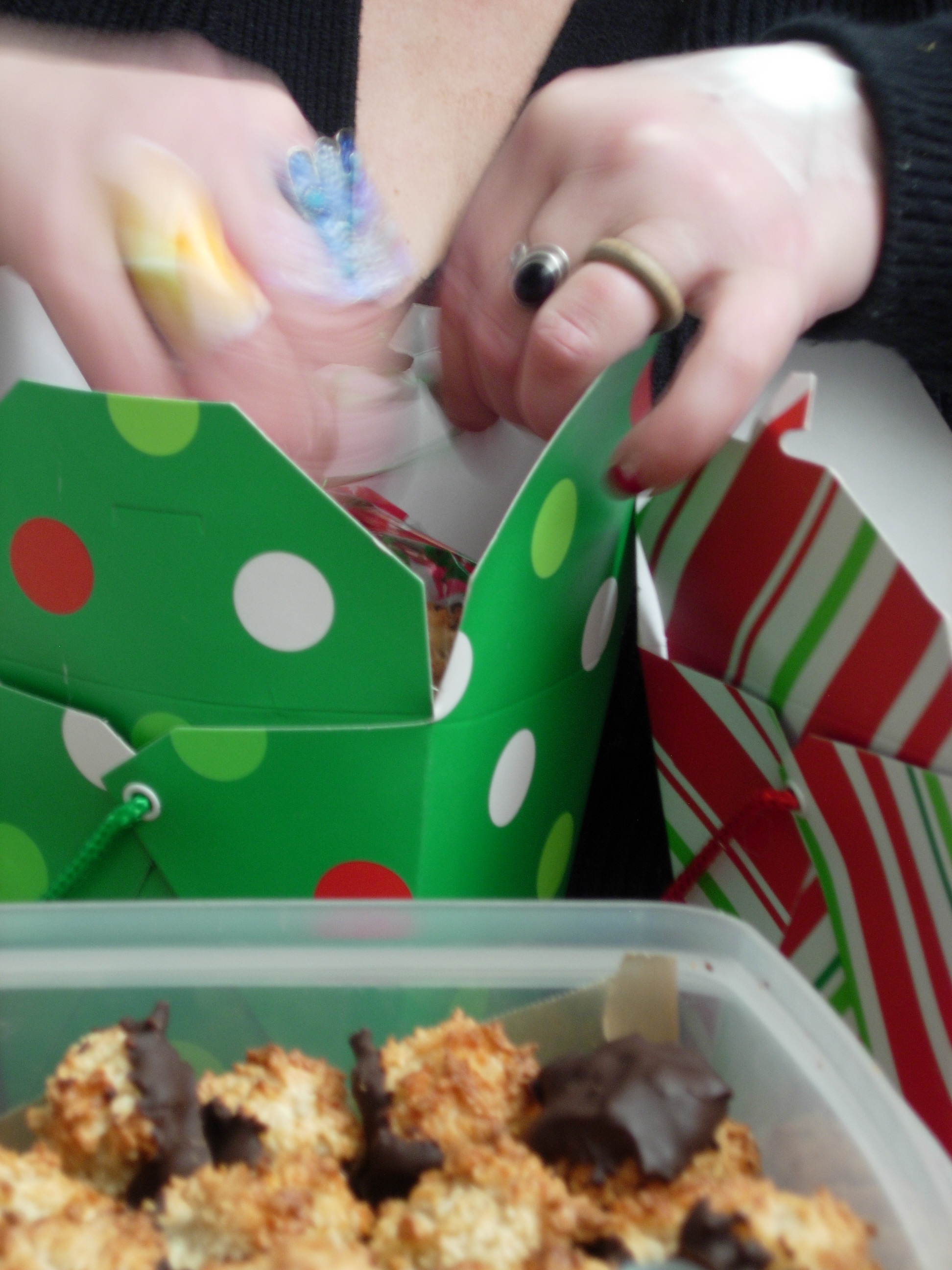
Enjoy the day, y’all, wherever you are, whatever you’re doing.
As much as this time of year often seems to be ‘about’ spending time with friends and family, lately I’ve noticed in myself a strong urge to be alone.
It could be because I’d grown so accustomed to accompanying my own self through the days in Spain. Now that I’m settled in San Francisco, levels of social stimulation have skyrocketed.
And it’s not that I’m feeling irritated, necessarily, or claustrophobic. It’s more like an active, positive desire to spend time with myself, immersed in some silence and solitude, and see what happens.
Whatever I find, whether beautiful or harrowing, helps me to bring my best self to others.
A great example of this solitary/social link is Marcie (pictured), a friend from the Faithful Fools. Her courageous decision to enter a dual-diagnosis rehab program this year (talk about the ultimate solitude and self-reckoning), and her success in staying committed, have opened up space for her to connect more deeply with her family.
I’m not saying that relationship improvement should be the main motivator for choosing to spend time alone. There are plenty of good reasons for solitude. Even when it gets lonely, or frightening. (To a point, of course.) Silence and stillness are necessary conditions for certain kinds of insights too subtle to penetrate our typical mental autopilot, the white noise of everyday extroversion.
May these holiday weeks bring us strength to face and accept, with compassion, all parts of ourselves.
That’s the kind of Christmas Miracle I’m talking about.
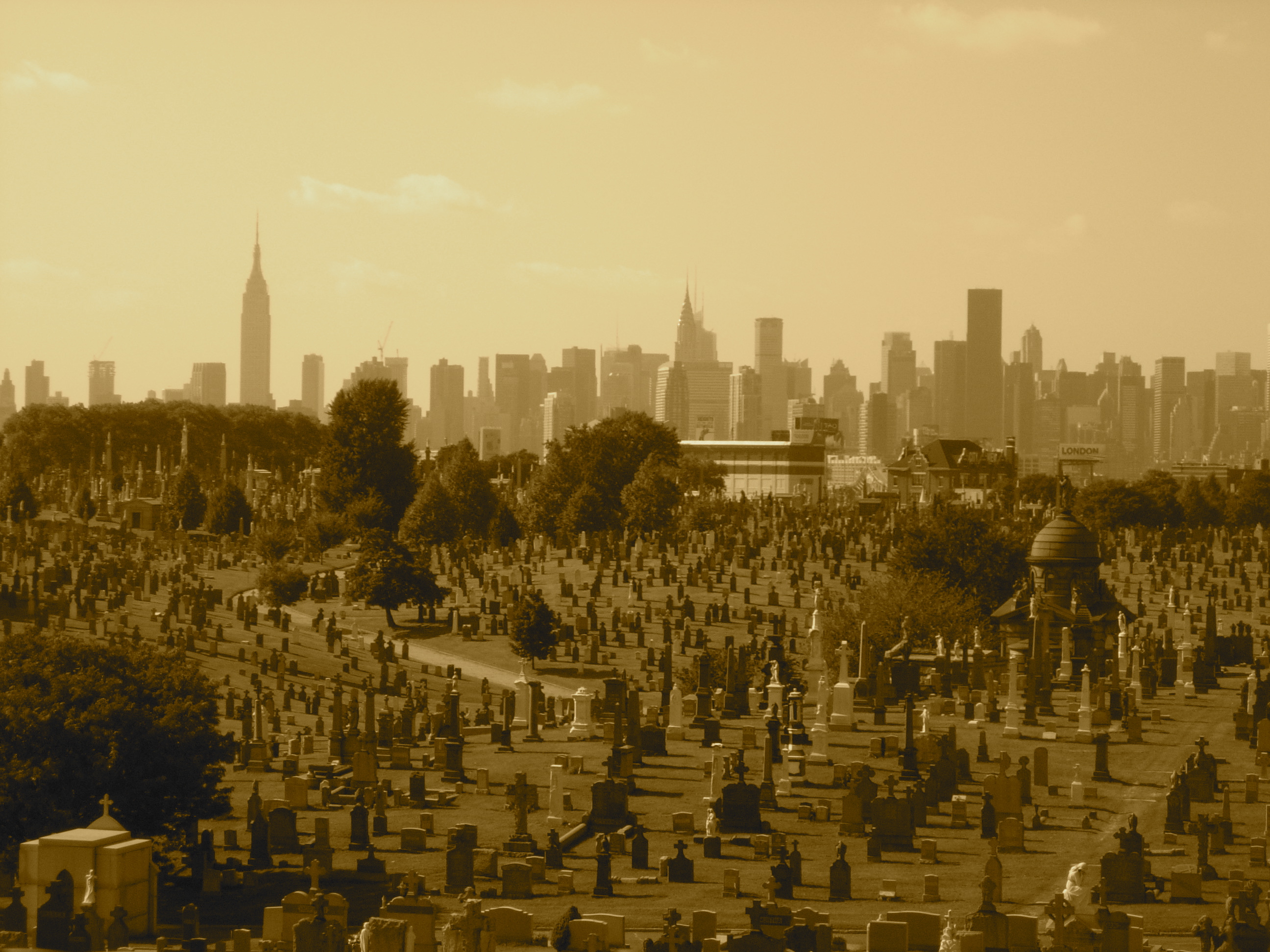
According to the NYT, a recent study measuring correlations between living conditions and happiness in America found that they’re very strongly linked. More thoughts on that in a minute. But an informational byproduct of the study was a ranking of states from most to least happy.
At the bottom of that list?
Let’s just say that Jay-Z and Alicia Keys might not be pleased.
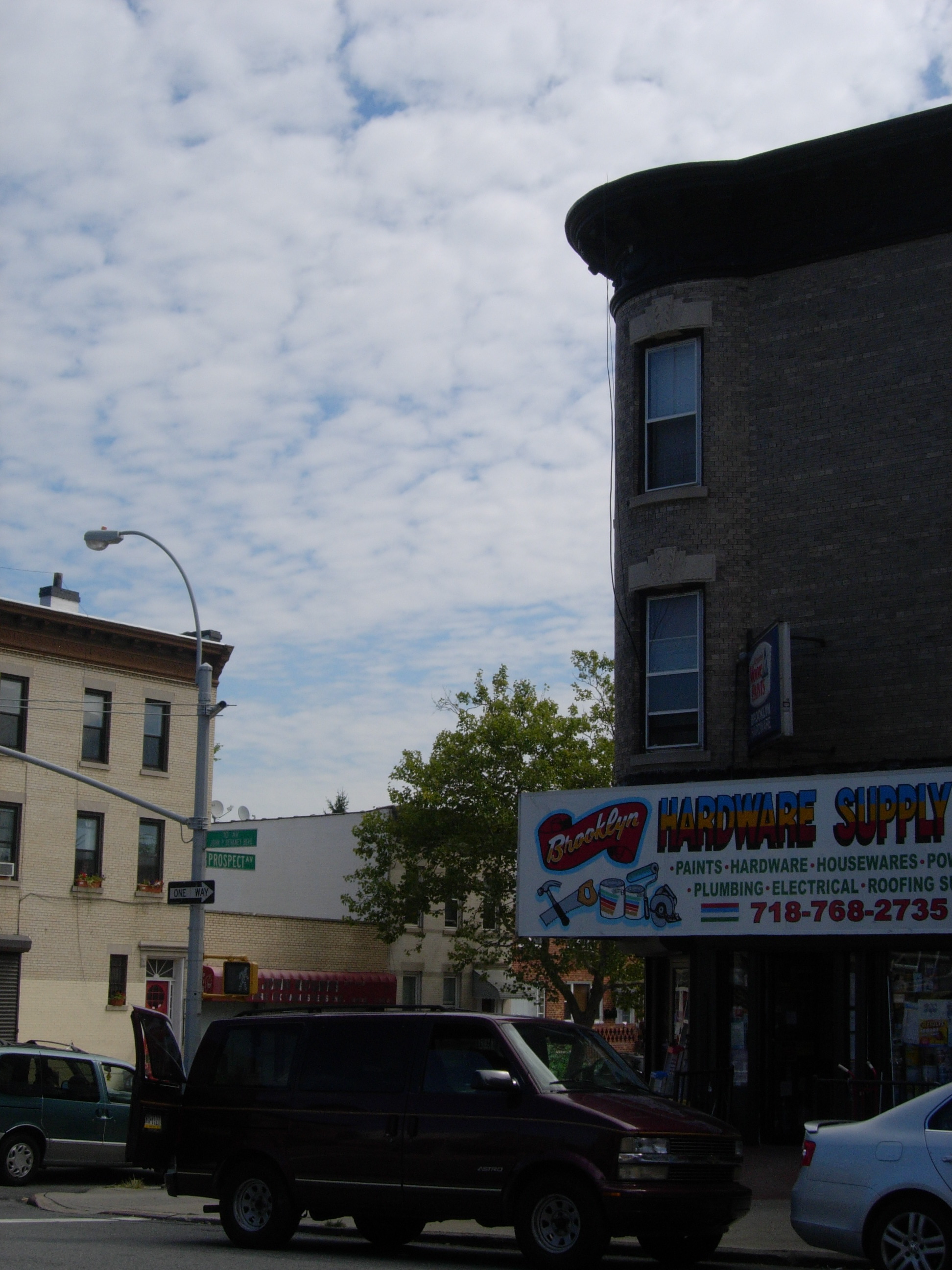
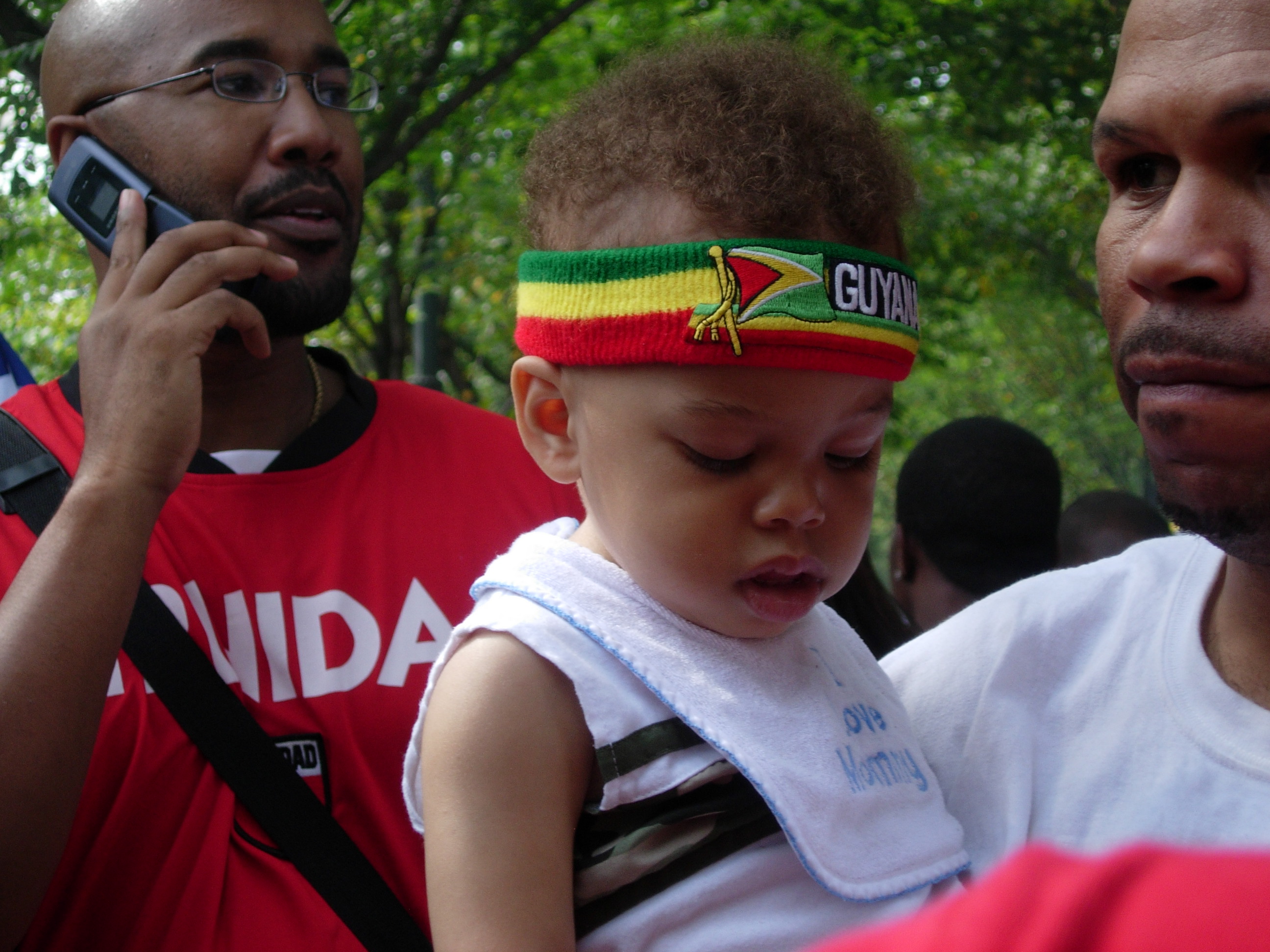
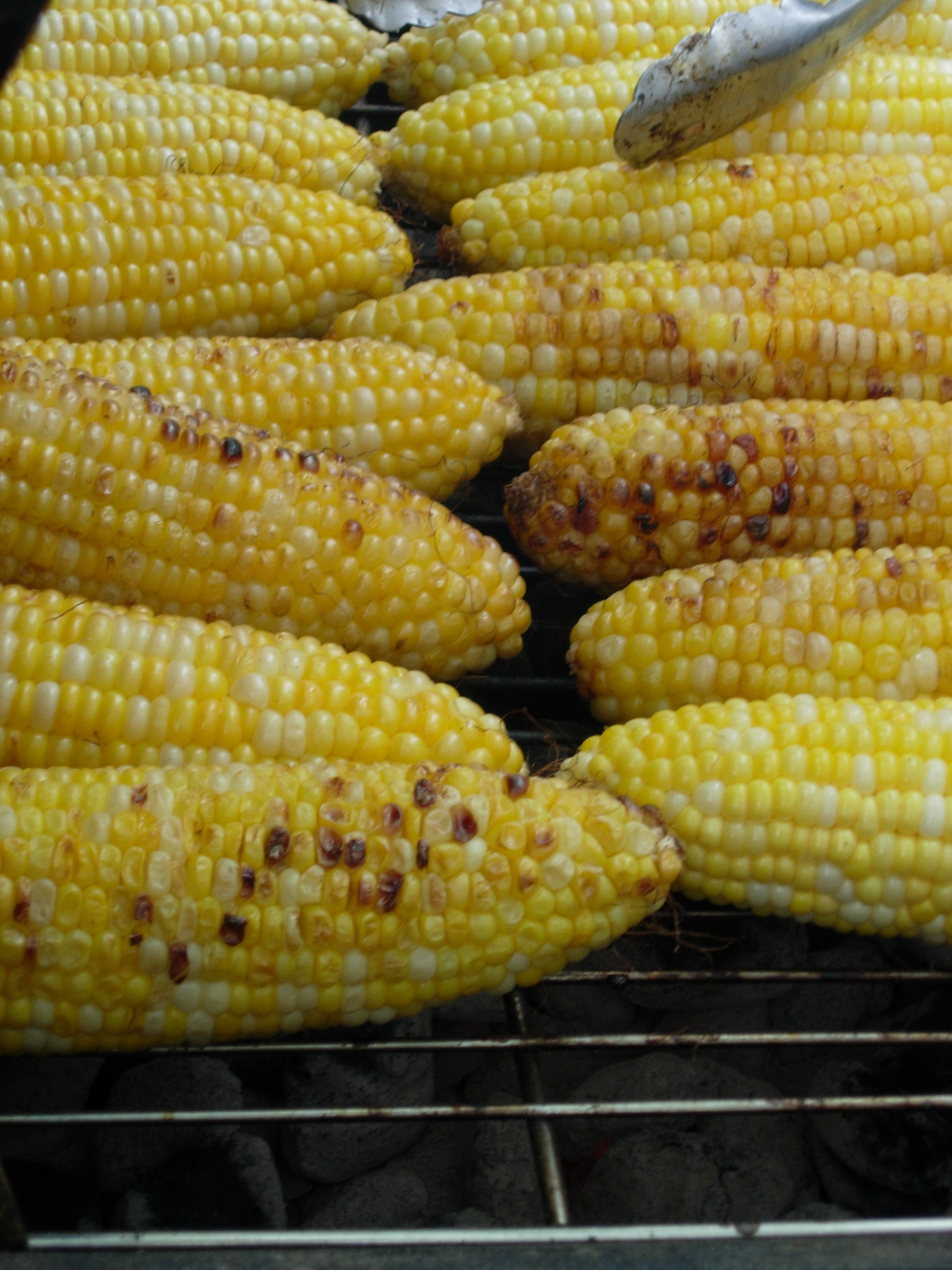
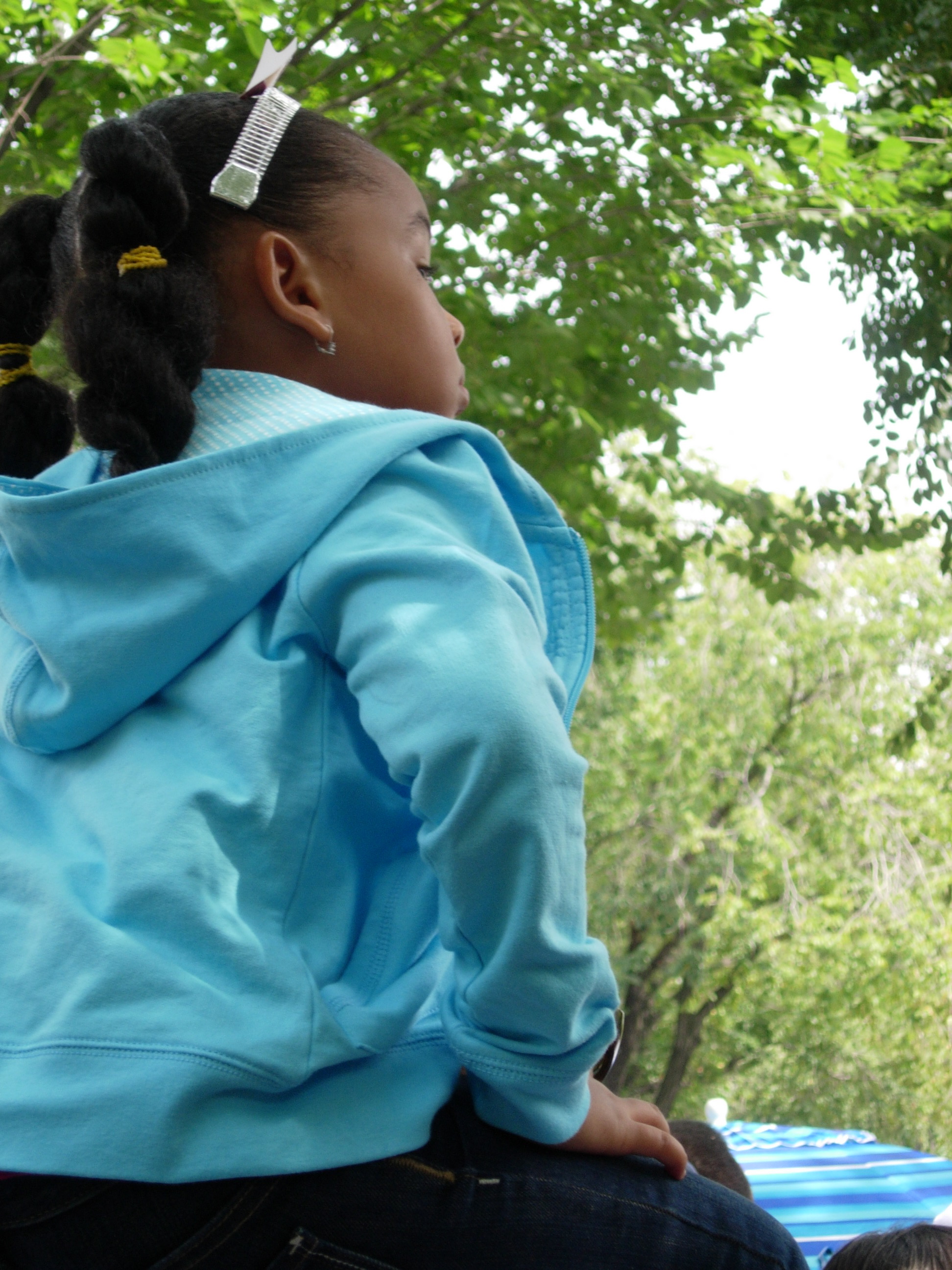
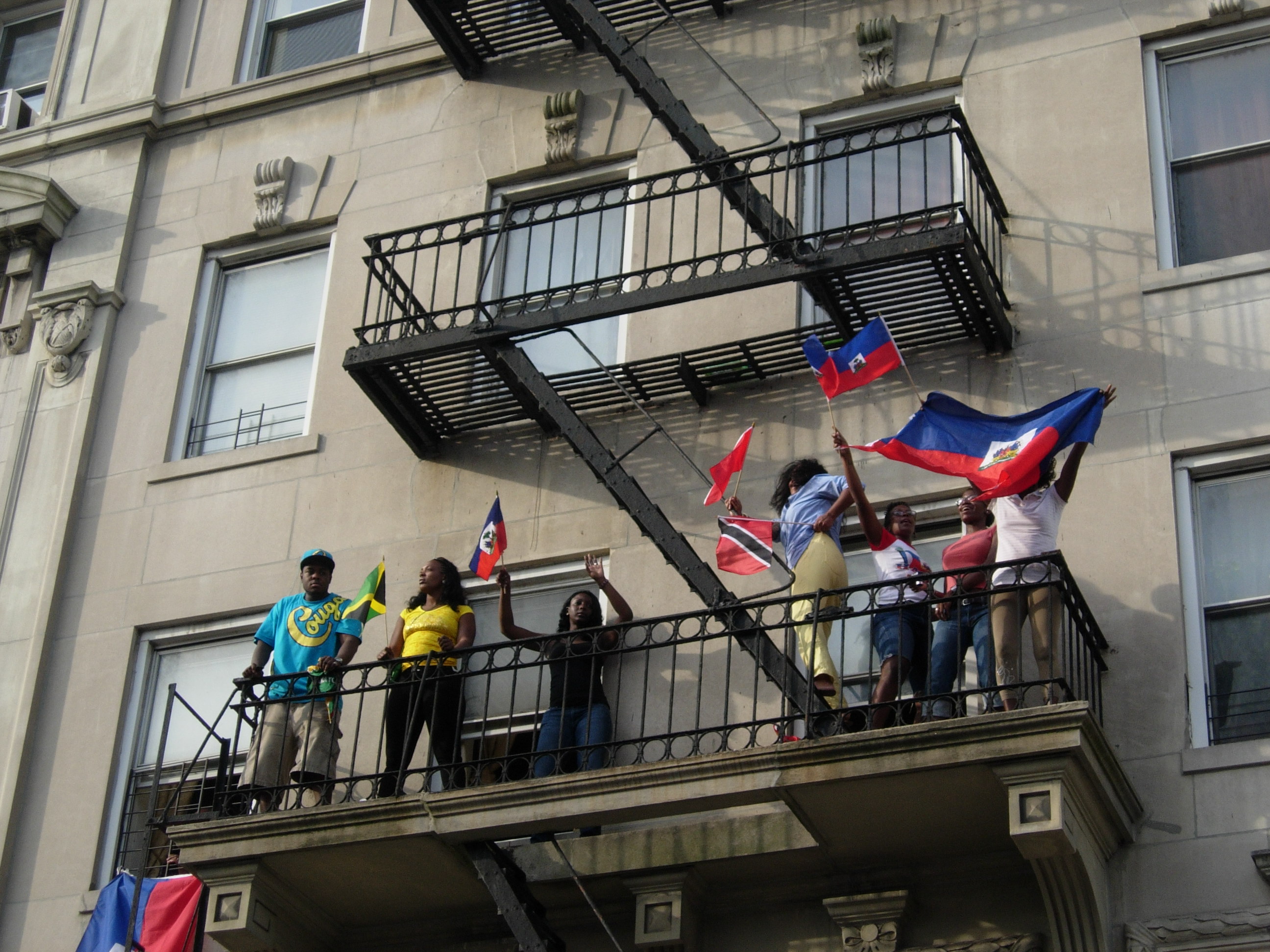
Sure, it’s important to avoid conflating New York City with the state as a whole. But it does give me an excuse to finally share my photos from September’s week-long visit.
To return to the main point of the study, though, and the article covering it: this journalist dude takes on a strange, pseudo-sarcastic tone in defending New York, and in so doing seems to be talking out of two sides of his mouth: (a) objecting that Poor people in those higher-ranked places can’t really be happy — they must be faking! and (b) defending unhappiness as a catalyst for great artistic achievement.
Let’s take the second point first. This is actually a pretty common attitude, right? Haven’t you ever known someone who seems to derive great satisfaction from their misery and solemnity, from complaining about it, or from constantly striving for bigger and better achievements, never satisfied with what they have?
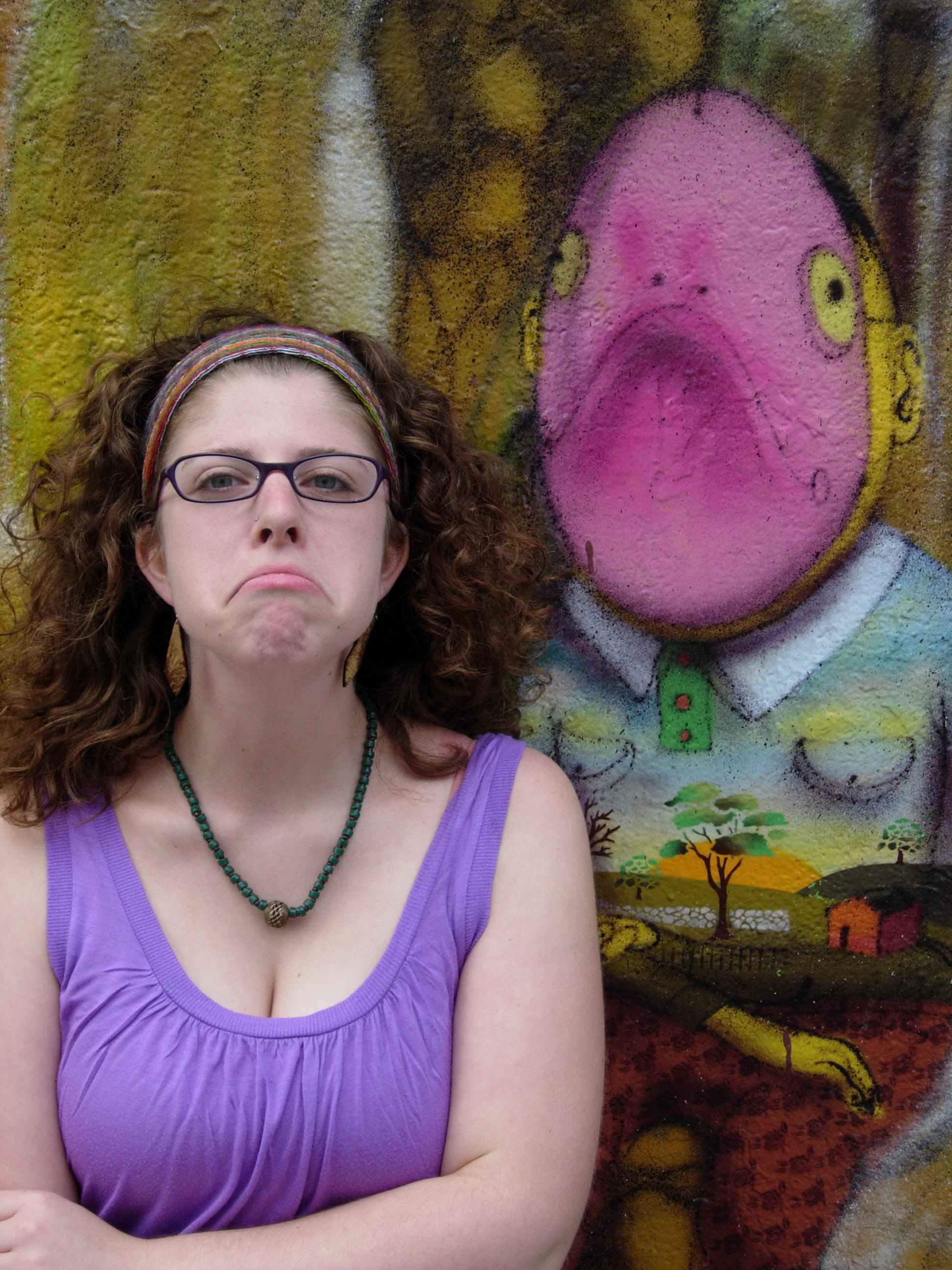
Such attitudes or habits of mind aren’t limited to artists by any means — in fact, all of us fall into similar patterns from time to time. Even if we don’t particularly like feeling unhappy, we cling to an identity of unhappiness because it seems solid and somehow justifiable. Or maybe we’re terrified of what might happen if we let go of it. So we want to analyze it just so, and relate it back to our whole life history, beginning with childhood, etc.
With art, though, or “creativity” more broadly, this normal fascination with unhappiness is particularly easy to rationalize, since part of artistry involves representing human misery faithfully, accurately, and poignantly.
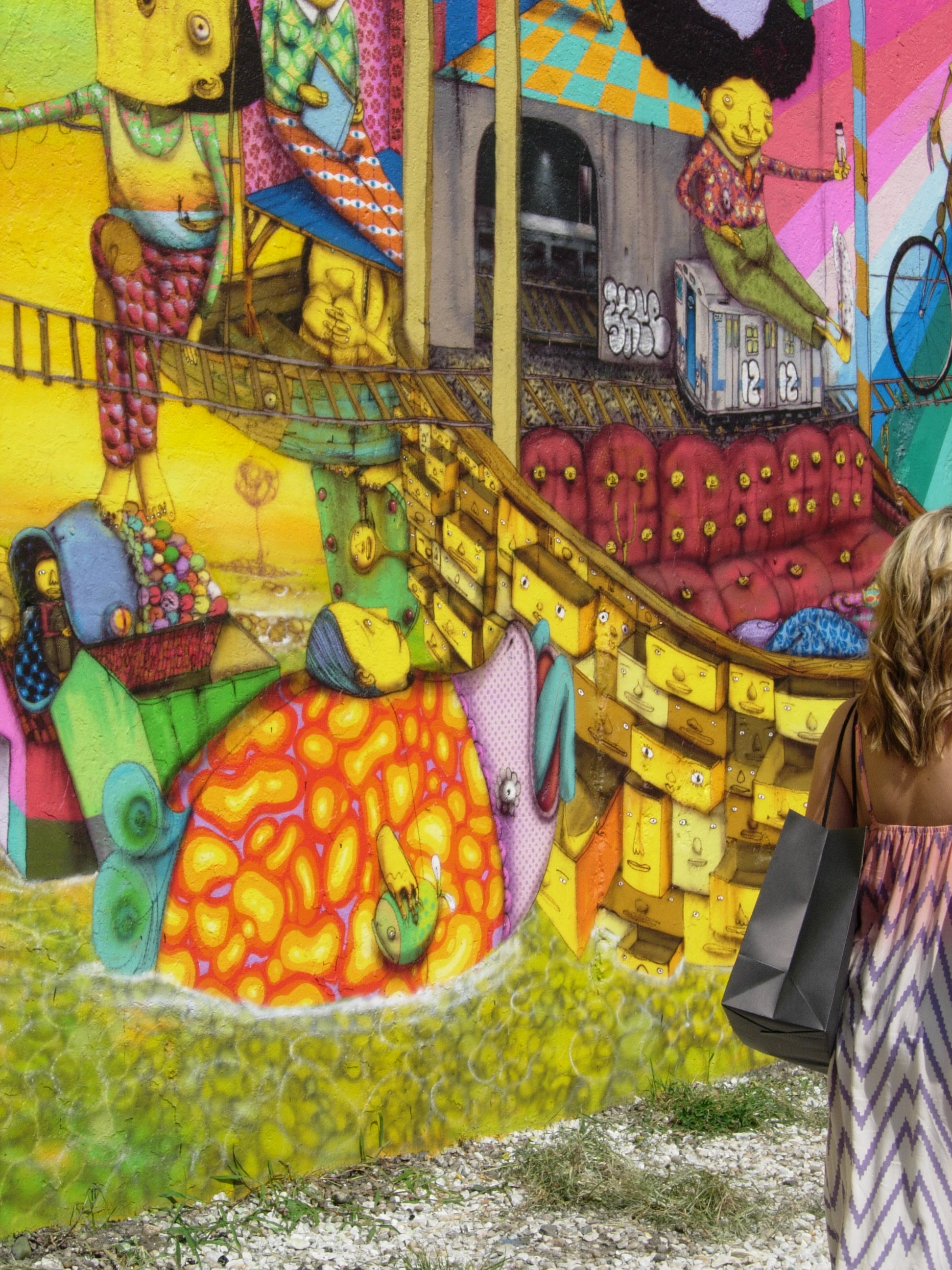
But all I’m saying is, if Michelangelo were a close friend of mine, and he had a choice between finding happiness and creating the Sistine Chapel, I’d encourage him to put away his brushes.
I mean, would we really wish unhappiness on another person — or on ourselves — just so that we could enjoy some good art?
It’s the same flawed logic I laughed about in another study, which implied that being a hostile and unhappy person might be worth it if it increased your longevity.
Mm.
As for Haberman’s first point, being dubious about the poor yet satisfied, here’s how I see it. His attitude reflects the common American notion that greater material wealth — and its attendant perks — grants us more happiness. But the quality-of-life measurements used in the study included a wide variety of factors, including “climate, taxes, cost of living, commuting times, crime rates and schools.”
Now, having a lot of money does expand one’s options, meaning that you, an individual, could choose to move to a place like Louisiana (the state ranked highest in happiness) and enjoy its sunshine and other non-monetary advantages. But simply having a load of money and living in a cold, dismal, rat-race, no-one-knows-their-neighbors and people-spend-half-their-day-in-traffic suburb ain’t gonna cut it.
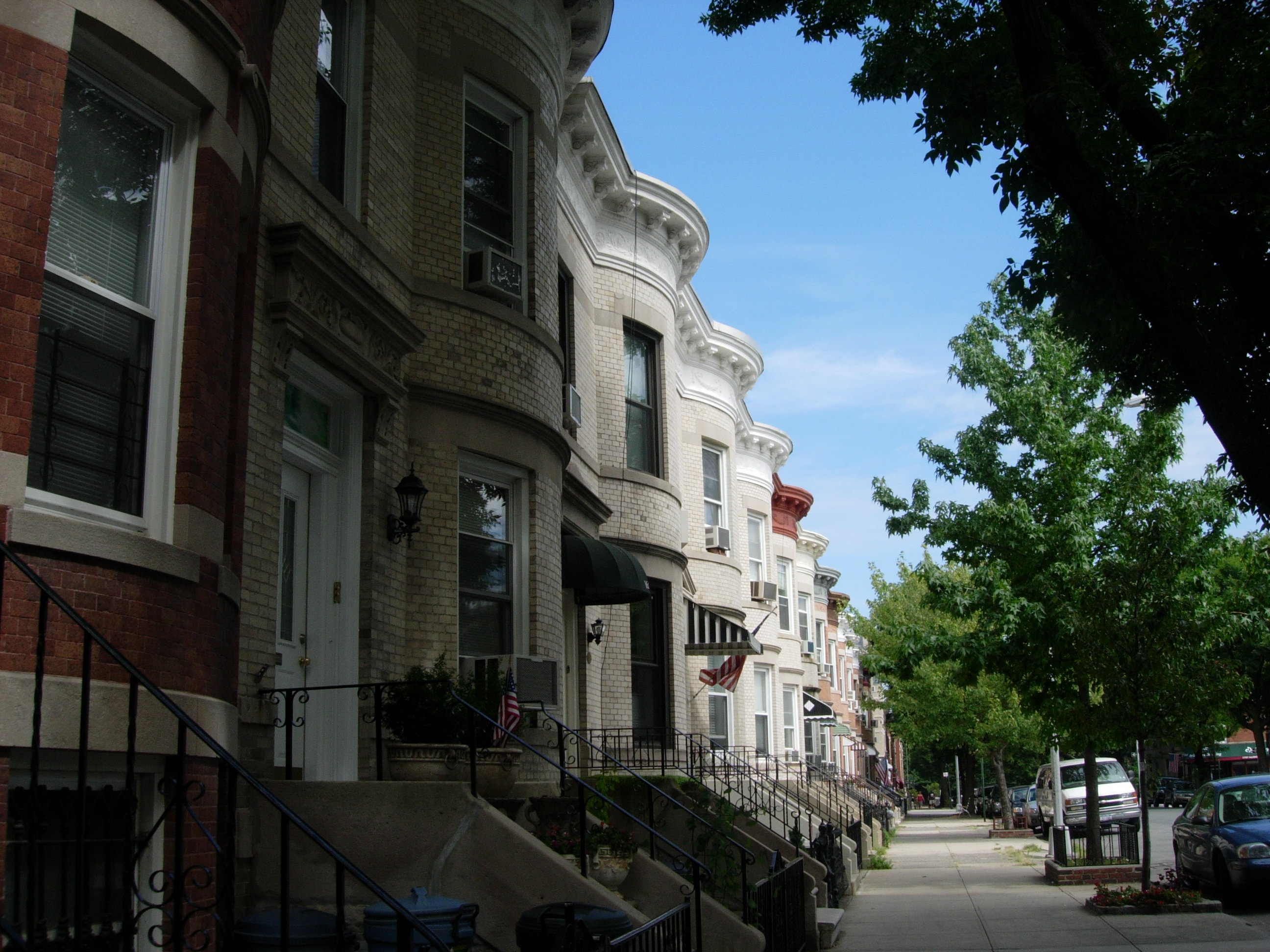
Similarly, just because a state has a lot of financial wealth doesn’t mean it’s allocating it in ways that boost people’s well-being. More likely, it’s using it to further enrich the ruling class and imprison huge numbers of people of color. (Side note: I wonder if prisoners were surveyed for this study?)
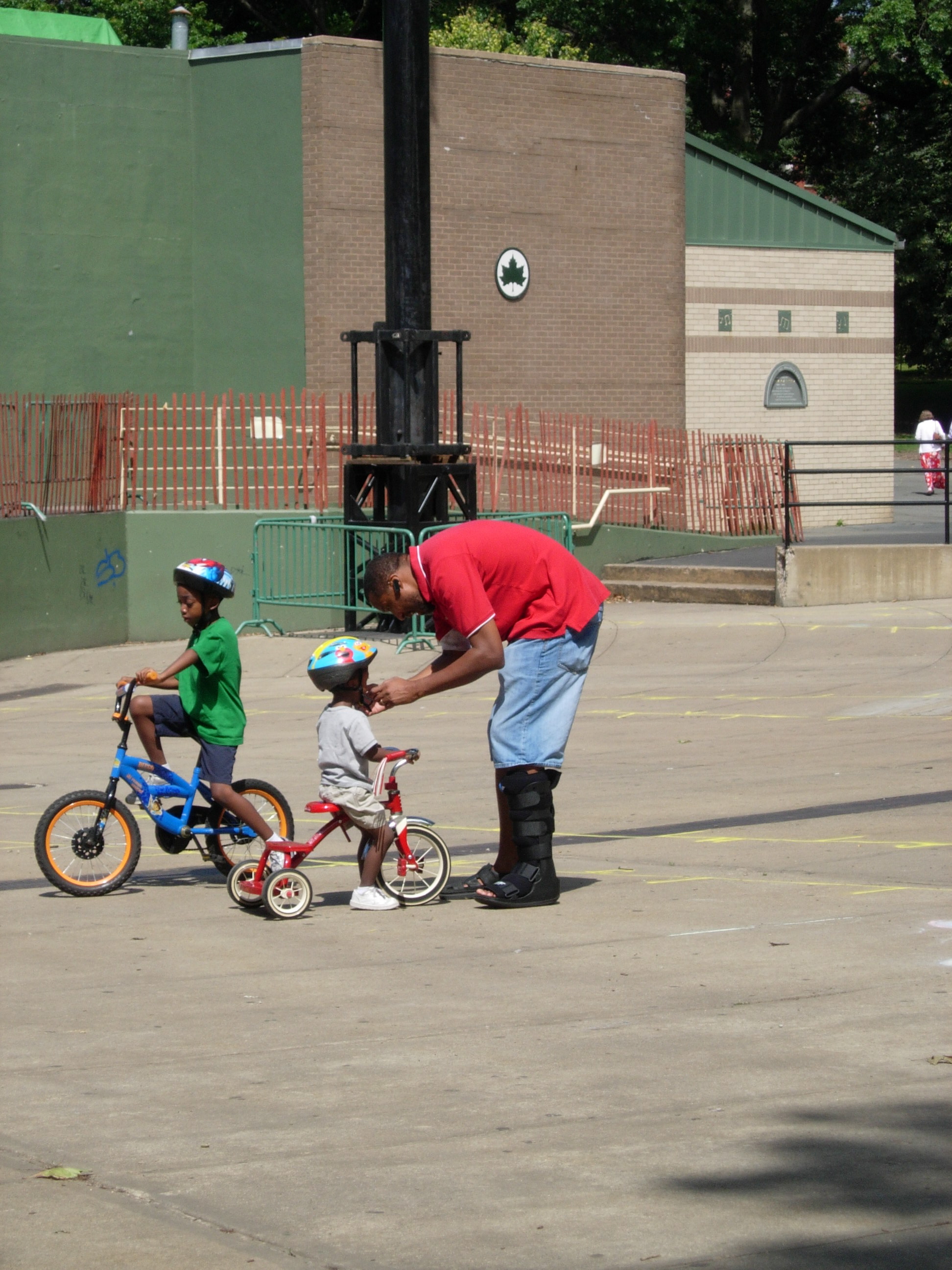
The issue that interests me more, though, is why Americans’ happiness is so closely tied to predictable environmental factors of any kind — financial, structural, social, or otherwise.
I wonder whether a Buddhist country, for example, where dominant cultural wisdom might encourage disaggregating happiness from material conditions, would show similarly strong correlations.
Anyhow, The City was my first stop back in the States, and even though I find it stressful and would never want to live there myself, it sure was pretty to look at for a week in early autumn.
Enjoy the photos, folks, and be happy.
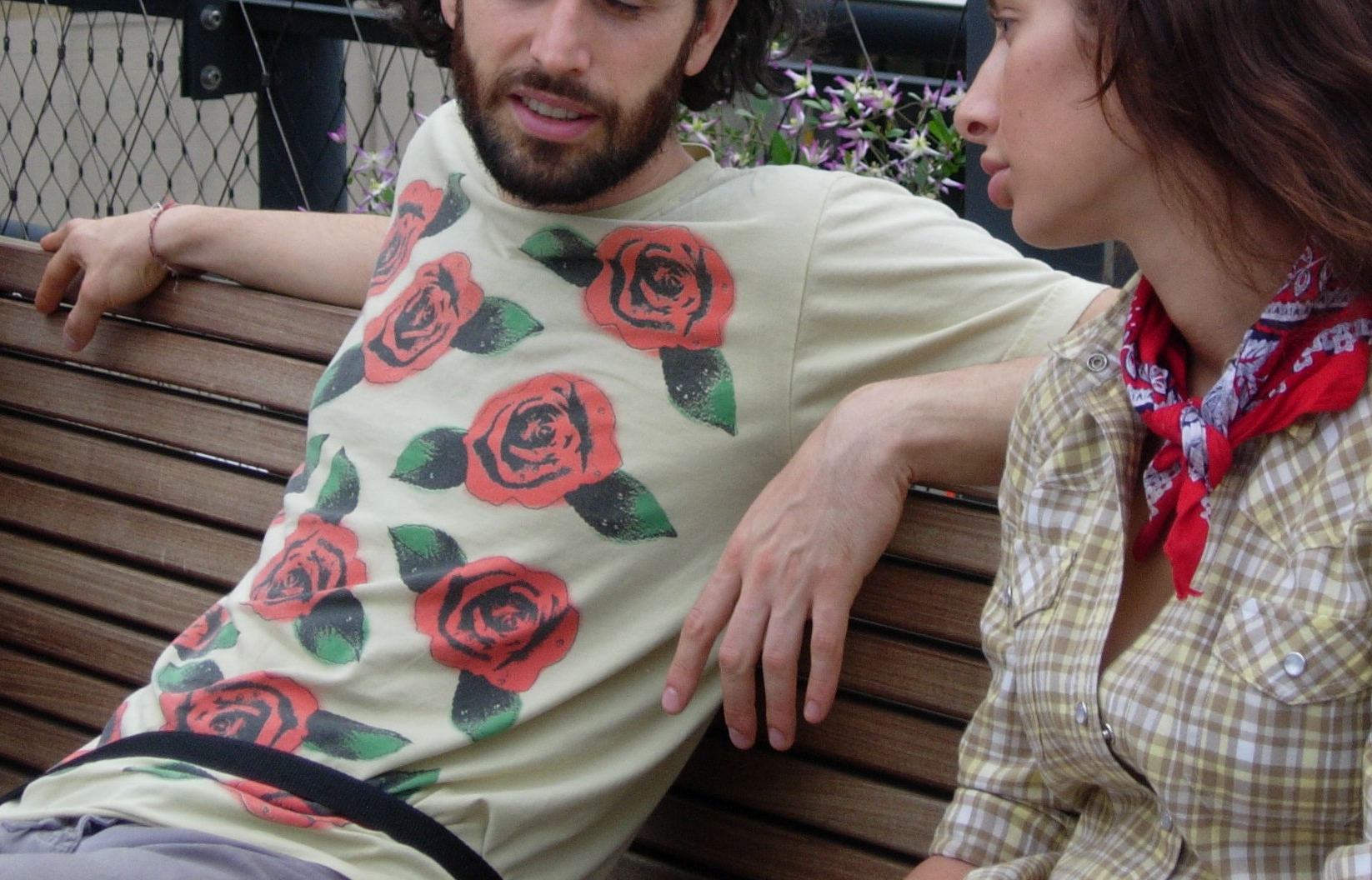
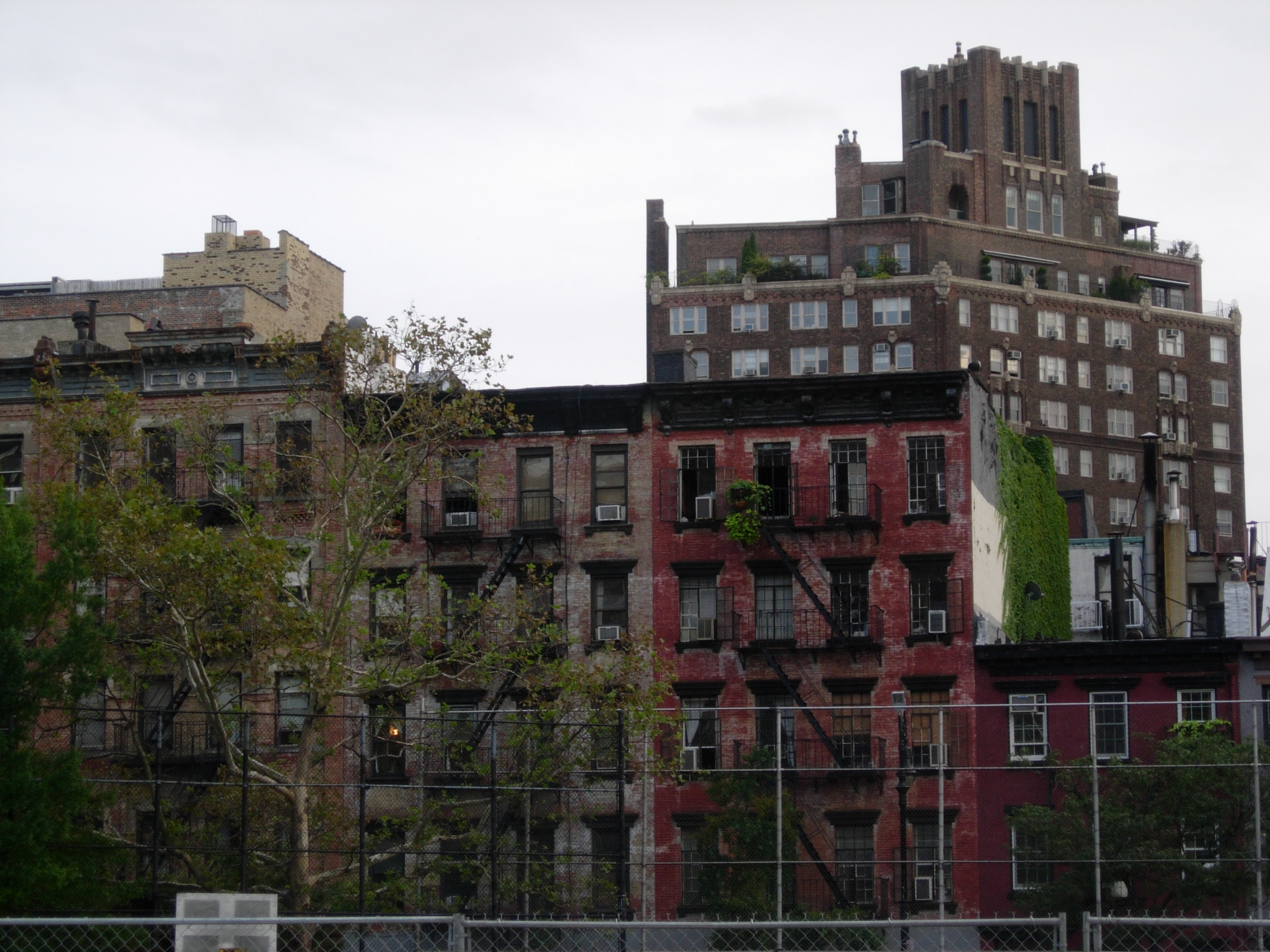
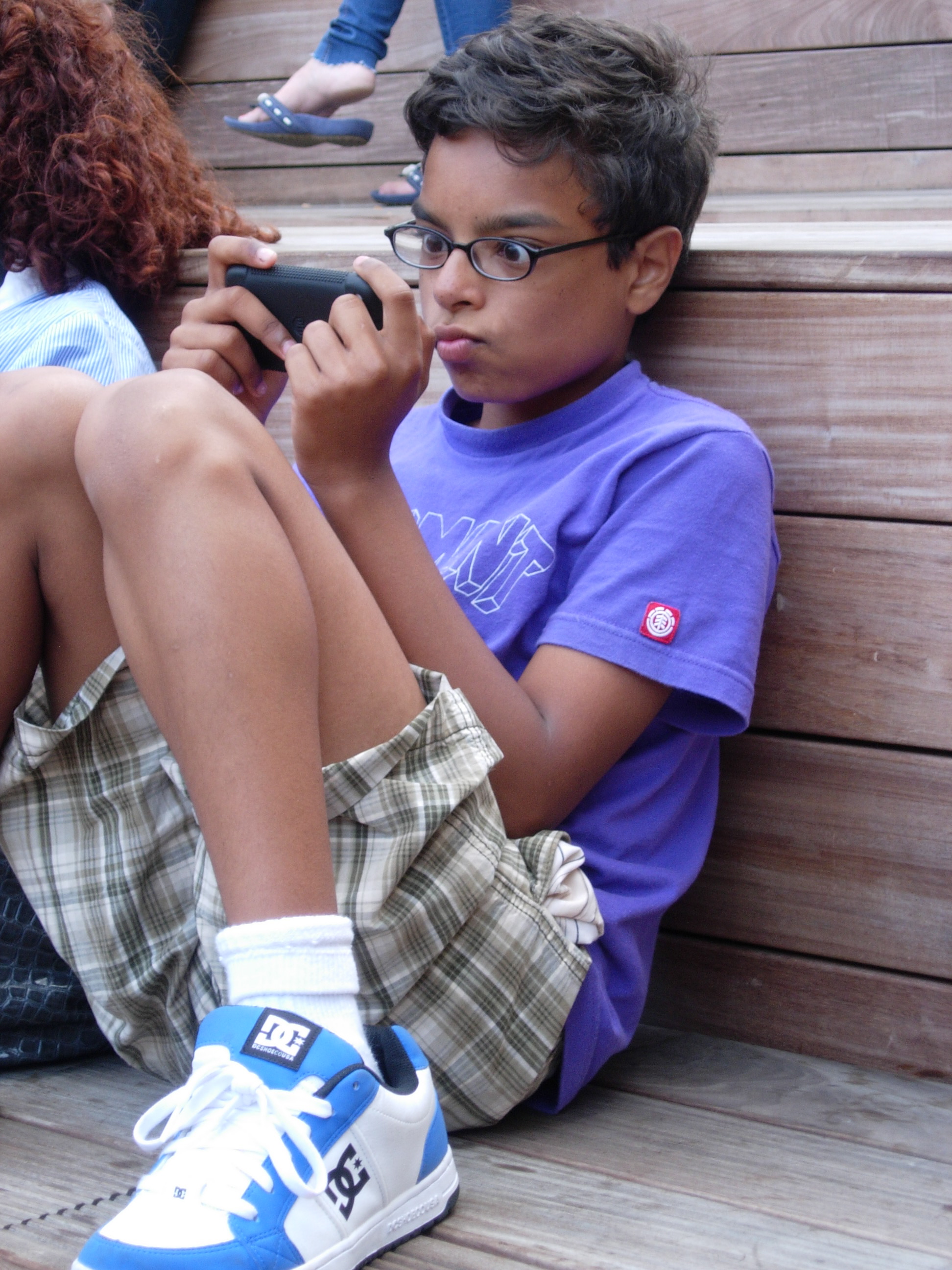
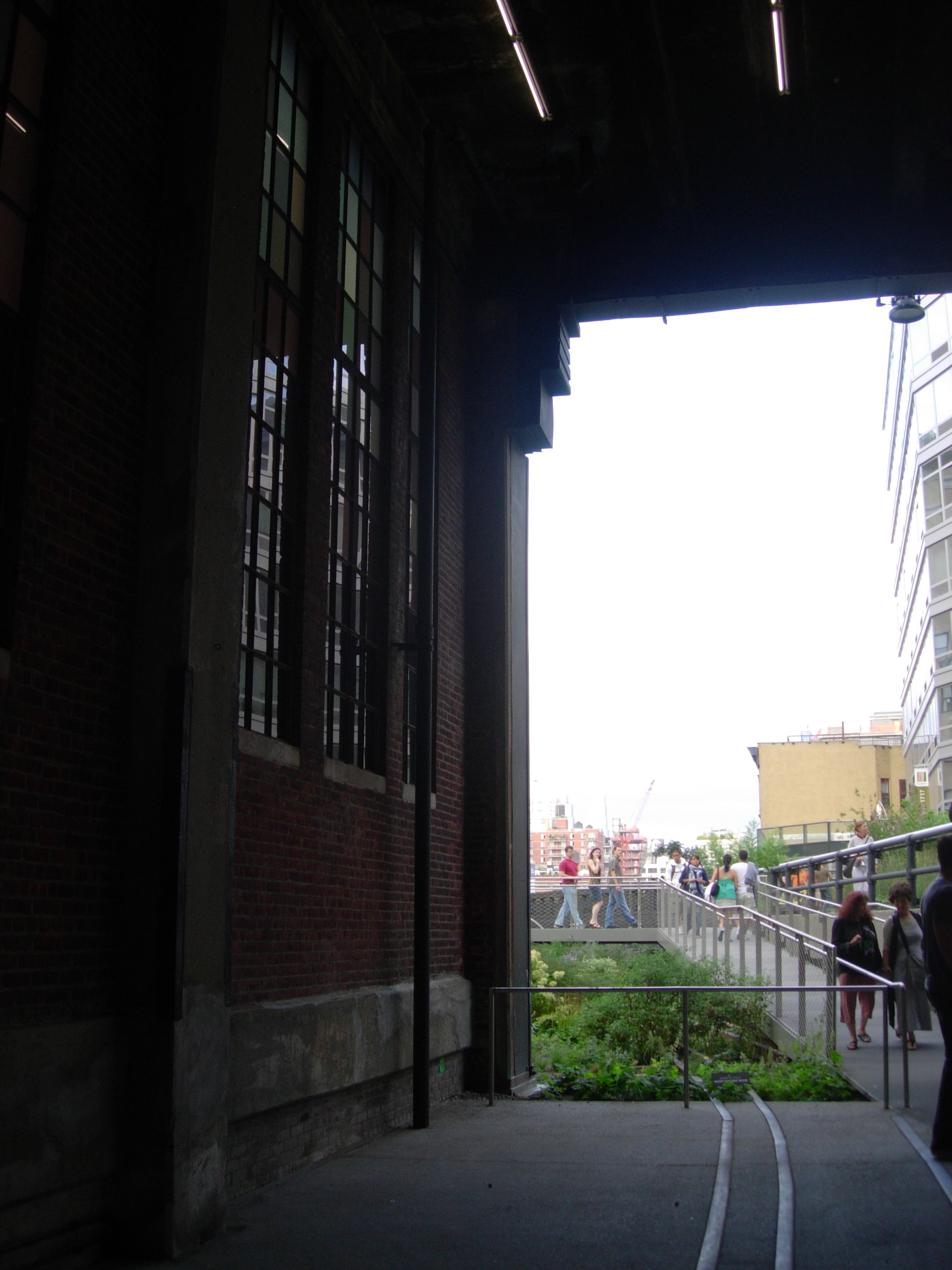
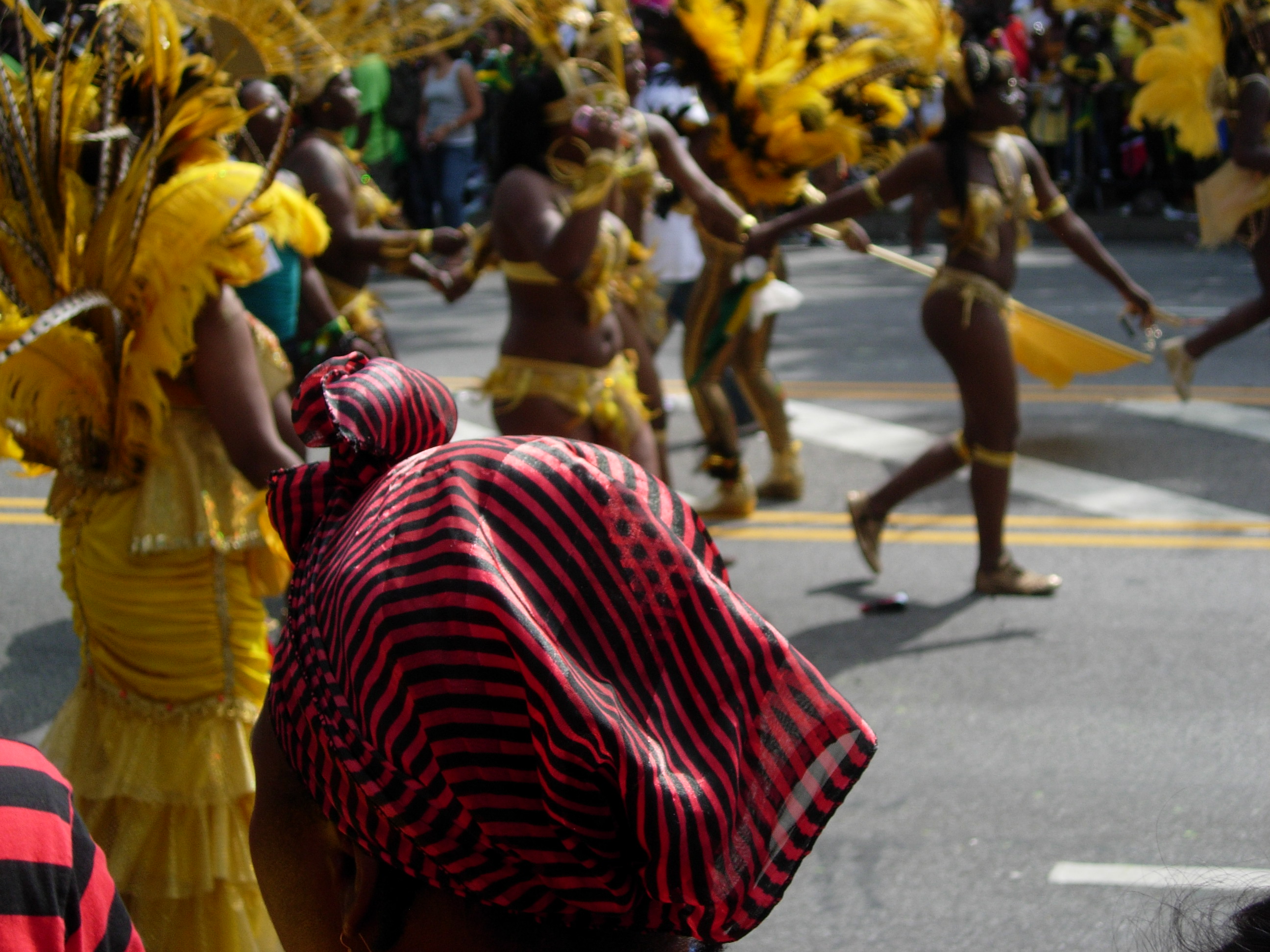

Goodness gracious, people. A lot has happened for me since September. In college towns, big cities, and on tropical islands. With old friends, new friends, mentors, lovers, family, and the lifelong “domestic partner.” Painting bedrooms, taking walks, cooking soup, learning stick-shift, finding a twin spirit in my high school crush, getting (a) into art school and (b) certified in scuba diving. Another 10-day Vipassana course (this one in North Fork, California). Sleeping on the streets of San Francisco. Living and working in a street ministry. And all the while, continuing to open, open, open up.
Part of me feels like apologizing, and trying to atone for the extended absence by crafting some sort of meaningful, powerful narrative about the last three or four months. (Autumn. Wow. All of autumn.) The most insightful insights, the most surprising surprises, the most splendid splendors. But instead, in classic Kloncking fashion, I think it’s best to begin with the tangible. And colorful. And close to home. Less talk, more action.

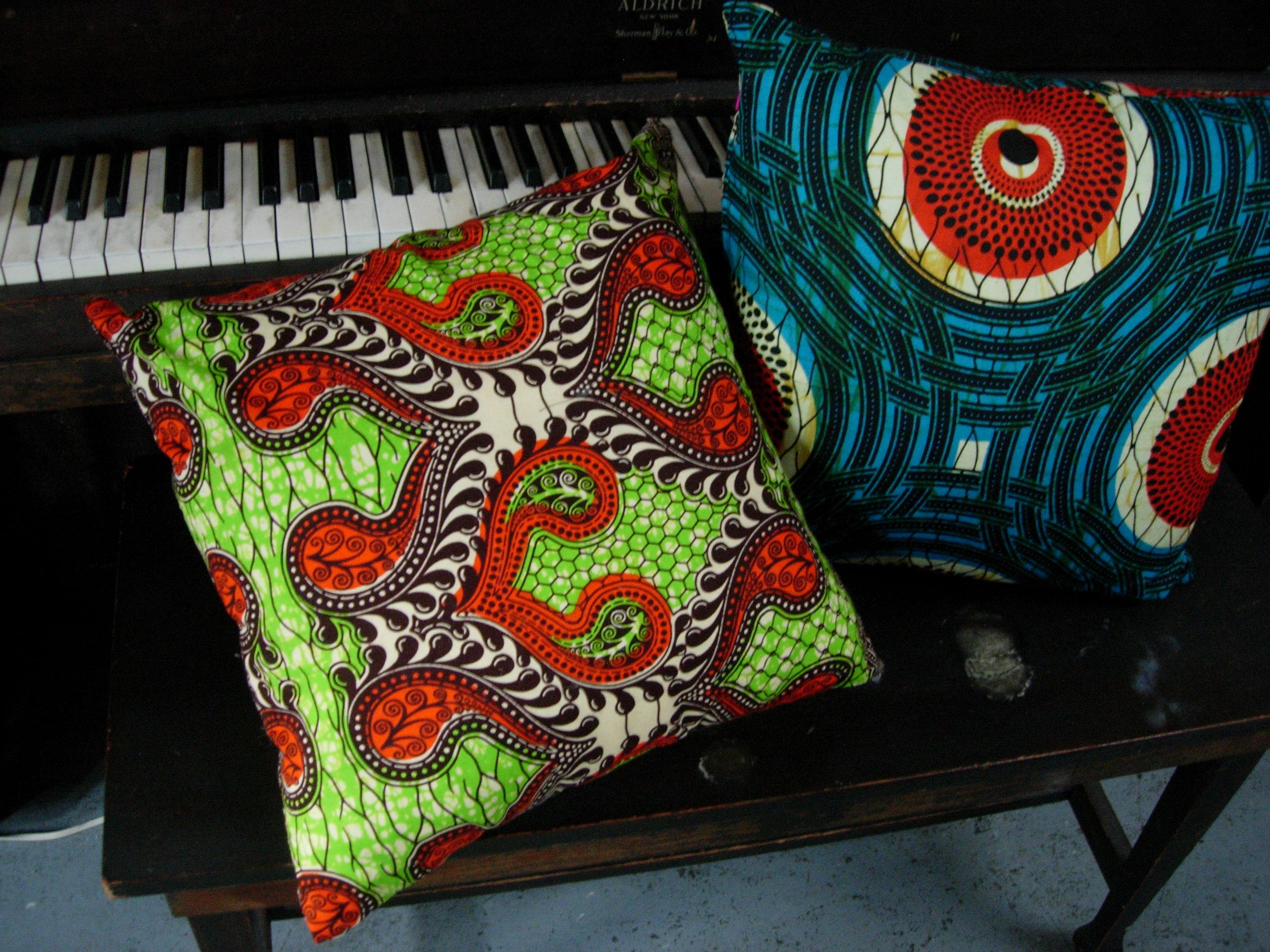
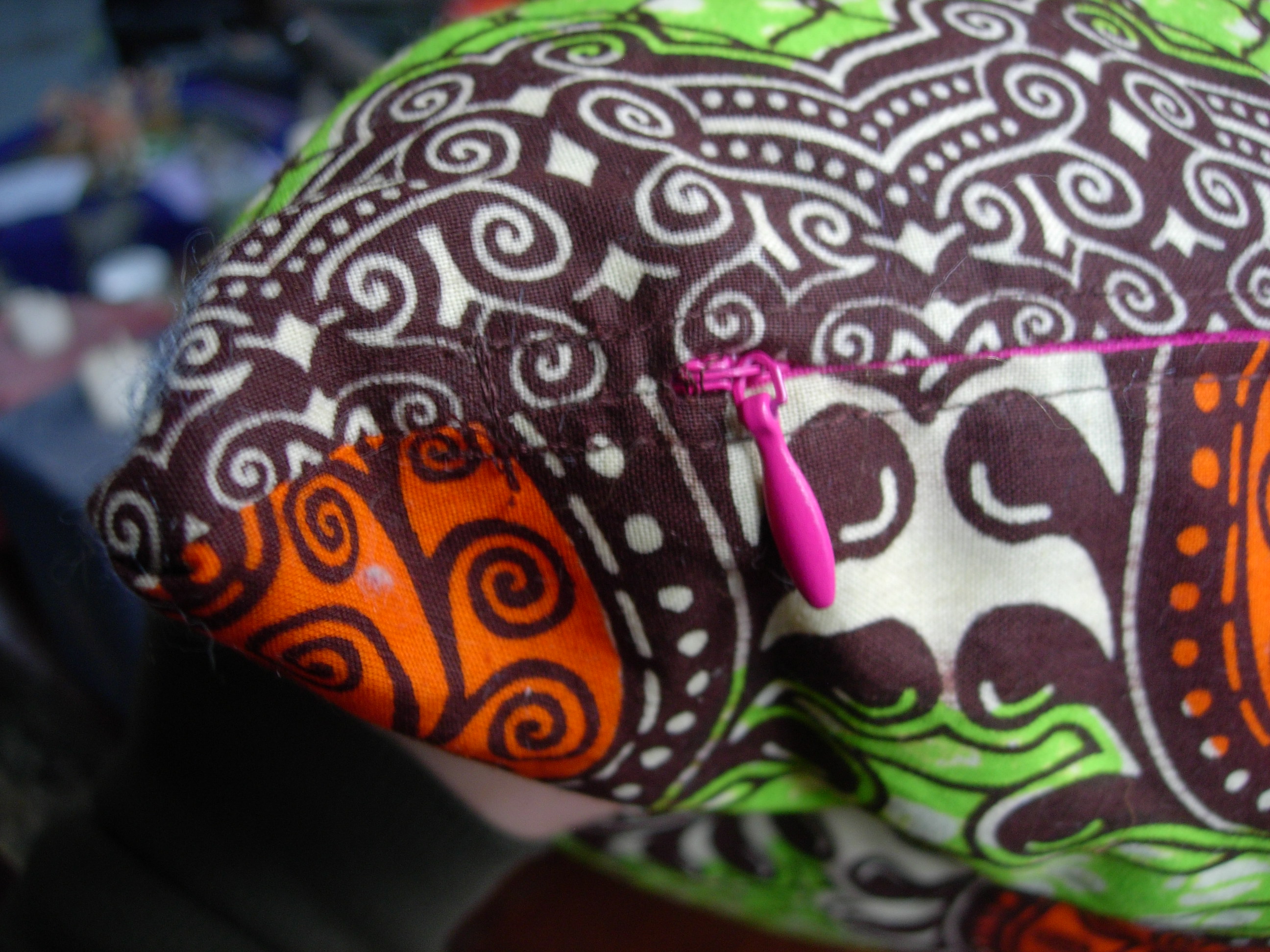
I bought these gorgeous fabrics this summer, from a very kind, friendly shopkeeper near my flat in Barcelona. When my folks came out to visit me, my mom and I decided we’d use them for a pillowcase project. She taught me how to do it while I was home for Thanksgiving. Specifically, how to add on the invisible zippers. (Invisible yet pink! Ha!)
I wish I had thought to take some pictures during the sewing process because the best part of all was watching my mother as she modeled the stitching for me, guiding the fabric through the electric machine with such rhythm and confidence and obvious pleasure. Sewing was one of her main hobbies for most of her life — she made, mended and/or altered much of her own clothing. Her mother (my Oma) was a factory seamstress, too. So mama certainly knows her way around a Singer, even though hers mostly lies dormant these days.
It was beautiful to witness her work — like watching a cheery old former minor-league shortstop play catch with his grandkids. Graceful muscle memory. Alacrity. Plus, she’s an excellent teacher for a novice like me. I’m quite proud of our results.
It’s good to be back, friends! Hope you’re well. More to come. Ps: many thanks to Kyle, who unknowingly gave me the push I needed to get this thing going again. De-lurking in person is even more fabulous.
Note: My friend Eugeni told me it’s bad luck to say it’s my “último día” ( “last day” ) in Barcelona, and instead I should say “penúltimo” ( “penultimate” ) in case I come back again someday. Pues: adios, adéu, ciao, check ya later. New York, Boston, DC, Hawaii, Sacramento, San Francisco, Oakland…here I come. :)
Cuidaos, todos,
katie
Hey y’all! Hope your week’s going beautifully. Sorry for my absence lately, but I’ve been busy with some very special visitors to Barcelona…my Mama and Pops!
Ain’t they sweet?
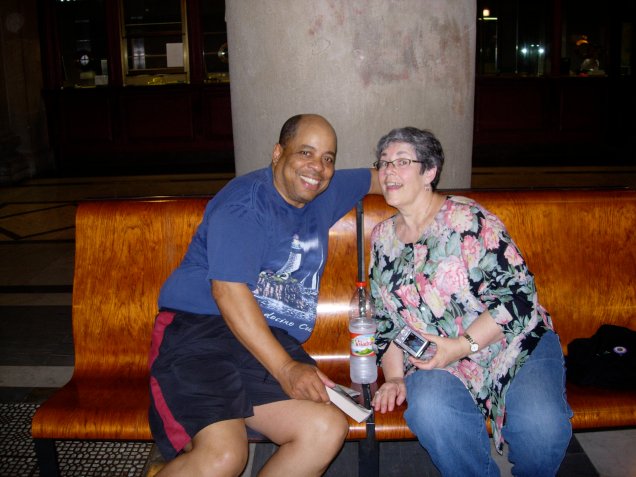
We’ve really been on the go — today, for instance, we’re taking the train to visit the Vipassana center; checking out an exhibit at the Centre de Cultura Contemporània de Barcelona (“The Jazz Century,” it’s called — and it looks fabulous); rest; dinner; wandering El Born; and then a bit of classical Spanish guitar. With a pace like that, I may not have time to post much of anything these next few days, but I’ll make it up to you some way. ;) Meanwhile, enjoy the week, wherever in the world you are.

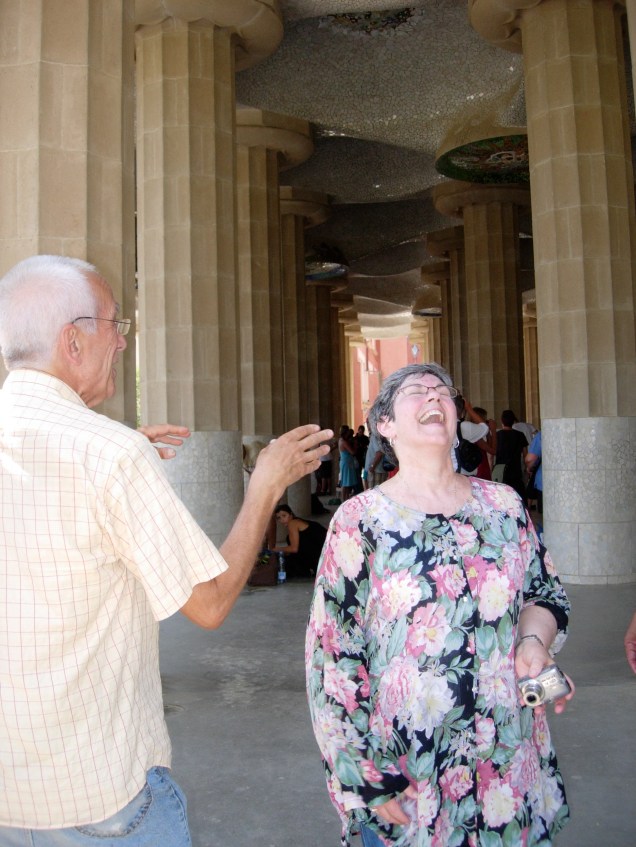
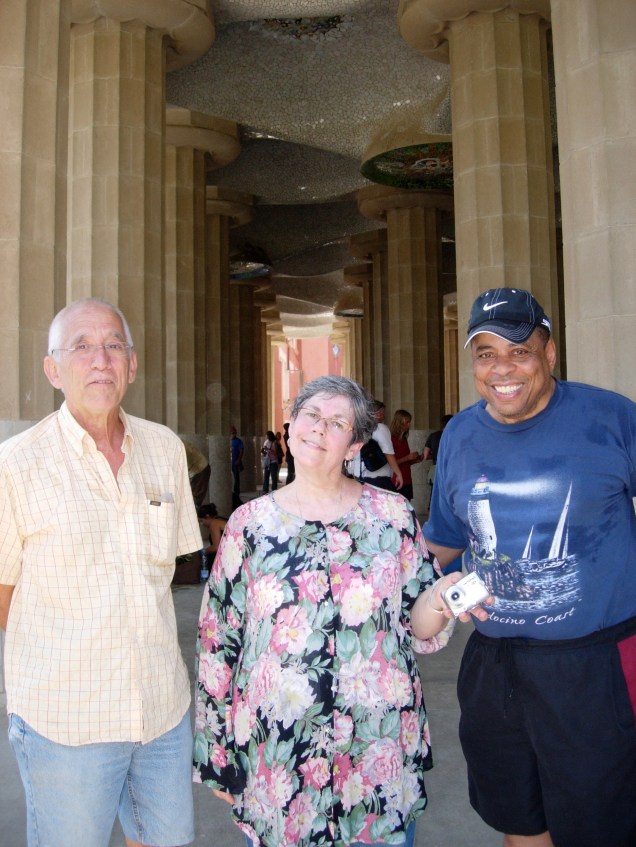
Happy weekend, y’all! Many surprises in store for next week: including a visit to BCN from an illustrious Californian couple…
cuidate,
katie
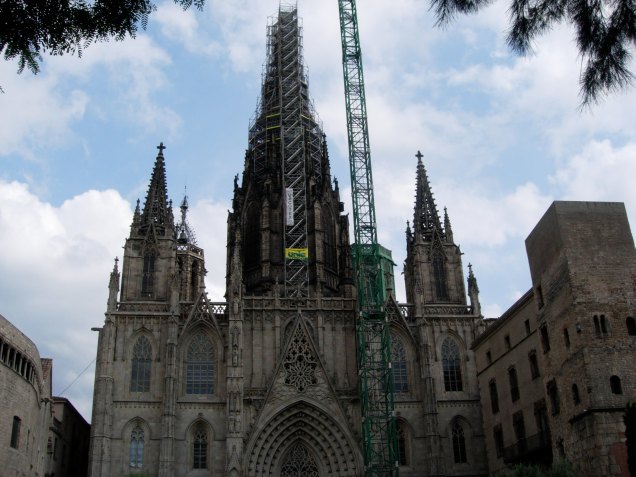
PS: Time for another official De-lurk invitation. If you’ve yet to leave a comment, don’t be shy! Drop in and say hello. Feedback always appreciated. :)
Vodpod videos no longer available.
india.arie --- I See God In You
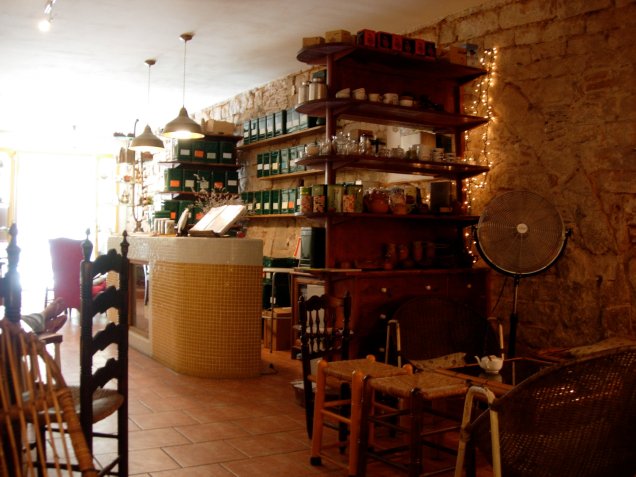
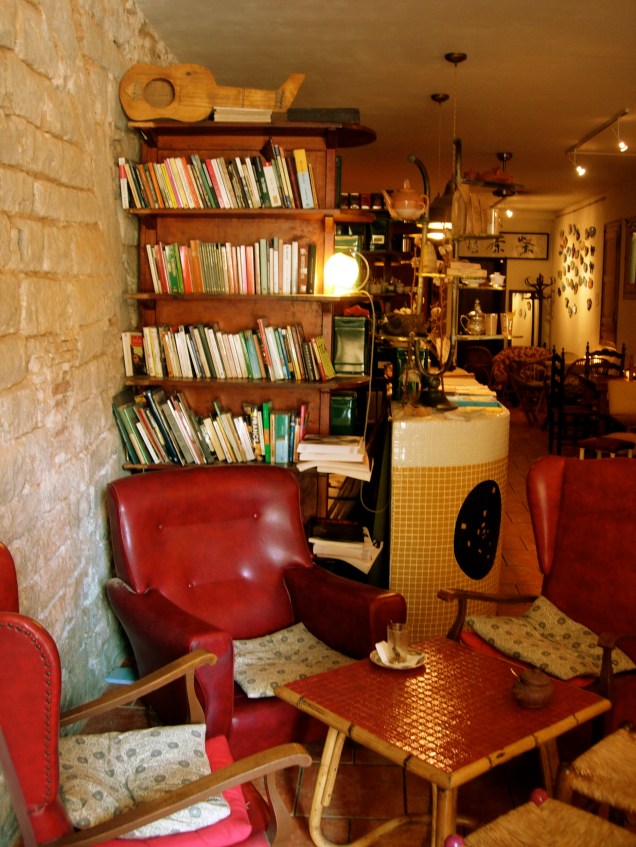
Since a friend of a friend turned me on to it way back in February, I’ve had many memorable and lucid moments in this place, my favorite little tea joint in Barcelona.
The name, I think, basically means “Tea Tea”: “Čaj” in Croatian (?) and “Chai” in Hindi. Staffed by Spaniards, Argentinians, Americans, and others; furnished with lovely old mis-matched chairs and tiny lamps; and offering teas from China, Japan, Korea, India, Nepal, Morocco, South Africa, Argentina, etc., it’s the kind of eclectic den whose global-grab-bag spirit might give off a bad vibe (hello, appropriation)…if it weren’t for the genuine sense of goodwill infusing the space as a whole. Cozy, welcoming, unpretentious, filled with music (from Oumou to ‘Trane and folks I don’t recognize), and featuring stunning work by local artists on the walls. Sort of embarrassingly similar to the kind of spots I like to frequent back in the States. But hey, that’s where I’m at, for now.
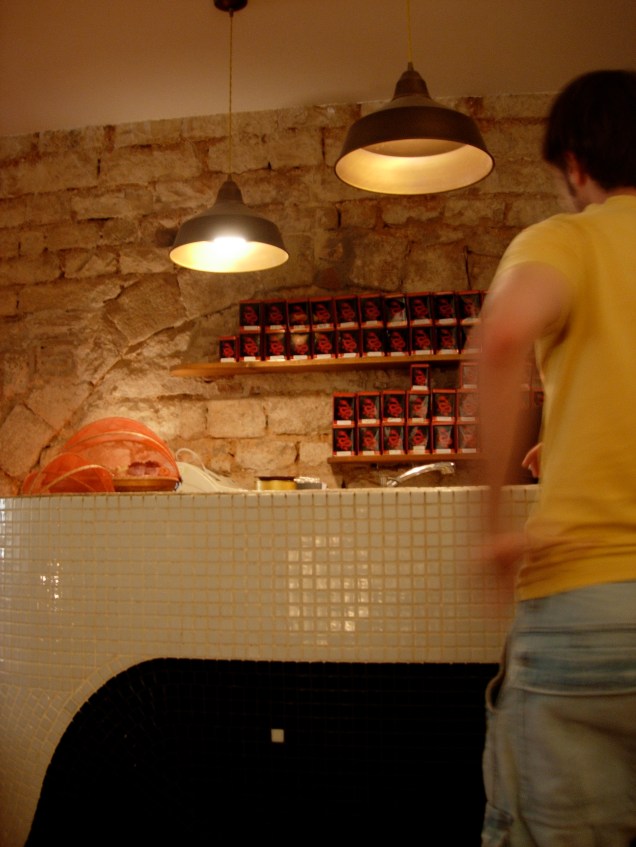
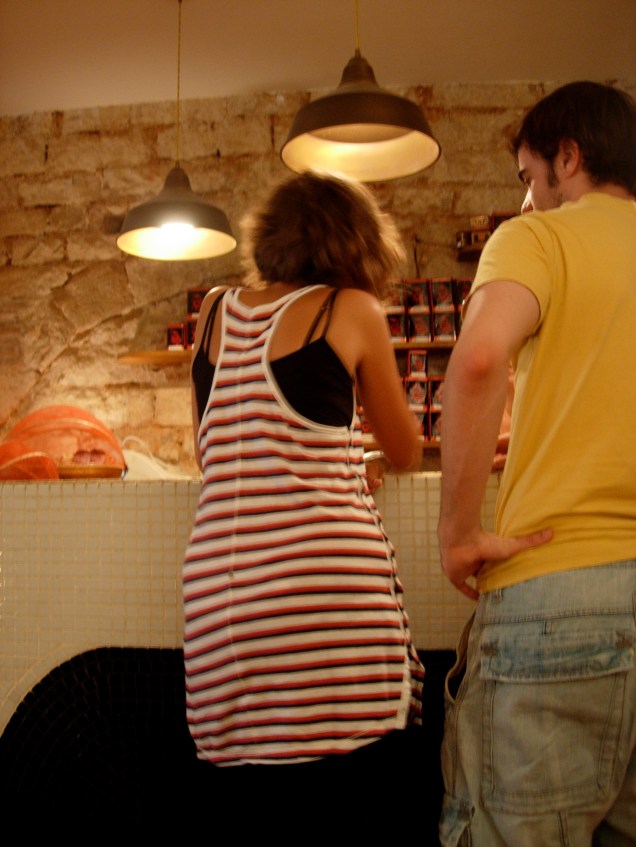
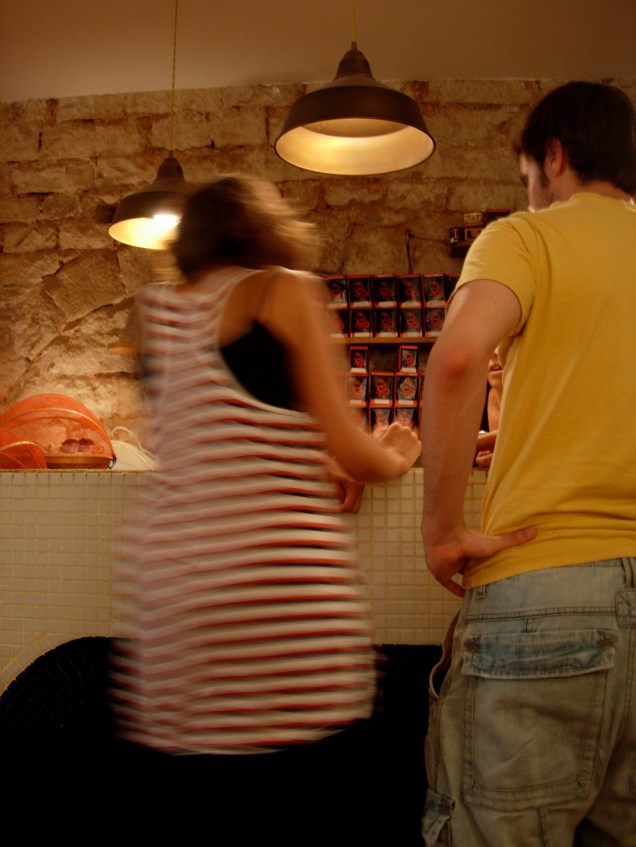
The feeling of being here reminds me of the feeling I get speaking English with a new friend in Spain or France or, better yet, India. The legacy of imperialism, colonialism, and linguistic hegemony makes me sad. But I’m also grateful to be able to connect with people through a shared language. Especially when spoken with love.
On the other hand, no matter how charming these nooks appear, or how much camaraderie they harbor (wealthy shade-seeking tourists mixing with local homeless dudes reading Shelley in Castellano), there’s still the question of their origin in other people’s labor. Who grows and picks the tea we enjoy here? Who cuts the cane to make the sugar? What are their lives like?
I don’t know how much of the stock at Caj Chai is fair-trade. Next time I go, I think I’ll ask. But even though the Fair-Trade label is somewhat reassuring, it’s no absolute guarantee. Besides, along with “Certified Organic,” here in BCN as in cosmopolitan USA, it’s become something like a fashion-designer label. And we all know fashions aren’t made to last.
There’s a lot to consider about our everyday places. Even when we’re not (as I happened to be, the day I took these photos) reading up on the life of Gandhi. :)


 Kloncke