My friend Aaron recommended this piece to me (a historical essay written by local Laney College Student Unity & Power folks) as an encouraging example of demands done well.
We are often confronted by a legacy of the Panthers as either a detoothed community service organization or all claws. But the BPP experience at Peralta shows the work of a multifaceted organic expression of a specific section of Oakland’s working class to overturn institutions that claim to serve them and remake them into bases for struggle. When the Panthers spoke of occupying a building, it wasn’t (only) to appeal for more funds from the state, but to keep the state away from self-organized community programs. This meant not simply a negation of racist, authoritarian educational institutions, but their redefinition and reuse. As the editorial of the first issue of The Grapevine wrote,
To the continuing students and student-workers, right-on to the work you have done and the work you have inspired your communities to do, right-on to your moves to secure your community institution, to moving for freedom from oppression, to moving to make this a real community college – in practice. We still have work to do, but we have reached a higher level of organizing and our work will be even more effective in the future. We will win our fight to keep our community college and control it.
This is a message to today’s student movement. Beyond “demand[ing] affordable, accessible and quality education” or “keep[ing] California’s original promise of higher education” lies the seizure and re-invention of these institutions around fundamental principles of self-determination, self-management and freedom from oppression.
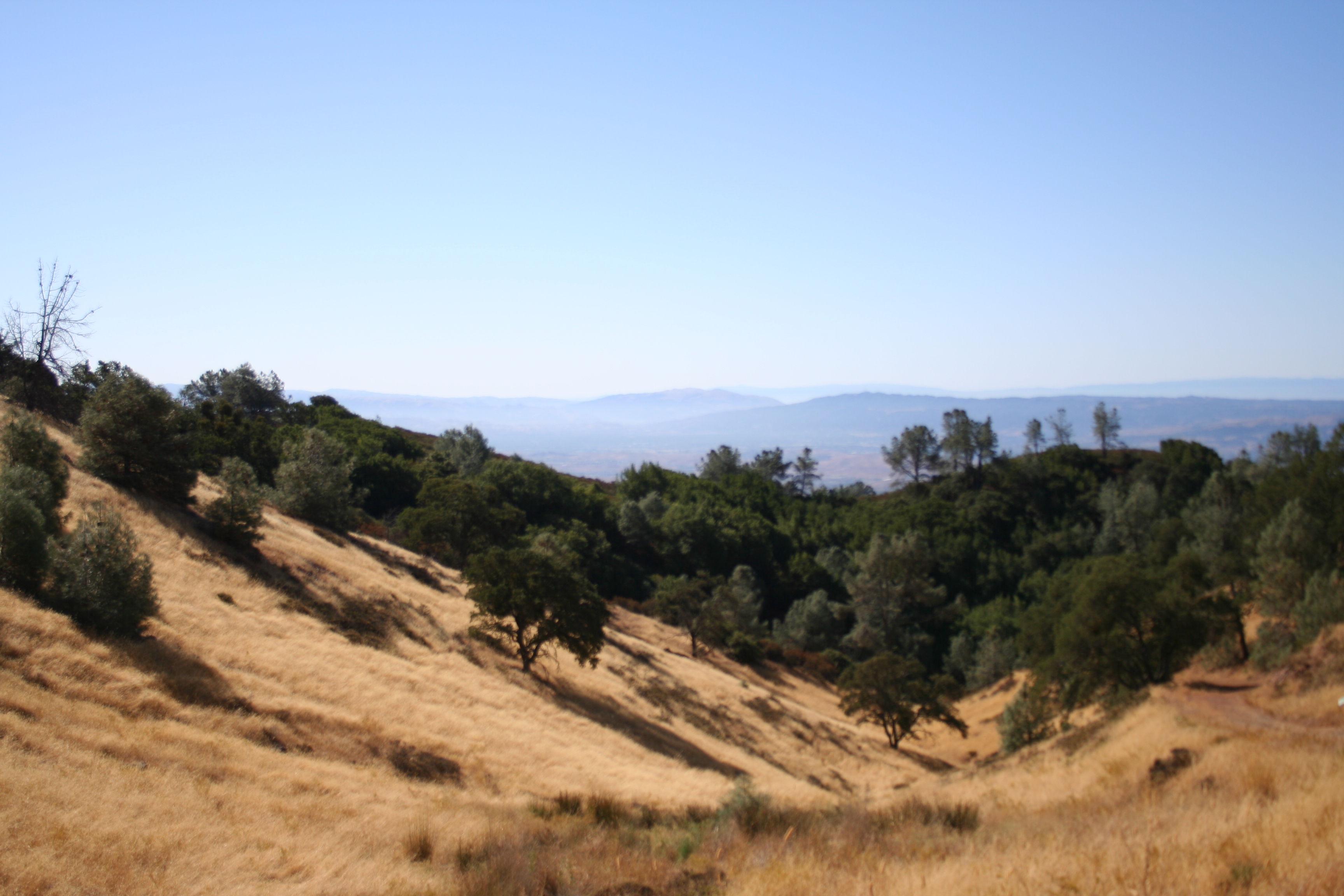
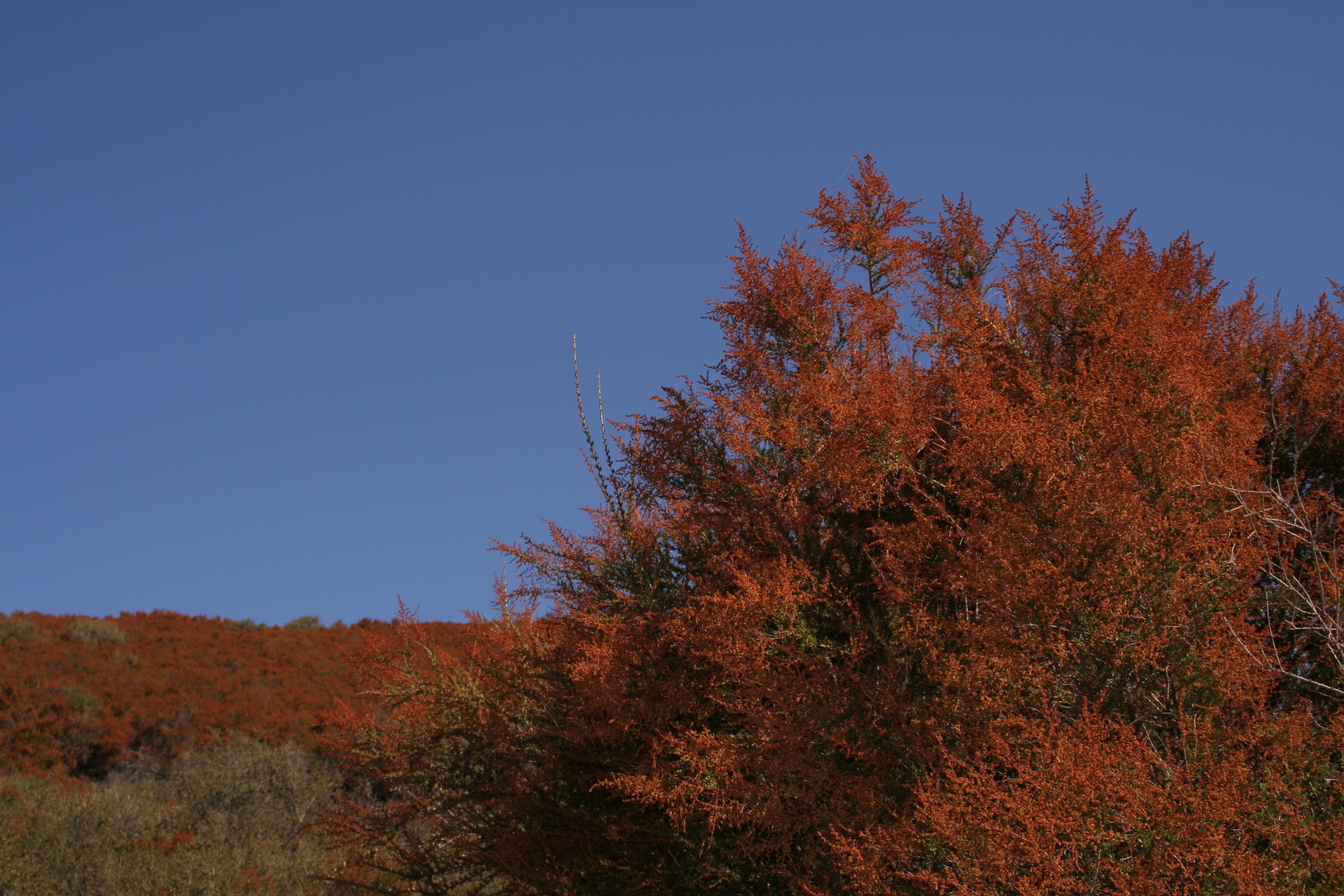
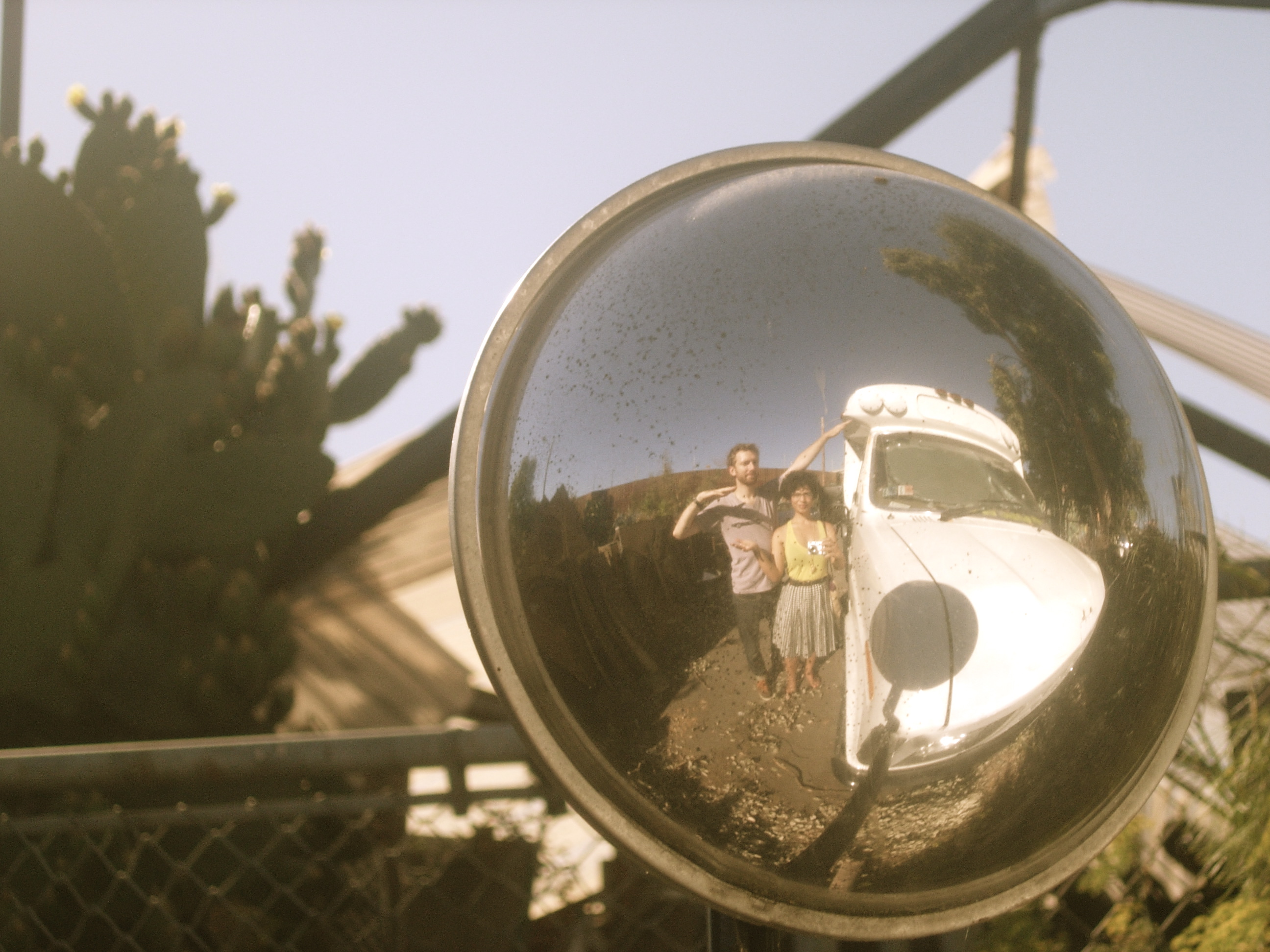
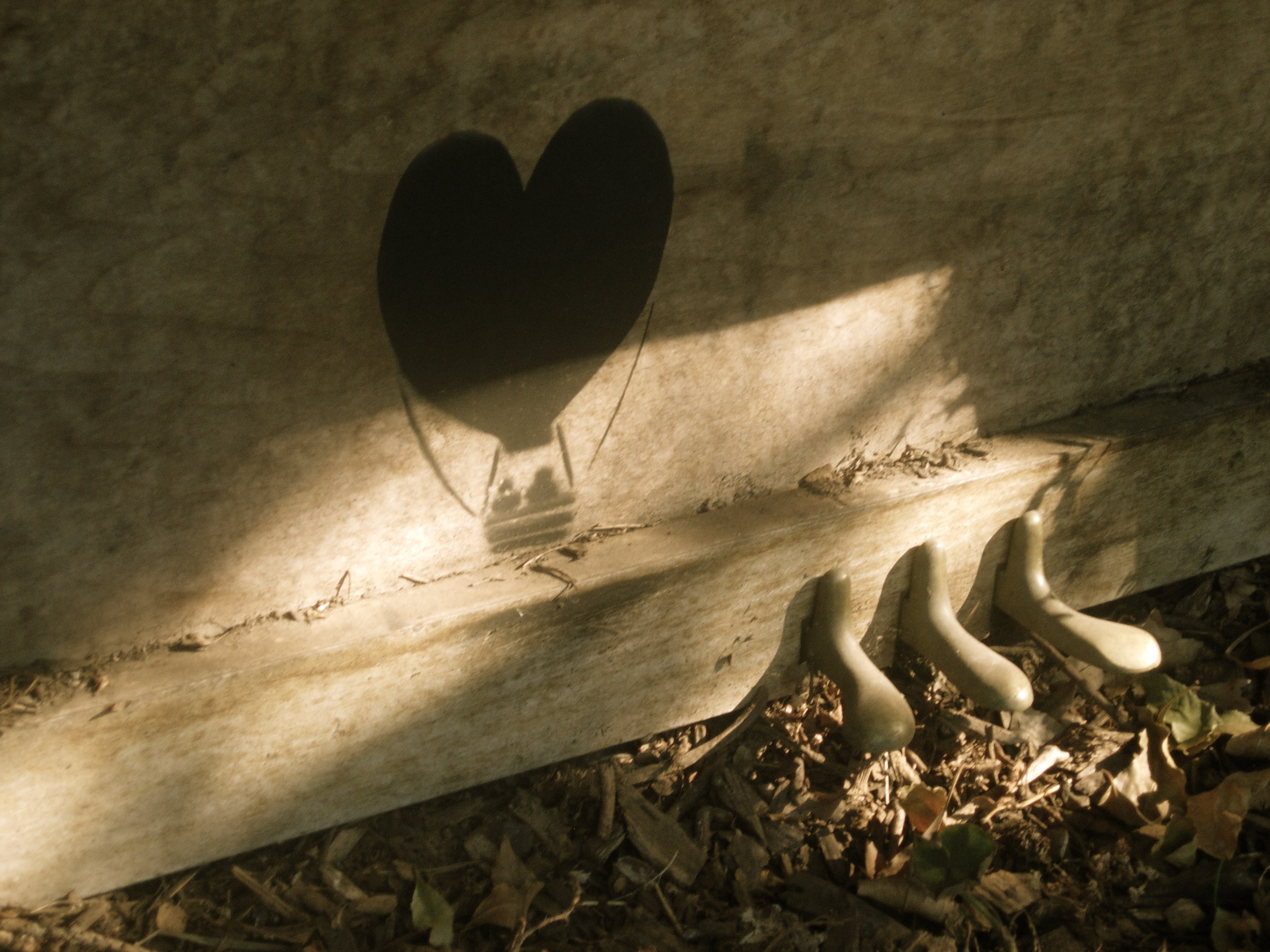
Hopefully by November I’ll have a little time to actually learn how to use this new camera. So far I’ve just fiddled chaotically with it, and since I got it used I don’t have a manual or anything. (Nor even basic knowledge about photography.)
So until I can study up on my own or take a free class, I’ll stick with appreciating the colors. Mmm, colors.
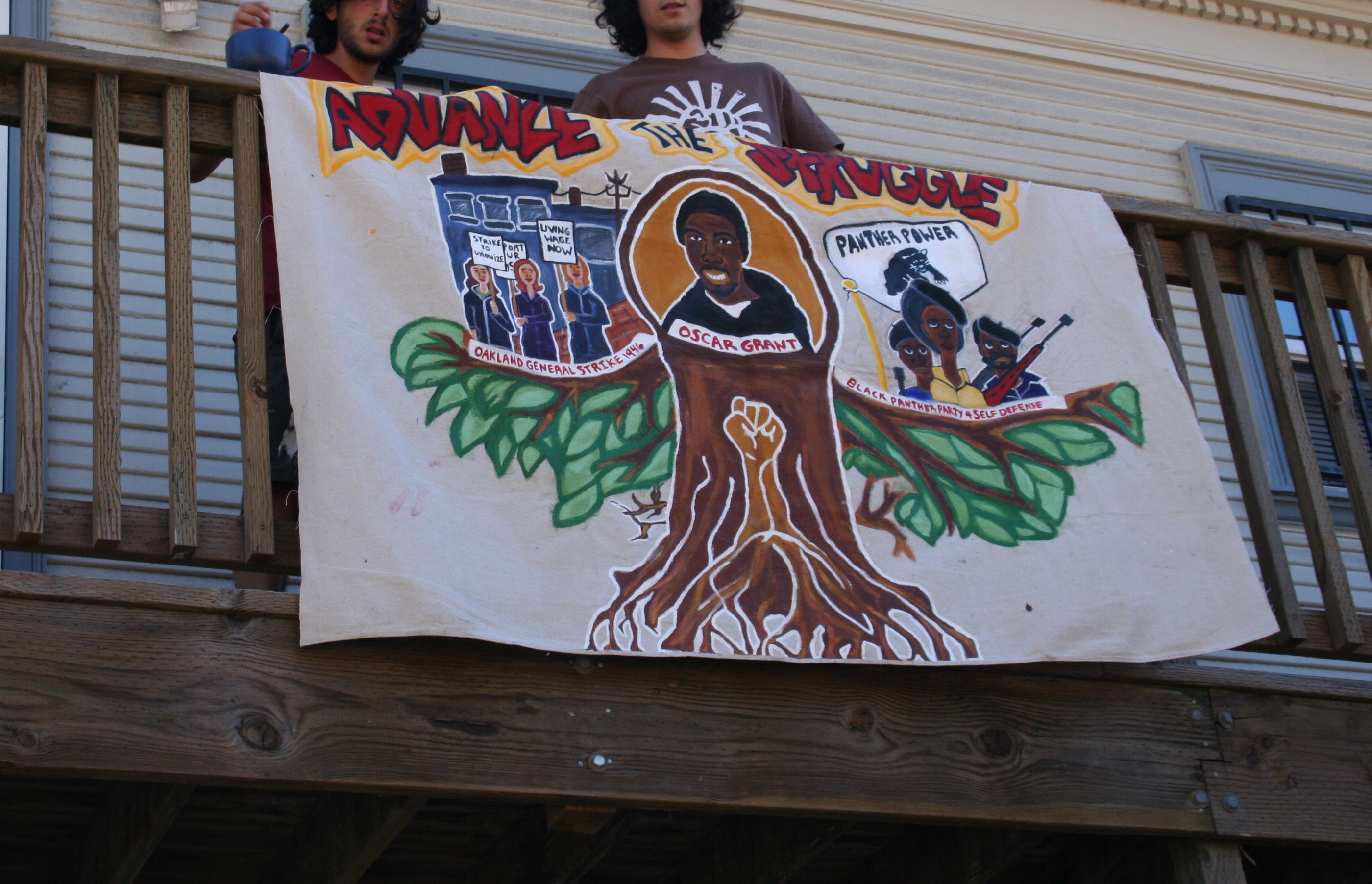
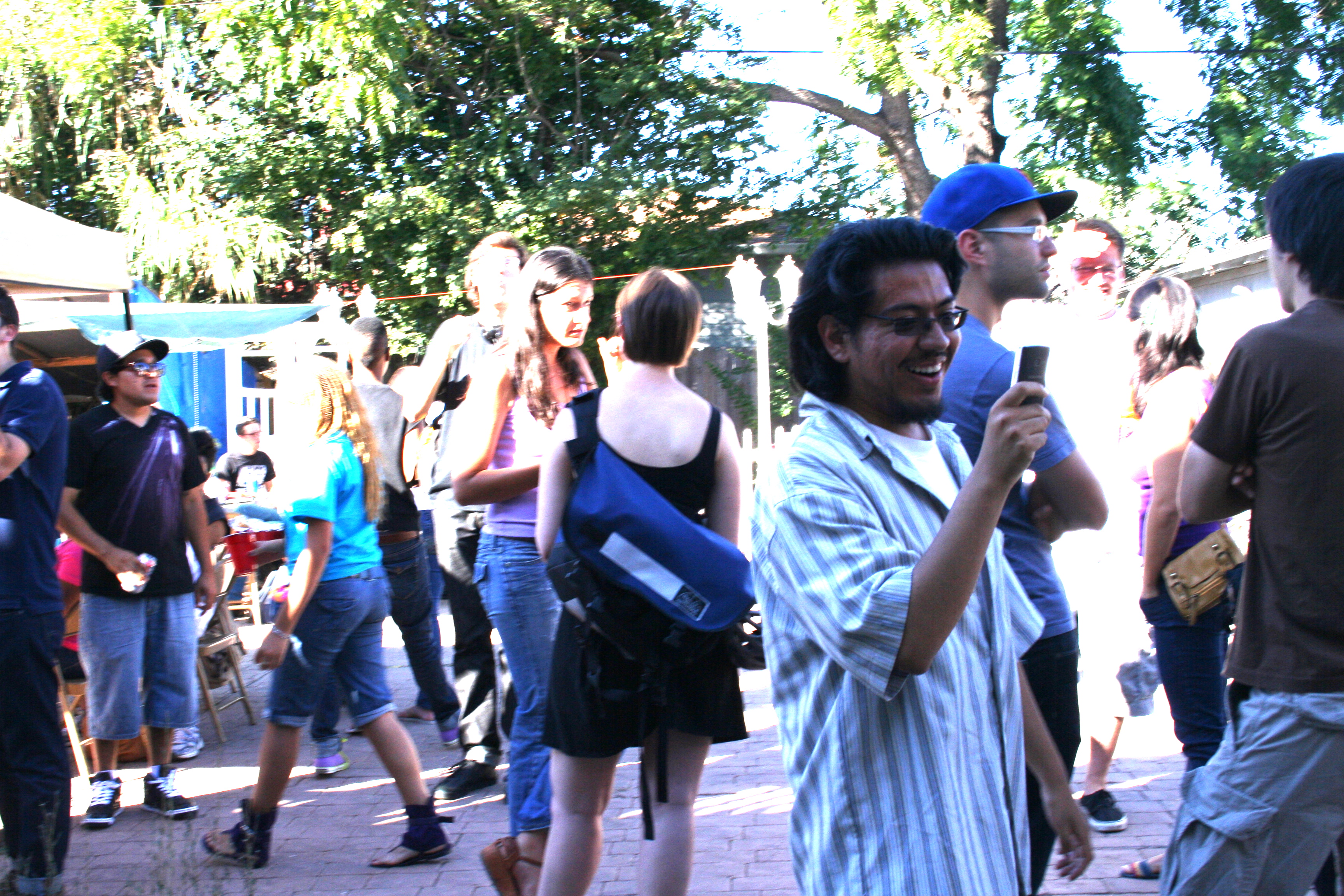
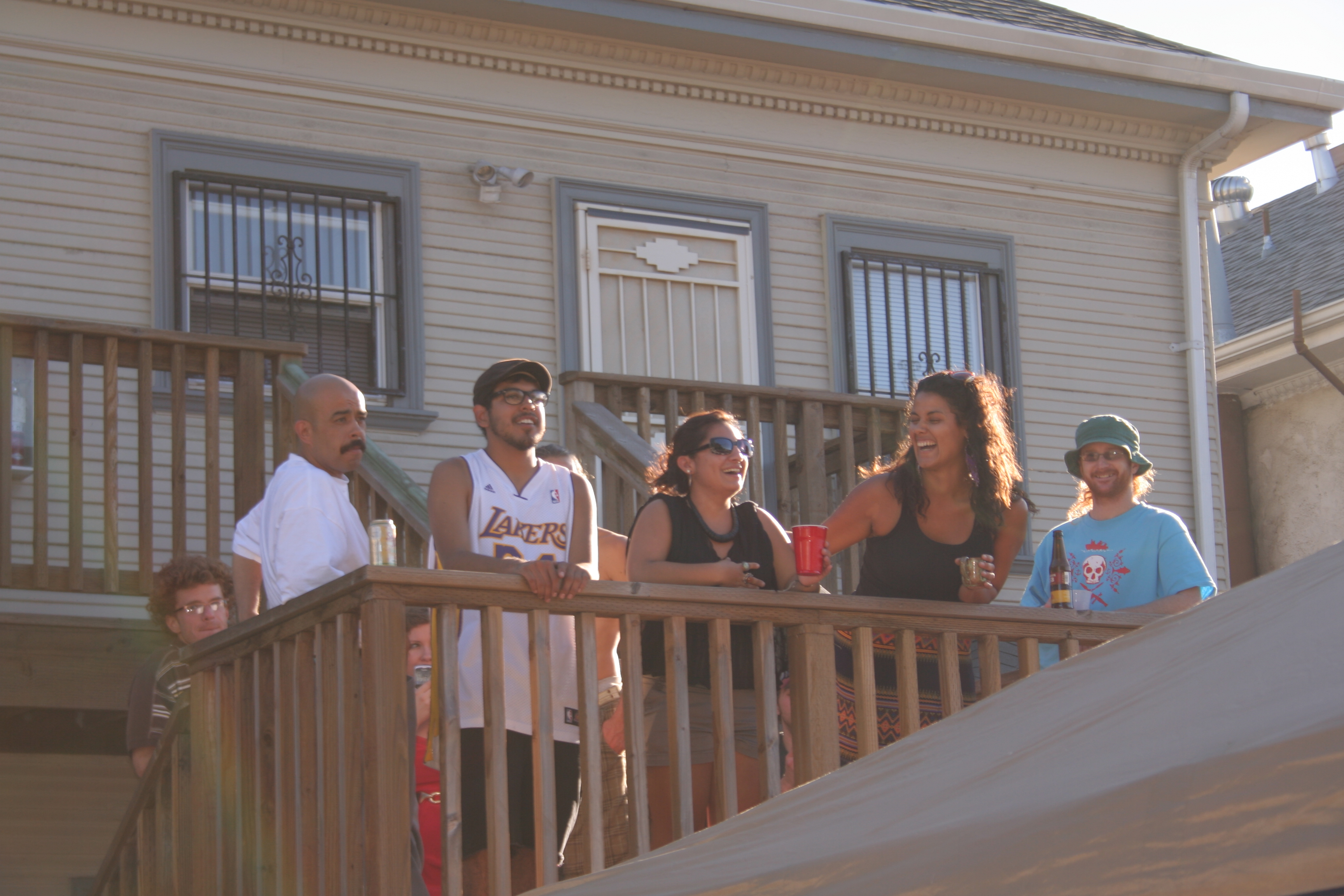
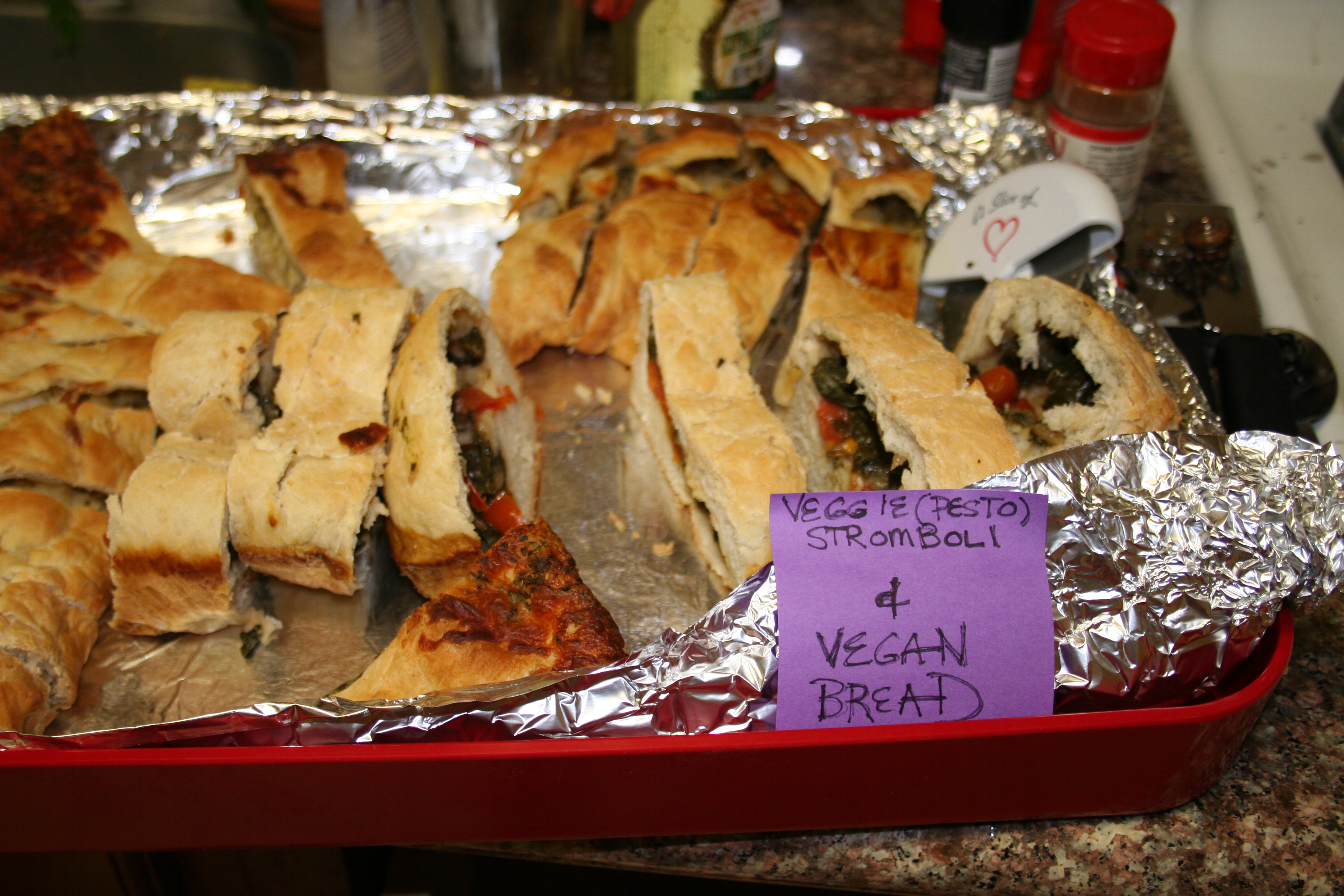
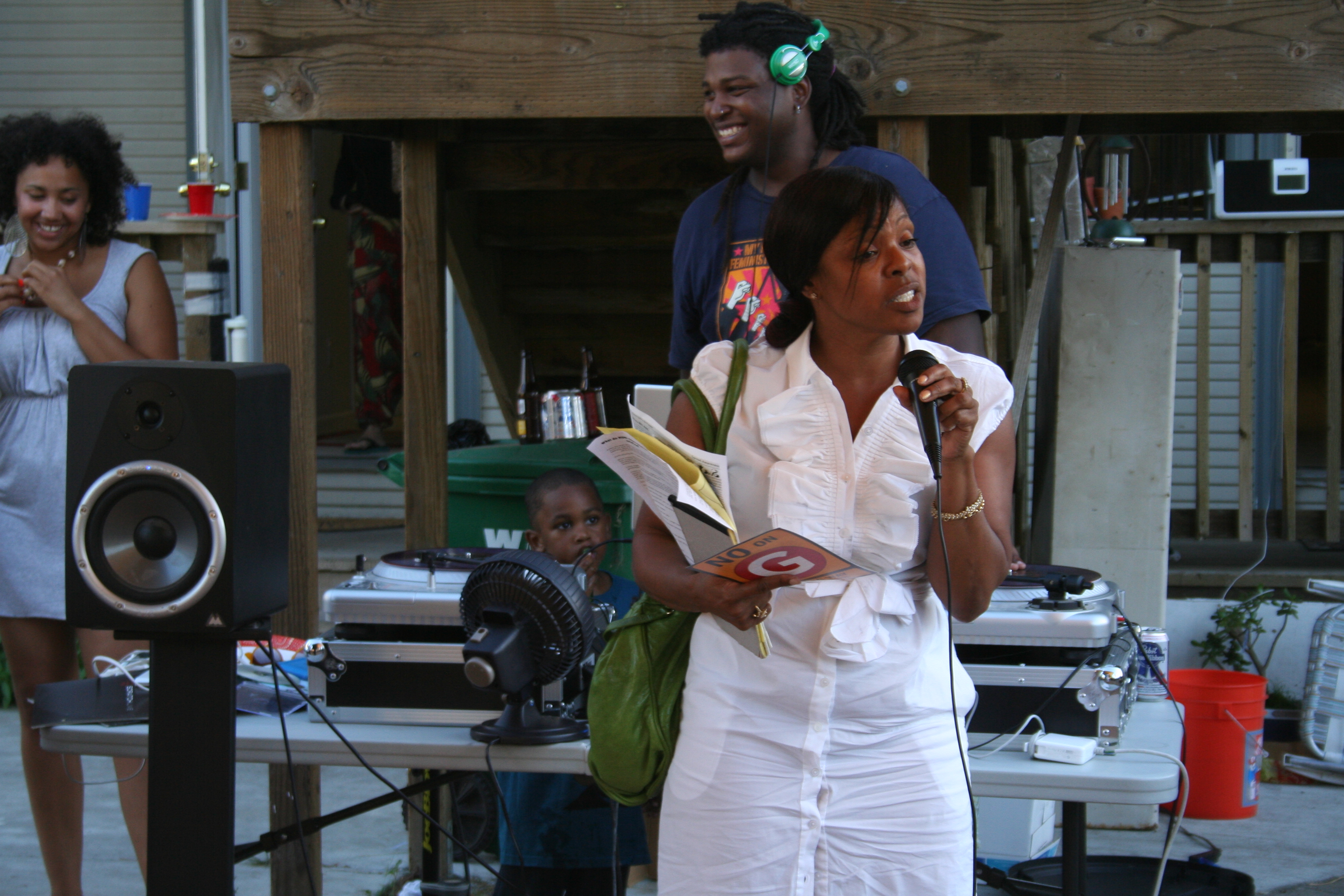
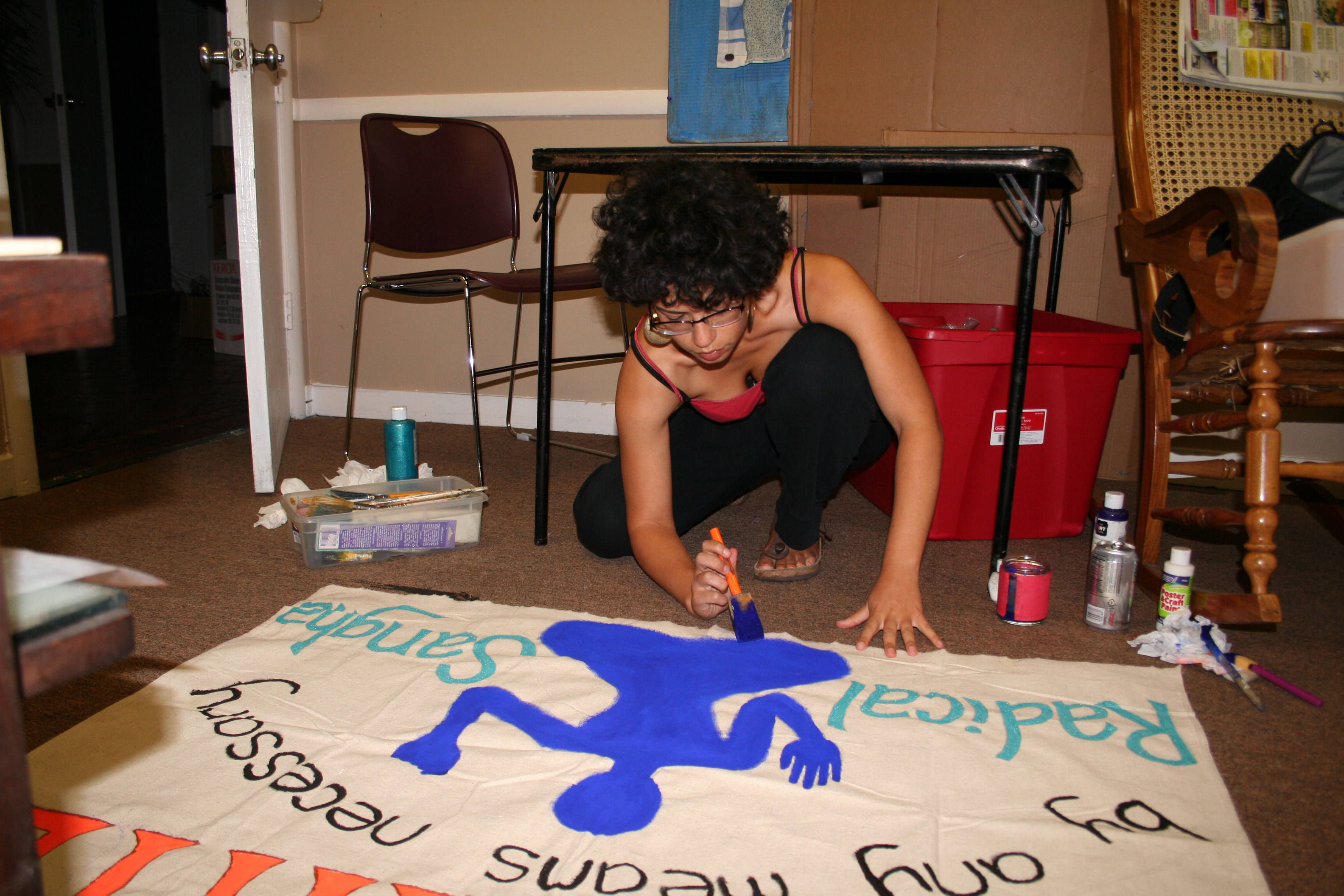
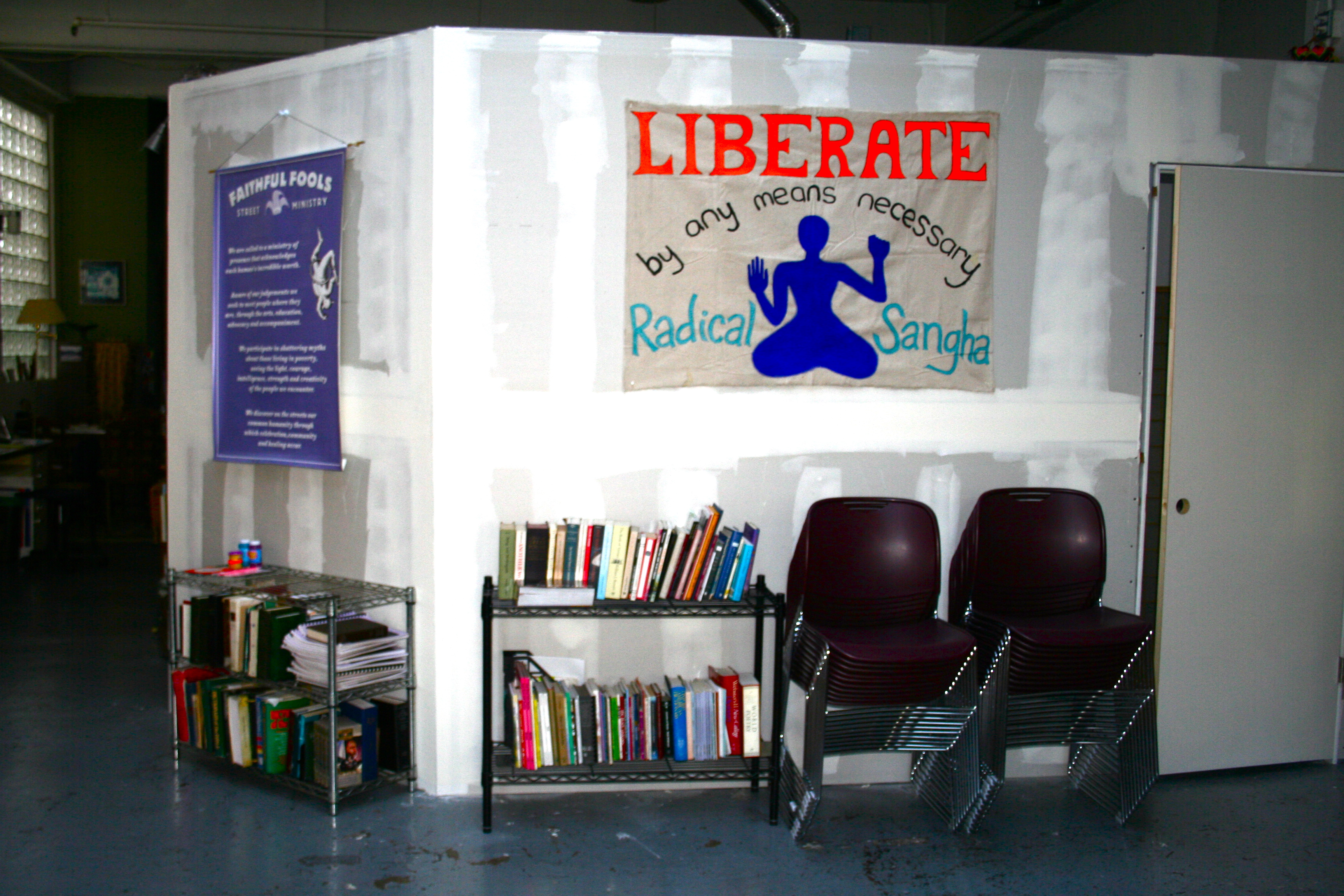
Some friends threw an utterly beautiful “Radical BBQ” yesterday in Oakland. Young and old, different races, different genders and presentations, fun, kind, relaxed, co-operative, joyful, political. Food (good heavens — Dani made these amazing stuffed stromboli and vegan bread from scratch); music and dancing; a speech from a MUNI driver (SF public transit) on the struggles they’re facing among the rank-and-file; wonderful art (check the Advance the Struggle banner: gorgeous). And they even provided art supplies for people to do their own thing. I took advantage and sketched out a small banner to use for Radical Sangha. Took it home and spent the night painting and finishing it up.
The banner may come in handy tomorrow evening, as the scheduled Radical Sangha will be meeting and then carpooling to San Quentin prison to join the protest of the first death-penalty execution in California in four years. Albert Greenwood Brown is scheduled to be killed by the state on Wednesday. The decision to resume executions (backed by Jerry Brown) was sudden, and has shocked a lot of folks who’ve been doing anti-death-penalty work for years. I only heard about it last Thursday, through folks in Oscar Grant organizing.
I’ll be writing up some thoughts and questions soon on tactics and strategy for radical organizing (sparked in part by an event the Faithful Fools catered yesterday: a talk by lifelong activist and frequent prisoner Father Louis Vitale, a Franciscan priest who works around anti-nuclear intervention and the School of the Americas Watch). Part of me feels ambivalent about attending a protest of the death penalty, with no clear mechanism for affecting this structural, state violence. But I also feel that with the proper perspective, and in tandem with different types of tactics and organizing, it can be a fruitful part of a holistic, loving, politicized life.
What really bugs me is that I won’t be able to make it to another dope event featuring my friend’s mom: An Evening of Solidarity with Women of Haiti. If you’re in the Bay area and not coming to the execution protest, think about hitting this up instead.
[6:15pm Edit: Now with photos, continued below the jump]
It’s 5am in Sacramento, and I’m about to drive Ryan down to North Fork, California (about a 3 hour trip) to begin his first formal meditation instruction: a 10-day Goenkaji Vipassana course. Yup, that’s the same one I dove headlong into, totally unprepared, a year and a half ago in Barcelona. The wake-up-at-4-am, sit-10-hours-a-day, work-through-some-of-the-toughest-physical-and-psychological-pain-of-my-life-and-come-out-smiling retreat.
Shortly after that first course of mine, I got some sobering love-life advice from a wise (okay—somewhat creepy, and definitely trying to get in my pants, but nevertheless wise) 40something German meditator dude. Dude said: In a two-person relationship, if one person is progressing spiritually and the other is not, it will cause a painful imbalance that is exceptionally difficult to handle. Naturally, individuals have different strengths and interests in life, but when it comes down to it, a big gap in insight progression will probably spell incompatibility.
This makes sense to me. And also scares me. (And not because I presume that I’d be the one advancing.)
Fortunately, though, in the first partnership I enter after this combination-come-on-and-counsel, the partner not only has an intuitive grasp of a lot of dhammic principles (as I see it), but more importantly has a strong and genuine interest in deeply exploring reality, reducing needless suffering, and being guided by compassion.
Hey friends, sorry this post is so late. As I mentioned, my dad’s in the hospital, so I’ve been running between SF and Sacramento, juggling work and family and friends and politics — so what else is new? — but right now with more emphasis on the family.
Unsurprisingly, as tough as it’s been to see my dad sick, it’s also offered many opportunities for grounding, reflection, and appreciation. That’s how this clear-sightedness stuff works, sometimes, in the midst of difficulty.
And it’s reminding me of a less-serious incident, a couple weeks back, when Ryan and I arrived, stomachs bellowing with hunger, at a highly recommended Thai restaurant tucked away in a corner of Oakland, only to discover that it didn’t open for another half hour. (I say this event was less serious, and it was, but I think we can all agree that when crap like this happens to us it can feel pretty damn grave.)
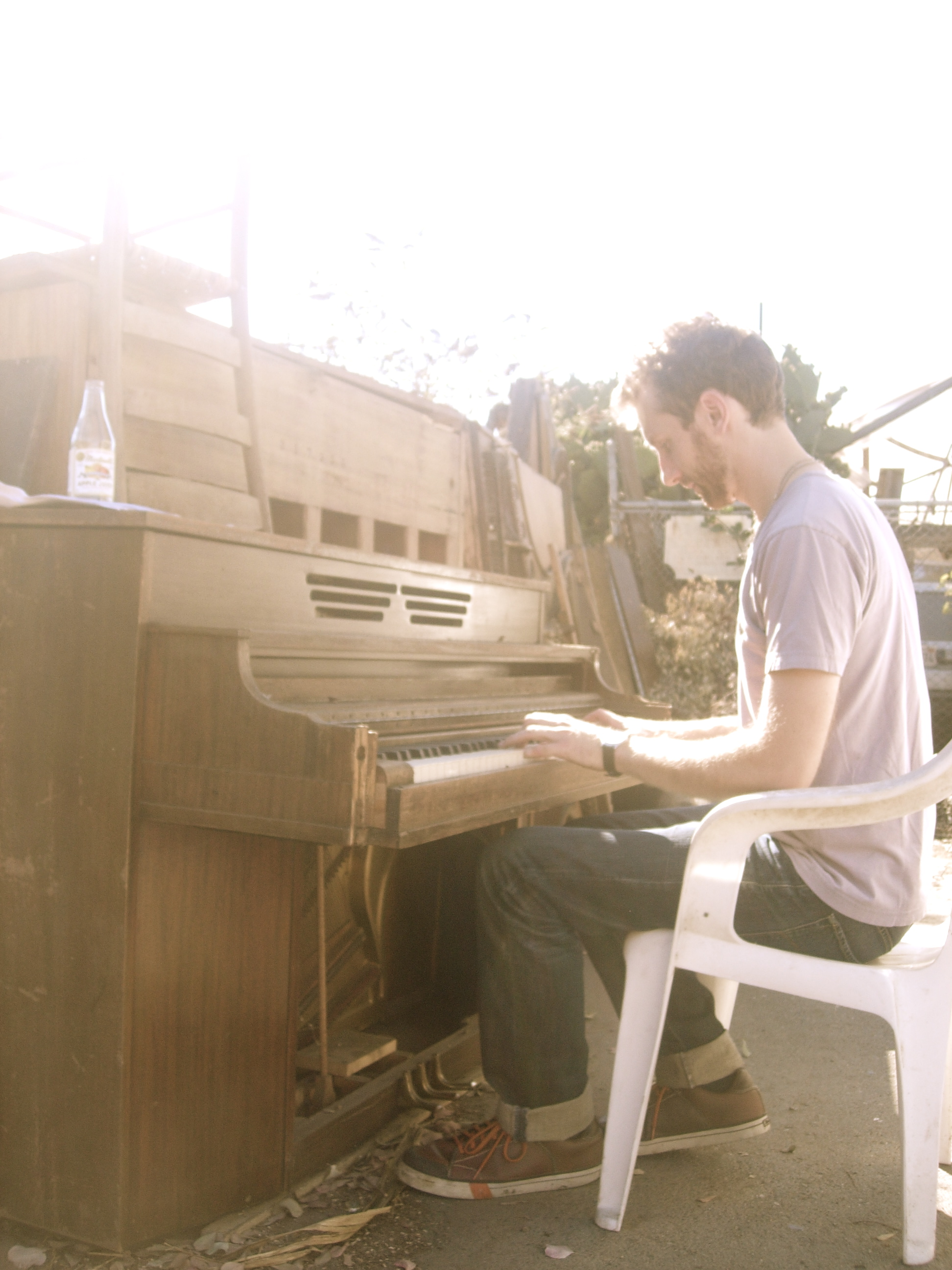
So there we were, ravenous and cranky. But as luck would have it, the same alley that housed the restaurant also contained a tiny, art-filled park. “Dog Shit Park,” as a wooden sign proclaimed. (Or warned.)
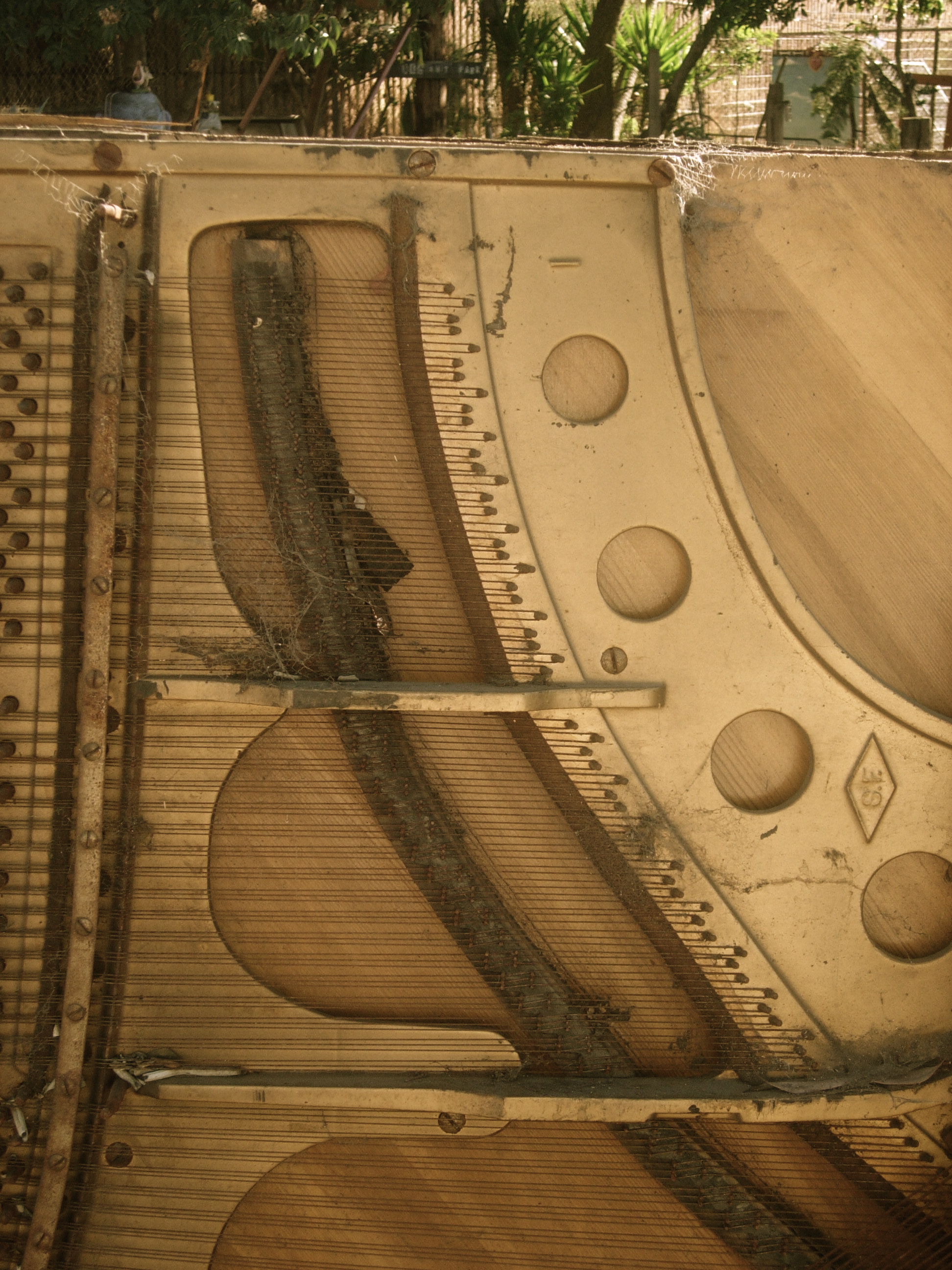
Busted pianos, colorful sculpture, plants and trees and chairs for sitting. And so, as we’ve seen before here on Kloncke, an inconvenience turned into a lovely opportunity.
I wanted to write and tell you that directly but I can’t find any contact info. So if you are reading this, please know that I am sending you all kinds of mental hugs and mental bows and mental incense and mental plantains (yum!), and thanking you so very deeply for your work and inspiration.
Sorry I didn’t get a post up today, folks! Wednesday is my one day off from work at the Faithful Fools, and this one I spent in an especially uplifting way: having one-on-one meetings about Oscar Grant organizing, disarming the BART (Bay Area Rapid Transit) police, and organizing spiritual communities against Prop L: the sit/lie measure on San Francisco’s November ballot that would make it a crime to “sit or lie down on any sidewalk or on top of any object (blanket, lawn chair, milk crate, etc.) on any sidewalk in San Francisco between 7 a.m. and 11 p.m.”
Plus, inspired by the response to the Dangers of Compassion post, I’m tryna make moves to get a little radical sangha started here in the Bay Area: a group of dhamma practitioners (mostly of-color and gender-oppressed, hopefully) with structural critiques of oppression and empire. It wouldn’t be the first or the only, I’m sure, but hey — if folks are interested, why not start another?*
So anyway, my apologies for not having a real post offering for today. Luckily, however, I can call on my good friend, fellow compassionate actor, and future-famous-writer, Mary Catherine Curley, to fill in. Here is a snippet from her blog The Over-Cher, which I crawled out from underneath my rock just long enough to discover this week.
Some time ago, while taking pictures in Central Park with some co-conspirators, I became criminally excited about the idea of taking a picture in which we were all standing behind a tree, but leaning out so you could see our heads. In my mind, this was an established genre of photograph that I wanted to be a part of. My “co-conspirators” told me this was the stupidest idea ever. I think you know what I thought then:
Take MC’s wisdom to heart, compassionate militants! No, really. The next time you feel tempted to give in to beefing and sectarian infighting, or if you feel silenced by a movement patriarch, remember our friend in the sleeping bag suit, and keep your head up.
See you Friday, friends!
——————————————————————
*If you are in the Bay Area and interested in joining up with this radical sangha business, write me at katie (dot) loncke (at) gmail (dot) com, and let’s get acquainted! I’m pretty serious about the people of color and gender representation, but that doesn’t mean that if you are a middle-class white dude you can’t participate. It probly just means that you will need to wait your turn. So write me anyway!
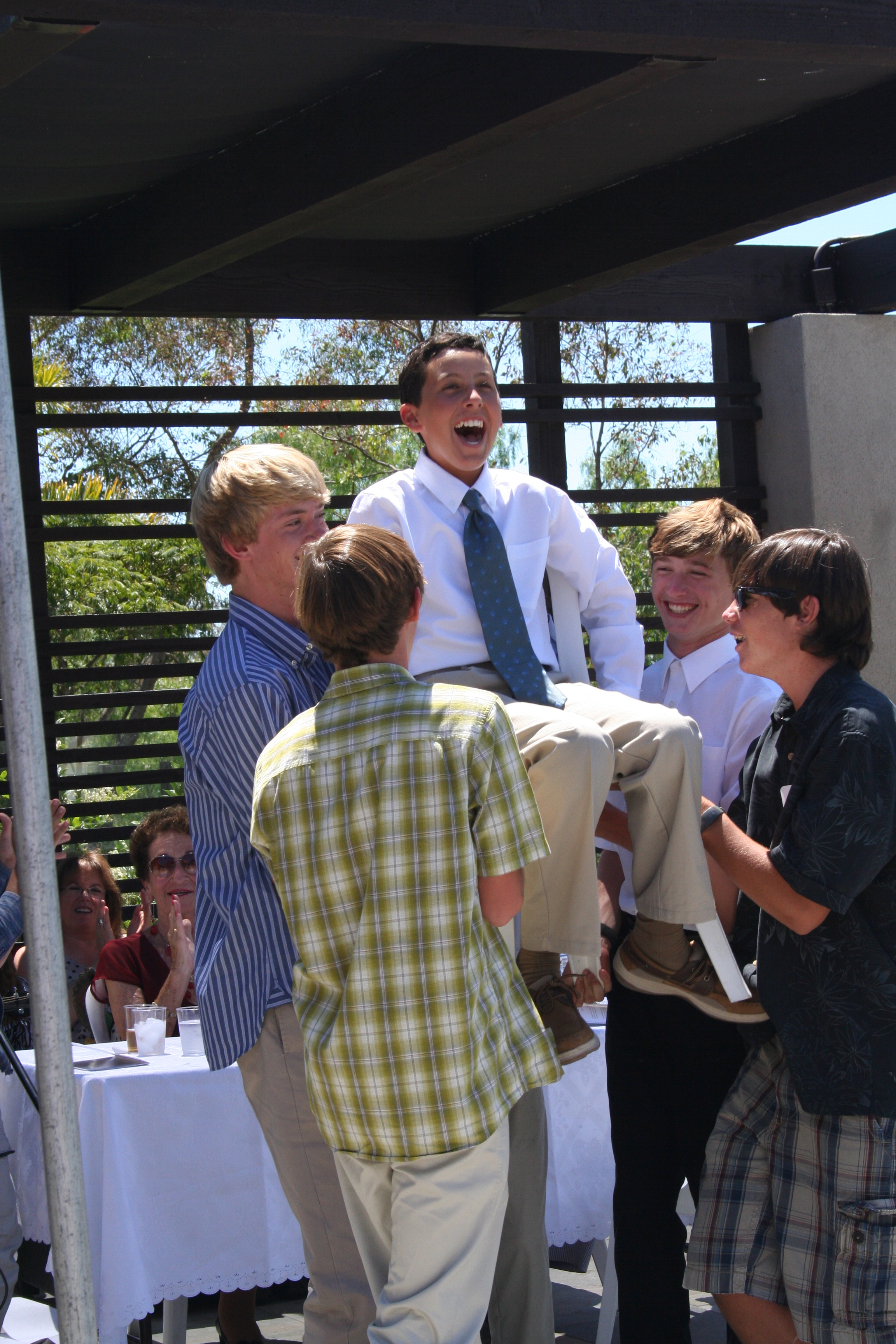
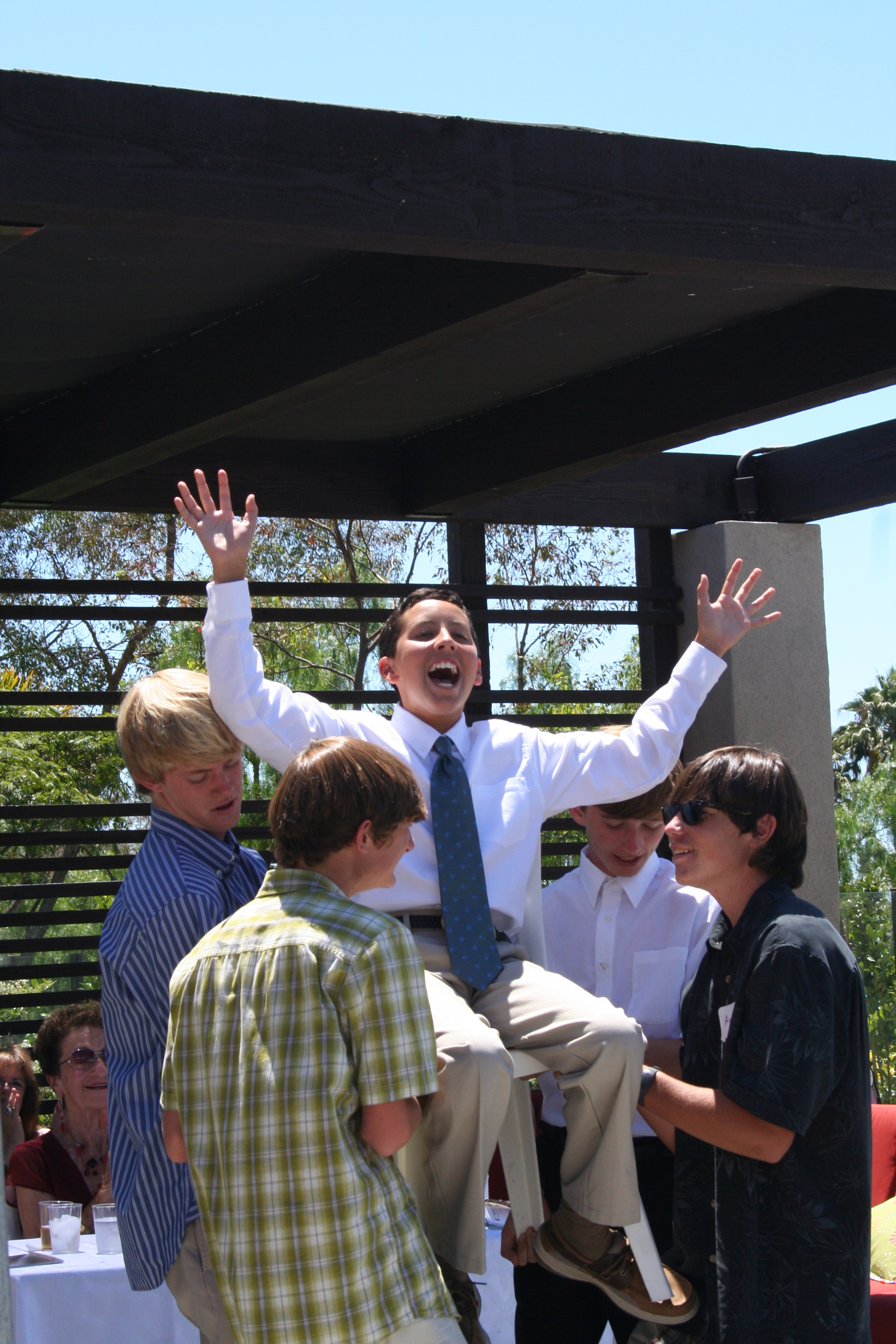
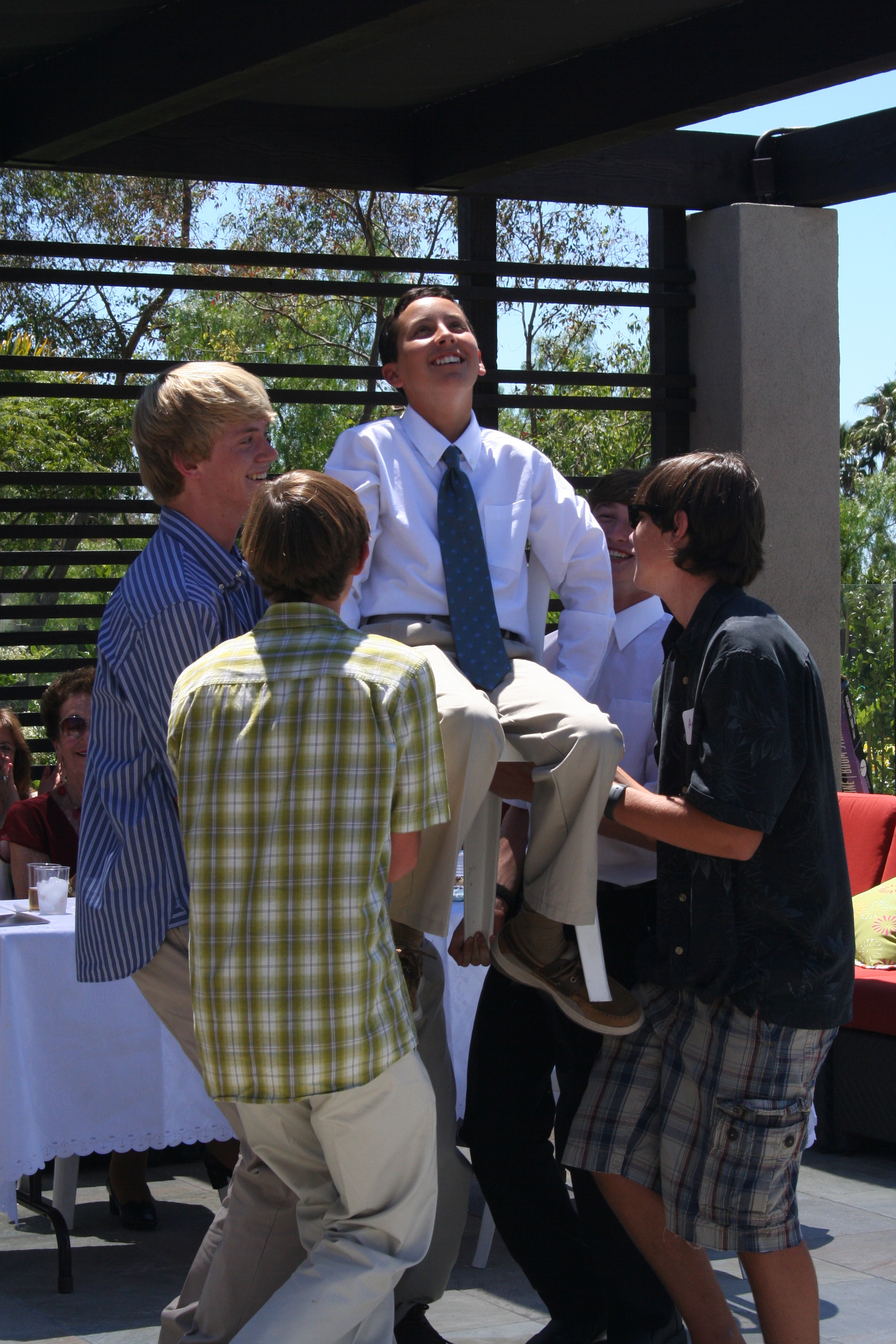
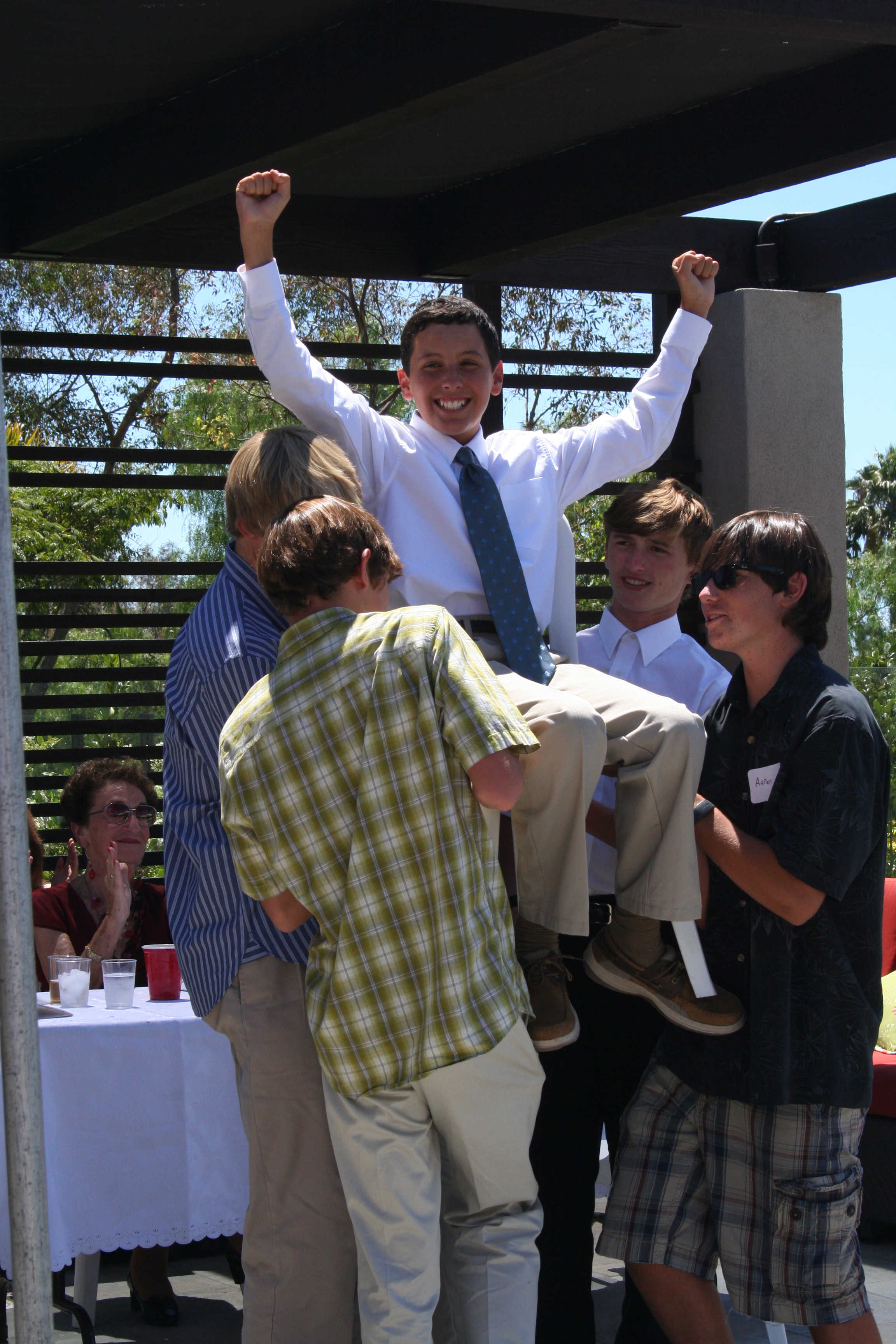
Feminism teaches us that “accommodating” people’s differences and dis/abilities doesn’t have to be a chore. In fact, it often leaves everybody better off. Prime example, my cousin Alexsander’s bar mitzvah last weekend.
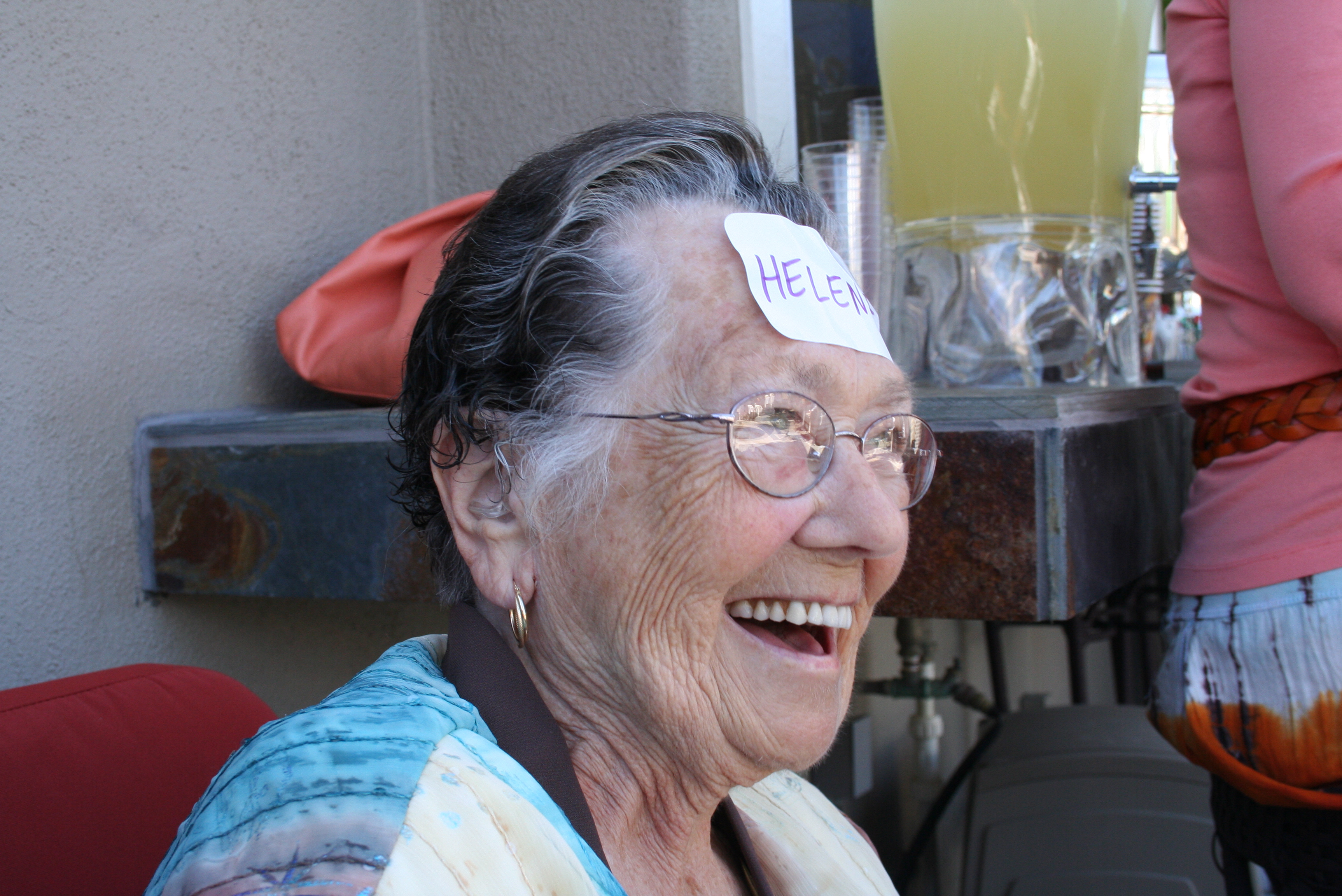
Oma (my grandmother) being silly and wonderful
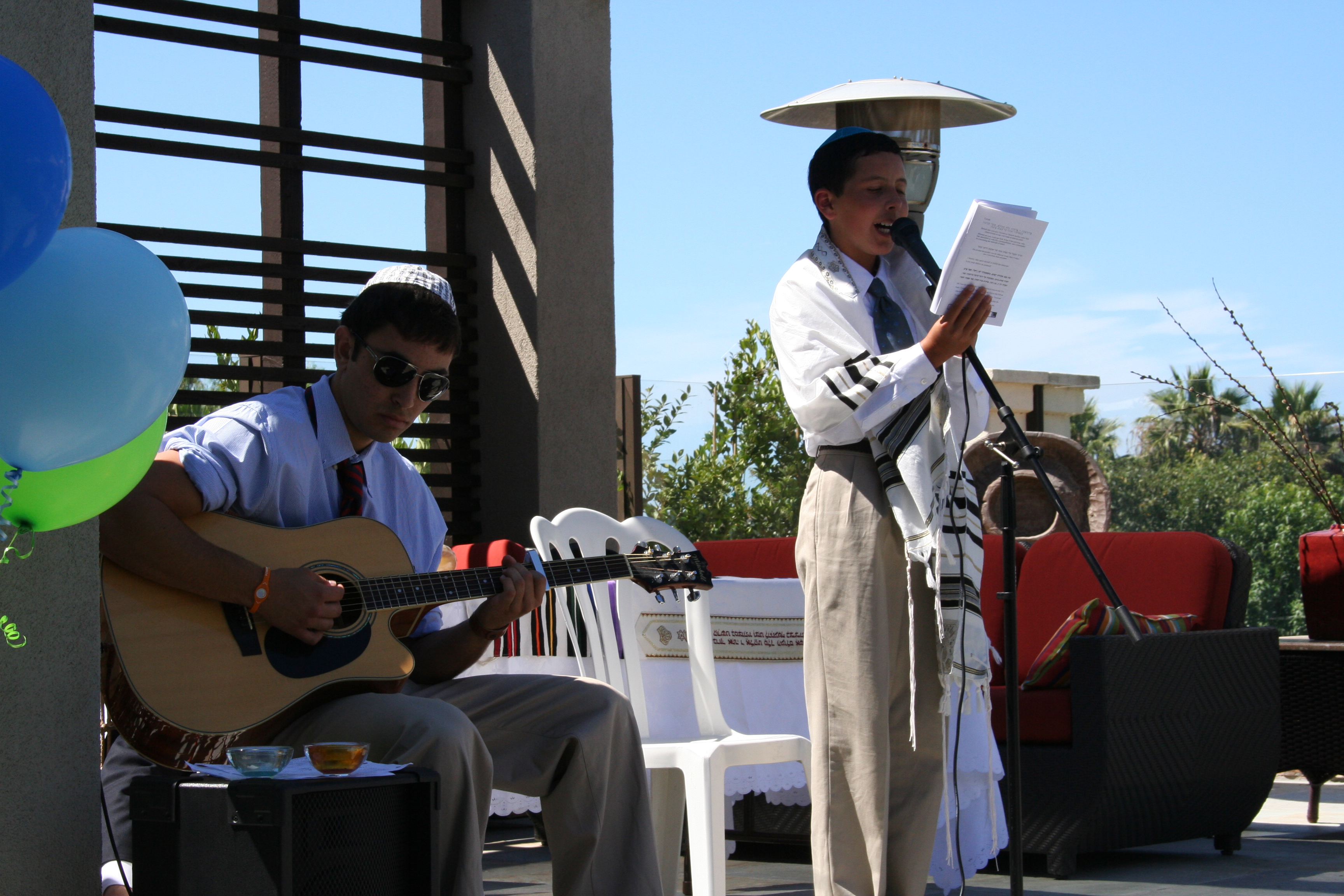
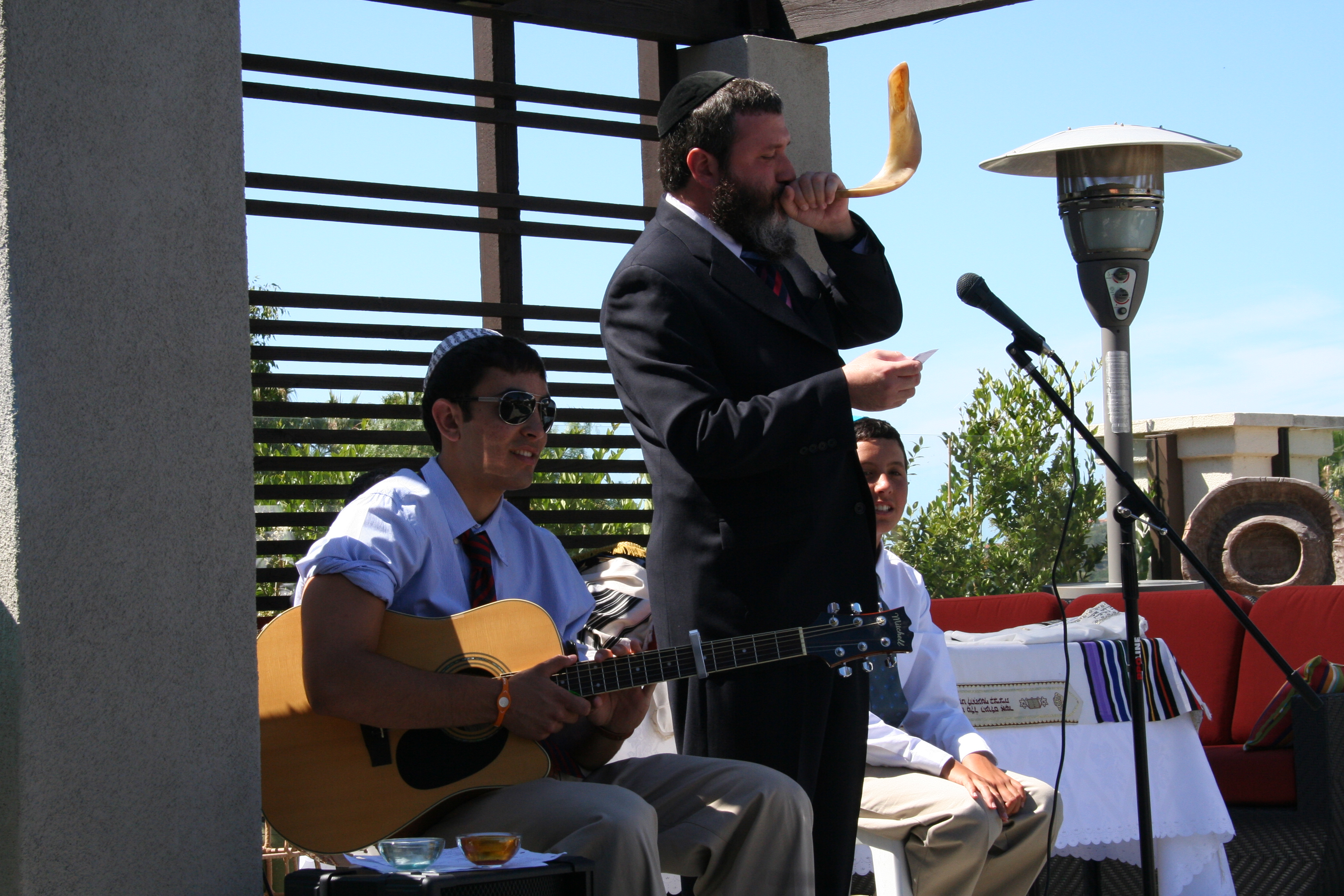
I haven’t attended a ton of these ceremonies, so I don’t have a huge sample for comparison, but I can say that this was one of the most fun, heartfelt, and moving coming-of-age traditional ceremonies I can imagine. Musical, personal, participatory. Precious community and sympathetic joy in abundance. And Sander took to the mic like anything.
Much of the brief ceremony featured Sander's beautiful singing of prayers.
Sander wasn’t the only one in attendance whose bar mitzvah was a special celebration of triumph. His grandfather, Hans, risked his own life in World War II by performing his bar mitzvah in a concentration camp. As my oma would say, “Can you imagine?”
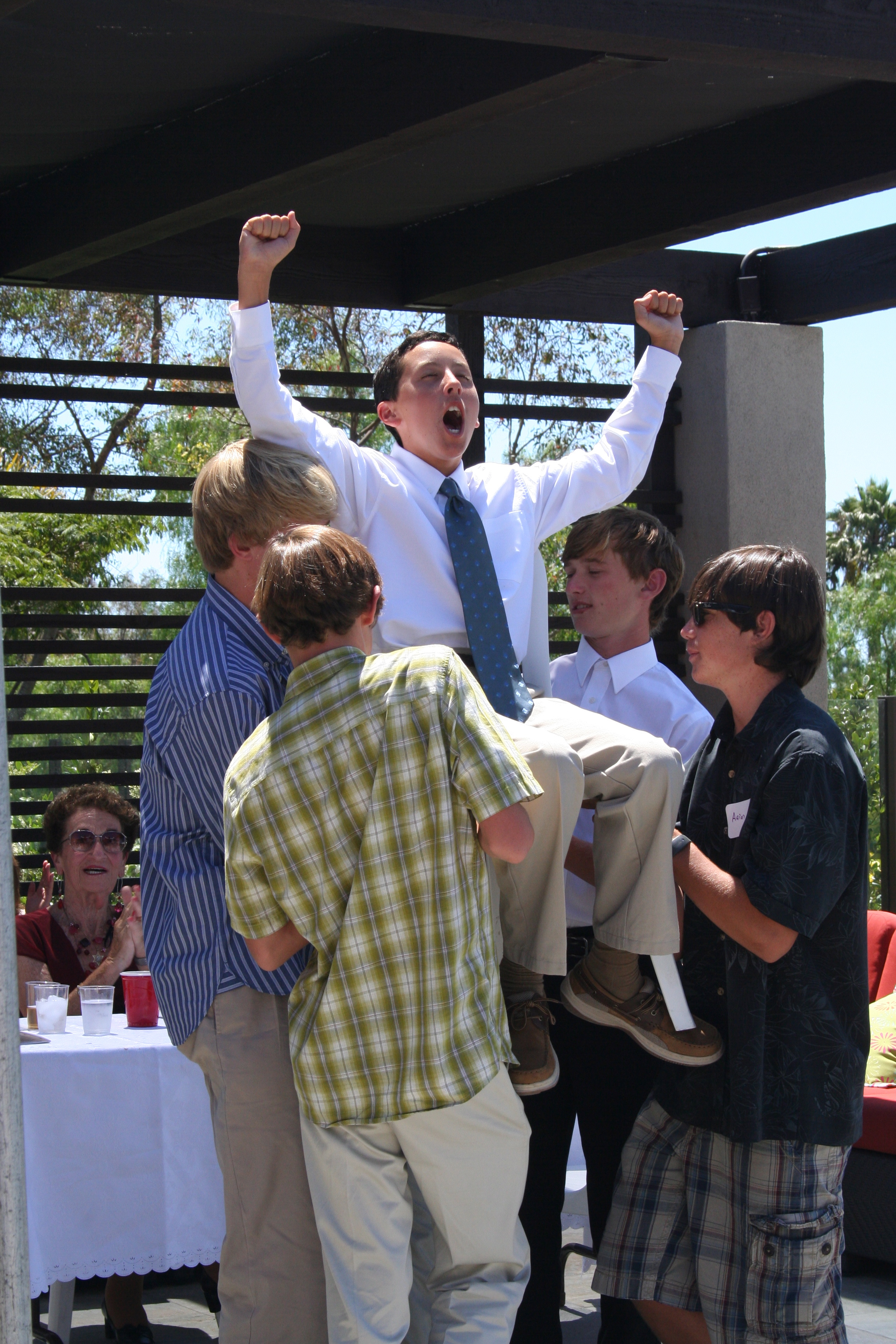
New-man Sander lets out a kingly yawp.
Of course, the whole event was emotional, but the moment that really wrung the tears out of me was the speech by Sander’s mom, my cousin Suzie.
Today Alexsander becomes a man and yet it seems like yesterday when we sang nursery songs together, took stroller walks and read Dr. Suess books. It is from the Dr. Suess book “Gerald McBoing Boing” that I wish to paraphrase to describe my pride in our son, Sander.
They say it all started when Sander was two.
That’s the age kids start talking-least, most of them do.
Well, when he started talking, you know what he said?
He didn’t talk words- he went “meow” instead!
And as little Sander grew older, he found when a fellow repeats
No one wants to give him treats.
When a fellow goes “skreek” he won’t have any friends,
For once he says, “clang, clang, clang,” all the fun ends.
And as the story goes, Rabbi Mintz seeks out Sander’s talent.
“Your Hebrew is terrific, your pitch is inspired!
“Quick – come to Friendship Circle, Sander! You are admired!”
Now his proud parents are able to boast
That their son’s singing is known coast to coast.
Now Sander has friends, and makes his bed
‘Cause he sometimes speaks words but mostly sings instead.
[A note about the title: while a bar mitzvah or bat mitzvah refers to a particular Jewish rite of passage, colloquially a “mitzvah” can also mean an act of human kindness. For me, Sander’s bar mitzvah was a great reminder of the many mitzvahs we can all do for each other every day, simply by accepting and honoring each other as we are.]
Tomorrow is my birthday, friends, and a historic birthday it will be.
Not only because of sea otters (more on that in a second), but because — and I’m fairly certain on this — it will be the first cold-weather birthday of my entire life.
August in Sacramento, Barcelona, Agra (India), New Orleans, Boston…see a theme here? HEAT.
I love heat! Ungodly, crazy heat! The kind of unmitigated heat that gives everyone an excuse to be sweaty and dirty all day long. Where is this heat??? What happened to summer?
As evidenced by the above photo, in San Francisco we have no excuse to get all sticky and grimy. We have sweater weather. Sweater, scarf, wool sock and hat weather, plus a jacket for going outside.
Luckily, my record birthday low will be tempered somewhat by an overnight flight to Massachusetts. (To volunteer at/attend the Zen Peacemakers’ symposium on Western Socially Engaged Buddhism — remember that?) At least I will be traveling toward warmth!
Additionally, it will be an awesome birthday because before my 10pm flight there will be kayaking with sea otters and human friends at the Elkhorn Slough, a coastal wetland reserve near Monterey.
Why does any of this matter to you? It doesn’t, really, except to say that I will be traveling a lot in August (to hot places, hooray!), and will take a break from blogging. Those of you who’ve been following for a while know this is not an uncommon occurrence! I often disappear for months at a time, with no warning.
Anyway, in my opinion, with a mindful blogging praxis it’s good to get out of the internet for a while. Stretch the legs.
I am so grateful to all of y’all for reading, commenting, sharing links, and supporting me (and each other) through this little project over the last couple of years. It’s been an honor and a lot of fun to build and dialogue with you, and I hope some of the stuff you’ve found here has proven useful in your own life.
You keep using that word. I do not think it means what you think it means.
Last night, at a Berkeley fundraiser for the East Bay Meditation Center, prominent Insight meditation teacher Joseph Goldstein gave a general talk on Buddhism, and as he spoke in his gentle, warm, candid, funny, luminously clever way, I felt a familiar tightening in my stomach.
The talk started out like this. There is tremendous suffering in the world. It’s not hard to see. War, oppression and destruction. But if we look closely, we find that the root of that suffering is in the mind. Greed, fear, and hatred. And it’s not just “other people” who have this greed, fear, and hatred; it’s us, too. Therefore, using Buddhist teachings, we turn our attention inward toward the mind/heart, healing suffering from the inside out.
Later, when asked whether his Buddhist practice could be formulated into a plan for social change, Goldstein said Yes: through compassion. Not a simplistic type of compassion, but a compassion that is born out of nearness to suffering. This is more difficult than it sounds, he noted, because our deeply ingrained habit pattern is to try to push suffering away from ourselves. Get rid of it. But in order to have strong, profound compassion, we need to go toward suffering. Without romanticizing it, but seeing it for what it is.
Now, I like Joseph Goldstein. I saw him speak once before at the Cambridge Insight Meditation Center, and he’s hilarious and wise and a gifted storyteller. And on one level, I agree with what he said last night.
The problem, for me, was what went unsaid.
As Buddhists and dhamma practitioners, I would love to see us having more conversations about what compassion and social change actually look like: locally, on the ground, in practice. Because it’s too easy for us to invoke these words — compassion, inner work, social change — and assume that everyone is on the same page.
The truth is, we’re not all on the same page. And it’s not until after the event is over, on the subway ride home, when a gaggle of us start discussing in detail the relationship between inner and outer work, that these fundamental differences emerge, sharp and cold, like mountain peaks, from the soothing golden fog of Buddhist unity.
Here are a few of my disagreements with what I hear as spiritual liberalism, coming from my friends in dhamma. Again, even as we all work toward developing compassion and reducing global suffering, we have tremendously divergent views on what this means.
1. Mystified Mechanism.When we start doing the inner work of developing compassion and insight, our outer social justice work will automatically get good.
How? Sometimes folks talk about spirituality helping to reduce burnout, or converting the motivation of anger into the motivation of compassion. But while both are wonderful benefits, neither speaks to the testable effectiveness of the particular outer work itself.
2. Healing As (Total) Resistance.Smiling at strangers on the subway is resisting militarism.
Well, I disagree. Our healing work, spiritual work, and structural resistance work ought to inform each other, but they are not interchangeable substitutes. Mandela didn’t inspire a movement and challenge the status quo just by praying compassionately for the liberation of the oppressor. (Though he did that, too.)
3. Social Change Relativism.Together, a growing movement is working for peace and justice in the world. From green business to prison meditation to high-school conflict resolution programs on MTV, signs of hope and change abound.
Are all forms of progressive activism equally useful? No. But the shorthand of social change frequently obscures this fact. Coupled with a feel-good engagement paradigm, the ‘every little bit helps’ idea makes it very difficult to hold each other accountable for our political work and its actual outcomes.
4. Root vs. Radical.Radical political agendas fail to grasp the root cause of oppression: dualism. And ultimately, the best ways of overcoming dualism are through meditation and small-scale, intimate, interpersonal, compassion-building exercises.
Even if dualism is the “root cause” of oppression, that doesn’t make it the best or most actionable point for resistance, always. Besides: why is this idea of dualism so pervasive and tenacious, anyway? In large part because of the political and material structures (i.e. schools, economies, hierarchical religious institutions) that train human beings. Without changing the power relations governing those material structures, there’s little hope of giving non-dualistic living, and appreciation for inter-being, a real shot on a global scale.
5. Buddhopian Visions.Gandhi said it best: “Be the change you wish to see in the world.”
Often, this gets construed to mean: build the best alternative society you can, and slowly it will change the entire society. Especially in Buddhist communities that prize extended retreat time, a decade of study with a realized Asian master, and this sort of removal from everyday householder affairs, there’s a danger of trying to build our sanghas into utopias, and assuming that they will automatically radiate peace and well-being into the world. Might be true on an individual or small-group level, but why should we believe that we can scale up well-being from personal transformation to world peace, without specific strategies for tackling enormous material systems?
————————
Compassion lies at the core of the dhamma, one of its most beautiful and powerful dimensions. But when we treat it as self-evident in conversations about social liberation, putting it at the end of the sentence instead of the beginning, I fear we do great injustice to its meaning.
Looking forward to finding and contributing to a radical sangha in the Bay Area whose work extends beyond the healing, service, electoral-political and identity realms. (Where dhammic folks are already great and strong.) Any leads?










 Kloncke