According to the NYT, a recent study measuring correlations between living conditions and happiness in America found that they’re very strongly linked. More thoughts on that in a minute. But an informational byproduct of the study was a ranking of states from most to least happy.
At the bottom of that list?
Let’s just say that Jay-Z and Alicia Keys might not be pleased.
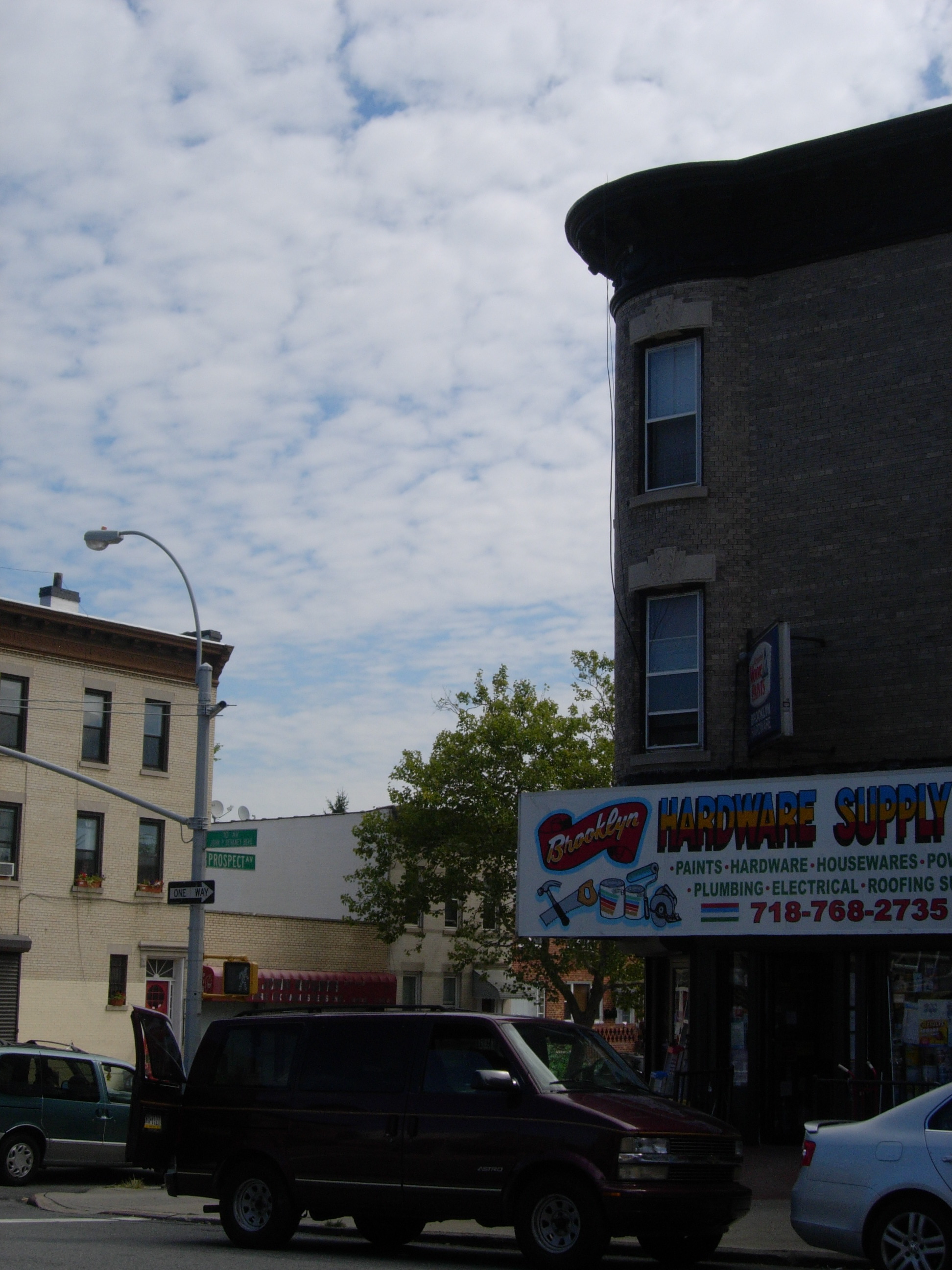
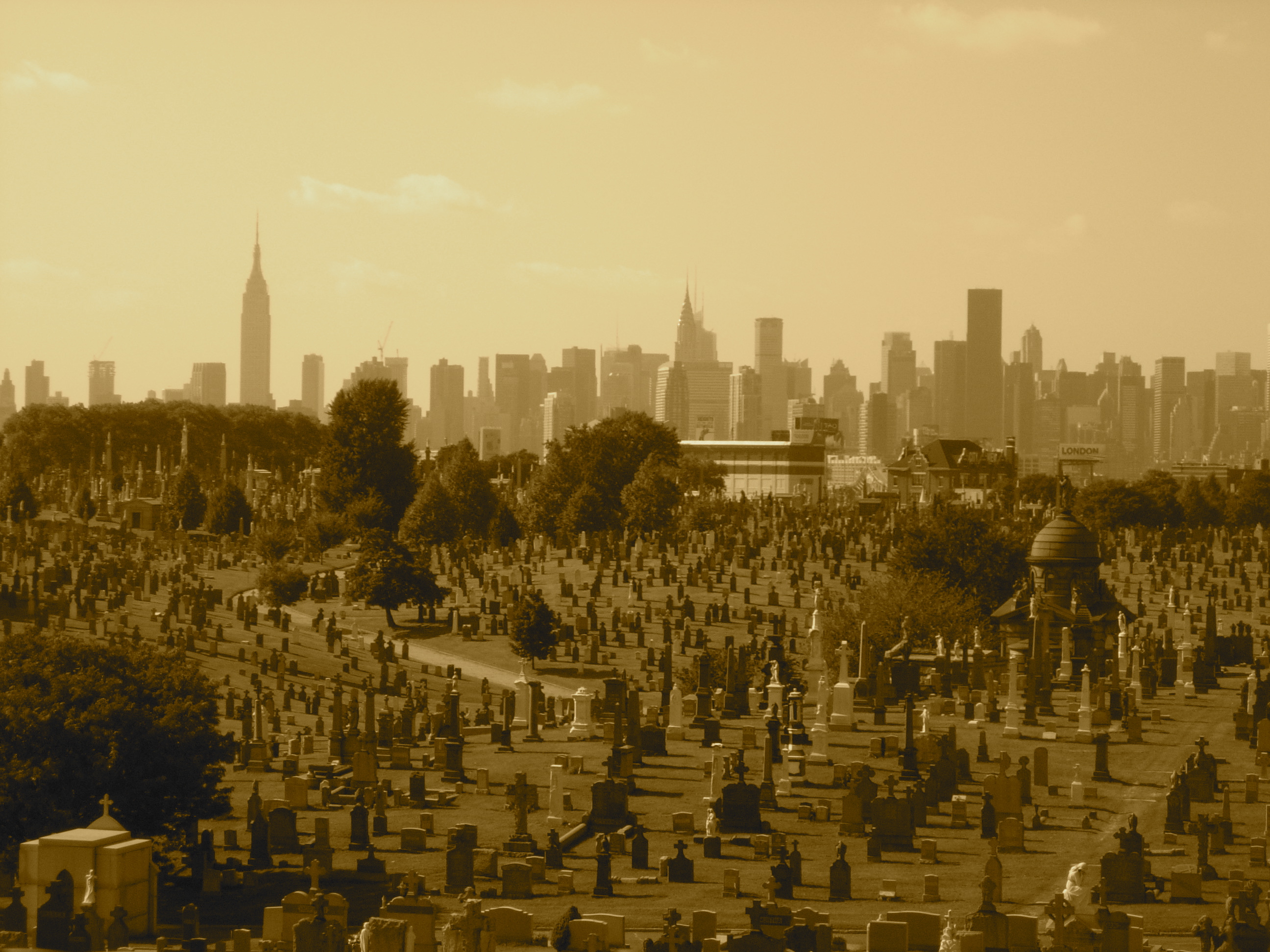
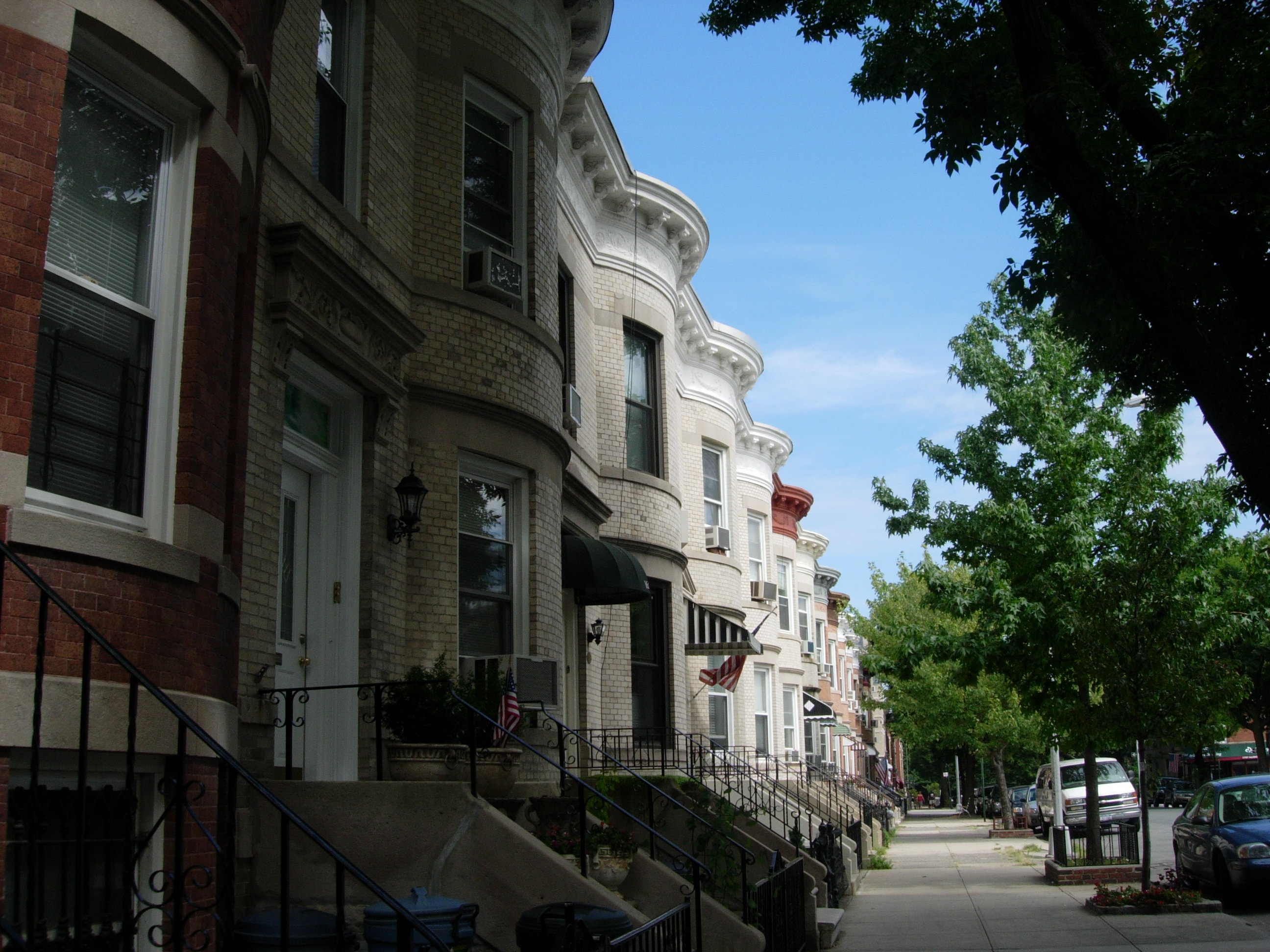
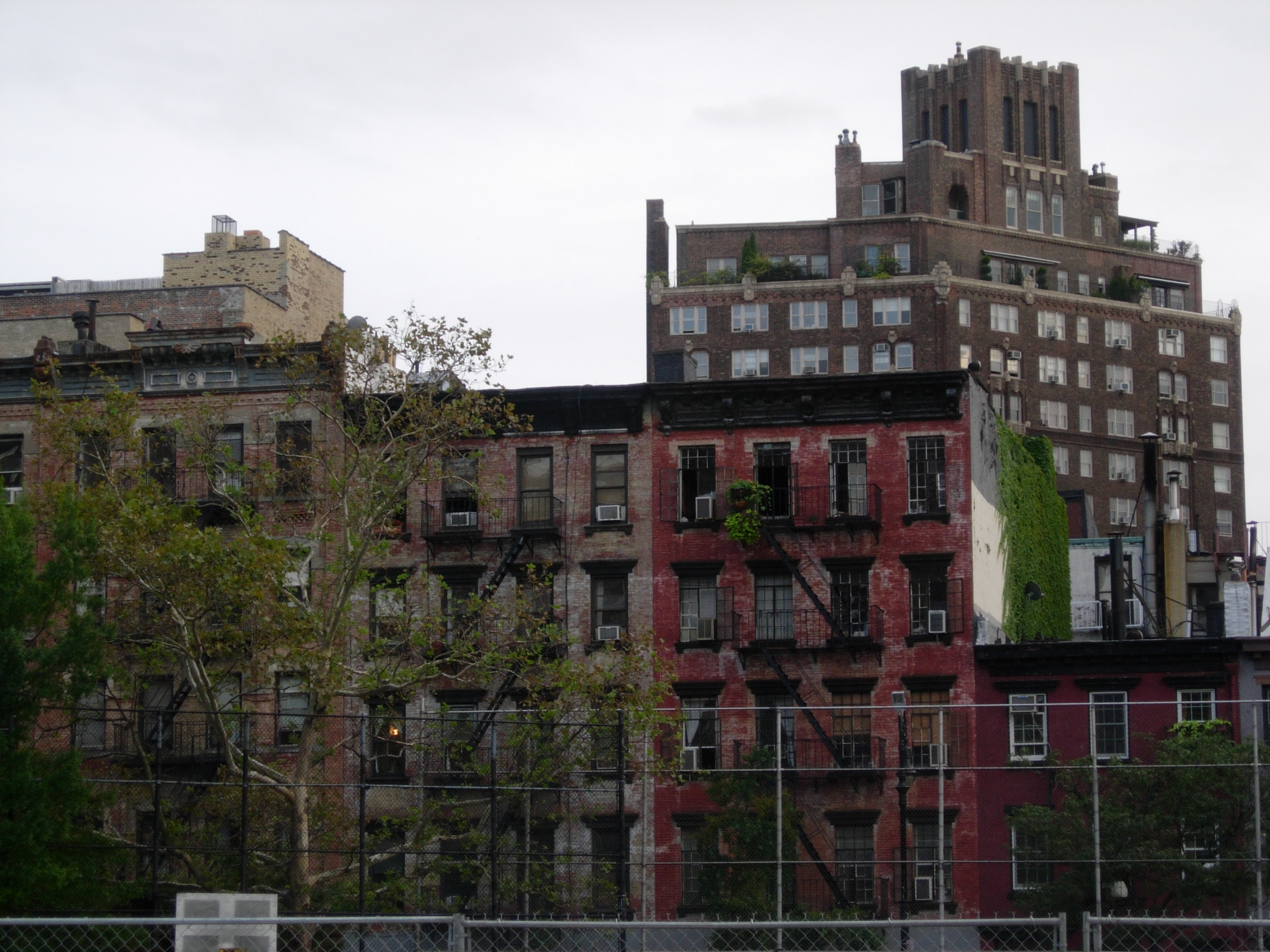
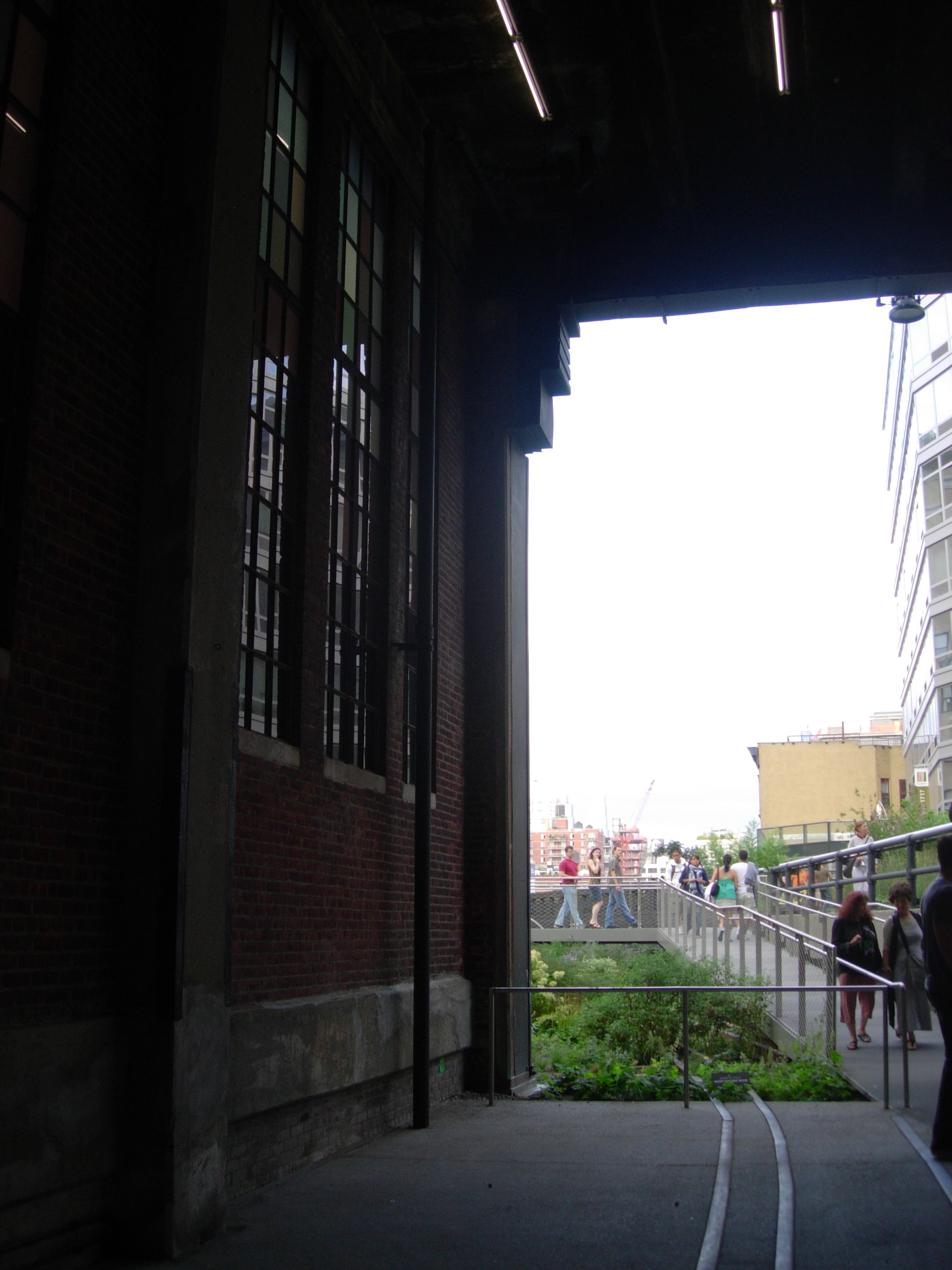
Sure, it’s important to avoid conflating New York City with the state as a whole. But it does give me an excuse to finally share my photos from September’s week-long visit.
To return to the main point of the study, though, and the article covering it: this journalist dude takes on a strange, pseudo-sarcastic tone in defending New York, and in so doing seems to be talking out of two sides of his mouth: (a) objecting that Poor people in those higher-ranked places can’t really be happy — they must be faking! and (b) defending unhappiness as a catalyst for great artistic achievement.
Let’s take the second point first. This is actually a pretty common attitude, right? Haven’t you ever known someone who seems to derive great satisfaction from their misery and solemnity, from complaining about it, or from constantly striving for bigger and better achievements, never satisfied with what they have?

Such attitudes or habits of mind aren’t limited to artists by any means — in fact, all of us fall into similar patterns from time to time. Even if we don’t particularly like feeling unhappy, we cling to an identity of unhappiness because it seems solid and somehow justifiable. Or maybe we’re terrified of what might happen if we let go of it. So we want to analyze it just so, and relate it back to our whole life history, beginning with childhood, etc.
With art, though, or “creativity” more broadly, this normal fascination with unhappiness is particularly easy to rationalize, since part of artistry involves representing human misery faithfully, accurately, and poignantly.

But all I’m saying is, if Michelangelo were a close friend of mine, and he had a choice between finding happiness and creating the Sistine Chapel, I’d encourage him to put away his brushes.
I mean, would we really wish unhappiness on another person — or on ourselves — just so that we could enjoy some good art?
It’s the same flawed logic I laughed about in another study, which implied that being a hostile and unhappy person might be worth it if it increased your longevity.
Mm.
As for Haberman’s first point, being dubious about the poor yet satisfied, here’s how I see it. His attitude reflects the common American notion that greater material wealth — and its attendant perks — grants us more happiness. But the quality-of-life measurements used in the study included a wide variety of factors, including “climate, taxes, cost of living, commuting times, crime rates and schools.”
Now, having a lot of money does expand one’s options, meaning that you, an individual, could choose to move to a place like Louisiana (the state ranked highest in happiness) and enjoy its sunshine and other non-monetary advantages. But simply having a load of money and living in a cold, dismal, rat-race, no-one-knows-their-neighbors and people-spend-half-their-day-in-traffic suburb ain’t gonna cut it.
Similarly, just because a state has a lot of financial wealth doesn’t mean it’s allocating it in ways that boost people’s well-being. More likely, it’s using it to further enrich the ruling class and imprison huge numbers of people of color. (Side note: I wonder if prisoners were surveyed for this study?)

The issue that interests me more, though, is why Americans’ happiness is so closely tied to predictable environmental factors of any kind — financial, structural, social, or otherwise.
I wonder whether a Buddhist country, for example, where dominant cultural wisdom might encourage disaggregating happiness from material conditions, would show similarly strong correlations.
Anyhow, The City was my first stop back in the States, and even though I find it stressful and would never want to live there myself, it sure was pretty to look at for a week in early autumn.
Enjoy the photos, folks, and be happy.




















 The tradition of the acceptance speech appeals to me for a few reasons. It happens in the context of community — a community honoring the achievements of its members. Often it inspires others to persevere through their own challenges, knowing that someone else managed to overcome great obstacles or do something extraordinary. And most of all, acceptance speeches are about gratitude. Expressing gratitude to everyone who contributed to what, superficially, might seem like an individual feat, but is actually the culmination of much effort by many people. (And by greater powers, if that’s how you feel about it.)


 Kloncke