To whatever it is you have to say.
Even if it’s nothing.
That is my practice for today.
Thank you for making it possible.
To whatever it is you have to say.
Even if it’s nothing.
That is my practice for today.
Thank you for making it possible.
For a couple of years now I’ve been conscientiously experimenting with different responses to lines from men on the street or in public places. Ignoring them, getting pissed, smiling and walking on, smiling and saying thanks. Lots of female-bodied friends of mine experience unsolicited hollering from men, and we all have our own way of dealing with it to best preserve our personal mental health. (Though this also gets wrapped up, at times, with a sense of social responsibility to make public spaces safer and more comfortable for all women…)
If you ask me, building sex-positive cultures doesn’t mean suppressing the urge to play, but challenging and reformulating our own basic notions of sex as a contest, power struggle, necessary outlet, or primary source of self-worth. From that perspective, the American Apparel posters in my neighborhood, and the extent to which I allow them to impact my sense of self, might prove more dehumanizing than the dude on the corner who tells me I’m beautiful.
In my case, I rely a lot on my gut instincts rather than a strict rule, but tend to lean toward friendliness since (a) smiling feels better to me than scowling, and (b) ultimately what I want are real relationships with all kinds of people. Finding a way to push past the sexualized overtones, especially with some of the men I see around my block on the regular, opens up more spaciousness, an opportunity for better connection.
Anyway, I love hearing, from folks of all sorts of genders, the different forms and levels of stranger flirtation that can actually feel fun and sweet. Here, two music videos (classix!) that show what respectful play might sound like. (Hint: asking questions seems to be a key theme.) Hat tips to Ryan and Jamal for the YouTubeage, and Noa for recent great conversations on this complex topic.
[Ps: lead-in track, “Ladies Love Cool JB (Innerlube Two),” from homo-hop pioneers D/DC: self-described “bourgeois, boho, post-post-modern, African-American, homie-sexual, counter-hegemonic, anti-imperialist, Renaissance Negroes stalling your cipher.”]
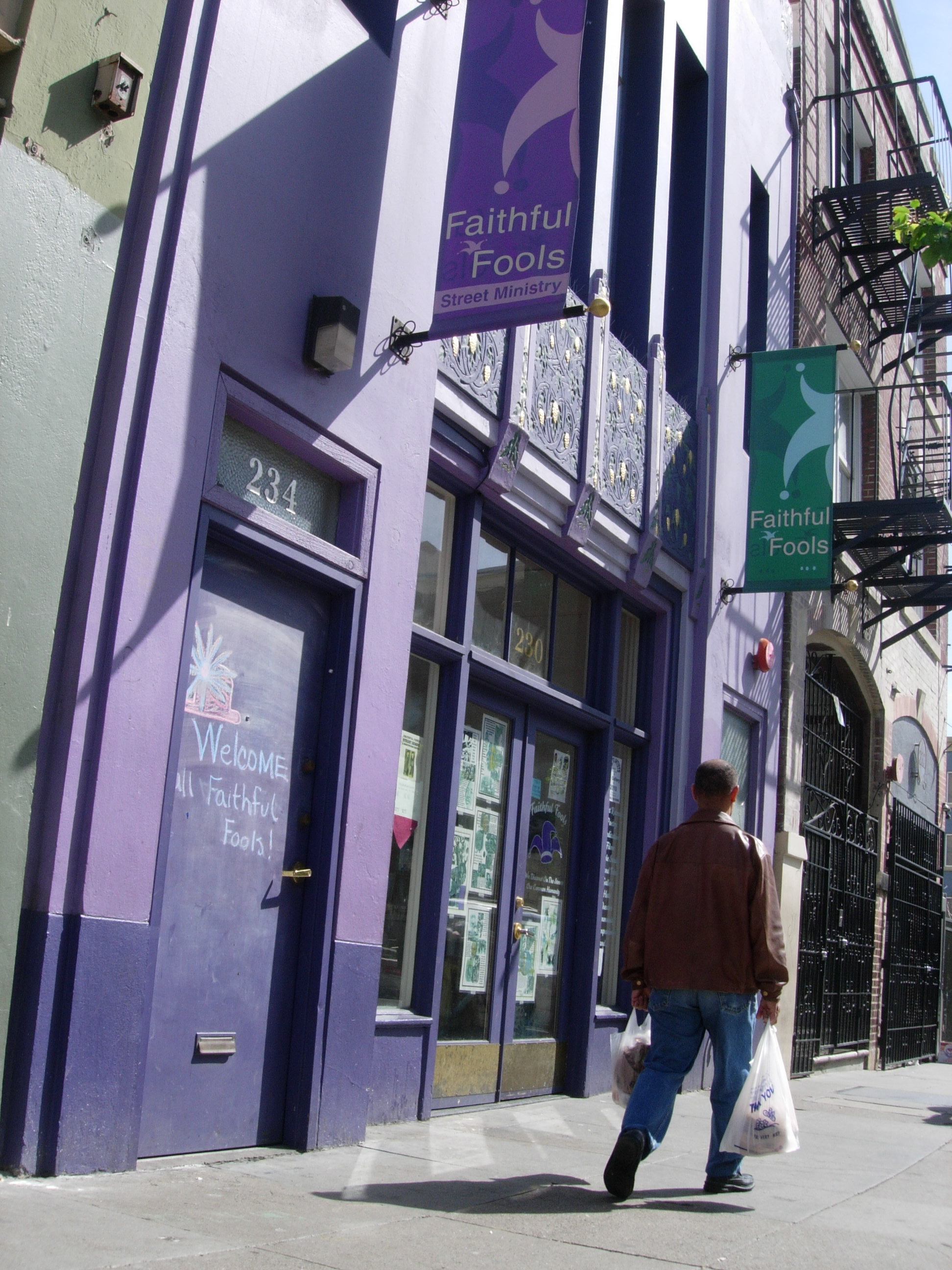
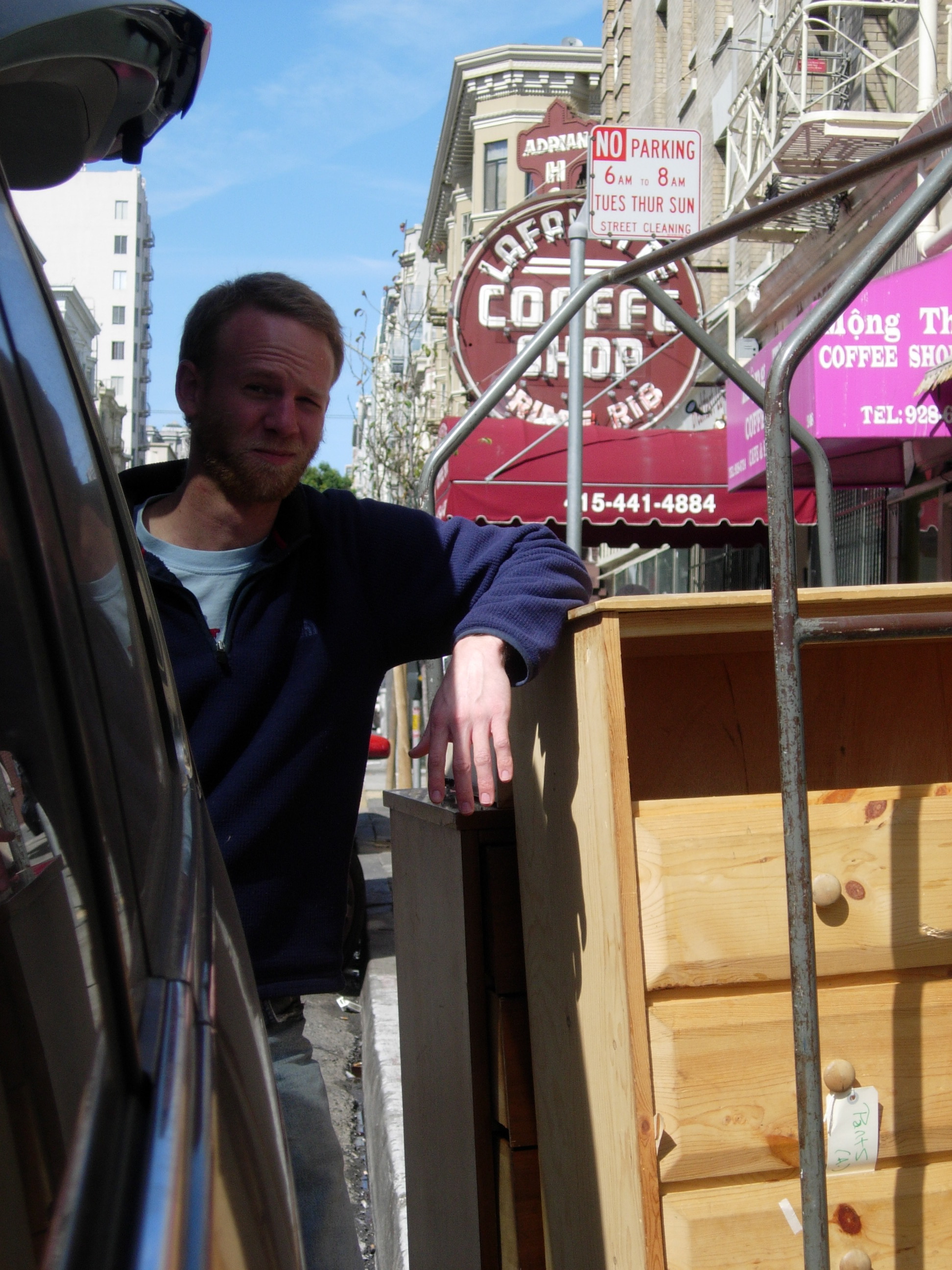
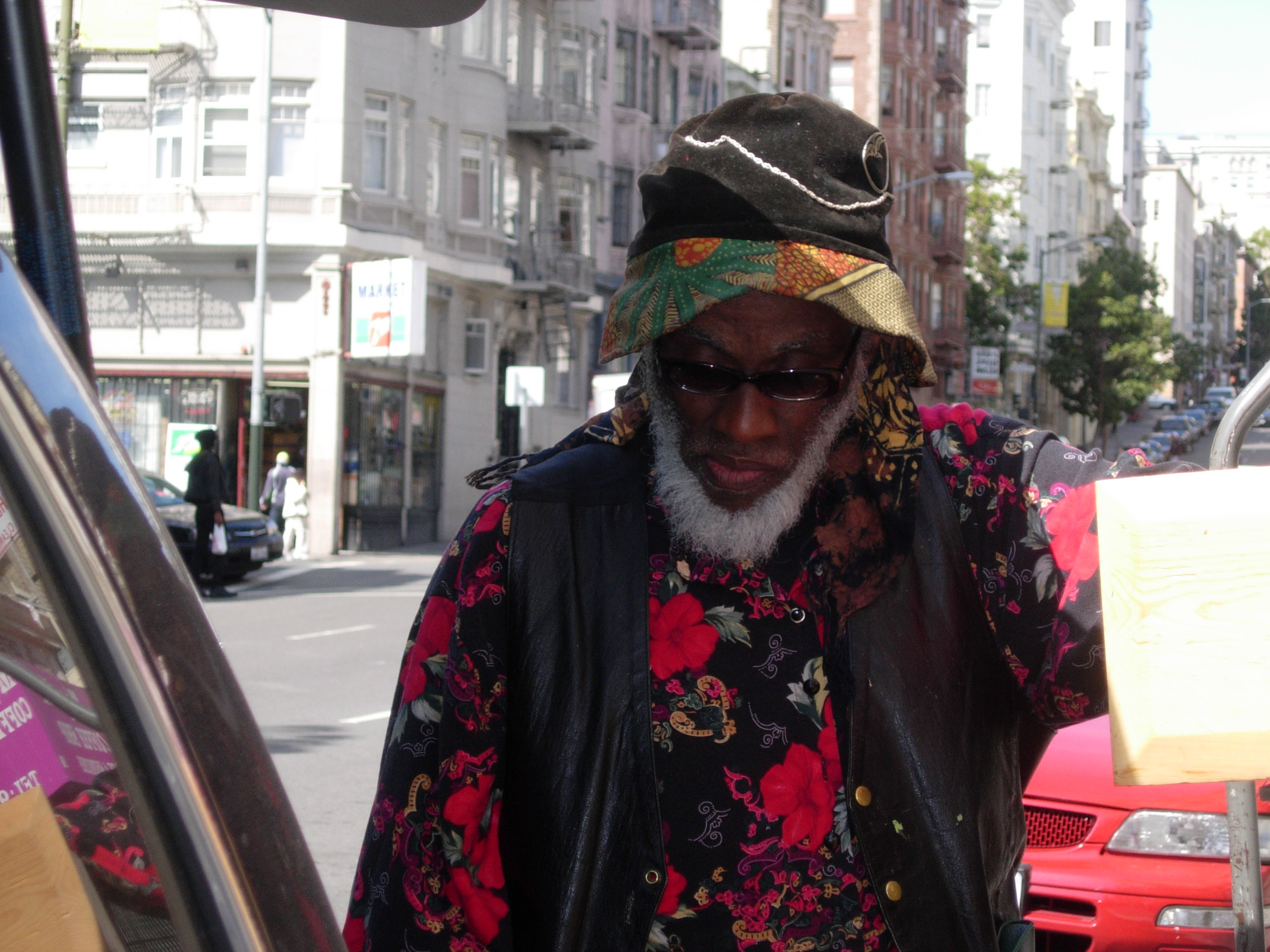
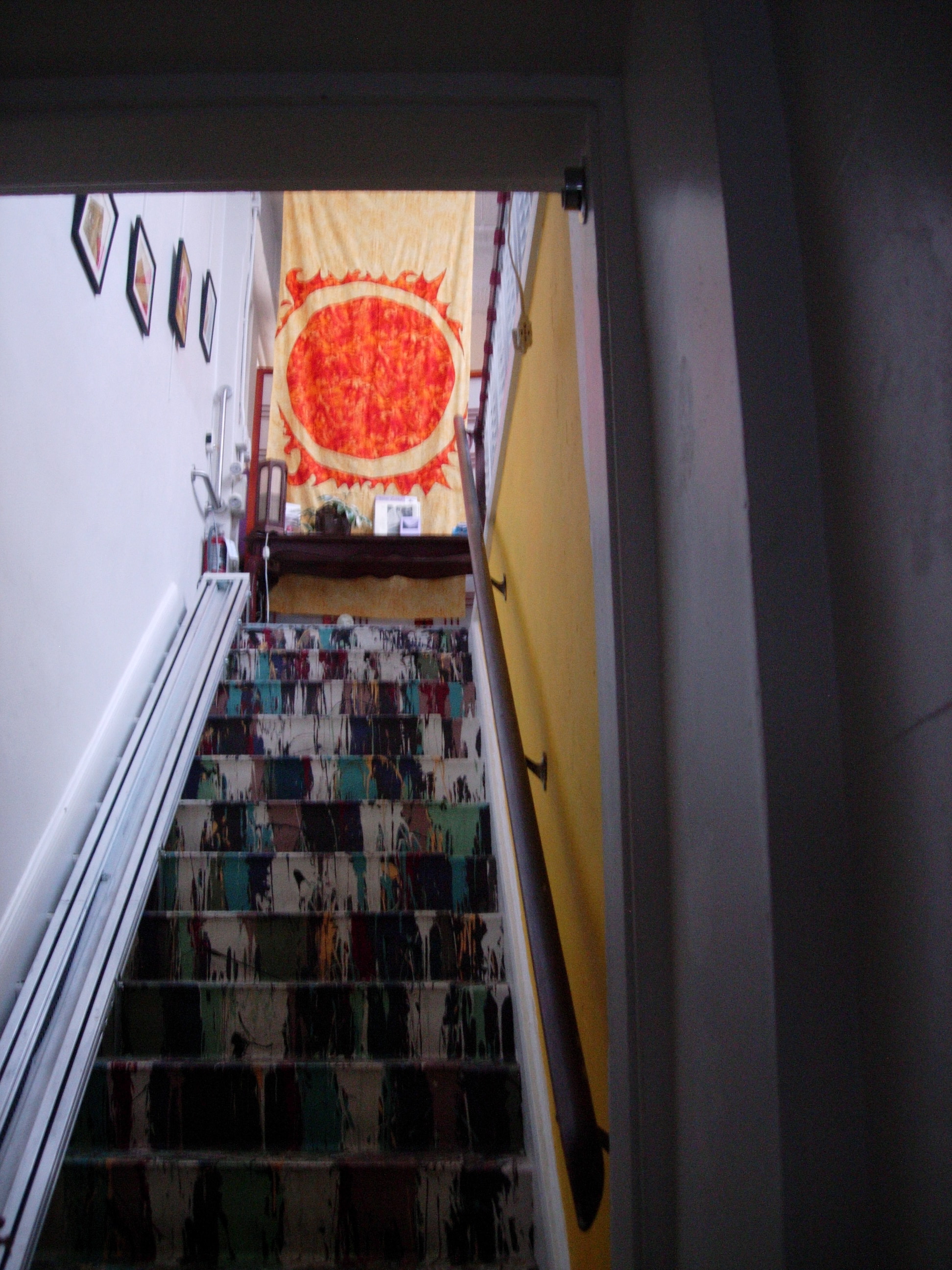
A glimpse of the palette @ Fools’ Court.

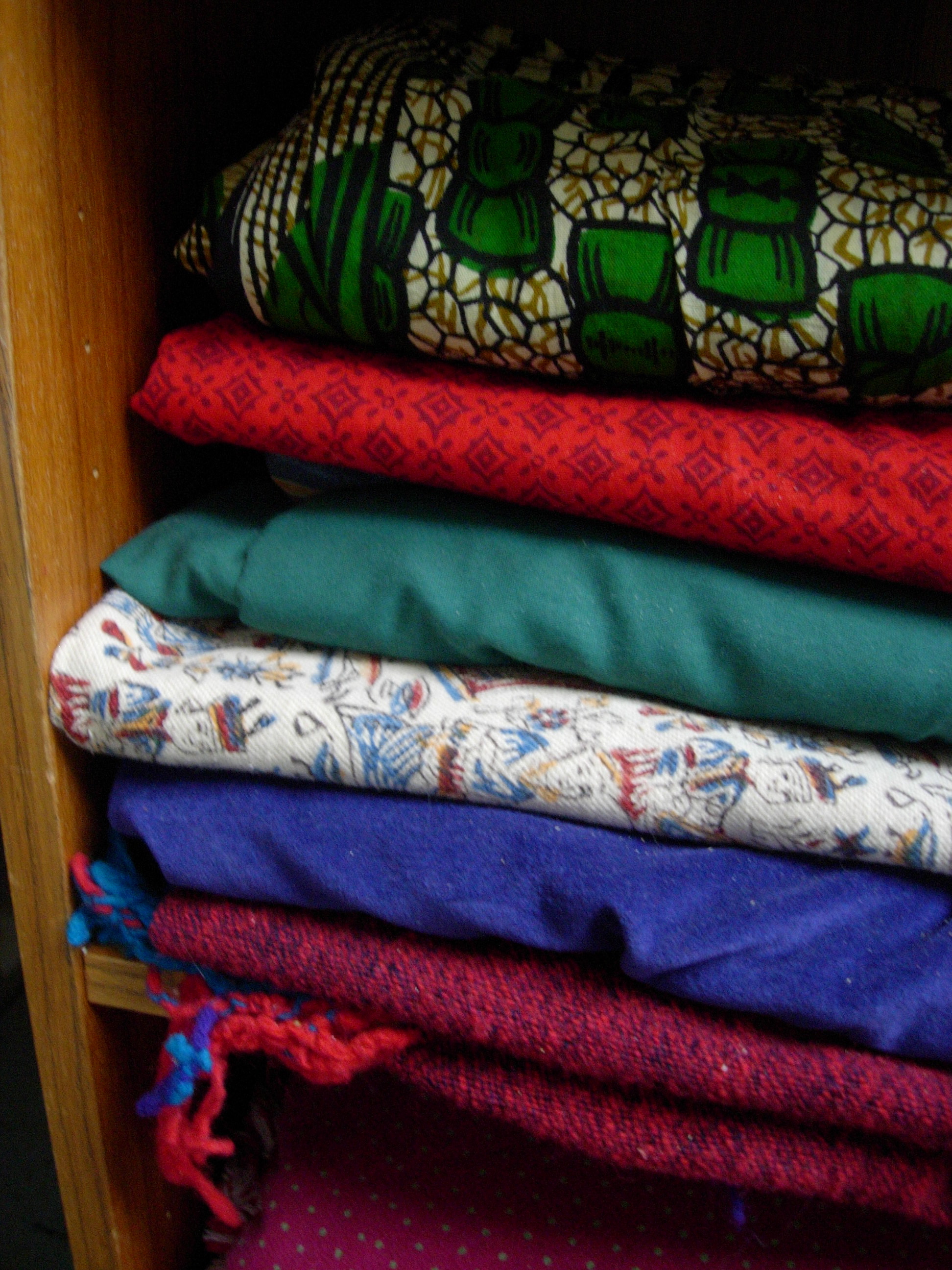
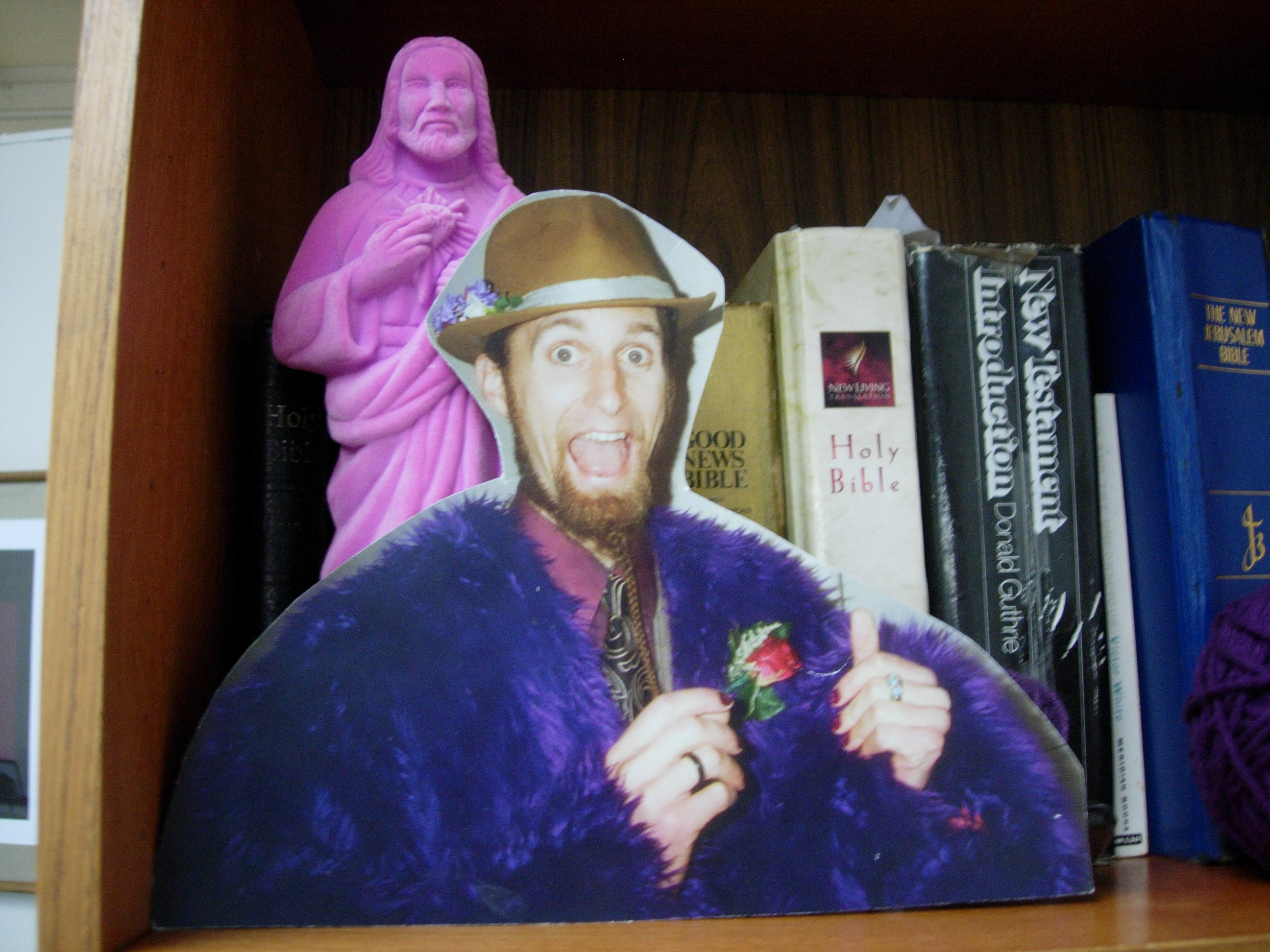
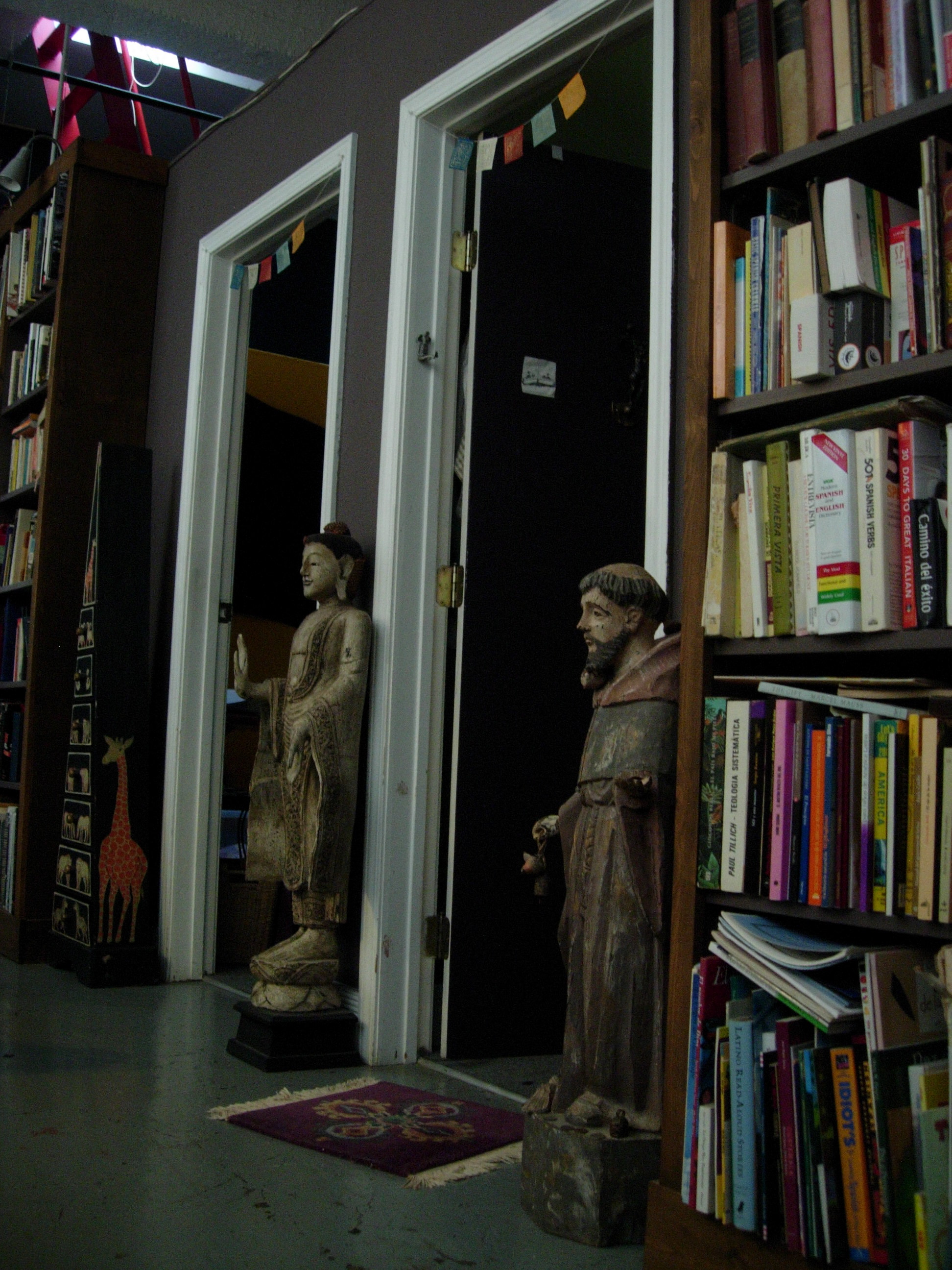
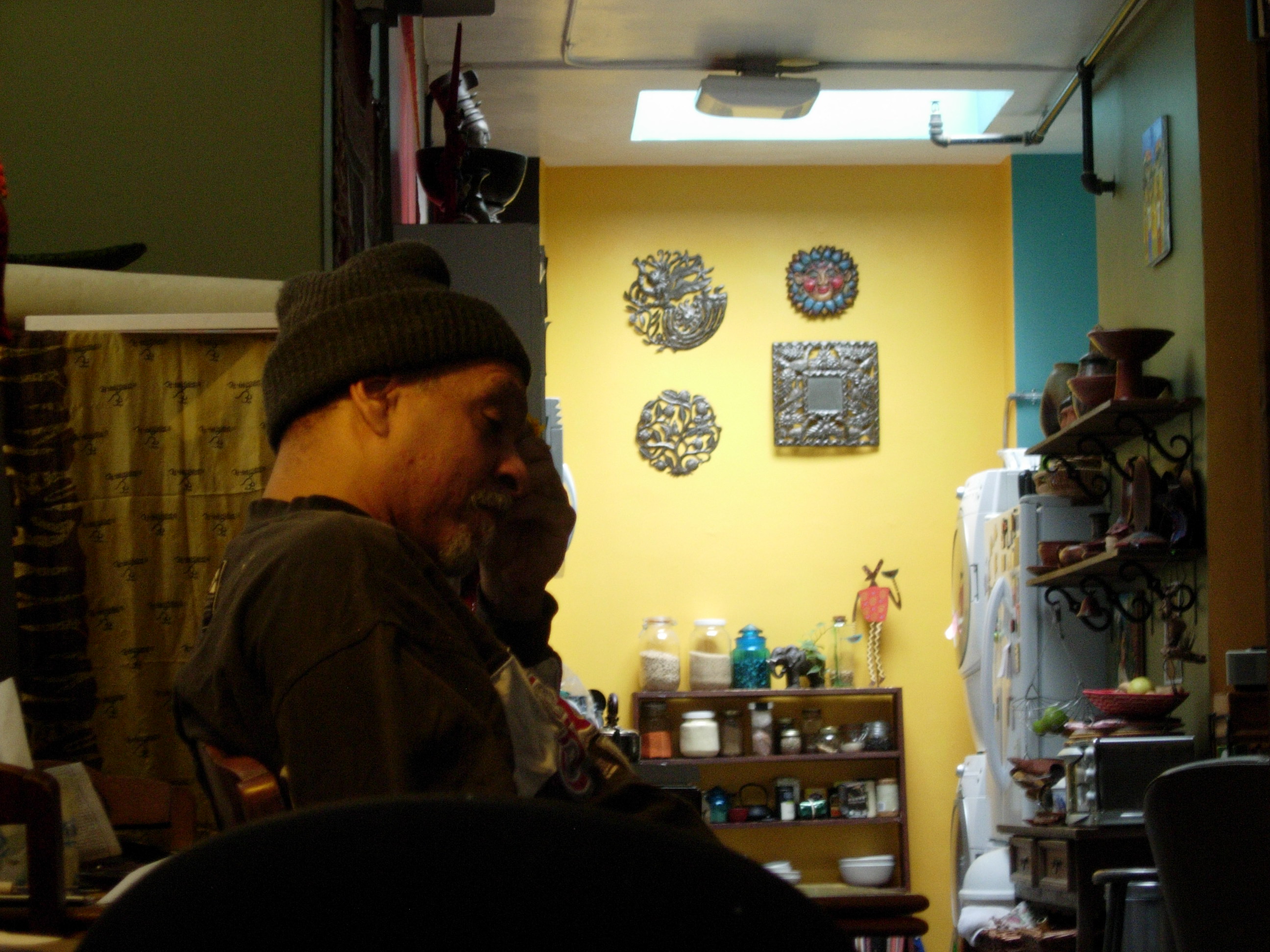
From a Facebook Note I wrote last night. (Friend me if we’re not friends already!)
Dear lovely people,
I hope this note finds you well! I’m writing it at the end of an exhausting day of work — cooking, grocery shopping, driving, hosting, facilitating — when all my body wants to do is sleep, but my mind’s got other plans.
Since reading Selma James’ “Sex, Race, and Class” and another work of hers and Mariarosa Dalla Costa’s (“The Power of Women and the Subversion of the Community“), both offered this week through a rad study group here in the Bay, I’ve been considering parallels between the role of nonprofits (like the one I work for, in exchange for room and board) and the un-waged domestic/reproductive/social labor of (mostly) women, as James and Della Costa explain it. Wanted to share my thoughts with y’all– as always, your insights are tremendously appreciated.
Arundhati Roy names a process by which NGO’s, in ministering to the needs created by gaps in both private and public capitalist enterprise, chill the potential for social resistance. “Non-profits’ real contribution is that they defuse political anger and dole out as aid or benevolence what people ought to have by right.” Folks who work for non-profits often acknowledge that their efforts amount to a Band-Aid approach: covering up the problem, but failing to reach its root causes. But Roy seems to reject the Band-Aid analogy. A metaphor she’d choose might be more like: taking painkillers to ‘heal’ a broken leg. The immediate pain might be numbed, but by continuing to walk on the leg, you’re only worsening the injury.
Similarly, Della Costa and James argue that both trade unions and nuclear families trap us in this painkiller predicament:
Like the trade union [or non-profit, in this case], the family protects the worker, but also ensures that he and she will never be anything but workers. And that is why the struggle of the woman of the working class against the family is crucial.
Unlike trade unions, though, which address the conditions of masculinized wage labor, non-profits often seem to institutionalize the work traditionally associated with feminized labor performed within the family. Need a hot meal? A soup kitchen will serve you one. Sick? A clinic will treat you. Want to come home to a lovely garden? No need to rely on Grandma or the wife: your local eco-NGO will build a permaculture paradise for the whole neighborhood.
There are exceptions, of course, like hotel worker unions which may parallel feminized family housework, or media non-profits that are basically mainstream corporations with an opportunistic tax status. But overall, I’m struck by the resemblance. Is the non-profit an incorporated version of James’ and Della Costa’s working-class woman? Complete with moral imperatives to ‘nurture,’ or in this case, ‘serve the community,’ all the while scraping by on allowances wheedled from donor husbands and grantmaker sugar daddies?
I know a lot of us are thinking and living similar questions right now, and I just wanted to share my own musings. Thank you for all the inspiration and strength you give me! I love all of you and miss those I don’t get to see.
hugs and more hugs,
katie
And let’s not forget that NGO work doesn’t replace the “second shift” of unpaid housework! After coming home from the non-profit you still gotta wash dishes. (In my case, throughout the day at the non-profit. And we wash lots of people’s dishes.)
Happy Monday!
—
love,
katie
Friends, there’s so much goodness in my life that I don’t get to communicate here, and wish that I could. Every day, so many small moments, big questions. But this particular goodness, I’m very happy to be able to share.
The gist: a week or so ago, Abby, one of the Faithful Fools, got bedbugs. Not a fun enterprise. And though, to her enduring credit, she handled it like a champ, it’s still an enormous challenge for anyone to face — both logistically and emotionally.
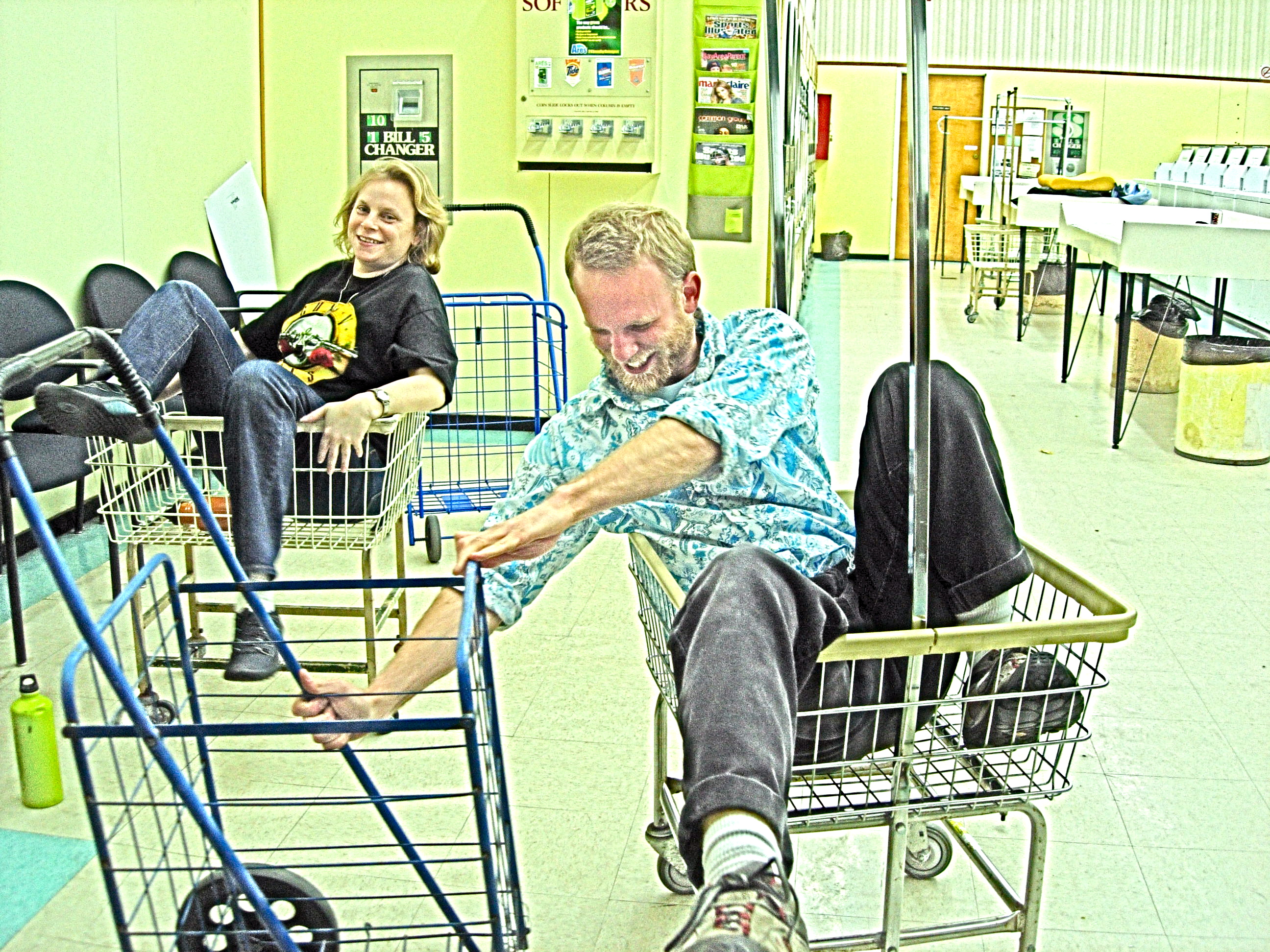
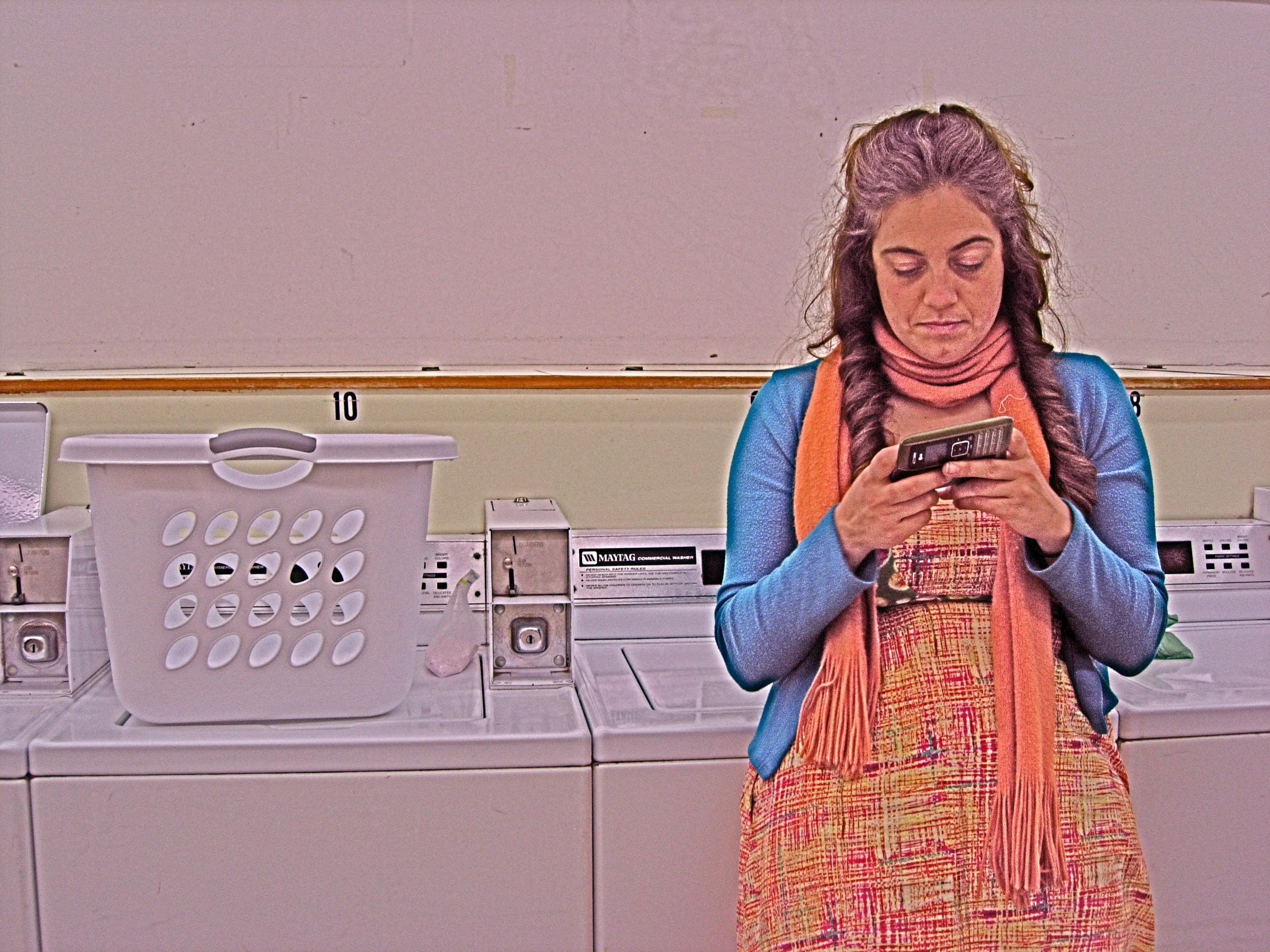
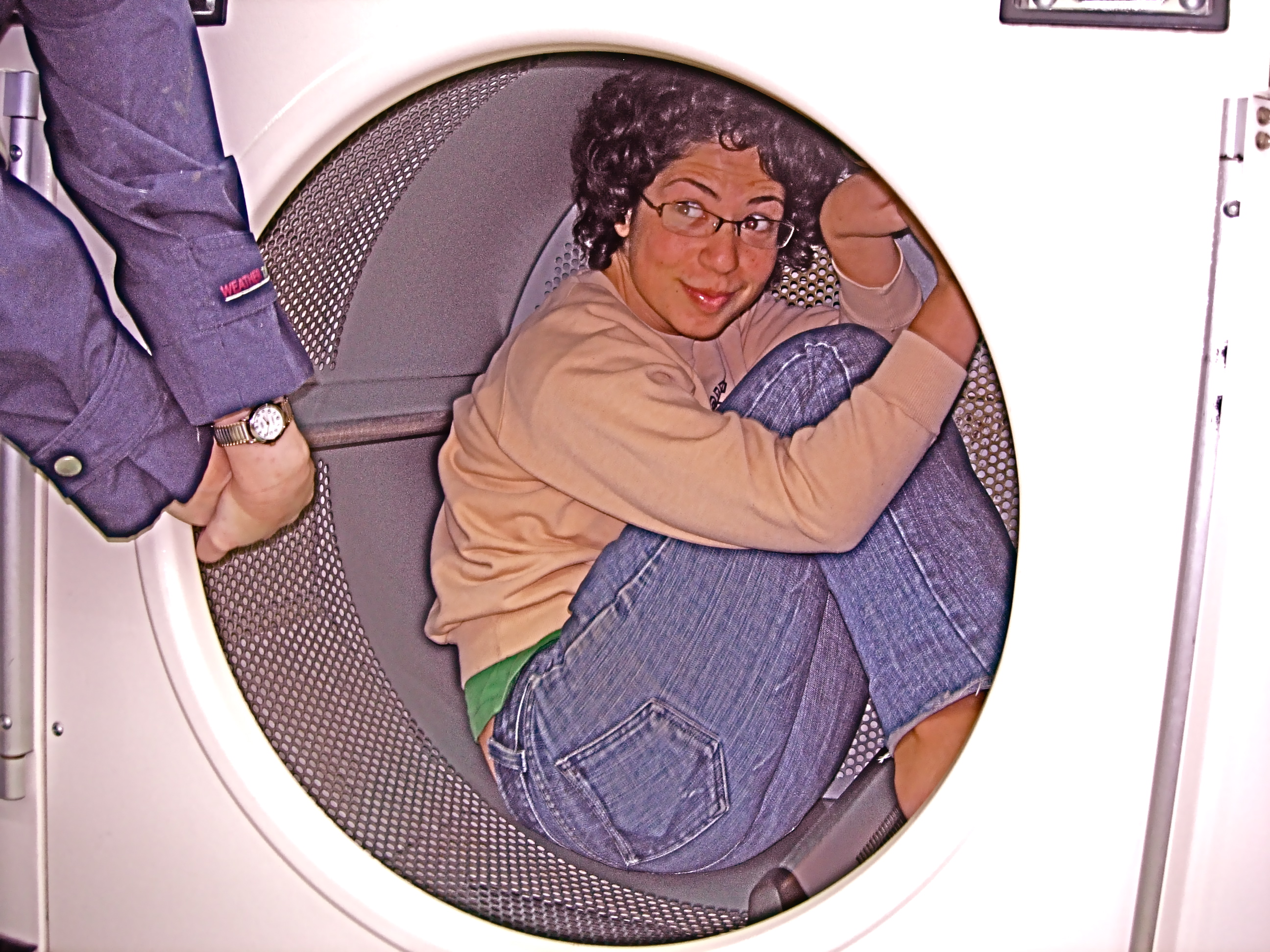
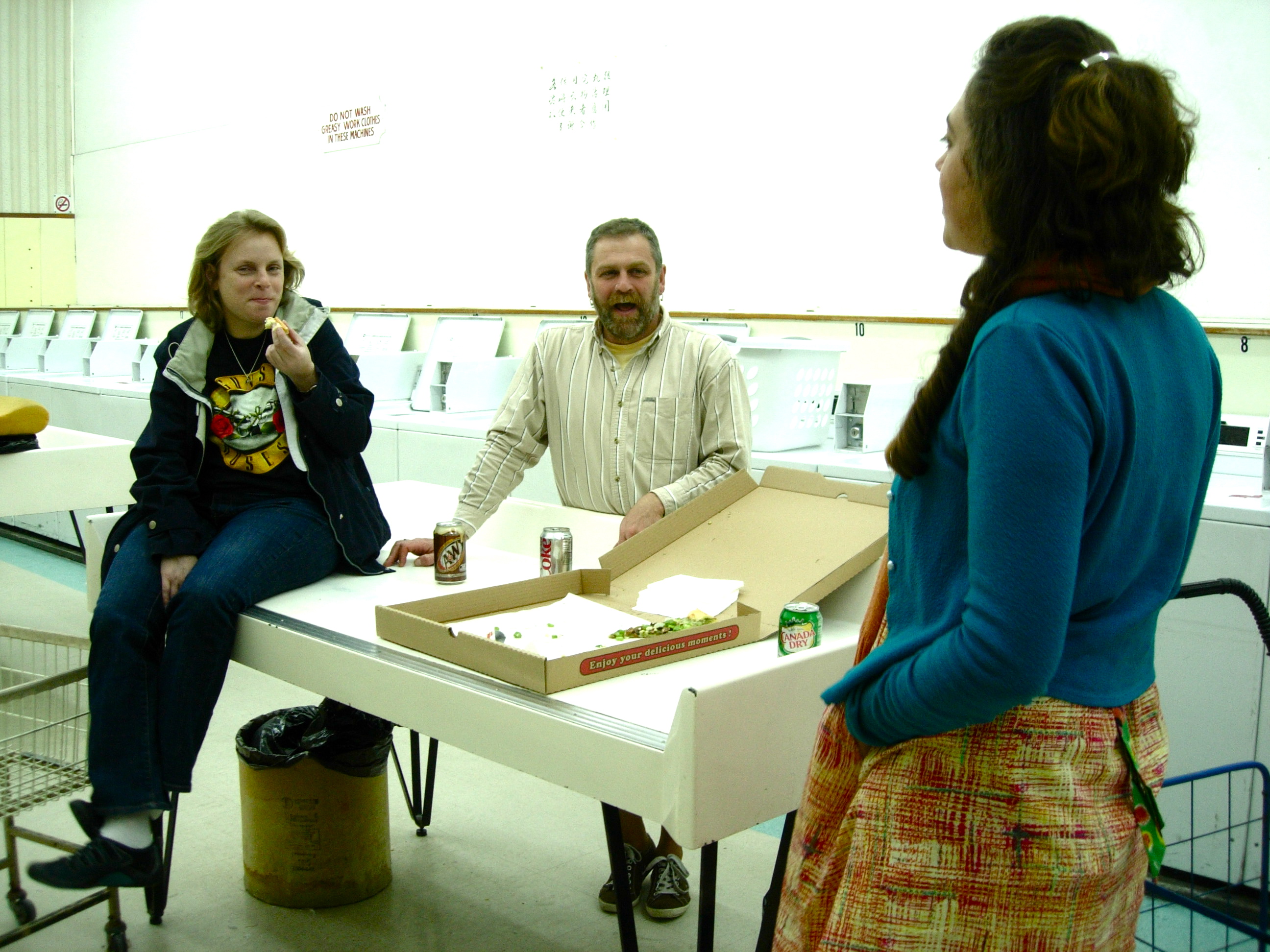
So at a time like this, what do Fools do? Band together to completely clean out her entire studio apartment, carpeted with what looked like five years of cat hair. (From a very cute kitty, I might add.) Host her and said kitty while the place got fumigated. And then, tonight, throw a laundry party at her local coin-op, Amybelle’s Wash N Dry. How’s that for (unpaid) co-worker camaraderie?

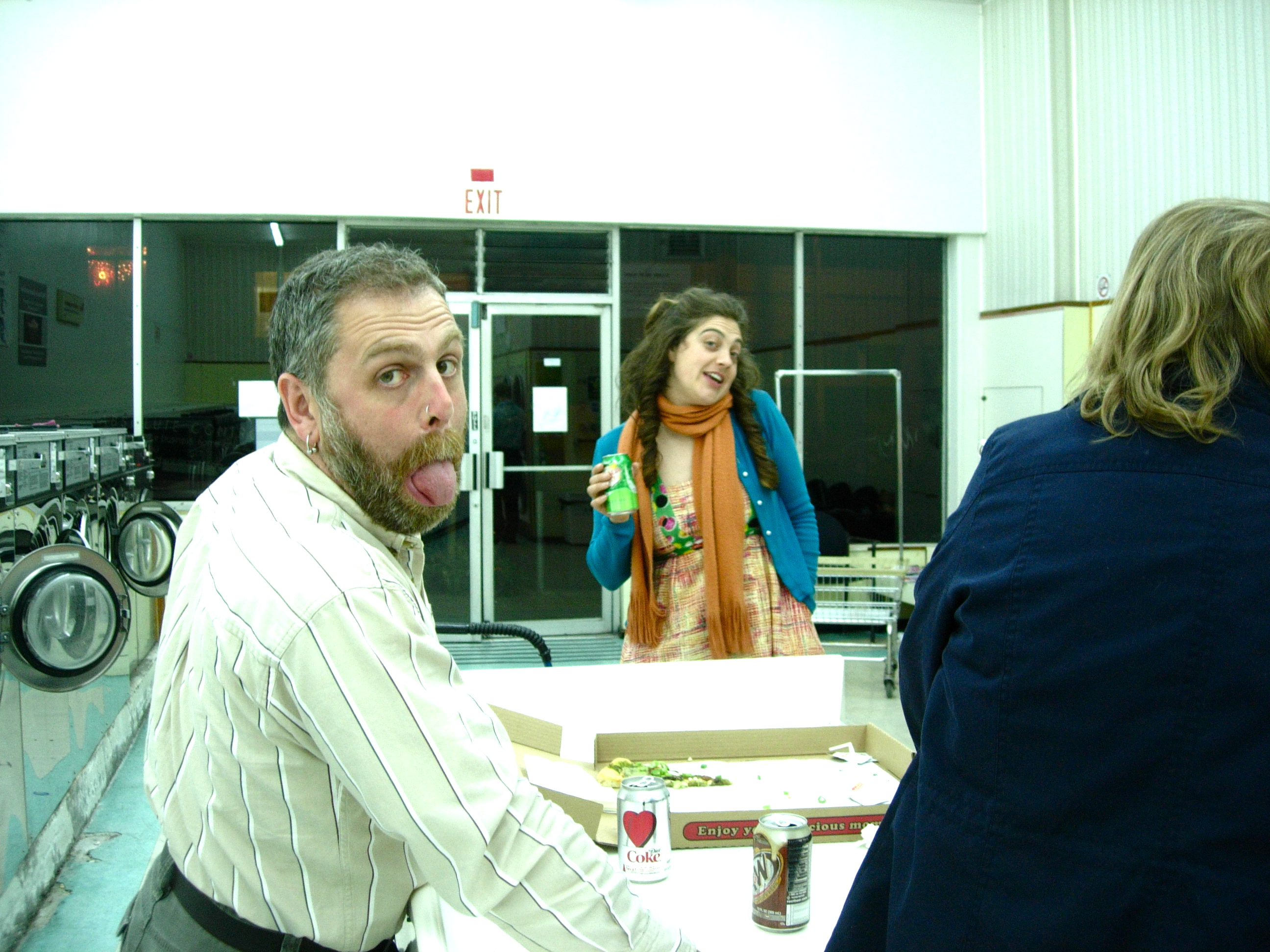
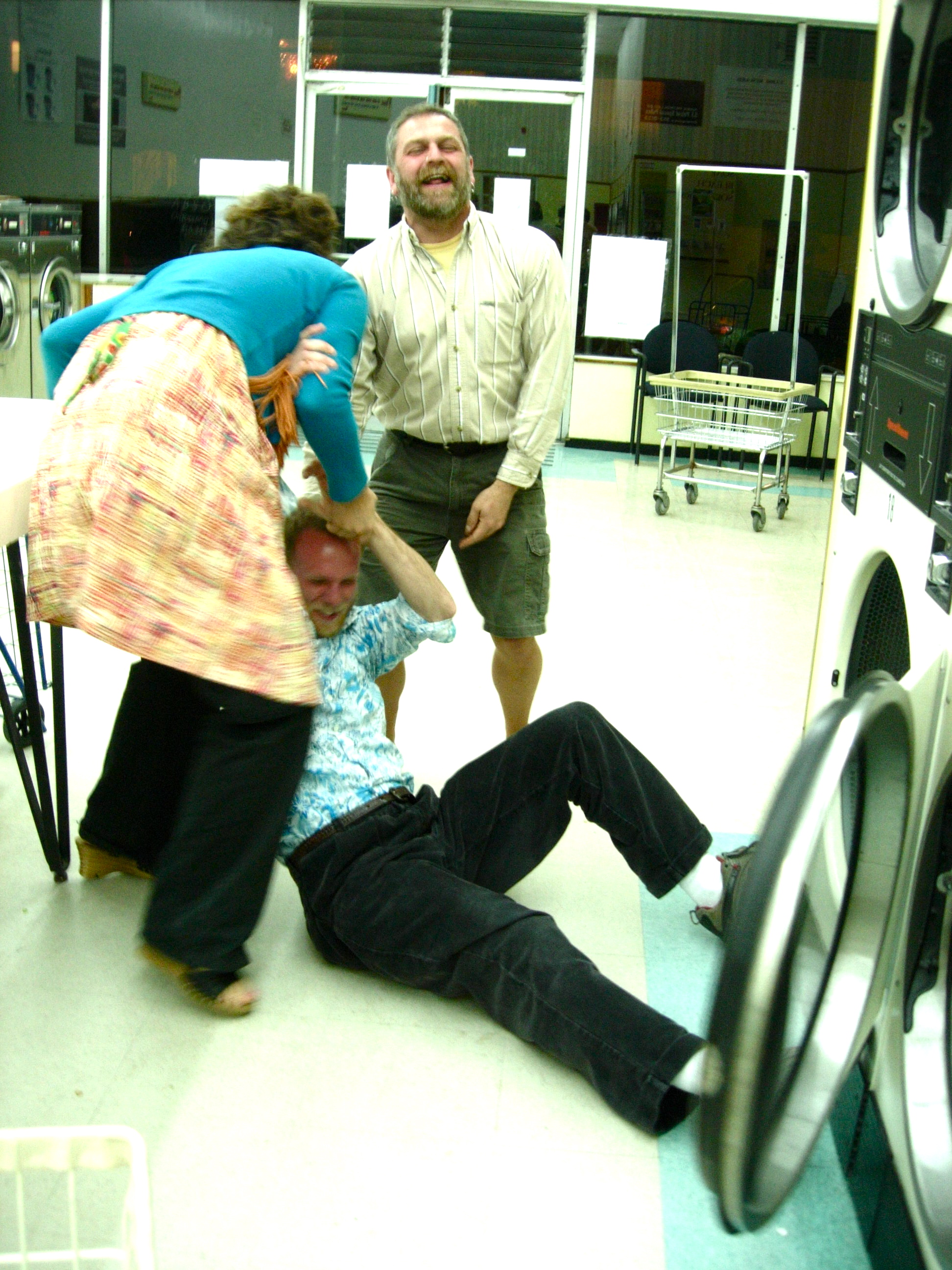
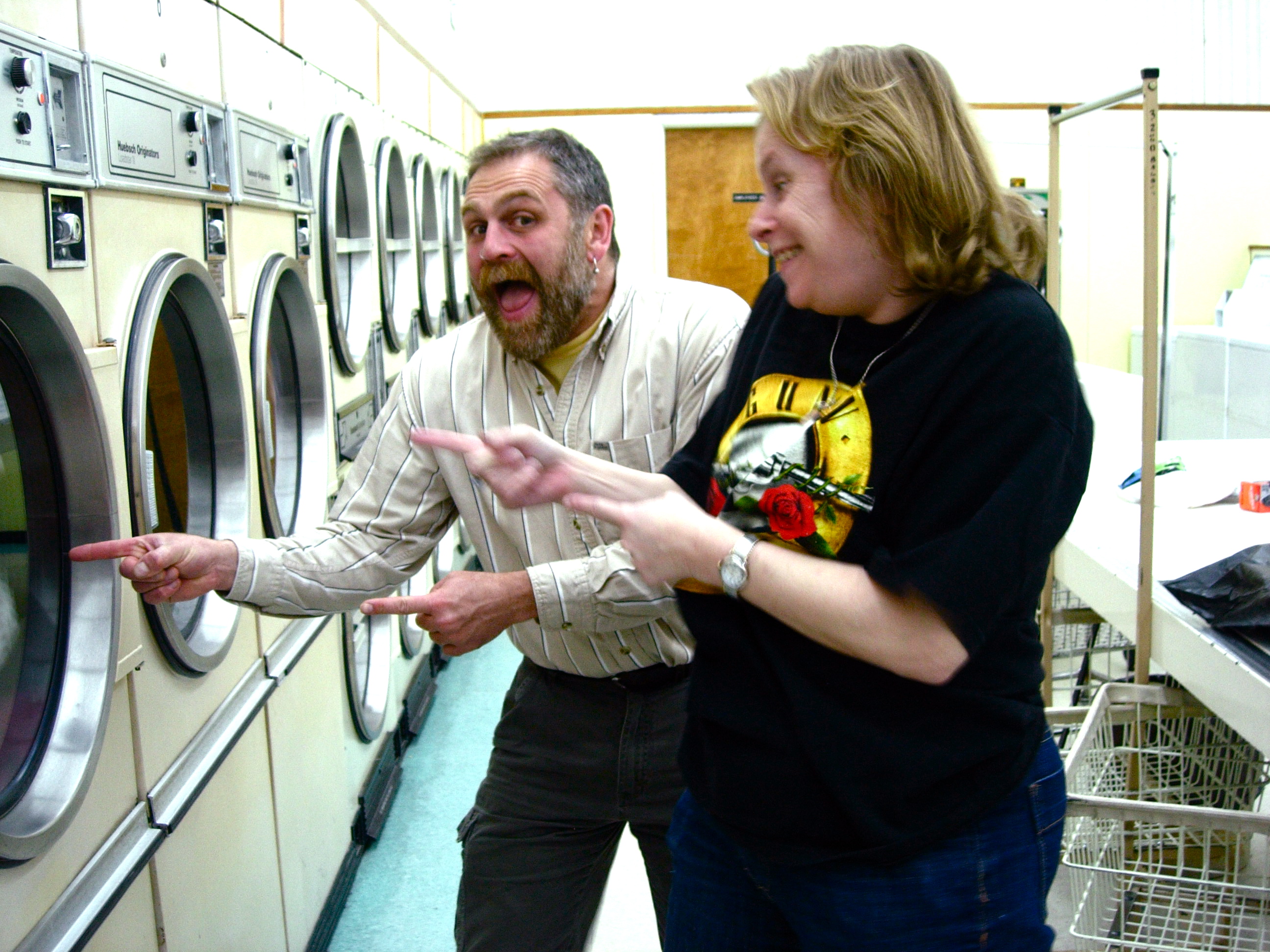
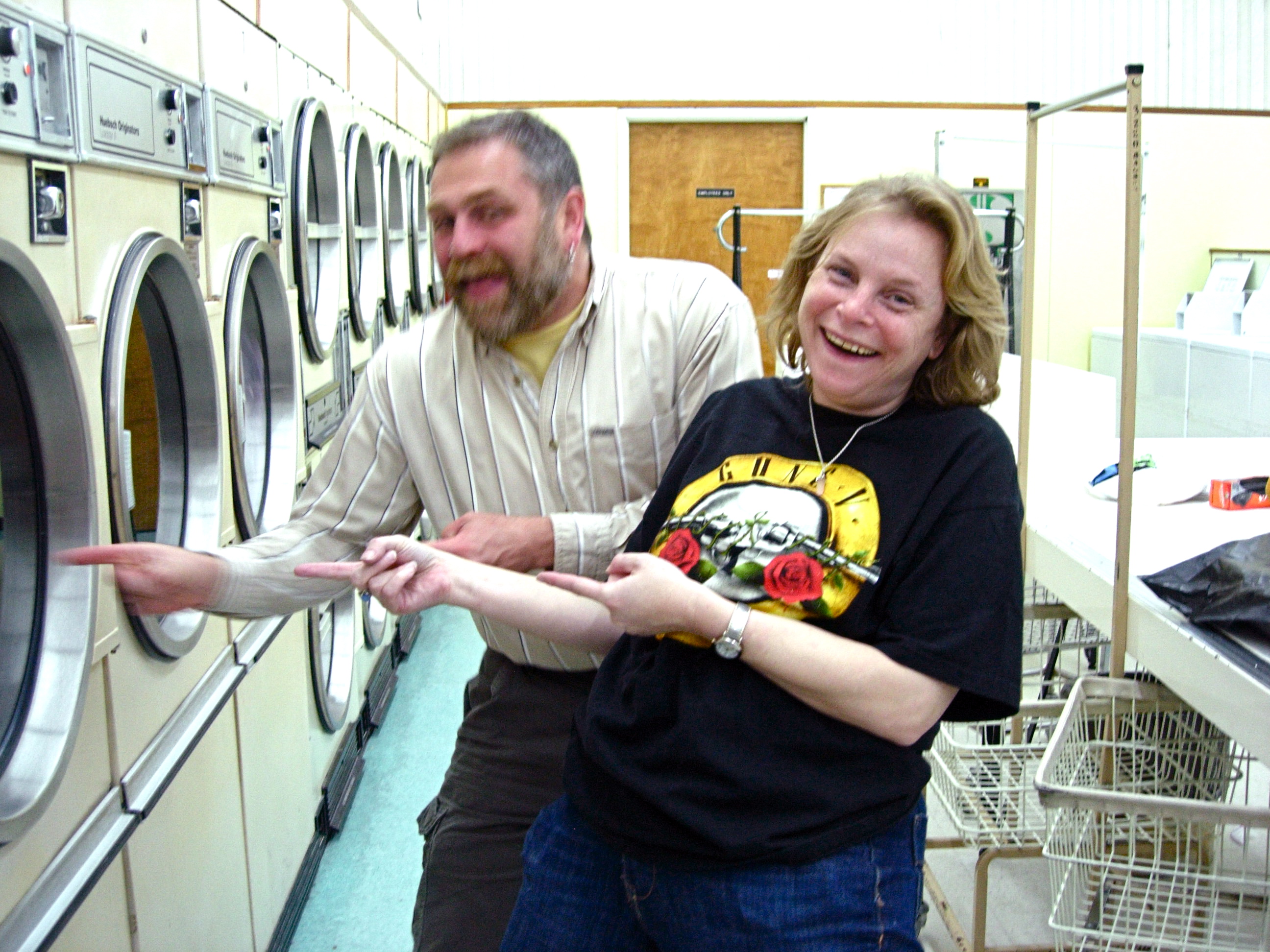



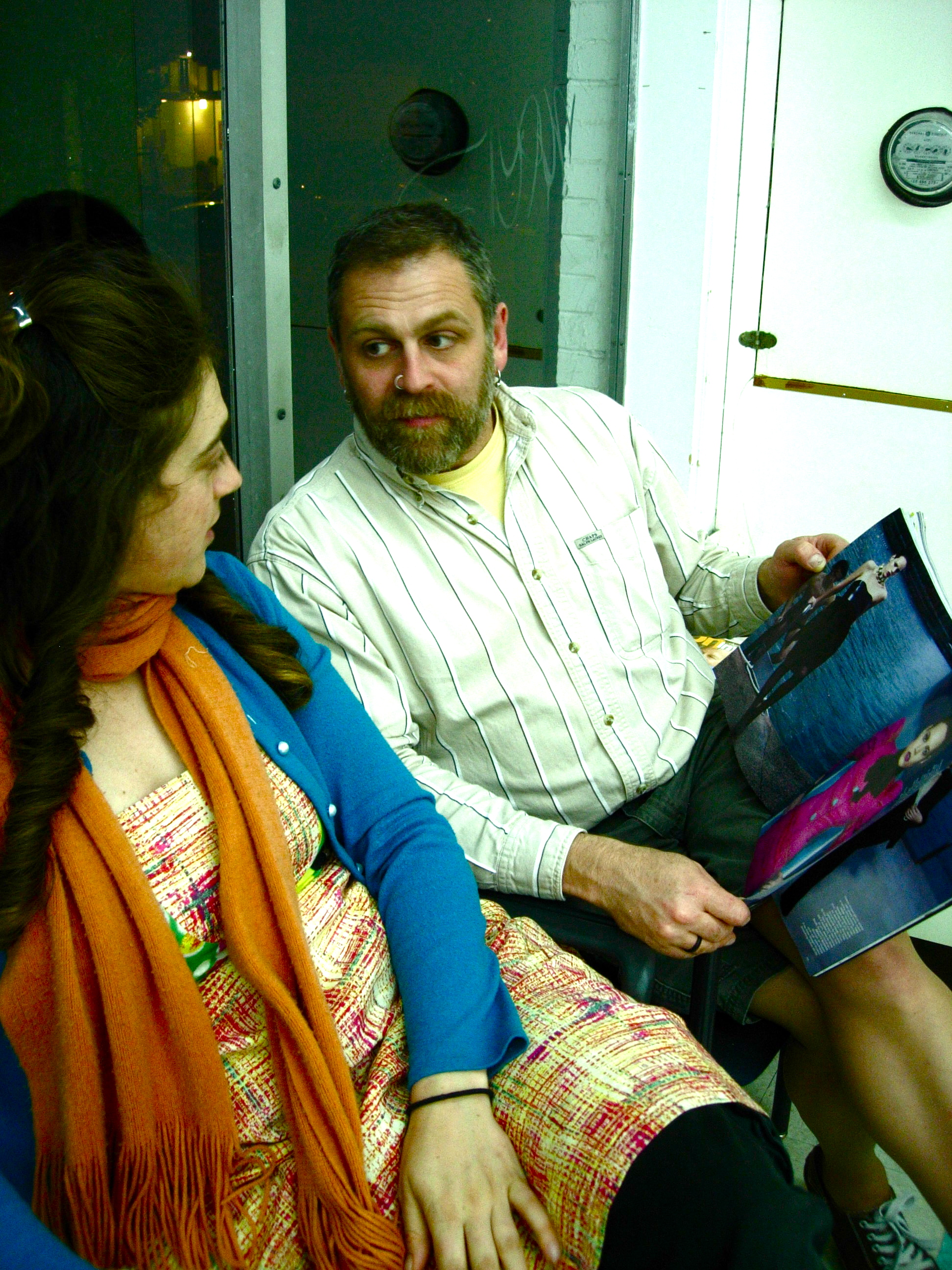
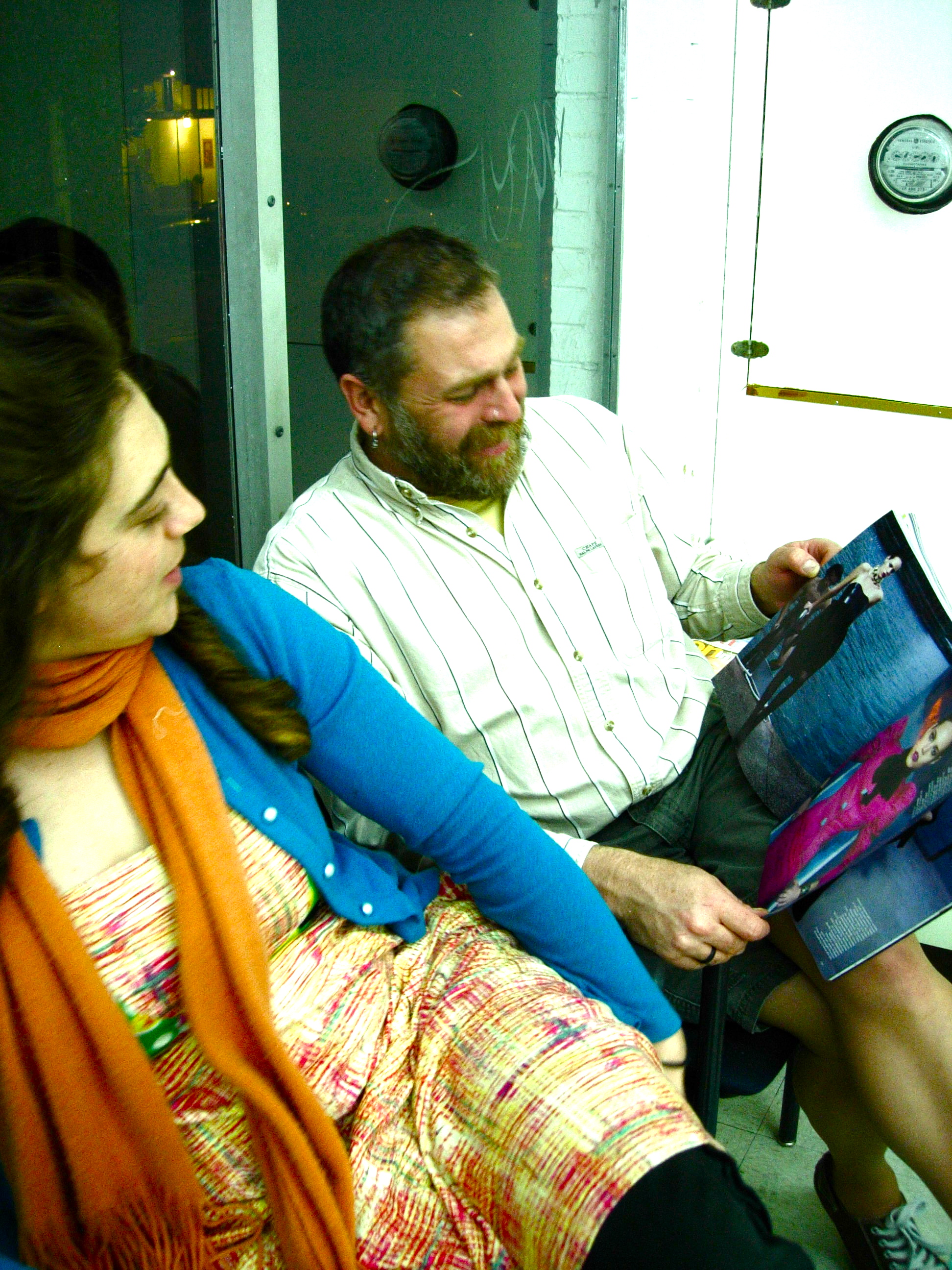
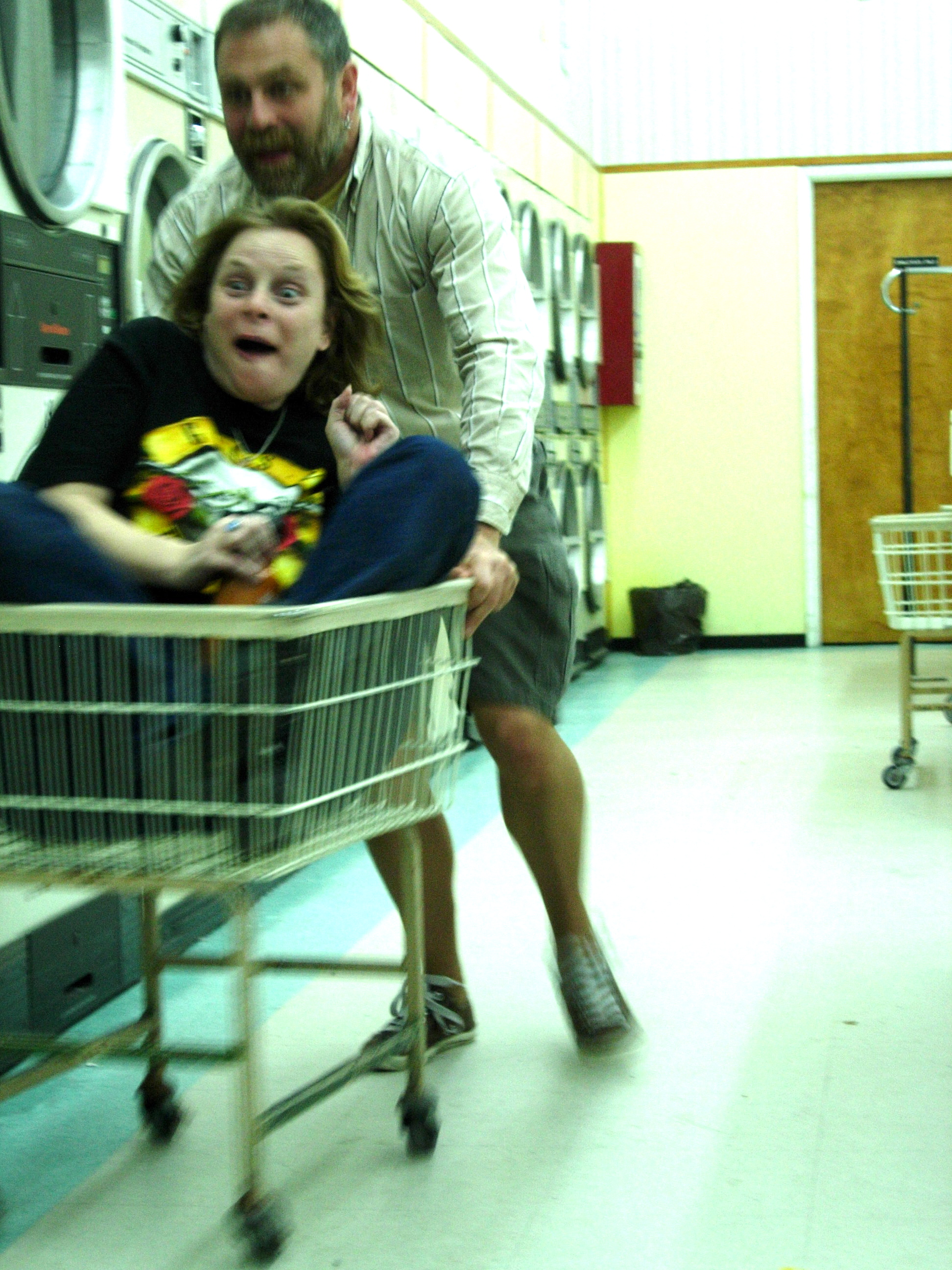
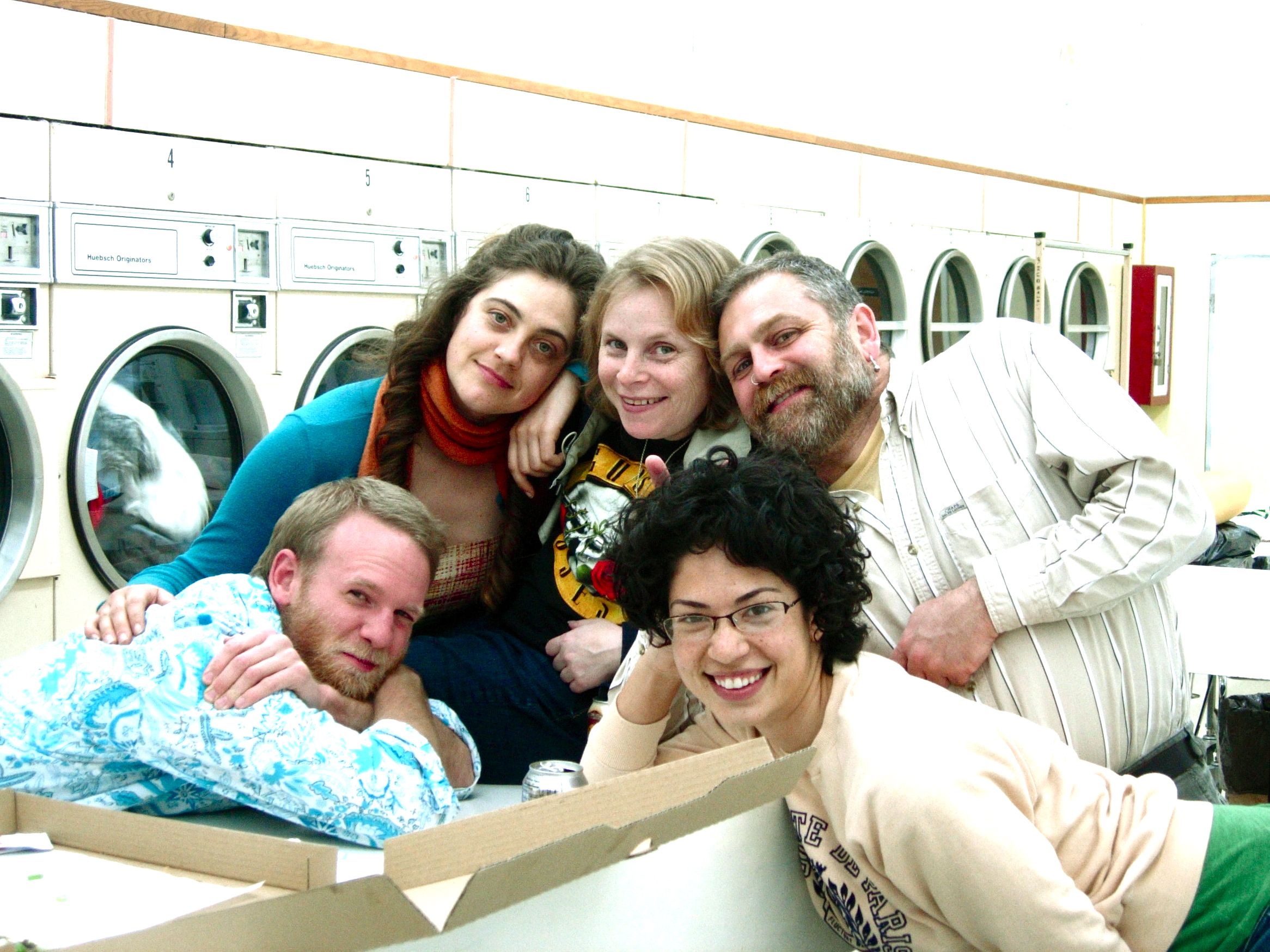
Have a wonderful weekend, y’all. ‘Til next week!

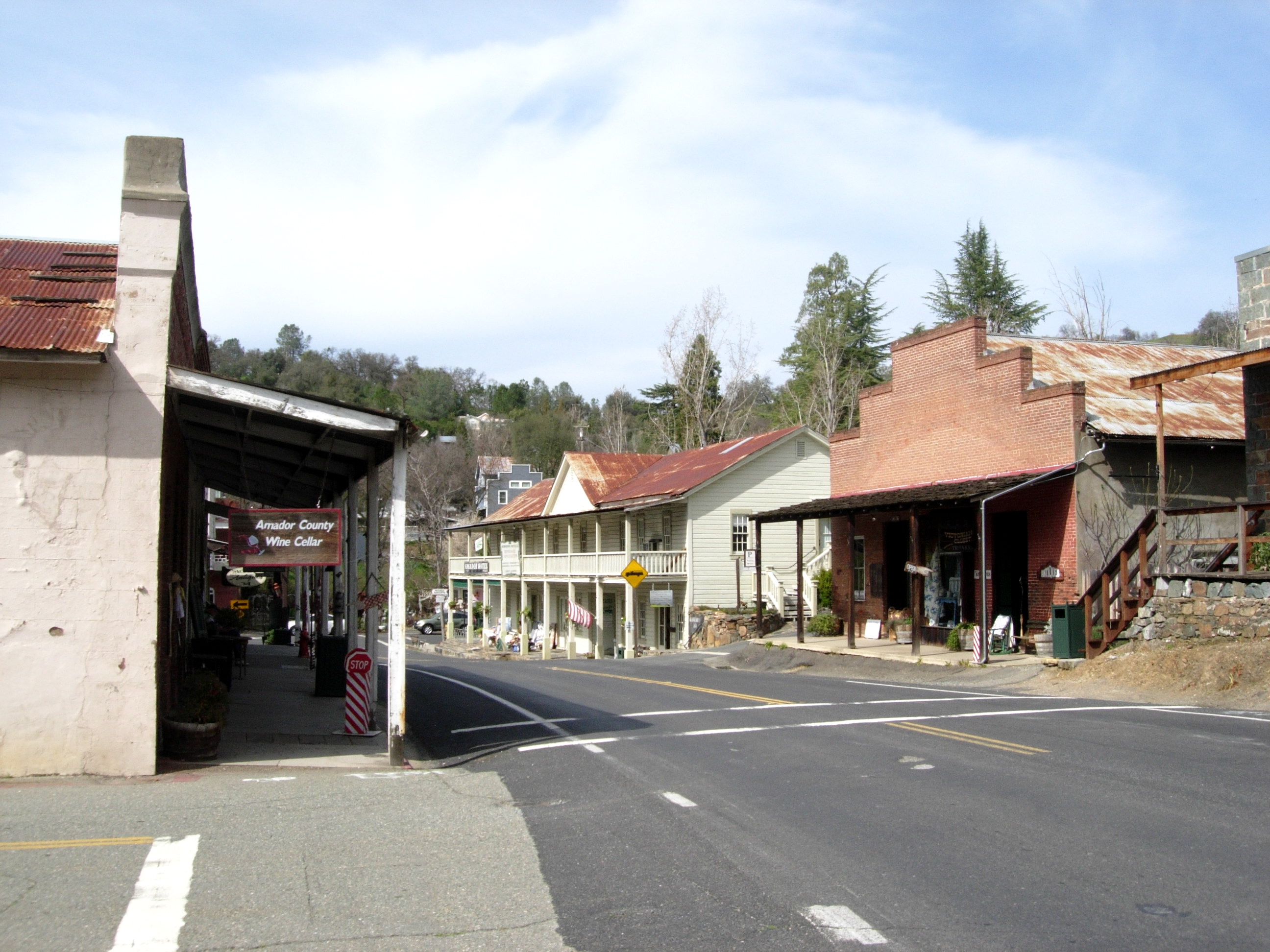
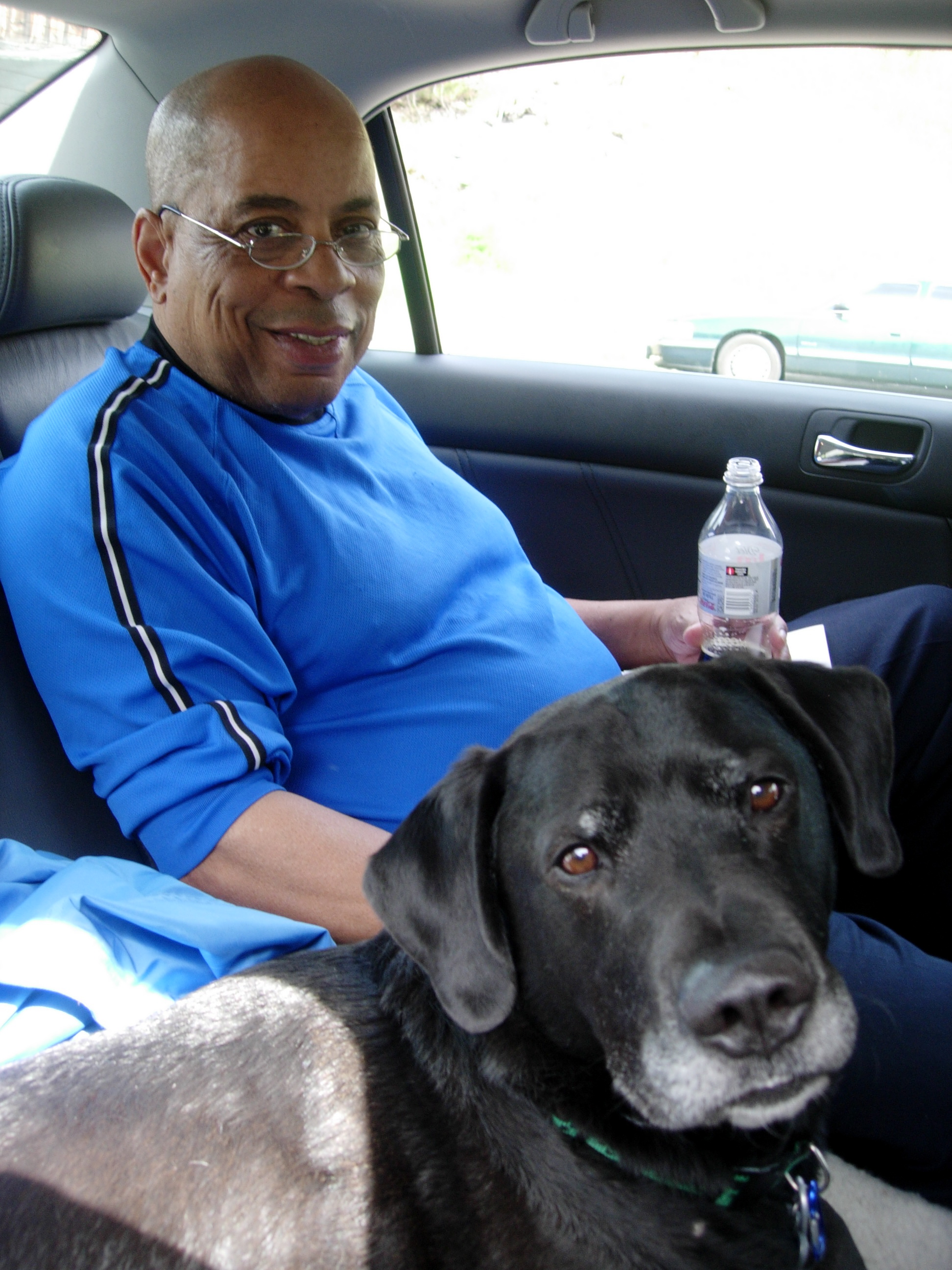
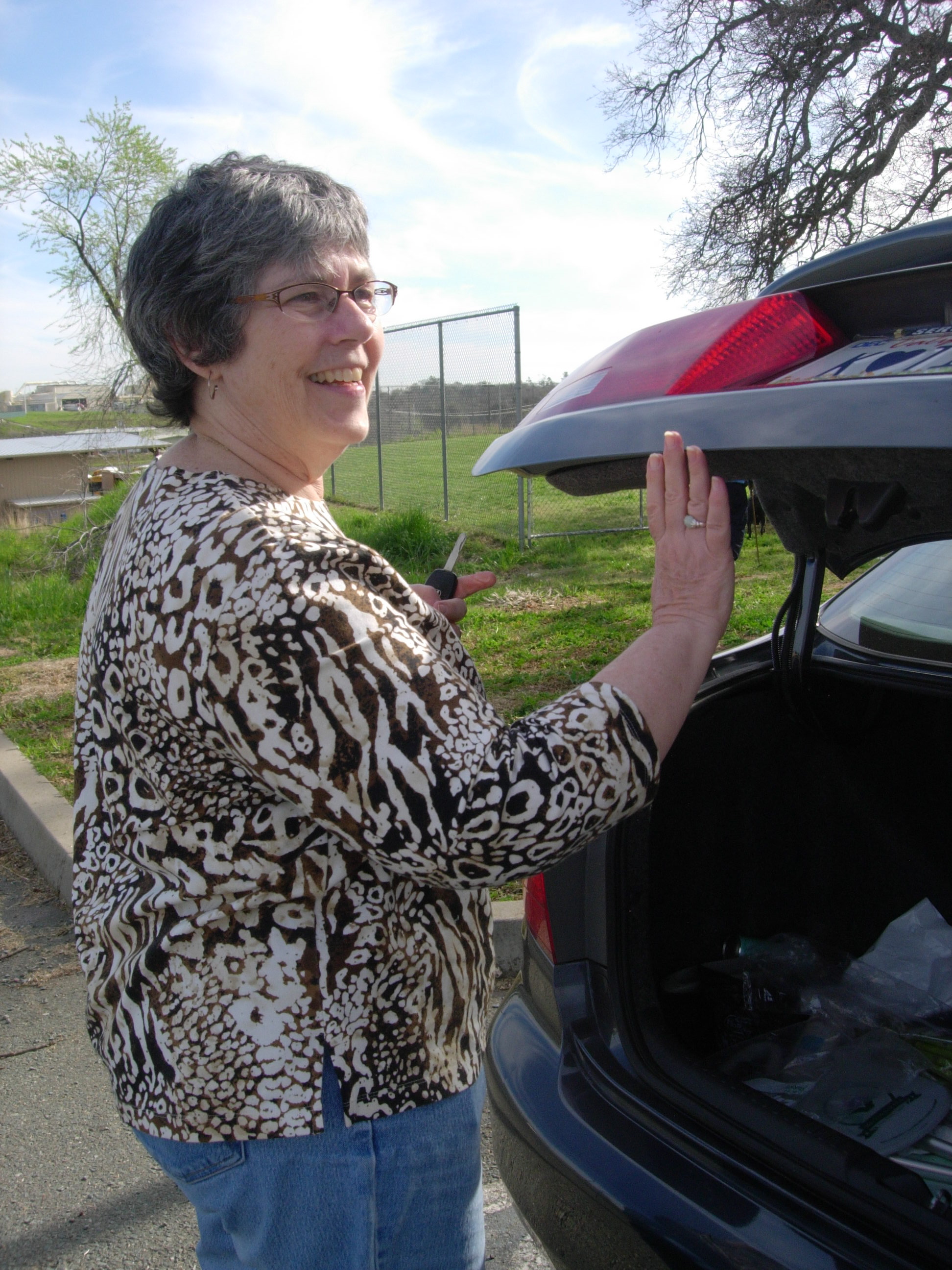
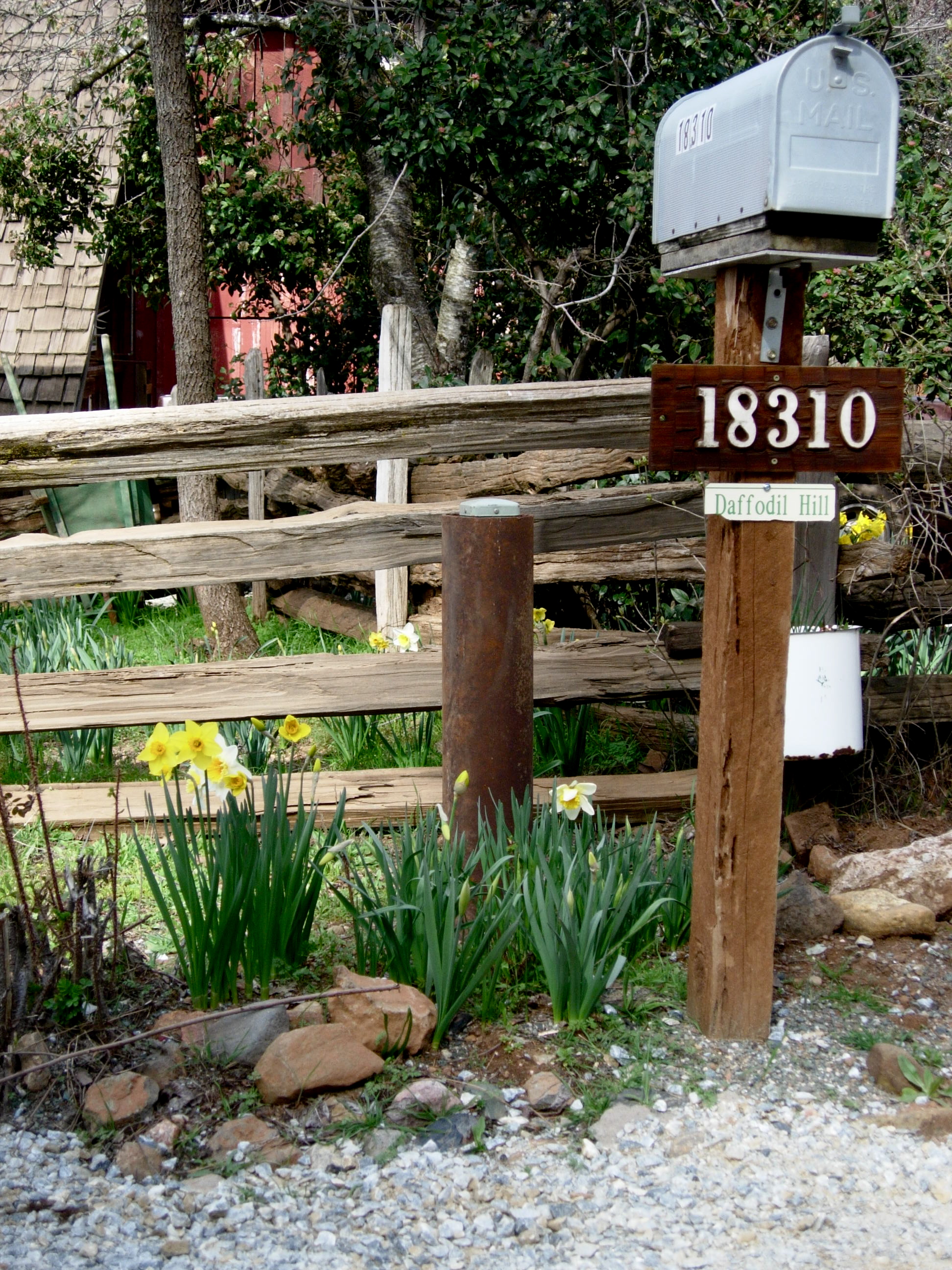
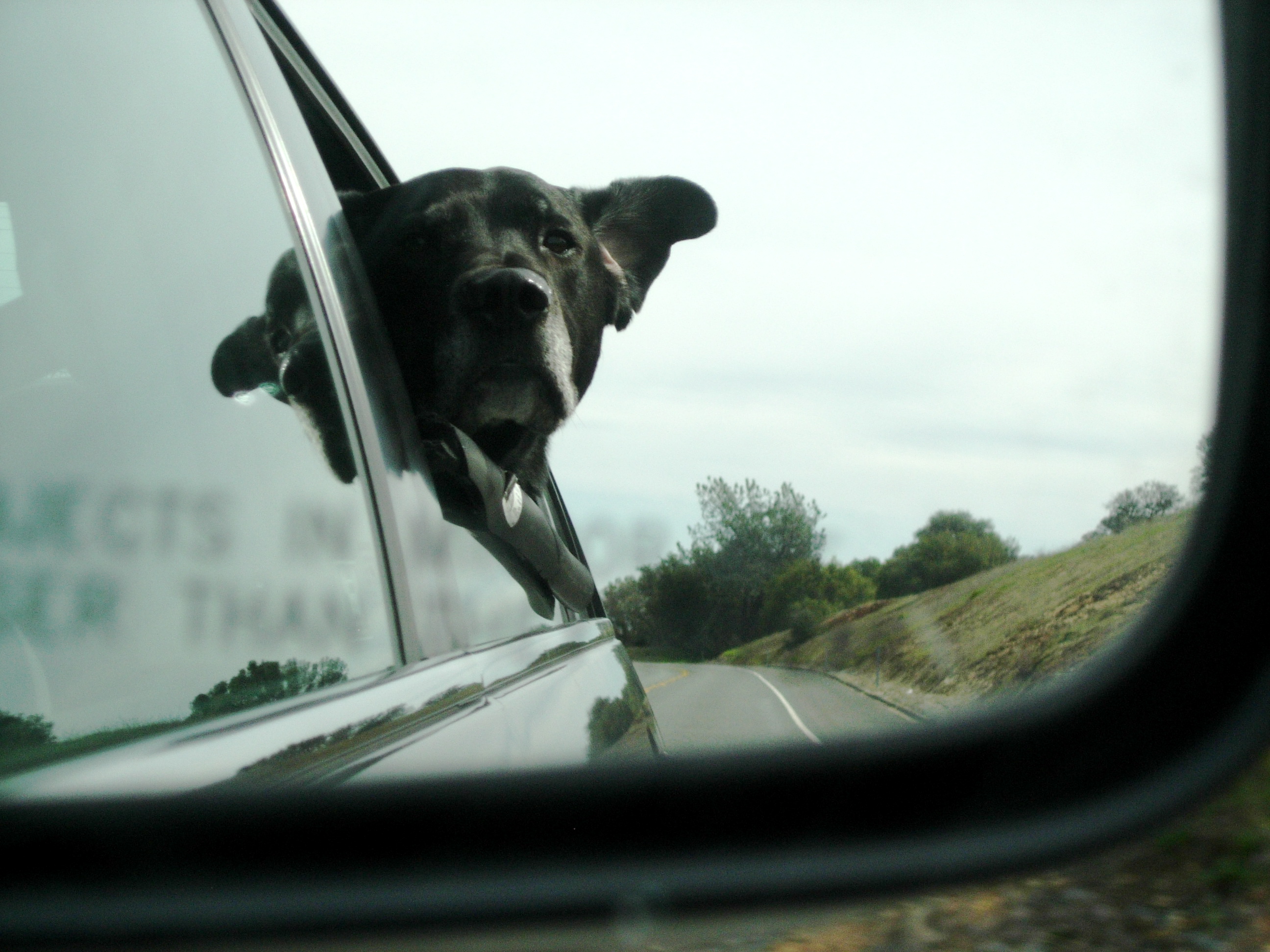
Driving with my parents and pooch through Amador County yesterday, surrounded by snowy mountain horizons and idyllic “Gold Country” scenes, I breathed the deep sigh of the escaped innercitydweller. At the same time, I found myself thinking of the difficulties of rural living.
Dusting all the “quaint” knickknacks on display in your one-street-town storefront. Chopping firewood with a bad back. The lack of “cultura,” as a new mexicana friend describes her life at the University of Wyoming — which, in its more insidious aspects, may relate to the faint queasiness in my gut whenever we had to stop the car and ask a sinewy old white man for directions. (They were all perfectly sweet, incidentally.) Absent indigenous people; invisible immigrant laborers.
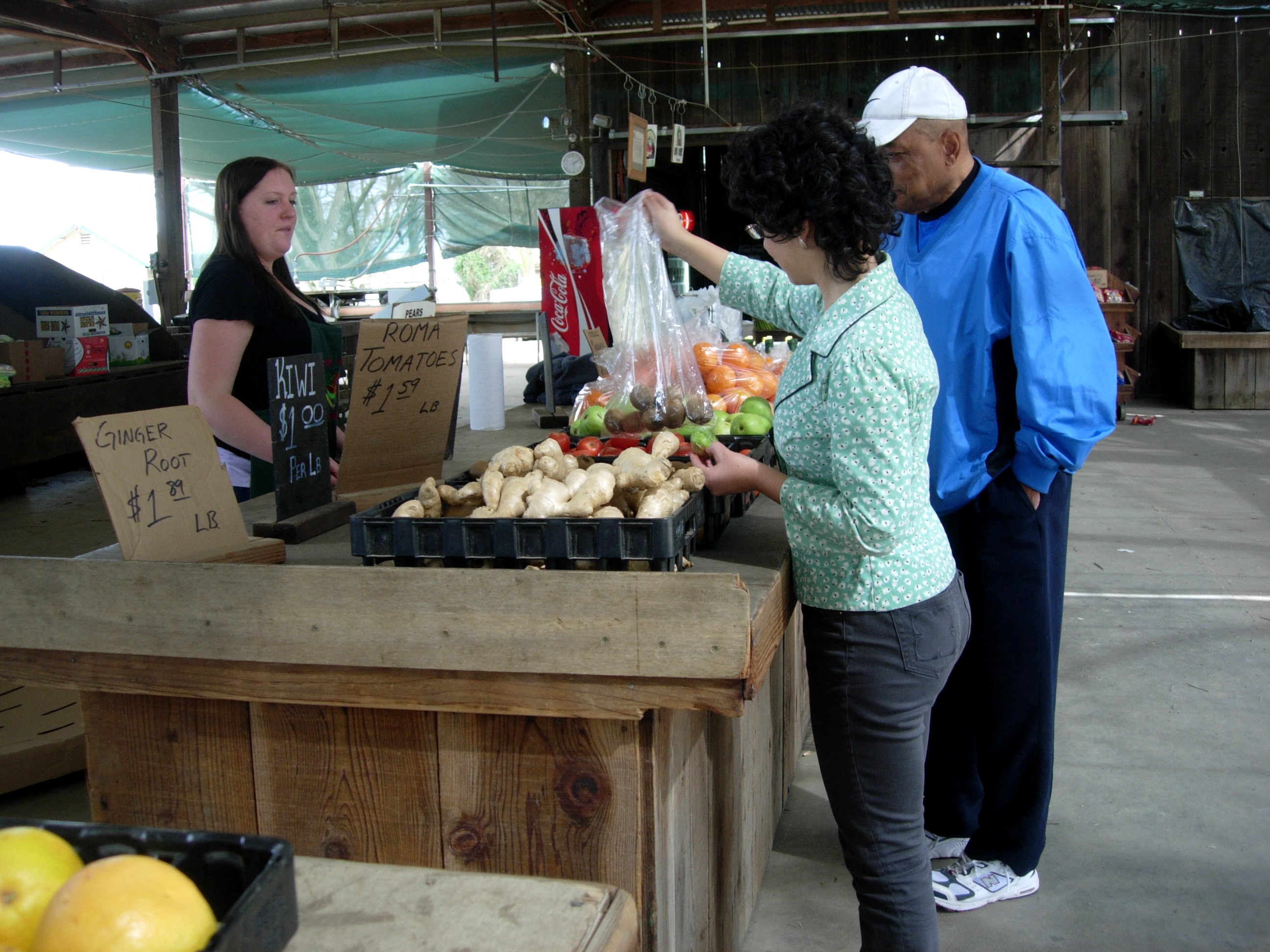
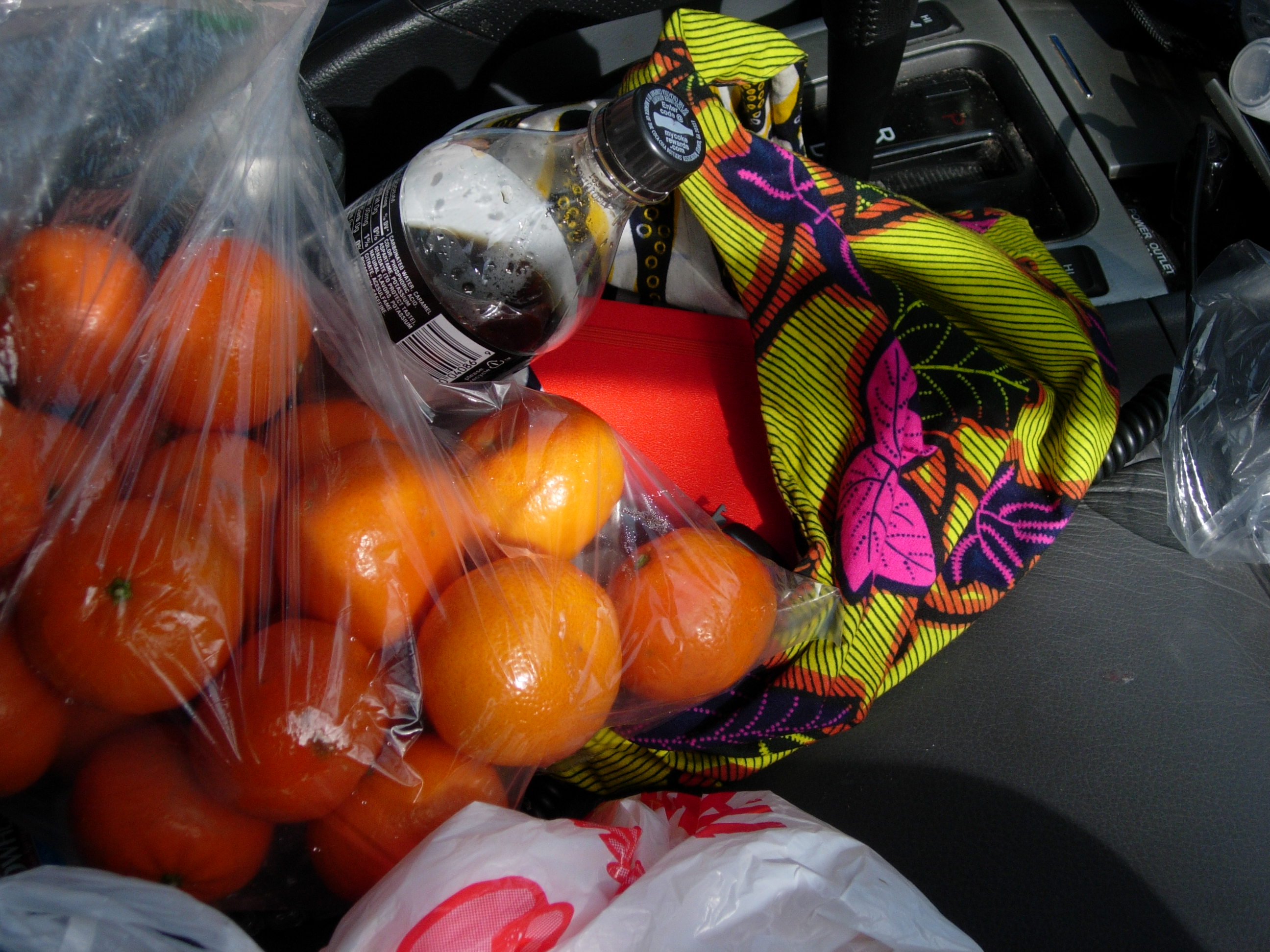
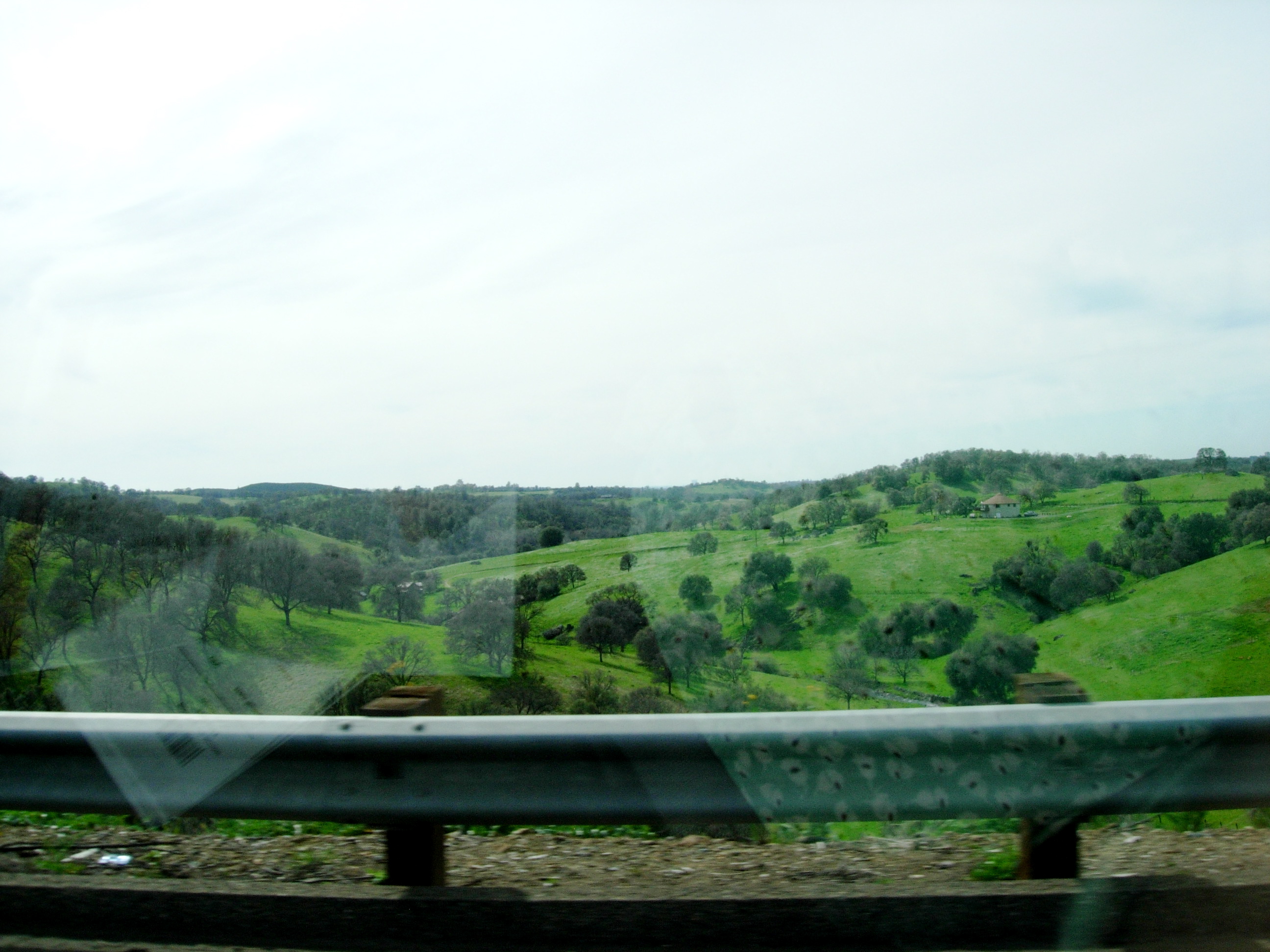

Not knocking the Sutter Creek set, of course — simply checking my own tendency to romanticize the gorgeous, sweet-breezed setting. And rather than spoiling the enjoyment, my negative observations ballasted and strengthened my experience. Free from craving and projection of fantasies, the day felt even more poignant, more precious, more vivid. A truly beautiful afternoon.






A making-breakfast conversation with Noa this morning, discussing the health benefits of ghee (she clarified — no pun intended — some of my misconceptions), somehow Back-To-The-Futured me smack-dab into 2005, the summer I turned 19 on the way to McLeod Ganj. (As opposed to the summer I turned 19 on the way to Buenos Aires…)
As a result, my walk to work at the First Unitarian Universalist was entirely double-visioned. The church, nestled in the brood of huge Christian hubs up on Cathedral Hill, became a Tibetan monastery, perched on the face of a Himalayan foothill. The southward view from Jefferson Park, a steeply sloped dogwalking destination between Turk and Eddy, flickered between a beautiful vista of San Francisco’s Mission District and the famous exile village of Dharamsala. Even the fragrance of city cherry blossoms, soft and cleansing in the warming minutes before 9am, somehow evoked the fresh air after a monsoon rain.
How clean the sidewalks are here, I realized. How wide and empty the streets! No crowds!

That is, until we descended from the Hill back into the Tenderloin, sending off a dozen Wyoming University students on a daylong Faithful Fools street retreat. Then, my memory’s eye moved southward along the subcontinent, to the areas in Kerala where I spent most of my 10 weeks. The hustle, the stagnancy, the dirt and color. All these contrasts. Saints and thieves, or more often, a little of both playing out in one body. Drunken yogis. Warrior monks. Our many, many aspects. I wanted to greet all of them, welcome them, let them know how thankful I am for this messy, chaotic, uncomfortable, precious life.
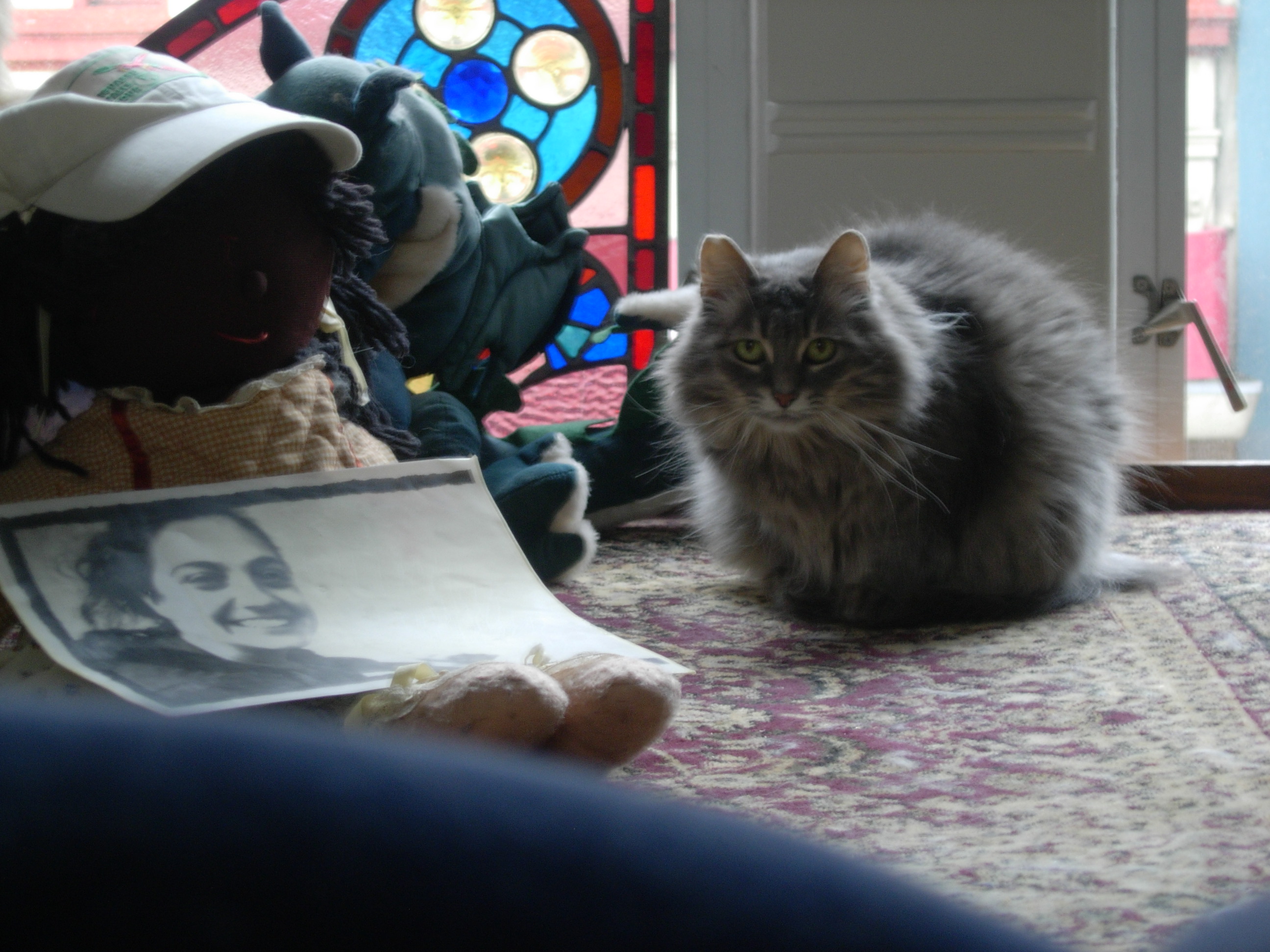
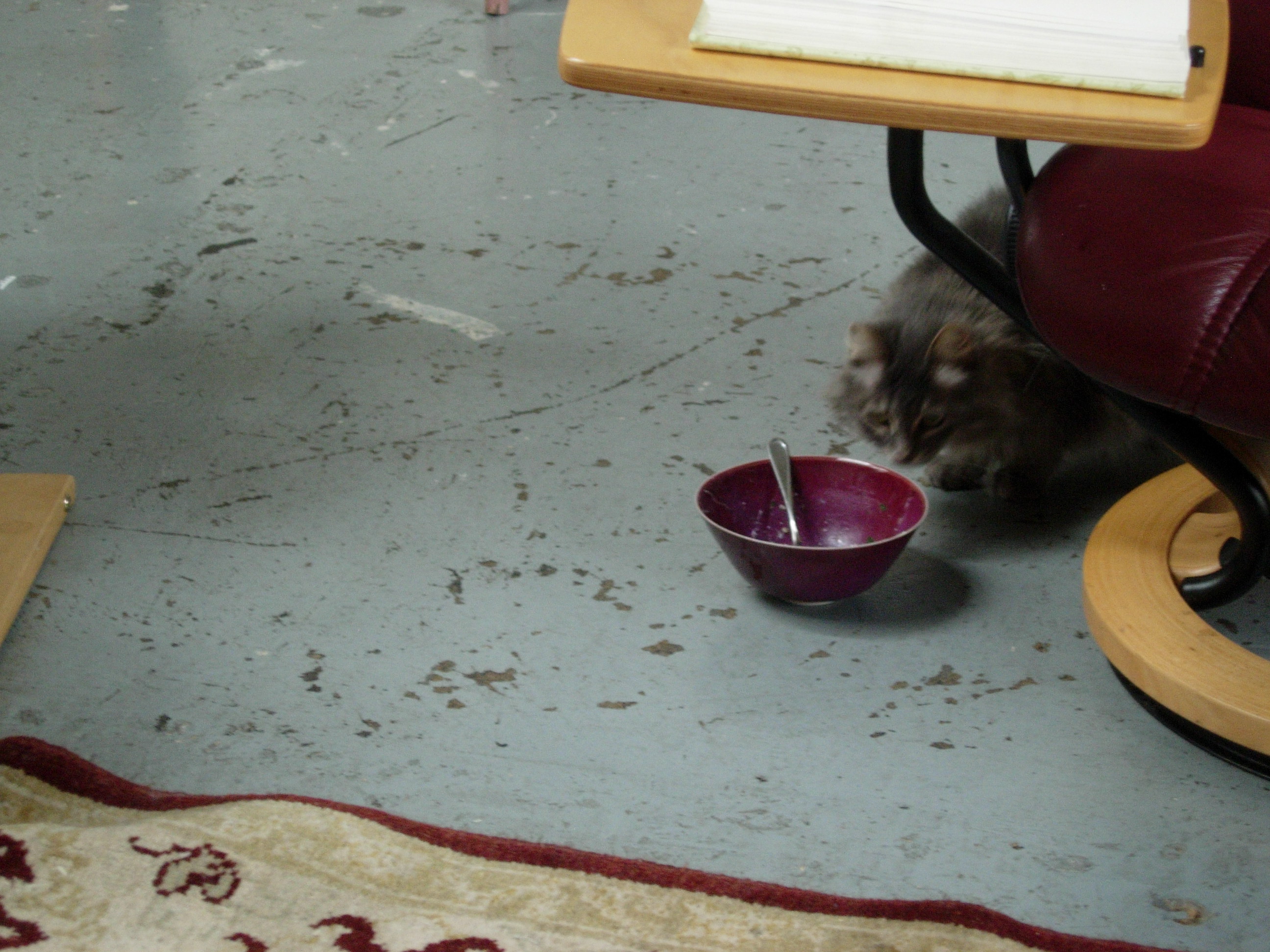
Heather is a feral cat that the Fools took in some years back, and who lives with us — slinking among the stuffed animal menagerie — in the Fools’ Court. For years, I’m told, she wouldn’t even let herself be seen. Now, she’s slowly growing bolder: eating, roaming, and claw-feasting on stuffed armchairs in full view, when there’s only a few of us around. But she’s still supremely elusive — a fact only emphasized by her absurdly gorgeous and adorable looks.
Last week, over the course of a lazy, reading-and-tea -type afternoon, I intermittently tried to take her portrait. I think some part of me hoped it would bring us closer together. Let’s just say she had her own agenda.

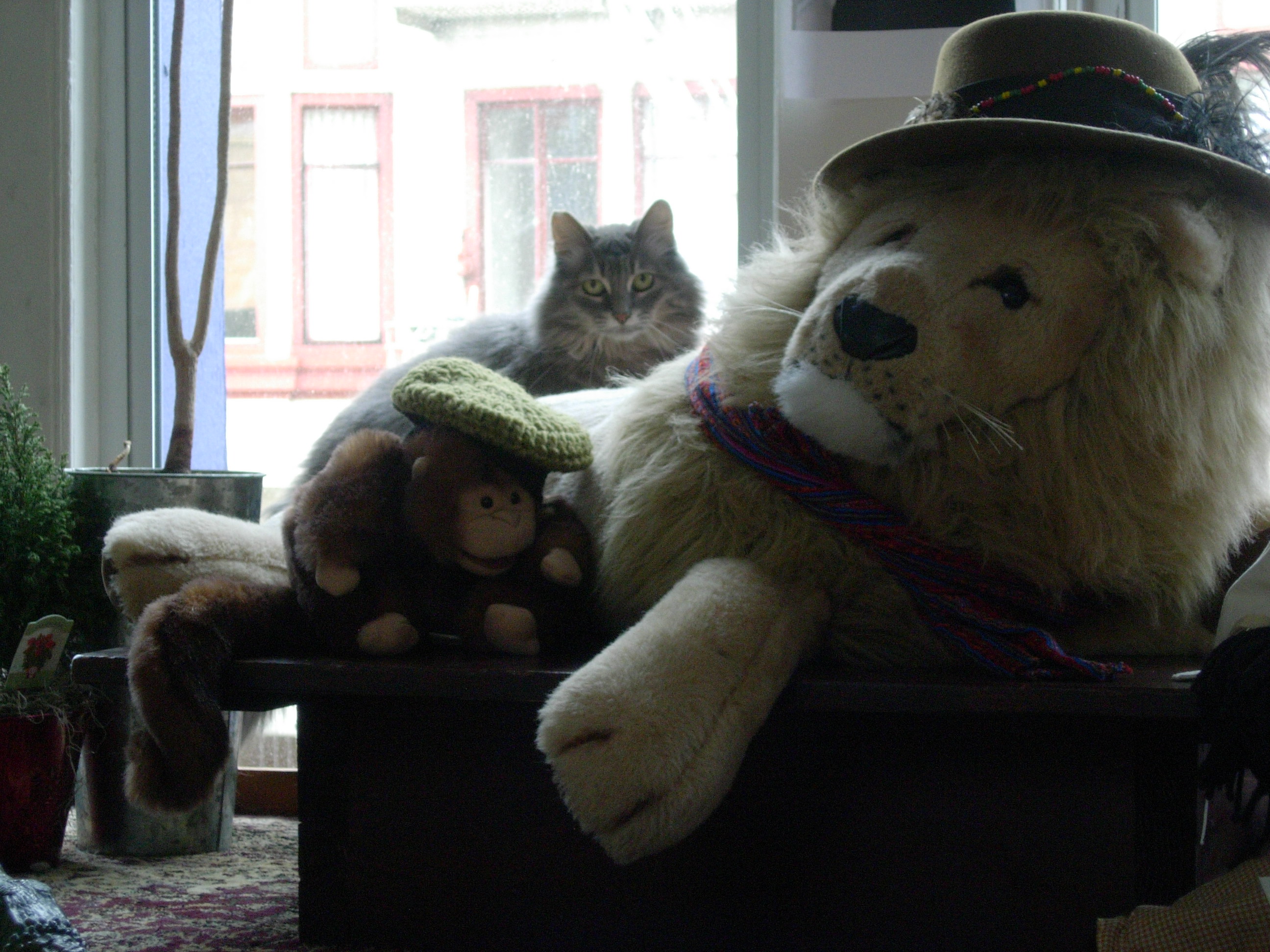
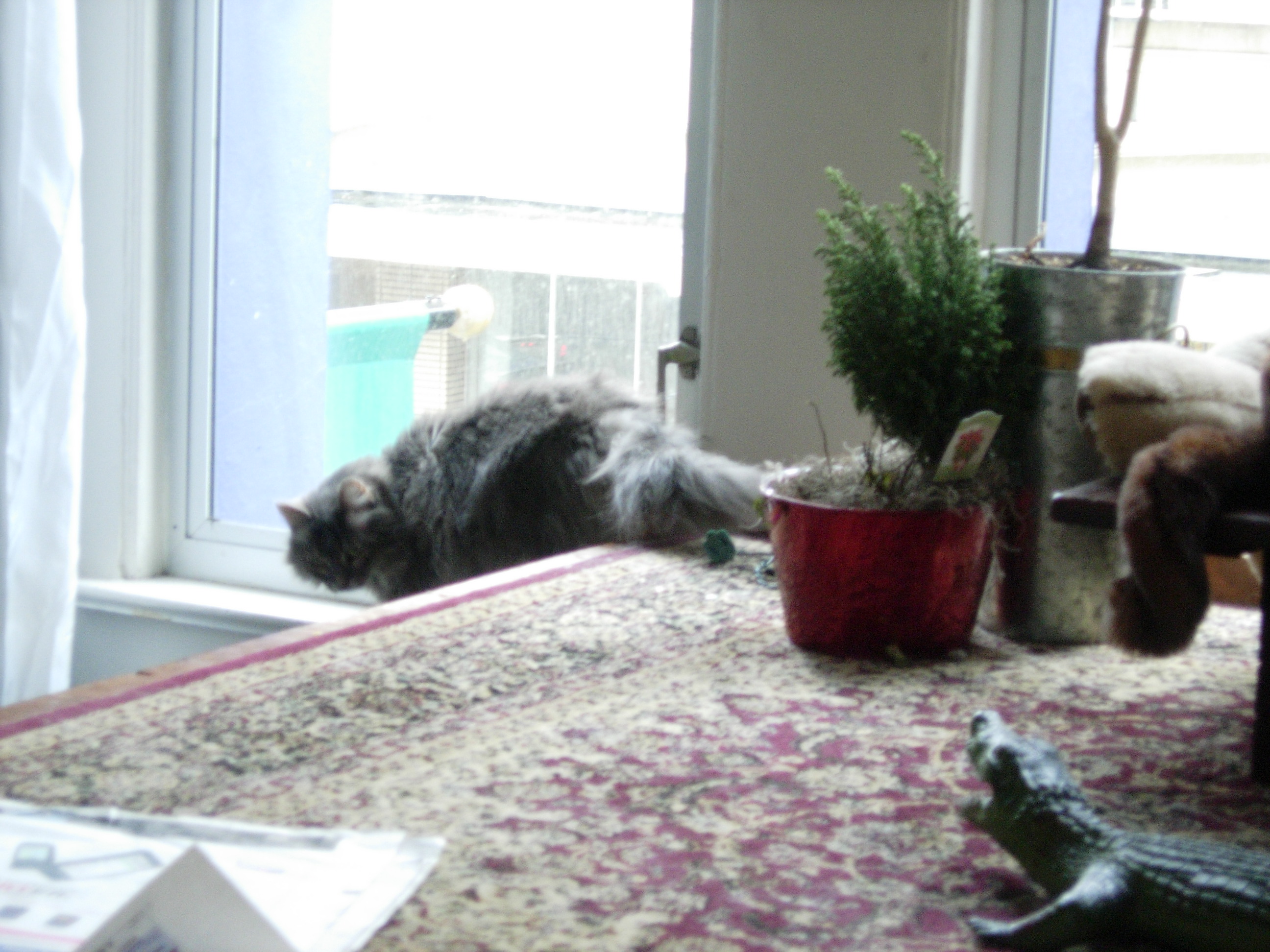

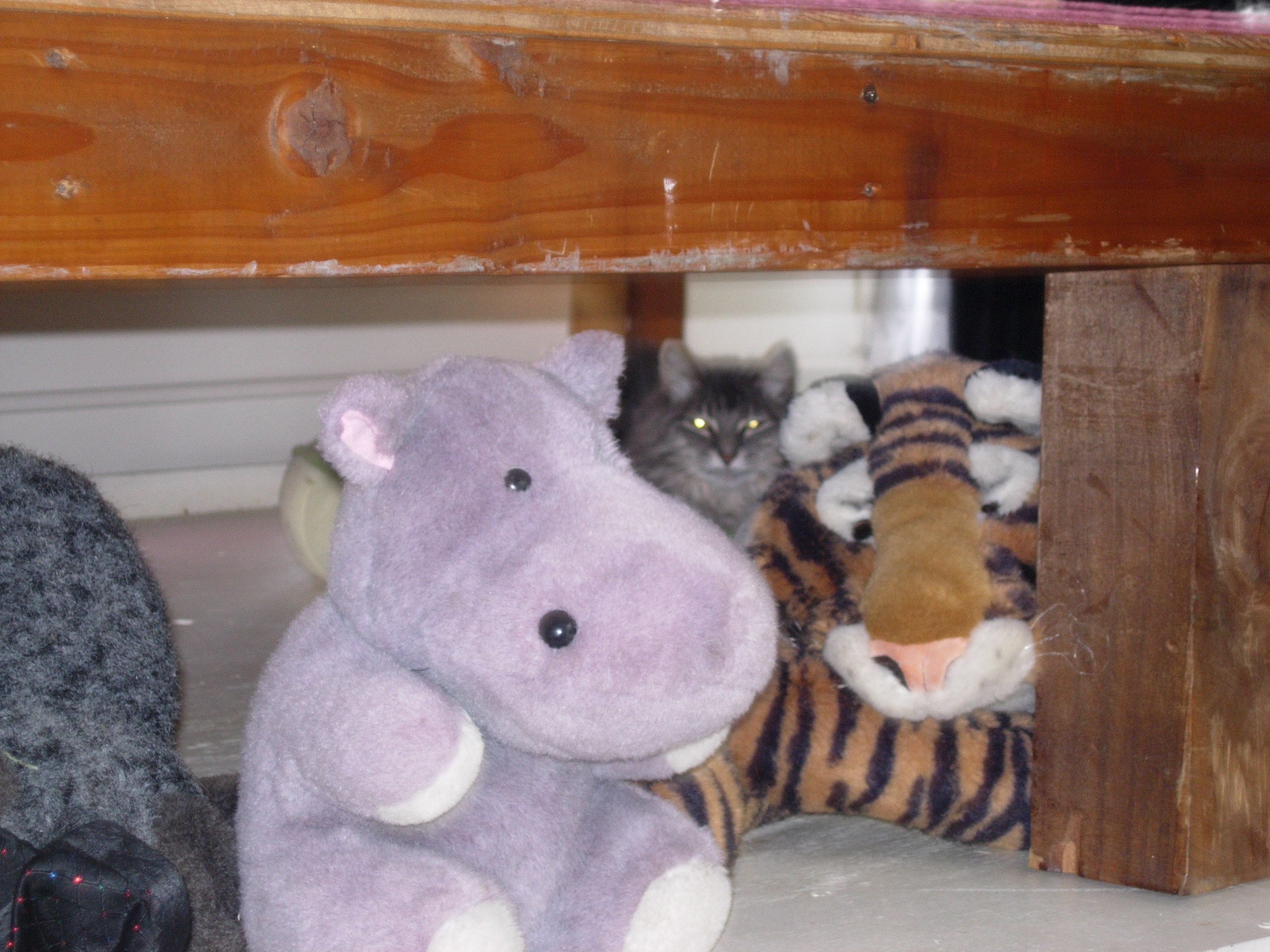

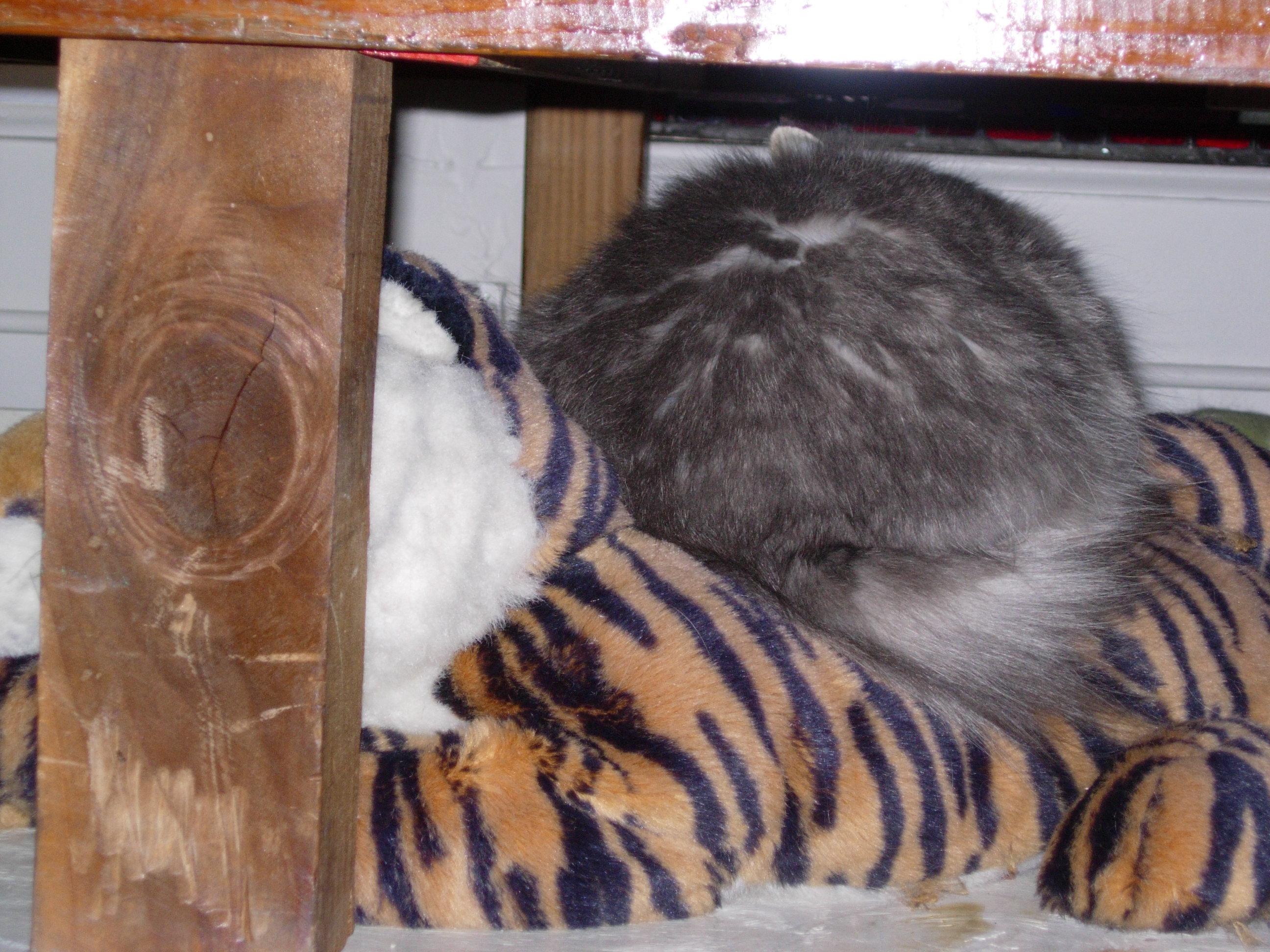
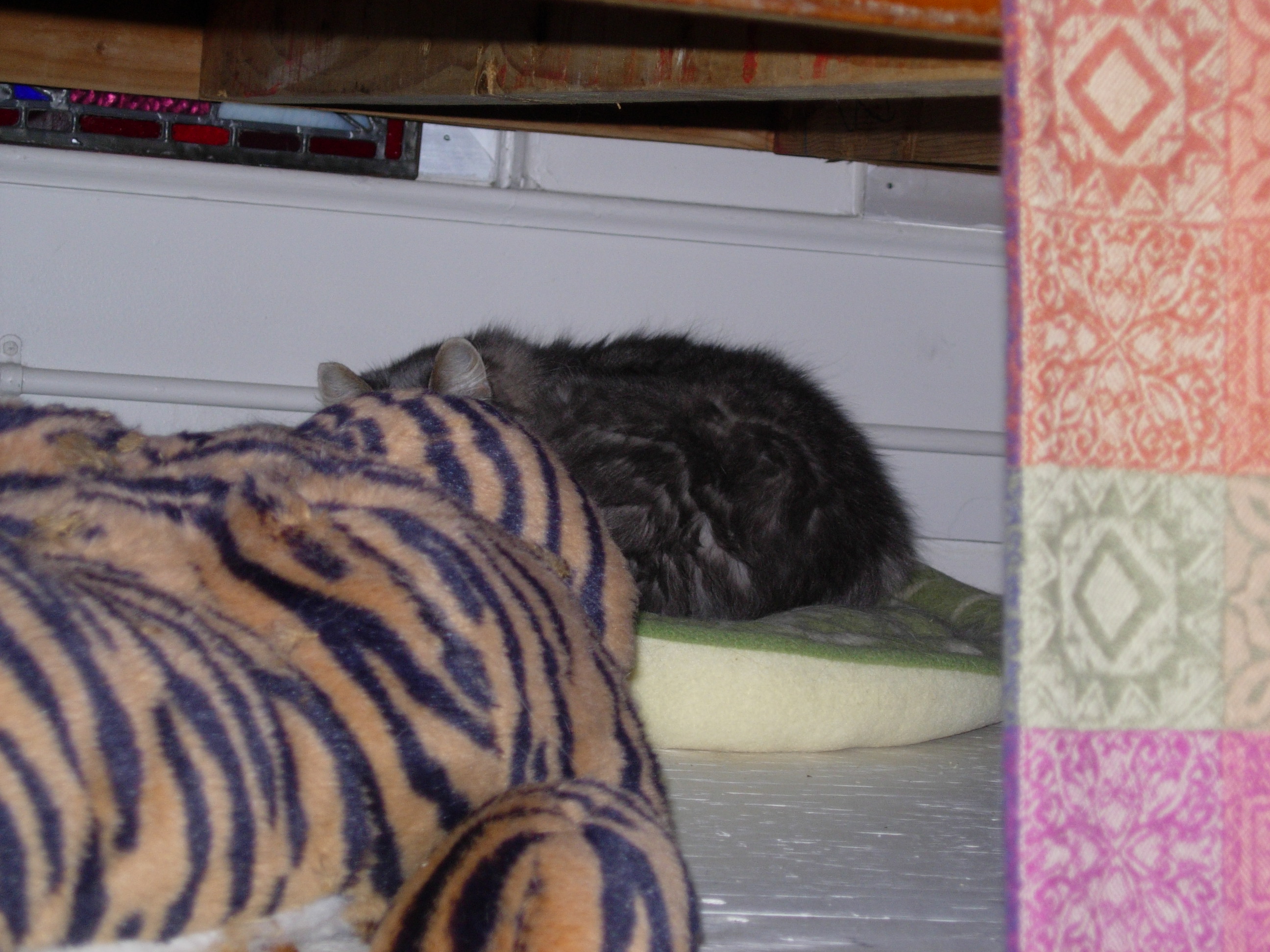
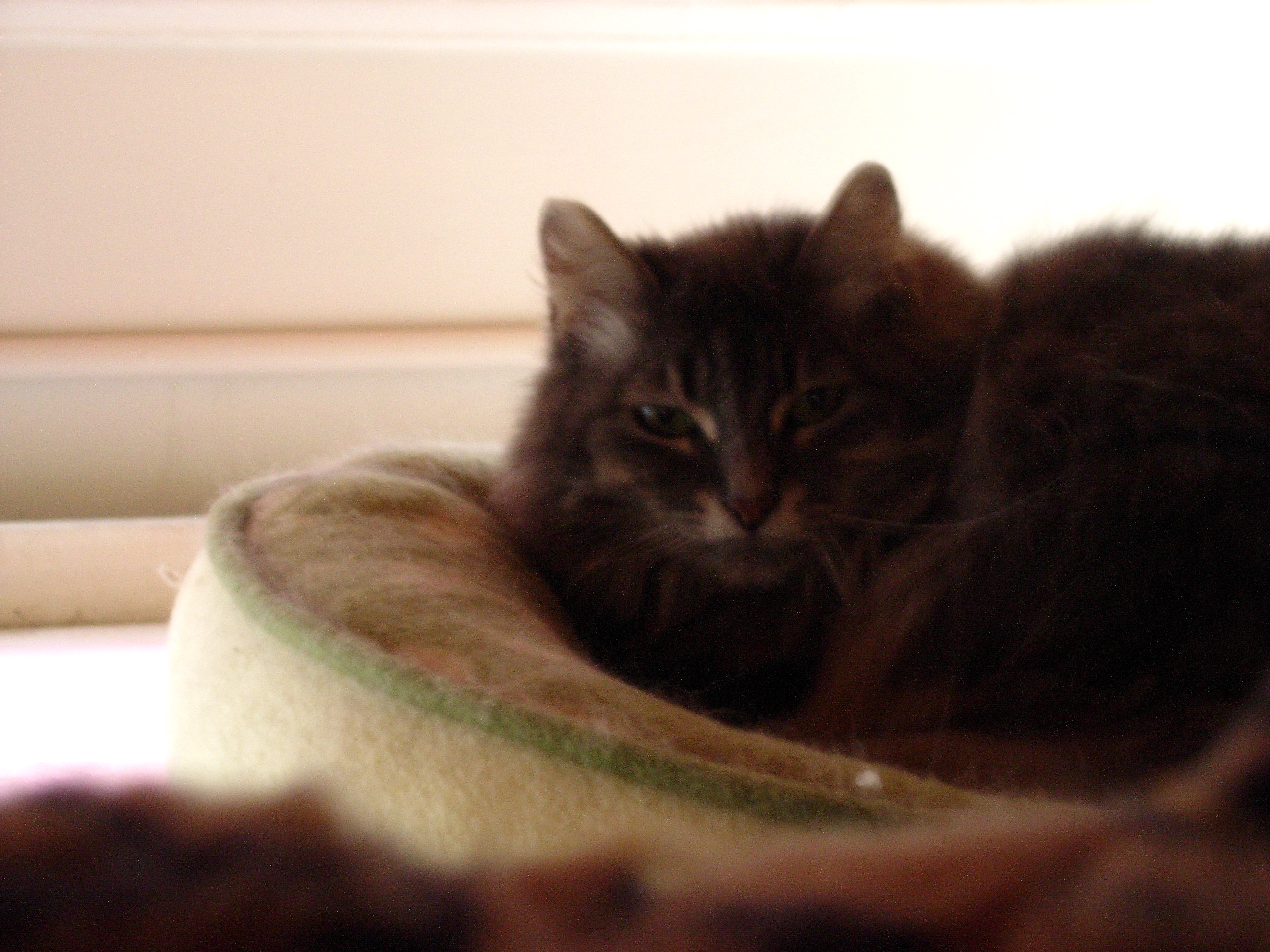
The Dhamma teaches that the highest form of love, real love, is when we just give, without expecting anything in return. Easier said than done, to put it mildly — especially when it comes to intelligent pets, which are often marketed in our culture as maximally efficient Affection Reciprocators. When we love ‘our’ animals, we expect them to love us back.
But despite all my coaxing and sweet-talk, pledging catnip and cuddlefests, ultimately my desire for Heather to transform into a Happy HouseCat (avid purrer, visitor of laps) had less to do with improving her life, and more to do with improving mine. Seeing this dysfunction clearly, I (to borrow a phrase from my uncle CC) had to laugh. Sometimes we get way ahead of ourselves, you know?
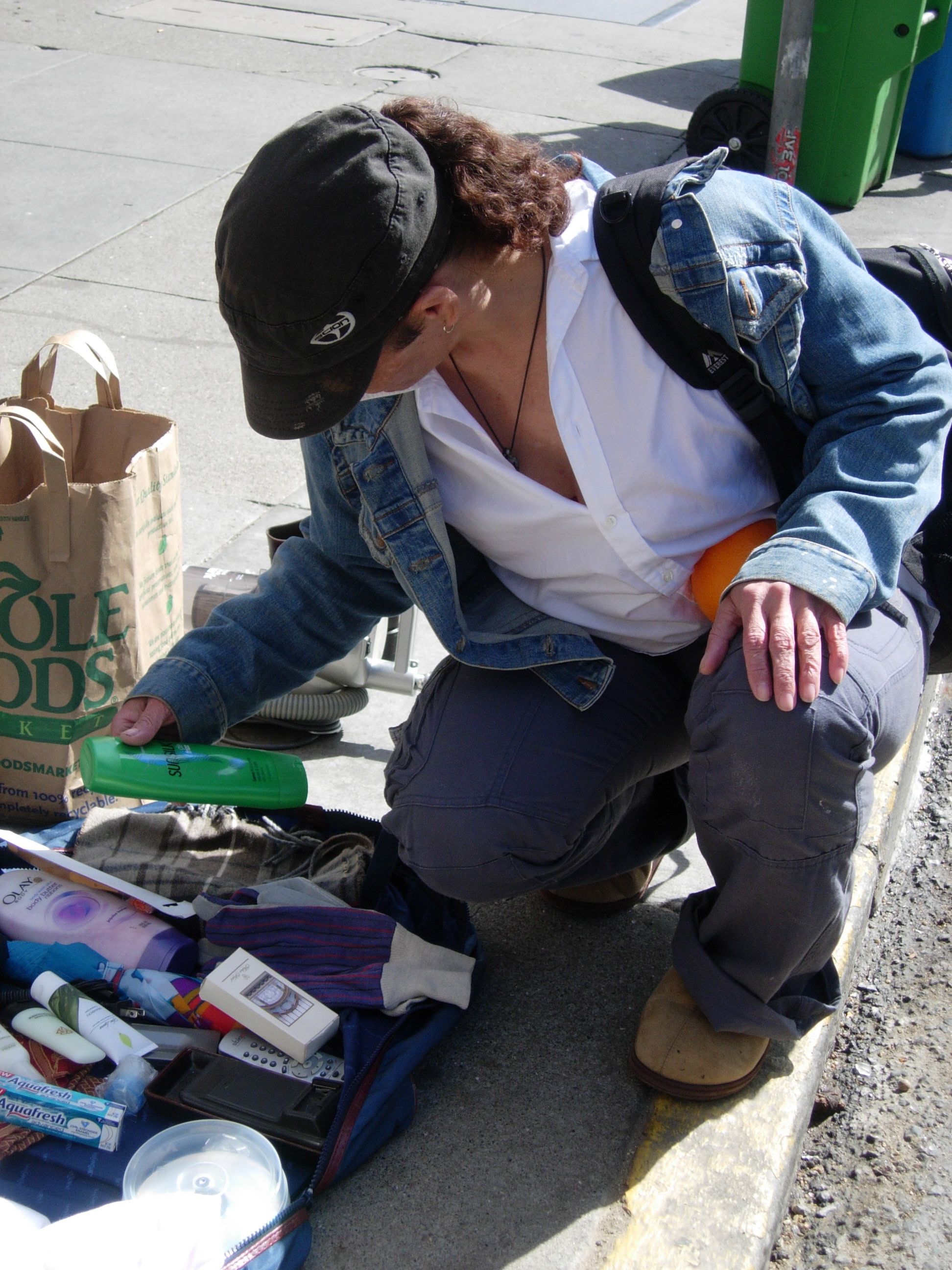
Hey y’all! Hope you’ve been well. Guess I needed a break from blogging: with all the March 4th buildup, plus my first deadline for grad school, this month kinda sucker-punched me from the get-go, and I’ve spent the last week recovering. Though by “recovering” I guess I only mean redirecting the same volume of energy into different channels.
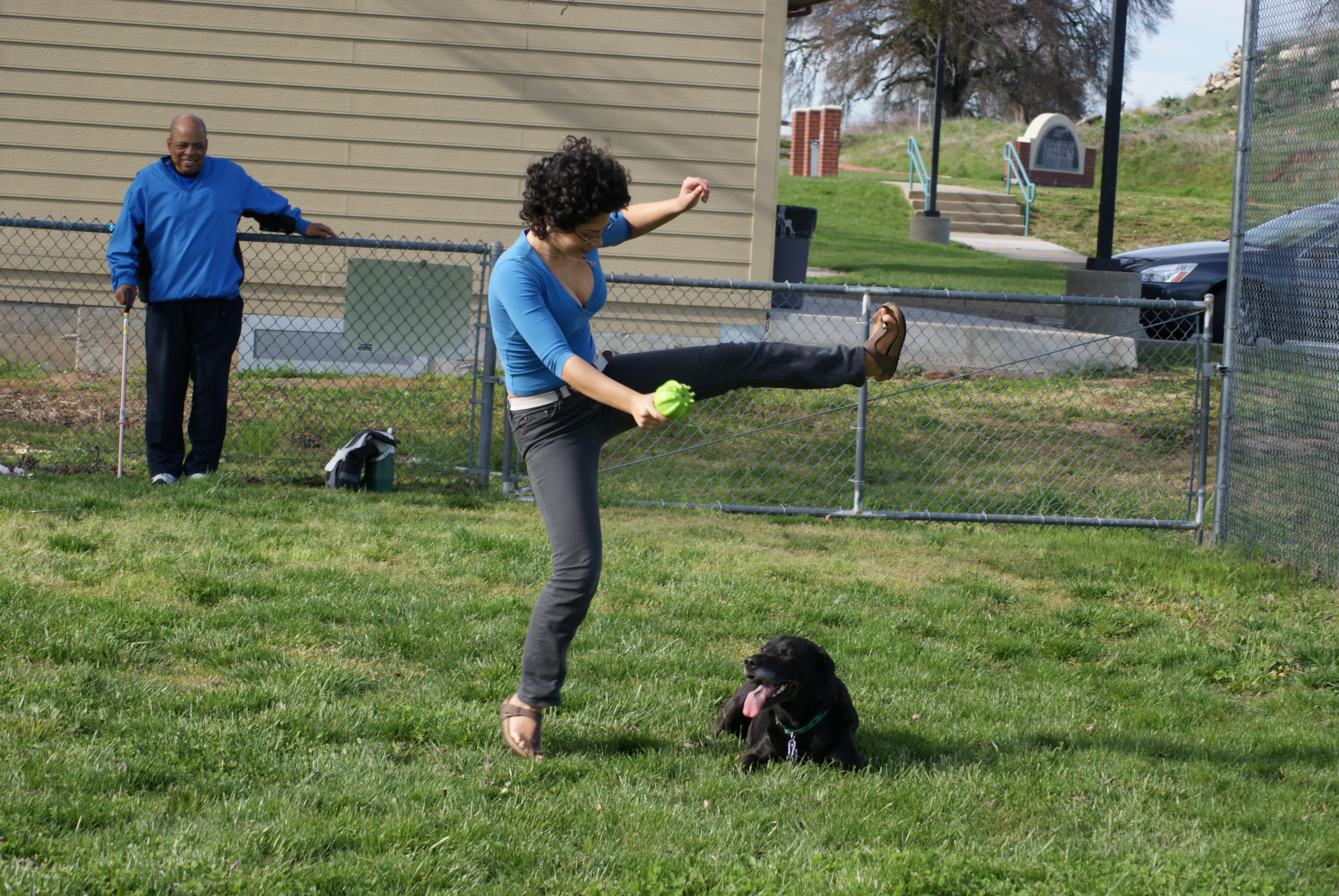
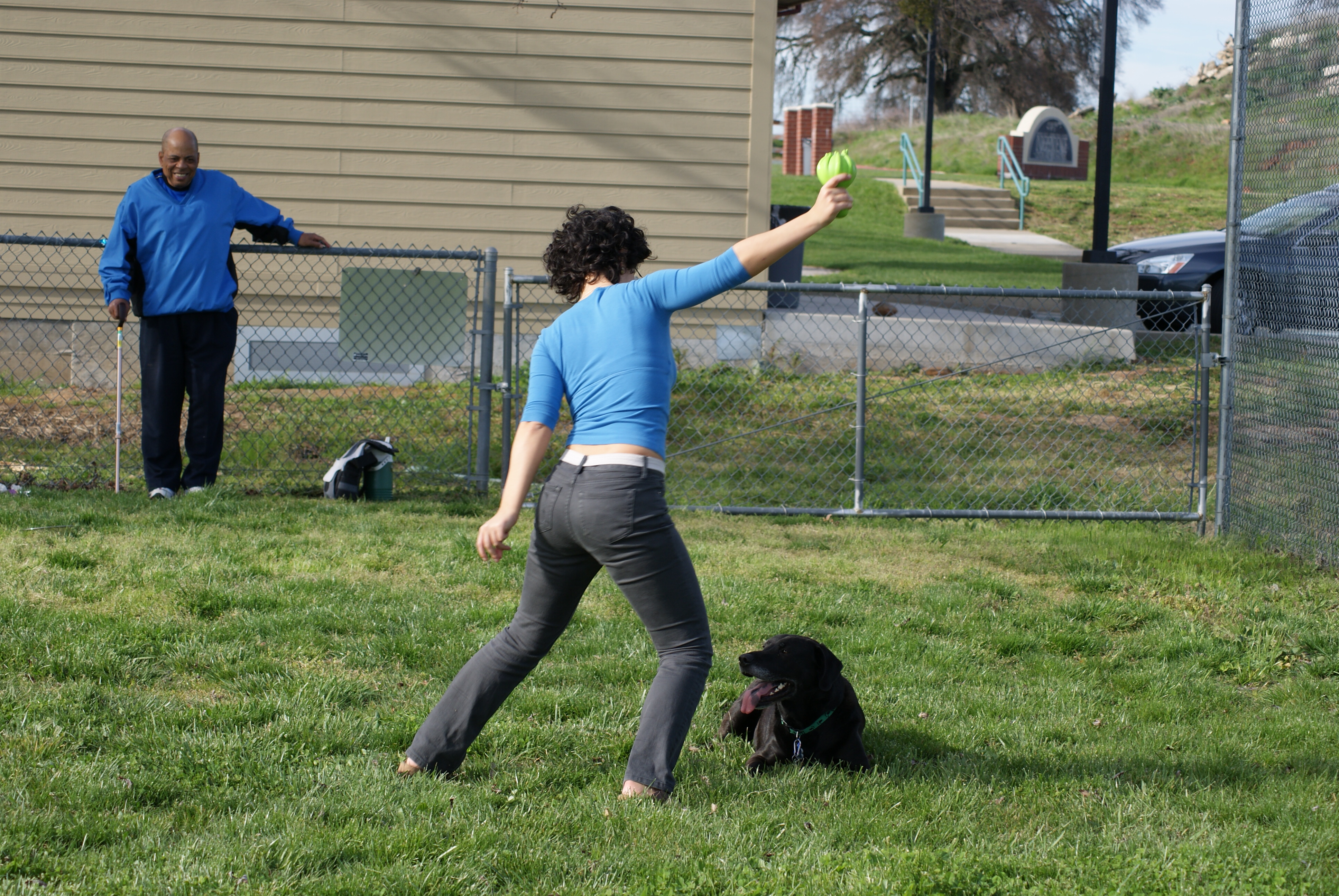
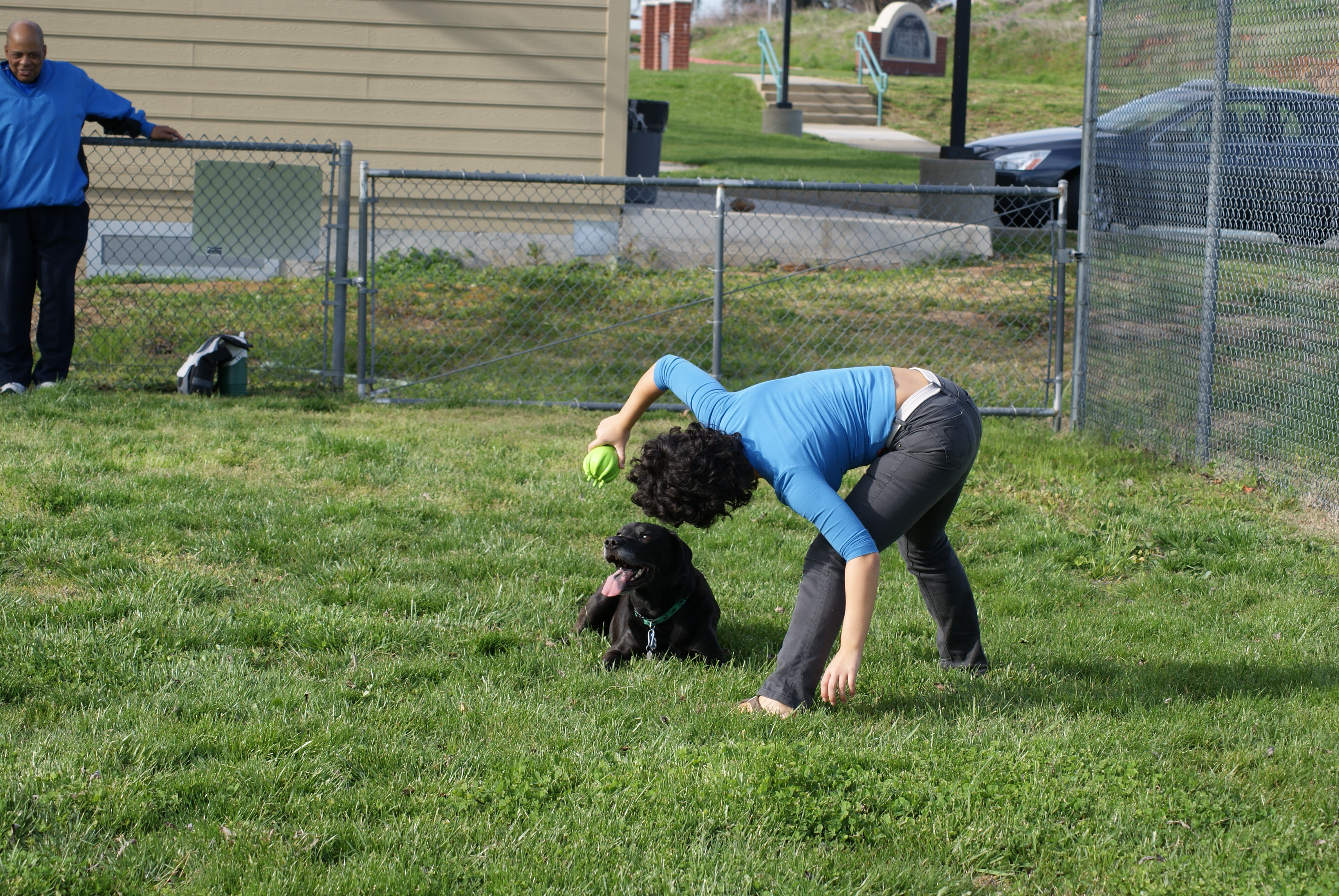
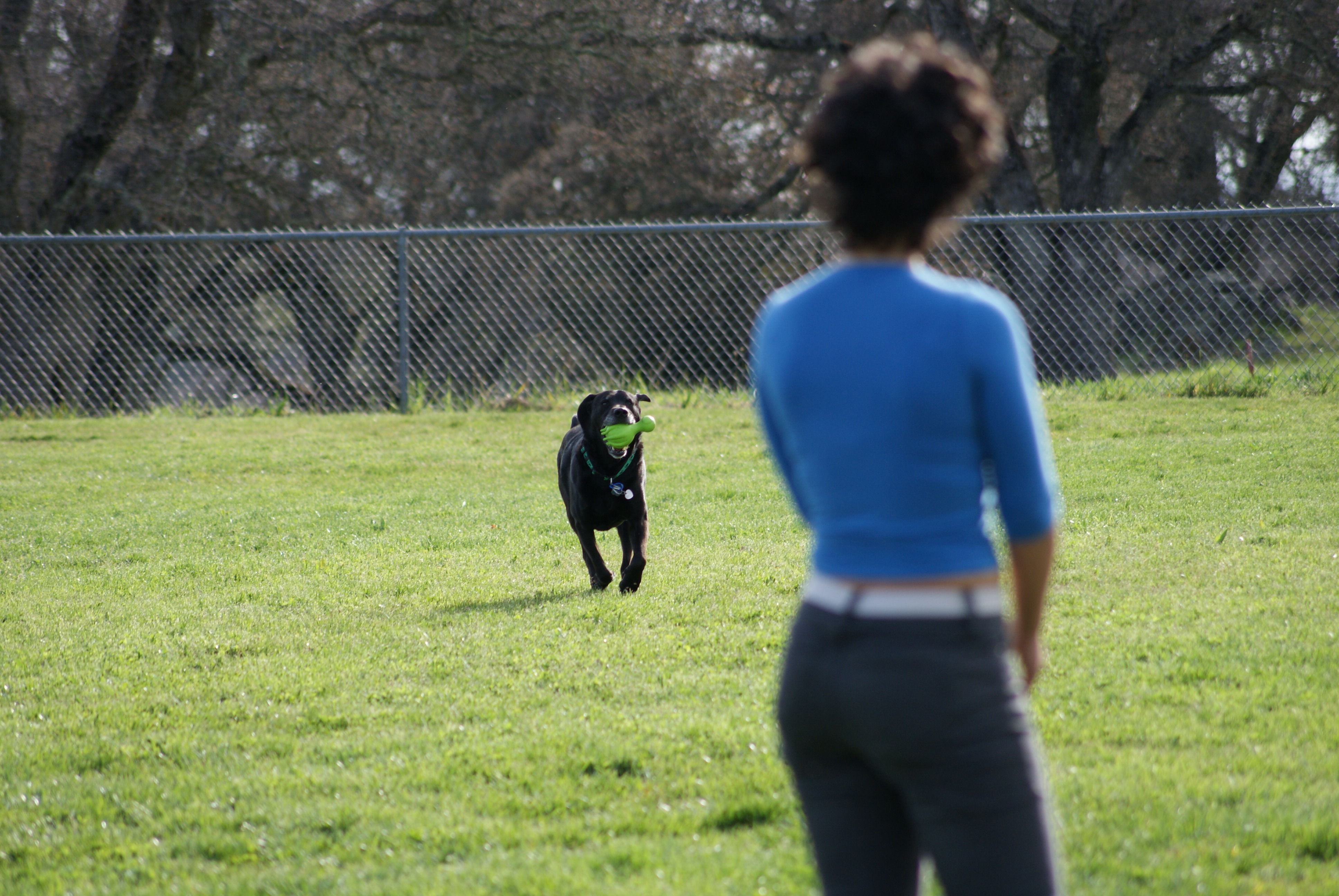
Marathon catering days to raise money for the Fools (bonus: we got to eat the wedding leftovers); quality time looking after an adorable but terribly nervous beagle mix named Buster (Horror No. 43: changes in atmospheric pressure); visiting with my pops and our family pooch, plus Ryan, at the world’s most picturesque dog park; plus every conceivable type of errand and meeting for Fools’ Court — from celebrating Sharon’s entry into a 12-month rehab program (run by nuns — which we take as an auspicious sign), to helping Ra Mu move the last of his earthly belongings out of storage; discussing domestic affairs as our household numbers swell from the standard two to sometimes 7 or 8.
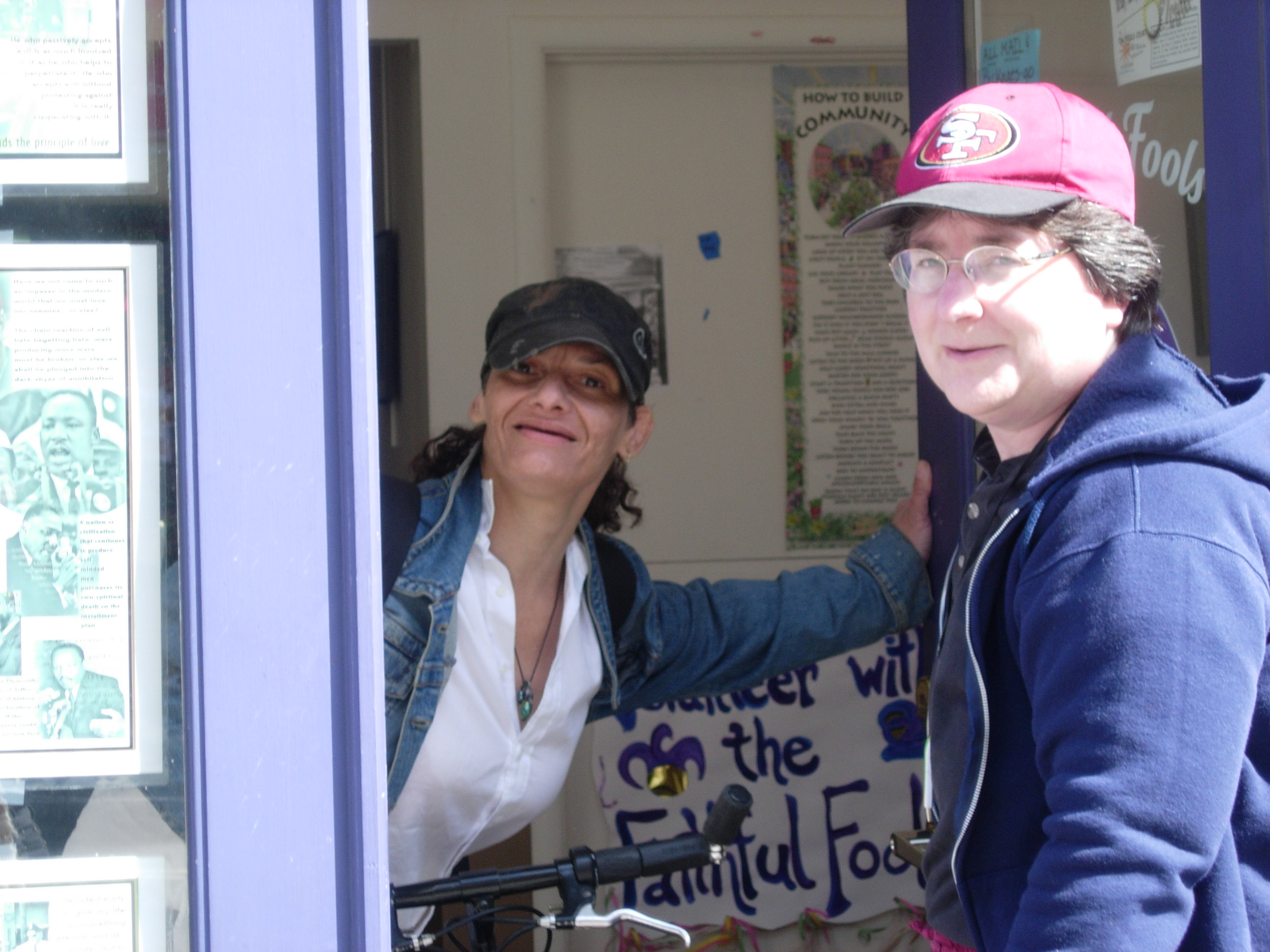
Fool work remains totally fascinating and utterly provocative. There is always some edge to work. Some surprise to catch you off-guard, and make you think. Some nuisance, some awakening. On International Women’s Day, a handful of us women find ourselves sitting in a circle, each attentive to her own reading. A few moments later, Kat is coaching Gina in writing a letter to her son, given up at birth 25 years ago and recently found (at least we’re pretty sure it’s the right one) on Facebook. Kat advises (1) that it’s important to give him the room to decide whether and how to respond, and (2) that the yellow legal pad paper looks too formal. I scamper to my room and grab the bag of assorted stationery gifted to me for Chanukah. Toothless, gracious, muscular from biking and sweet as can be, Gina selects a few Georgia O’Keeffe cards. Sade’s new album, one of her jams these days, thrums, ticks, oohs and aahs on the stereo. We all sip our tea. I am happy to be here, with these women.
 Kloncke