Jacob Lawrence, from the Toussaint L’Ouverture Series, “To Preserve Their Freedom.”
i don’t begrudge my friends and family their joy, but since 2008 i have lost my belief in a patriotism dressed up in charming blackness.
instead, may blackness continue to serve as an impetus toward universal freedom, fundamentally challenging all harmful power structures (including the u.s. government).
may blackness fill us with the vision, love, and spiritual strength necessary to fight for a classless society, a society of equals, where leaders are not idolized but trusted — and directly accountable.
much gratitude to all who have struggled and are struggling for real, worldwide liberation.
so humbling and exciting.
=====================
Top: “Steeped in African American history while growing up in Harlem during the Harlem Renaissance, Jacob Lawrence launched his career at age 21 with a 41-panel series about an important black hero, Touissant L’Ouverture, who led the slave rebellion to liberate Haiti from French rule. Years later, he reprised the series in screen print, including the dramatic ‘To Preserve Their Freedom,’ 1986, a reminder that American blacks were still not liberated.”
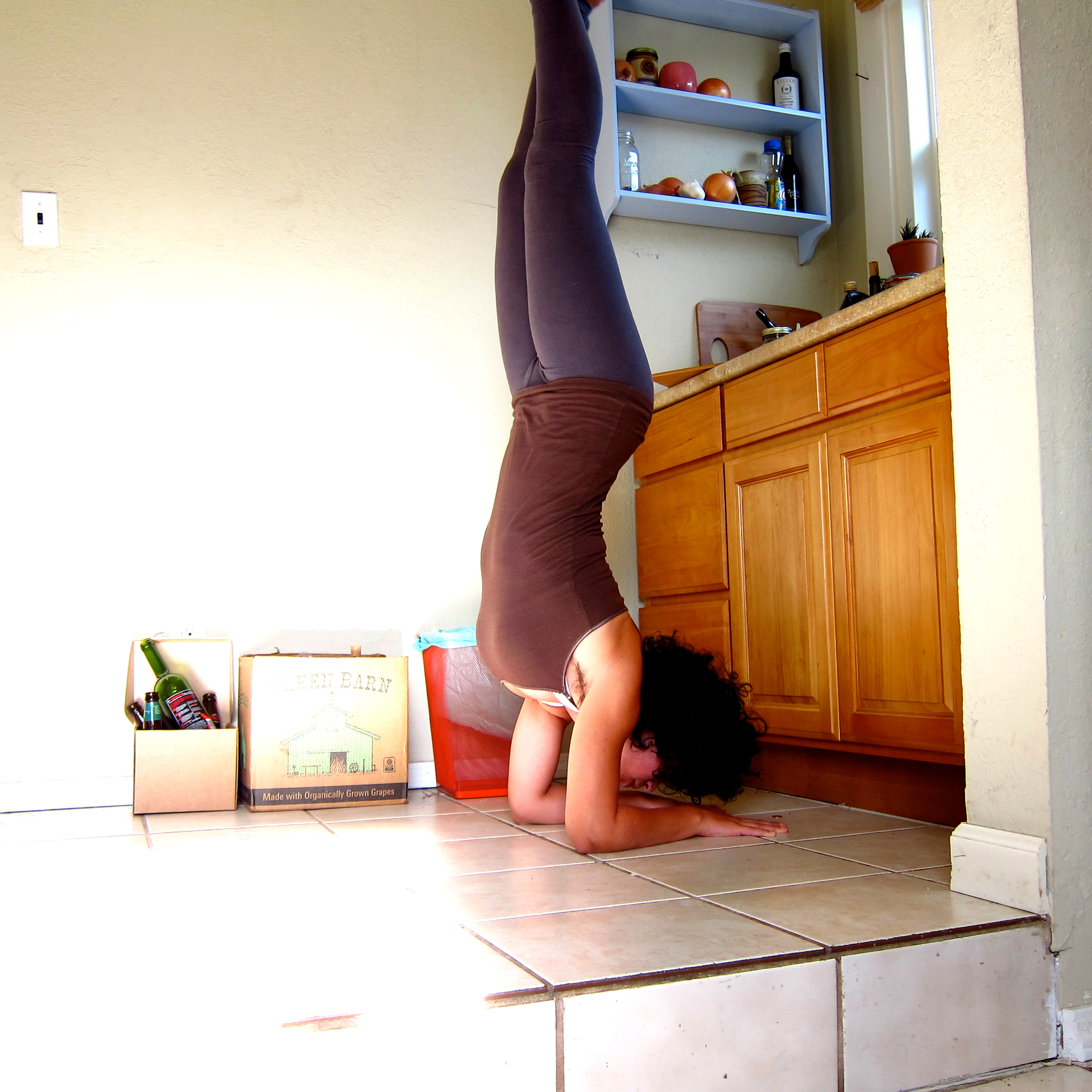
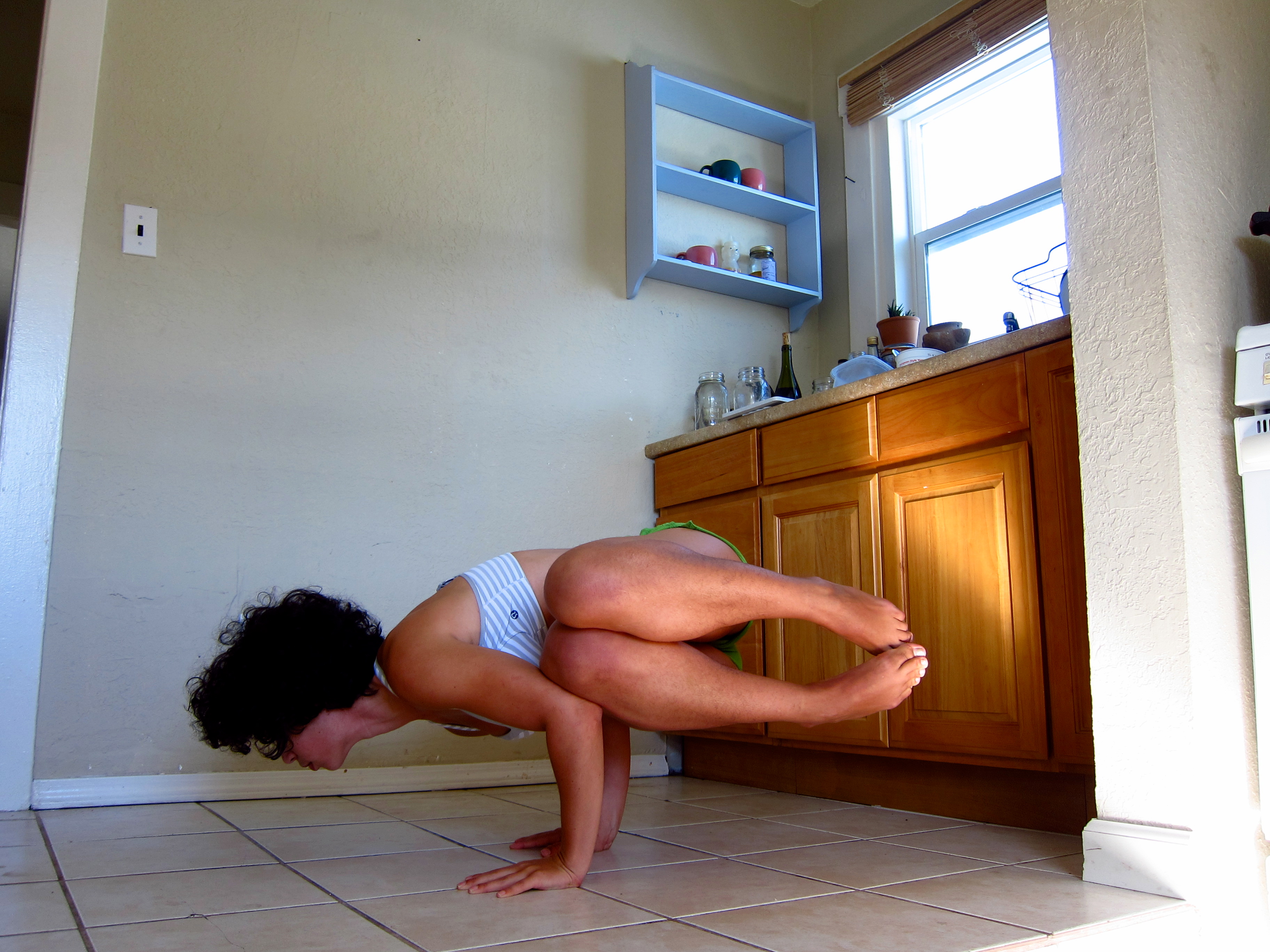
break from work; practice forearm stand. at yoga class this morning the teacher interrupted a sequence to give us all a stern 8-minute lecture about hip and ribcage alignment. (love it when teachers provide actual, knowledgeable feedback.) now i can see (and feel) the ways i tend to over-arch my spine and compress things that shouldn’t be compressed. as i adjust into correct alignment, the breath comes and goes more deeply. more to practice, with patience. ♥ #counterWoo
This new year found me thinking a lot on death. Not because I’ve recently lost someone close to me. It feels more like a natural pull toward deepening my spiritual study and practice. Marking the passing of 2012, I know I’m one year closer to my own eventual death, and the deaths of everyone I love. It’s also the anniversary of the murder of Oscar Grant at the Fruitvale BART in Oakland: a death that symbolized much and galvanized many, at the time.
Reflecting on death is an important practice within the Theravada Buddhist tradition, related, as I understand, to pre-Buddhist Hindu methods of graveyard observation. The Mahāsatipaṭṭhāna Sutta advises hanging out in the charnel grounds, noticing the nine different phases of a decomposing corpse. Benefits of developing this intimacy with death and decay range from deepening one’s understanding of impermanence (one of the Three Marks of Existence), to, on a perhaps more pragmatic level, icing down a particularly hot lust-wave that might be interfering with your ability to meditate properly. Go look at some rotting flesh for a while; you’ll calm down.
Another classic reward for contemplating death — one I’ve been experiencing these past few days — is how it can help us appreciate the preciousness of the life we’ve got. Whether or not we believe we “only live once,” this life is still an incredibly fleeting opportunity, not to chase endlessly after pleasure, but to make as many positive choices as we can. To let our little light shine. What’s been surprising for me, though, is that instead of increasing my sense of urgency, this sobering reflection seems to be kind of slowing me down — in a good way. Less frantic; more focused. It’s like I can understand now, at a body level, that a rush-rush-rush approach won’t always yield better, more brilliant light. What’s needed are quality, rigor, and vigor; not necessarily speed. There’s a difference.
So, on we go. For how long in this form, who knows.
oke up from stress dreams yesterday feeling lost and frazzled. At some point I was in a dark hallway, middle of the night, with my mom, and once we parted ways I had to tiptoe back to my tiny dorm room without alerting any ominous security guards. But just as I had reached safety and crawled into bed, I heard a crew of men approaching my door (which consisted of a blanket hanging over a space in the wall). The men were delivering packages from a source I vaguely understood to be a relative. They started pushing boxes under my blanket-door: laundry baskets full of my high-school clothes, crates of old books — more and more boxes, until my itty-bitty room was filled to the brim. I sat rigid in bed, staring, anxiety mounting. The last box they pushed in, at 3 in the morning or so, contained a fancy TV that you’re supposed to screw into a wall.
For some reason the TV was just too much for me. Pitching a small fit, I decided I needed to immediately return it, and the rest of the boxes, to the well-intentioned person who had sent them. I jumped in my car and set out on the highway, sun rising alongside. But two or three exits down the road, I realized I had forgotten to bring the TV and all the other crap! Damnit! So I got off the freeway, crossed an overpass, and tried to turn around and go back.
Unfortunately, the opposite onramp was missing. Instead, there was a pop-up restaurant festival: a labyrinth of noodle joints, flax-oil-greasy-spoon diners, aquariums, and succulent plant displays. I parked the car and tried to find my way out of the lunch-maze. But I just kept getting more and more turned around. Finally, I asked one of the cooks (at a caramelize-your-own-sushi station: I remember this vividly), and he began to give me directions.
Then I woke up.
Now, typically stress dreams stress me out (surprise!), and as I said, this one was no exception, at first. It’s not hard to tell from this dream that I am feeling somewhat overwhelmed with expectations, a bit lost and directionless, and uncomfortable in new environments — maybe with a certain class confusion thrown in there, too. Dreaming about problems amplified my worries about those problems in real life.
But all of a sudden, I thought about the inflammatory TV in relation to a dhamma story from Goenkaji. I wrote about it here, back in the summer of 2009: it’s the story of how to stop accepting presents that we don’t want.
And just like that, I relaxed. The stress dream became a reminder of a helpful lesson, rather than a compounder of fretting and reactivity. Whatever my dream-life and waking-life throw at me, I actually have choices in how to respond (internally and externally). Even the pop-up-restaurant labyrinth, in retrospect, seemed neutral, or even interesting, rather than frightful.
featuring my friend and beautiful leader Karega Bailey, deep & dope hip hop with some on-point politics! lots to love. ♥
history books, history crooks
without slaves, how would this history look?
let me bring yo mind to attention
take away the builders, the building is nonexistent
…
two times for the man with the white fist
who’s quite pissed
who knew that racism existed in america
but now that the color is green
ask the poor white man how he like this
big cities with nice ****
i’d like to thank y’all for stoppin by
but these problems have existed in the hood
now that they’re in your homes
you decide to occupy
In this case, literally turn to them: with a new twisting asana I learned yesterday.
The teacher said it was Parsva Bakasana (Side Crow Pose), but seems like it’s actually a kind of modified version, like a pushup on your knees?
This slideshow requires JavaScript.
So there’s the learning of a new pose, but there’s also a meta-learning about how to take care of oneself, right? What particular practice might help with certain mental states.
And it’s one thing to learn what tends to help; it’s another to summon the discipline to do it. Showing up for ourselves. Whether it’s playing music, getting outdoors once a day, eating well for our bodies, getting proper sleep. Part of being a sustainable revolutionary. I’m lucky to be around political people — and a legacy of people in the Bay — who value this as a part of our work. As I’m reading the STORM document, it’s bittersweet to see that despite their emphases on self care for revolutionaries, they still ultimately ran into “exhaustion and poor health among STORM’s most active members. Physical and emotional fatigue were both widespread, particularly within the Core” (37).
There’s no quick fix, I suppose. And while it might seem like the hardcore thing to do to “power through,” I personally suspect that the people who appear the most hardcore and indefatigable are not neglecting self-care practices, but have actually cultivated tremendous discipline toward them. Whether that means never missing a mass, five daily prayers, morning meditation, morning pages, or surfing every day.
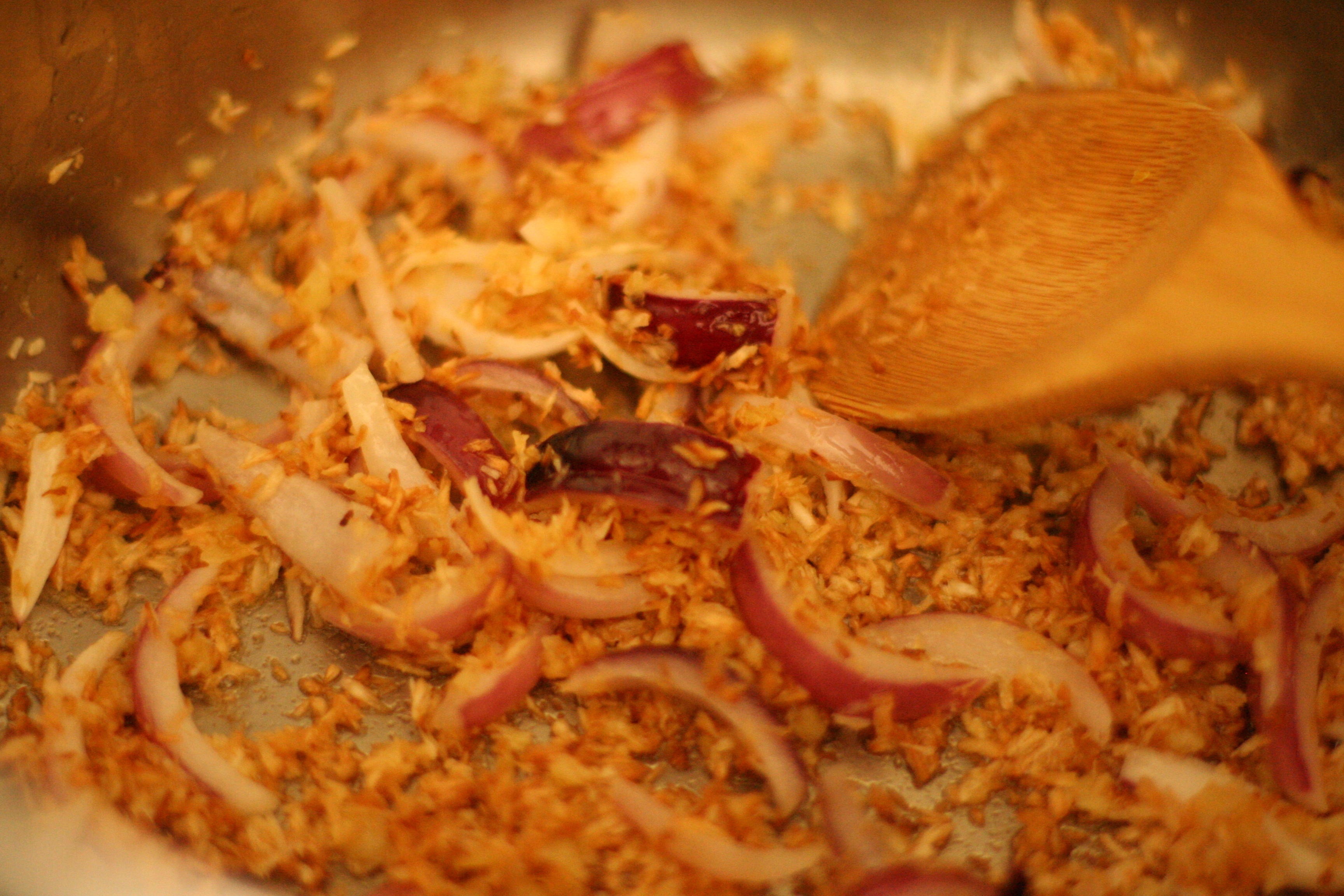
coconut-ginger kale with chickpeas, lemon, and a secret ingredient: a dash of smoked paprika.ginger, toasted coconut, and small sweet red onion sizzling in olive oil
Meanwhile, on Kloncke…
It’s shaping up to be another day of food and friend fotos, and I’m beginning to feel self-conscious.
You may have noticed that Kloncke contains lots of pictures. Pictures of mundane things, like the apartment. And Brassica oleracea. There’s not a lot of information, or opinion, or blueprints for fomenting feminist revolution. No hard reportage. Walking away from the world of political New Media, with its fast-paced news addictions and adrenaline rushes, is not easy on the ego, I can tell you that much. In comparison to what I used to write about, the things I now post seem frivolous and bourgie. Sharing them requires a good amount of pride swallowing: it was much easier, honestly, to write about, say, connections among environmental nativism, sexism, and anti-immigration. But my dear friend Ellen, in an email yesterday, beautifully expressed a purpose of the site that I hadn’t quite articulated to myself:
I was just reading through your blog and thinking about how healing ourselves necessarily involves elemental things like food (one of my too-many jobs right now is all about food policy, actually, and I love how it’s gently pushed me toward feeding myself better) and family and good lighting (good work w/ your place!!) and practical skills and walking/biking along riverbanks.
Ellen is right: healing is largely about getting down to basics. Which brings us back to the question of reality (what could be more basic?) and how on earth a cybernetic hallucination could bring us closer to it.
Reality isn’t a place so much as a relationship, or an attitude that each one of us can take toward what’s around us. In my experience, it’s a mixture of calm and curiosity, a kind of lilting interest. It welcomes and enjoys pleasure, but doesn’t obsess over it. It recognizes and honors pain, but doesn’t demonize it. This orientation reflects reality not because it’s one-dimensionally true, but because it allows us to see what’s really going on.
Now, what’s really going on includes, as we know:
oppression
violence
injustice
resistance
organizing
solidarity
things more important than photos of what yours truly is having for breakfast
Again, this blog isn’t about acting on these Big Things. Nope. But it is about small-r reality: trying to pay attention. Joyful attention. To the things that happen offline. And as a warm, friendly space dedicated to embracing ordinary wonders, I hope it can help restore us for whatever struggles we undertake.
A list. A hallucinatory diary of genuine gratitude. A different spin on the reality-based community.
Four years later, I’ve come so far, to the exact same spot.
Things more important than what I’m having for breakfast.
Well, that’s why they call it practice, I s’pose.
Revolutionary or not, “embracing ordinary wonders” is precisely what I’ve been feeling disconnected from, these past few months. And as we know, contentment is only partly about how many Wanted Things happen to us. It’s also (or even mostly) about how much gratitude and equanimity we generate. (Hence book titles like Sylvia Boorstein’s Happiness Is An Inside Job.)
Objectively, GREAT THINGS HAVE BEEN HAPPENING TO AND AROUND ME!
Hardworking organizers and wonderful people swim in the seas I swim in!
I get to go to eviction defense actions and they are interesting and successful!
(See how I snuck a militant direct action in there? Pride: sometimes you get the better of me.)
But I seem to be living as a hungry ghost. No matter how much beauty surrounds me, it’s not enough. I am not enough.
Speaking of both (a) hungry ghosts and (b) great things happening to and around me, just this Wednesday night I had the chance to see a talk by the incredible Dr. Gabor Maté, author of, among other books, In the Realm of Hungry Ghosts: Close Encounters with Addiction.
His lecture blew my mind on a few levels (maybe a whole nother post on that, sometime). But one of points he made that hit home hardest for me was the observation that political engagement, or activism, can actually serve as a kind of addiction: insofar as we use it to try to fill a personal sense of lack. He gets at a similar idea in this interview about the Hungry Ghosts book:
Question: The title of your book has its origins in the Buddhist Wheel of Life. In the Hungry Ghost Realm, people feel empty and seek solace from the outside, from sources that can never nourish. In what ways is our culture trapped in this realm? What can society learn from drug addicts who take the feelings of lack that everyone has, to the extreme? Gabor Maté: Much of our culture and our economy are based on exploiting people’s sense of emptiness and inadequacy, of not being enough as we are. We have the belief that if we do this or acquire that, if we achieve this or attain that, we’ll be satisfied. This sense of lack and this belief feed many addictive behaviors, from shopping to eating to workaholism. In many respects we behave in a driven fashion that differs only in degree from the desperation of the drug addict.
I don’t have the presence of mind to write too much on this tonight, but I want to reflect on this observation from my own life:
When I feel no pressure to be or do any particular thing, creative growth and learning flow freely, but much of my activity tends to be apolitical. Eventually, the urge for political engagement either suddenly arises, or creeps back in like a tide.
Once I get invested in the idea of being a student of political organizing, or being a revolutionary, that free-flowing sense of self-sufficiency dies away, and I find myself wanting/needing to improve and measure up, more and more. Never enough.
Obviously, the desire to improve is not a bad thing — and I know what the healthy, natural, yet vigorous version feels like. It’s just that I don’t know what it feels like in the political realm.
And THAT probably has more to do with me, and my own issues, than ‘the political realm’ itself.




 oke up from stress dreams yesterday feeling lost and frazzled. At some point I was in a dark hallway, middle of the night, with my mom, and once we parted ways I had to tiptoe back to my tiny dorm room without alerting any ominous security guards. But just as I had reached safety and crawled into bed, I heard a crew of men approaching my door (which consisted of a blanket hanging over a space in the wall). The men were delivering packages from a source I vaguely understood to be a relative. They started pushing boxes under my blanket-door: laundry baskets full of my high-school clothes, crates of old books — more and more boxes, until my itty-bitty room was filled to the brim. I sat rigid in bed, staring, anxiety mounting. The last box they pushed in, at 3 in the morning or so, contained a fancy TV that you’re supposed to screw into a wall.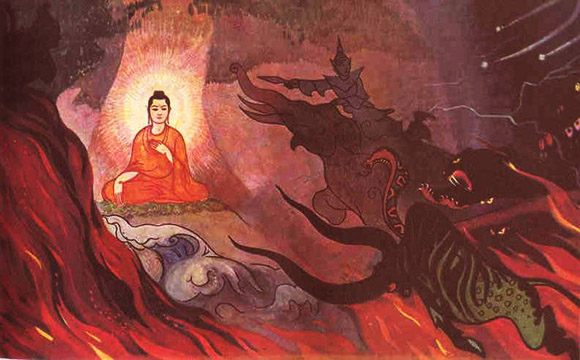
 featuring my friend and beautiful leader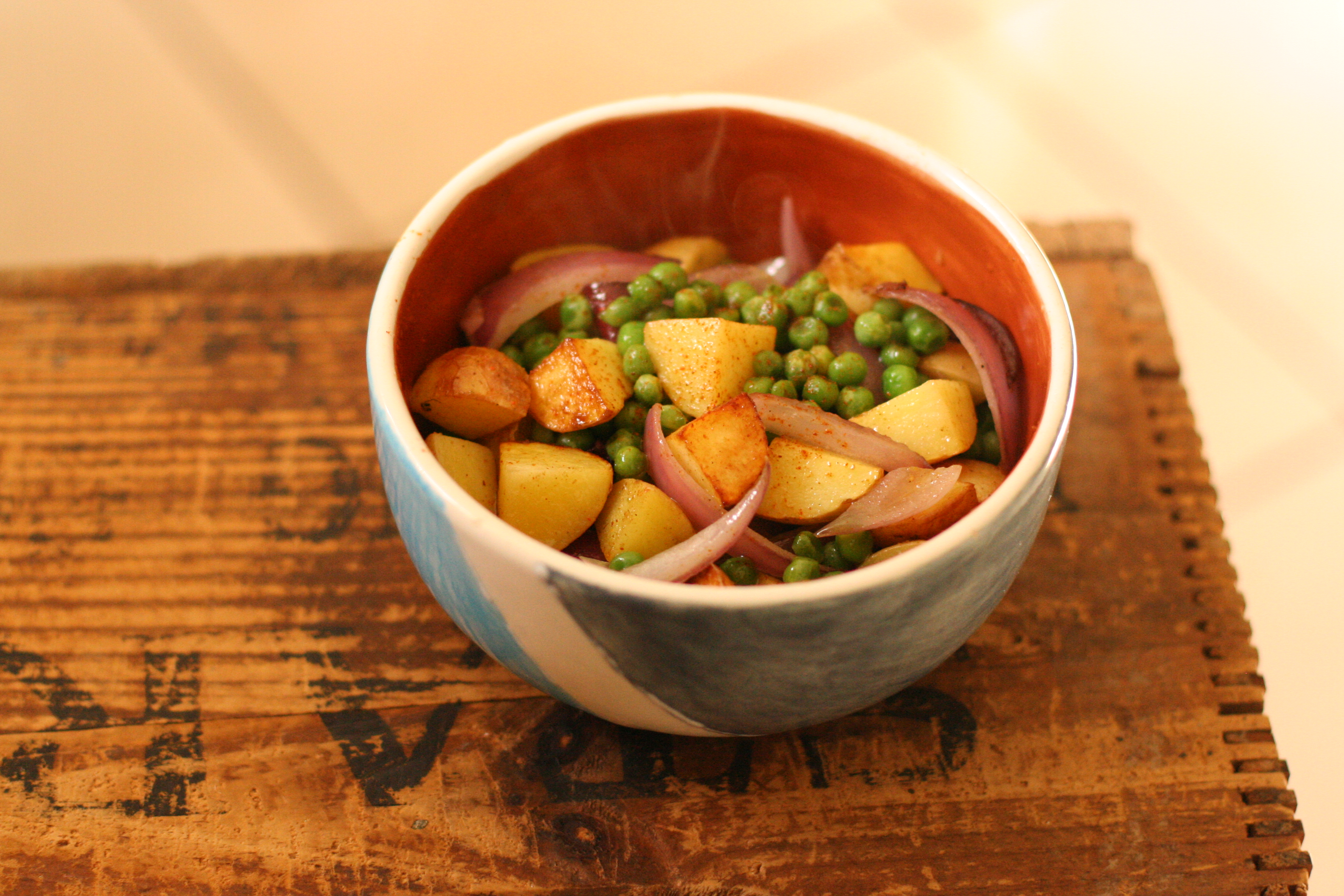




 Kloncke