This thought has been spinning in my head all week.
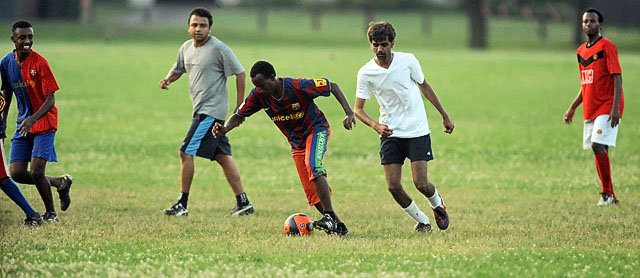
What if direct-action organizing — the defensive kind against bosses, landlords, policing — were like soccer?
I’m not really talking the professional leagues, and the business of spectator sport and fandom. I’m talking the most popular game on the planet.
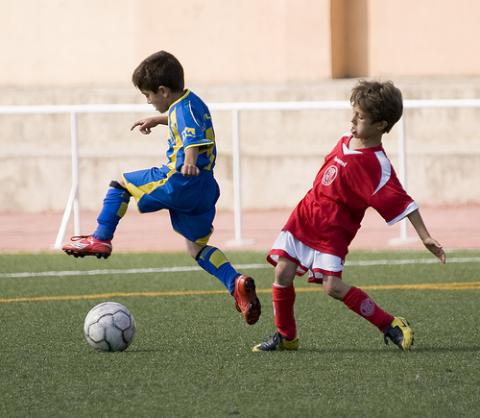
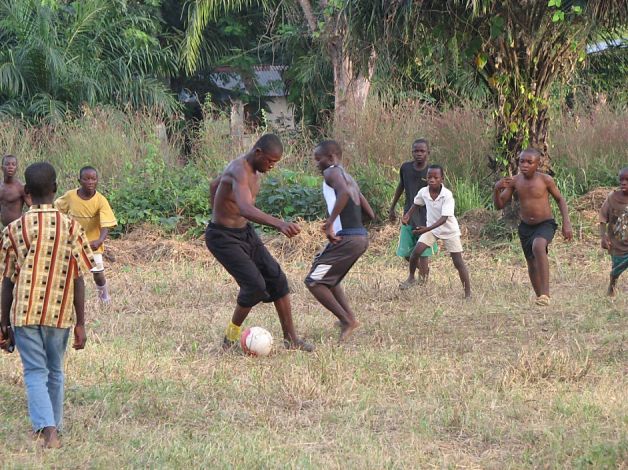
Little kids all over the world learning to play.
Almost anywhere you go, you can find people to get down with.
Everyone knows the basics. You might have your strengths in certain roles, but you can also switch it up.
It’s like a common language you carry with you, that lets you connect with strangers.
I mean, it already happens some, right? People who aren’t professional/paid organizers still gotta get together from time to time to defend one another. Just this week here in the Bay, there’s about to be
(1) planning an action against an e-verify immigration raid on grocery store chain Mi Pueblo
(2) court support for a young queer Cuban woman facing BS injunction charges and $1 million bail
(3) a picket at Domino’s Pizza in solidarity with Australian workers whose wages got slashed by 19%
(4) a city hall protest demanding justice for Alan Blueford, a young Black unarmed man killed by cops
(5) a rally in solidarity with Grand Jury resistors in the Pacific Northwest
And that’s only the shit that I happen to hear about! There could be much more! Not to mention the ongoing organized work around transforming and healing intimate violence, and connecting that with state violence and capitalism. That part of organizing.
Still, in my experience with this ad hoc organizing, a lot of times it feels like reinventing the wheel, or speaking completely different languages even in terms of nuts-and-bolts stuff. It’s not like I can come in and be like, “Okay you’re gonna be right forward? Cool, I’ll be goalie.” Unless you’re working within a well-established organization, nonprofit, etc (which has its own issues, and is more like the pro leagues), chances are the organizing might end up looking like four-year-olds’ soccer, with most of the kids clustered around the ball like a bunch of grapes, and a few out on their own making daisy chains or hunting for four-leaf clovers.
Which is great! …for a start. But then, you want to get hooked. You want to improve. You want to win, and you want to learn how to be a better player and teammate.
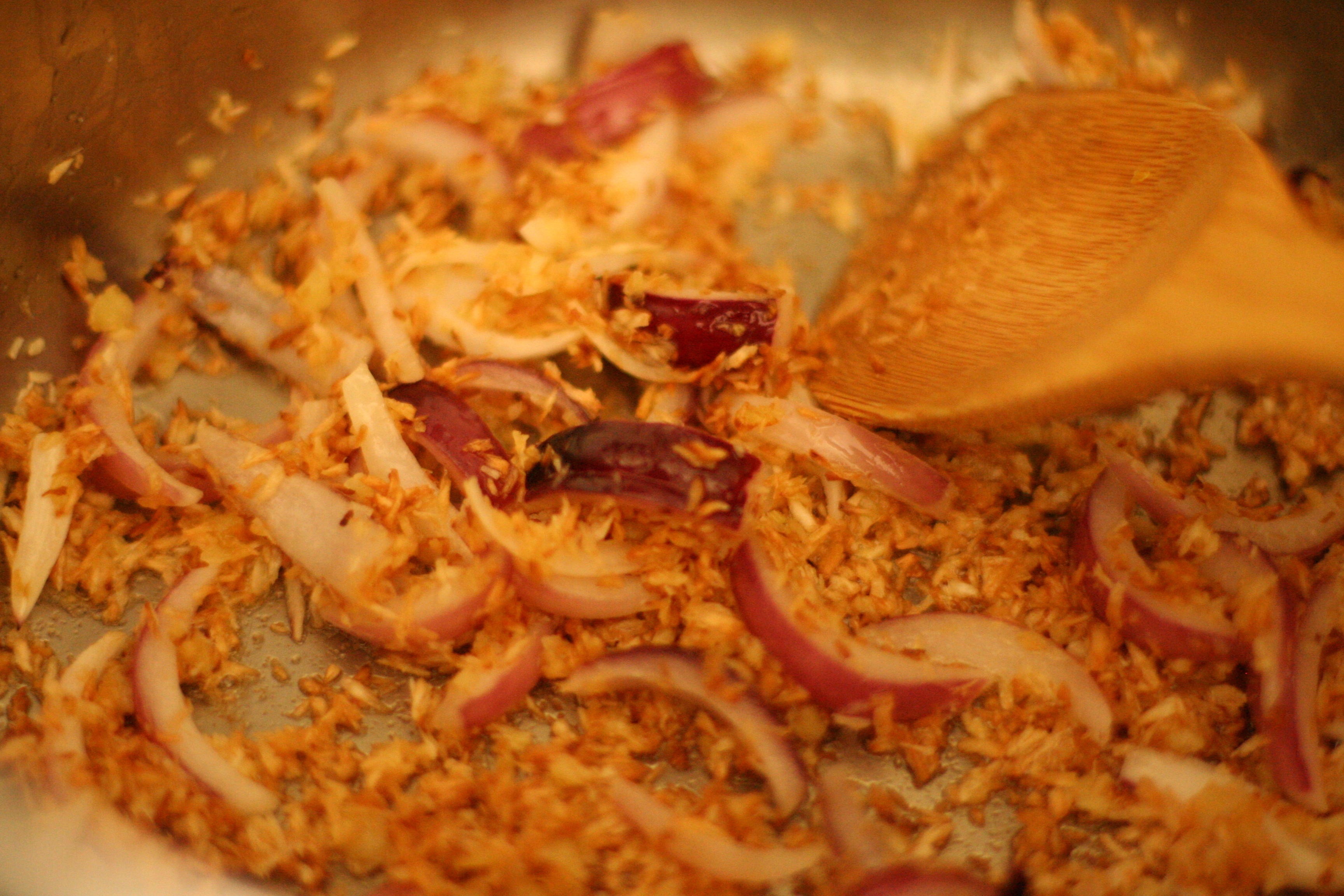
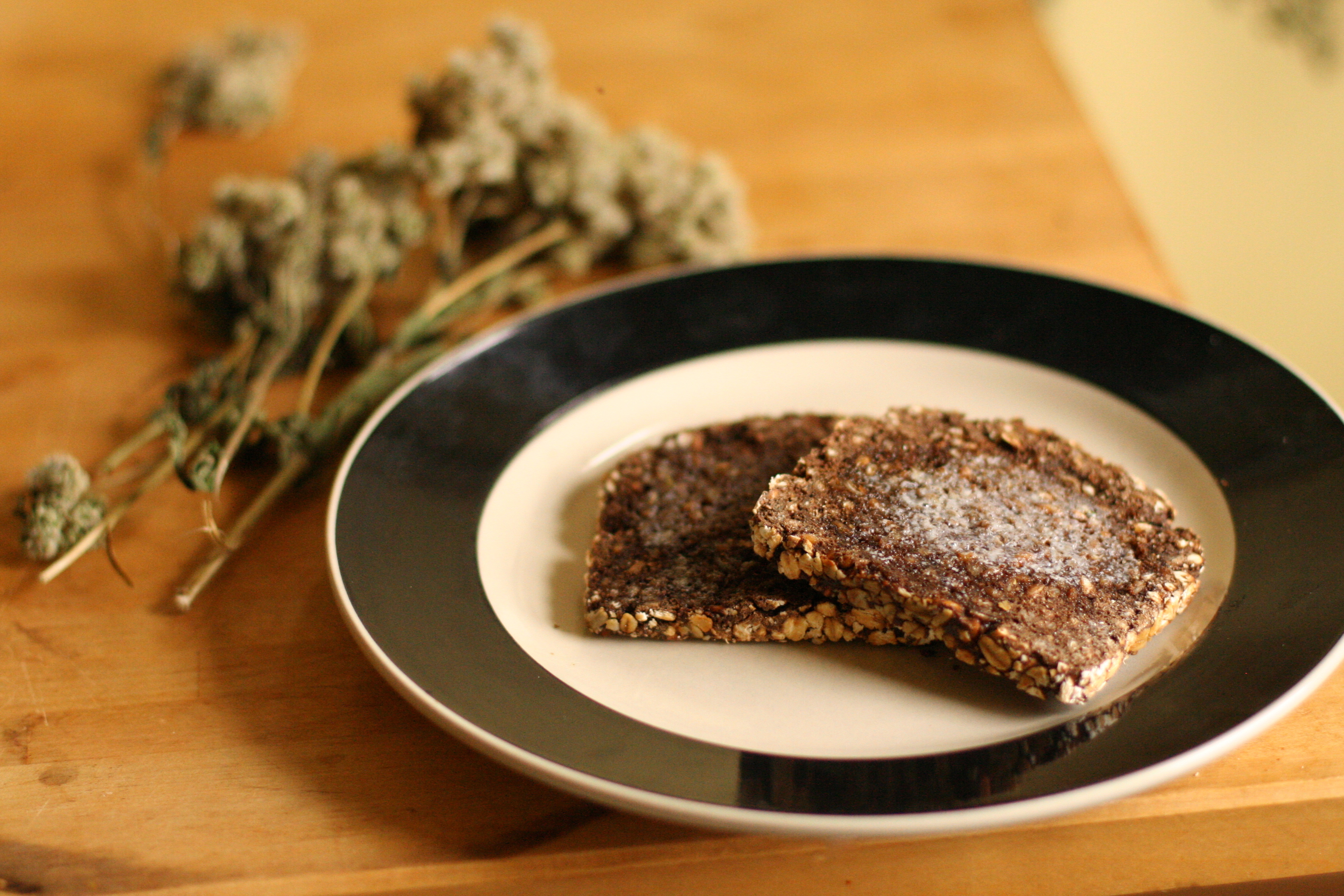
coconut-ginger kale with chickpeas, lemon, and a secret ingredient: a dash of smoked paprika.ginger, toasted coconut, and small sweet red onion sizzling in olive oil
Meanwhile, on Kloncke…
It’s shaping up to be another day of food and friend fotos, and I’m beginning to feel self-conscious.
You may have noticed that Kloncke contains lots of pictures. Pictures of mundane things, like the apartment. And Brassica oleracea. There’s not a lot of information, or opinion, or blueprints for fomenting feminist revolution. No hard reportage. Walking away from the world of political New Media, with its fast-paced news addictions and adrenaline rushes, is not easy on the ego, I can tell you that much. In comparison to what I used to write about, the things I now post seem frivolous and bourgie. Sharing them requires a good amount of pride swallowing: it was much easier, honestly, to write about, say, connections among environmental nativism, sexism, and anti-immigration. But my dear friend Ellen, in an email yesterday, beautifully expressed a purpose of the site that I hadn’t quite articulated to myself:
I was just reading through your blog and thinking about how healing ourselves necessarily involves elemental things like food (one of my too-many jobs right now is all about food policy, actually, and I love how it’s gently pushed me toward feeding myself better) and family and good lighting (good work w/ your place!!) and practical skills and walking/biking along riverbanks.
Ellen is right: healing is largely about getting down to basics. Which brings us back to the question of reality (what could be more basic?) and how on earth a cybernetic hallucination could bring us closer to it.
Reality isn’t a place so much as a relationship, or an attitude that each one of us can take toward what’s around us. In my experience, it’s a mixture of calm and curiosity, a kind of lilting interest. It welcomes and enjoys pleasure, but doesn’t obsess over it. It recognizes and honors pain, but doesn’t demonize it. This orientation reflects reality not because it’s one-dimensionally true, but because it allows us to see what’s really going on.
Now, what’s really going on includes, as we know:
oppression
violence
injustice
resistance
organizing
solidarity
things more important than photos of what yours truly is having for breakfast
Again, this blog isn’t about acting on these Big Things. Nope. But it is about small-r reality: trying to pay attention. Joyful attention. To the things that happen offline. And as a warm, friendly space dedicated to embracing ordinary wonders, I hope it can help restore us for whatever struggles we undertake.
A list. A hallucinatory diary of genuine gratitude. A different spin on the reality-based community.
Four years later, I’ve come so far, to the exact same spot.
Things more important than what I’m having for breakfast.
Well, that’s why they call it practice, I s’pose.
Revolutionary or not, “embracing ordinary wonders” is precisely what I’ve been feeling disconnected from, these past few months. And as we know, contentment is only partly about how many Wanted Things happen to us. It’s also (or even mostly) about how much gratitude and equanimity we generate. (Hence book titles like Sylvia Boorstein’s Happiness Is An Inside Job.)
Objectively, GREAT THINGS HAVE BEEN HAPPENING TO AND AROUND ME!
Hardworking organizers and wonderful people swim in the seas I swim in!
I get to go to eviction defense actions and they are interesting and successful!
(See how I snuck a militant direct action in there? Pride: sometimes you get the better of me.)
But I seem to be living as a hungry ghost. No matter how much beauty surrounds me, it’s not enough. I am not enough.
Speaking of both (a) hungry ghosts and (b) great things happening to and around me, just this Wednesday night I had the chance to see a talk by the incredible Dr. Gabor Maté, author of, among other books, In the Realm of Hungry Ghosts: Close Encounters with Addiction.
His lecture blew my mind on a few levels (maybe a whole nother post on that, sometime). But one of points he made that hit home hardest for me was the observation that political engagement, or activism, can actually serve as a kind of addiction: insofar as we use it to try to fill a personal sense of lack. He gets at a similar idea in this interview about the Hungry Ghosts book:
Question: The title of your book has its origins in the Buddhist Wheel of Life. In the Hungry Ghost Realm, people feel empty and seek solace from the outside, from sources that can never nourish. In what ways is our culture trapped in this realm? What can society learn from drug addicts who take the feelings of lack that everyone has, to the extreme? Gabor Maté: Much of our culture and our economy are based on exploiting people’s sense of emptiness and inadequacy, of not being enough as we are. We have the belief that if we do this or acquire that, if we achieve this or attain that, we’ll be satisfied. This sense of lack and this belief feed many addictive behaviors, from shopping to eating to workaholism. In many respects we behave in a driven fashion that differs only in degree from the desperation of the drug addict.
I don’t have the presence of mind to write too much on this tonight, but I want to reflect on this observation from my own life:
When I feel no pressure to be or do any particular thing, creative growth and learning flow freely, but much of my activity tends to be apolitical. Eventually, the urge for political engagement either suddenly arises, or creeps back in like a tide.
Once I get invested in the idea of being a student of political organizing, or being a revolutionary, that free-flowing sense of self-sufficiency dies away, and I find myself wanting/needing to improve and measure up, more and more. Never enough.
Obviously, the desire to improve is not a bad thing — and I know what the healthy, natural, yet vigorous version feels like. It’s just that I don’t know what it feels like in the political realm.
And THAT probably has more to do with me, and my own issues, than ‘the political realm’ itself.
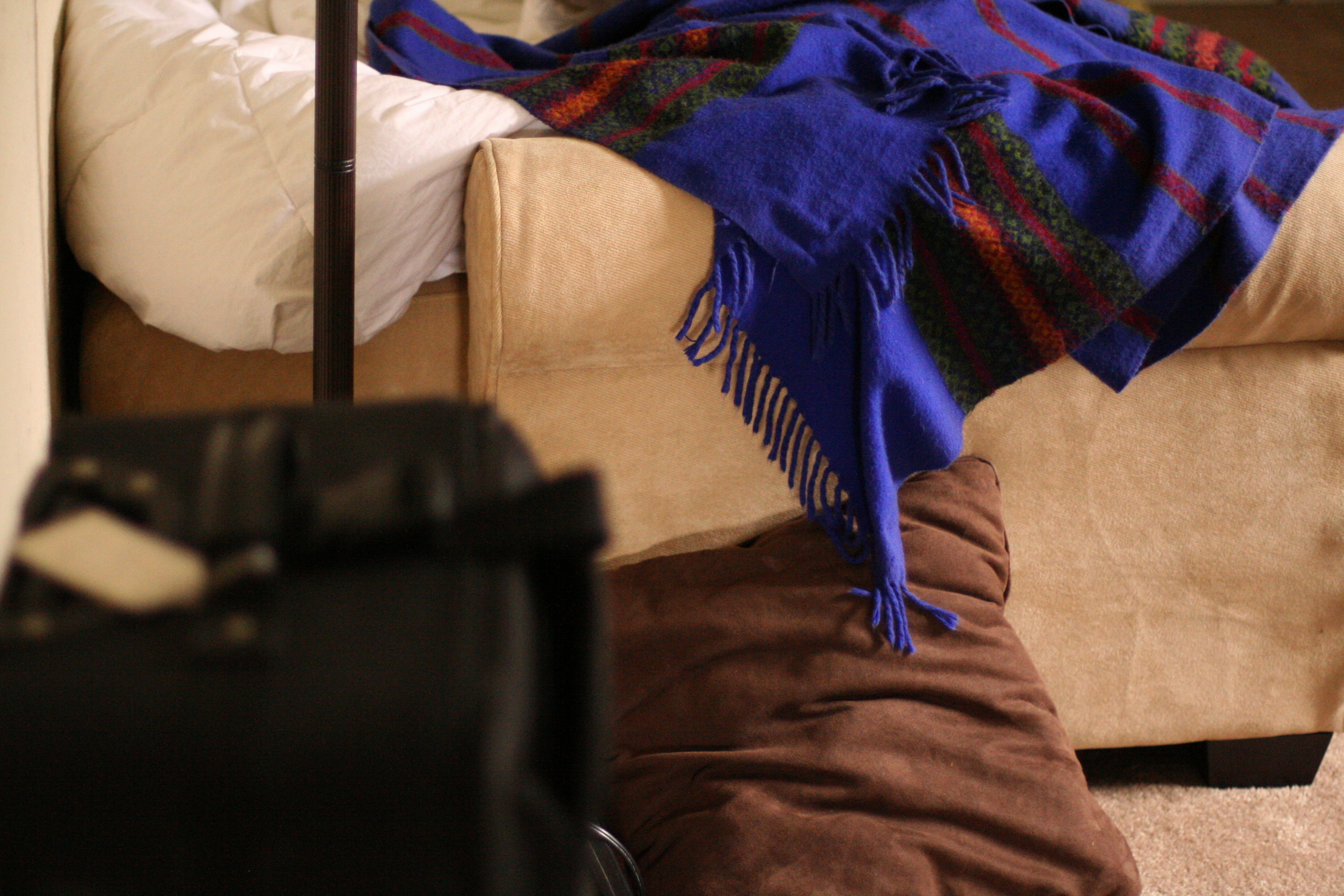
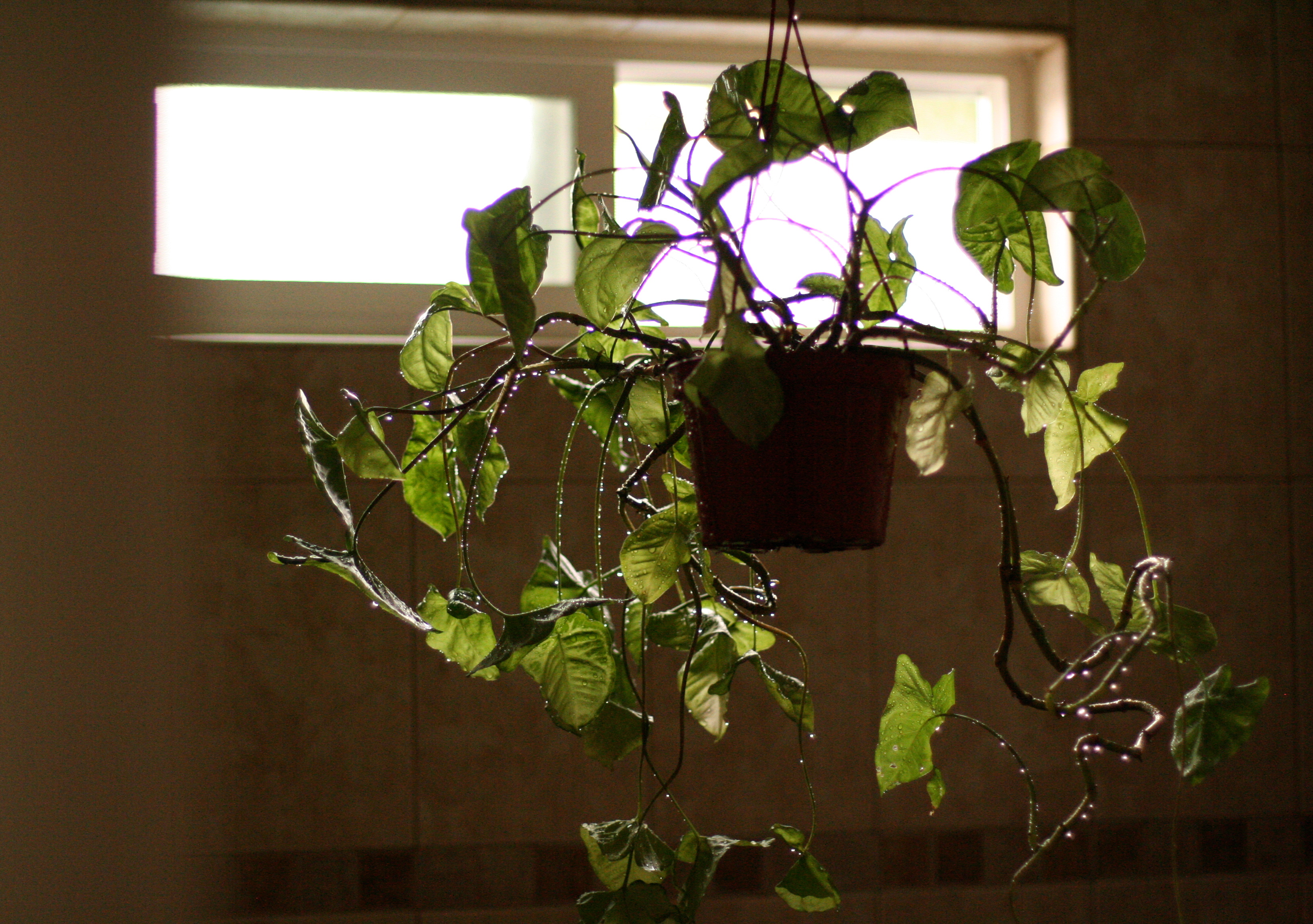
moving into new apartment; first time living alone at length. same pillows, same books, even some shoes and jackets that have stuck with me since high school. (what can i say — i had good taste, even then. :) houseplants have made it over safely. enjoying the new shower.
i had reservations about getting a place by myself. fears that i might stay cooped up, isolated, cut off, a prisoner to my own shyness. but more than that, i felt somehow wary of the luxury of a studio. was this yet another step toward bourgieness and sellout-dom? first a non-profit co-director job, now this? what’s next: a timeshare in Waikiki? am i turning into the following hilarious yet terrifying caricature?
Are you tired? No, I mean, really tired? You feel it in your bones, don’t you? In your sinews. It hurts to sit on the floor. No-one you’ve met in the activist milieu has expressed sexual interest in you for years. You’ve worked so very, very hard. Perhaps it’s time you made The Non-Profit Transition.
I mean, you’ve sacrificed so much of your life to this bullshit; why can’t you maybe do something for yourself, as well? Is that so bad? Partnering with Shell just means you’re hustling them for their money. You’re being realistic; your critics are being naive/haters/too young to understand. This workshop is presented in a series of lectures, including:
— Unlike You, I Deserve To Get Paid
— Actually This Politician Is Basically On Our Side
— You’ll Want Health Insurance Too When You’re My Age
— I’m Going To Radicalize This Organization From The Inside
— “Siri, How Do I Sell Out?” Embracing The Technology Fetish
Meeting Time/Location: All lectures are available as “TED Talk” Webinars to be viewed at your convenience on your iPad from the nursery room of your suburban ranch house.
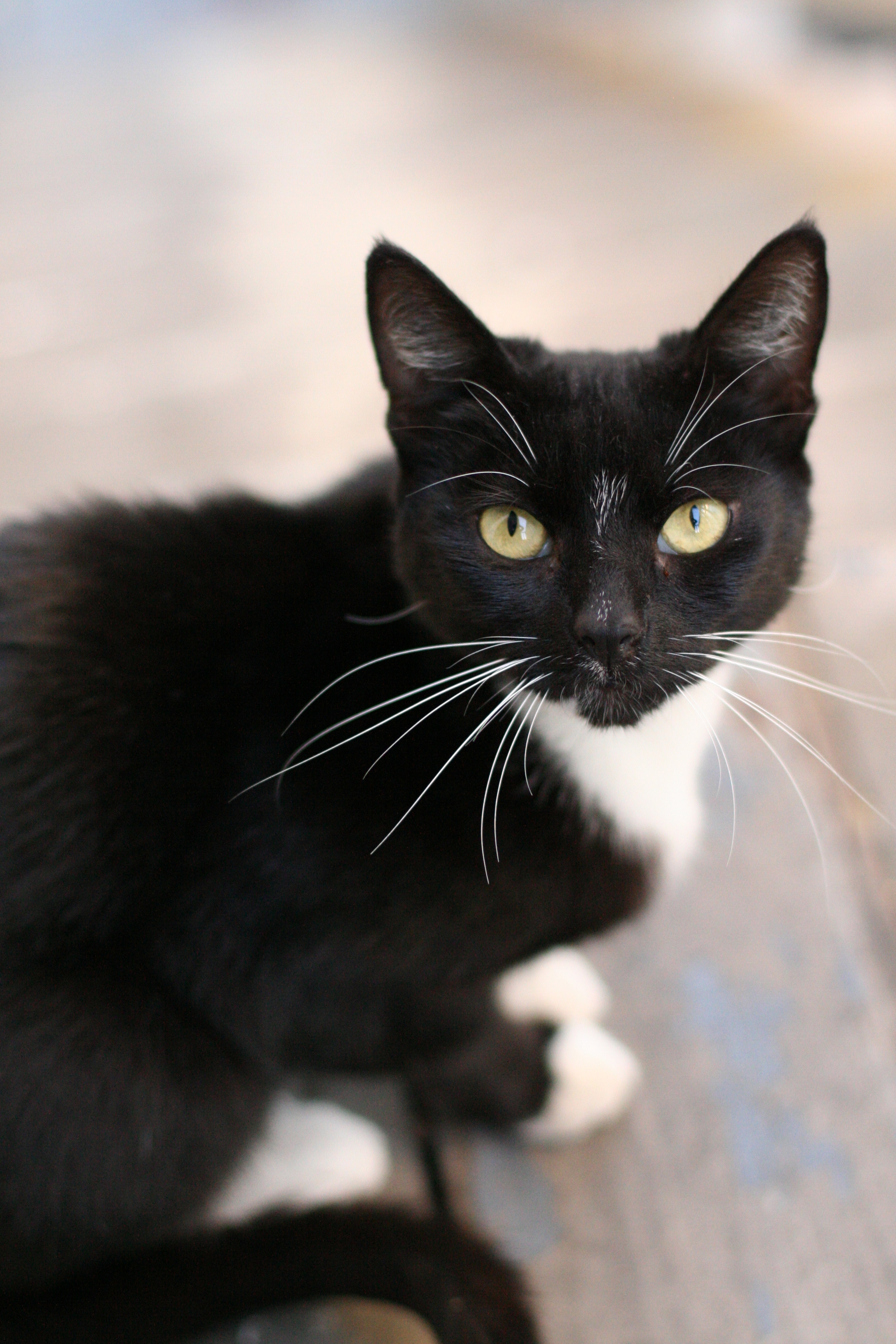
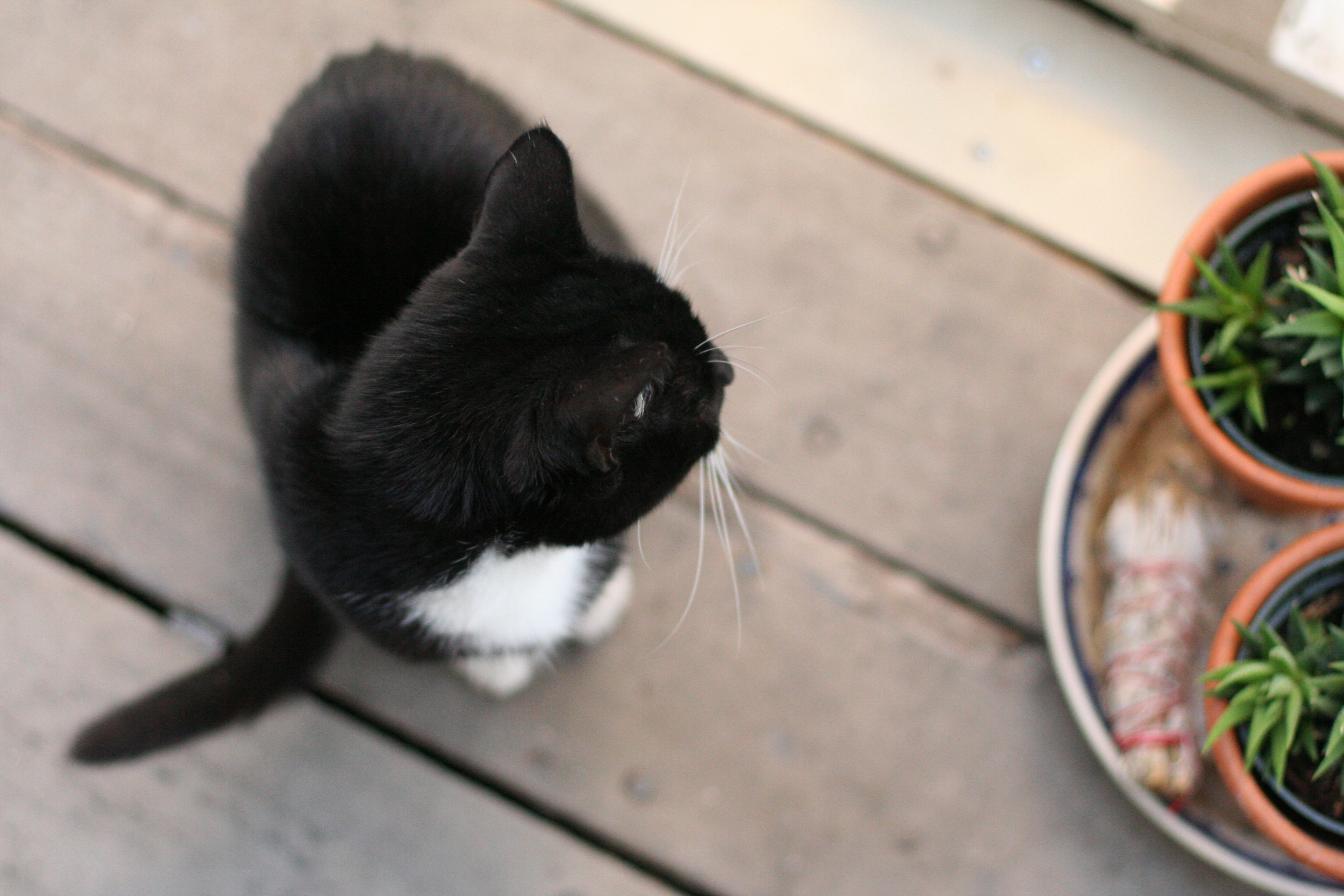
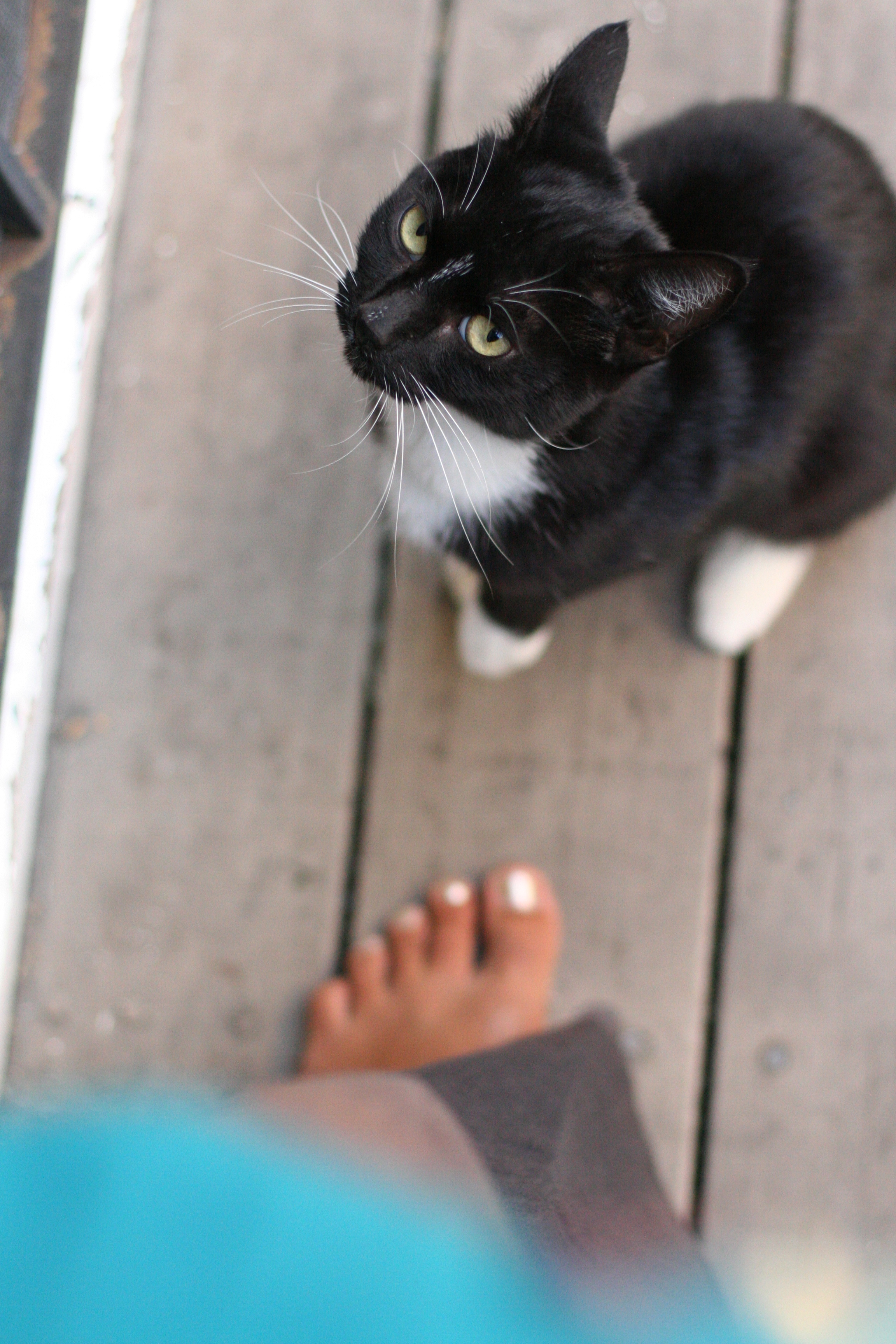
stray neighborhood kitten
worries about inclinations toward selling out have come to visit more and more often these days. worries that boil down to: I Like The Wrong Things.
i date white men. (not by principle, just by ‘chance,’ though i know it’s not so simple.) i have many white friends. (same deal.) i like wine. i listen to Motown. i frequent coffeeshops like this. i seem to be on a path to becoming a professional! (professional at what? unclear.)
politically, i find myself drawn to making strategic alliances with non-profits. not cynical, i’m-shaking-your-hand-but-Fuck-You-is-written-on-my-forehead kind of alliances. but the kind where i actually try to learn from what certain non-profits do well, form trusting relationships, and at the same time be honest (and hopefully persuasive) about my political views on the limitations of non-profits, as much as possible.
non-profits and anti-oppression cultural workers hold things that speak to me, and yet a number of revolutionaries i most admire seem to write off non-profits entirely: approaching them, to borrow a metaphor from Junot Díaz, “as one might hold a baby’s beshatted diaper, as one might pinch a recently benutted condom.” so i worry that in reality i’m just being naïve, seduced by the old siren song of POC / feminist / queer / disabilities justice / cultural etc. etc. sparkle that will never ever, in my view, lead to the overthrow of capitalism, though i’ll be the first to testify it feels damn good to be surrounded by hella cute powerful brilliant social-justicey people who often fill concrete needs of poor and working-class communities.
if the appeal of Liking The Right Things (whether exclusively Black Love or a hard line against band-aid service work) were merely a matter of superficial “coolness” or fitting in (wearing the right clothes, speaking the right slang), it would be easier to shrug off. i’ve dealt with The Cool before.
but as i observed even then, The Cool (or the desire to Be Something) is sneaky. It practices pseudocopulation: disguising itself as the thing you’re really after.
Ophrys eleonorae and Ophrys lupercalis, a wild hybrid orchid, whose pollinator, a male solitary bee, is engaged here in pseudocopulation. Photograph: Christian Ziegler/Minden Pictures
what is it that i am after?
peeved that i’ve taken a break from petting
effectiveness?
integrity?
authenticity?
holistic integration?
sometimes it feels like i’m trying to scrub off the birthmarks of liberalism. other times it feels like i need space to be curious and happy about whatever it is that i feel curious and happy about, and trust that i will find ways of steering those interests back into a healthy political direction.
“guilty pleasures” doesn’t really capture the level of confusion here. it’s more like “incongruent interests.” or something similarly unsexy sounding.
do you have incongruent interests? what do you do with them? do they make you feel divided, well-rounded, mundane?
My parents started sending me to summer camp at age 8. This seems young to me, but I think they were eager because their own families had never had the money to send them. I’m sure it was my mom who picked the first one: Circus camp. Trapeze, stilts, tightrope and everything.
But I didn’t care for that camp, and so the next summer I went to a different one.
And a different one the next summer.
And the next.
It was tough to find a fit, I guess. I was, I admit, a reluctant participant. I fainted off the saddle (semi-on purpose?) in horseback riding camp; tried to fake amnesia to get out of soccer camp. And I was embarrassingly far beyond age 8 at the time of that little stunt.
All told, I dipped my summer toe into circus camp, golf camp, soccer camp, marine biology camp, choir camp, horse camp. Never finding a home, until … writing camp.
I think those were the only two institutional summers where I didn’t care a whit about the food we ate. I was immersed. Hours melted away as I tap-tapped my six typing fingertips (still haven’t fully recruited the pinkies and rings) in a sterile, airless, white-walled computer lab at the University of Virgina. I might as well have been on top of Mount Everest. It was joyful one-pointedness, a feeling familiar, seven or eight years later, during my first deep formal meditations. This was the summer I turned 13, and back again at 14.
This memory came back to me today, and I realized: I used to tell stories.
I talked with my folks tonight: slow, nothing-much, touching base. The dog has tapeworms, but seems more chipper since getting his medicine. Mom doubts Pop’ll make it through this weekend’s performance of Fiddler On the Roof without dozing off. At times the silences sagged between our phones. Tomorrow they (my parents) will be moving all the furniture so the carpets can be deep-cleaned.
Suddenly my dad’s voice brightened. Can I tell you one thing about today, he said.
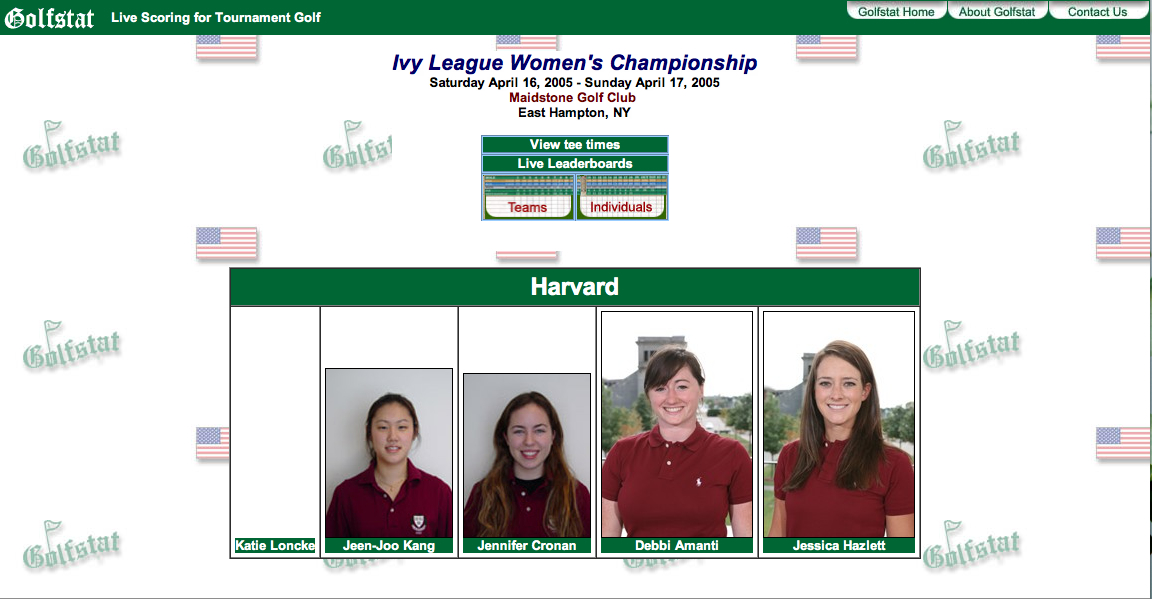
As he was cleaning out the study, he came across a leaderboard from my golfing days. Based on our conversation I’m still not sure exactly what kind of object he’s describing (I remember leaderboards being huge, like billboards — not something you could fit in our study chock-full of files and wires and junk), but he said it had that fine, pristine writing (those gray, permed, chalk-wielding old ladies keeping public score always cut the most dashing sevens), and at the top, number one, my name: Katie Loncke. Shot a 78 the first day; 72 the second. Below me (my father’s voice grows incandescent) are players who went on to be really serious. Casey Gee, who fell just shy of the PGA, and now works at a bank. Christina Stockton, who’s gone pro. Danielle Civitanov — we think she’s in school to be a nurse. The top Sacramento girl golfers from my middle-school and high-school years. Proof that I had bested the whole lot of them at least once. Dad mused aloud about sending the board to my Oma. Your granddaughter, number one! I could picture his smiling apple-cheeks, shaped just like mine.
If you know me well you probably know that golf and I have had a fraught relationship. I once tried to break my own finger with a hammer to get out of playing a tournament. When that plan failed, I turned to a bottle of pills.
Enough time has passed that I’m not so tense about it anymore. I can even contemplate dusting off my clubs for fun, maybe with a couple of novice guy friends. I would probably run circles around them, even though I haven’t played in years. I used to be that good.
And I made my dad proud. If he shadowed me for a round, weeks afterward he could tell you every single shot on every single hole.
Tonight, despite a thorny past, I let myself rejoice a little in his shine.
not sure why my picture’s not there, but find it hilariously appropriate
I’ve been thinking lately: we need some kind of People’s Award Association. For those of us who might choose unconventional paths, or never have a real shot at mainstream prestige in this fucked up, pseudo-meritocratic, hyper-competitive society. Our unpaid work organizing against the prison industrial complex, or fighting foreclosures, or founding radical sanghas may not yield a trophy, medal, plaque or certificate, but our excellence still matters, and people in our lives should know about it. They should have more chances to be proud of us.
Ideally a real, beautiful object for display, but even just an email — to a grandparent, mentor, partner, whomever — stating ceremoniously:
Congratulations: your loved one, {____________}, has been awarded an Outstanding {What They Do Well} Prize. This honor is conferred by the People’s Award Association in recognition of {___________}’s excellence in transforming oppression and building toward a better world: a world with freedom for all.
Study of the history of liberation struggles shows that they have generally been preceded by an upsurge of cultural manifestations, which progressively harden into an attempt, successful or not, to assert the cultural personality of the dominated people by an act of denial of the culture of the oppressor. Whatever the conditions of subjection of a people to foreign domination and the influence of economic, political and social factors in the exercise of this domination, it is generally within the cultural factor that we find the germ of challenge which leads to the structuring and development of the liberation movement.
Ignore the raping of Native women, the breeding and hoarding of slaves, the sale of young girls, assaults in prisons, assaults by la migra, assaults by soldiers on ‘enemies’ and fellows.
Ignore the hundreds of thousands of families being cheated, lied to, robbed, and pushed around by capital.
you see, intact neighborhoods mean something to me; mean more to me the more i reflect on my own family. i never grew up really knowing our neighbors, but my dad, now over 70 years old, is still best friends with the Jenkins brothers, from way back in the 1940s, in their stickball days. Over on Victory Drive, the Lonckes helped raise the Jenkins kids and the Jenkins helped raise the Lonckes. i’ve called them uncles all my life. and when i’m 70 i won’t have friends like that, connected to a street from childhood. but someone should.
i met some neighbors on my block this evening: just four streets north of the birthplace of the Black Panther Party.
a few have been in their houses upwards of forty years. Thelma. Verita. Denise’s mother, who has dementia. they’re the lucky ones. for every one who has stayed, many more have been pushed out. maybe a while ago, maybe recently.
this needs to end. people deserve sovereignty over our bodies, and over our homes. somehow we need to decommodify houses, and bodies, and land.
When I feel weak, or lost, or unworthy of love, I’ve learned to expand my focus.
This doesn’t mean squashing or shutting up the painful parts. It just means paying close attention to what else is there. That way, the loud, dramatic emotions don’t dominate the scene. Grief and despair are not my only guests.
The Guest House
This being human is a guest house.
Every morning a new arrival.
A joy, a depression, a meanness,
some momentary awareness comes
as an unexpected visitor.
Welcome and entertain them all!
Even if they’re a crowd of sorrows,
who violently sweep your house
empty of its furniture,
still, treat each guest honorably.
He may be clearing you out
for some new delight.
The dark thought, the shame, the malice,
meet them at the door laughing,
and invite them in.
Be grateful for whoever comes,
because each has been sent
as a guide from beyond.
~ Rumi
Today, it was tantrums.
When someone I love told me, to my face, in a backyard garden, surrounded by roses and mint and blueberries and artichokes and rosemary and grape vines, that they don’t love me anymore, tantrums arose.
Oh, tantrums a-ROSE.
At first they rattled me, bat-swooping around my internal kitchen. But I neither repressed nor expressed the thoughts. I watched them.
Don’t believe everything you think.
~ Thomas Kida
And yeah, internal-tantrum-dialogue exists. Tears exist. You know what else exists? roses and mint and blueberries and artichokes and rosemary and grape vines. these are also real.
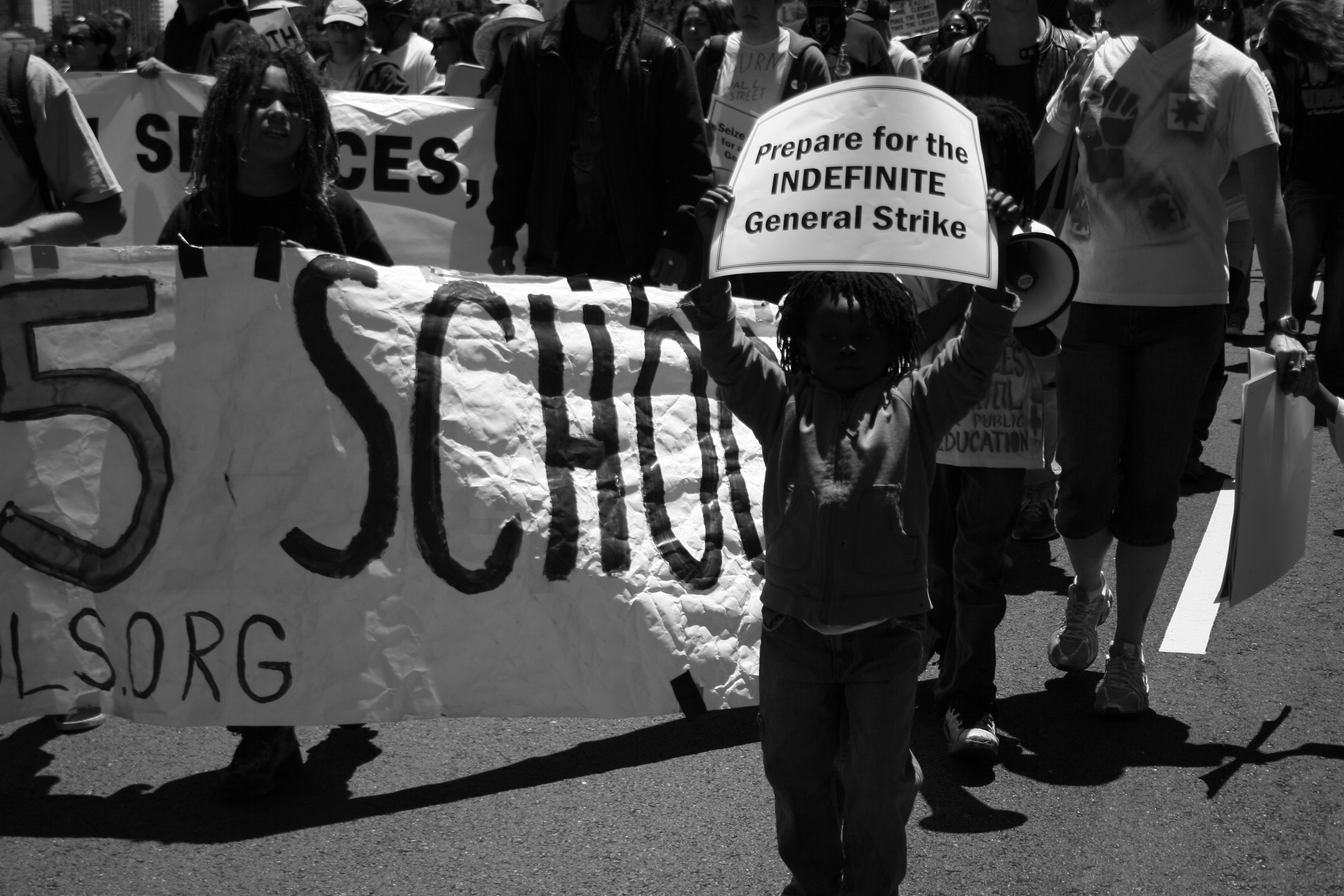
so are other things i’ve seen lately. beautiful students, parents, and teachers fighting against Oakland school closures; demanding education; rallying after police shut down their free summer school.
This slideshow requires JavaScript.
and so is this poem, written by children.
The Ways Of Yeast
No one is the boss of yeast.
It doesn’t listen.
It doesn’t talk.
It smells like warm dusty yellow water.
Abelina, Miles, Reece, Francesca, and Natane
There are also neutral things. The corners of boxes. Unscented air. A teacher advised me to acknowledge those, too.
By insisting on the totality, I re-establish myself in a landscape greater than the strong emotions. Not to make those emotions go away, but to be able to take better care of them. As Larry Yang says, awareness practice and lovingkindness are ultimately the same thing. Neither avoiding nor indulging tantrums (ooh, I don’t even dare to publicly write the thoughts that were bubbling up in my skull!!!), in offering awareness we offer ourselves.
A bat trapped in an unexpected kitchen swoops around in part because it is scared. My tantrums are not unrelated, I think, to the fears that many women of color experience, that we will never truly be worthy of love. And that the people we love, or on whom we rely for love, will hurt us. And somehow it’s our fault. Descendents of African slaves in the US have been fed this message countless times over the centuries. We are unlovable. We are less than human. No matter how hard we try, we will never succeed. (This, I think, keeps many Black people vicariously invested in Obama, despite the routine murders of innocents that he, through his job, carries out.)
But no one is the boss of yeast, and my fears are not the boss of me — no matter how deep they run.
Expanding the focus, I listen closely, and insist on the totality. Feels like more freedom.

 Little kids all over the world learning to play.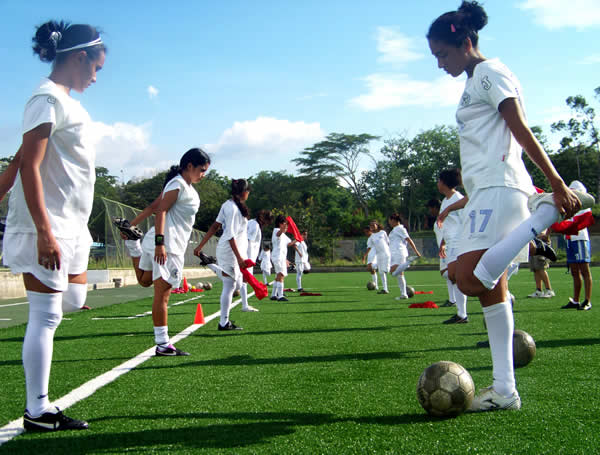

 And that’s only the shit that I happen to hear about! There could be much more! Not to mention the ongoing organized work around transforming and healing intimate violence, and connecting that with state violence and capitalism. That part of organizing.






 Kloncke