When I graduated high school, I got a fairy-tale-like scholarship that would fully fund my higher education, wherever I wanted to go, for however many degrees I wanted to complete.
No, for real.
When I graduated high school, I got a fairy-tale-like scholarship that would fully fund my higher education, wherever I wanted to go, for however many degrees I wanted to complete.
No, for real.

Started reading a book yesterday, borrowed from my friend Anastasia, called Detroit: I Do Mind Dying — A Study In Urban Revolution. Remembering that this year’s U.S. Social Forum (with its defensive hodgepodge of Lefty traditions) was hosted in Motor City, I’m especially interested in learning about the particularly radical, revolutionary history of the place.
Just began, so don’t have much to comment on yet, but the history of one legal case struck me something serious.
It’s a retelling — an entire prologue — of the amazing case of James Johnson: a Black auto plant worker who, in the summer of 1970, after being suspended for refusing to cooperate in a work speed-up, shot and killed a Black foreman, a white foreman, and a white job setter on the factory floor.
Remarkably, “the jury found James Johnson not responsible for his actions.”
Why?
Hey friends! Thank you for the rich discussion in the last post, on communicating with our elders. I’m always so humbled and grateful for the open, honest reflections that people share in this space. And that’s part of why this weekly practice of blogging continues.
Speaking of practices, I’m on a mission to cultivate more traditions and rituals in my life. Little anchors and measuring sticks for relating to change, and the passage of time, in a slightly different way. (Note: I love the weekly butcher-shop ritual described in this gorgeous essay by a dynamic/post-/questioning vegan; link via Napaquetzalli and Ernesto.)
One ritual that I’ve been recalling lately dates back to 2008/early 2009, when I lived in Central Square, back in Cambridge. My friend Jen turned me on to this weekly program on an independent radio station. “The Secret Spot.” Old-school and R&B jams: from Erykah Badu to Teddy Pendergrass, D’Angelo, Aretha Franklin, Chaka Khan, Lauryn Hill, Al Green. I LOVED The Secret Spot. And on Saturday nights, I would light some candles in the living room, turn down the lights, cozy up with a blanket in my favorite armchair, and listen. Sing along, too, if the apartment was empty (which it often was — this being Saturday night, when my fellow twentysomething housemates were typically engaged in more age-appropriate activities).

Of the four commonly-cited inescapable sufferings (birth, old age, sickness, and death — sidenote: why puberty-slash-adolescence didn’t make the list, I don’t know), lately I’ve been getting acquainted with the latter three. Dad has veered sharply and suddenly toward death in the past four months. (Thankfully, after this most recent spinal surgery a week ago, he’s recovering well.) And during our time in Nicaragua, I saw more closely than ever the way that my boss, teacher, friend, and a co-founder of the Faithful Fools, Kay Jorgenson, is living with her advanced and intensifying Parkinson’s.
It’s common knowledge that us kids these days in the States are generally lousy at caring for, and living with, those who are aging, whose faculties are deteriorating, and who are nearing their death. As products of a youth-worshiping and death-denying environment, we perpetuate and acquiesce to behavioral and institutional forms of elder isolation, shaming, and neglect — from expressing disgust toward the sexuality of the old (particularly women), to casually off-loading Grandma into the iconic nursing home, eager to get on with business.
So how can we, as young feminists and/or students of dhamma, create and reclaim healthier practices for relating to elders? It’s too big a question to cover right here, but I wanted to approach one small slice of the issue: communication around diminishing abilities, and growing needs for assistance.
A common example is driving. We think Opa shouldn’t be getting behind the wheel anymore. He feels otherwise. How do we navigate this?
Friends, I’m sorry for the extended blog silence! I’ve been in a bit of a weird place lately. Evident in the state of my bedroom (look like a hurricane blew through), my online habits (browsing Texts From Last Night), and chronic mental tangents that destroy my book-reading abilities (more on that later).
Also, awareness is heightening around the matters that cannot be shared or discussed on this blog. Including: much of my work (for confidentiality reasons); specifics of my love life (for family diplomacy reasons); and my dad’s recent bouts with illness (for his-privacy reasons). As you well know by now, there’s not much about my day-to-day existence that I feel is too “private” or “sacred” or even mundane to share. It’s all life. But not all of life belongs in this blogspace. Gotta dance around some of it. These days, my figurative thighs are getting a workout.
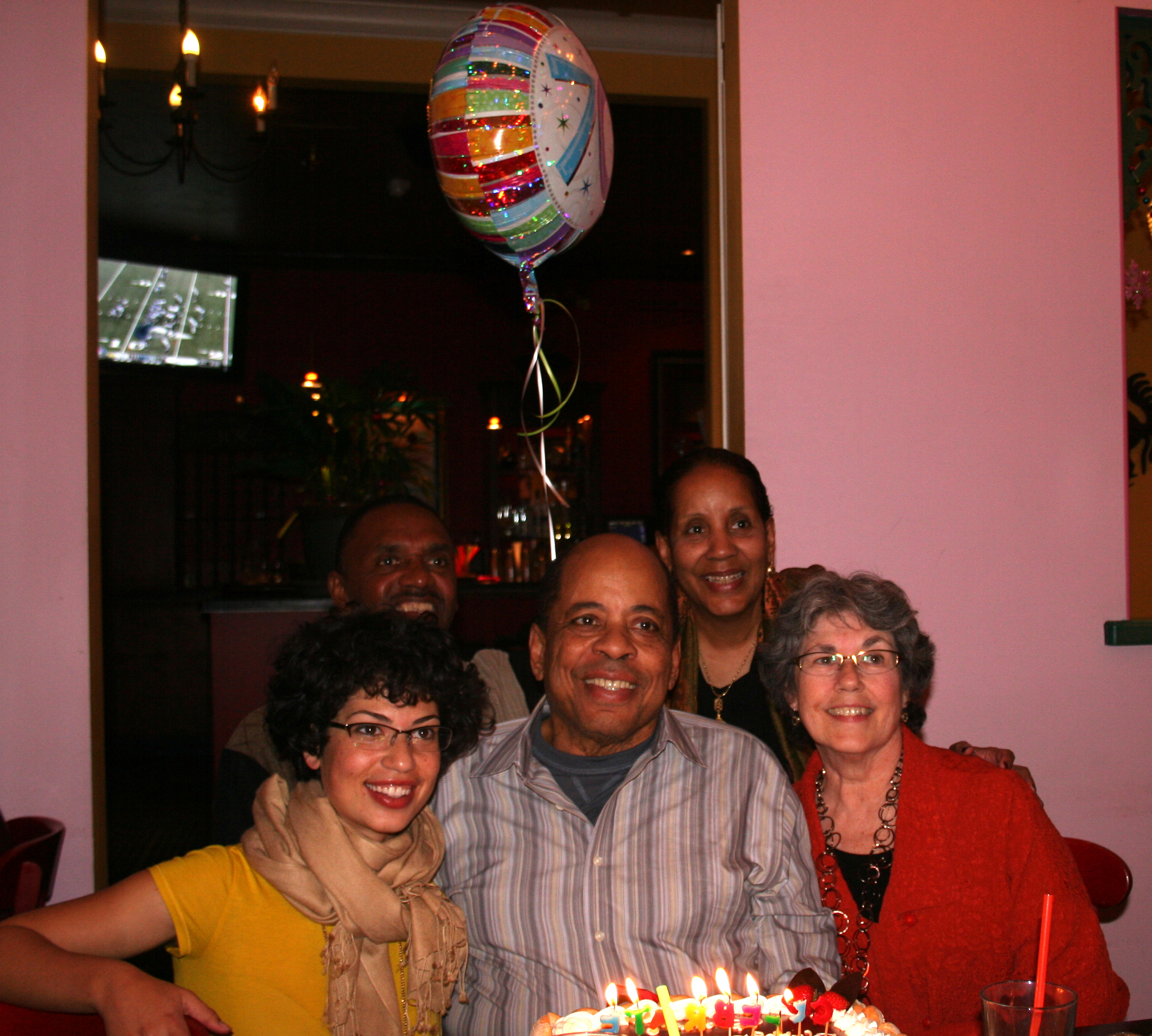
In any case, here are a couple family photos from yesterday, at my pop’s 70th birthday party — actually more of a celebration of life, resilience, recovery, and the amazing network of friends, kin, and pets who have all contributed to his recovery from a near-fatal health crisis. They say a lot, and very little.


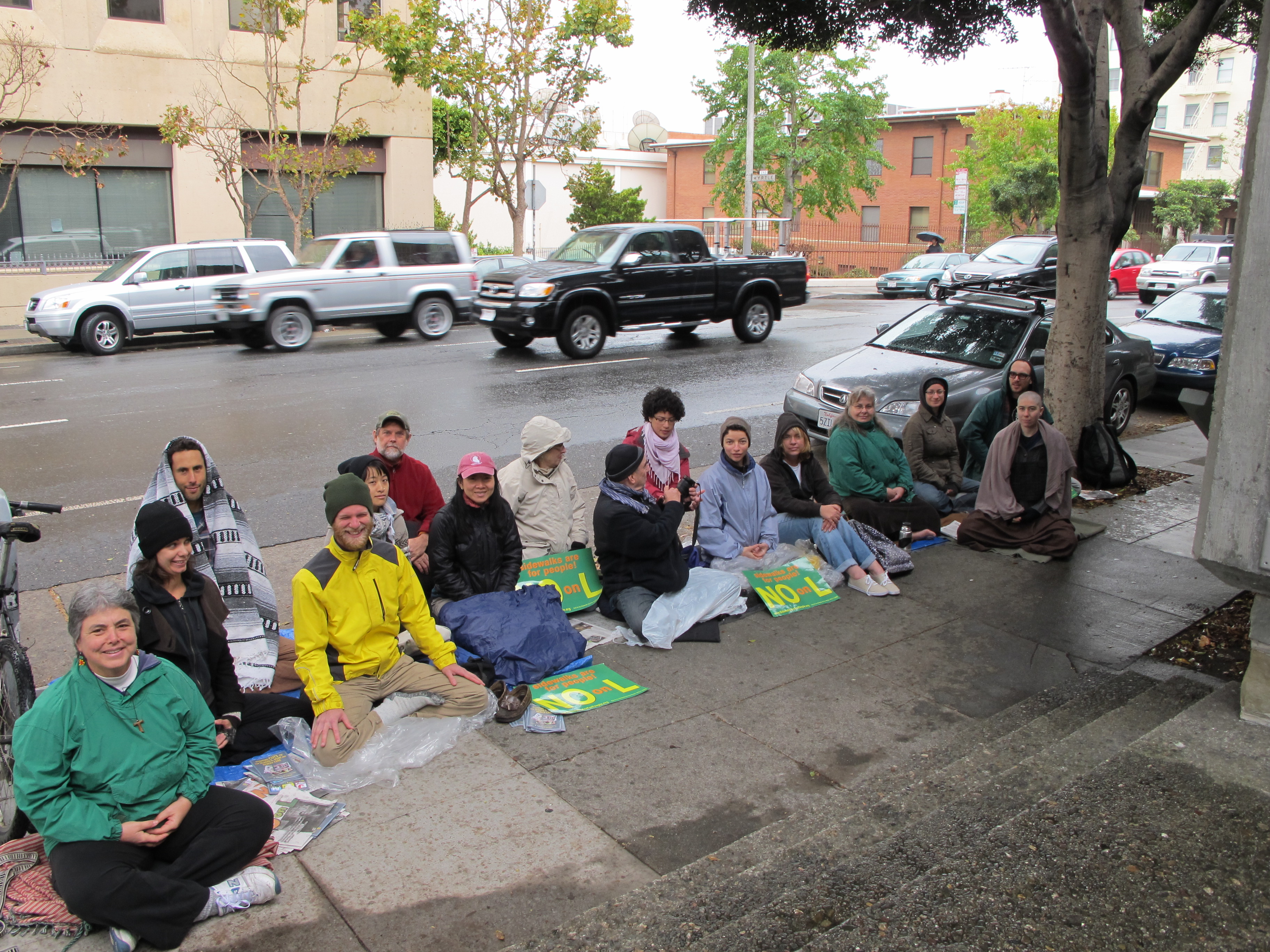
Sorry I didn’t get a chance to post on Friday, folks — this weekend was a particularly busy one. Starting Friday evening, we (at the Faithful Fools) hosted about 16 participants in a three-day gathering for Buddhists and friends dedicated to social justice. “Working for Liberation,” we called it: the culmination of, oh, about six months of co-planning between me and the lovely Tyson Casey of the Buddhist Peace Fellowship, with guidance from Carmen of the Fools and Alan Senauke of Clear View Project (also vice-abbot of Berkeley Zen Center and author of the newly published The Bodhisattva’s Embrace: Dispatches from Engaged Buddhism’s Front Lines).
I wanna say more — much more — about the weekend, but I gotta run back to Sacramento. So for now I’ll leave you with these two images of our final weekend ‘activity’: a performative outreach effort in the Sidewalks Are For People Campaign, or “No on Prop L.” A grey, drizzly Sunday morning; chilly but thoroughly enjoyable.
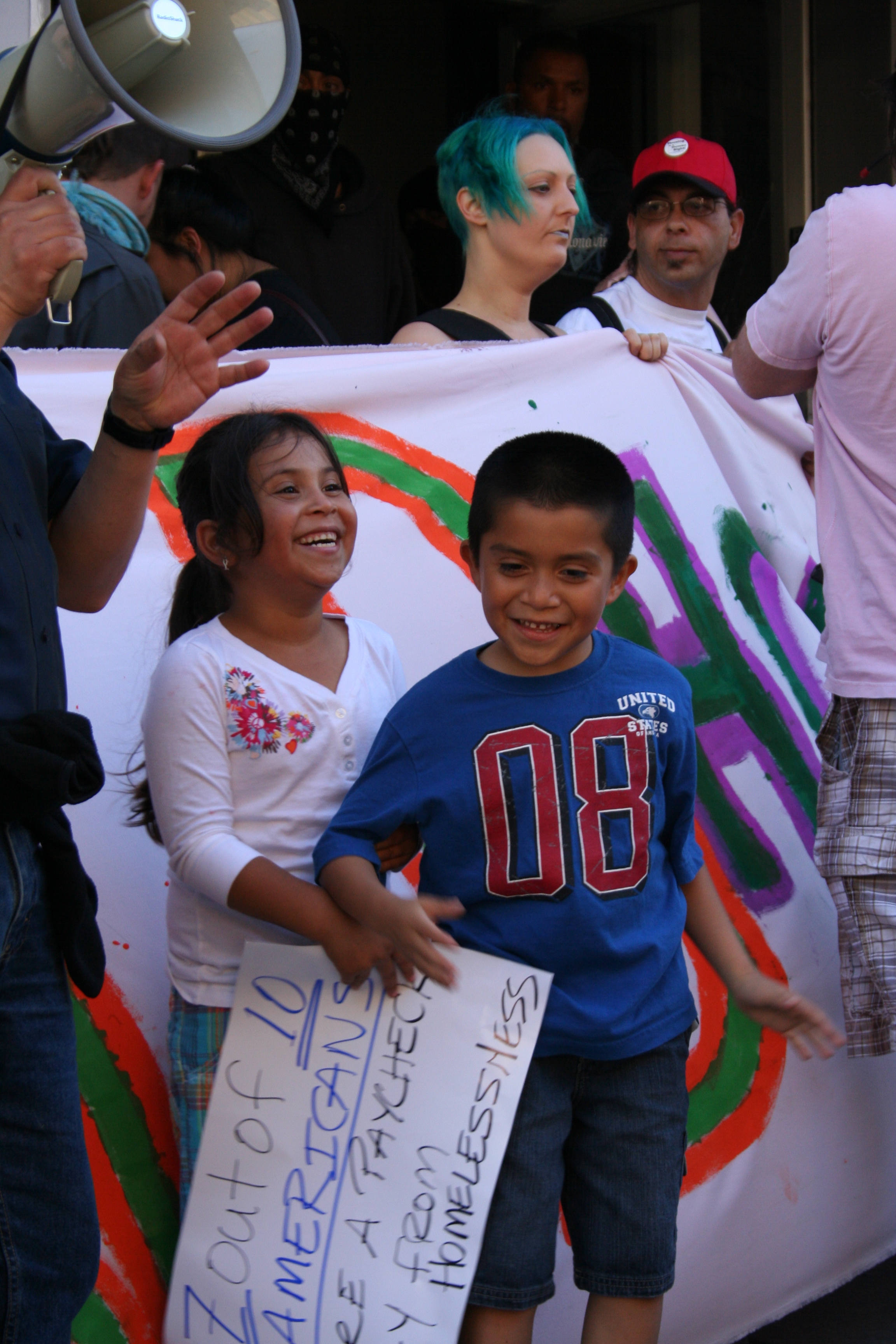
Today, in honor of World Homeless Day, folks with Homes Not Handcuffs and other groups hosted a “Creative Housing Liberation”: a rally, unpermitted march, and occupation/liberation of a 68-unit apartment building that has been vacant for years now. Coincidentally, that building happened to be right around the corner from our home at the Faithful Fools — a stroke of luck that allowed us to run back and grab a couple of “donations” (a chair and a vase of flowers) to offer to the building.
The event was really well done, and so far everything has gone off without a hitch. Crowd energy was strong; the occupiers had the banner drops all ready for us as our march turned the corner down Eddy Street; they had a dope sound system, powered by a generator, that transformed the corner into a dance party; Food Not Bombs even hooked it up with a tasty dinner for everyone.
Also fortunate: the landlord could not be reached by the police. And since the cops can’t break in and apprehend people without first getting the go-ahead from the landlord, the occupiers will hold the building at least until tomorrow morning.
Tomorrow, if I have time, I’ll try to add a bit more of my own perspective and analysis on housing occupation as a response to racist, heterosexist state violence in the form of denying people adequate housing. According to the event organizers, 30,000 housing units remain vacant in San Francisco, a city with 15,000 people living in homelessness. In light of this, does occupation of empty buildings seem morally wrong?
More germane to my line of questioning these days: what role can fun, vibrant, direct actions like today’s play in a larger strategic movement to transcend an economic system where, as Introducing Capitalism: A Graphic Guide puts it in a euphemistic half-truth, “the means of production are privately owned”?
(Note: very first chant of the march, as we took the streets? “Homelessness is not a crime! Capitalism IS a crime!”)

Some of the smartest people I know — including my friend Ivan, and what I’ve read/heard by Suzuki Roshi — excel at failing. They know how to fail in ways that allow the flow to continue, if you know what I’m saying. The failure is not crippling, but just part of taking on a difficult challenge. Generally speaking, I think that people with scientific minds (including serious meditators) are pretty good at failing happily. Failing in ways that reveal new opportunities, even as they foreclose the ones we thought we wanted.
Endeavoring to improve on my ability to fail doesn’t mean tackling tasks that seem doomed from the start. That would be too easy! The kind of failure I’m talking about does not come cheap. I am invested. I want to succeed. Each attempt, each step, is made with confidence, commitment, and openness.
Suzuki Roshi says that this is how we move toward enlightenment. Through repeating small moments of enlightenment — those moments of a letting-go mind, a mind that is being, not chasing — while at the same time working hard to deepen and strengthen our practice.
I hope this is somewhat clear, what I’m trying to say. As an example of a recent, happy failure of mine, I wanted to share a letter I wrote to all the people I’d talked to with an interest in building a disarm BART police campaign. My intention in sending it was (1) to let folks know that I would no longer be pursuing the courses I’d proposed (for instance: organizing a direct action of civil disobedience for the day of Mehserle’s sentencing), and Why; and (2) to thank them for the inspiring connections we’d made in the course of the (eventual) failure.
It felt good to write this letter, not only because I have a lot of admiration and goodwill toward each of the recipients (including those with whom I disagree politically), but also because it was an exercise in observing and accepting reality as it is — rather than as I would like it to be. A little inroad into rooting out dukkha.
I’d love to know your thoughts, resonances, and criticisms.
Hello everybody,
Hope this note finds you well!
Over the past couple of months, I’ve been talking with BART workers, Oscar Grant movement organizers, Oakland peacekeepers, Marxist feminists, reverends, priests, meditators, lawyers, non-profiters, poets, anarchists, communists, peace activists, radicals, progressives, friends, and random strangers about the possibility of coalescing a campaign toward disarming the BART police. I and others envisioned this as one small step in aiding a shift from weaponized, racist, capitalist-serving security culture toward community-controlled safety initiatives, dual power, and restorative justice.
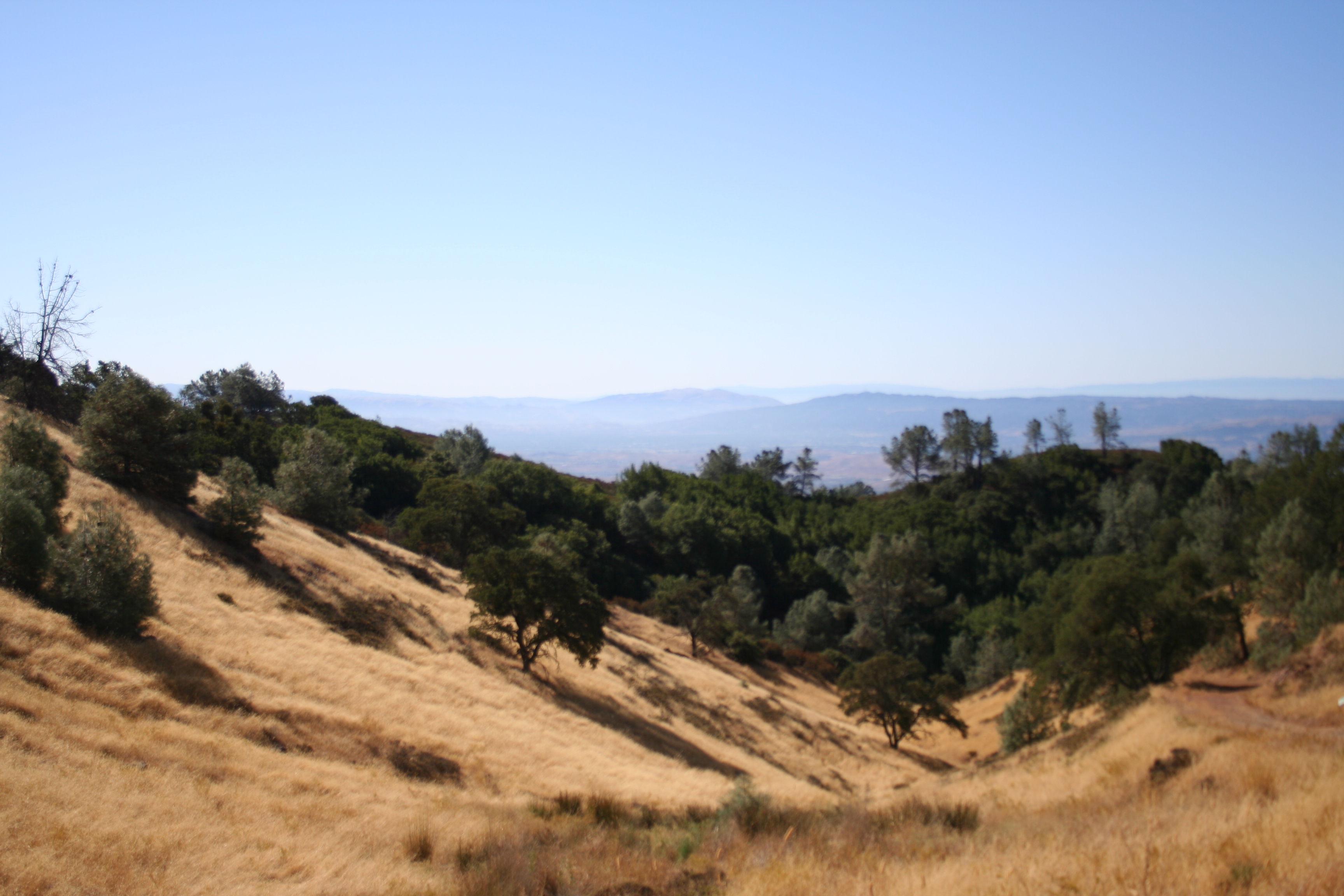
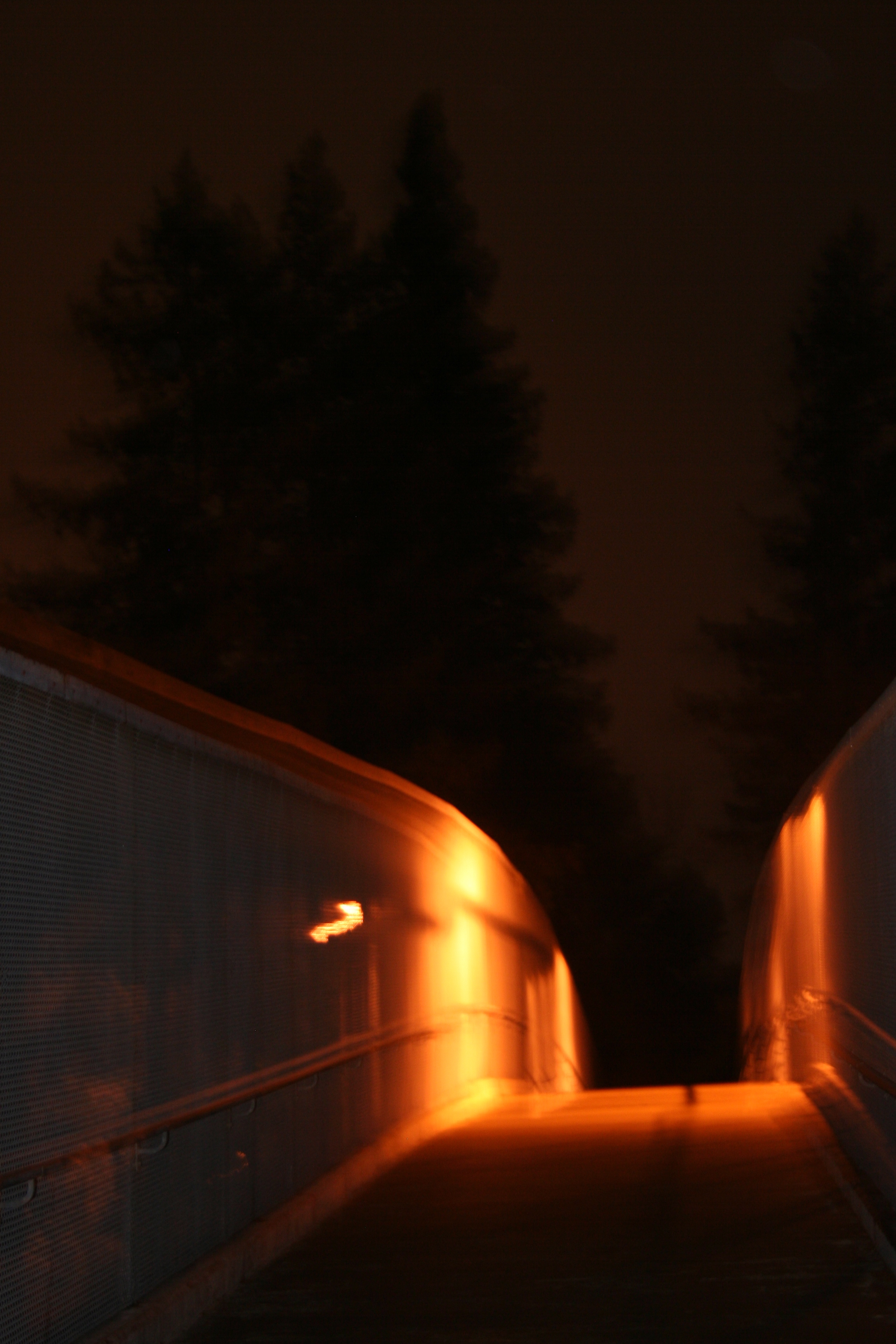
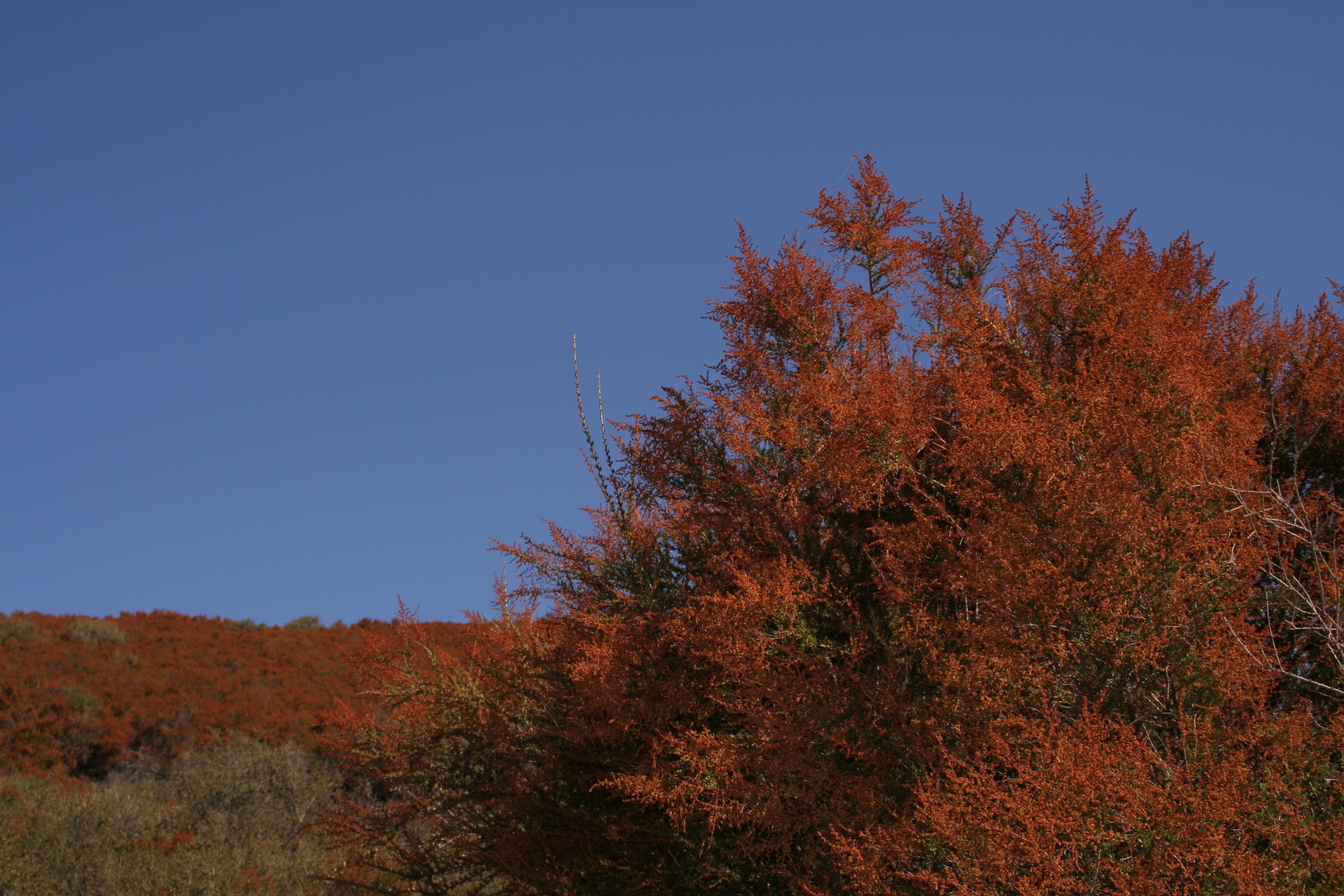
Hopefully by November I’ll have a little time to actually learn how to use this new camera. So far I’ve just fiddled chaotically with it, and since I got it used I don’t have a manual or anything. (Nor even basic knowledge about photography.)
So until I can study up on my own or take a free class, I’ll stick with appreciating the colors. Mmm, colors.

Hey friends, sorry this post is so late. As I mentioned, my dad’s in the hospital, so I’ve been running between SF and Sacramento, juggling work and family and friends and politics — so what else is new? — but right now with more emphasis on the family.
Unsurprisingly, as tough as it’s been to see my dad sick, it’s also offered many opportunities for grounding, reflection, and appreciation. That’s how this clear-sightedness stuff works, sometimes, in the midst of difficulty.
And it’s reminding me of a less-serious incident, a couple weeks back, when Ryan and I arrived, stomachs bellowing with hunger, at a highly recommended Thai restaurant tucked away in a corner of Oakland, only to discover that it didn’t open for another half hour. (I say this event was less serious, and it was, but I think we can all agree that when crap like this happens to us it can feel pretty damn grave.)
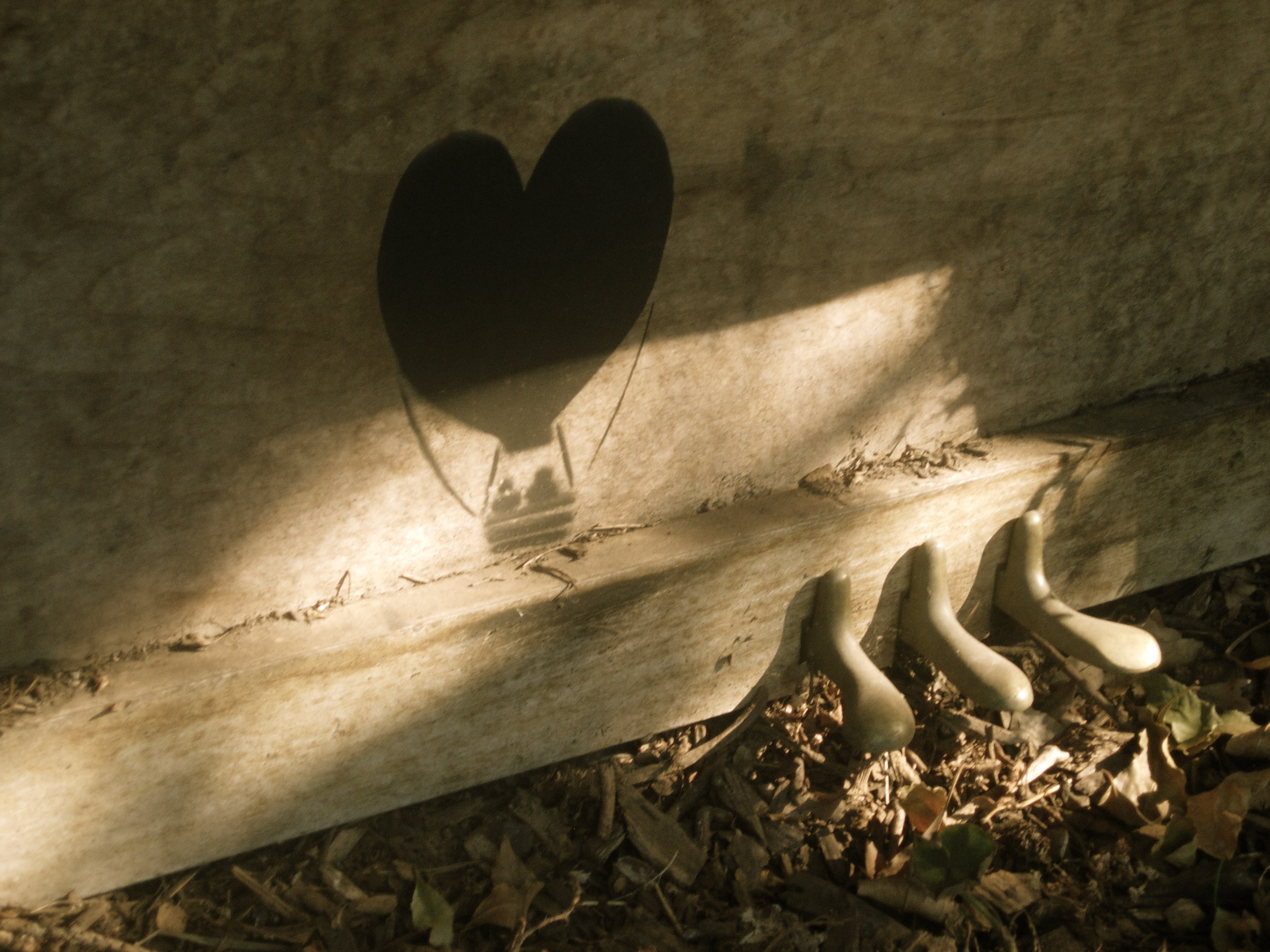
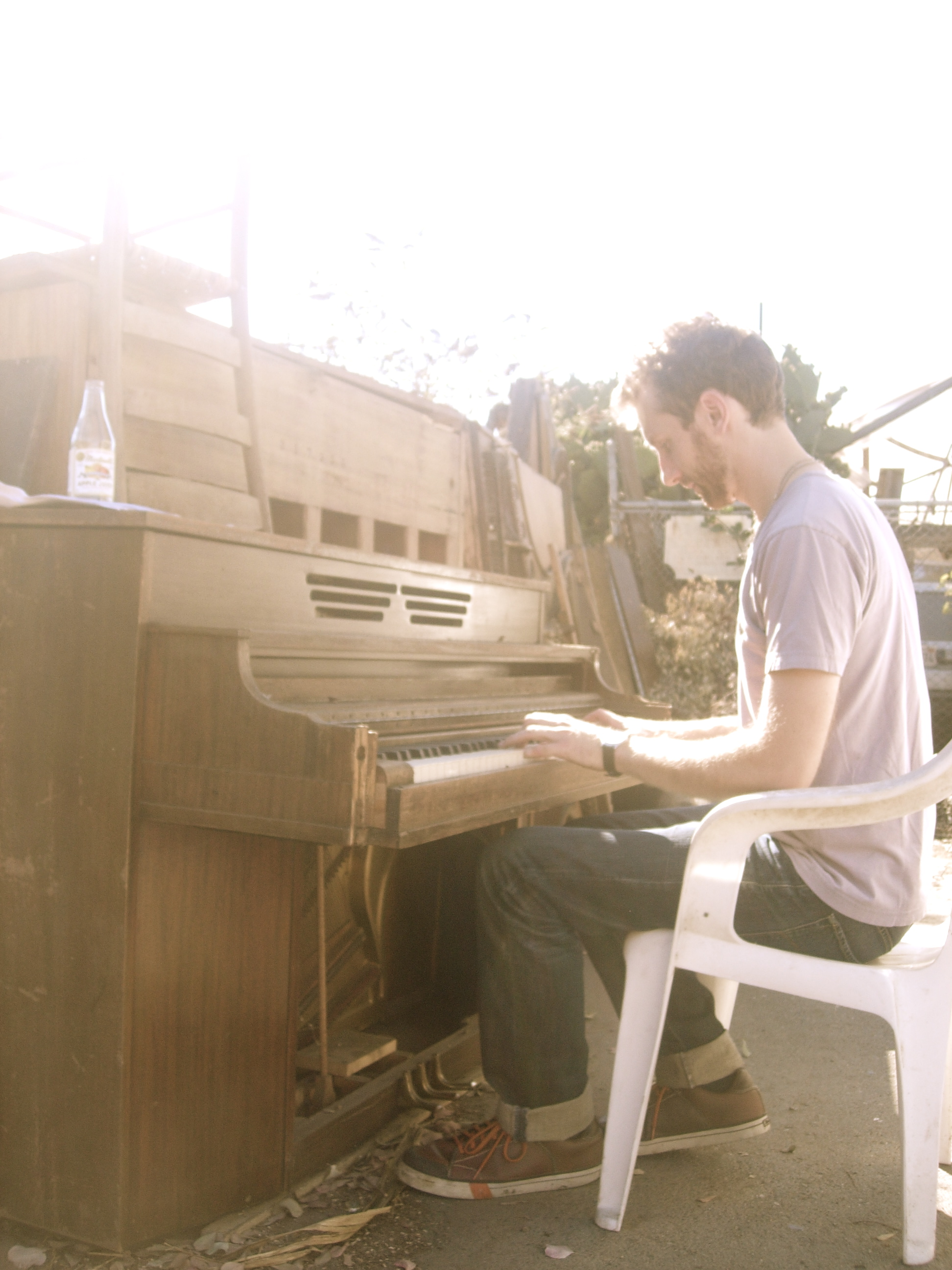
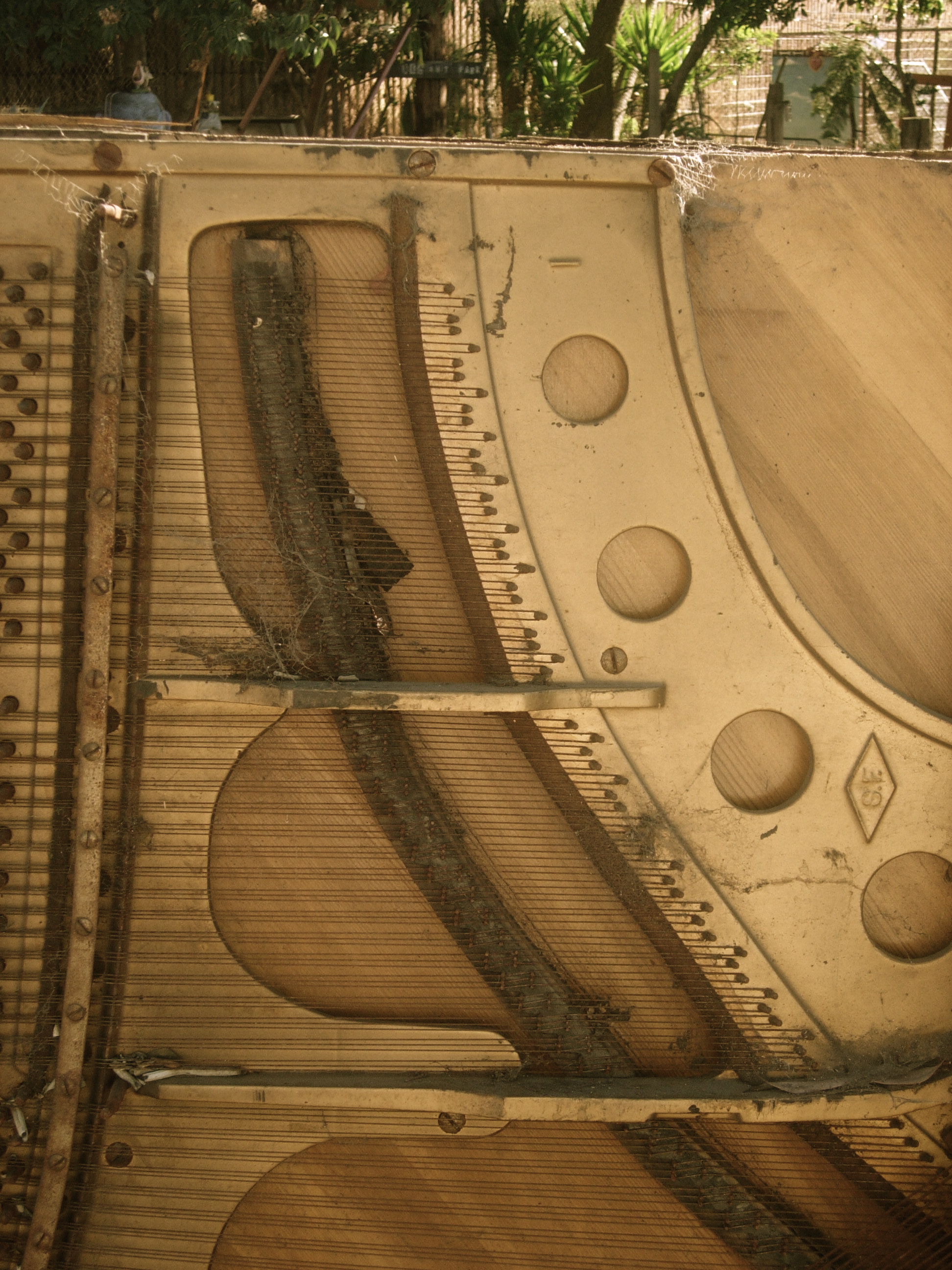
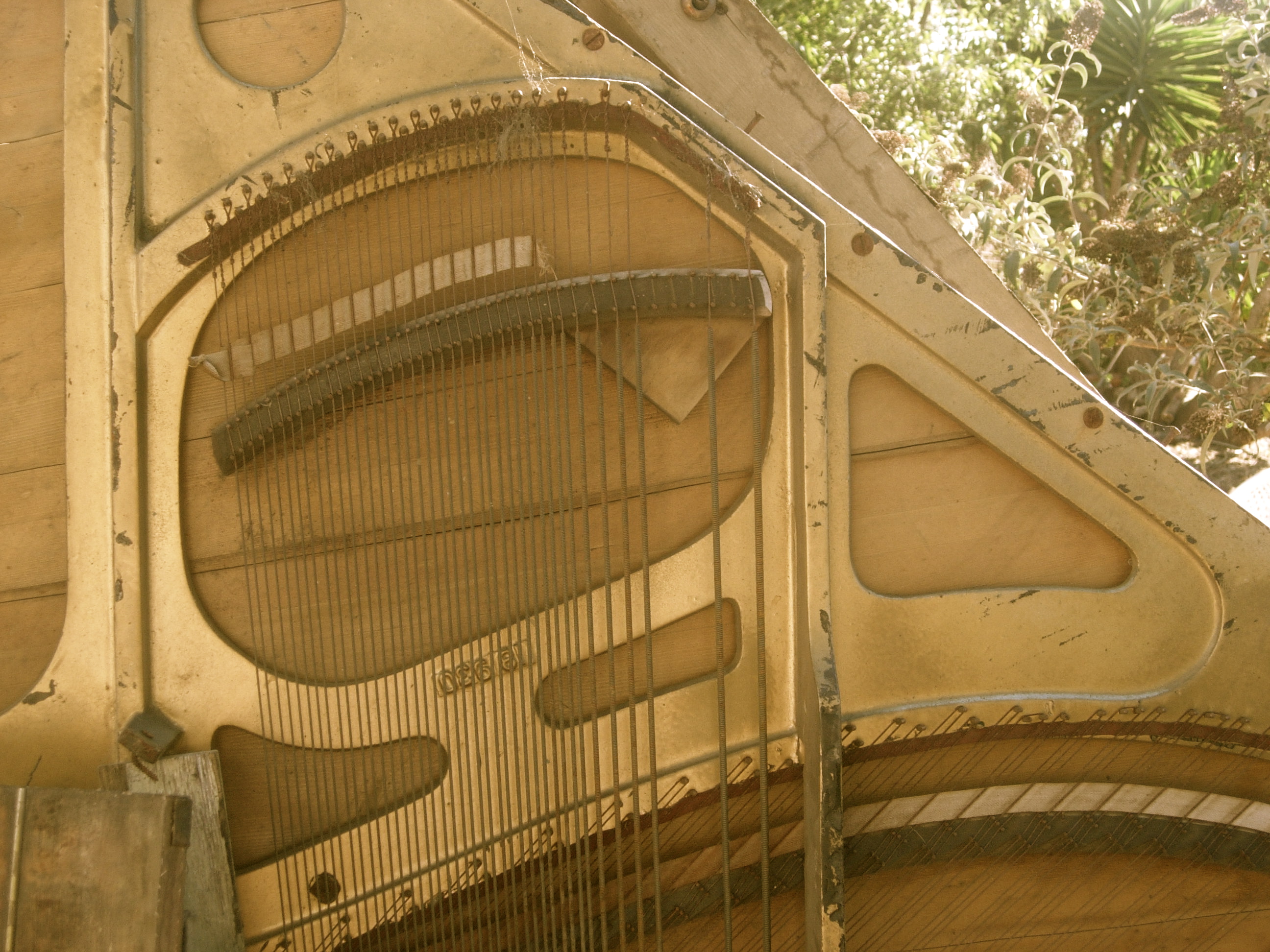
So there we were, ravenous and cranky. But as luck would have it, the same alley that housed the restaurant also contained a tiny, art-filled park. “Dog Shit Park,” as a wooden sign proclaimed. (Or warned.)
Busted pianos, colorful sculpture, plants and trees and chairs for sitting. And so, as we’ve seen before here on Kloncke, an inconvenience turned into a lovely opportunity.

 Kloncke