In this case, literally turn to them: with a new twisting asana I learned yesterday.
The teacher said it was Parsva Bakasana (Side Crow Pose), but seems like it’s actually a kind of modified version, like a pushup on your knees?
This slideshow requires JavaScript.
So there’s the learning of a new pose, but there’s also a meta-learning about how to take care of oneself, right? What particular practice might help with certain mental states.
And it’s one thing to learn what tends to help; it’s another to summon the discipline to do it. Showing up for ourselves. Whether it’s playing music, getting outdoors once a day, eating well for our bodies, getting proper sleep. Part of being a sustainable revolutionary. I’m lucky to be around political people — and a legacy of people in the Bay — who value this as a part of our work. As I’m reading the STORM document, it’s bittersweet to see that despite their emphases on self care for revolutionaries, they still ultimately ran into “exhaustion and poor health among STORM’s most active members. Physical and emotional fatigue were both widespread, particularly within the Core” (37).
There’s no quick fix, I suppose. And while it might seem like the hardcore thing to do to “power through,” I personally suspect that the people who appear the most hardcore and indefatigable are not neglecting self-care practices, but have actually cultivated tremendous discipline toward them. Whether that means never missing a mass, five daily prayers, morning meditation, morning pages, or surfing every day.
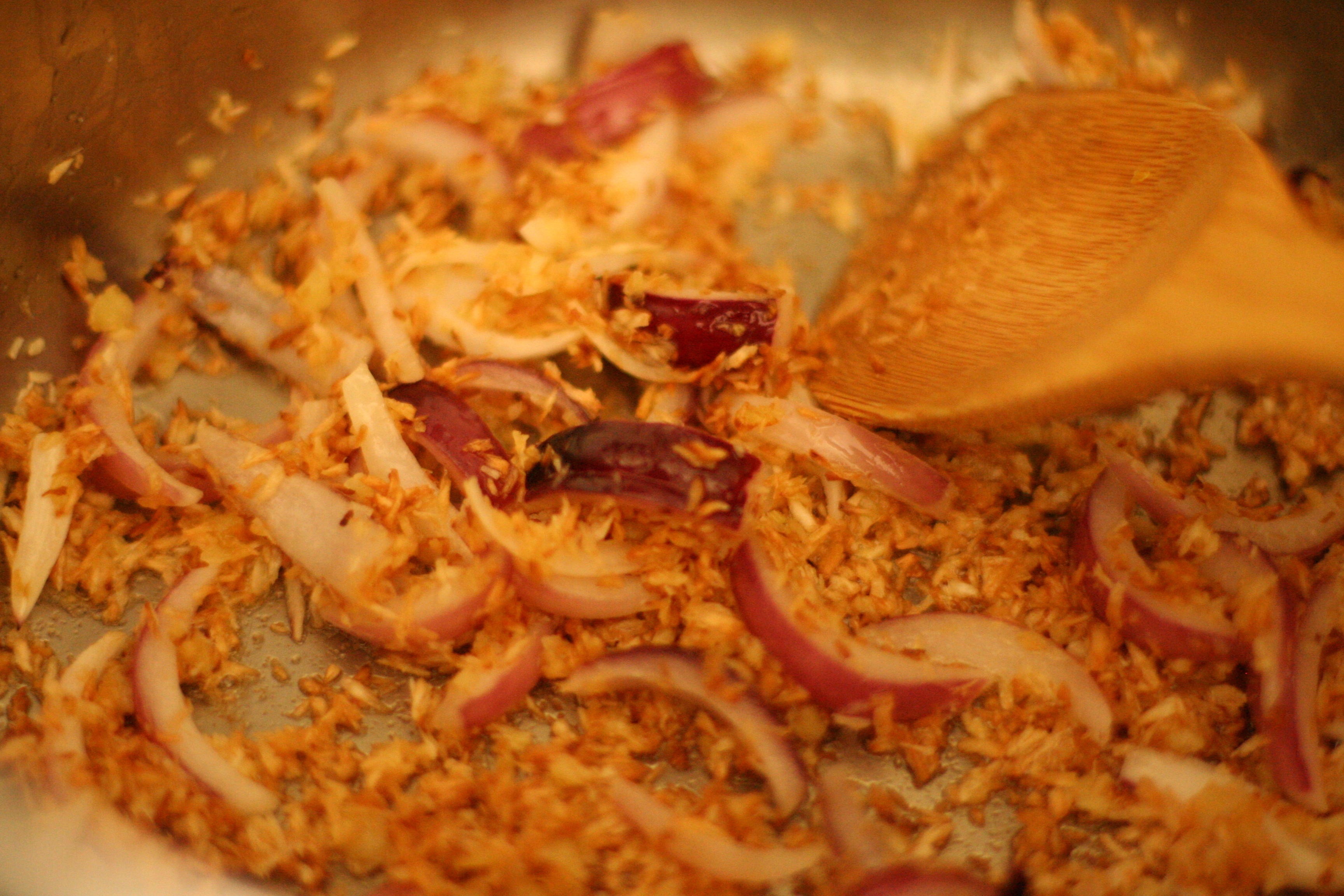
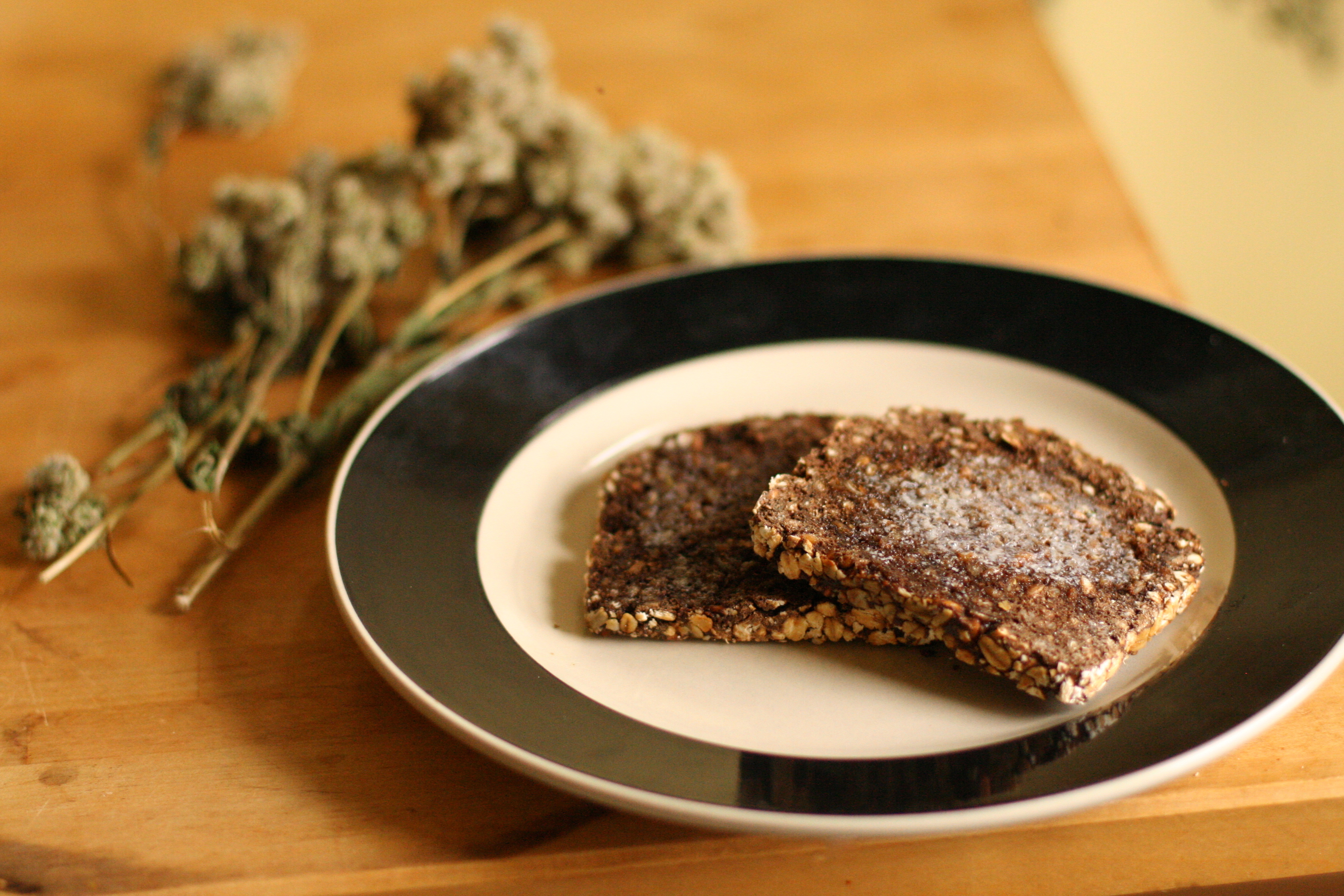
coconut-ginger kale with chickpeas, lemon, and a secret ingredient: a dash of smoked paprika.ginger, toasted coconut, and small sweet red onion sizzling in olive oil
Meanwhile, on Kloncke…
It’s shaping up to be another day of food and friend fotos, and I’m beginning to feel self-conscious.
You may have noticed that Kloncke contains lots of pictures. Pictures of mundane things, like the apartment. And Brassica oleracea. There’s not a lot of information, or opinion, or blueprints for fomenting feminist revolution. No hard reportage. Walking away from the world of political New Media, with its fast-paced news addictions and adrenaline rushes, is not easy on the ego, I can tell you that much. In comparison to what I used to write about, the things I now post seem frivolous and bourgie. Sharing them requires a good amount of pride swallowing: it was much easier, honestly, to write about, say, connections among environmental nativism, sexism, and anti-immigration. But my dear friend Ellen, in an email yesterday, beautifully expressed a purpose of the site that I hadn’t quite articulated to myself:
I was just reading through your blog and thinking about how healing ourselves necessarily involves elemental things like food (one of my too-many jobs right now is all about food policy, actually, and I love how it’s gently pushed me toward feeding myself better) and family and good lighting (good work w/ your place!!) and practical skills and walking/biking along riverbanks.
Ellen is right: healing is largely about getting down to basics. Which brings us back to the question of reality (what could be more basic?) and how on earth a cybernetic hallucination could bring us closer to it.
Reality isn’t a place so much as a relationship, or an attitude that each one of us can take toward what’s around us. In my experience, it’s a mixture of calm and curiosity, a kind of lilting interest. It welcomes and enjoys pleasure, but doesn’t obsess over it. It recognizes and honors pain, but doesn’t demonize it. This orientation reflects reality not because it’s one-dimensionally true, but because it allows us to see what’s really going on.
Now, what’s really going on includes, as we know:
oppression
violence
injustice
resistance
organizing
solidarity
things more important than photos of what yours truly is having for breakfast
Again, this blog isn’t about acting on these Big Things. Nope. But it is about small-r reality: trying to pay attention. Joyful attention. To the things that happen offline. And as a warm, friendly space dedicated to embracing ordinary wonders, I hope it can help restore us for whatever struggles we undertake.
A list. A hallucinatory diary of genuine gratitude. A different spin on the reality-based community.
Four years later, I’ve come so far, to the exact same spot.
Things more important than what I’m having for breakfast.
Well, that’s why they call it practice, I s’pose.
Revolutionary or not, “embracing ordinary wonders” is precisely what I’ve been feeling disconnected from, these past few months. And as we know, contentment is only partly about how many Wanted Things happen to us. It’s also (or even mostly) about how much gratitude and equanimity we generate. (Hence book titles like Sylvia Boorstein’s Happiness Is An Inside Job.)
Objectively, GREAT THINGS HAVE BEEN HAPPENING TO AND AROUND ME!
Hardworking organizers and wonderful people swim in the seas I swim in!
I get to go to eviction defense actions and they are interesting and successful!
(See how I snuck a militant direct action in there? Pride: sometimes you get the better of me.)
But I seem to be living as a hungry ghost. No matter how much beauty surrounds me, it’s not enough. I am not enough.
Speaking of both (a) hungry ghosts and (b) great things happening to and around me, just this Wednesday night I had the chance to see a talk by the incredible Dr. Gabor Maté, author of, among other books, In the Realm of Hungry Ghosts: Close Encounters with Addiction.
His lecture blew my mind on a few levels (maybe a whole nother post on that, sometime). But one of points he made that hit home hardest for me was the observation that political engagement, or activism, can actually serve as a kind of addiction: insofar as we use it to try to fill a personal sense of lack. He gets at a similar idea in this interview about the Hungry Ghosts book:
Question: The title of your book has its origins in the Buddhist Wheel of Life. In the Hungry Ghost Realm, people feel empty and seek solace from the outside, from sources that can never nourish. In what ways is our culture trapped in this realm? What can society learn from drug addicts who take the feelings of lack that everyone has, to the extreme? Gabor Maté: Much of our culture and our economy are based on exploiting people’s sense of emptiness and inadequacy, of not being enough as we are. We have the belief that if we do this or acquire that, if we achieve this or attain that, we’ll be satisfied. This sense of lack and this belief feed many addictive behaviors, from shopping to eating to workaholism. In many respects we behave in a driven fashion that differs only in degree from the desperation of the drug addict.
I don’t have the presence of mind to write too much on this tonight, but I want to reflect on this observation from my own life:
When I feel no pressure to be or do any particular thing, creative growth and learning flow freely, but much of my activity tends to be apolitical. Eventually, the urge for political engagement either suddenly arises, or creeps back in like a tide.
Once I get invested in the idea of being a student of political organizing, or being a revolutionary, that free-flowing sense of self-sufficiency dies away, and I find myself wanting/needing to improve and measure up, more and more. Never enough.
Obviously, the desire to improve is not a bad thing — and I know what the healthy, natural, yet vigorous version feels like. It’s just that I don’t know what it feels like in the political realm.
And THAT probably has more to do with me, and my own issues, than ‘the political realm’ itself.
Trigger Warning: discussions of fatphobia and sexual assault.
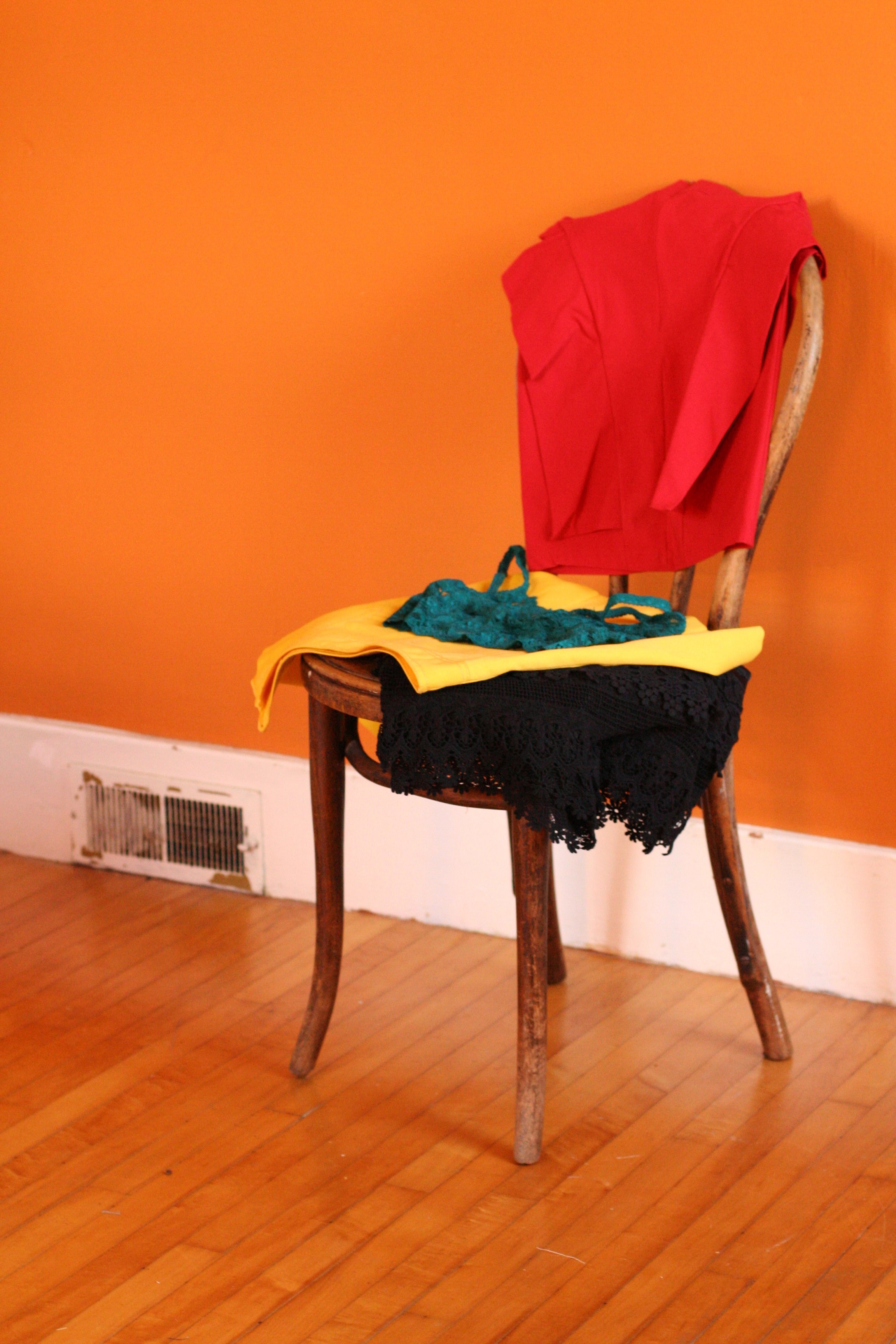
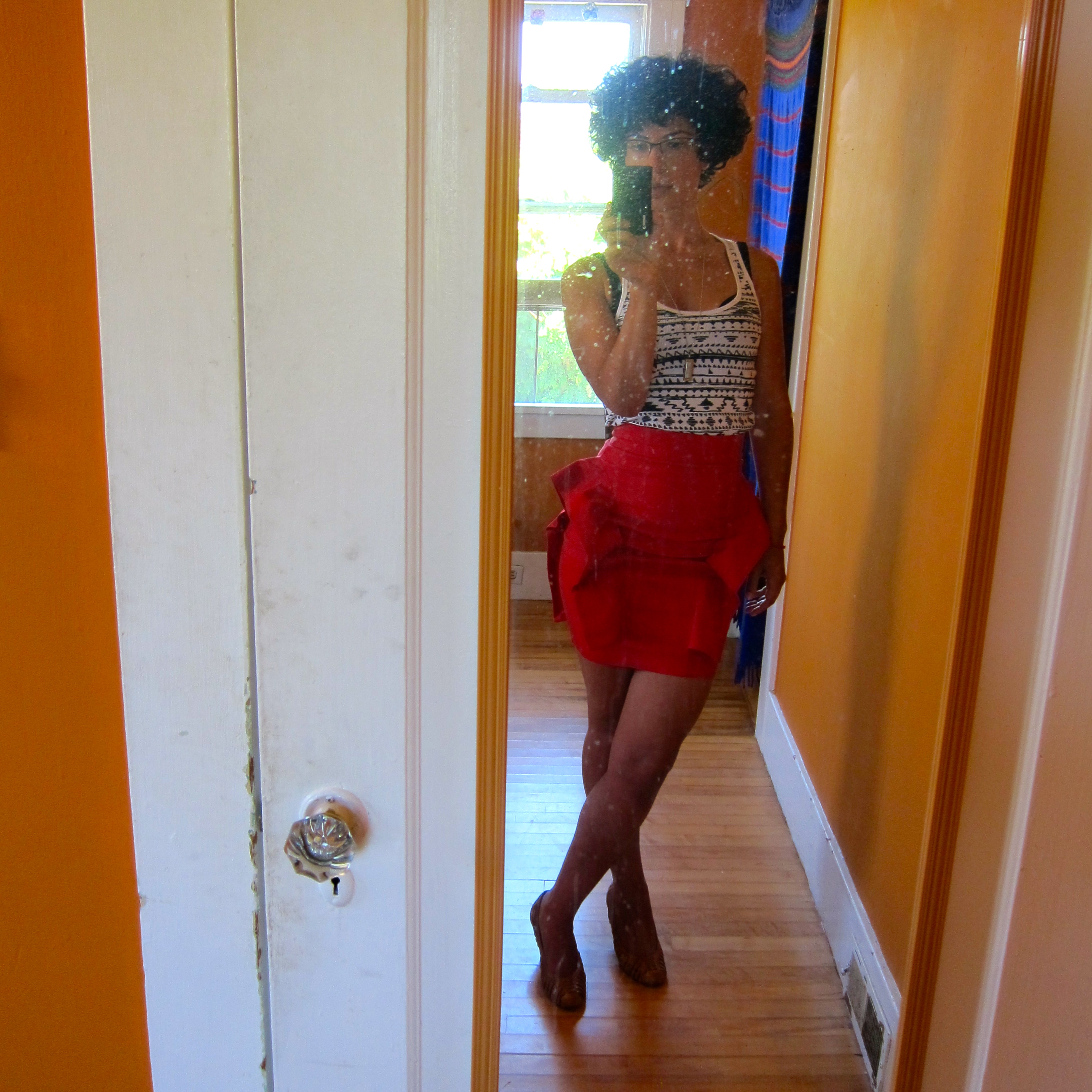
This week I made a What Not To Wear intervention on my own wardrobe. Based on my own preferences, but preferences I tend to sideline when I don’t really take the time to find separates that fit and interest me. Which leaves me with a closet full of stretched-out t-shirts in solid colors. Browsing the few stores I visited, I had to keep telling myself: no solid t-shirts. Only things that are nice and snug in the waist. And if something has to be solid, let it be an interesting fabric or shape. (Hence the red skirt.)
There are many reasons I shy away from dressing in a style I think of as “hard femme.”
Wanting to be taken seriously.
Wanting to avoid extra harassment.
Wanting to be able to hop a fence at a moment’s notice.
Wanting to bike around and sweat and cartwheel (difficult in heels and a pencil skirt).
Not wanting to confront my body image issues.
Not wanting to encourage fatphobia in myself or others: feeling a twinge of pleasure and the ghost of shame when people compliment me on losing weight.
At a certain point, after my 3 months living and working at the meditation center in Spain, I was even concerned that presenting my body in a more stereotypically “hot” or hard-femme way might cause more suffering for others: playing into a sex-saturated culture that doesn’t give us the tools to examine our own lust, or our own desire for approval.
Even as my internal debates swirl, I also realize (again, with some sadness) how fortunate I am that the styles I prefer are pretty much socially approved for the body that I have. On Fathers’ Day, my dad and I had a conversation about the violence that often happens when someone discovers that a person’s physical makeup, or sex, doesn’t fit with what they had expected, based on reading their gender. The discoverer becomes enraged. I am safe on the transphobic score, though I also know that the average US person would much more likely blame me if somebody ever raped me while I was wearing an outfit like this, versus a stretched-out t-shirt and wide-legged corduroys. In summer, when my skin is darker, the blame (or lack of compassion) might be worse.
Obstacles.
For right now, though, I am trying this on. Results so far (internally, and from others) have been mostly positive, supportive, fun. I actually felt extra confident doorknocking to fight foreclosures last night (not in the outfit above, but something along similar lines.)
Let me tell you a story from the meditation retreat last week.
One bright afternoon, lunch had ended and I was in the zone. Aware of each step, feeling the weight of the swinging doors and the giddy lightness in my legs after sitting on the floor so long, I glided out of the dining hall and turned to where the sky meets the hills.
I decided I wanted to sit at one of the old wooden picnic tables and watch the breeze ripple the sunnygolden grasses. This would put me even further in the zone. Deeper and deeper (that’s the root of the word “profound”: toward the fundus — bottom, or foundation).
To unlock the mysteries of my fundus, not just any old grass-gazing spot would do. Even in noble silence, I needed some extra solitude. A yogi VIP position. So I passed by the picnic tables occupied by one or two meditators, and chose the very last one in the row: empty, simple, and inviting.
Except for one slight problem.
____
If I were to sit on the bench of this lovely old rustic picnic table, the best, most poetic view of the hills would be slightly obscured by a leafy bush.
Undeterred, I came up with a solution. Instead of sitting on the bench, I would sit on the table top itself. Perfect! Ingenious! Mildly rebellious! At the very thought, I could feel my fundus draw nearer.
____
Eyes locked on that poetic spot in the hills, I felt my way around to the head of the table.
And as I gave a graceful hop up and back, pushing myself into the perfect perch, I noticed a sudden, unexpected sensation.
Splinters.
The Pacific Ocean is extremely cold in these parts.
Not stuck directly into the back of my legs, fortunately, but dozens of splinters, of various sizes, poking through my long skirt and sticking my skin.
And so, rather than grass-gazing meditation, the next forty-five minutes became a splinter-removing meditation.
Which, honestly, gave me as good and frank a look at my fundus as would anything.
__
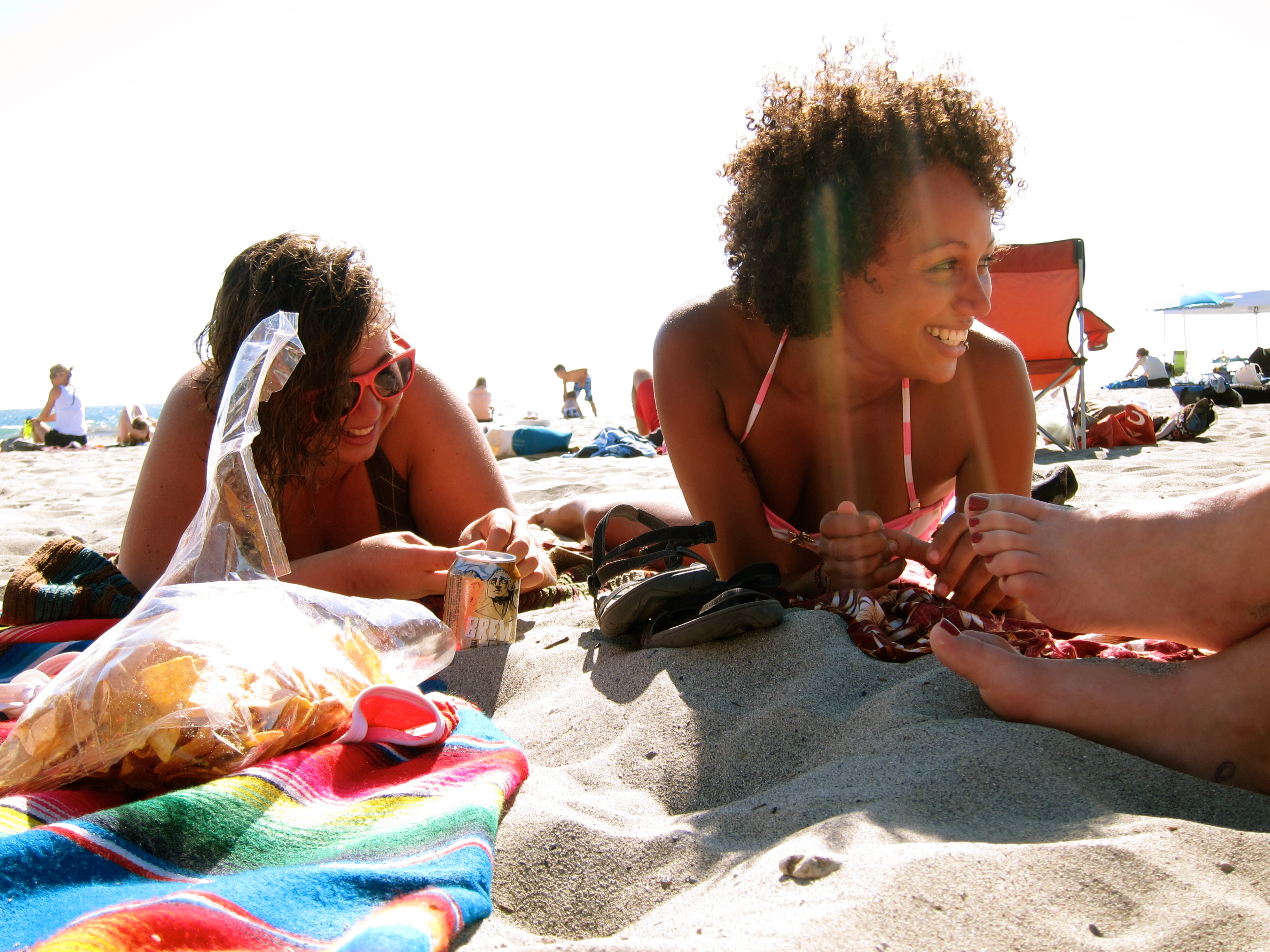
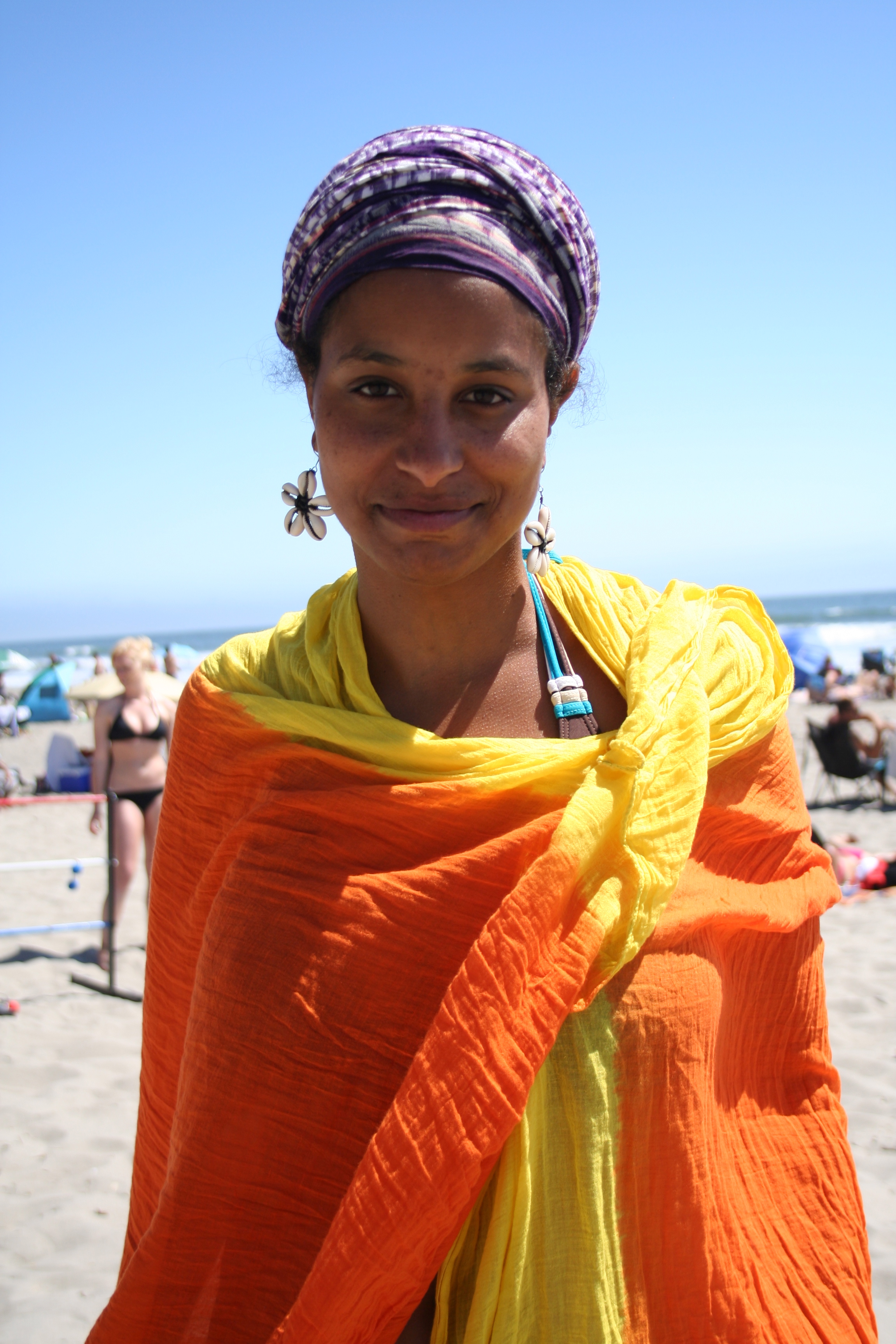
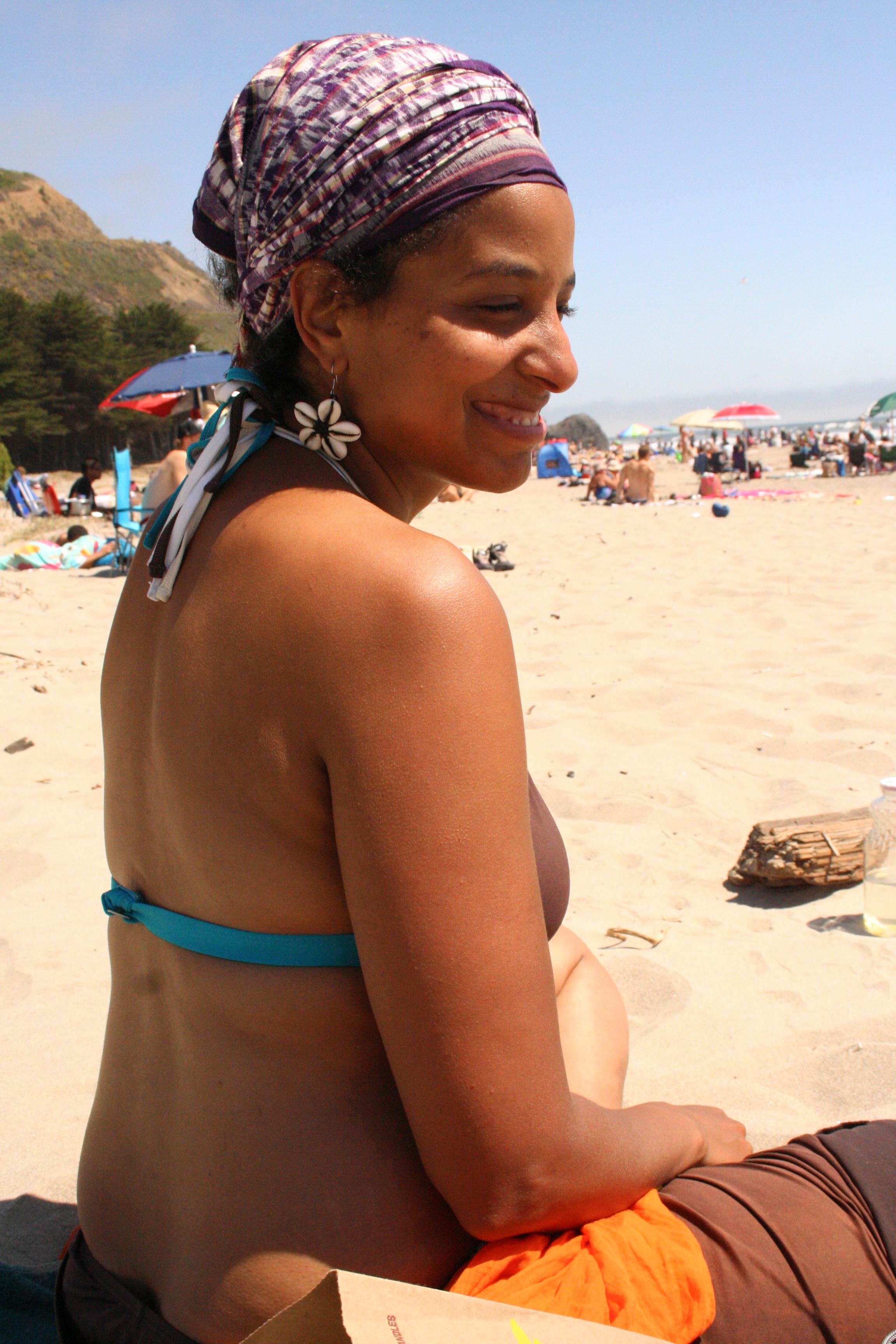
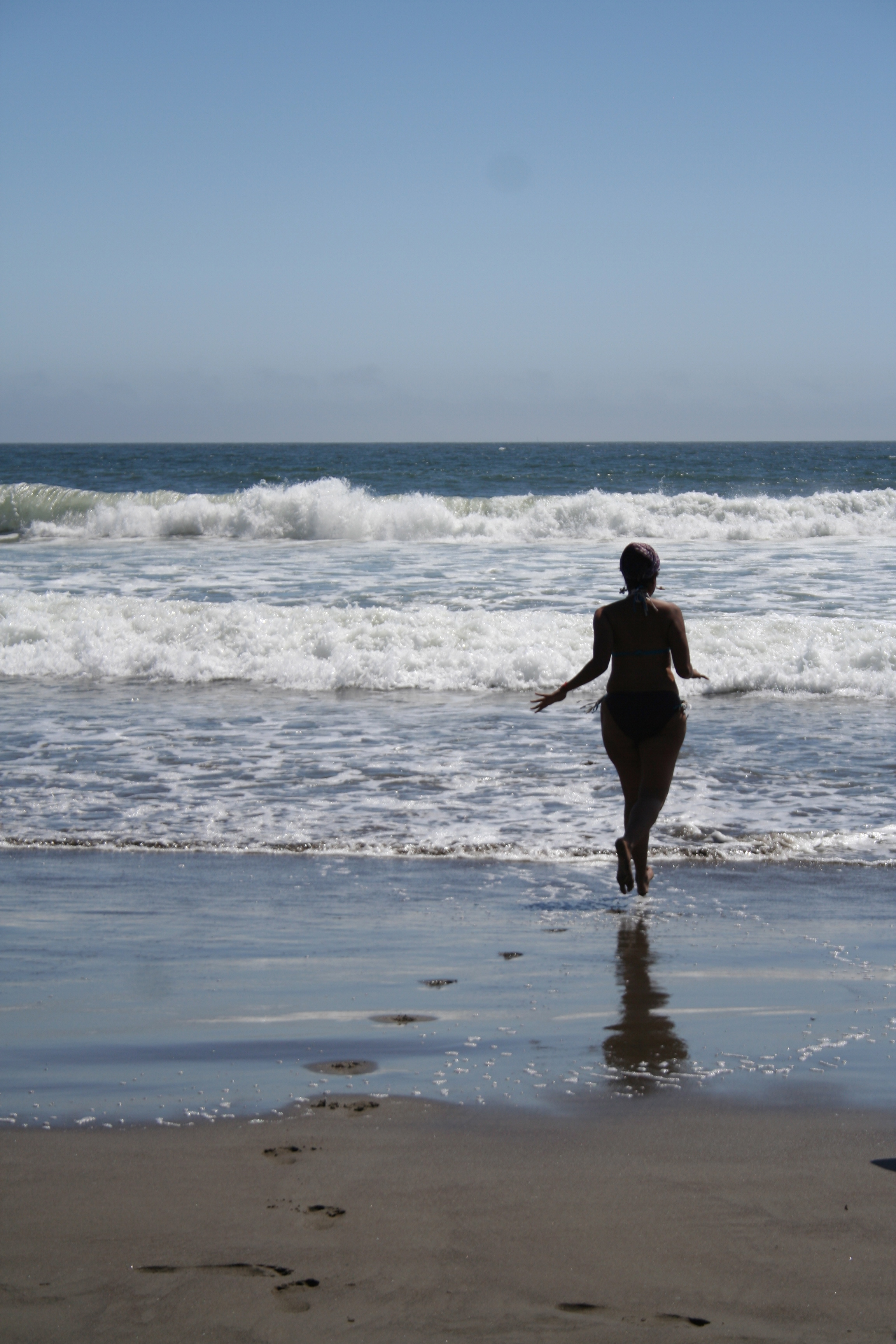
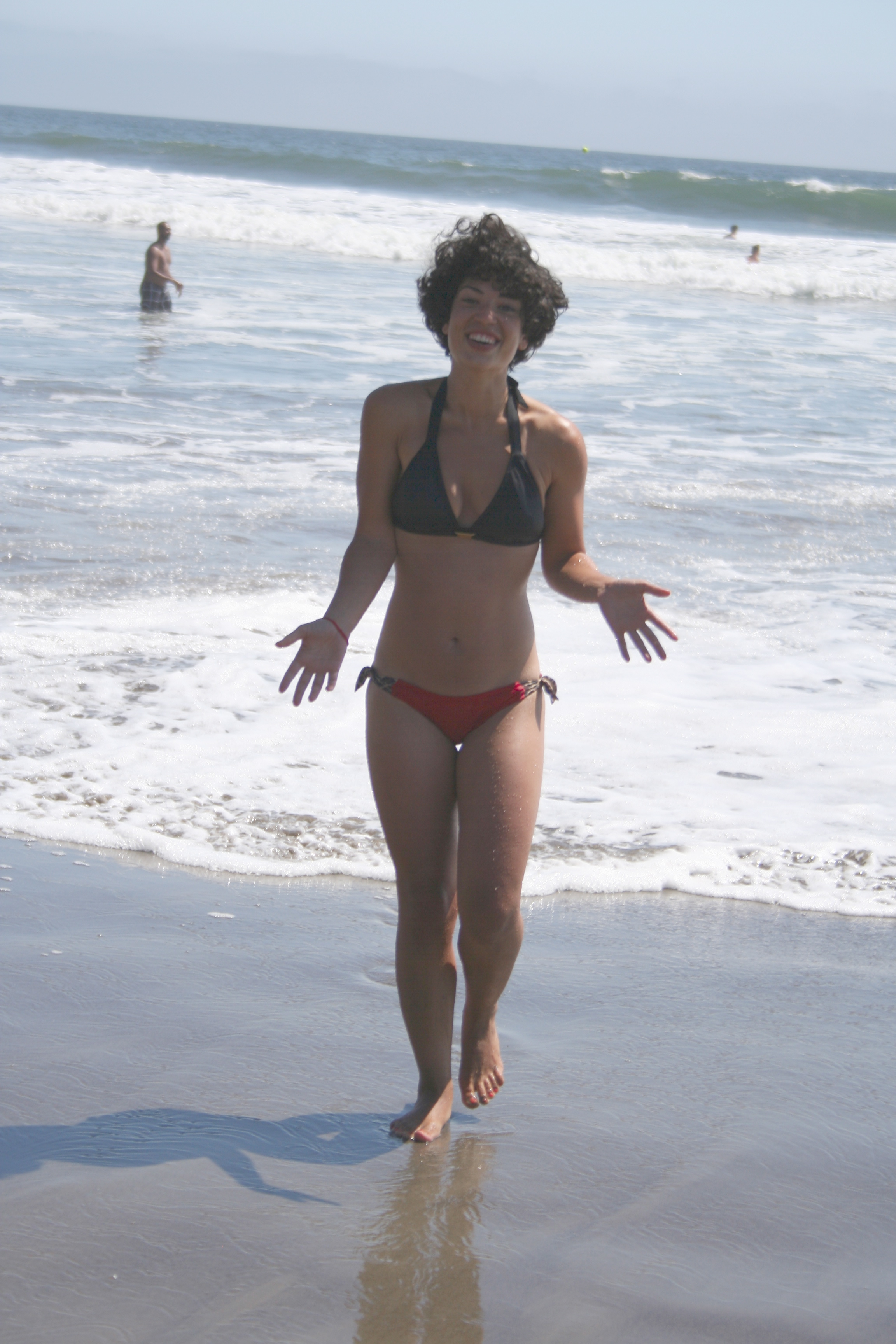
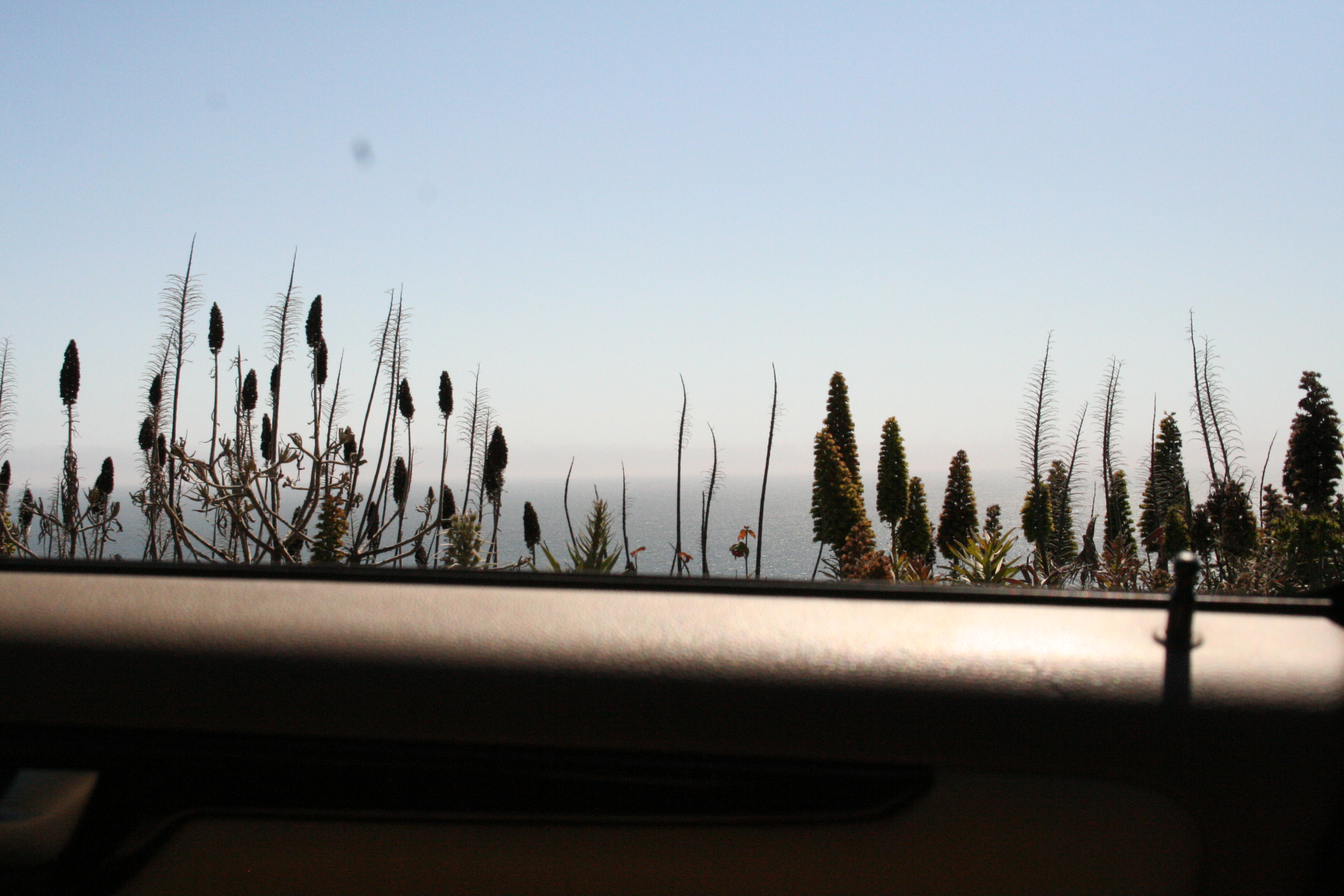
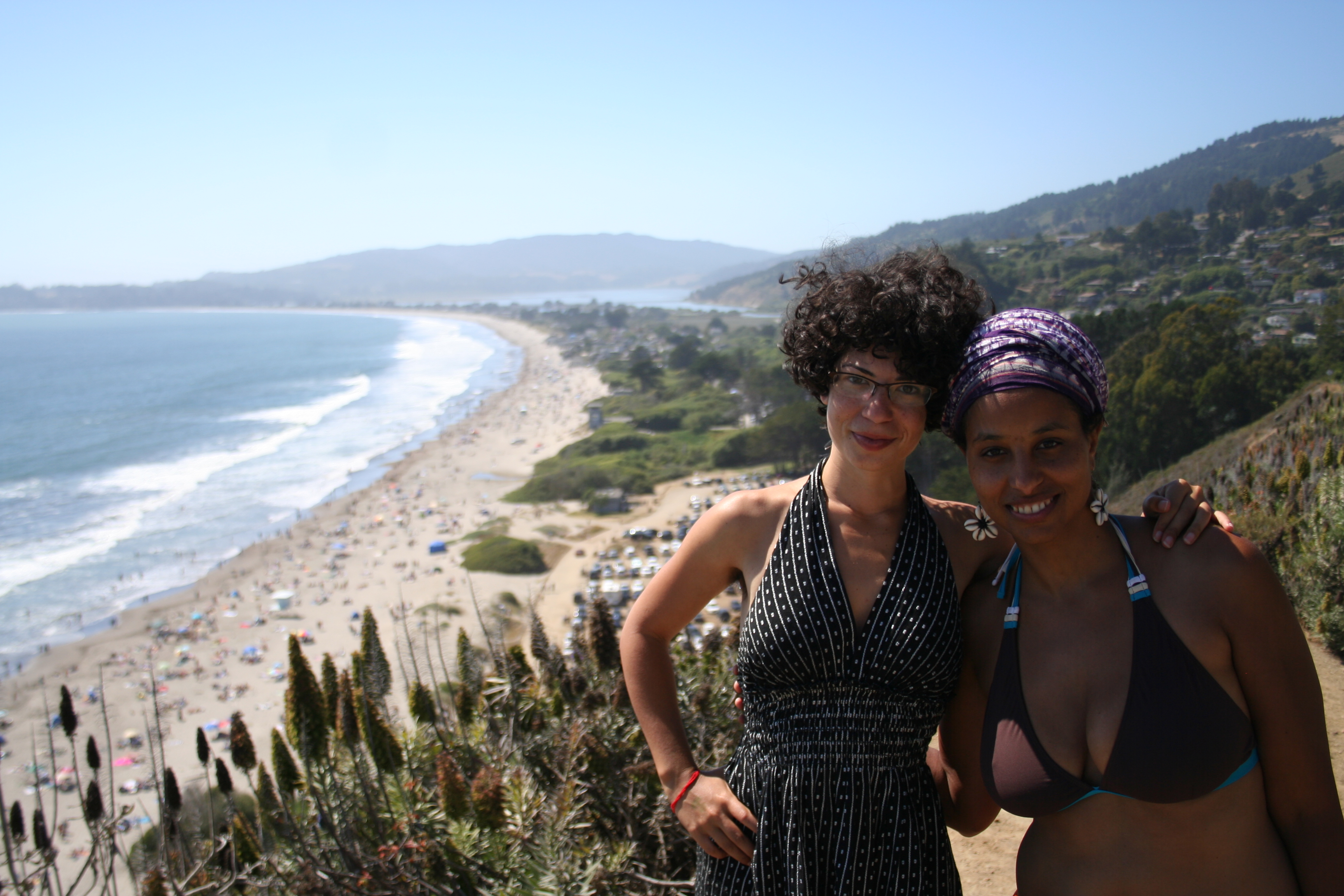
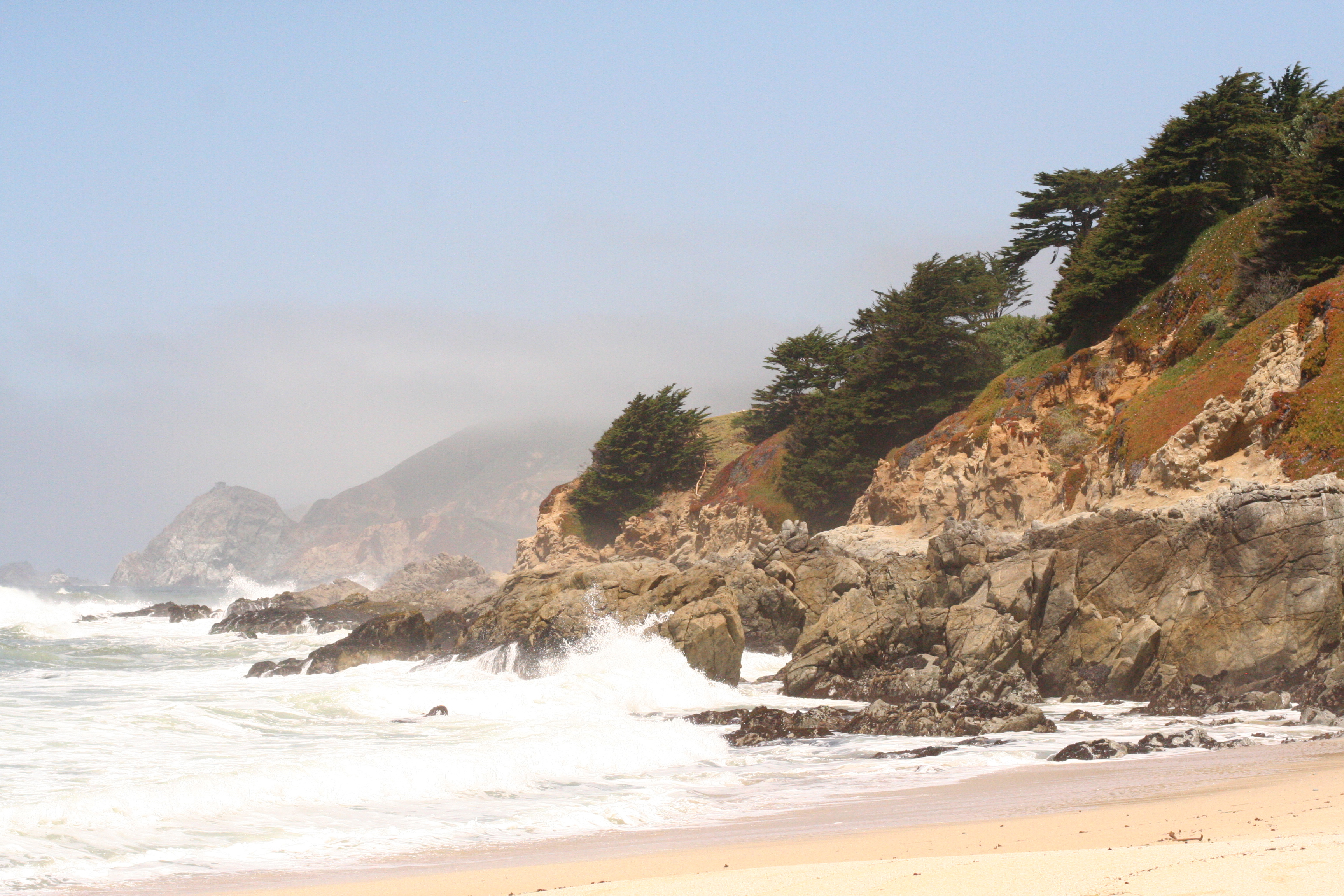
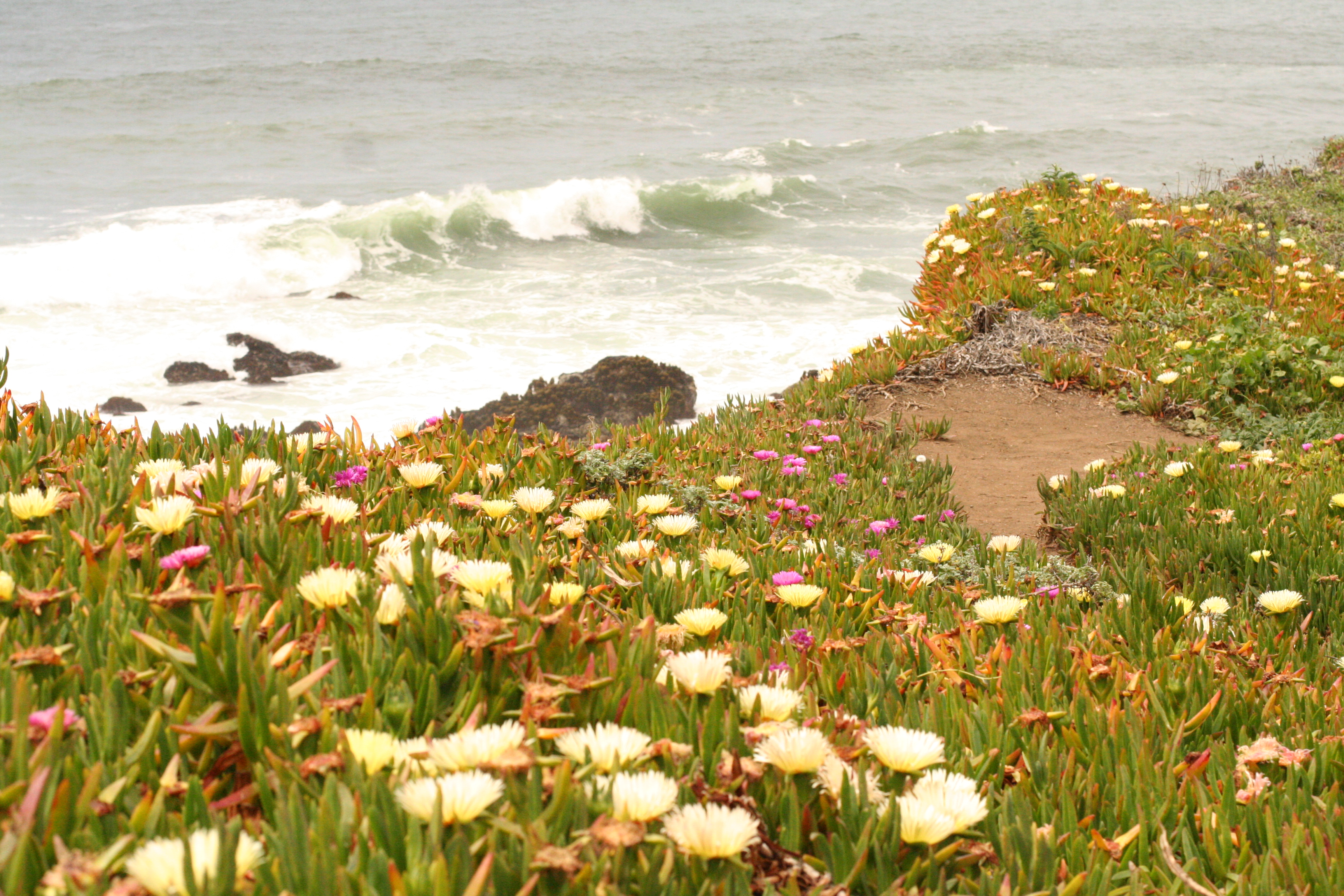
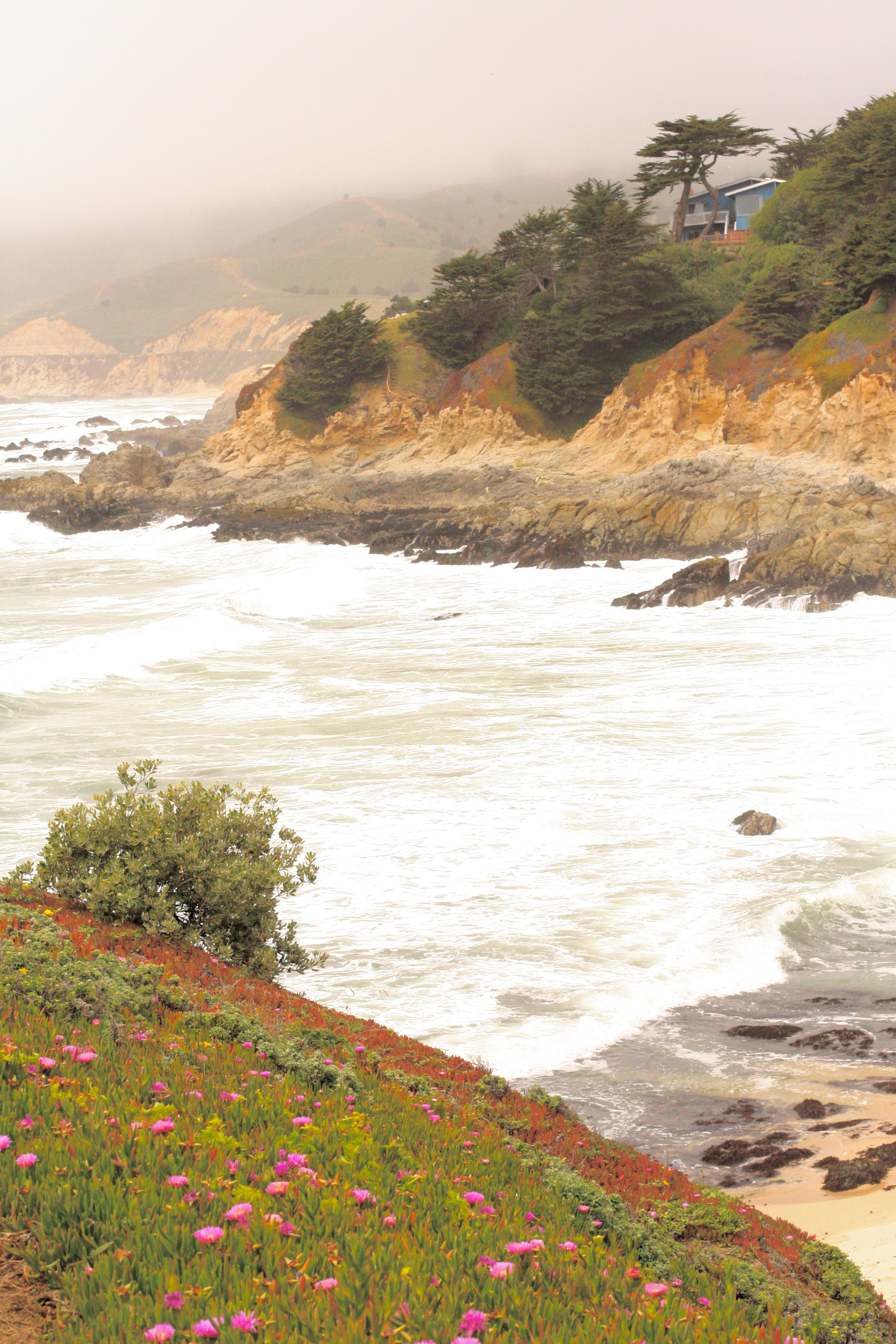
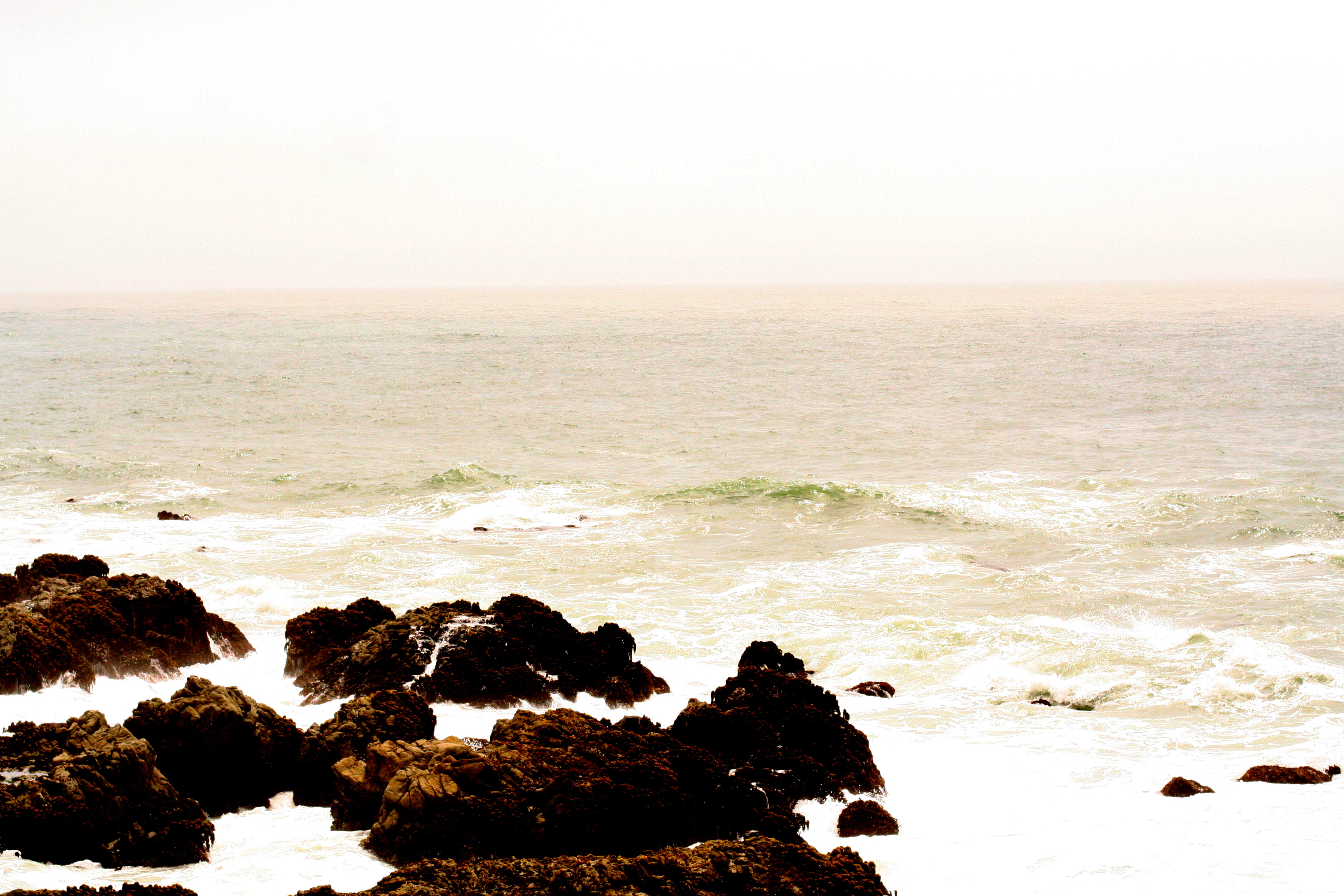
Now, Sierra and I, our spontaneous trip to Stinson Beach went the same, in a way. After a string of gray mornings, we awoke on a Saturday to a brilliant blue North Oakland sky. We had to get to some kind of water, we determined. So we packed a picnic and set out, across the Richmond bridge to Marin. Delicious drive. Not a whisper of a cloud anywhere.
Until the coast came into view.
Each of us felt the other’s heart sink as we saw it. A layer of fog thick as buttercream, like some cosmic cake decorator had piped icing right along the shore.
But that’s what’s amazing about traveling with a dhamma buddy. You are learning how to laugh at your own expectations. You remember the teachings: most of the time, we humans live our lives only through the angle of Gratification. We seek pleasure: the perfect view, sunshine at the beach. We remain oblivious to the second angle of reality — Danger (splinters, fog) — until it smacks us directly upside the head. Even then, we forget the next time, and the next. We always keep a fresh supply of disappointment.
__
But the third angle of reality — Freedom — releases us from the disappointment. We learn how to loosen our grip on our own expectations.
__
After debating turning around, Sierra and I decided to stay, eat our lunch, and see what happened next.
Liberated from the craving for immediate sunshine, we were free to notice other things. And we found that despite the fog, the sand was warm. And the chill was fading. And eventually, the clouds rolled out to sea completely.
You may have noticed: Kloncke has gone fallow. The reasons are many. Organizing, relationships, new job. Transitions. I haven’t been writing much at all. Creating and co-creating has been very verbal, with lots of processing, planning, and preparing.
Back here on this blog, I feel tongue-tied. Not in a bad way, necessarily. Just kind of in the way that I was never really one to scream on roller coasters. When the ups and downs of life feel huge and pronounced, I have nothing more to say.
____
Mostly I feel grateful.
This winter when things got difficult, I fell into a funk. Now, with the sun out, and the possibility of a day at the beach with a new friend, the obstacles feel more surmountable. Richer, even.
Lately I’ve been wondering more about what my role might be.
What is my particular purpose and contribution in the various projects I’m doing?
What kind of team member am I? And what kind of team do I want to play for?
There is a lot of privilege in these questions, especially when it comes to livelihood. I have many more options, as far as jobs go, than most people in the world — especially in this economy, and because of my higher ed scholarship, which has made me miraculously debt-free.
__
On the other hand, to the extent that privilege means Easier To Land A Cozy Job, it doesn’t necessarily lead to a better life.
Less stressful, yes.
More effectively revolutionary?
Contributing to co-creating the kind of world we want, for ourselves and others?
Today at work, we had a conversation about right livelihood, though not in those terms — one of the people is Christian, and I’m not sure whether she thinks of the issue according to Buddhist principles. Anyway, the Christian person said that many of her friends are quitting their jobs (and in this economy!) because they can’t stand it any longer: being complicit in whatever it is that their job is doing. (Exploiting someone, somewhere. You barely need to scratch the surface to find it, most of the time.) They just couldn’t take being a part of that company. And no hope of trying to change it from the inside.
____
And yet, we reflected, most people are lucky to get any job whatsoever.
And, what if you use your position in your job in order to organize?
Rather than trying to reform the company, what about strategically positioning oneself to connect, worker to worker? And beyond — into communities and other workplaces affected by the work? (Teachers and students organizing with parents; miners and loggers acting in solidarity with people indigenous to the land being exploited.)
And that’s not to say that workplace organizing is easy. Especially revolutionary workplace organizing that aims beyond standard-of-living reforms and tries to challenge the toxic structures of racist, heteropatriarchal capitalism.
______
But that’s why I think that maybe — maybe — the true privilege is to live in a time and place where healing and resisting with comrades is possible. Whether through paid work or unpaid work.
Just thoughts.
Hope you’re well, friends. And thank you, Rich, for this marvelous day at the beach. :)
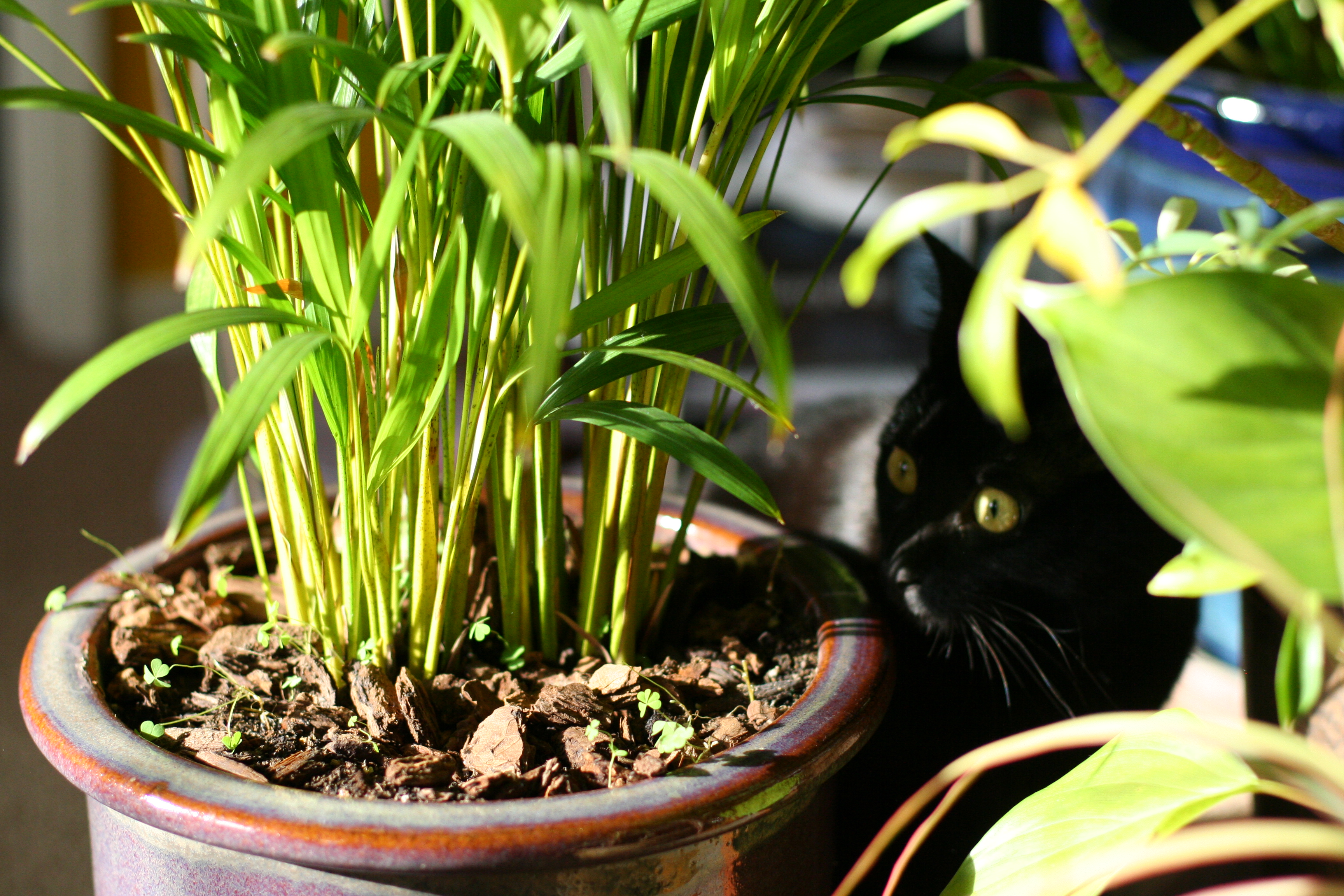
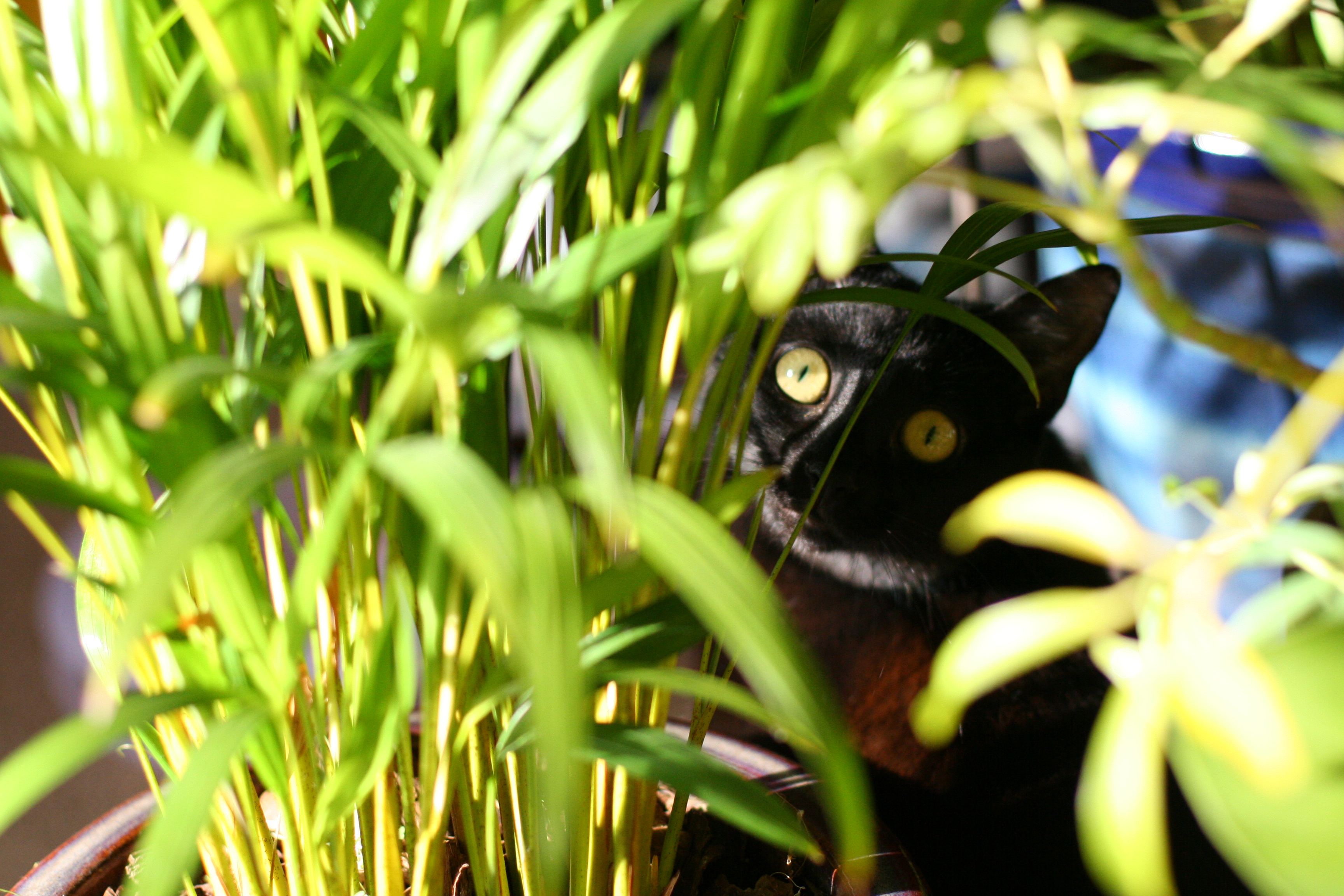
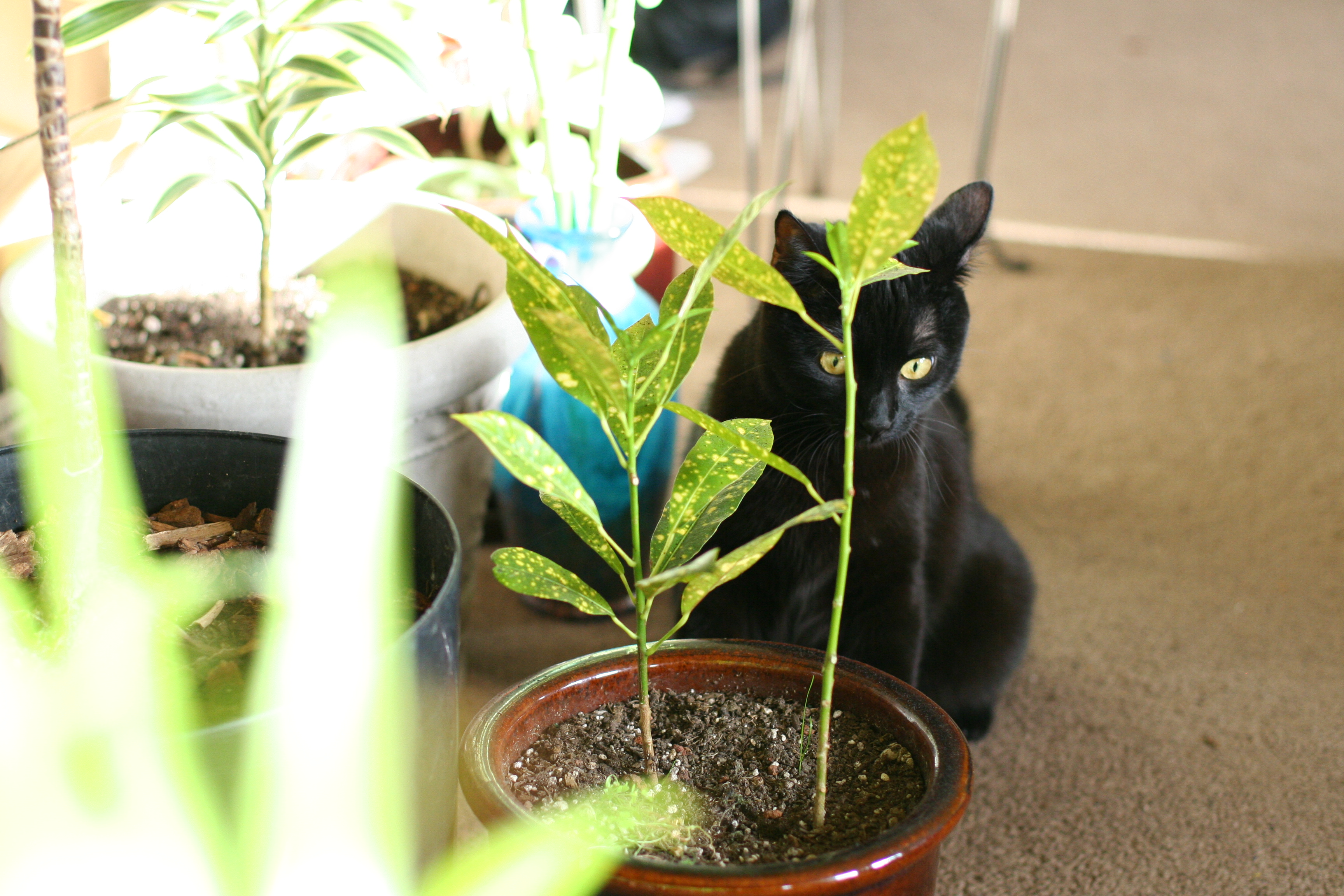
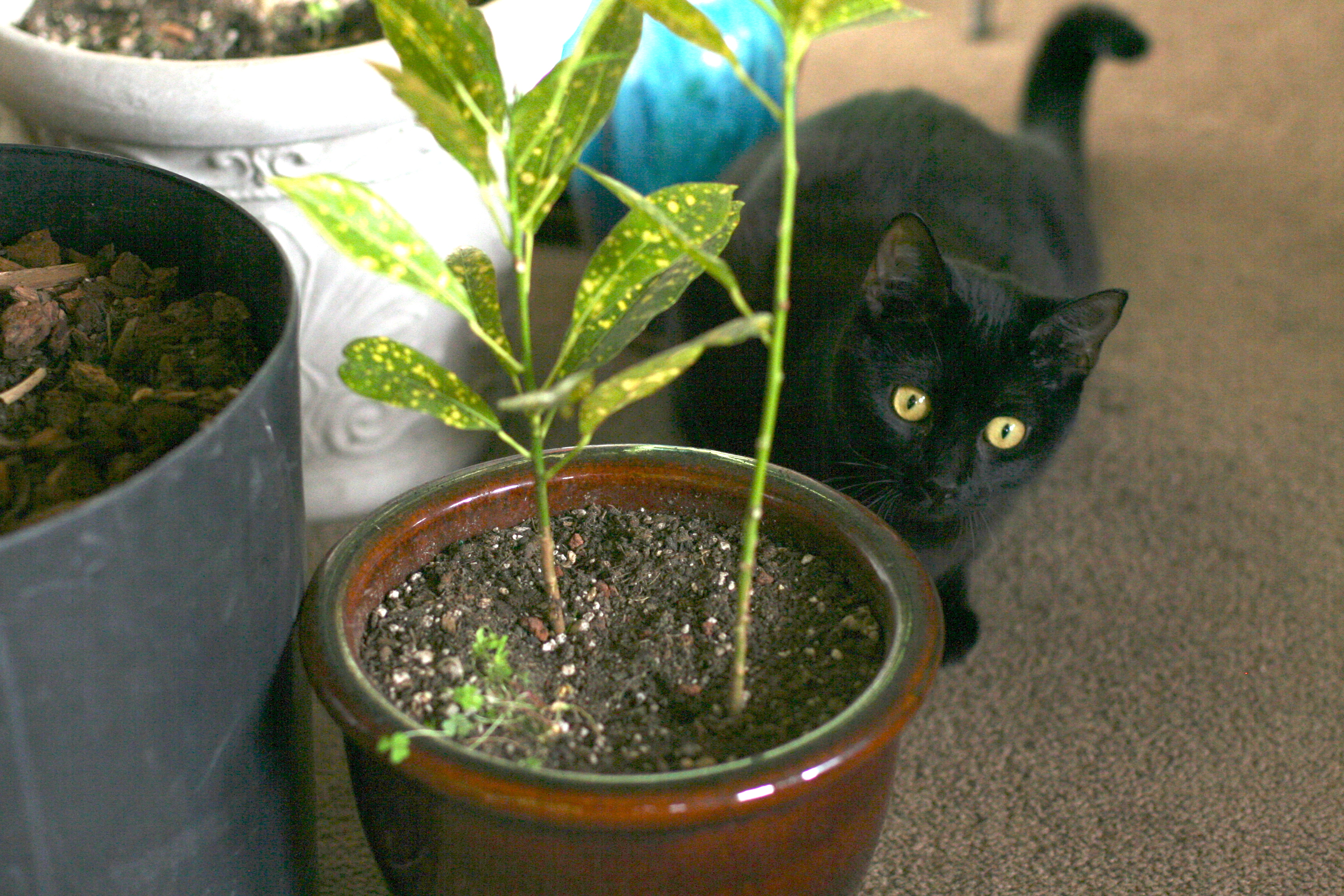
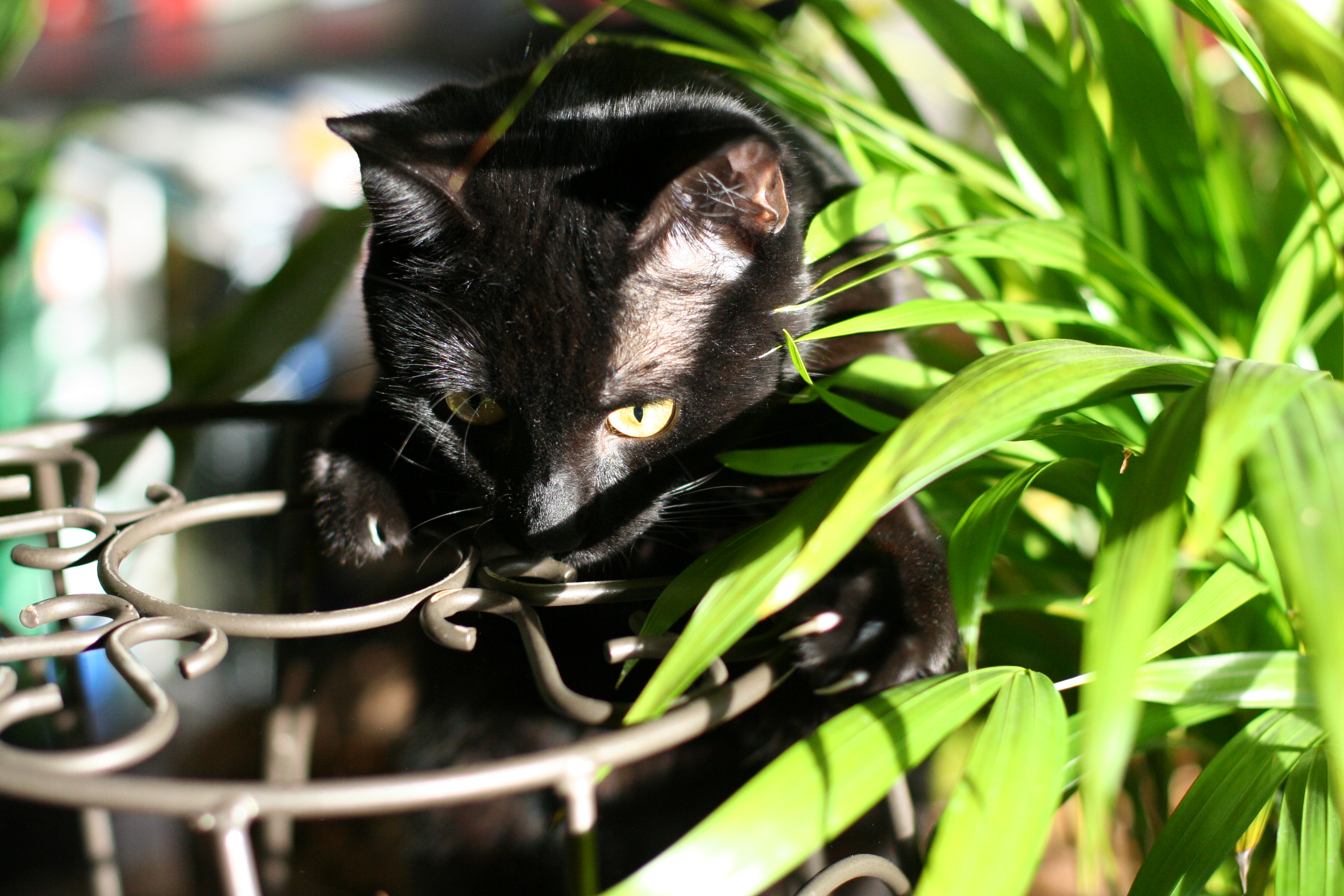
When breakups aren’t hard enough, and the universe decides to gift you with unspeakable landlord drama in addition, sometimes you need to take a moment to look at the cat in your living room, and laugh.
Tough to feel deserving of any positive blogging recognition when my updates here have been so scattered the past few months. But as always, I’m honored and humbled by this shoutout from the wonderful engaged Buddhist writer and activist Maia Duerr. You know how some people are mad talented at giving compliments? Maia is one of those people. She’s so thoughtful and specific when she names what she appreciates about people’s work. You can tell she’s really moving with what they’re putting out; not just scattering praise for feel-good purposes. Of Kloncke.com, she writes
Katie Loncke’s blog is, to me, the perfect intersection of spirit, politics, and heart.
Is that sweet or what? Really tho.
And the best part about being tagged with this kind of blogly award? Passing it on. Since Maia put her own spin on the shoutout selection by limiting her list to women, I’m going to create my own parameters, too. My list consists only of people I know and build with (politically, spiritually) in person.
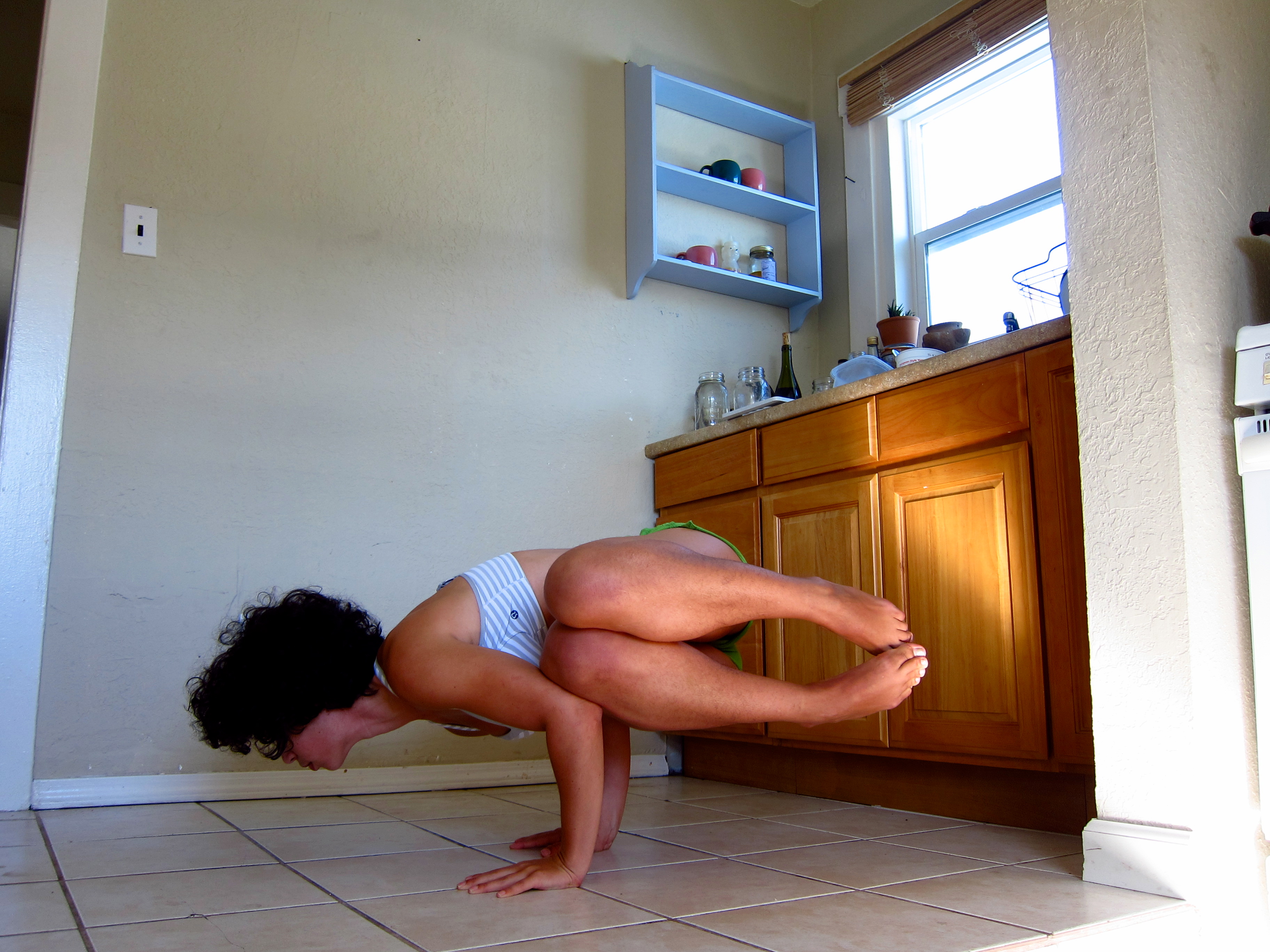 Having rediscovered arm balance poses during a winter slump, it’s nice to know I can turn to them when I need some play, focus, and grounded confidence in my body.









 Kloncke