Friends, there’s so much goodness in my life that I don’t get to communicate here, and wish that I could. Every day, so many small moments, big questions. But this particular goodness, I’m very happy to be able to share.
The gist: a week or so ago, Abby, one of the Faithful Fools, got bedbugs. Not a fun enterprise. And though, to her enduring credit, she handled it like a champ, it’s still an enormous challenge for anyone to face — both logistically and emotionally.
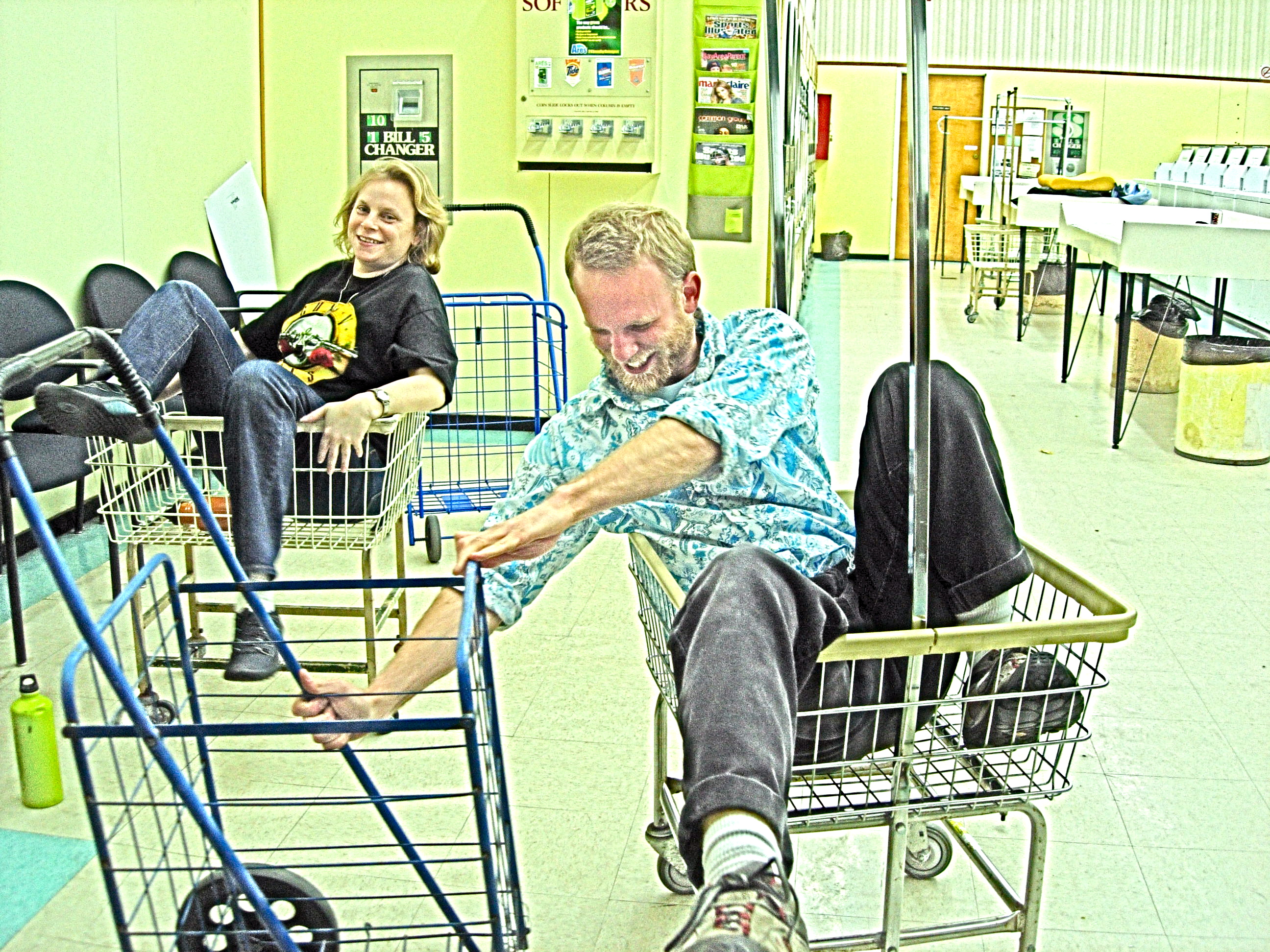
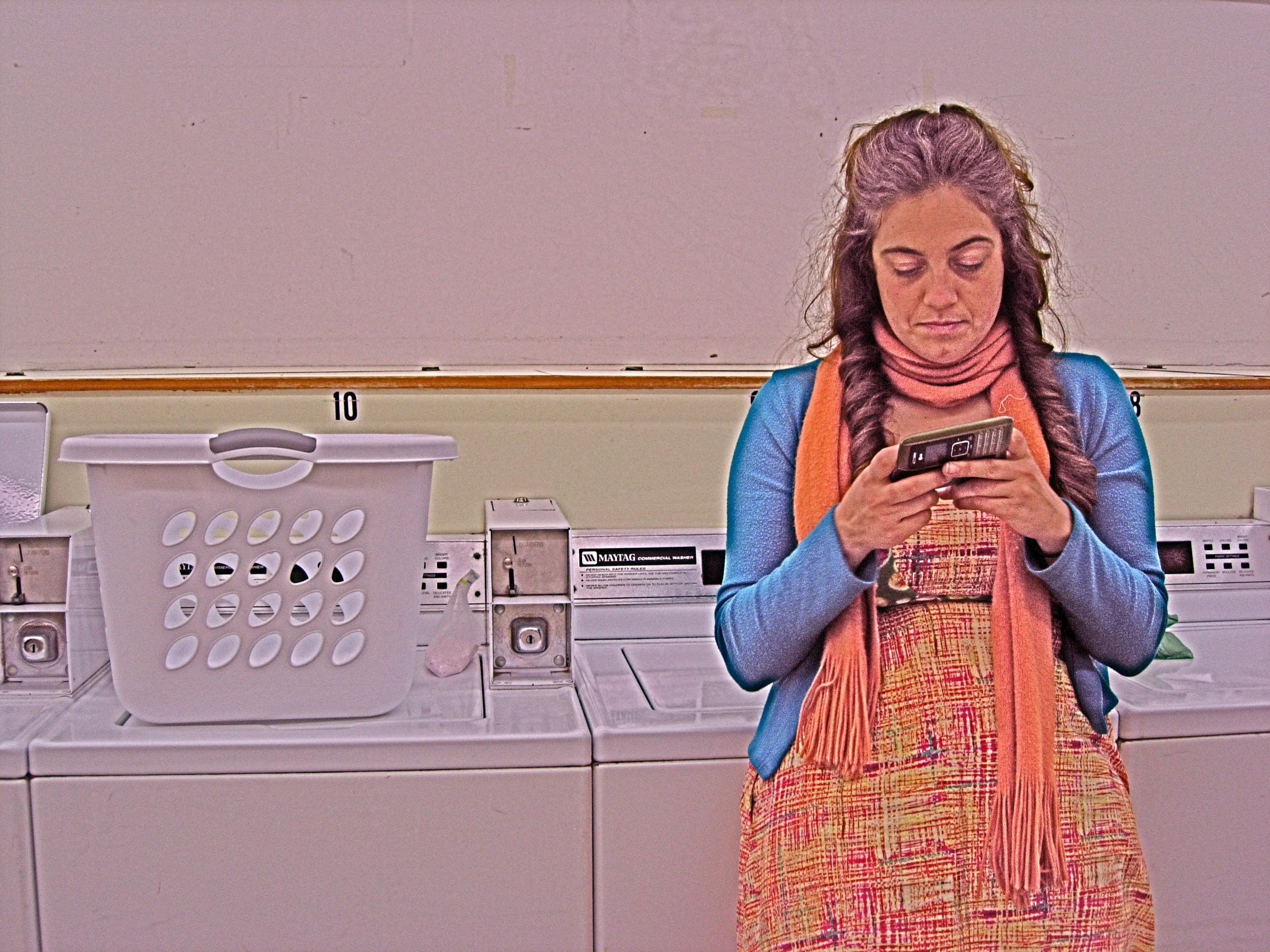
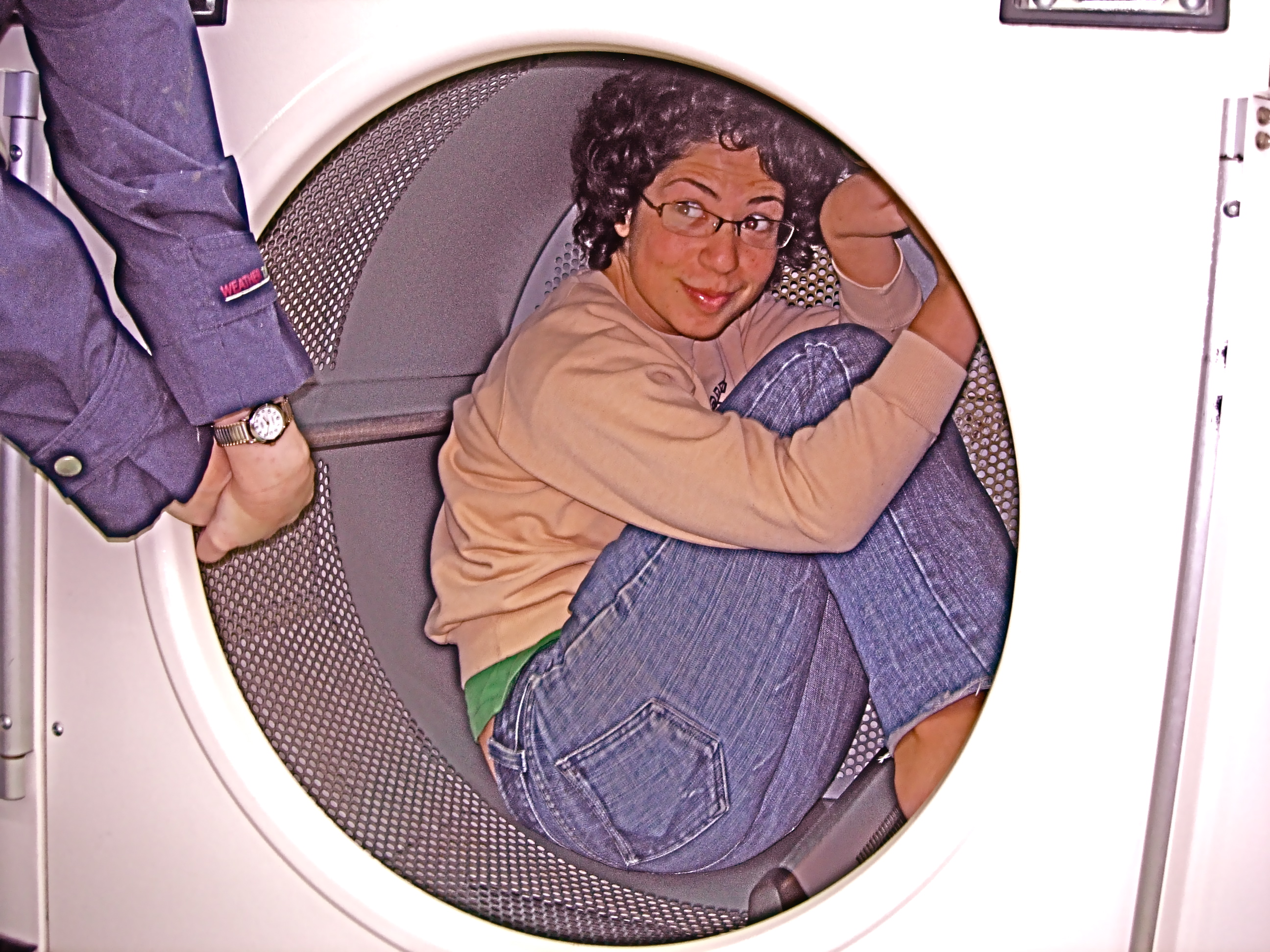
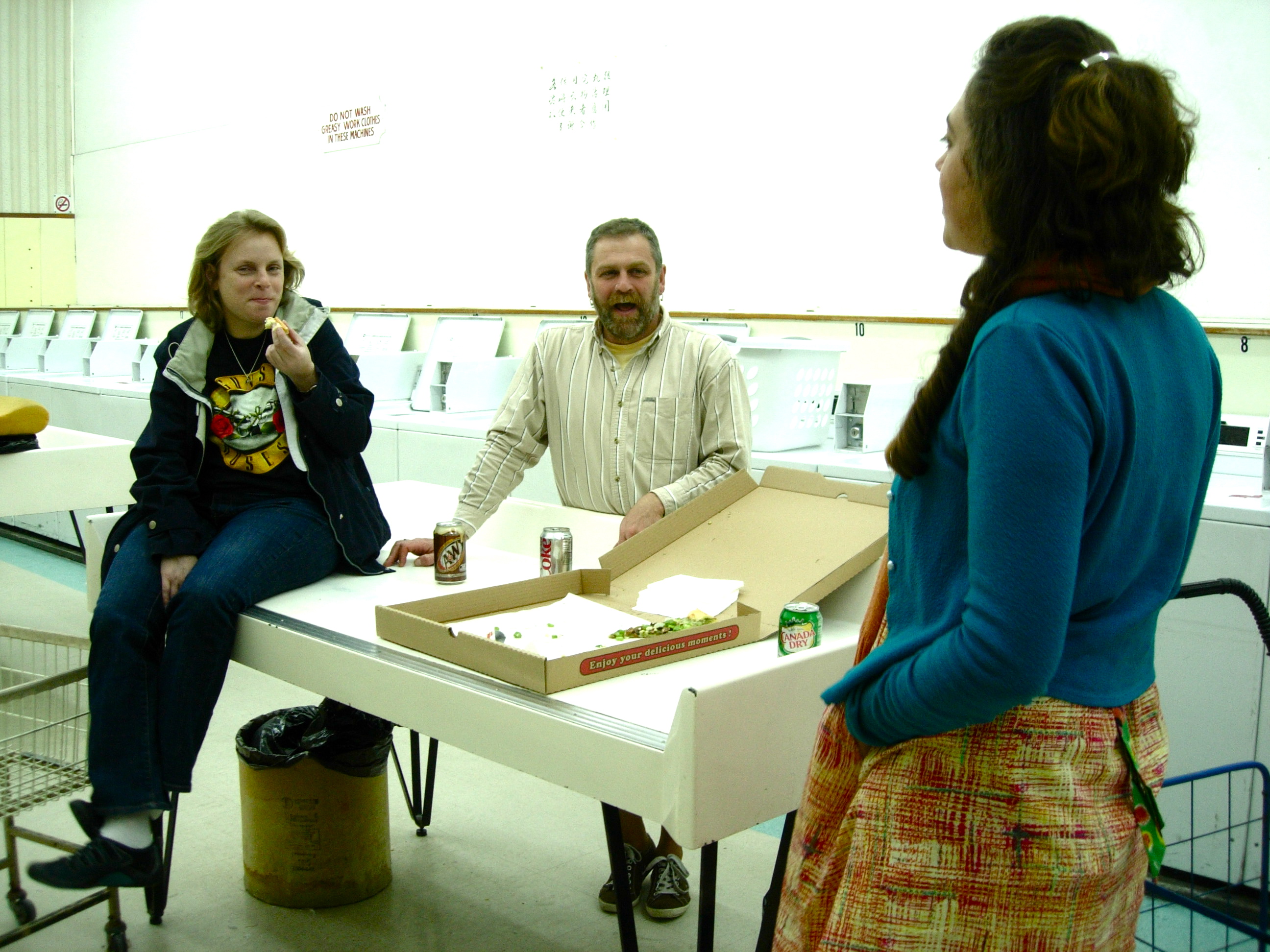
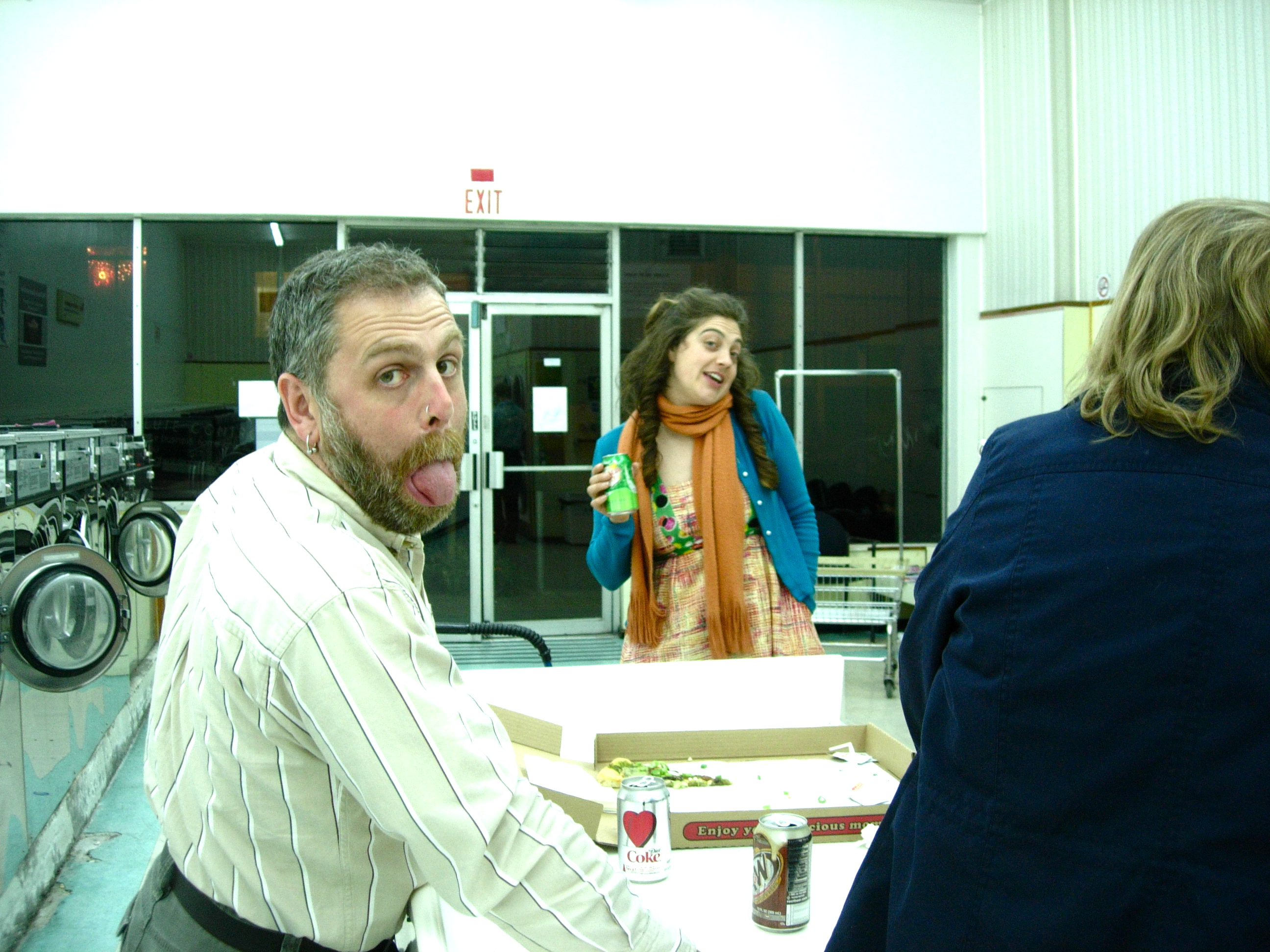
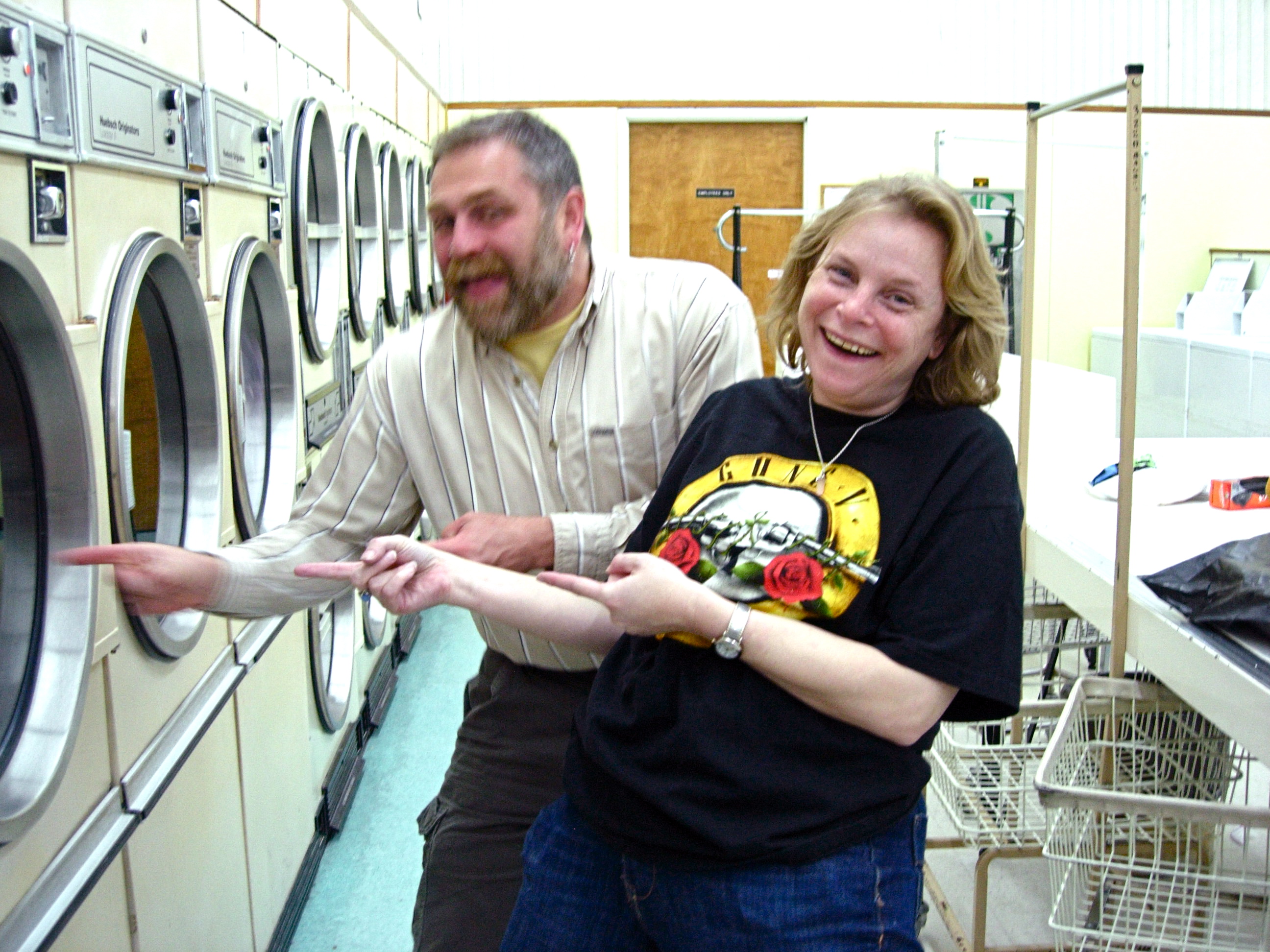
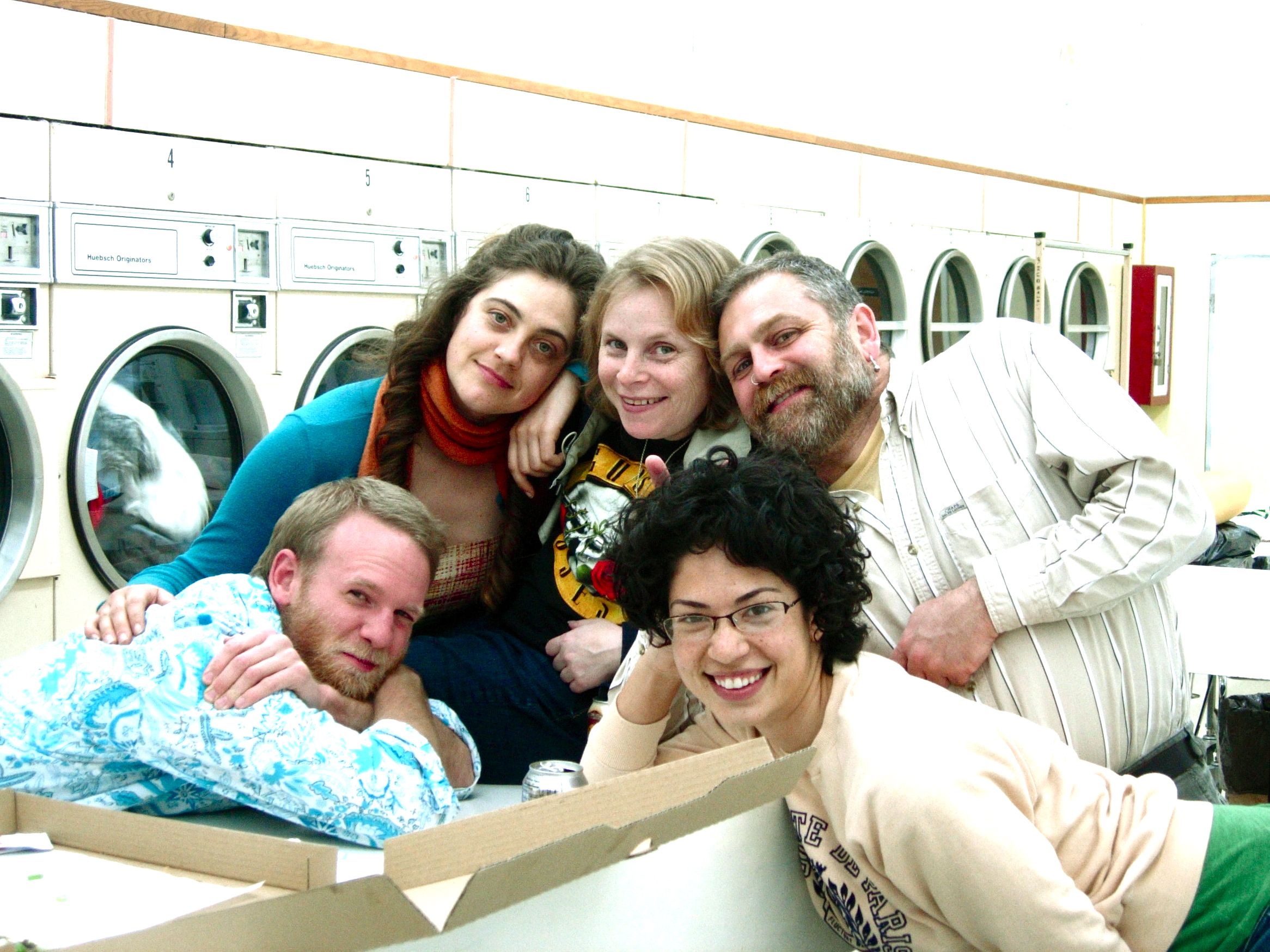
So at a time like this, what do Fools do? Band together to completely clean out her entire studio apartment, carpeted with what looked like five years of cat hair. (From a very cute kitty, I might add.) Host her and said kitty while the place got fumigated. And then, tonight, throw a laundry party at her local coin-op, Amybelle’s Wash N Dry. How’s that for (unpaid) co-worker camaraderie?
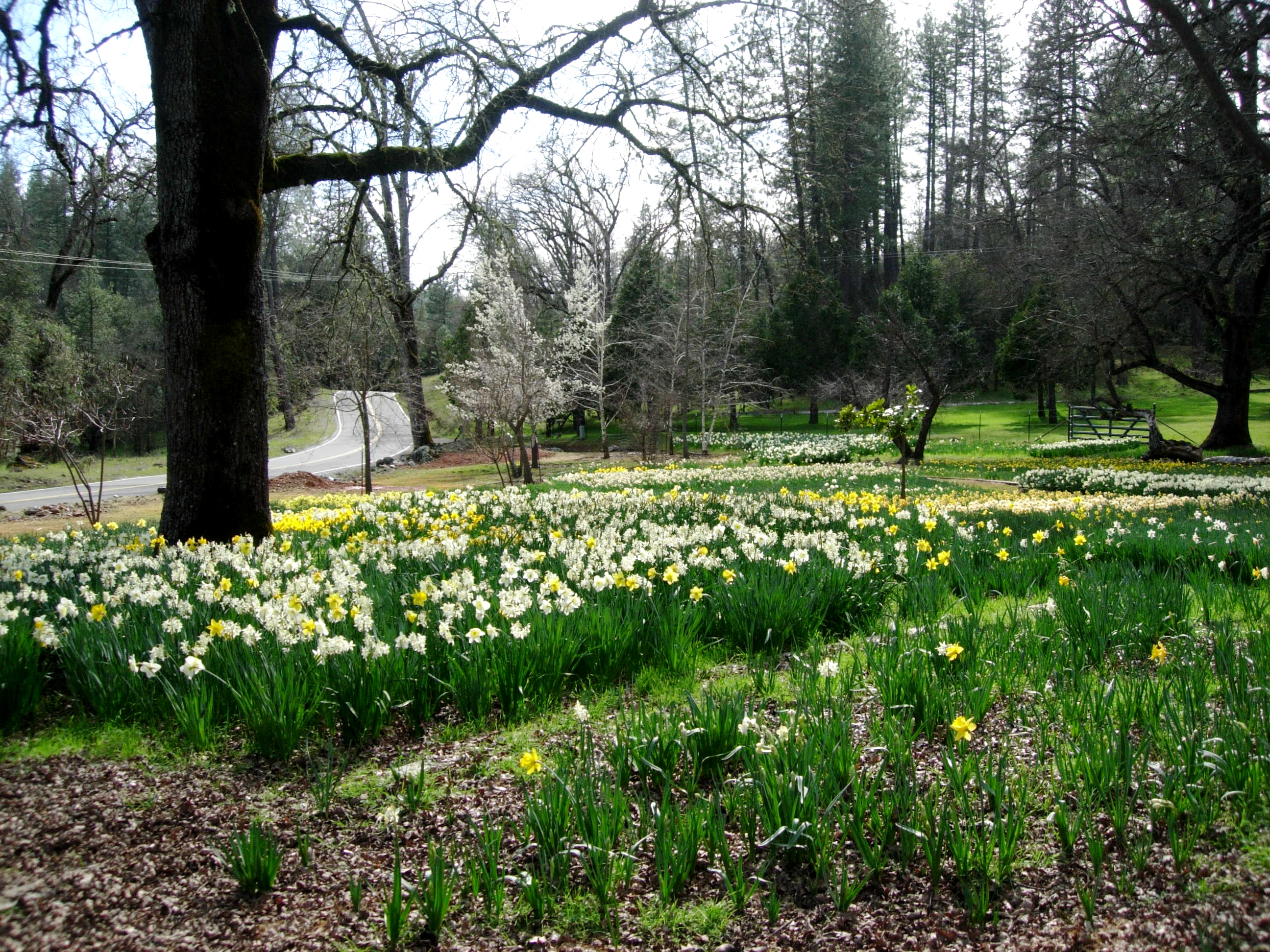
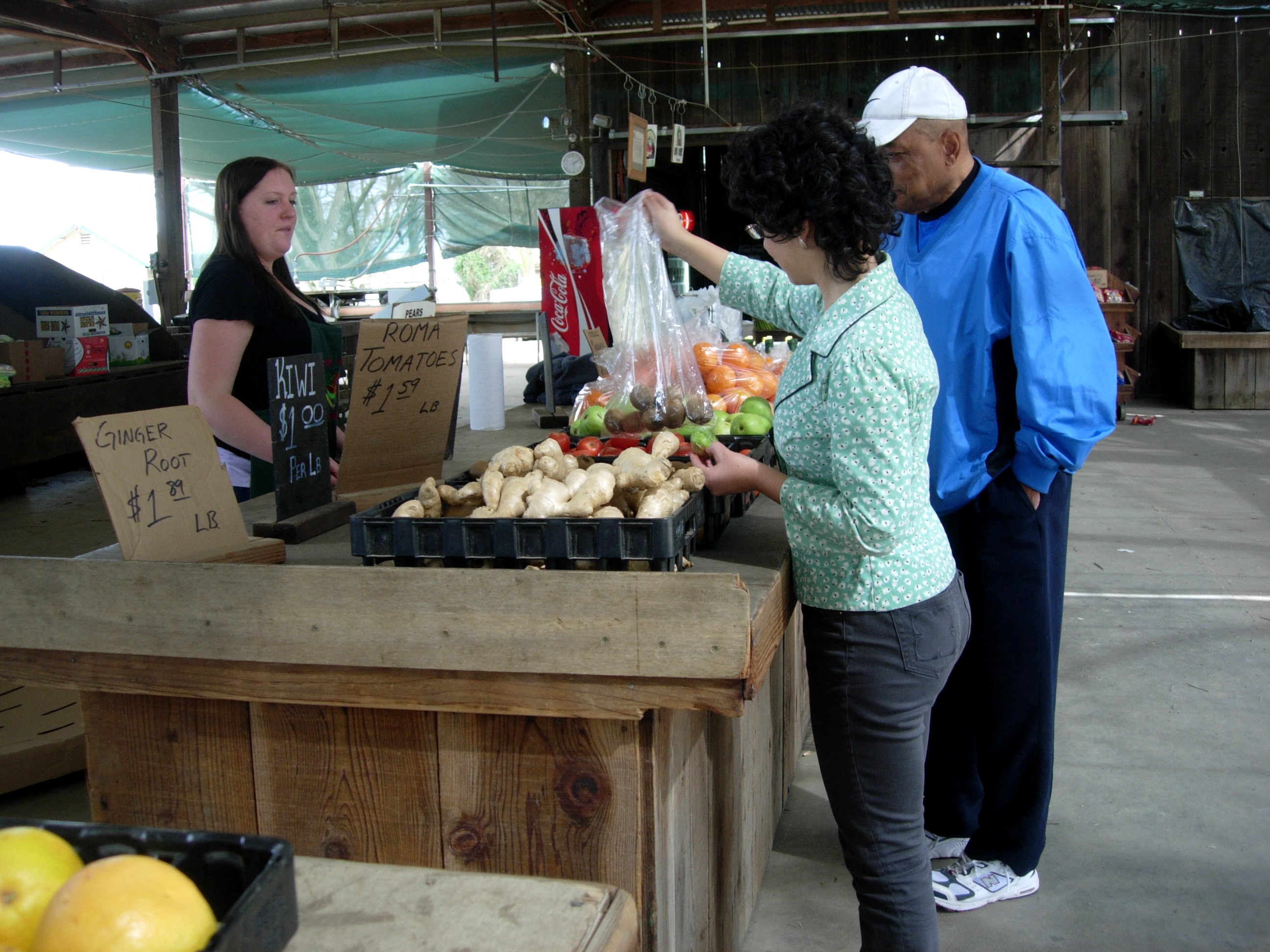
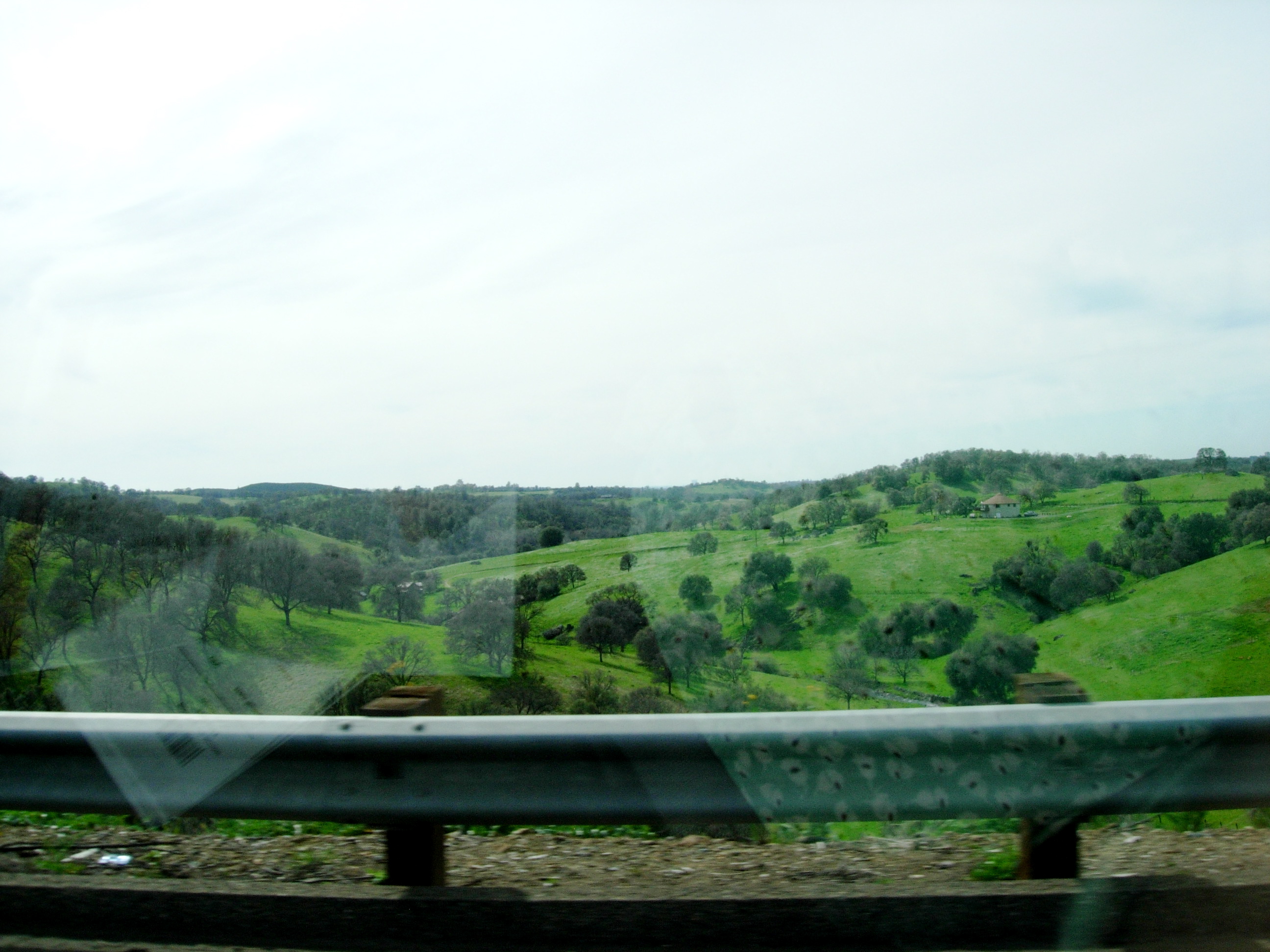
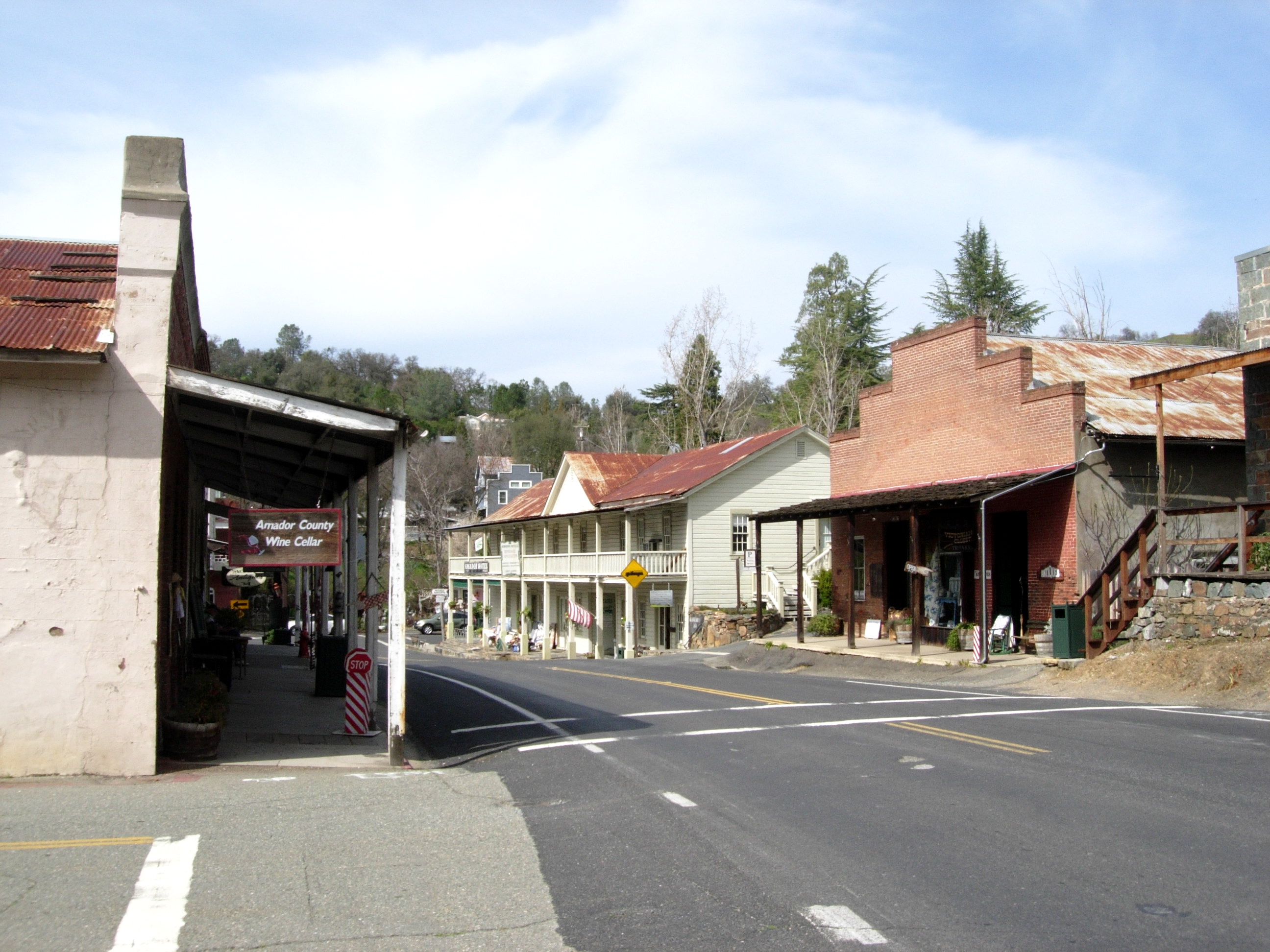
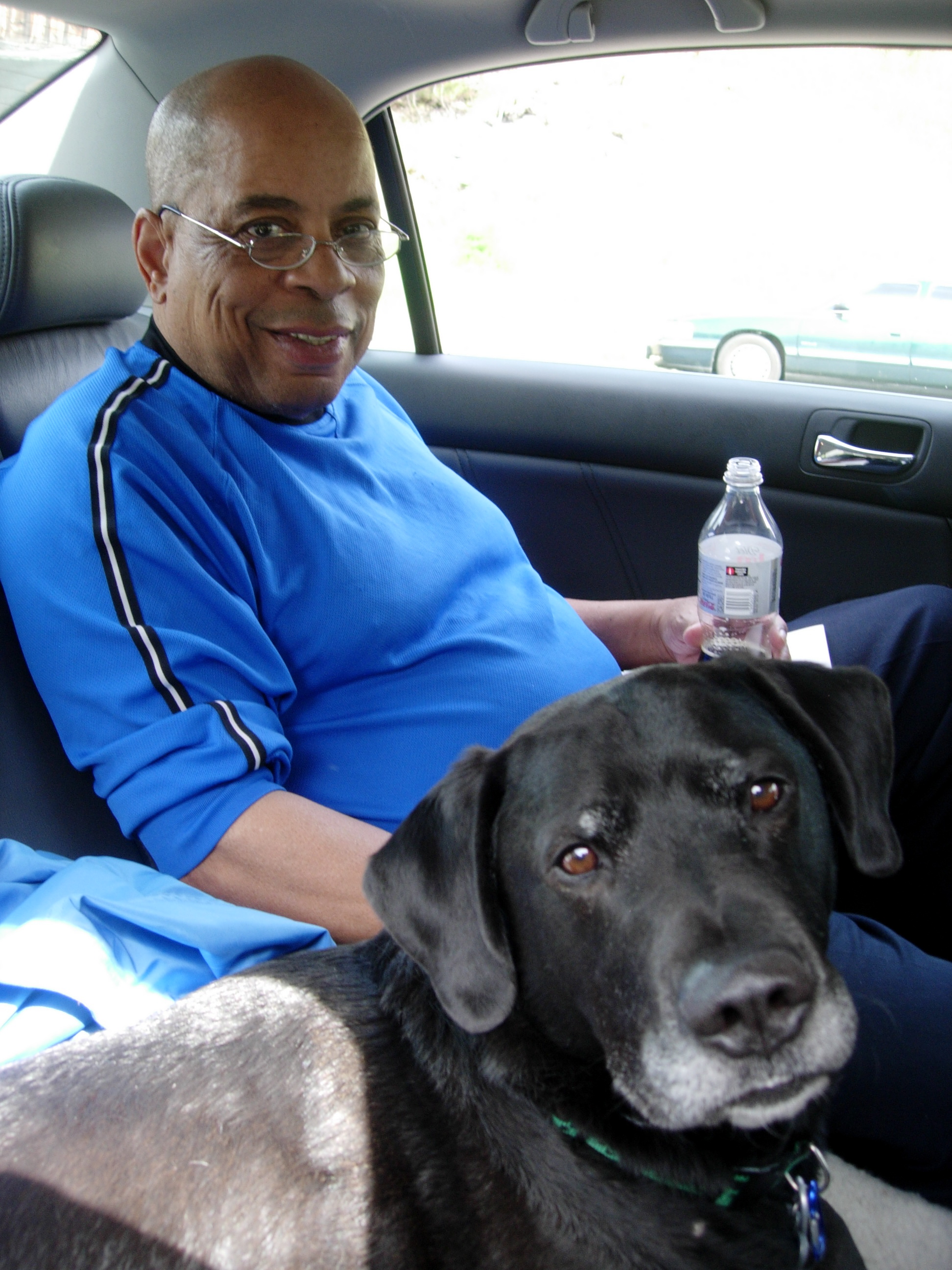
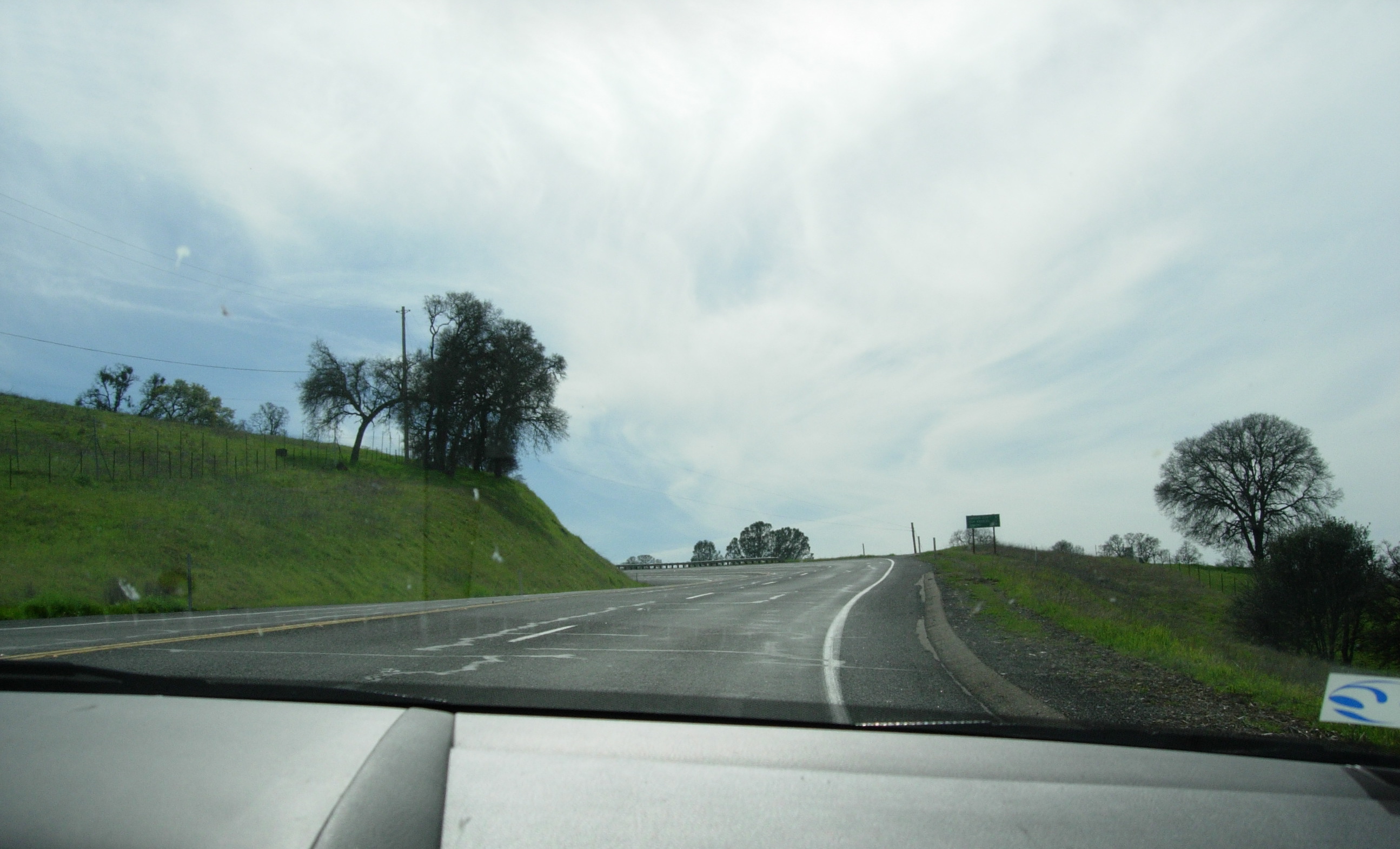
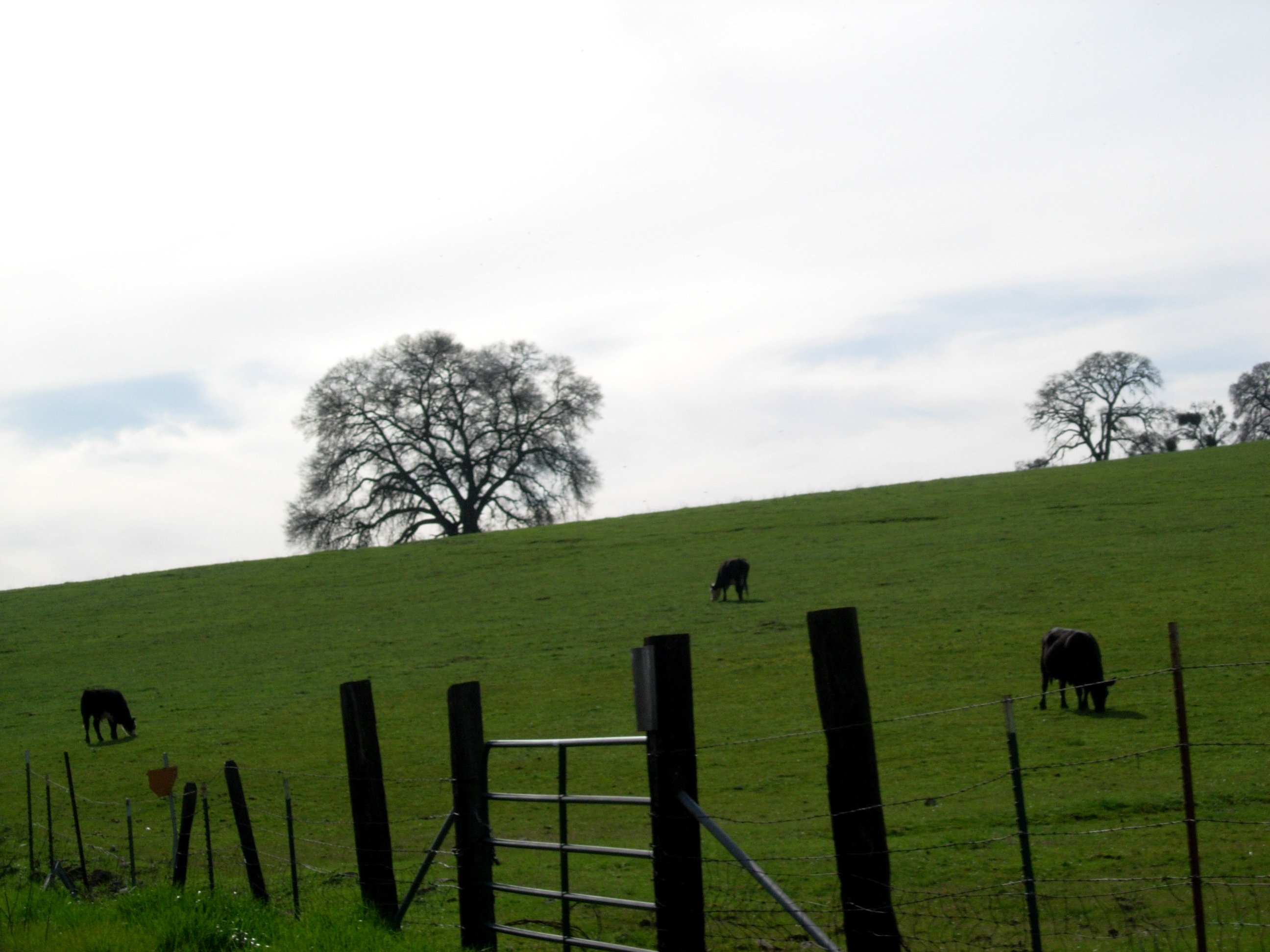
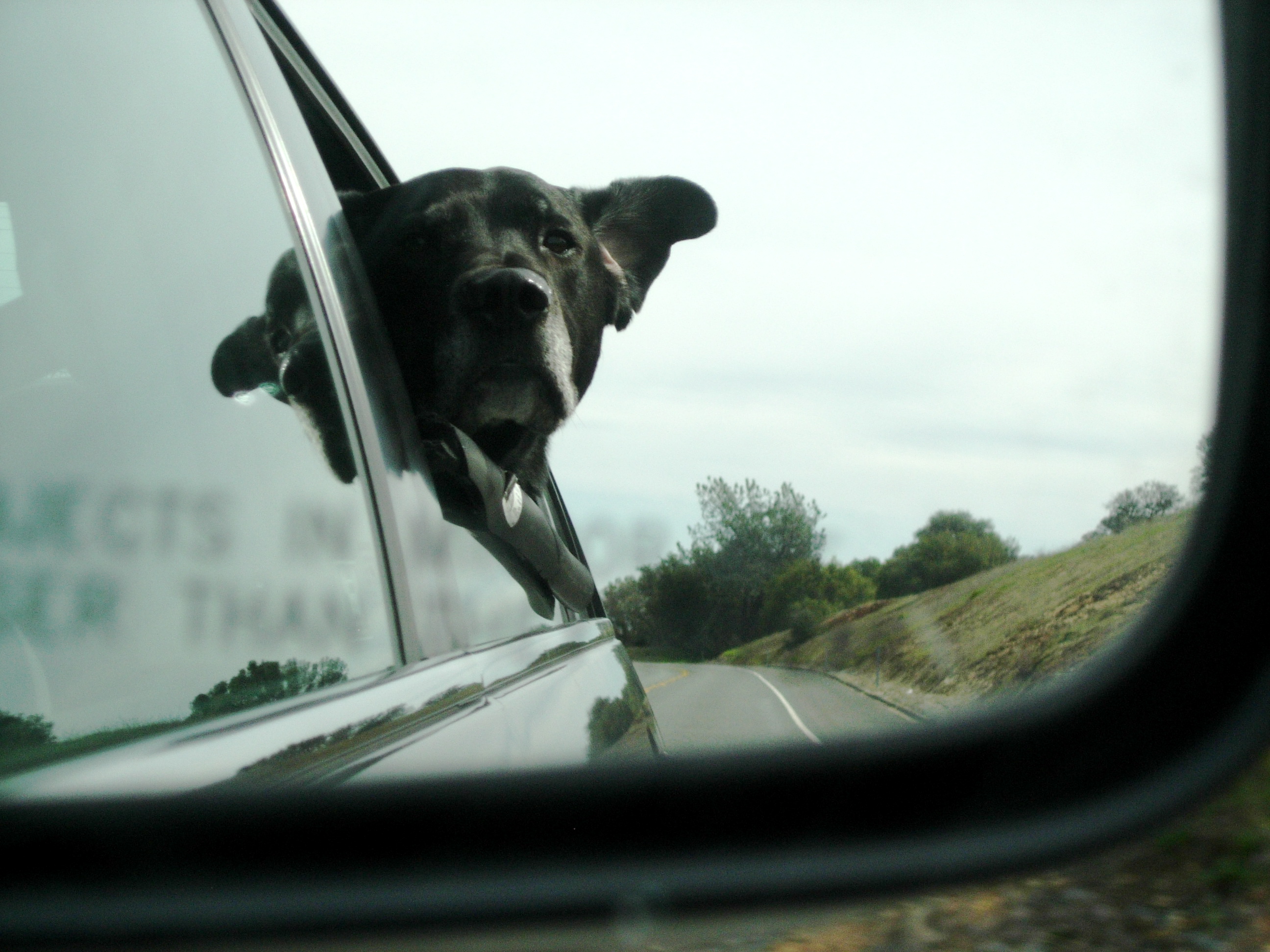
Driving with my parents and pooch through Amador County yesterday, surrounded by snowy mountain horizons and idyllic “Gold Country” scenes, I breathed the deep sigh of the escaped innercitydweller. At the same time, I found myself thinking of the difficulties of rural living.
Dusting all the “quaint” knickknacks on display in your one-street-town storefront. Chopping firewood with a bad back. The lack of “cultura,” as a new mexicana friend describes her life at the University of Wyoming — which, in its more insidious aspects, may relate to the faint queasiness in my gut whenever we had to stop the car and ask a sinewy old white man for directions. (They were all perfectly sweet, incidentally.) Absent indigenous people; invisible immigrant laborers.
Not knocking the Sutter Creek set, of course — simply checking my own tendency to romanticize the gorgeous, sweet-breezed setting. And rather than spoiling the enjoyment, my negative observations ballasted and strengthened my experience. Free from craving and projection of fantasies, the day felt even more poignant, more precious, more vivid. A truly beautiful afternoon.
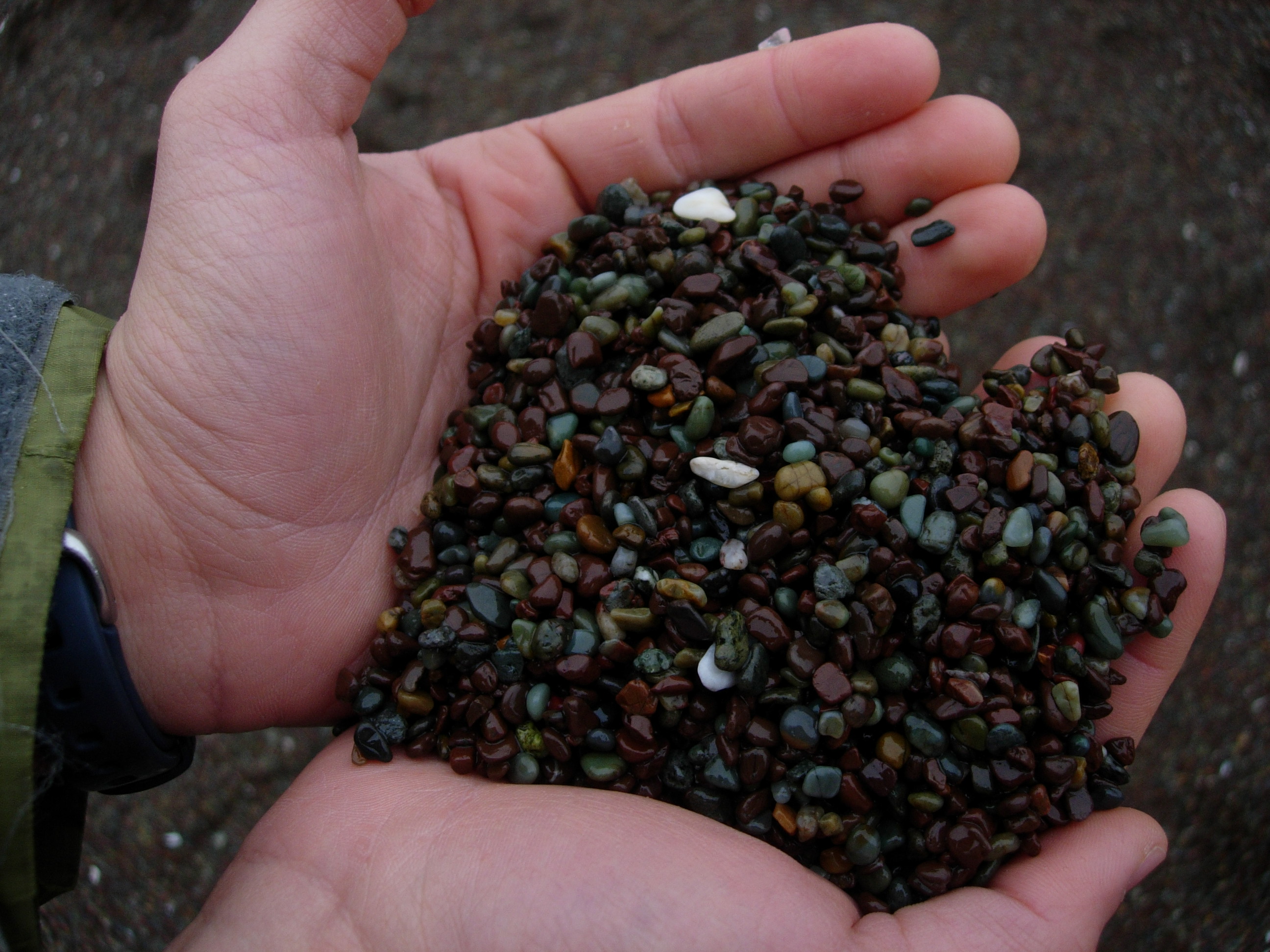
From lovely a gray morning with Cat at Rodeo Beach, where the sand is this beautiful bed of pebbles. Feels glorious to walk on, in the rain: the feet sink down just the right amount.
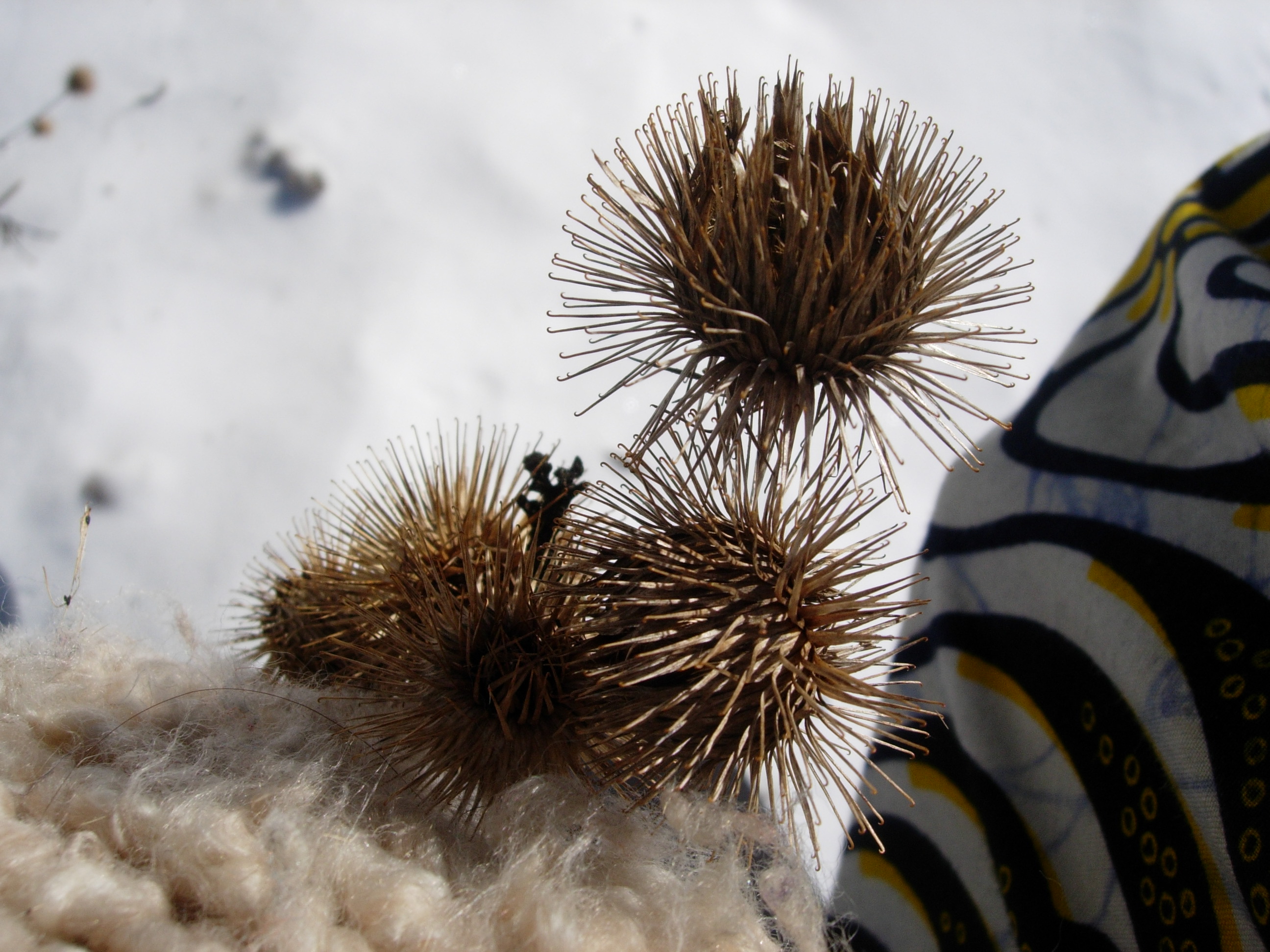
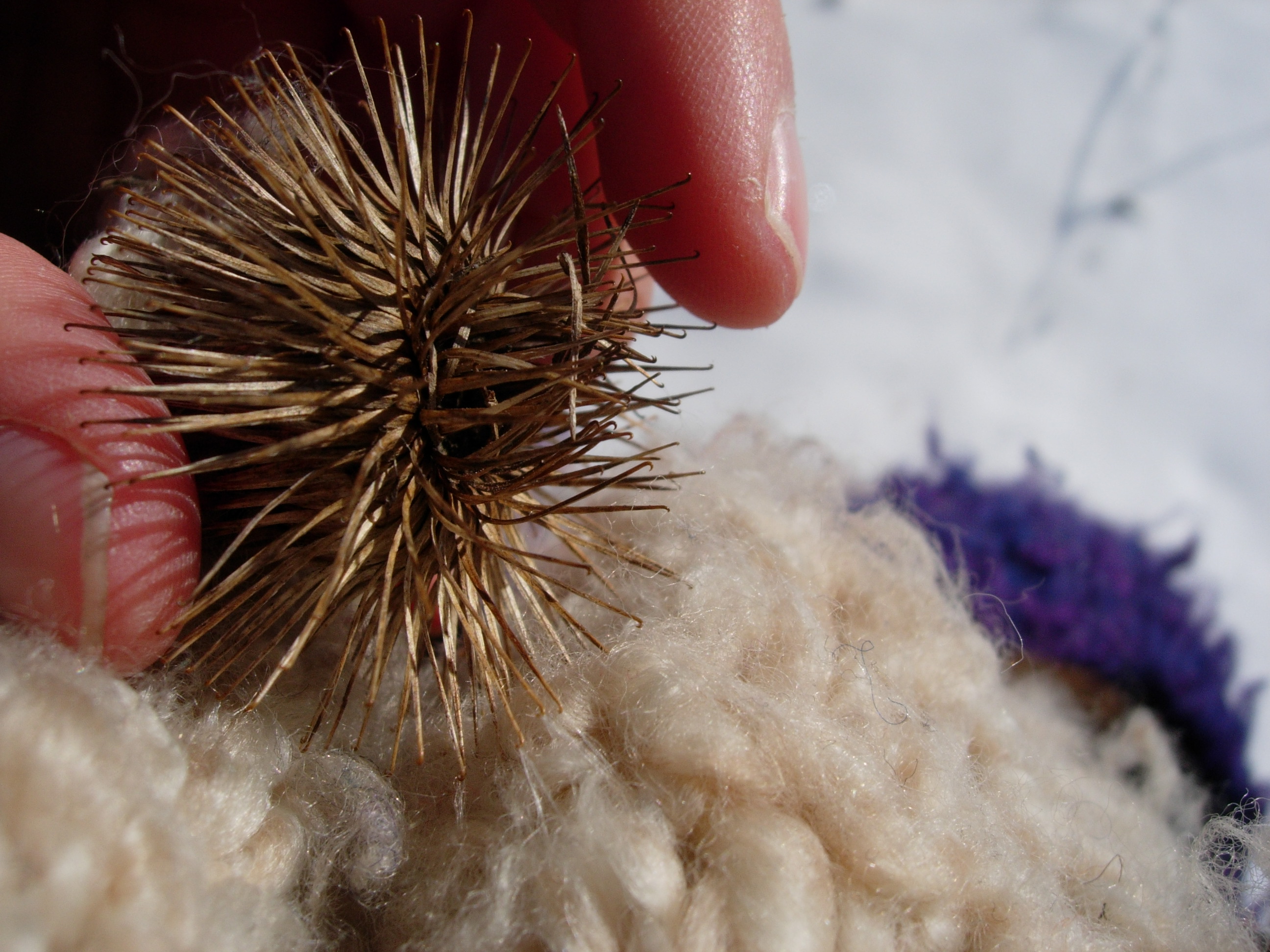
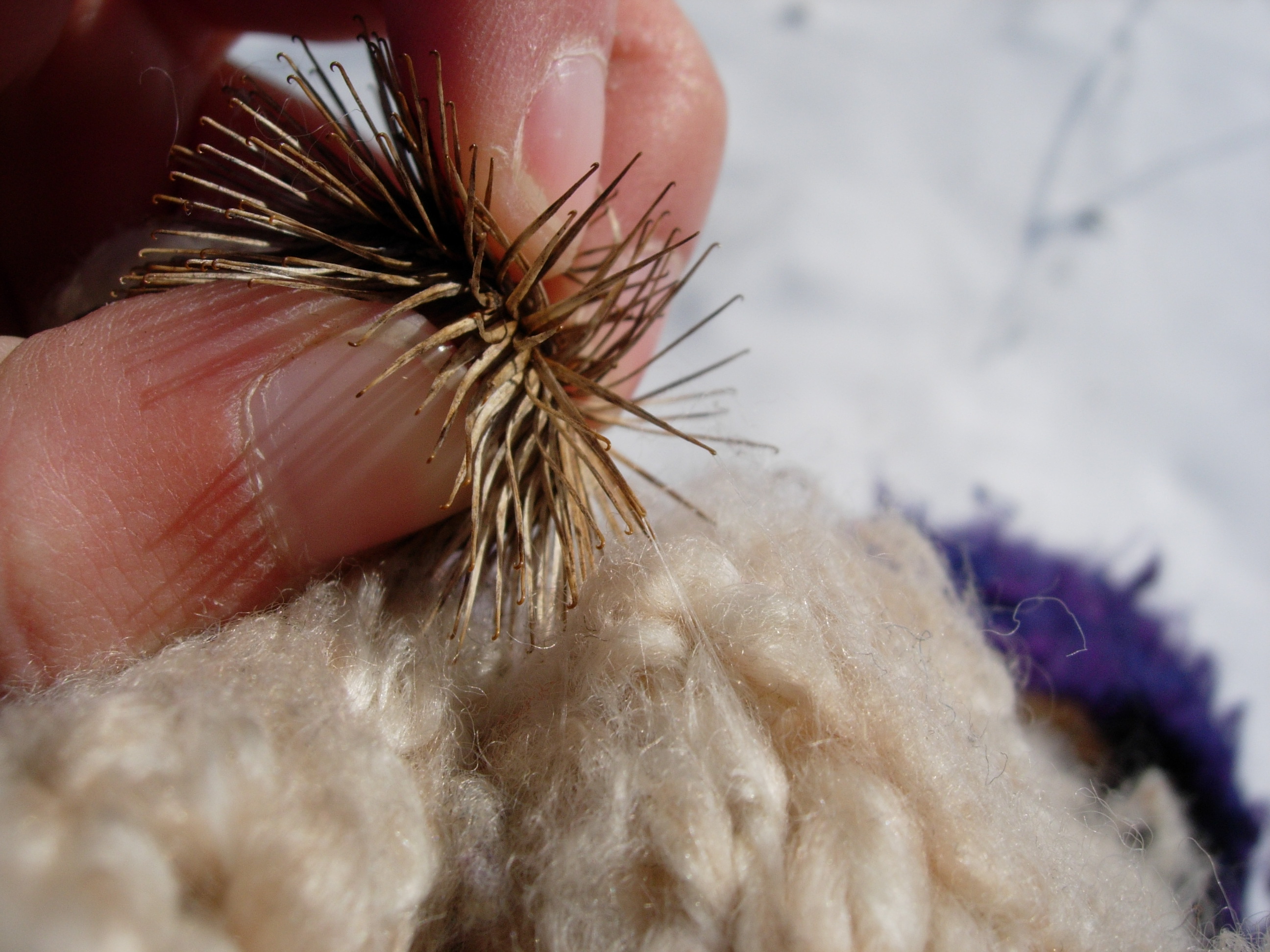
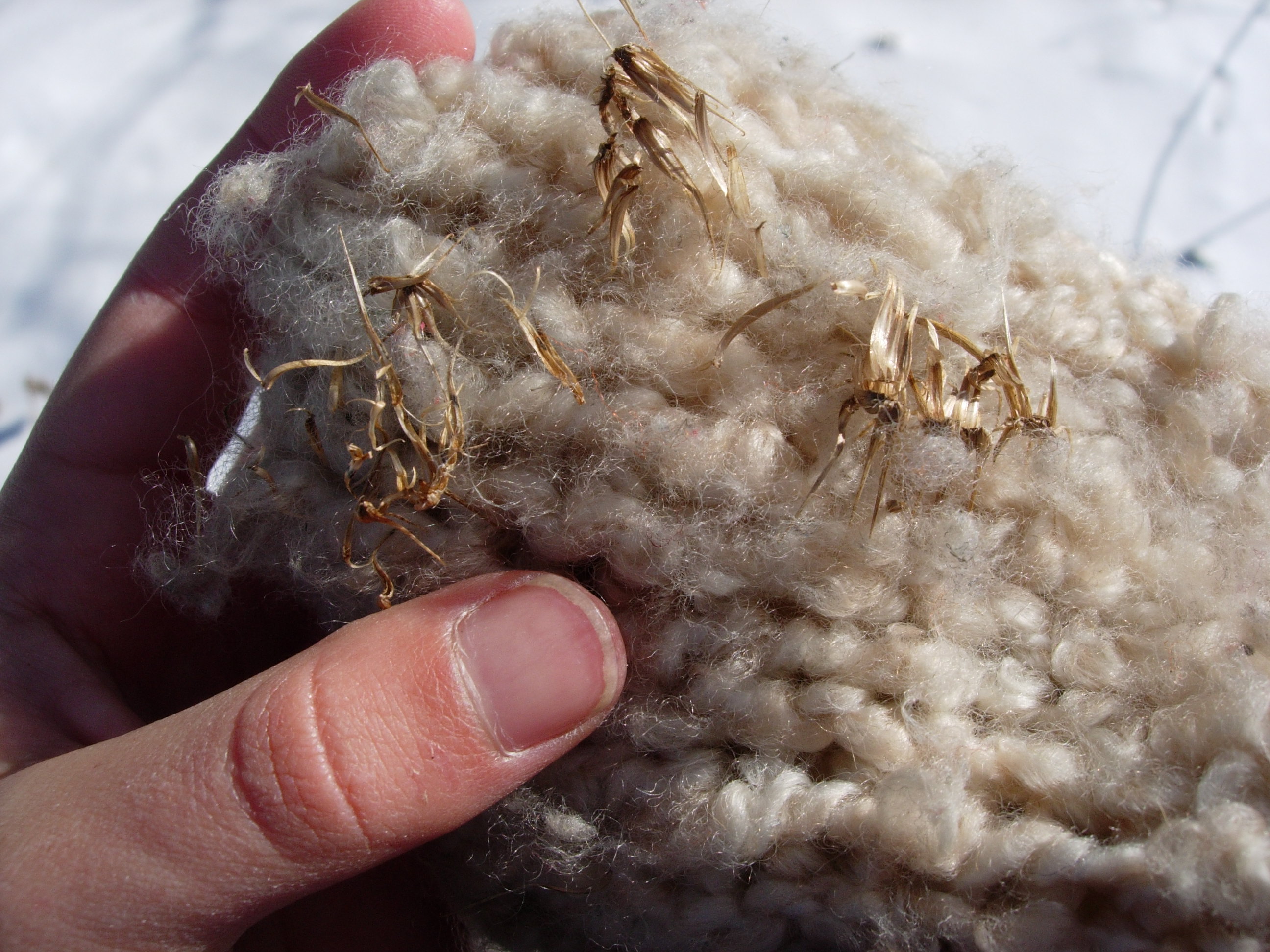
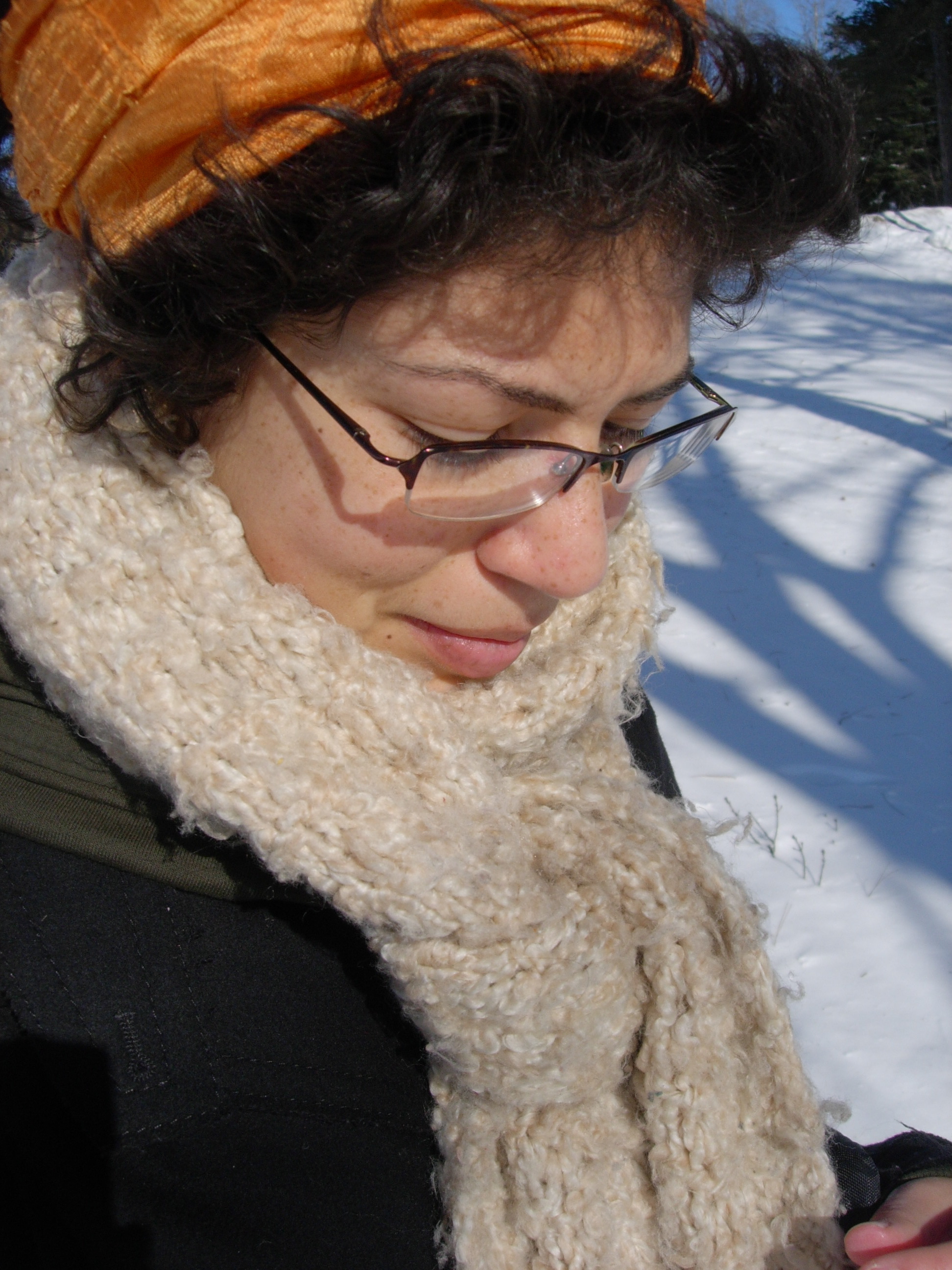
If you’ll bear with me, I’d like to experiment a little bit. Rather than write out the whole story that accompanies these photos (which is my habit), I’d like to try to let the images tell it on their own.
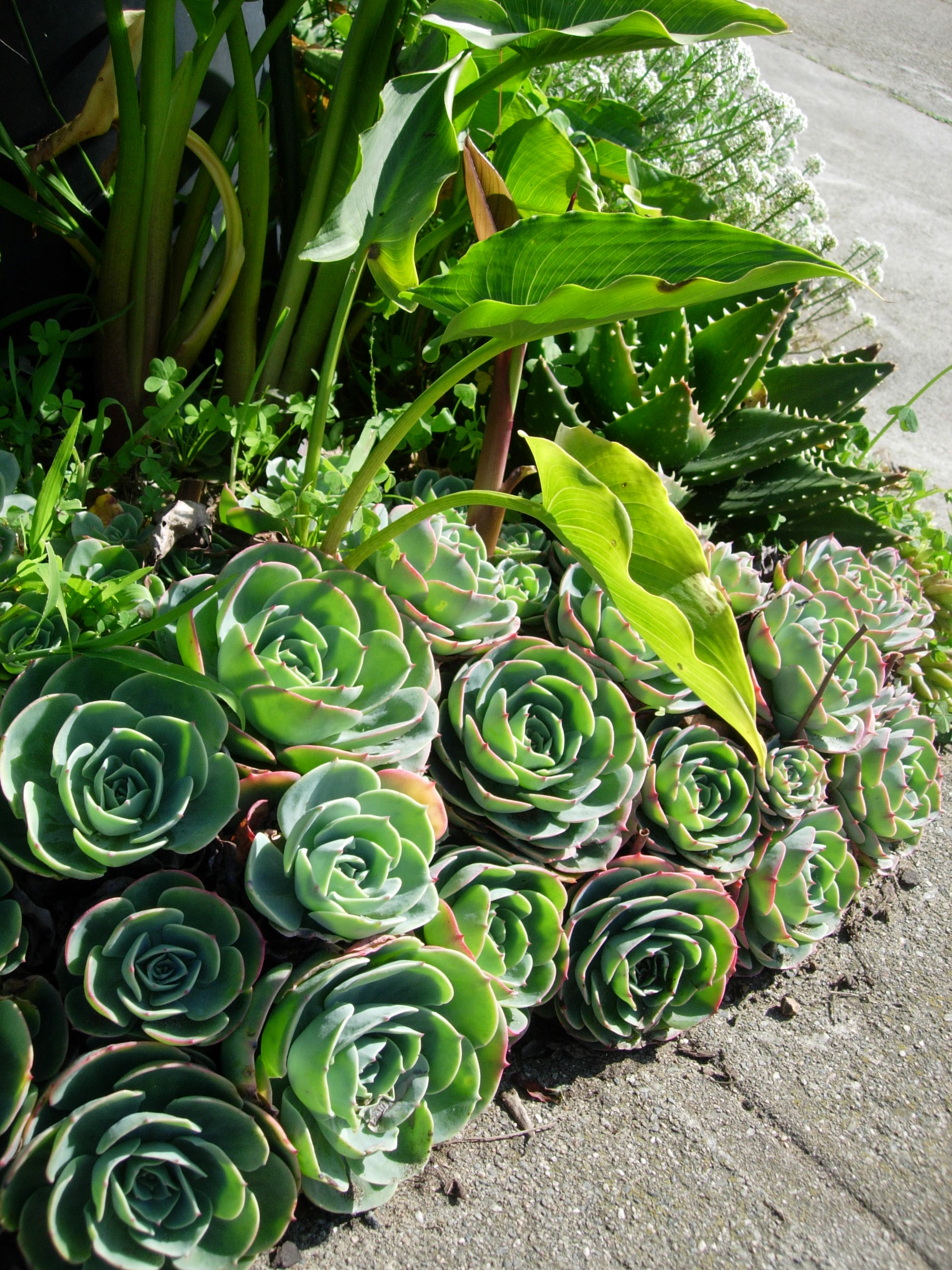
The barest background: this morning, I approached a bush (echinacea, I’m told?) because I found it beautiful and wanted to photograph it. (As quickly as possible. Mind you, it’s FREEZING here, and I have no gloves.) Next thing I know, I look down and . . .
According to the NYT, a recent study measuring correlations between living conditions and happiness in America found that they’re very strongly linked. More thoughts on that in a minute. But an informational byproduct of the study was a ranking of states from most to least happy.
At the bottom of that list?
Let’s just say that Jay-Z and Alicia Keys might not be pleased.
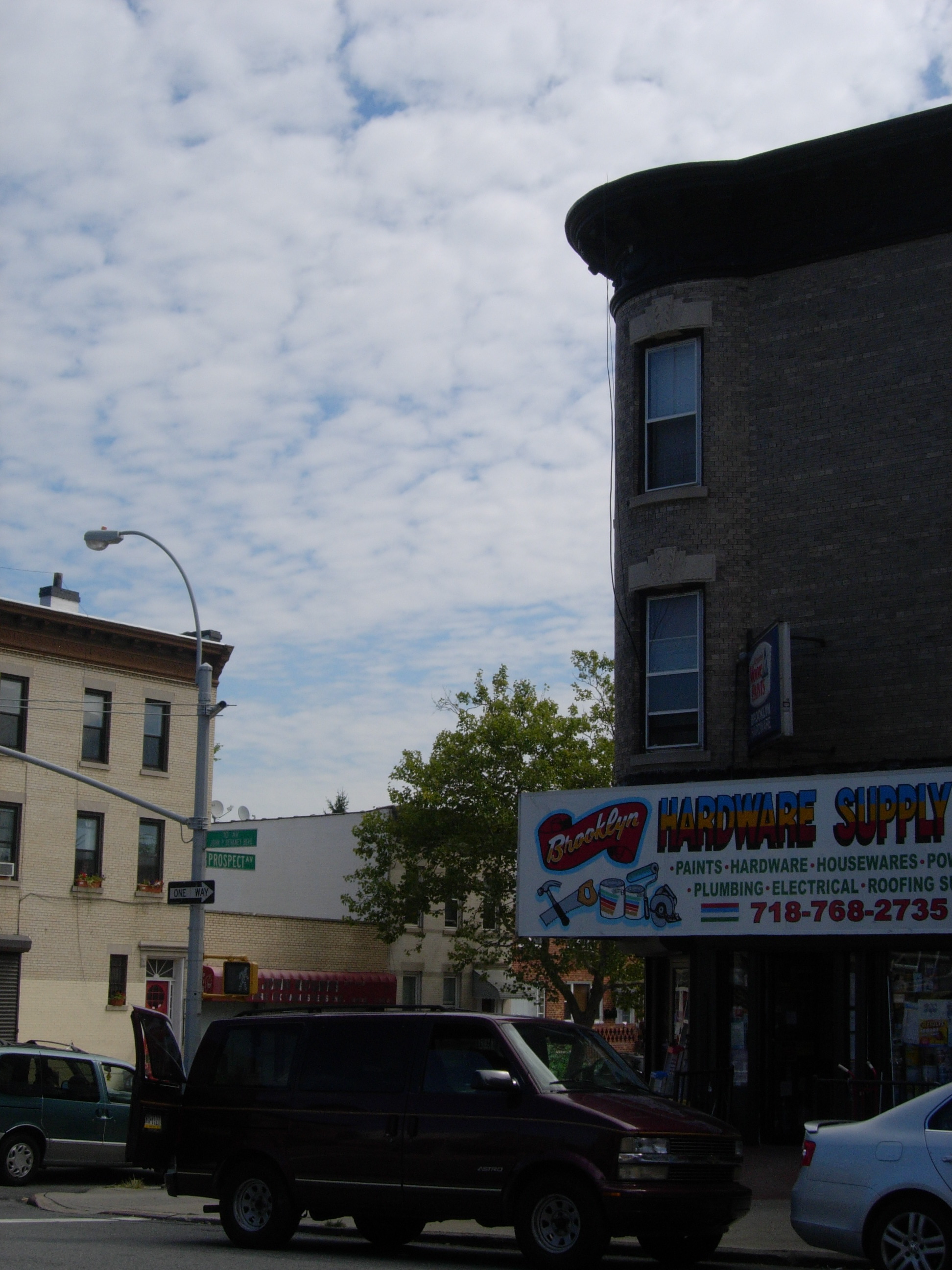
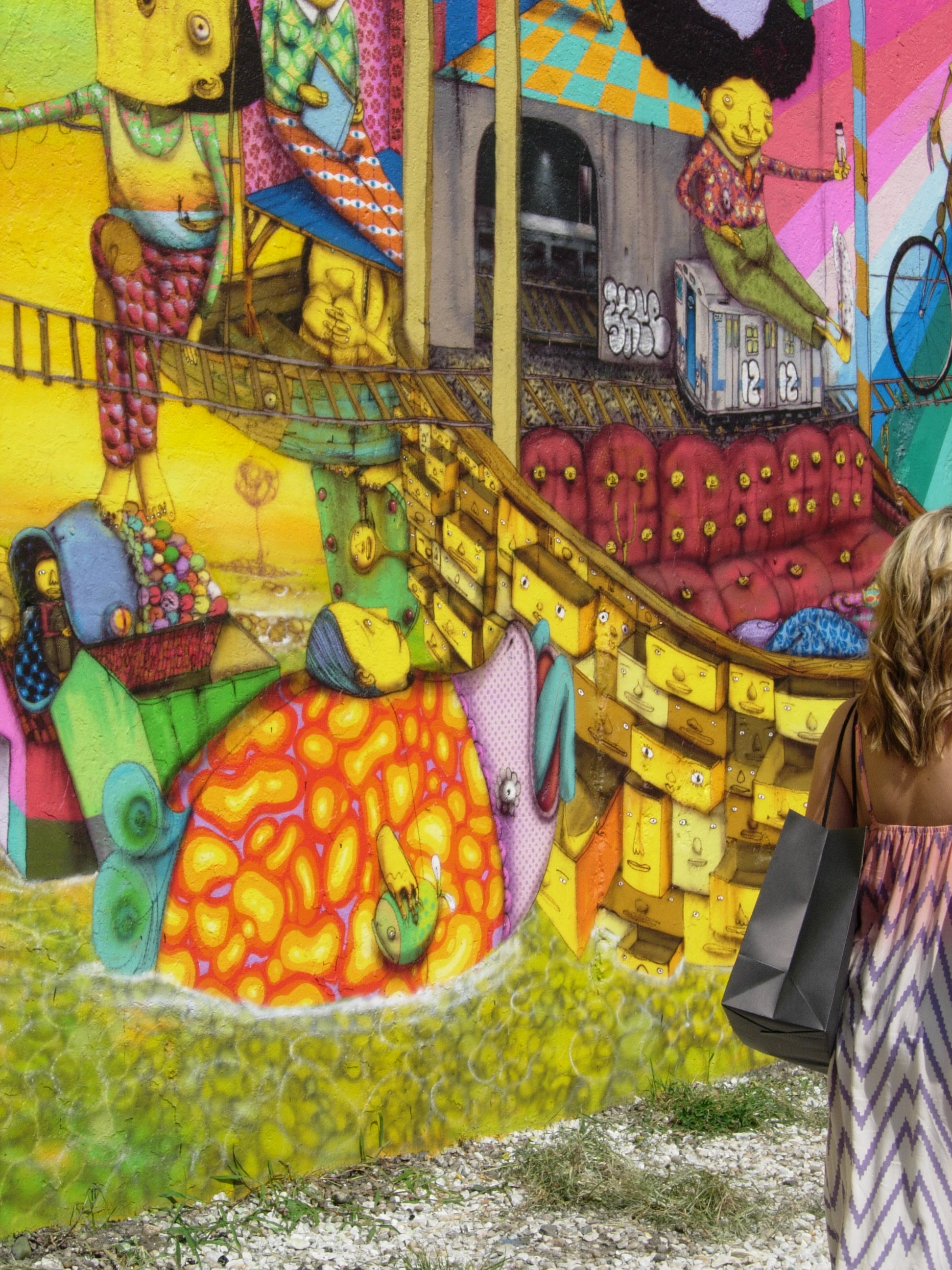
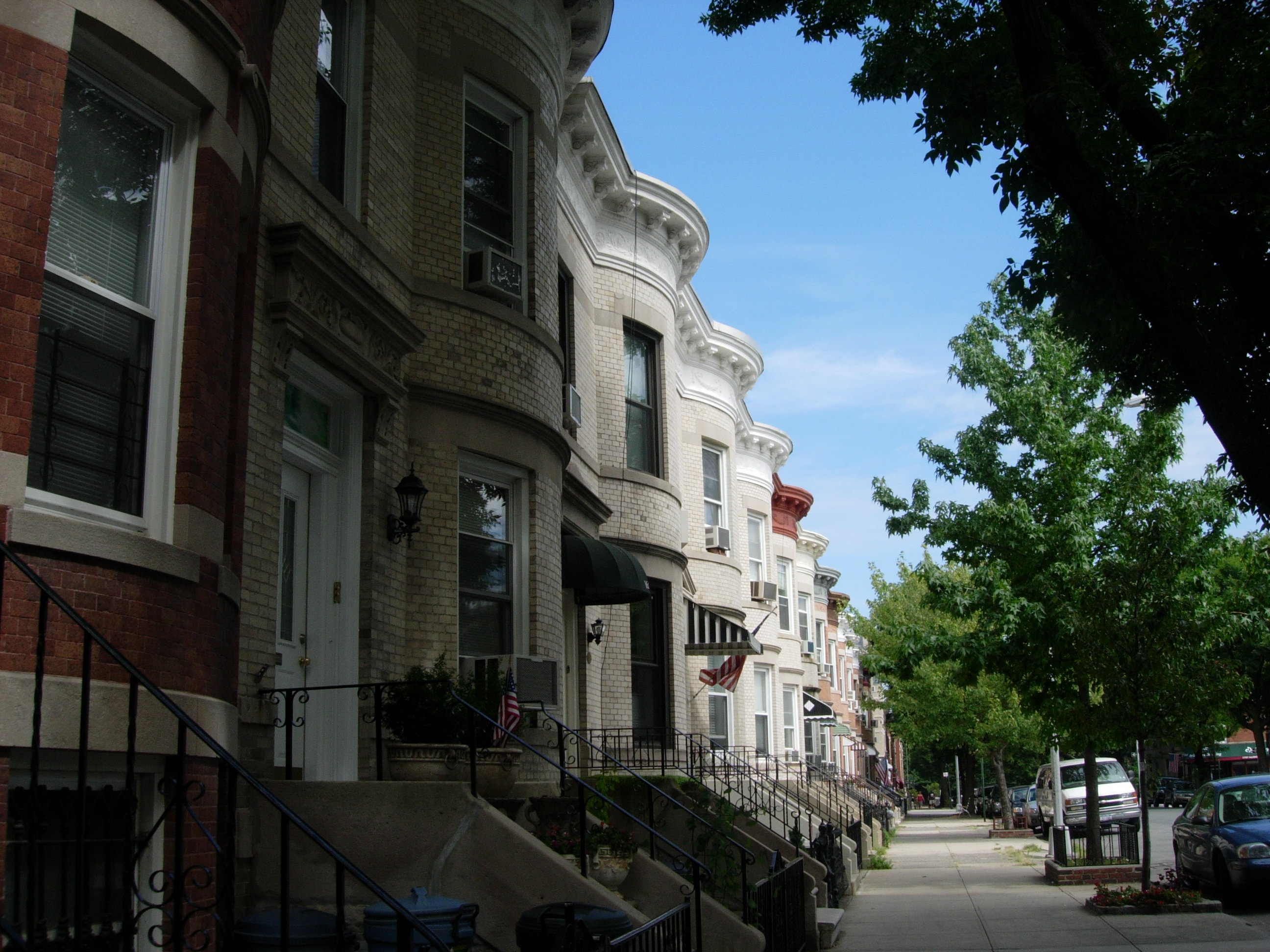
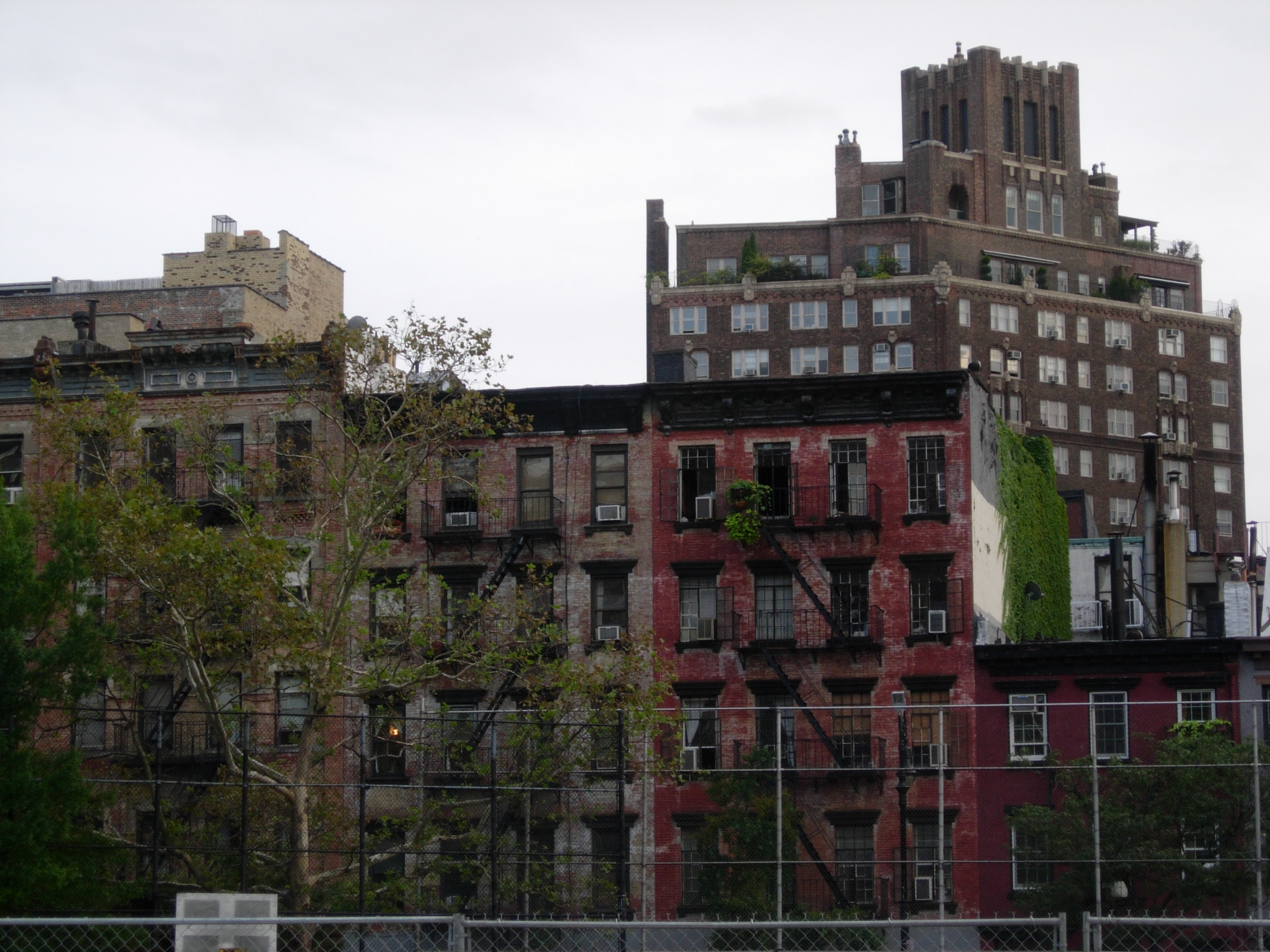
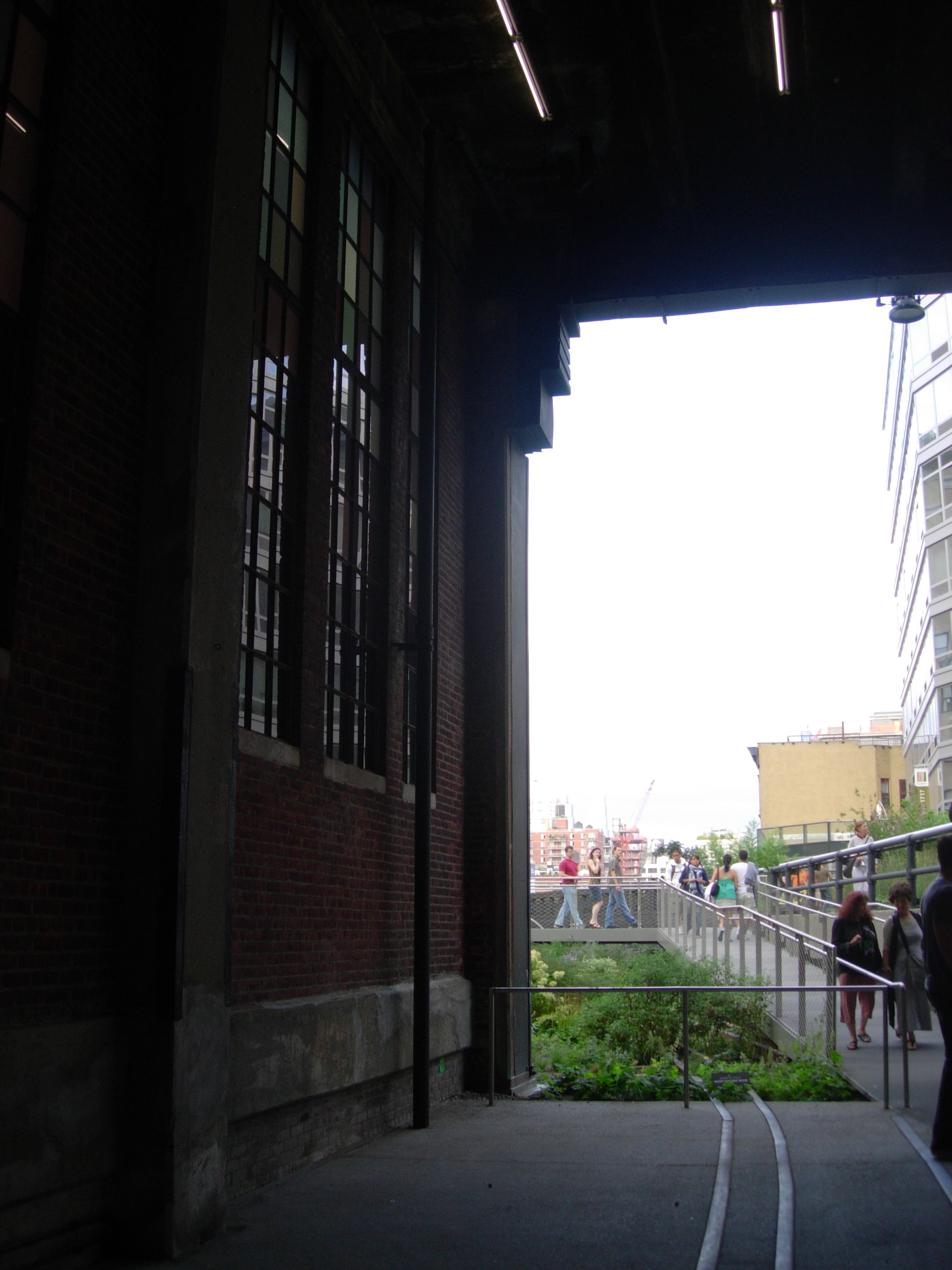
Sure, it’s important to avoid conflating New York City with the state as a whole. But it does give me an excuse to finally share my photos from September’s week-long visit.
To return to the main point of the study, though, and the article covering it: this journalist dude takes on a strange, pseudo-sarcastic tone in defending New York, and in so doing seems to be talking out of two sides of his mouth: (a) objecting that Poor people in those higher-ranked places can’t really be happy — they must be faking! and (b) defending unhappiness as a catalyst for great artistic achievement.
Let’s take the second point first. This is actually a pretty common attitude, right? Haven’t you ever known someone who seems to derive great satisfaction from their misery and solemnity, from complaining about it, or from constantly striving for bigger and better achievements, never satisfied with what they have?
Such attitudes or habits of mind aren’t limited to artists by any means — in fact, all of us fall into similar patterns from time to time. Even if we don’t particularly like feeling unhappy, we cling to an identity of unhappiness because it seems solid and somehow justifiable. Or maybe we’re terrified of what might happen if we let go of it. So we want to analyze it just so, and relate it back to our whole life history, beginning with childhood, etc.
With art, though, or “creativity” more broadly, this normal fascination with unhappiness is particularly easy to rationalize, since part of artistry involves representing human misery faithfully, accurately, and poignantly.
But all I’m saying is, if Michelangelo were a close friend of mine, and he had a choice between finding happiness and creating the Sistine Chapel, I’d encourage him to put away his brushes.
I mean, would we really wish unhappiness on another person — or on ourselves — just so that we could enjoy some good art?
It’s the same flawed logic I laughed about in another study, which implied that being a hostile and unhappy person might be worth it if it increased your longevity.
Mm.
As for Haberman’s first point, being dubious about the poor yet satisfied, here’s how I see it. His attitude reflects the common American notion that greater material wealth — and its attendant perks — grants us more happiness. But the quality-of-life measurements used in the study included a wide variety of factors, including “climate, taxes, cost of living, commuting times, crime rates and schools.”
Now, having a lot of money does expand one’s options, meaning that you, an individual, could choose to move to a place like Louisiana (the state ranked highest in happiness) and enjoy its sunshine and other non-monetary advantages. But simply having a load of money and living in a cold, dismal, rat-race, no-one-knows-their-neighbors and people-spend-half-their-day-in-traffic suburb ain’t gonna cut it.
Similarly, just because a state has a lot of financial wealth doesn’t mean it’s allocating it in ways that boost people’s well-being. More likely, it’s using it to further enrich the ruling class and imprison huge numbers of people of color. (Side note: I wonder if prisoners were surveyed for this study?)
The issue that interests me more, though, is why Americans’ happiness is so closely tied to predictable environmental factors of any kind — financial, structural, social, or otherwise.
I wonder whether a Buddhist country, for example, where dominant cultural wisdom might encourage disaggregating happiness from material conditions, would show similarly strong correlations.
Anyhow, The City was my first stop back in the States, and even though I find it stressful and would never want to live there myself, it sure was pretty to look at for a week in early autumn.
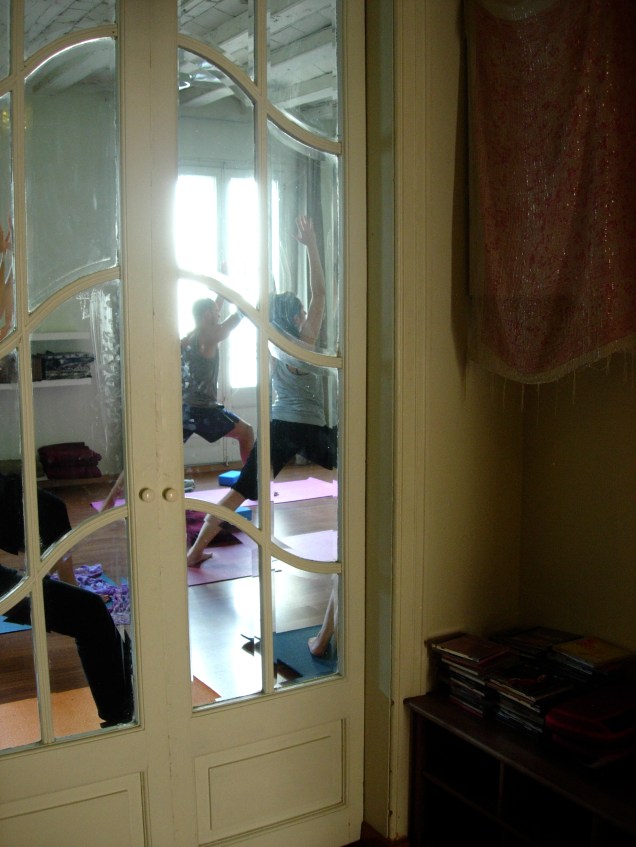
These days I’m back into yoga, 3 to 5 times a week. I found the studio, or it found me, quite by accident. Vipassana students are encouraged to organize weekly group sittings in their communities, just silently sitting together for one hour to support one another in the practice. So when I was kickin’ it in BCN for a couple of weeks back in June, I went with a friend to check out the Sunday evening gatherings, held in an unassuming apartment building right off of Plaza Catalunya.
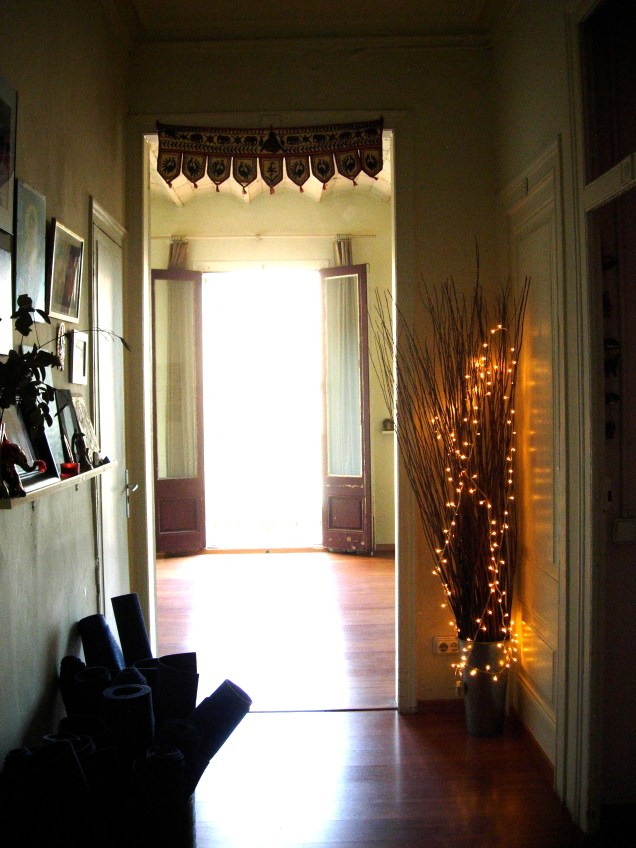
Have you ever entered a space and just felt it was something special?
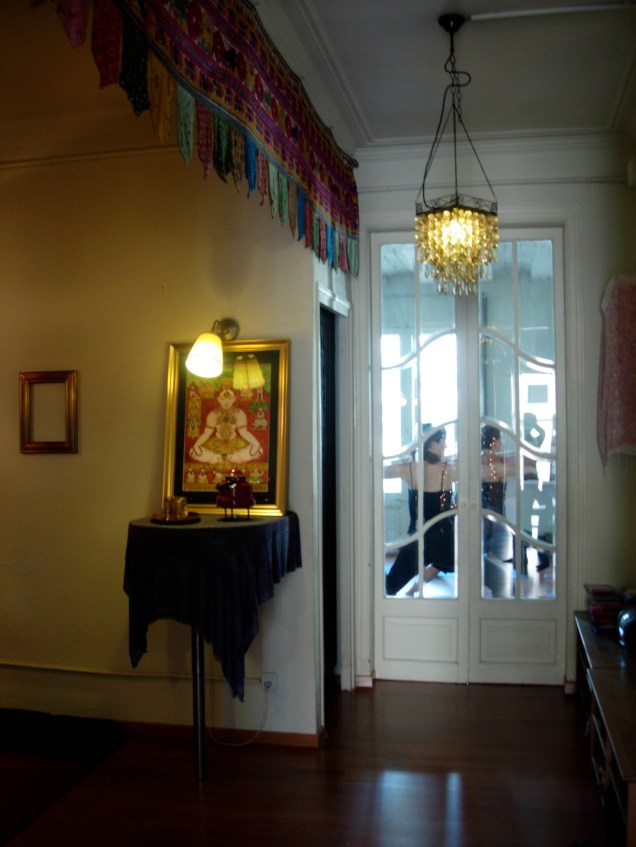
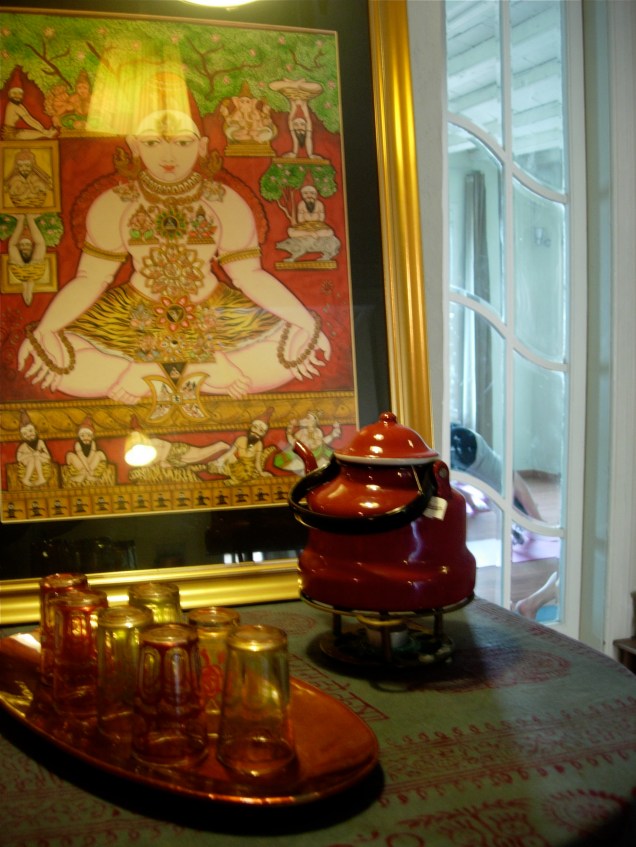
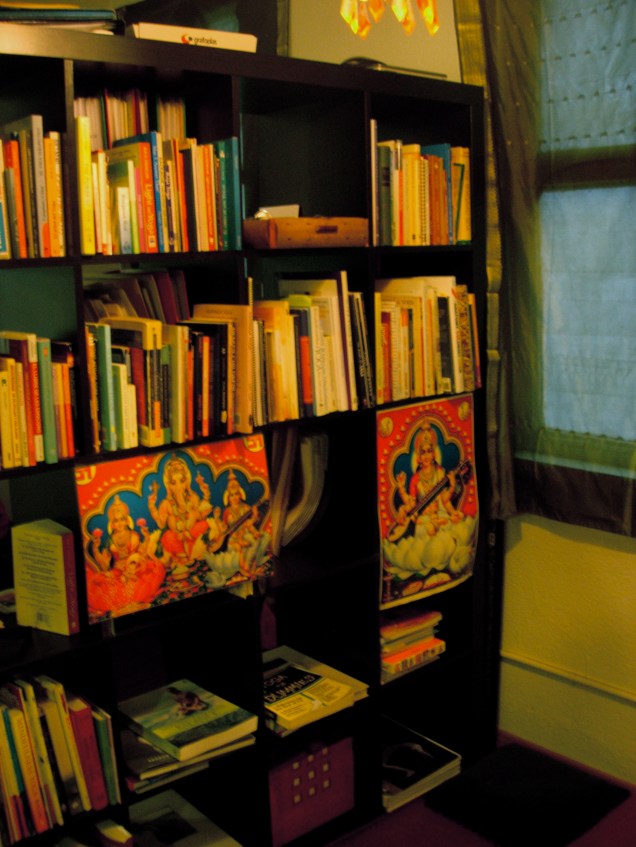
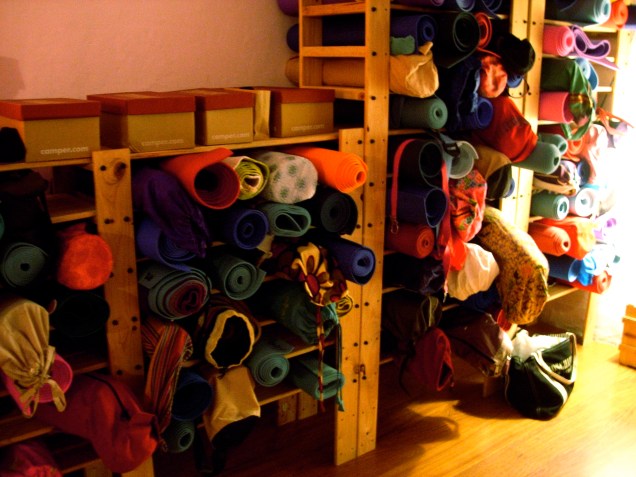
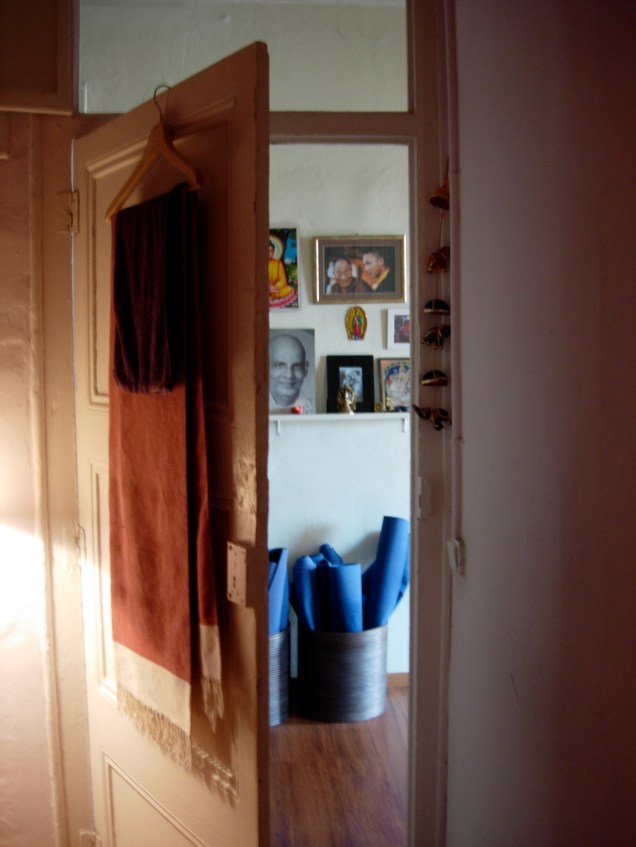
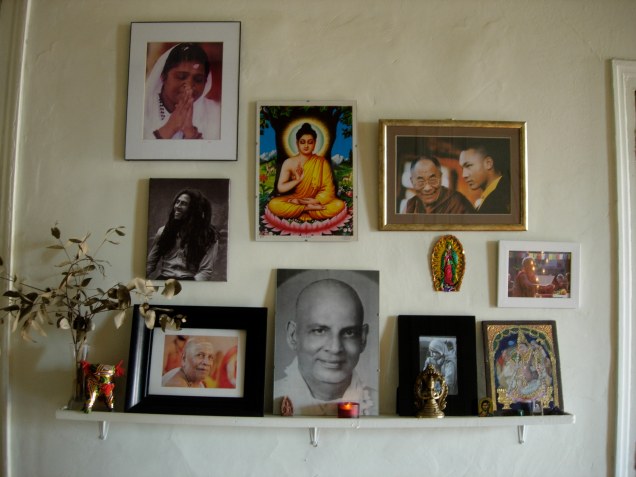
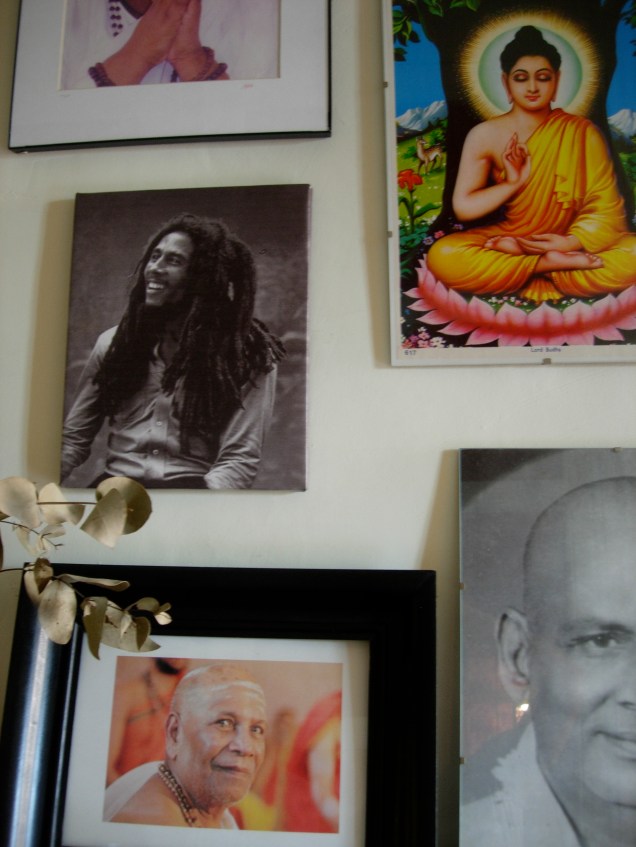
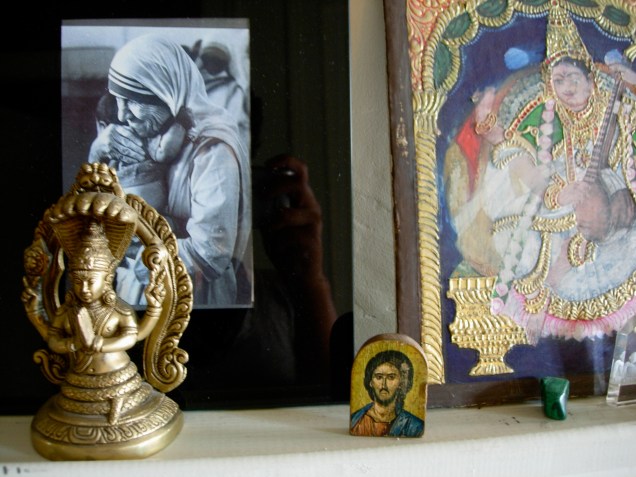
I couldn’t stop wandering around, looking in wonder at every little thing: the fabric mats; the incense; the photo of Bob Marley alongside the Dalai Lama, Mother Theresa, Jesus, Buddha, and other spiritual inspirations.
Smitten doesn’t begin to describe it.
So when I decided to settle in Barcelona for a month, and wanted to sign up for a yoga class instead of a gym membership, I happened to know just the right place.
Owned and operated entirely by women teachers (though students of all genders attend), the studio has clean, airy rooms; fresh lilies every week; chandeliers; rooibos tea; a small library of works on yoga, India, and Buddhist philosophy; and extremely hardcore asanas.
Every time I go, I arrive an hour early to read, and leave drenched in sweat, floating down the street. The two-and-a-half hours in between are filled with an almost palpable sense of caring — a bright, loving, permeating awakeness. And each time, thanks to the book or the practice or both, I come away having learned something valuable about how to live. Really.
Not all yoga joints are like this, believe you me.
I hope you’ve found your own places like Mandiram. Sanctuaries. Places where the most mundane objects, gestures, and even open spaces seem luminous. Leave you feeling spacious, yourself, even (especially) when you return home and – bam! – your roommate convenes a Dirty Dishes Conversation.
Deep thanks to Gloria, Alex, and all the people who have given me, and others, this haven and springboard.
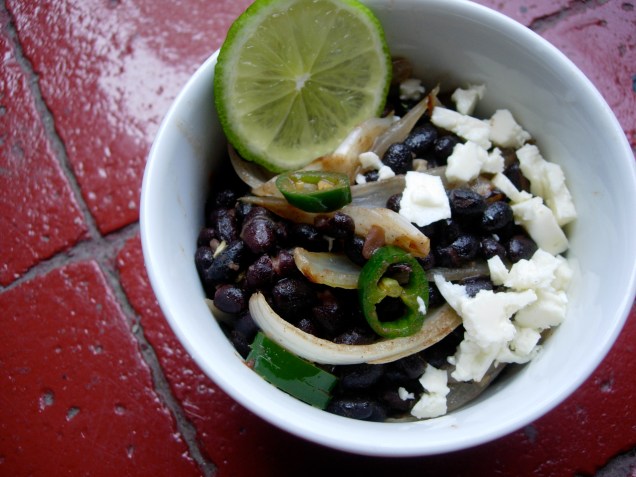
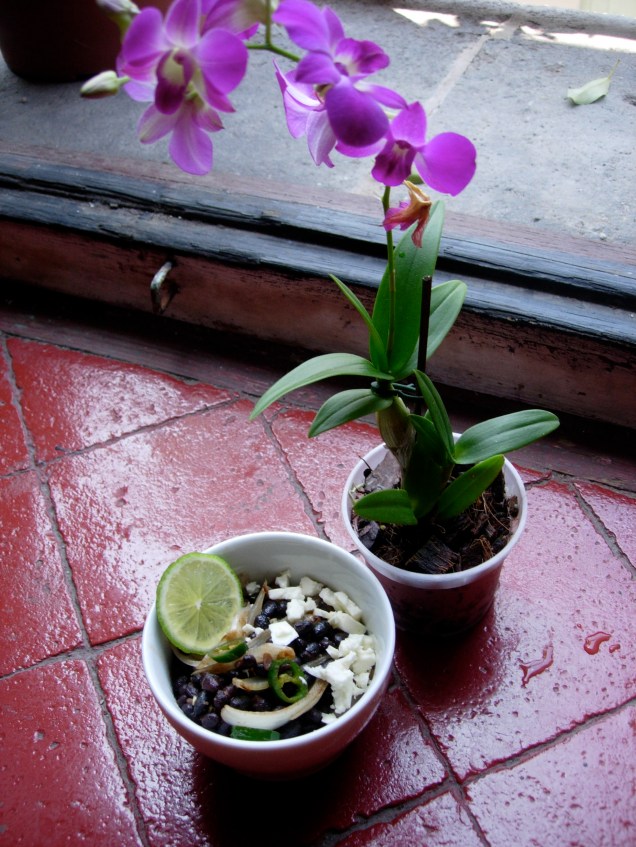
Black beans with sautéed garlic and onions, fresh chili *and* cayenne, lime, a touch of cinnamon and brown sugar, good extra-virgin olive oil, and queso fresco
Bonus post! Today’s lunch — just perfect after intense, unbelievably sweaty morning yoga. Easy, delicious, dirt-cheap, and make-your-nose-run spicy. What a stroke of luck to discover a Latin-American import grocery store that stocks Goya right down the street. (Though I don’t know much about Goya’s company practices…just that it’s a huge Latin@-owned US producer of brown-and-black-folks-staple-food-in-a-can. In this case, the black beans — which are surprisingly hard to find here in BCN.)
It’d be nice to learn to cook more traditional Spanish dishes (or, to be precise, Catalunyan), but honestly there’s not a whole lot going on here that’s vegetarian. So the last three home-cooked meals in our little household have been Persian, Thai, and Central-American. And already Nuria and I are plotting an outing to an Indian restaurant…hehe.
On the other hand, it’s easy to eat local when no stove is involved. As Mark Bittman put it in his recent, awe-inspiring catalogue of simple salad recipes, “Summer may not be the best time to cook, but it’s certainly among the best times to eat.”
Word. Maybe next time I’ll share a no-cook dish with locally-grown ingredients. Til then, giving thanks for everyday blessings de la cocina.






























 Kloncke