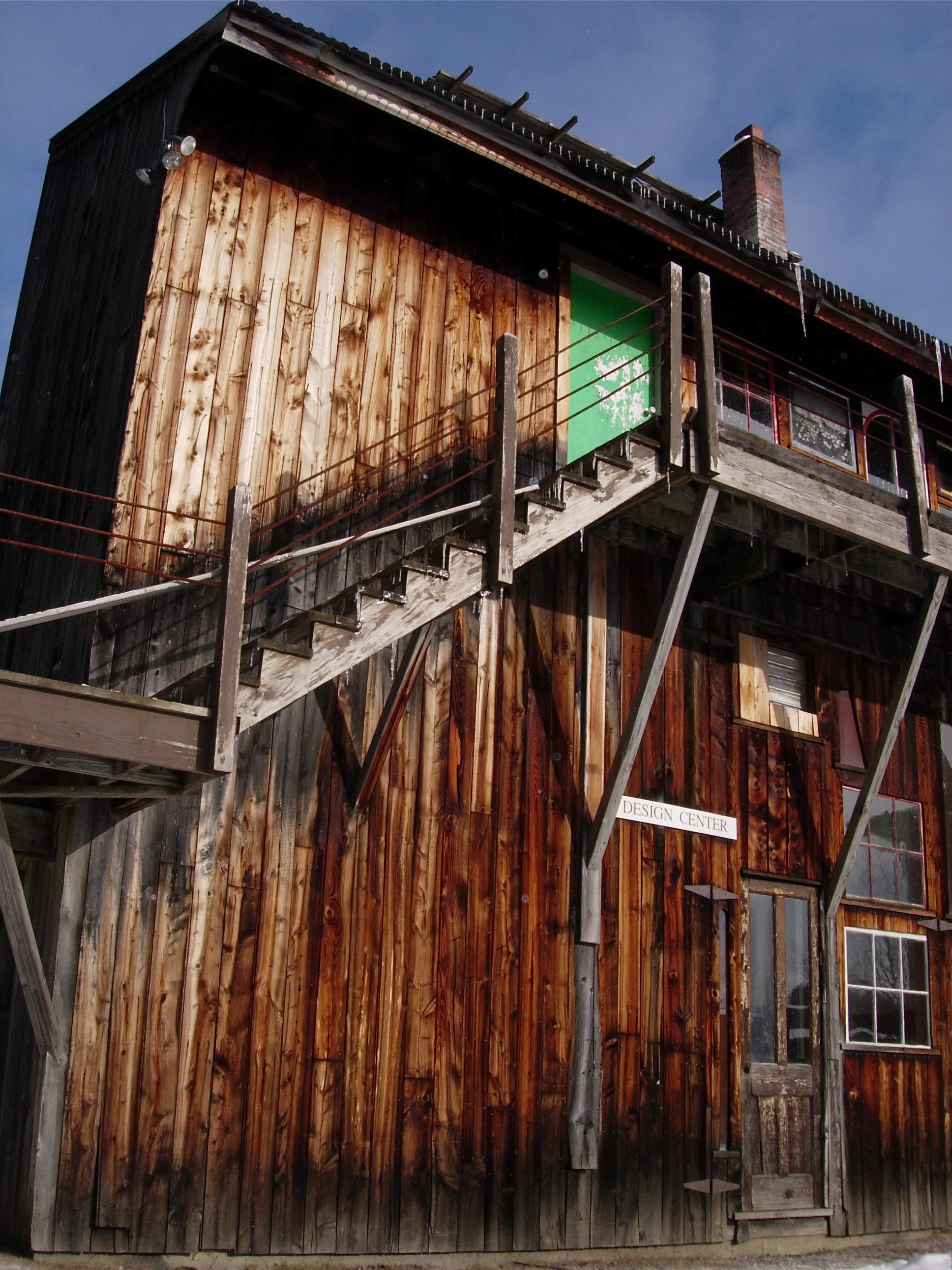
Mornin’ y’all!
Is this not the most beautiful building you’ve ever seen?
Wanted to share some of the friends I’ve made on campus, here in Plainfield. Real outdoorsy types.
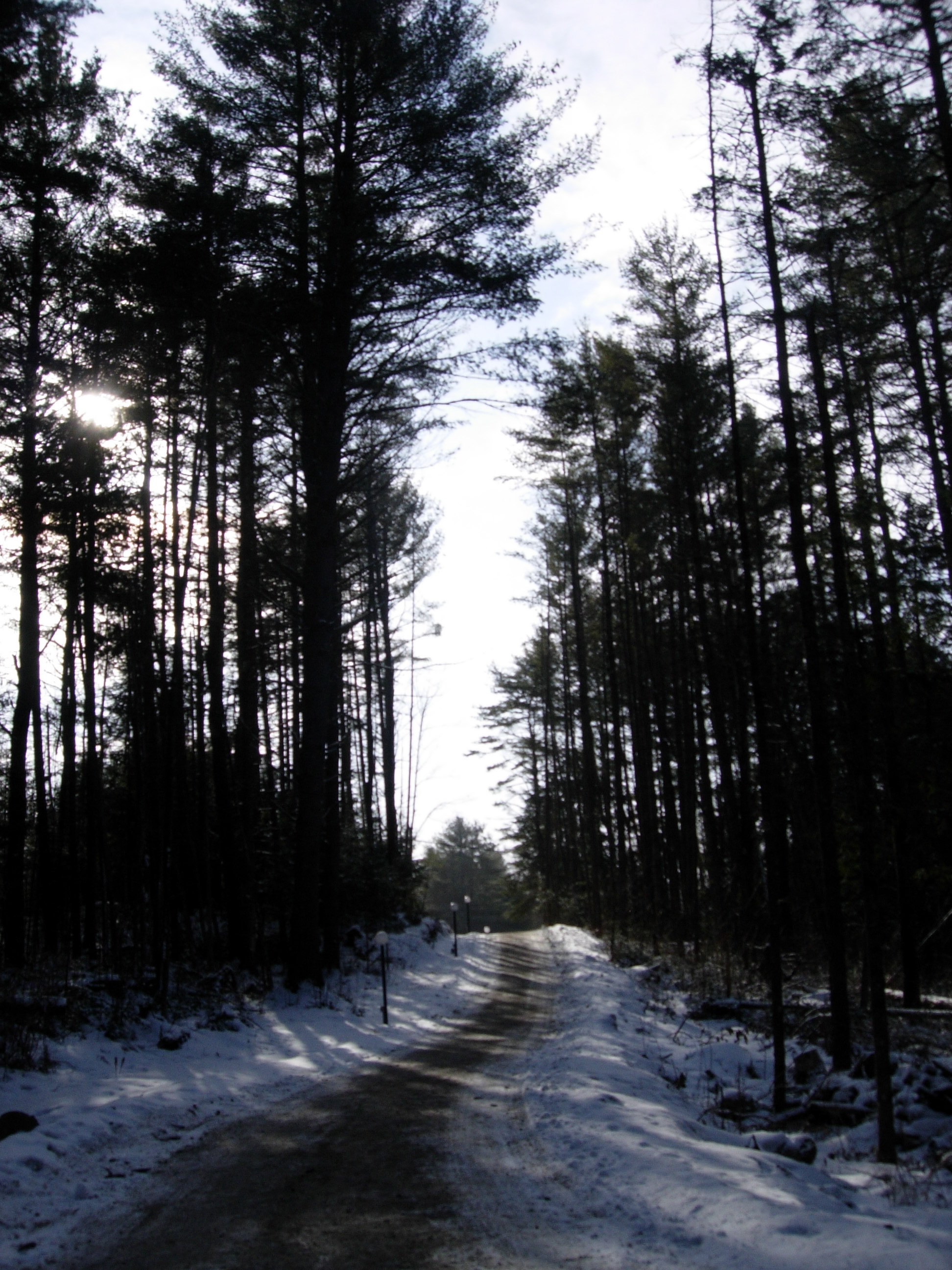
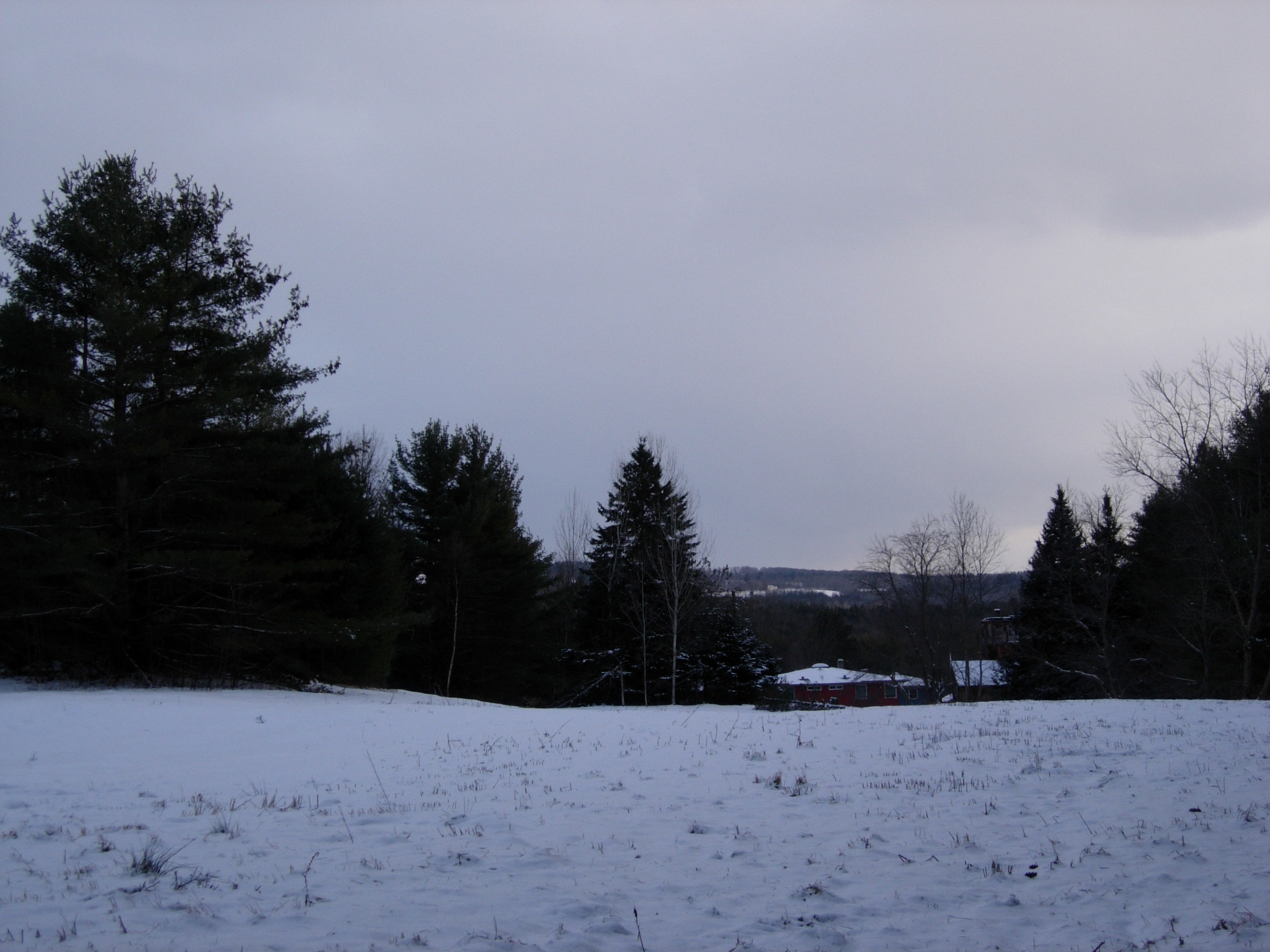

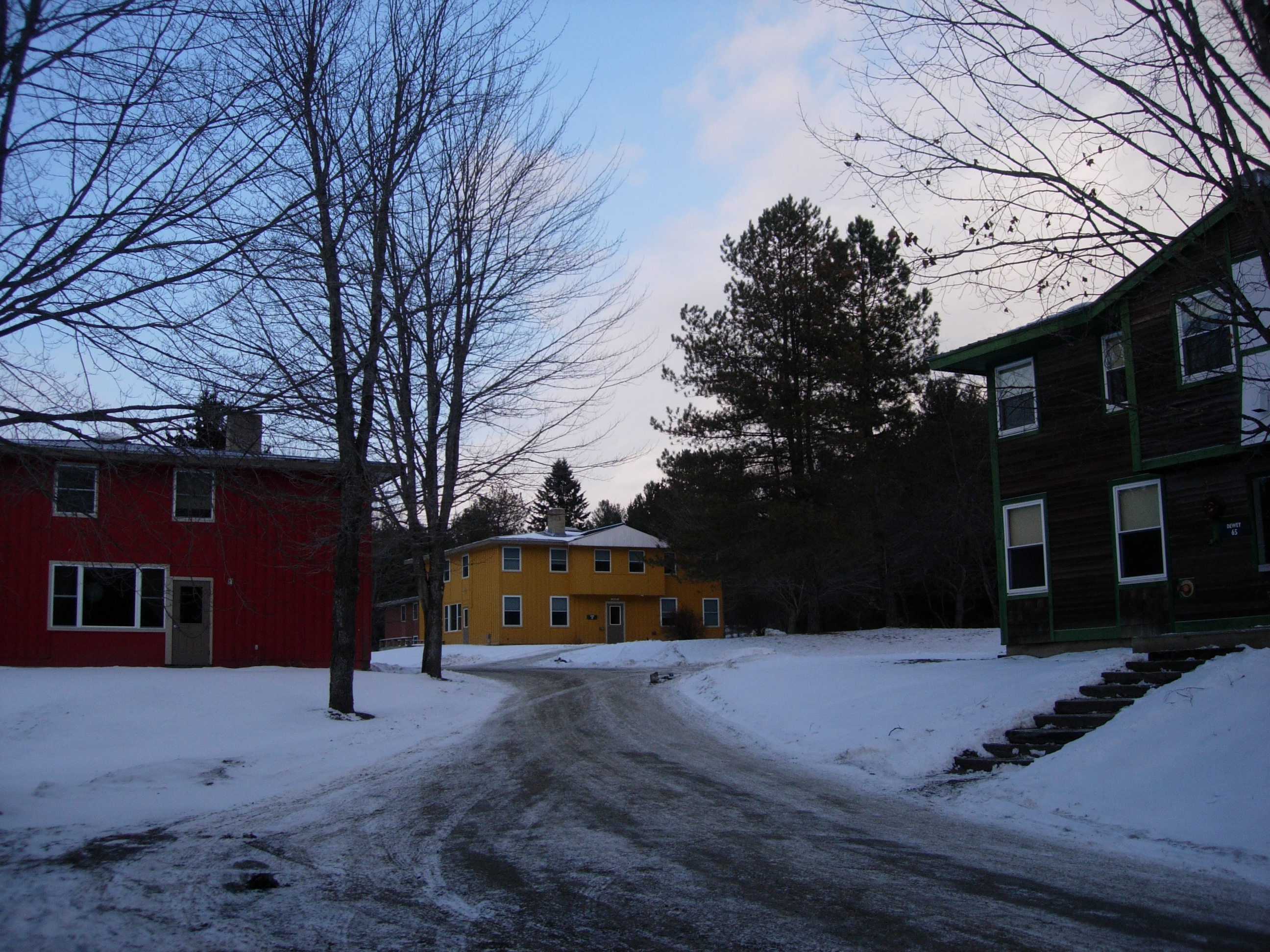
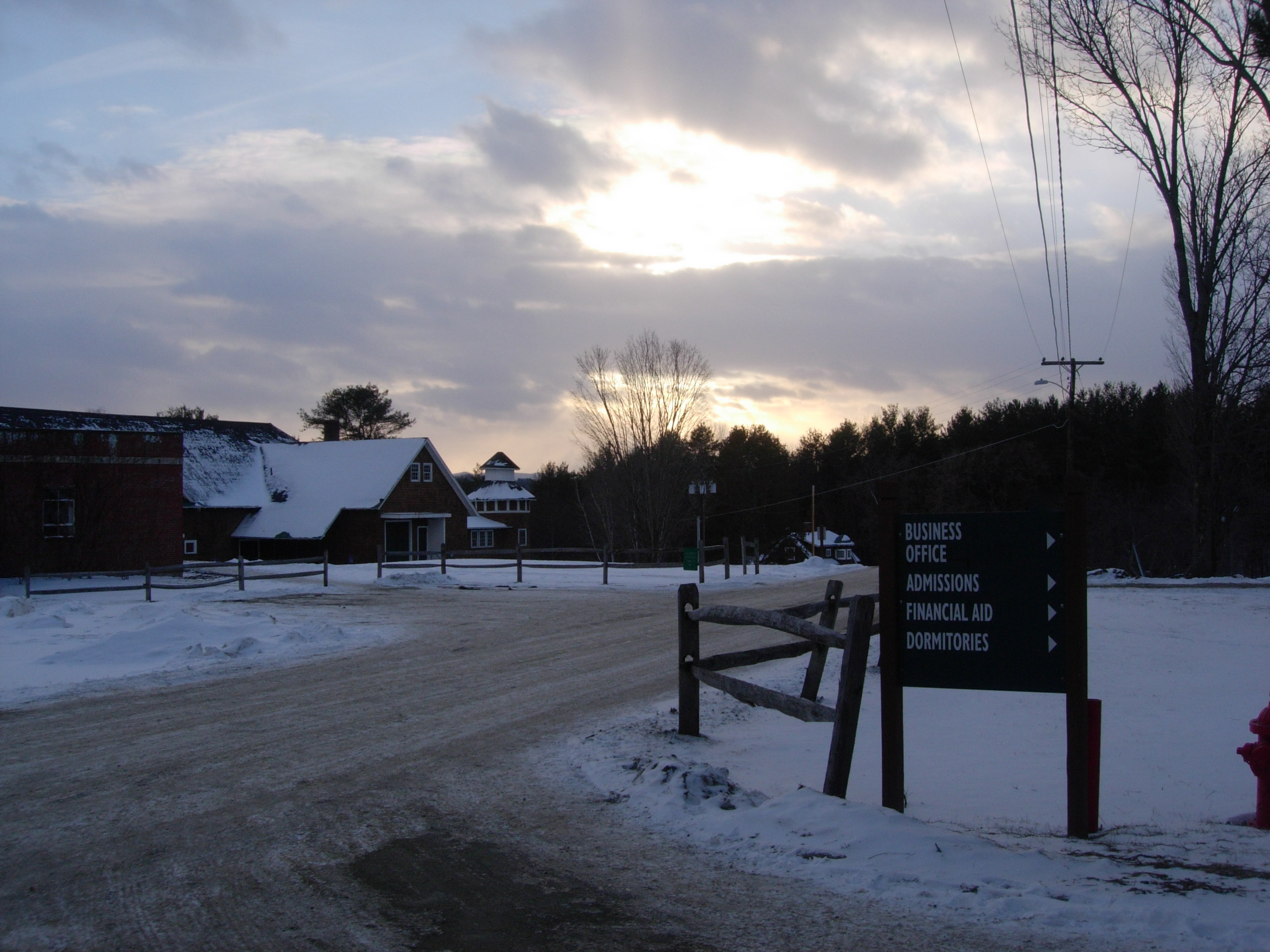


Mornin’ y’all!
Is this not the most beautiful building you’ve ever seen?
Wanted to share some of the friends I’ve made on campus, here in Plainfield. Real outdoorsy types.

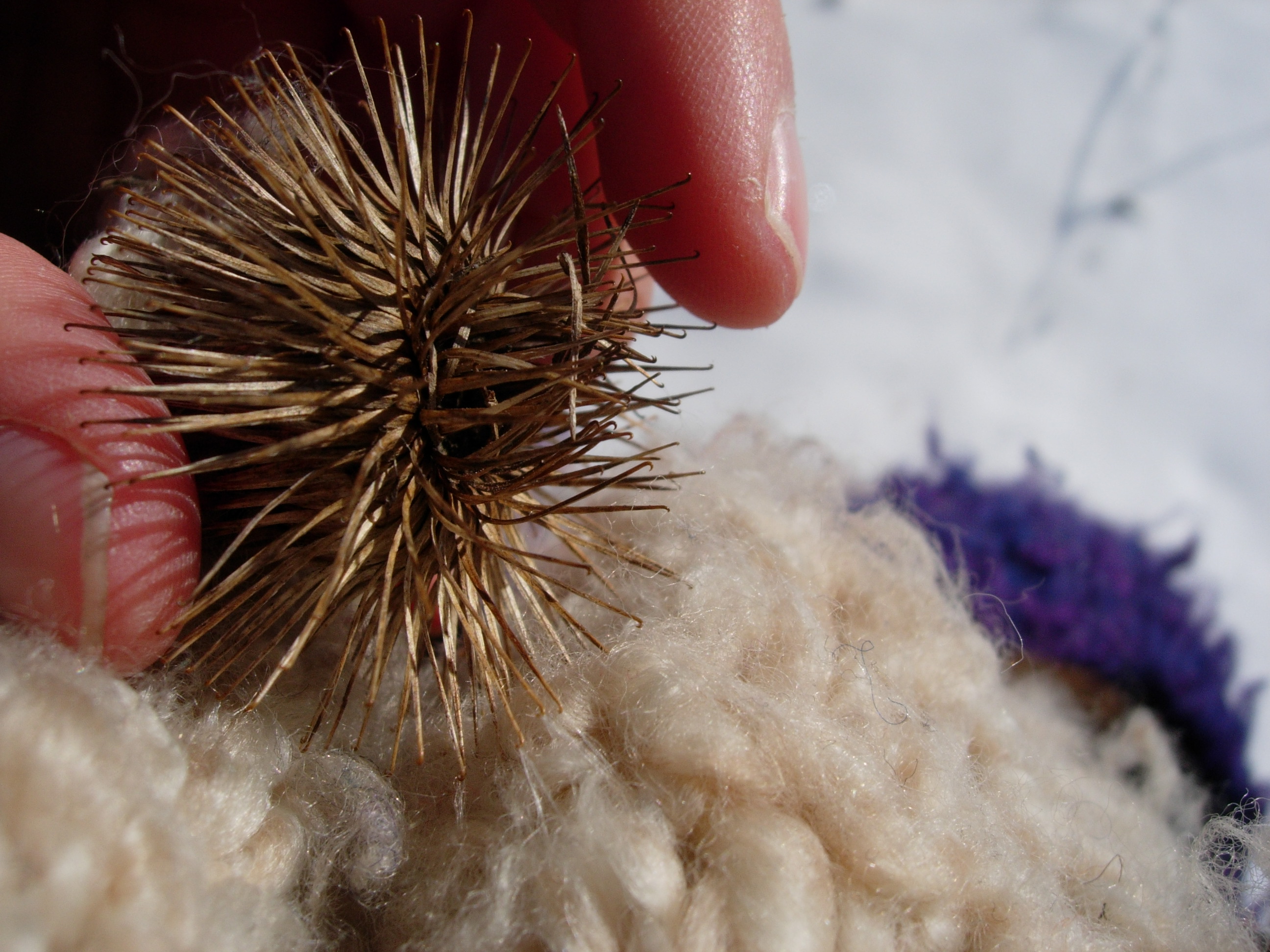
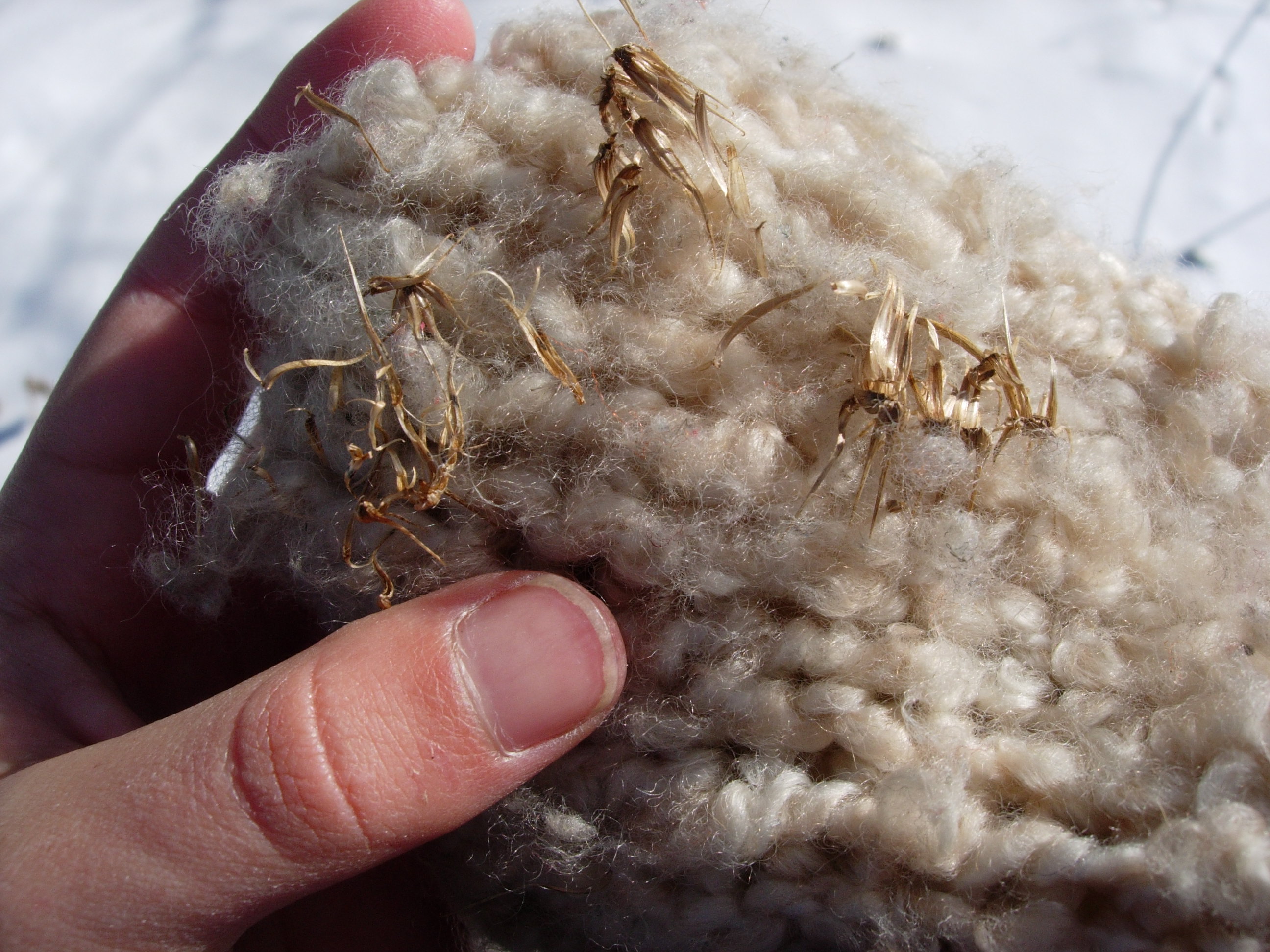
If you’ll bear with me, I’d like to experiment a little bit. Rather than write out the whole story that accompanies these photos (which is my habit), I’d like to try to let the images tell it on their own.
The barest background: this morning, I approached a bush (echinacea, I’m told?) because I found it beautiful and wanted to photograph it. (As quickly as possible. Mind you, it’s FREEZING here, and I have no gloves.) Next thing I know, I look down and . . .





This week in The Nation:

The lethal and typically capitalist governance of California is manifesting, statewide, in a virtual strangulation of the poor.
VMH [in Los Angeles] has provided counseling and medication to impoverished children and adults since 1957. But in August, shortly after the new facility opened, the clinic lost most of its funding for adult services when the state and county yanked their dollars, triggering huge matching-fund losses from the federal government. Eighty percent of the counseling staff, including nearly all of the site’s adult counselors, were laid off. Kids still receive some counseling, but the walls of the rooms in which they are seen by staff are bare–the clinic ran out of funds before it could decorate them–and the doors have paper signs taped to them instead of brass plaques.Nowadays, VMH’s adult clients are treated exclusively with medication. And the indigent mentally ill–whose treatment had been paid for by LA County, which in turn received money from the state–are turned away at the door. Many of them end up sleeping on park benches near the clinic. “These are the chronically mentally ill,” says psychologist Janie Strasner glumly, “who will end up being the raving lunatics on the street.”
What makes this all the more troubling is that Glendale isn’t an outstandingly poor neighborhood, Los Angeles isn’t a poor city and California certainly isn’t a poor state. And yet something is seriously wrong with the organism that is California. The state’s savage budget cuts–$26 billion in 2009, an expected shortfall over the next year that could reach $20 billion–now serve as anti-stimulus to the federal stimulus package. Its basic educational, public safety and social service infrastructure is crumbling. As a self-sustaining political system, as a set of relationships between local and state governments, as a revenue-raising and revenue-spending mechanism, California is deeply damaged. And the impact of that damage is hitting an awful lot of people awfully hard.
And we’re seeing the same brutal impact in the Tenderloin of San Francisco. From the Faithful Fools’s 2009 Annual Report:
As concern was high over the precarious economic reality and the ever-rampant budget cuts and elimination of vital services, we recognized the importance of being a small, grassroots, heart-driven organization. We had the ability to remain constant in people’s lives when their city or state funded supportive services disappeared. We helped bridge food needs, financial resources and the direct labor necessary to find out what was still available for people and then walked the maze to link them up. We saw the direct face of balancing the budget on the backs of the poor and disabled people as they were notified three different times in the year of a reduction in their monthly checks. The cuts were an average of $70 per person. One fellow who serves on the Tom Waddell Community Advisory Board with us said, “that’s a week’s worth of food for me!”
It’s a deadly time. But sometimes the threat of death is just what is needed to spark an awakening. Which, in California’s case, hopefully means a rapidly evolving consciousness of our shared situations, and renewed energy for collective, compassionate struggle.
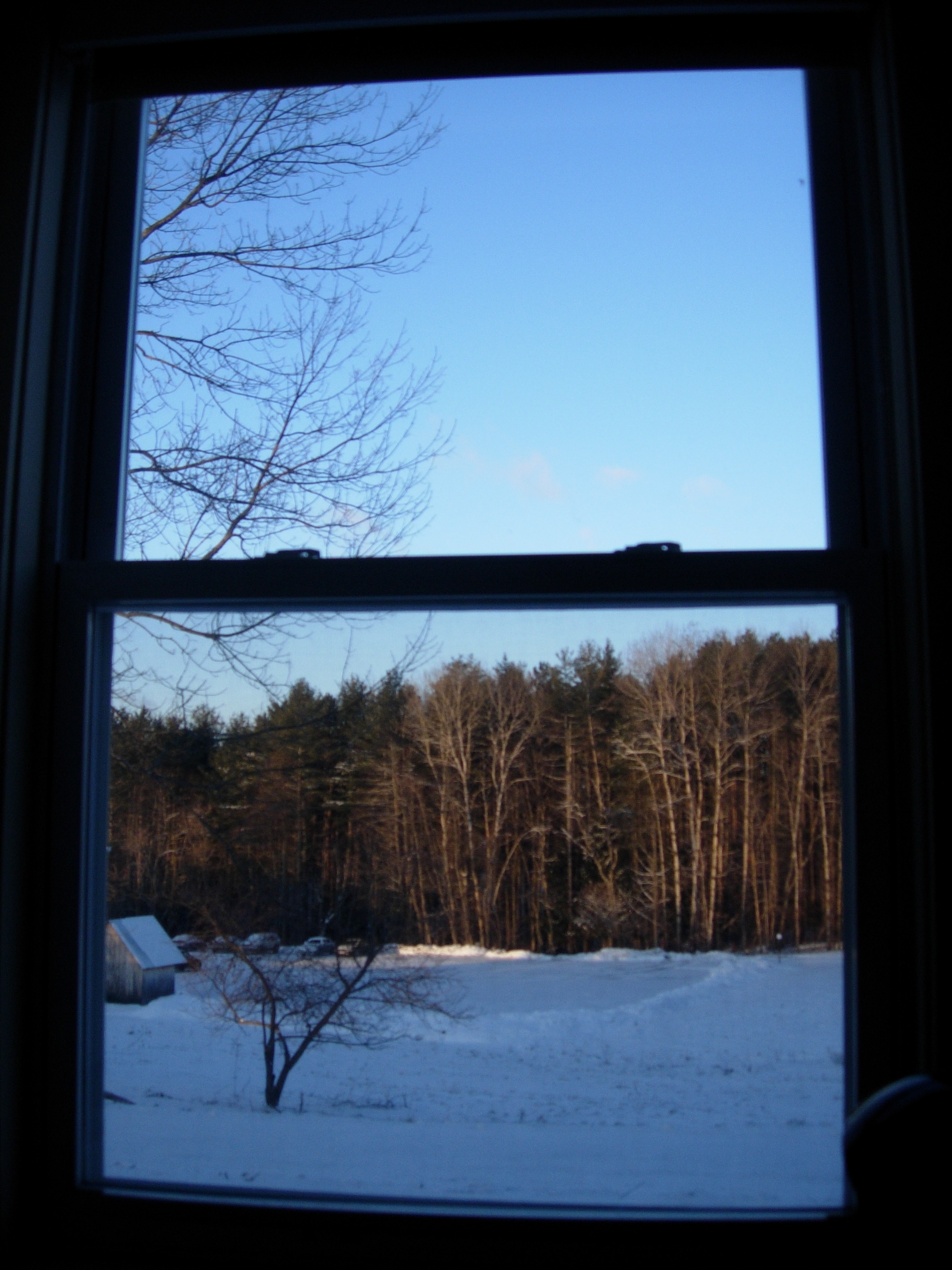
It’s my first day at Goddard in the MFA program for Interdisciplinary Arts, and I have never in my life felt this excited to start school.
The Vermont residency is breathtaking this morning, after a big snowstorm yesterday.
And here we go. Wish me luck!
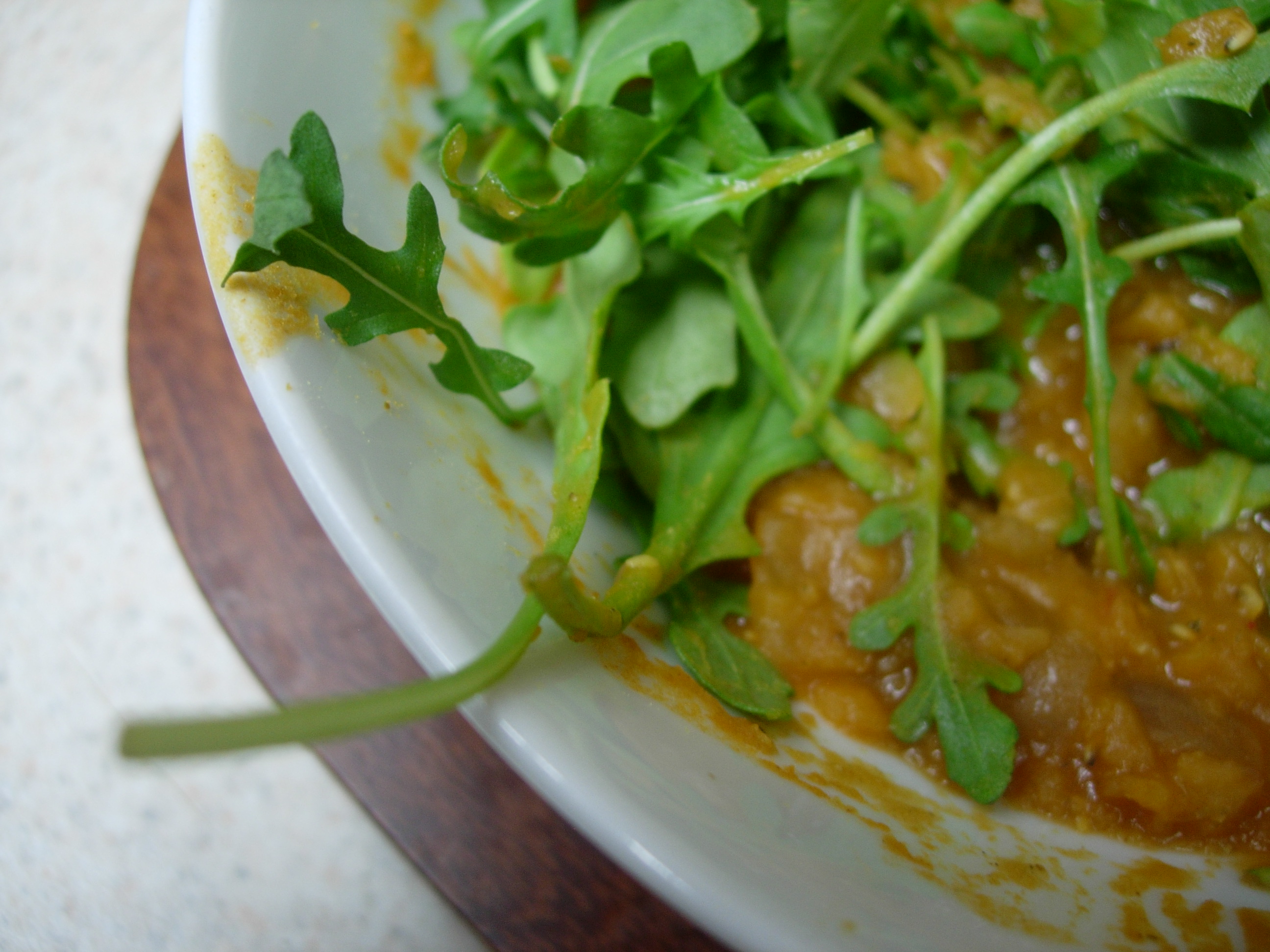
A strangely delicious mix: red lentil dhal with fresh baby arugula. This was one of those moments where the fridge contents guided the innovation. Not only was the arugula begging to be finished off, but we were out of tomato paste (which I normally use in red dhal) and no hot peppers to be found, either. Substituting jarred spaghetti sauce for tomato paste yielded a much sweeter dhal than usual. And since my eating style typically involves throwing everything into one big bowl, I found out that the sweet spiciness played beautifully with the peppery, bright greens.
Indian-Mediterranean fusion? ;) Maybe not so fancy, but it sure was tasty. (So tasty, in fact, that I dug right in before even thinking to pick up my camera: hence the messy presentation in the photo. Sorry about that — but hey, you know, food is for eating, right?)
Hope y’all’s week is off to a good start.
There’s a famous haiku by Matsuo Basho that I’ve seen quoted a few times recently.
The old pond.
A frog jumps in:
Plop!
The point of the poem, as Joseph Goldstein explains in The Experience Of Insight, is to illustrate the quality of mind called “bare attention,” which he describes as “the basis and foundation of spiritual discovery”:
Bare attention means observing things as they are, without choosing, without comparing, without evaluating, without laying our projections and expectations on to what is happening; cultivating instead a choiceless and non-interfering awareness . . . No dramatic description of the sunset and the peaceful evening sky over the pond and how beautiful it was. Just a crystal clear perception of what it was that happened . . . Bare attention: learning to see and observe, with simplicity and directness. Nothing extraneous. It is a powerfully penetrating quality of mind.
But even though insight is a practice in choicelessness, it still helps us to make better choices as needs arise. Kind of like training on a treadmill, going nowhere, in order to run longer distances outdoors.
The power of insight developed through meditation helps us to take action that is informed and intelligent, yet not overthought. It strengthens the basic clarity of perception that gives rise to truly creative processes. So when the need of the moment reveals itself, we see it for what it is, rather than immediately forcing it into our own familiar frameworks, categories, and concepts.
Not a bad faculty for allies in political struggle.
Insight, or bare attention, proves useful in many respects when we’re dealing with reality. (Different from memory, fantasy, imagination, theory, projection, etc.) One of its handy effects is paring down superfluous names, theorizations, and concepts for actually existing phenomena.
A recent post over on Advance The Struggle illustrates this well. (Read the whole thing — it’s worth it, I promise.)
Please accept this compensatory omelette.

Today I showed Karen* how to cook kale. Nothing fancy. She’d seen me whip up a pan of it to throw into a bowl of leftover minestrone soup for lunch. She watched me eat my strange mash-up and said, “Katie, you think if I ate healthy stuff like you that I might feel better and be more calm?”
It’s been a tough couple of weeks for Karen. After dropping out of her rehab program, she found herself back on the streets, cold, with nowhere to go. Having lost her husband to cancer this summer, she struggles to confront the agonies of grief, on top of mental illness, without turning to her crack or heroin habits for escape.
Karen’s full story is not mine to tell, and I won’t attempt it. But since it’s my door she shows up at when she’s hit bottom (because it is also the door of the street ministry where I live and work — with only one other staff person this month, while the rest are in Nicaragua), lately her life has intersected with mine in deep, complex, ways. So complex that in this, my third attempt to write about it, I still don’t really know what to say.
But I can start here, with a bowl of kale, and what it meant to me today. When Karen asked me to show her how to fix it, the request was partly a gesture of peace. In her misery, terror and desperation lately, she hasn’t always been kind to me, you know? Which is natural, and even helpful, in a way. Observing my own responses to the slights and blowups is some of the best meditative practice I can think of. Not easy. Very helpful. Especially learning when to check my own neurotic impulses to ‘offer wise advice,’ realizing instead that I’m just not the one she can hear it from at that moment. Someone else might be, but I’m not, and that’s okay. A practice like that allows me to (a) examine and (b) alleviate the pressure I put on myself to “help” or “perform” in particularly visible ways. Without that pressure, I am free to notice the “spaciousness” of the situation, as Chögyam Trungpa Rinpoche would say. Which means more calm and more intelligence — unforced, fluid.
And, as today reminded me, I’m not the only one who benefits from this fluid intelligence. I’m beginning to get wise to a major role I can play here at the Faithful Fools (again, a street ministry): what I’ve dubbed a “stabilizer.” Someone who can absorb some of the trauma, tension, and stress without adding too much of their own into the mix. Remain sensitive but unruffled. Just be there. Listen. I suppose that some people might be loud, active stabilizers (not sure if, in practice, this is an oxymoron), but my style is definitely quiet. Unassuming. Just doing my own thing, participating earnestly without getting drawn into all the tangles. I do it for myself, certainly, as a well-being measure. And it might just be catching on, too. Slowly.
That’s another dimension of the cooking demo request: Karen sees something in me that she likes and wants for herself. I’m content, she says. I take care of myself. I feed myself good, healthy, scrumptious food. And while her interest is sweet and even flattering in a way, the best part is that it shows she values herself. She wants to take care of herself, to really learn how to do it. (Which is a long way from some of the extreme, ominous, grasping things she’s said in the last week.)
At the same time, I’m not trumpeting a triumph here. Frankly, a third reason Karen asked me to show her how to make kale is that she’s still so strung out that she needs to keep herself occupied, moving, at all times. Diversionary cooking may be healthy, but it’s still diversionary. Until she can learn to consistently turn to life-affirming supports during the hard times, Karen may stay stuck in her cycle of addiction, disillusioned over and over again. Plus, on my end of things, I’m still open to (at times, haunted by) the possibility that all this “stabilizer” talk is just so much self-justification, with no lasting beneficial effects. A false sense of progress. Perhaps.
But for now, a few things I can say.
No one at the Fools has given up on Karen or canceled her friendship, and no one will.
I am now able to face these crises with a greater sense of bounty, borne of the work of 2009 and meant to be shared.
And kale, as always, is delicious.
— — —
*not her real name.
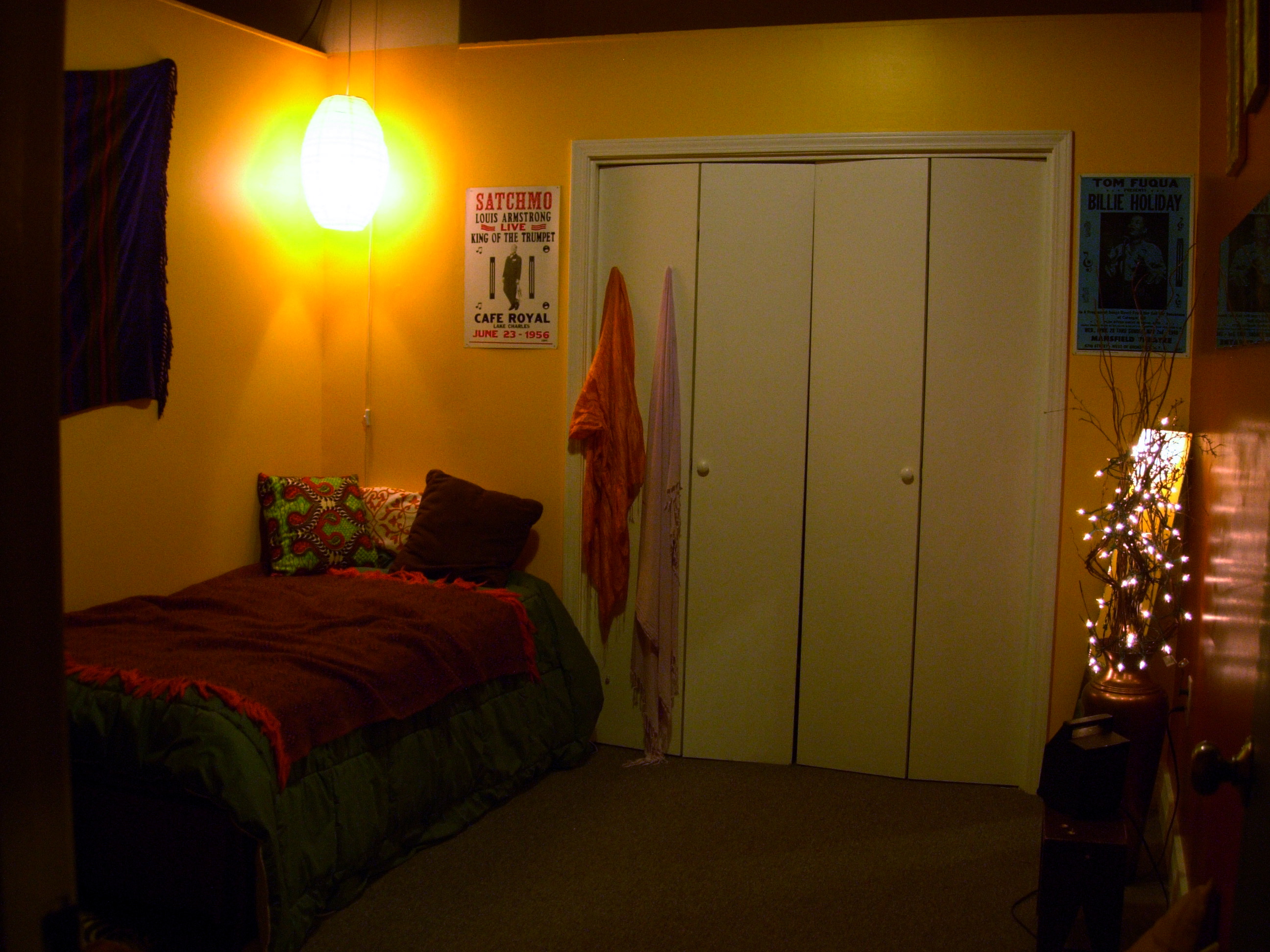
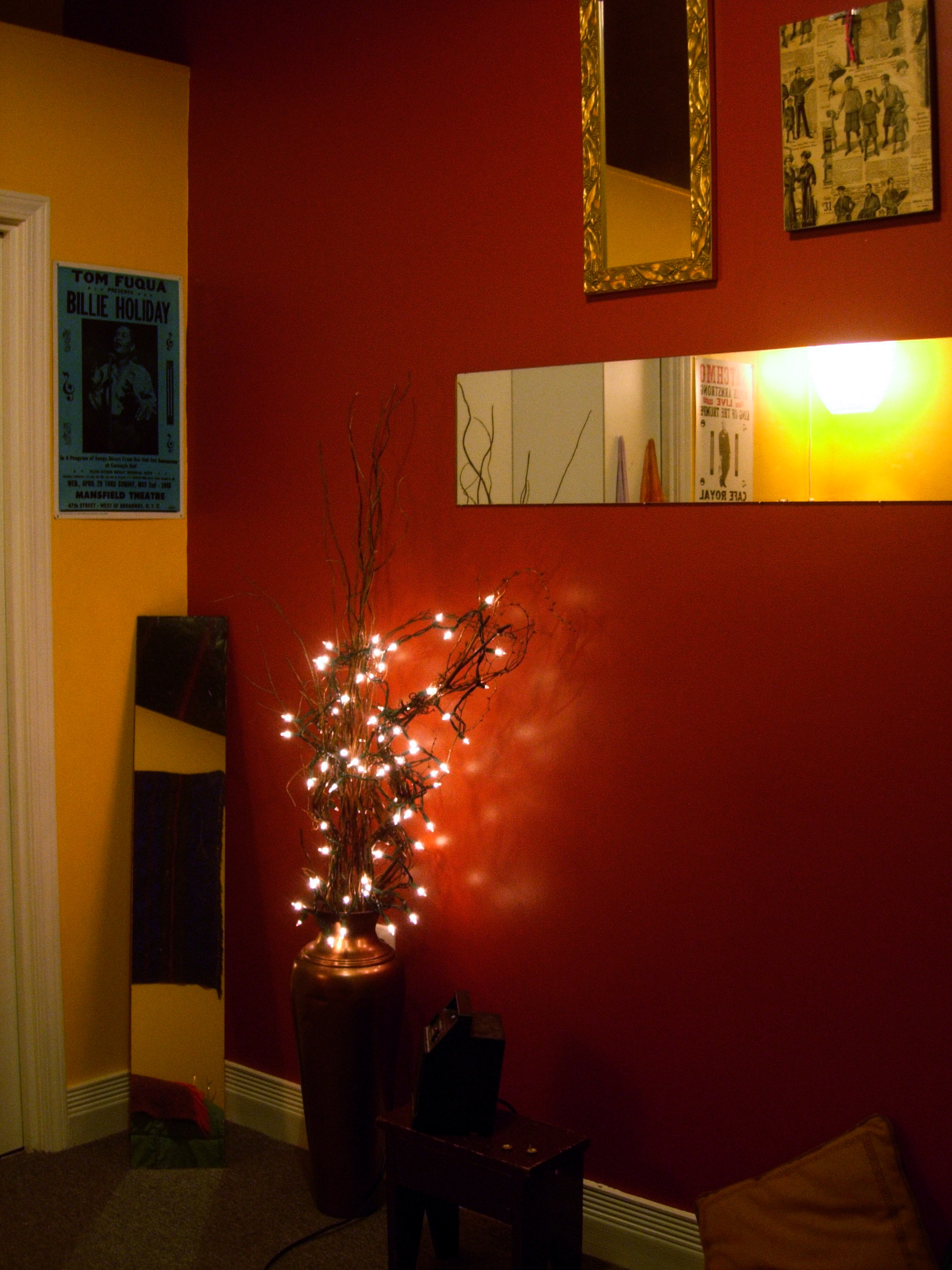
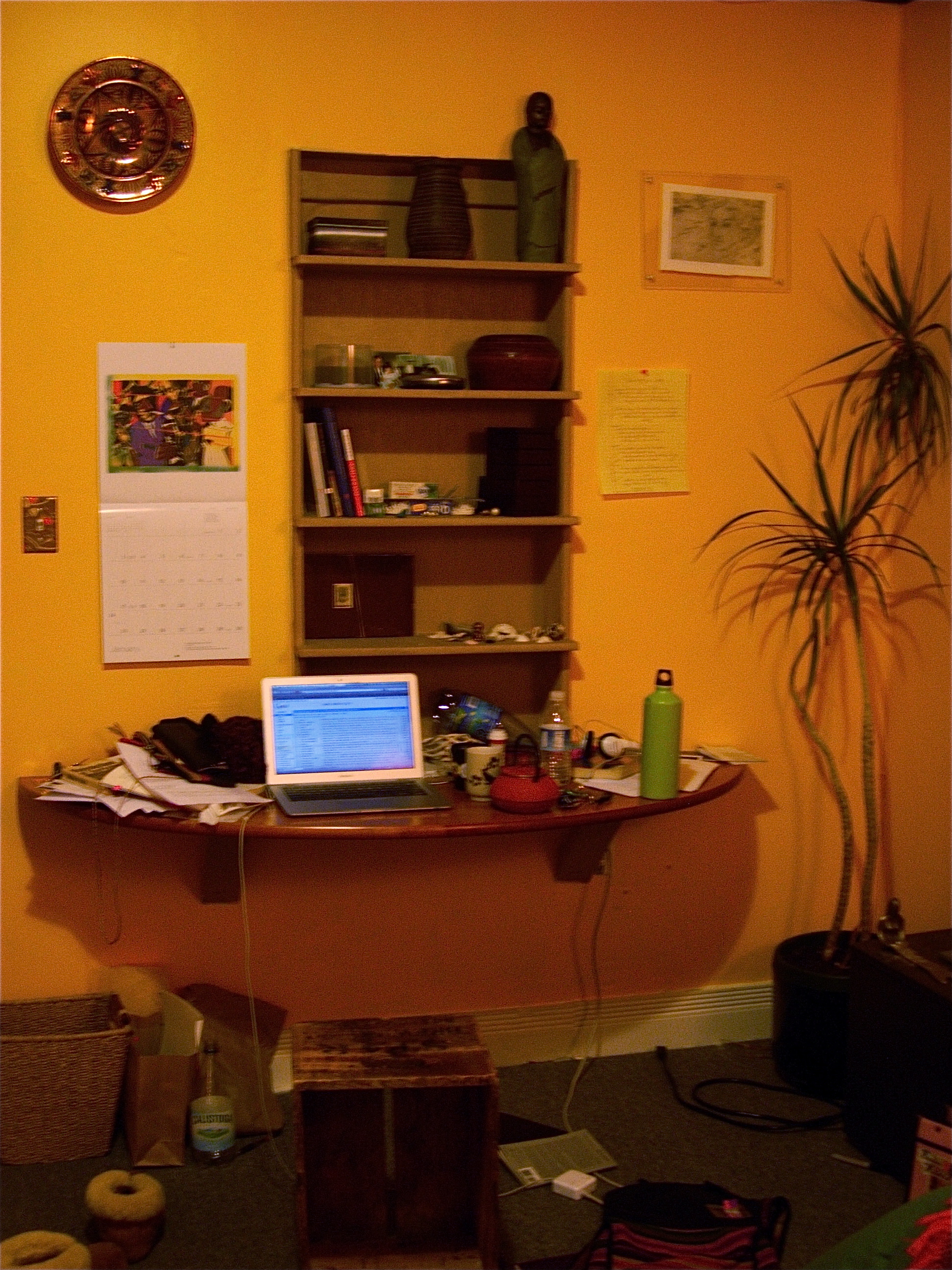
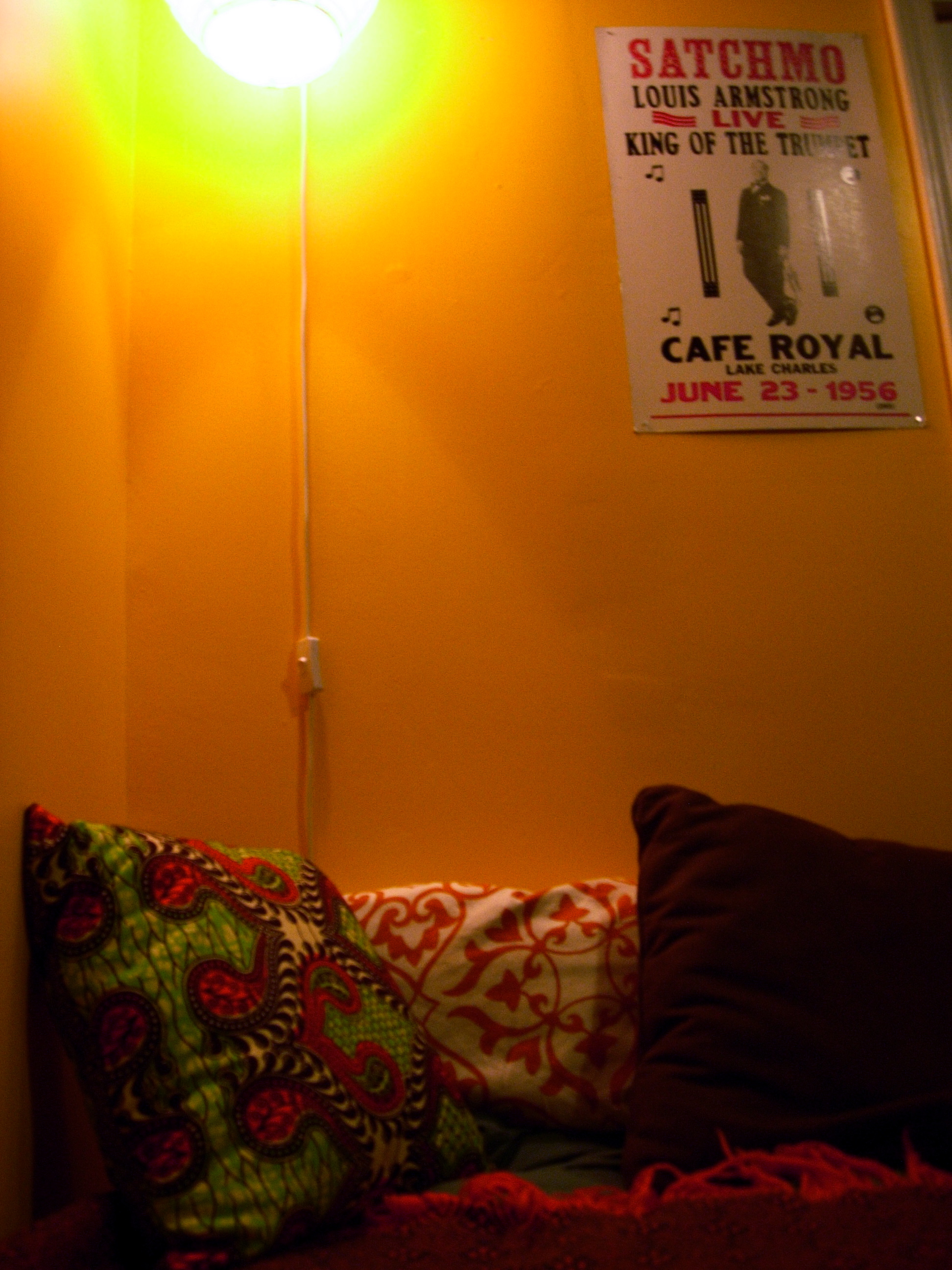
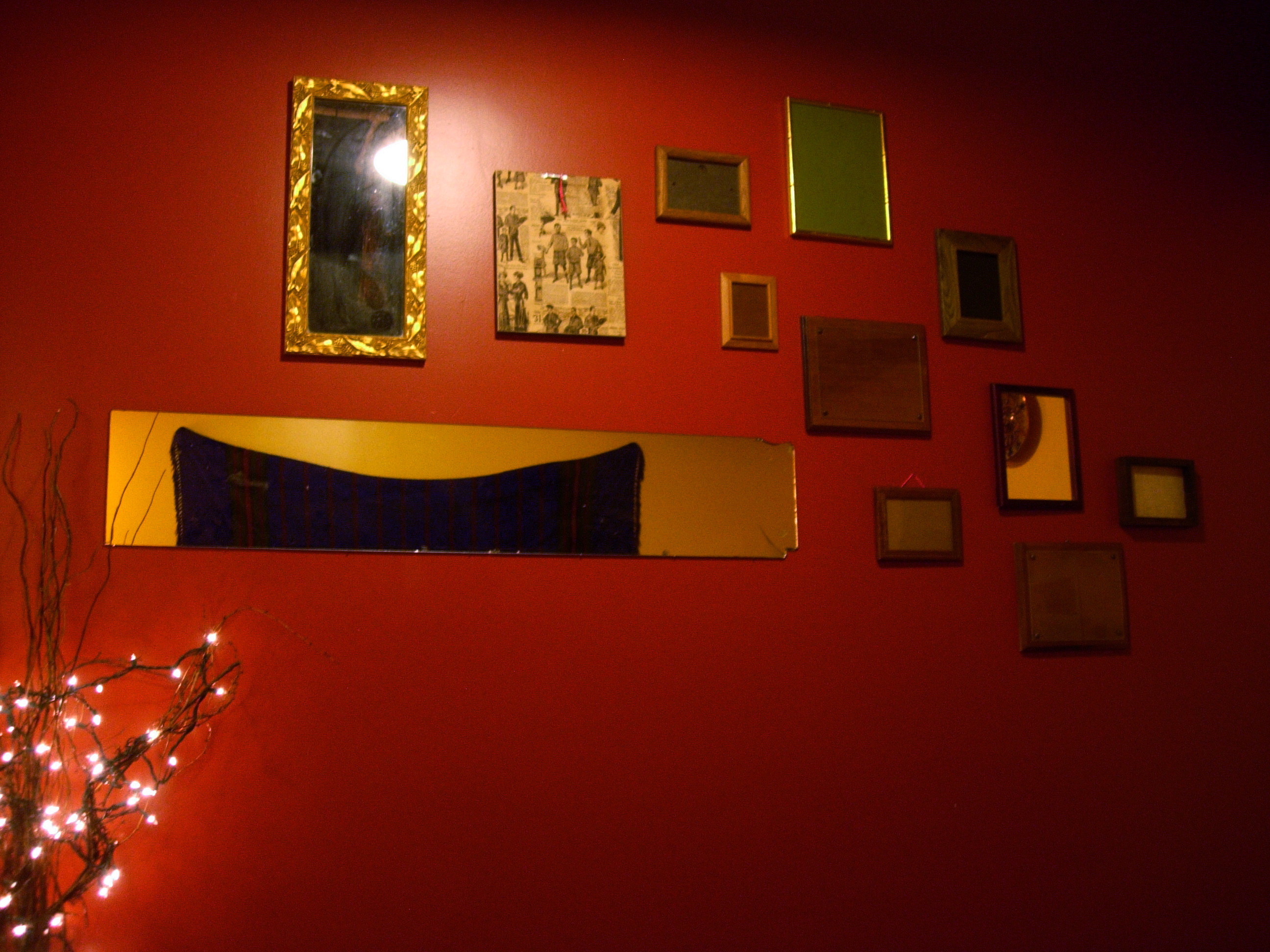
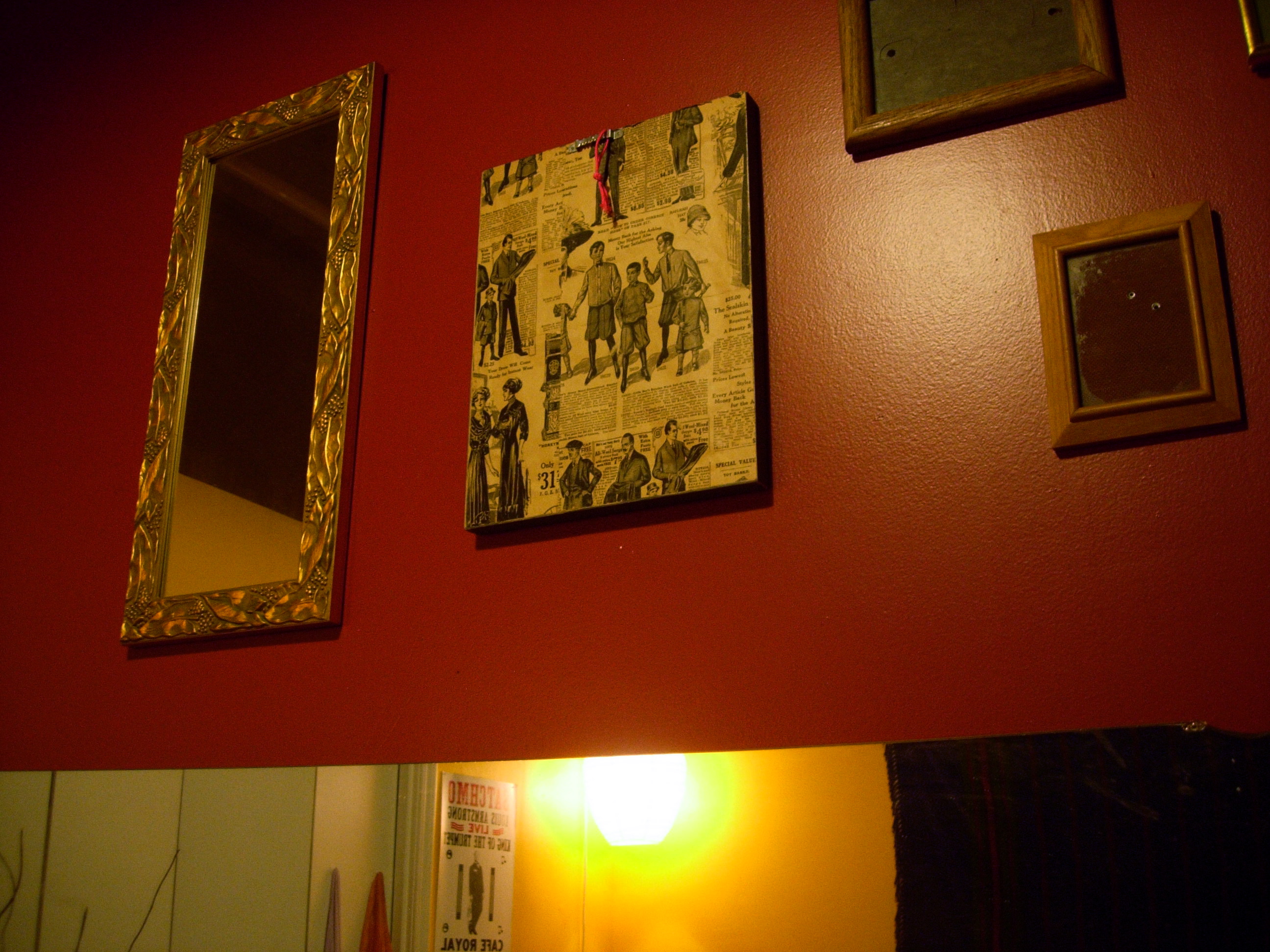
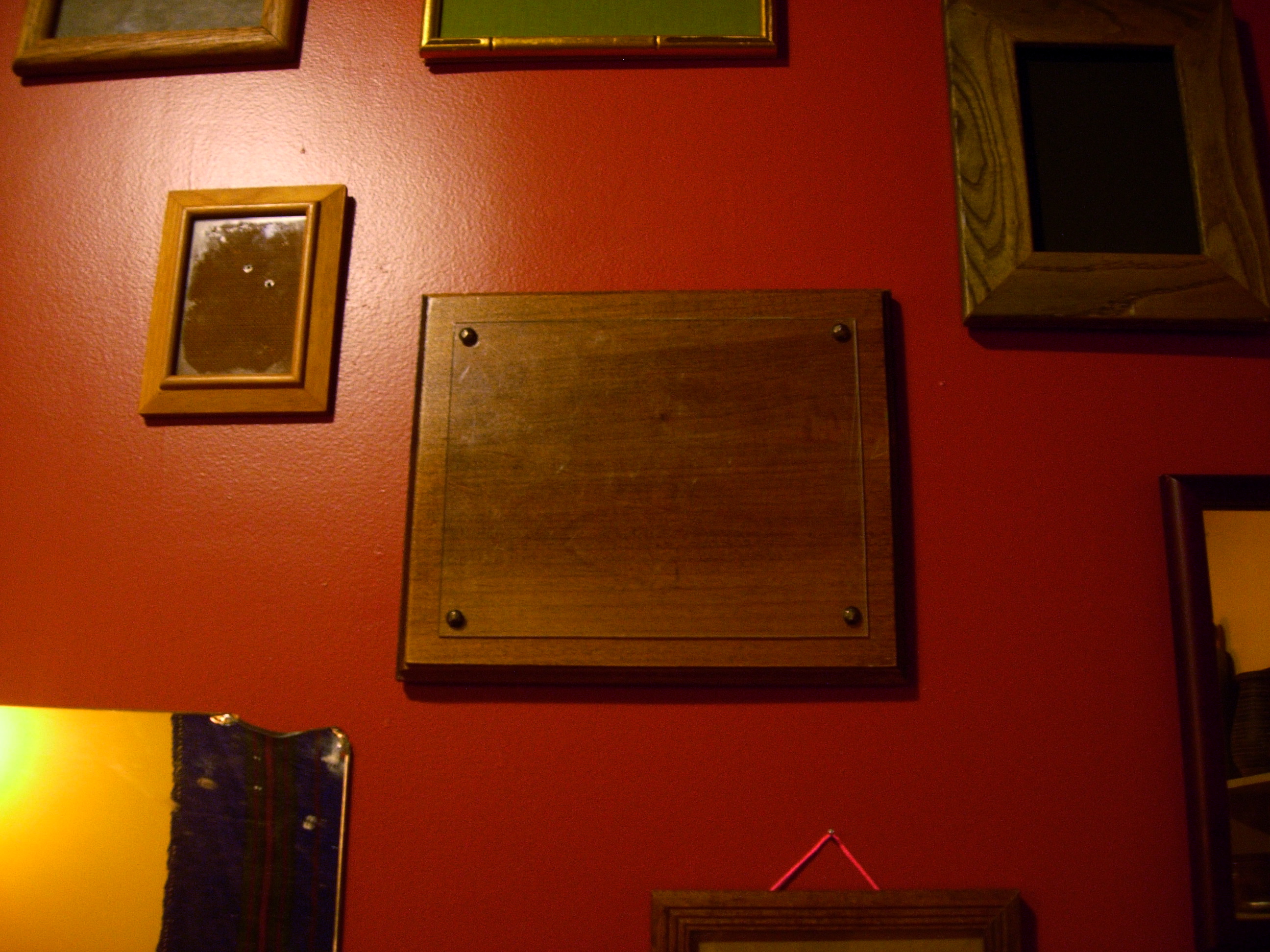
All 3.7 walls of my bedroom at the street ministry.
My friend Jerell taught me how to paint properly, and the two of us finished up this room together when I moved in two months ago.
It’s coming along quite nicely, I think. (Sorry though, I still haven’t figured out how to take good photos in low light…)

and an old classic:

Thanks, Andy. ;)
 Kloncke